Categories
Uncategorized

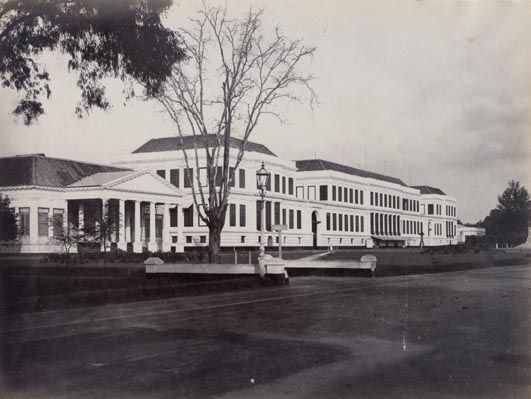
The Palace of Daendels and Dutch Colonial Architecture in Indonesia.

In 1595, the Dutch arrived in the archipelago of Indonesia as part of their voyage of obtaining natural resources1. The Dutch began settling, and continued to establish trading posts around the islands, slowly beginning their 350-year-long colonization. Cities were built around ports, endorsing the trading of goods. With the arrival of the Westerners, comes an […]
Categories
Industrial/resource extraction Infrastructure North America Settler colonialism

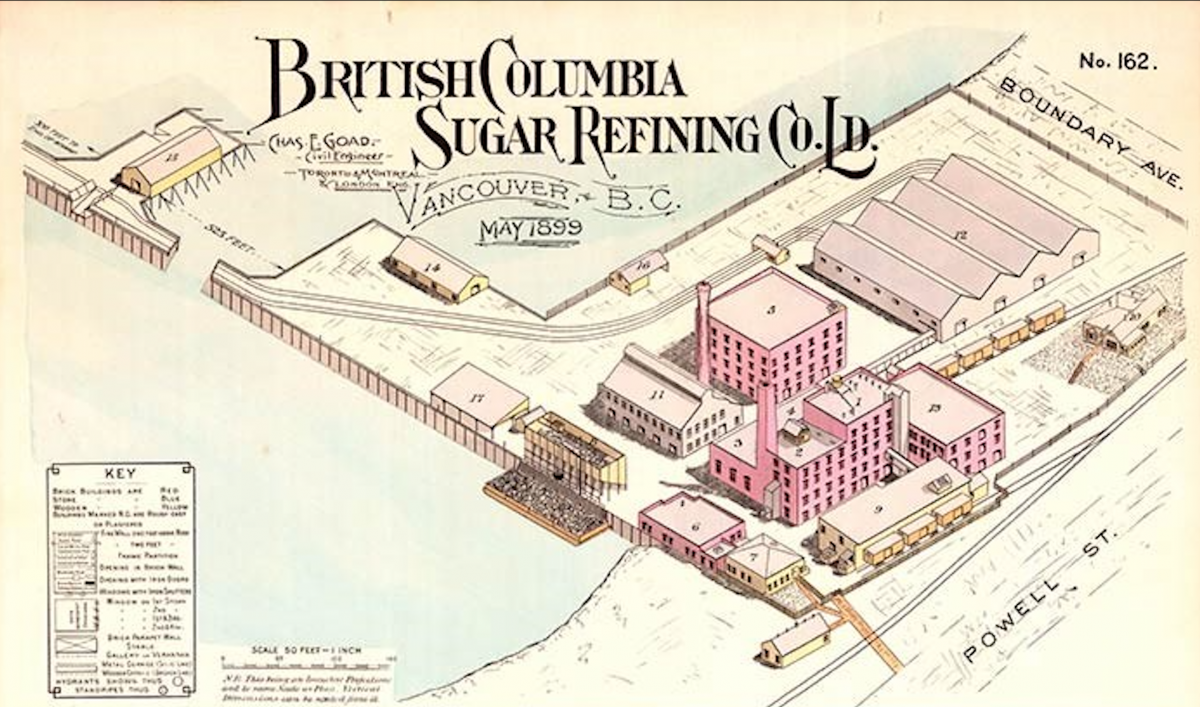
Rogers Sugar, Vancouver, 1891.

A bitter-sweet investigation into the rich history & role that Rogers Sugar played in Vancouver’s development. The BC Sugar Refinery is a highly industrial building located just behind the railway tracks at the Port of Vancouver, and an easy building to quickly dismiss without giving it a second thought. A series of warehouse buildings and […]

Categories
Uncategorized

The Slave Ship and The Making of Blackness

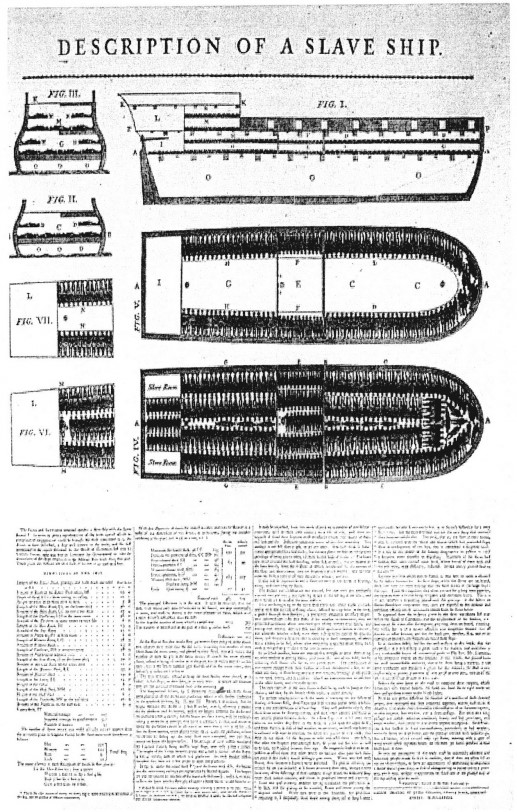
Fig. 1.Plan of an African Ship’s lower deck with Negroes in the Proportion of only one to a Ton, 1789, In Black Art and the Aesthetics of Memory, by Cheryl Finley (Presses Universitaires François-Rabelais, 1969) In 1789, the Plan of an African Ship’s Lower Deck with Negroes in the proportion of only One to a Ton’ […]

Categories
Europe French

Palais Garnier (Paris Opera House): The Symbol of Imperial Power & Cultural Prestige

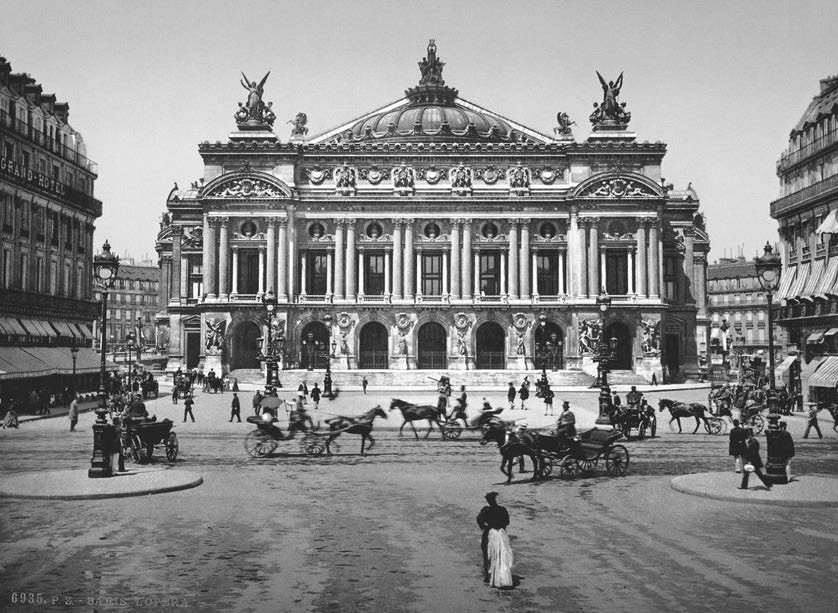
The Paris Opera House was designed and completed by Charles Garnier between 1861 and 1875.[1] Dripping in opulence and grandeur, ‘Palais Garnier’ is the quintessential depiction of France’s Imperial Power acquired during the Second Empire rule; representing the growing bourgeoisie population, Napoleon III’s political ambitions both domestically and internationally, and a legacy of symbology which […]

Categories
Uncategorized

Lahore Railway Station: A Symbol of Imperial Power

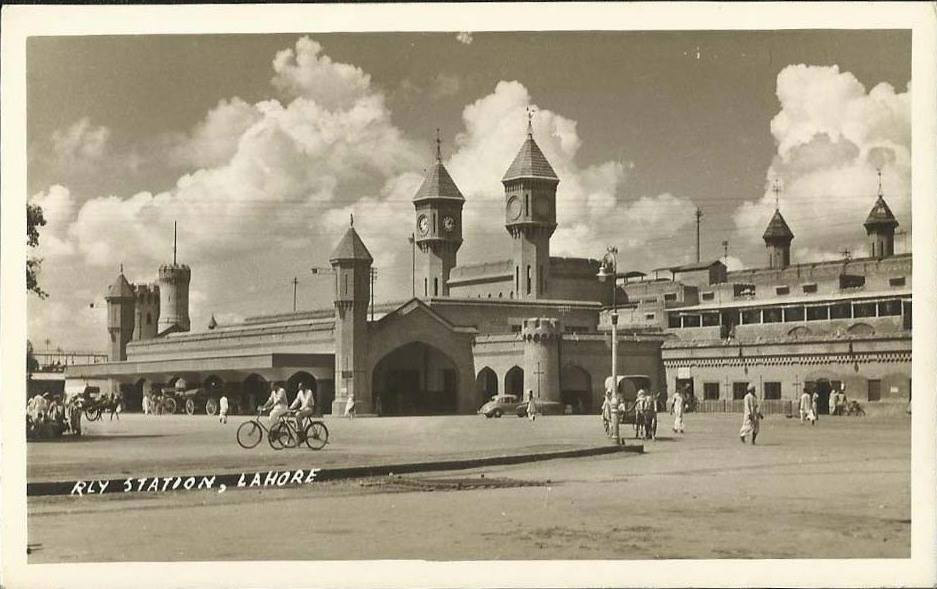
Introduction By the end of the 19th century, it is estimated that close to 150 million pounds-sterling was invested by British companies in the Indian railway system; the single greatest investment in the British Empire.[1] By 1947, the end of the British Raj, 57,000 miles of track had been laid down in Colonial India, 225,000 […]

Categories
North America Public/government Race Settler colonialism

U.S Capitol Building, Washington D.C (1793)

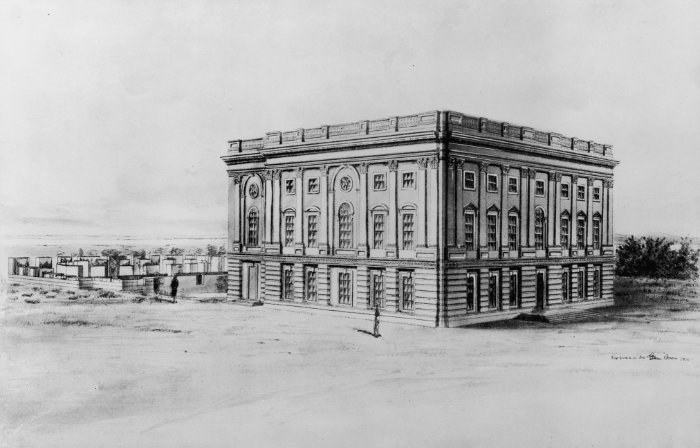
The convoluted emergence of the federal center of American democracy and how it reflects the colonial roots of a nation The location and architecture for the U.S federal government did not always exist as it does today. The immediate image that is conjured up of the white, neoclassical portico and columns in front of a […]

Categories
Community/urbanism North America Typology

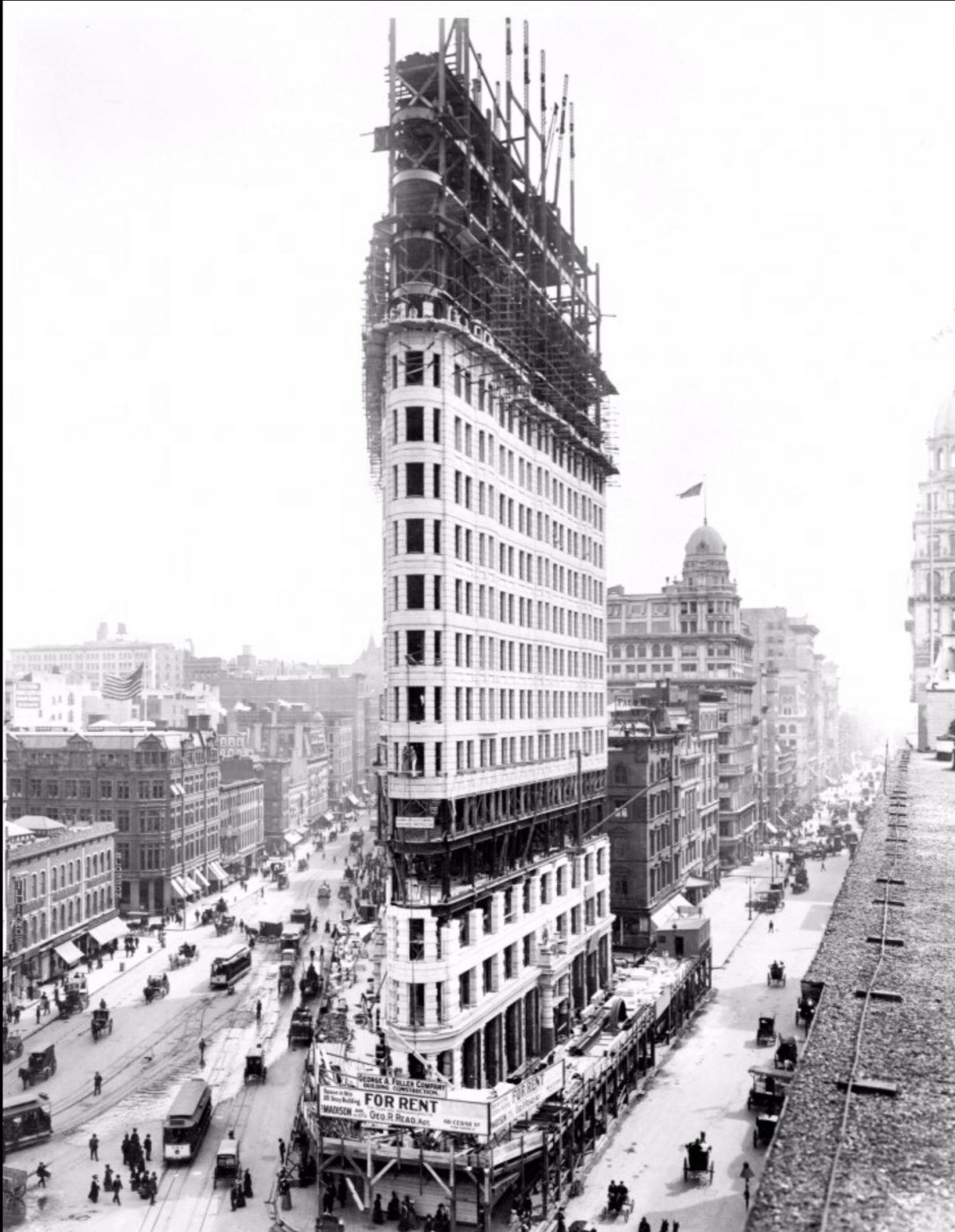
Make the ground pay.

An investigation into the Flatiron Building as an Icon of capitalism. As America grew in the late 1800s a new form of empire was emerging. The United States had vast amounts of resources, people and products. New York city was the capital of an economic empire. As capital accumulated in New York city it manifested […]

Categories
Uncategorized

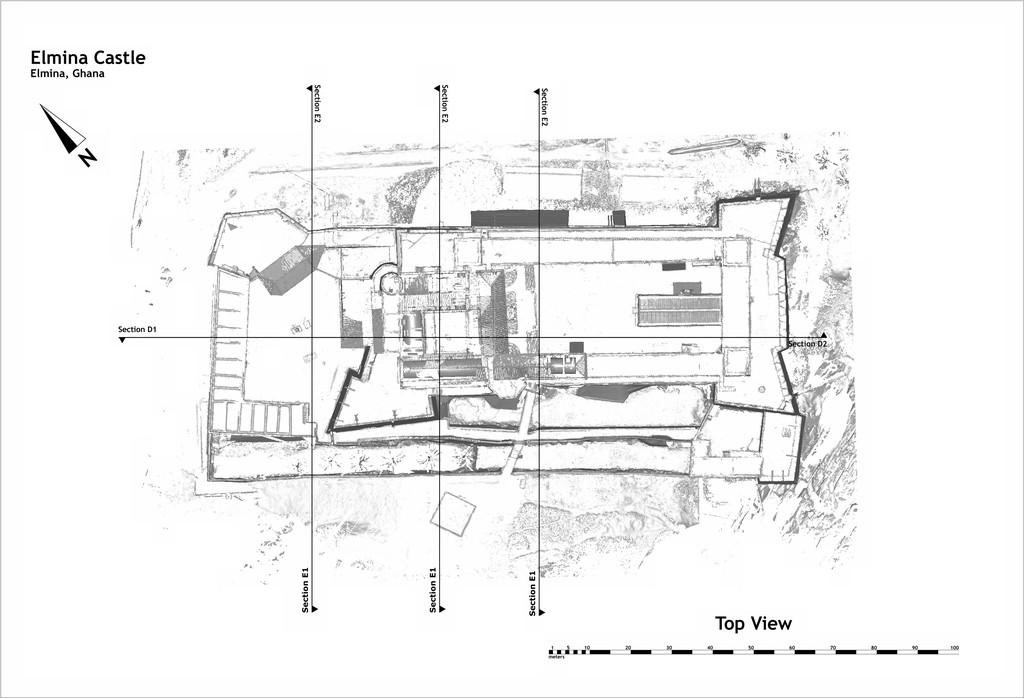
Elmina Castle 1482: Division of Race and Hierarchy of Space

The Elmina Castle in Ghana was the first European fortress built in the tropics in 1482, it was originally built for trade and missionary work by the Portuguese.1 The castle was an important node in the transatlantic slave trade along with several other fortresses and trading posts built along the West African coast.2 By examining […]

Categories
British Industrial/resource extraction North America Settler colonialism Uncategorized

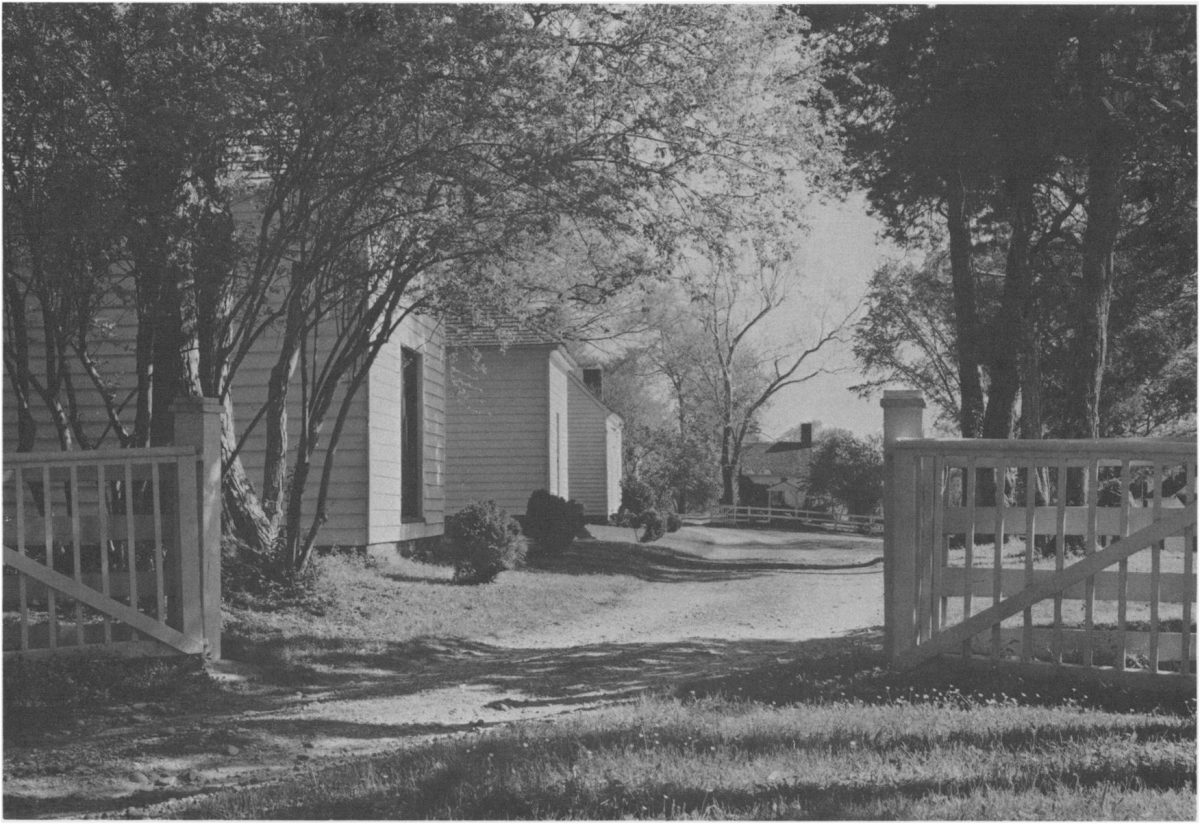
Tuckahoe Slave Labour Camp

A Conflict of Dominion at the Slave Quarters Tuckahoe slave labour camp is located ten miles west of Richmond, Virginia and was first settled by the Randolph family in 1714 and was at one point the childhood home of Thomas Jefferson.1 Construction of the main house began soon after and ultimately underwent the addition of […]

Categories
Domestic/residential French North America Public/government Race Settler colonialism Uncategorized

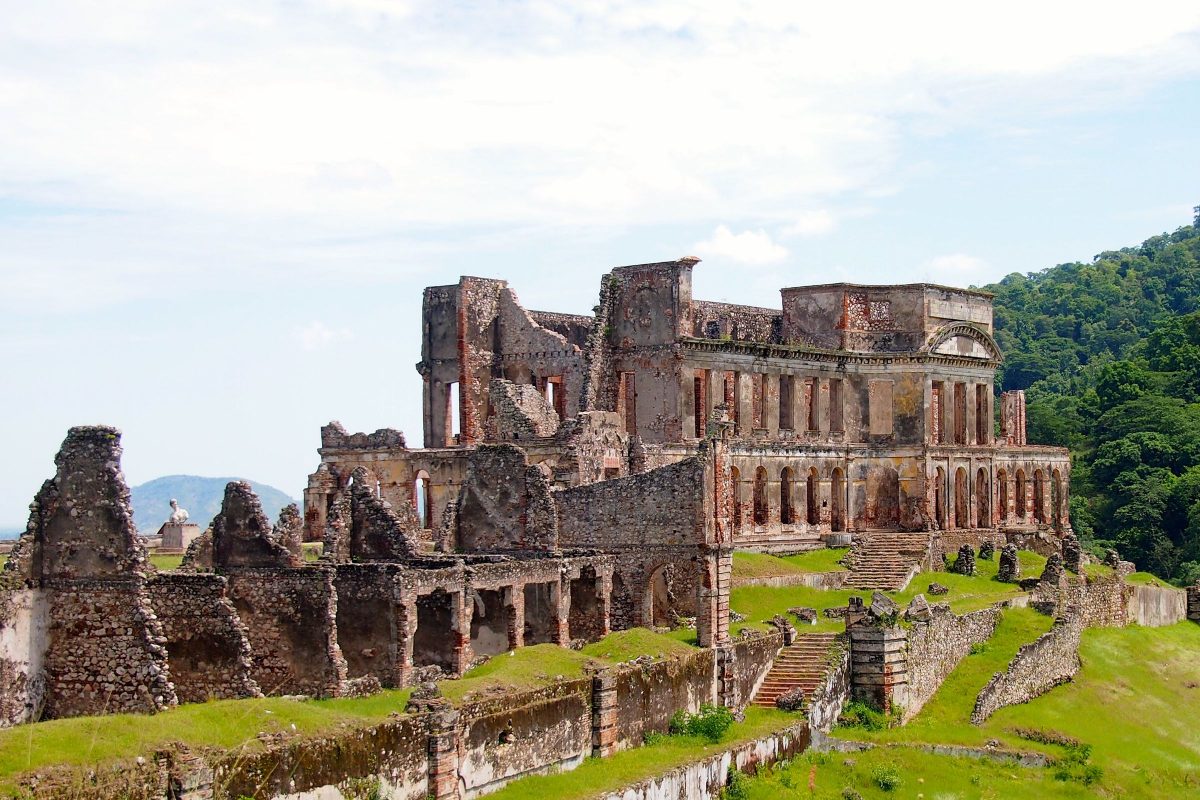
Sans-Souci Palace, 1813: Architecture of Liberation in the French Atlantic

Introduction The Caribbean is a region historically notable for its legacy of colonization and slave labour. As early as the 16th century enslaved Africans were shipped to islands in the West Indies to work on plantations owned and operated by Europeans. In particular, France claimed a substantial amount of territory for its monarchy, and took […]

Spam prevention powered by Akismet