Categories
Uncategorized

Poetry in the classroom

Here is the website for the company that my friend works through, her name is Erin Kirsh and I’ve known her since I was in Grade 6. We’ve been in many a show together 🙂

Here is the website:

http://www.vancouverpoetryhouse.com/word-play/for-teachers/

I know it costs money but I would not let that discourage you!! We have to support the arts!

Categories
Uncategorized

Effects of law school while studying in Tim Hortons

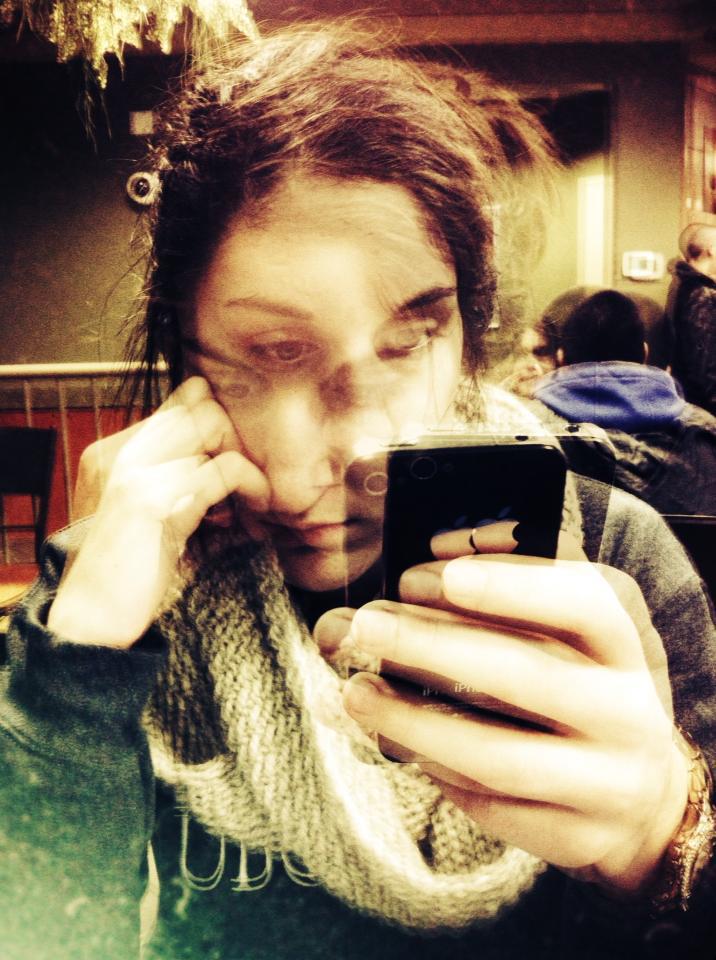
A Photographic work by Brendan Sangster starring his roommate Tessa Seager.

Poetry:

Categories
Uncategorized

interactive art on the net

While stumbling through websites through StumbleUpon I have stumbled upon many websites that offer an interactive and simple way to create art. I think these resources are very helpful for those students that find the art aspects of the projects to be challenging.

here are some examples:

http://www.stumbleupon.com/su/1D1Jyz/new.weavesilk.com/?ika/

http://www.stumbleupon.com/su/AOHjDF/bomomo.com/

http://www.stumbleupon.com/su/16yexA/koalastothemax.com/?aHR0cDovL3d3dy5hbWlyaWdodC5jb20vYWxidW0tY292ZXItdGhlbWVzL2ltYWdlcy9hbGJ1bS1CcmFuZC1OZXctRGVqYS1FbnRlbmR1LmpwZw==/

and here’s my composition with Incredibox.


And here is another really seemingly useful website, but I have yet to look through it. perhaps I’ll write a review once I do:

http://d3js.org/


Categories
Weblog Activities

I Found My Poetry and a Surprise!

For my second creative post, I decided to write a found poem based on random status updates from Facebook. I think found poetry is a great way to make a poetry unit more engaging and relevant to students, since they are able to get inspiration from many different sources.

The following poem was made (with permission from my FB friends) and with a Wintery tone:

Seven new notifications

Six friends a-posting

Five minutes ago

Four chocolate chip cookies left

Three Little Pigs

Two more weeks

and one Starbucks coffee

Keep the “Twelve Days of Christmas song/poem” in mind when you read this. 🙂

And finally, for the surprise…if you haven’t had a chance to comment of my previous creative post (the wordle about my novel) you might want to do so before you read the rest.

And now…(insert drumroll)…for the FABULOUS excerpt of my novel. This is the first part of the first chapter of my novel and all the text I used to create the wordle. Please, keep in mind that this is intended to be a young adult novel, so the language and the scenarios are not as sophisticated as you might be used to…

Now, read on:

Chapter One: The Dragon of Delphi

As soon as Delphyne smelled the putrid breath of the dragon, she knew Apollo had lied to her. Again. Python, as the locals referred to the beast, would not be an easy kill.

The colour of trampled grass, the dragon was at least a hundred feet long. Its body was covered with impenetrable scales and horned spikes that made him near invincible. His eyes were large orbs of black, with a reptilian yellow slit for a pupil, that tracked even the slightest of movements. It was rumoured that the primordial goddess, Gaia, had created Python from the foul-smelling swamp waters that surrounded the region of Delphi to protect the oracle from invaders or those who sought to use its power for personal gain. In Gaia’s last attempt to hold on to the fleeting power of the original gods, she’d placed part of her own essence into the beast.

The once lush lands of the Delphic oracle were now barren, after an hour of hard battle. The ground was sodden with the poison that Python spewed from his mouth. The poison had eaten away at the grass and trees in the area. The trees that had survived the acidic downpour were uprooted and tossed asunder. The dislodged trunks now decaying, the bark wilting away.

“Keep it occupied and I’ll shoot it down from above.”

Her dark braid whipping her back as she dodged to avoid another of Python’s swinging claws, Delphyne dared a brief glance behind her. The movement made the strap on her sandal tighten awkwardly, biting into her skin. Sure enough, she could feel the beginnings of a blister.

Apollo was hidden safely behind one of the large boulders that surrounded the sunken ground of the oracle, the sunlight glinting off the golden bow in his hands was the only clue to his current location.

Coward. Delphyne scowled. It was easy for him to give orders. He wasn’t the one who’d nearly been sliced in half four times in the past hour.

“How do you suppose I keep a hundred-foot serpent preoccupied? Maybe I should just stand still and let it rip me apart?” The retort rolled naturally of her tongue, as Delphyne dodged another of the Python’s attempts to dislodge her head. “It seems to enjoy doing that.”

“She,” called Apollo from his safe haven.

“What?”

“The dragon. It’s female.”

“Oh, really. Well, does that not just change everything.” She was beginning to sound like a hysterical fishwife even to her own ears. The pressure of nearly dying over and over again must be getting to her.

“Dodge left.”

Delphyne swerved left on Apollo’s command. A flaming arrow flew past her, only to hit Python’s armoured shoulder and bounce off harmlessly. The flame extinguished by the damp ground while the arrow joined its fallen companions – Apollo’s previous attempts at killing the dragon.

Apollo let out a foul oath.

“Perhaps you should distract it while I shoot it down,” Delphyne said. “Oh, pardon me, that’s shoot her down.”

“You can’t aim worth a drachma,” said Apollo. “With your luck, you’ll shoot everything but the dragon. Move right.”

Another arrow shot out. This one landed close to Python’s eye, but not close enough to do any damage.

“That would be different from what your doing how exactly?”

“I need to get a better angle, just keep dodging,” was all Apollo said in reply.

Apollo didn’t seem to understand that her strength was wavering. Her sandals were chaffing and the dents in her tarnished silver breastplate dug into her ribs with every move. Her under-tunic was soaked with sweat, the small sleeves clinging to her arms, restricting her movements. The metal wristbands on her arms also made her arms heavier and manoeuvring her sword that much harder.

Not to mention that Python had no intention of letting her avoid its spewing mouth for very long. Every time she twisted out of its reach, the creature followed her movement, ready to spit more of its acrid, green poison in her direction.

Delphyne heard the beat of wings behind her and knew Apollo had launched himself into the sky. The thought brought her back to the moment when she first met the young god, four years ago.

Delphyne was in the hidden glade not far from her home, practising the sword-fighting manoeuvres her Spartan father had recently taught her, when the god landed in front of her. He looked magnificent with his wings of light and flame, as if he had forced rays of sunlight to take shape at his back. His wind-tousled hair an array of shades between pure white and the deepest of gold. A laurel wreath snaked around one wrist, while the other was left bare by his sleeveless, belted white tunic.

      But it was his eyes that startled her, more than the soft golden glow of his skin or the perfection of his face – with it’s high cheekbones, and smooth skin that lacked her father’s scruffy beard – or his incredible height. The pale blue of the winter sky, they were like chips of ice in a torrent of fire. Those eyes stared at her with an intensity that scared her.

      Confused and afraid, she attacked – believing he meant to carry her off, as gods were wont to do. Her sword caught him on his cheek, cutting a thin line before he could react. He moved away from her so swiftly after that, a quick beating of his wings that launched him in the air. He hovered there for a heartbeat, his fingers tracing the cut in his cheek.

      And then he left, as silently as he had arrived.

      Delphyne stood in the glade, her heart thundering in her chest, until she finally came to her senses and ran all the way home. She thought for sure that the god would return and retaliate for the way she’d scarred his perfect visage.

      But he never did.

      A week later, Delphyne assumed that the god had forgotten about her and went back to the glade at the foot of the mountain. She’d thought about finding another spot to practice, but had been loathe to give up the secret place she and her father had found together. There she practised for nearly an hour, hidden from sight by the lush, green forestry that surrounded the area, before Apollo returned.

      She hadn’t known who he was, since it had been the first time Delphyne had been in the presence of a god, but she suspected he was an Olympian.

      He landed further away from her than the last time. And this time, Delphyne noticed the sword strapped corded, gold belt at his waist. Later, she would admire the ingenious craftsmanship and the perfect balance of the blade, but at that moment, she concentrated all her energy on swallowing her fear. The best way to intimidate an enemy was to not show fear, as her father would say.

      And so she forced herself to stand still, sword in hand, as he slowly walked towards her. She prepared herself for the inevitable fight and death – hers.

      But the god took her completely by surprise when he stopped in front of her and said, “Teach me.”

A sudden swipe of the Python’s horned tail jarred Delphyne out of her reverie. The spiked edge caught on her under-tunic and tore through the fabric.

Refocusing her attention on the creature in front of her, Delphyne swung her sword again and, again, for what seemed like the hundredth time, the metal glanced off the dragon’s mud-green scales. Her sword made not a mark on Python’s flesh; her slashing seeming only to make the beast angrier.

Python groaned, spitting poison that melted away more of the earth. Drops of the liquid landed on Delphyne’s arm above the wrist guard, burning her skin and eating through the cloth of her sleeve and leaving angry red marks. The attack unbalanced her; the sword falling out of her hand.

Python swung its claw again. Too slow to react, Delphyne slammed against the rocks as the blow landed. The back of her head struck the stone hard enough to make blood trail down her face, matting the dark strands of her hair to the skin.

“Zeus’s left heel,” she cursed under her breath. Had it not been for the ambrosia Apollo made her drink earlier, the impact would surely have rendered her unconscious. Even ambrosia, however, had its limits. Any more of the serpents staggering attacks and she wouldn’t be able to maintain her stance.

Python seemed to smirk with triumph, its gaze tracing the route of her blood as it soaked her once white tunic and tarnished her armour further, the reptilian slit in its yellow eyes contracting with anticipation. Moving forward, the creature opened its mouth to spray her its poison. Without thinking, Delphyne used her remaining strength to rush forward. Grabbing her sword with her uninjured arm, she stabbed the dragon inside its open mouth.

There was a spray of acid as the Python reared back, the still-stuck sword – protruding through the dragon’s chin and tongue – preventing it from closing its mouth.

Apollo took the opportunity to launch a flaming arrow inside the creature’s mouth. Moments later, two strong arms surrounded Delphyne from behind as Python was set aflame.

Delphyne wanted to shout in triumph, but she was unable to find her voice.

From the relative safety of the sky, Delphyne watched as the dragon’s flesh sizzled from the inside out. Its body writhing and thrashing against the boulders, as if the creature were trying to put out the fire that burned within. Chunks of stone flew through the air, less and less as Python began to weaken. Piece by piece, the dragon burned away leaving ashes scattered the on the barren earth. The remnants of the beast mixing with the fallen arrows on the battlefield, like dirt among twigs.

If it hadn’t tried to kill her just moments prior, Delphyne might have felt some pity for the dragon. But Delphyne was too busy trying to remain conscious. The blood still seeping from her head wound causing her vision to blur.

Carrying her gently to the ground, Apollo released her. After a heartbeat of stumbling about like a drunken sailor, Delphyne found her footing and made her way to the nearest boulder. Sitting, she bent her knees so that her feet rested on a second flat stone in front of her. She fumbled with the leather straps of her sandals, biting her lip when her fingers accidentally touched an open wound.

The straps had left little cuts on the pale skin of her feet – one of the few places on her body that remained untouched by the sun from her constant outdoor exploits. Though shallow, the injuries still throbbed with a prickling pain.

“Let me.” Apollo knelt down in front of her and pulled of her left sandal. The wound was worse than she thought.

“You lied to me,” Delphyne said. “That dragon wasn’t guarding any treasure, just land that Gaia had claimed for the Delphic prophetess.”

Treasure was the bribe that Apollo had used to get her to agree with his plan to slay the dragon of Delphi. By the time, she realized that there was no treasure, it had been too late to turn back – not that Delphyne could have gone back on her own, such a task would have taken her days or weeks without Apollo’s wings.

Apollo shrugged. “I didn’t lie to you. You just assumed that by treasure I meant pearls and rubies.”

It was true that her mercenary nature had gotten the best of her. After weeks of ennui from being trapped indoors with only her mother, the servants and the occasional visit from Apollo to keep her company, Delphyne had jumped on the opportunity to embark on a quest for buried gold.

“And you let me believe that,” accused Delphyne. “Exactly, what treasure is here? I see nothing but rubble and swamp water.” The same swamp water that was making her stink worse than cattle droppings.

“The oracle.”

“A useless slab of stone? A useless slab of stone?! You risked my life for a rock?”

-Kiran Heer
Categories
Uncategorized

Teaching through Games

Our session on games got me thinking of a game I used to play as a teenager: Age of Empires. I will be teaching grade 8 humanities and we’ll be covering the medieval period/feudal Japan. The different games of Age of Empires covers civilization nearly from its inception to present time throughout its different releases. Fortunately for me, the era that I have to teach is cover by my most favourite of the series “Age of Empires: II.”

Age of Empires is a strategy game. The style of game play that I will be working with is as such: you choose a specific civilization and you begin in the dark ages with about 3 villagers and a town-centre. From there you must begin to gather recourses (food, wood, gold, and stone). In the process you can build different structures, such as houses, a mill, or a port. As more structures are build and wealth and resources accumulated, the civilization can progress through different stages. Accordingly, different aspects of the game change. New structures and materials become available as progress happens. Eventually armies can be formed by building structures that can produce soldiers, knights, archers and so on.

The different structures and the way they appear, the different people and militia and their abilities, are all peculiar to the specific civilization that one chooses.

The challenge before me now is to find a way that I could link this game to the subject and incorporate it into my unit. My options also depend on wether I will be able to have all of the students to play the video game or not. I doubt I will be able to purchase a class set of the video game for the whole class. In addition, I am quite certain I can’t have the students torrent the game. If I am limited in this way, then my remaining option is to play the game myself and project my screen for the students—which, although different, is not really the ultimate engagement for which I was aiming.

I may have an option of having each student download the trial version of the game, but I have yet to find out if they can play as the specific civilizations that we are covering. I need to find a PC in order to do that.

If they are able to have access to the game and play it, my next challenge is to find out how the contents of the game can compliment what is covered in their textbook. I am entertaining a thought or two about basing my evaluation on the contents of the game.

Do you have any ideas or suggestions regarding my challenges?

And please comment if you have any questions or would like to know more about the game.

I am also open to collaborating with someone on creating a lesson plan based on this game.

ps. I didn’t add any links or pictures in fear of copyright infringement—I have been effectively petrified—but you can google it.

Categories
Uncategorized Visual Literacy

What about Internet Memes?

“An ‘Internet meme’ is a form or concept that spreads via the Web, whether through email forwarding, viral videos or blogs.… Although they may recede from view, memes never fully cease to exist, surviving … in the ever-expanding network of servers that make up the Internet. In the realm of digital memory, what seems to have disappeared may simply be lying dormant in the recesses of a hard drive.” (Copeland, 22)

Internet memes come in many different genres. Like the quotation says, they can be email forwards, videos, blogs, and other things. These days, photo memes are everywhere. This is partially because they are so easy to make and distribute.

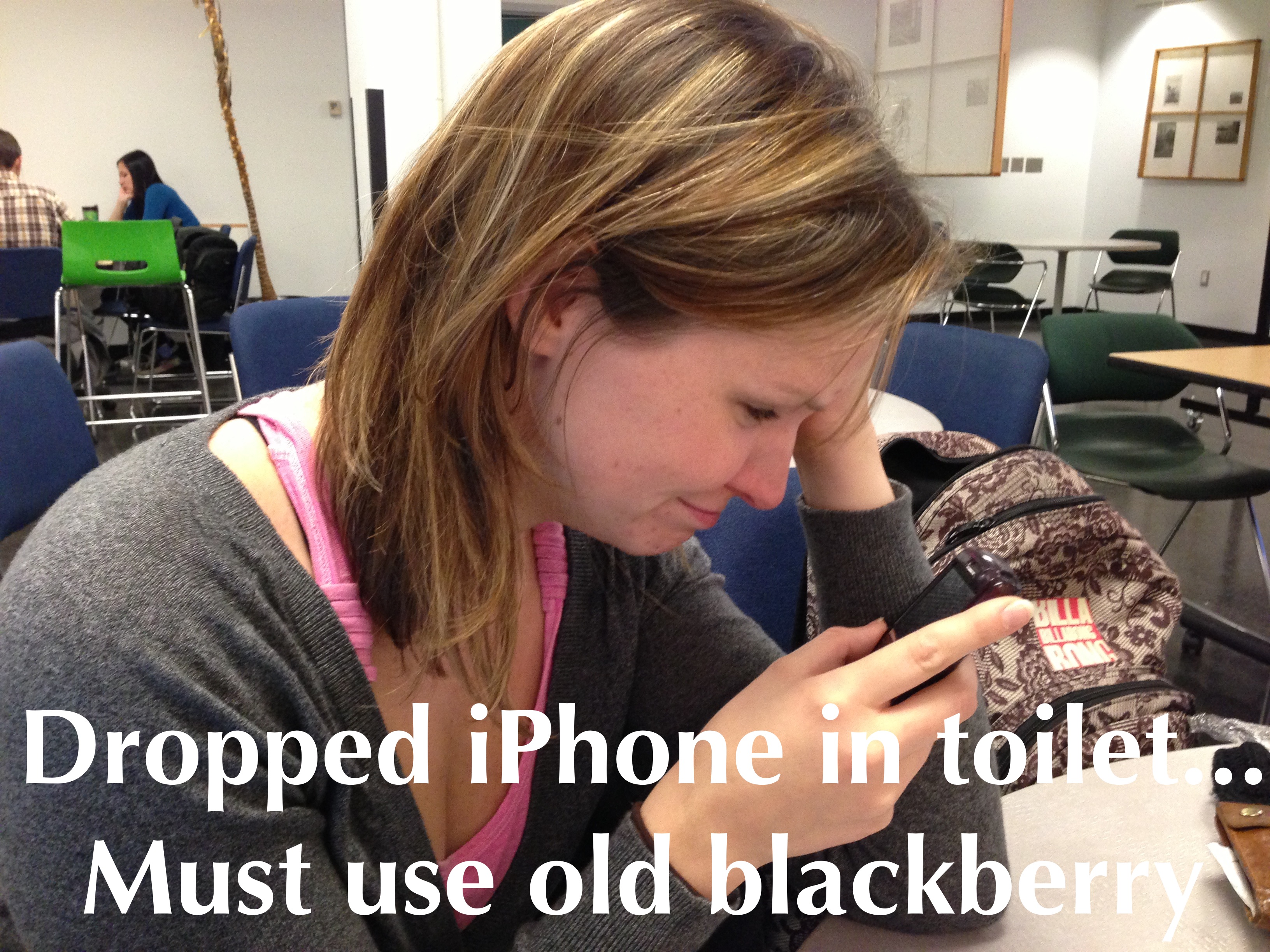
For example, I downloaded a meme creator onto my phone and made a meme in about 10 minutes. This meme is one of the “first world problem” memes. I used a situation that happened to one of our classmates… and she agreed to model for the picture.

Furthermore, to emphasize just how quick and easy memes are to use and how important it is to teach students to use and create memes carefully, here is a little story. For those of you who are familiar with meme characters, you may know that there is one meme character named “bad luck Brian.” Brian is a normal kid from a high school who happened to have an awkward school photo taken. One of his classmates got ahold of his photo and created an internet meme out of it. Brian never agreed to be in a meme, but now his face is known by millions of people and there is no way for him to change that. Here is one of the memes about him:

Actually, there are many meme characters already in use. Here is a photo of some of them… it is inviting you to use the characters to create your own memes.

And here is a video of where some of these faces came from:

Where did the Meme characters come from?

If you are interested in creating memes for possible classroom use (or even to teach children appropriate use of memes) here is a website you could use:
http://memegenerator.net/Meme-Creator

And the iphone app I used to create Melissa’s “first world problem” meme is called “just meme it”

-Katie

………………………………
COPELAND, C. (2011). MUTATING MEMES. Afterimage, 39(3), 22-23

Funnyjunk contributor: TexasChainsawDisco (2011). Meme Faces. Funnyjunk. http://www.funnyjunk.com/funny_pictures/1698834/Meme/

Mobil contributor (2012). Bad luck Brian. Mobilbeta. http://memegenerator.net/Meme-Creator

Youtube contributor: Duffbeer96x (2012). The origins of meme. Youtube. https://www.youtube.com/watch?v=z07TAM5Cc3A

Categories
Uncategorized

I couldn’t stop….

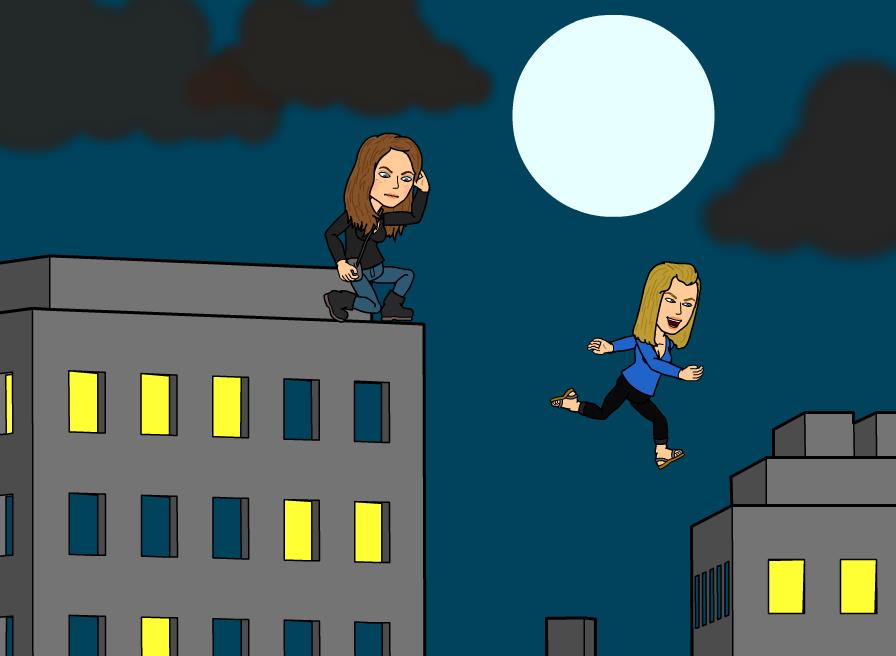
Melissa and Sarah spend another night fighting crime.

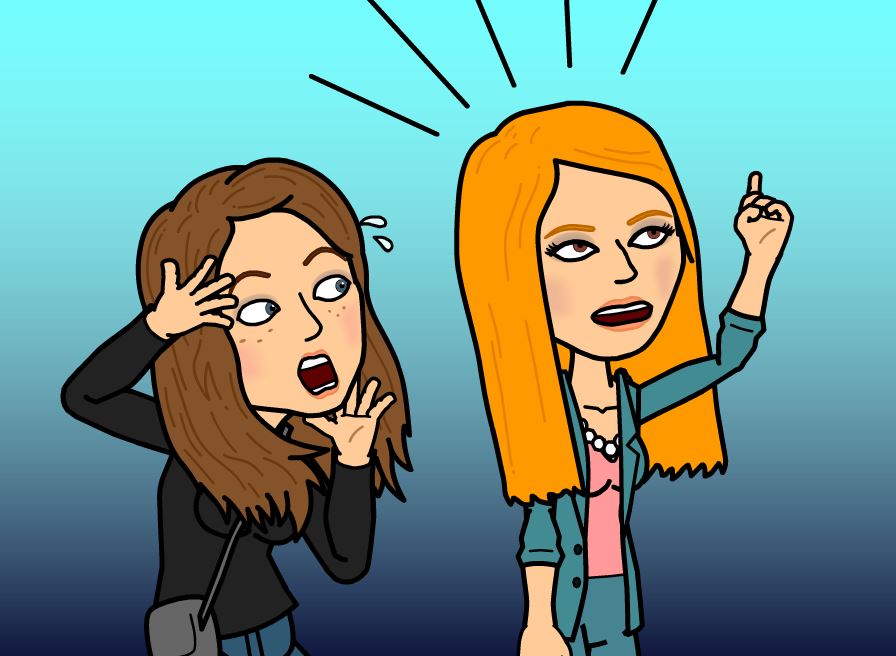
Melissa is in awe of Katie’s towering intellect.
Categories
Uncategorized

Playing with a few ideas…

So I played around with a few of the suggested Web 2.o tools for teachers.

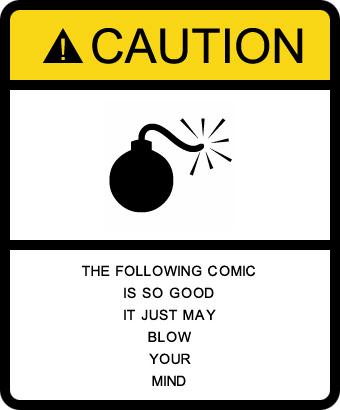
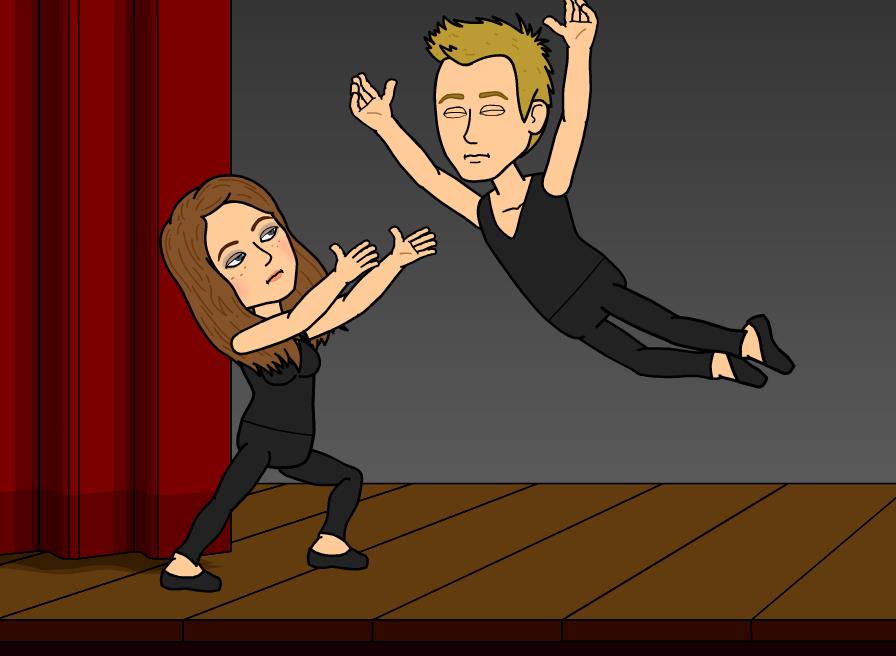
The first is a warning sign from www.warningsigngenerator.com and the second is a Bitstrips Comic. The comic would be a lot of fun for students to show an idea or interpretation of something in a single frame. It was also a lot of fun to create the avatars… The comic is entitled (and I didn’t make this up, it was one of the options of the site) “Melissa and Brendan make poetry with their bodies”. Enjoy!


Categories
Uncategorized

Giving Animoto A Try

I’ll be teaching three different Shakespeare plays during my long practicum, and I thought of different ways I could start off each unit. I thought I’d try my hand at Animoto, and initially, the plan was to do a fun, short video about strange biographical facts about Shakespeare. Unfortunately, the free version of Animoto really limits the amount of text per slide, so then I had to scrap that idea. Then, I recalled that Shakespeare invented a large number of words, and so I thought I’d do a short video of twenty words invented by Shakespeare. Turns out there’s a limit to ten slides in total. So with very few options left, I created a short video with four words invented by him. It’s a little underwhelming, but it did give me an opportunity to play around with an alternative mode of representation. I think perhaps I’d use this tool with students instead, to come up with a short presentation about an act they read, or perhaps have them take pictures of things they think represent a specific play and use Animoto to create a small presentation about those images to promote visual literacy.

Try our slideshow maker at Animoto.

– Kiran A.

Categories
Uncategorized

Homeless Youth and Technology: Notes from a presentation by Jill Woelfer

As part of my work as a Children’s Librarian with the Vancouver Public Library, I recently attended an informative presentation on the topic of technology and homeless youth, by researcher, Jill Woelfer.  The topic that day was specifically focused on the role of the public library in the lives of homeless youth.  But the data presented came out of Woelfer’s major area of study “the role of information systems in the lives of homeless young people”.  I’d like to share with you some of the highlights of the presentation, as it relates to our ongoing dialogue about how youth engage with various forms of multiliteracies.

Jill Woelfer is a Fulbright Fellow, a PhD candidate in Information Science at the Information School, at the University of Washington, in Seattle. If you are interested in more information about her distinctive and relevant research please the Information School “People” page at: http://ischool.uw.edu/people/phd/woelfj

For her study, Woelfer interviewed 202 young people (101 from Seattle, 101 from Vancouver.)  There were 122 males, 75 female and five participants who self-identified as transgendered.  (Woelfer was careful to point out that the number of transgendered youth was proportionately high.) The other number that was quite interesting to me is the disproportionate number of female to males. Woelfer didn’t speak to this statistic, but I wondered if this is reflective of the fact that so many young women who are homeless/at risk of being homeless are recruited into the sex trade industry and therefore not counted amongst those being “homeless”.)

The participants were representatives of various ethno-cultural groups including, Indigenousness peoples, “mixed-race” individuals, and African Americans (in Seattle).  But the majority, in each country, were Caucasian. (Woelfer found this to be surprising; as did I.)

Woelfer’s data was poetically framed within the context of the “ordinary vs. the extraordinary”. (Woelfer, 2012).   For example:  It is ordinary for a youth to access music on his or her iPod; while it is extraordinary for that same youth to have little access to the electricity to charge her iPod. It is ordinary for a youth to download free movies to his or her laptop; it is extraordinary for that individual to not be able to charge her laptop where he or she sleeps at night.

The participants had technological devices such as cell phones, laptops, and music players. But though they owned such devices they often faced unique accessibility issues.  One of the common threads throughout the presentation was the issue of access to electricity.   (Something many of us never consider.) Simply finding a place to charge their phone/laptop/music device is an obstacle. Finding an outlet to recharge their devices and finding Wi-Fi access proves to be a constant challenge.  The usual places that many people gain access to free wireless (cafés, restaurants, etc.) are off limits to them because eventually they will be accused of “loitering”.

Personal Stories from the youth that stuck with me:

  1. A young woman describes her daily visit to the library. She uses her 1.5 hour on the Internet to stay in touch with friends and family (via Facebook and email) and downloads movies, while her friend goes to another area of the library where she can use a plug to recharge her laptop. Then the girls go “home” to a “tent city” in Seattle and they watch movies together until their battery runs out.
  2. A young woman explained how she was in an abusive relationship and everyone in her family was worried about her when she went to live with the boyfriend at his friends’ place. In this dwelling, they had no electricity or heat.  The young woman explained that her boyfriend was “doing the whole isolating [me] thing” and wouldn’t let her leave the house. The couple heard from a friend that her mother had posted a plea for information on her daughter’s whereabouts on Facebook, and warned that she would be calling Missing Persons if she didn’t hear from her daughter that day. Because of this warning, the boyfriend “let hour out” and she went straight to the library, just to write to her mother via Facebook.  (She eventually got out of the relationship.)
  3. A young man got rid of his iPod because he felt that his behaviour, his obsession associated with his music and downloading, had become “an addiction” and he was trying to live addiction free.
  4. A young woman had to create two Facebook accounts so that she could secretly stay in touch with her younger sister who was still living with her parents, from whom she had fled.   She was concerned for the safety of her sibling and the multiple Facebook profiles enabled her to “keep an eye on [her] sister” without her parents surveillance.
  5. One young man had 20 library books in his bag when he was interviewed.  He had nowhere to sleep at night, but he carried those books around.

These youth accessed technology at the library for the following (un-ranked) reasons: social connections/job search/resume assistance/housing search/accessing community organizations/health sites (clinics, etc.)/self-education /Library services/resources (some participants surveyed took 1-2 bus rides just to get to a public library branch)

IMPORTANT DETAILS TO KEEP IN MIND

  • The youth that were interviewed for this study “looked like “college kids”.  They dressed the same, had the style of clothes (many had new and expensive donated clothing) the same taste in technological/recreational activities, etc.)
  • Their access to technology during the day is integral to their stabilization process and moving out of homelessness. (Shelter policies state that the youth are not there during the day; they are expected to be out of the shelter, “working on their [work/school/accommodation] plan”. (Unless, Woelfer noted, there are specific additional challenges the young person faces, such as extremely low IQ, or debilitating disabilities.)  So even though there are stipulated hours of daytime absence required for residence in shelters, their Case managers expect the youth to have access to computers and the Internet during the day.  This highlights the need for daytime access for homeless youth to technology/computer/Internet access.

I was reminded during this presentation of the myriad “unknown” in the lives of our students.   As educators, we must be highly aware that anyone in our class could be homeless, in transitional housing, or at-risk of homelessness. We might never be informed of the situation.  The school counselor may never be informed.  It’s a possibility for which we should be mindful.

I complete this post with the following information from the Covenant House (youth shelter) website, for those of you who would like additional information about homeless and at-risk of homelessness youth in Vancouver.

How many homeless youth are there in Vancouver?

The number varies depending on the time of year and how homelessness is defined. However, it is generally accepted that on any given night there are between 500 and 1,000 homeless and at-risk young people on Vancouver’s streets. A street-involved young person can be someone who is absolutely homeless (no address), someone who is “couch surfing” by moving from one friend’s to another, or someone who is still living at home but getting involved with life on the streets. (Covenant House site)

Our Mission

Providing love and hope to Vancouver’s street youth.

We help youth aged 16 – 24 who have fled physical, emotional and/or sexual abuse, those who have been forced from their homes or those who have aged out of foster care.   (http://www.covenanthousebc.org/about)


Works Cited:

“Jill Woelfer | Information School | University of Washington.” Jill Woelfer | Information School | University of Washington.  2012. Web. 30 Nov. 2012.

Spam prevention powered by Akismet