Categories
British Empire Industrial/resource extraction Infrastructure South America

Viscous Pathways

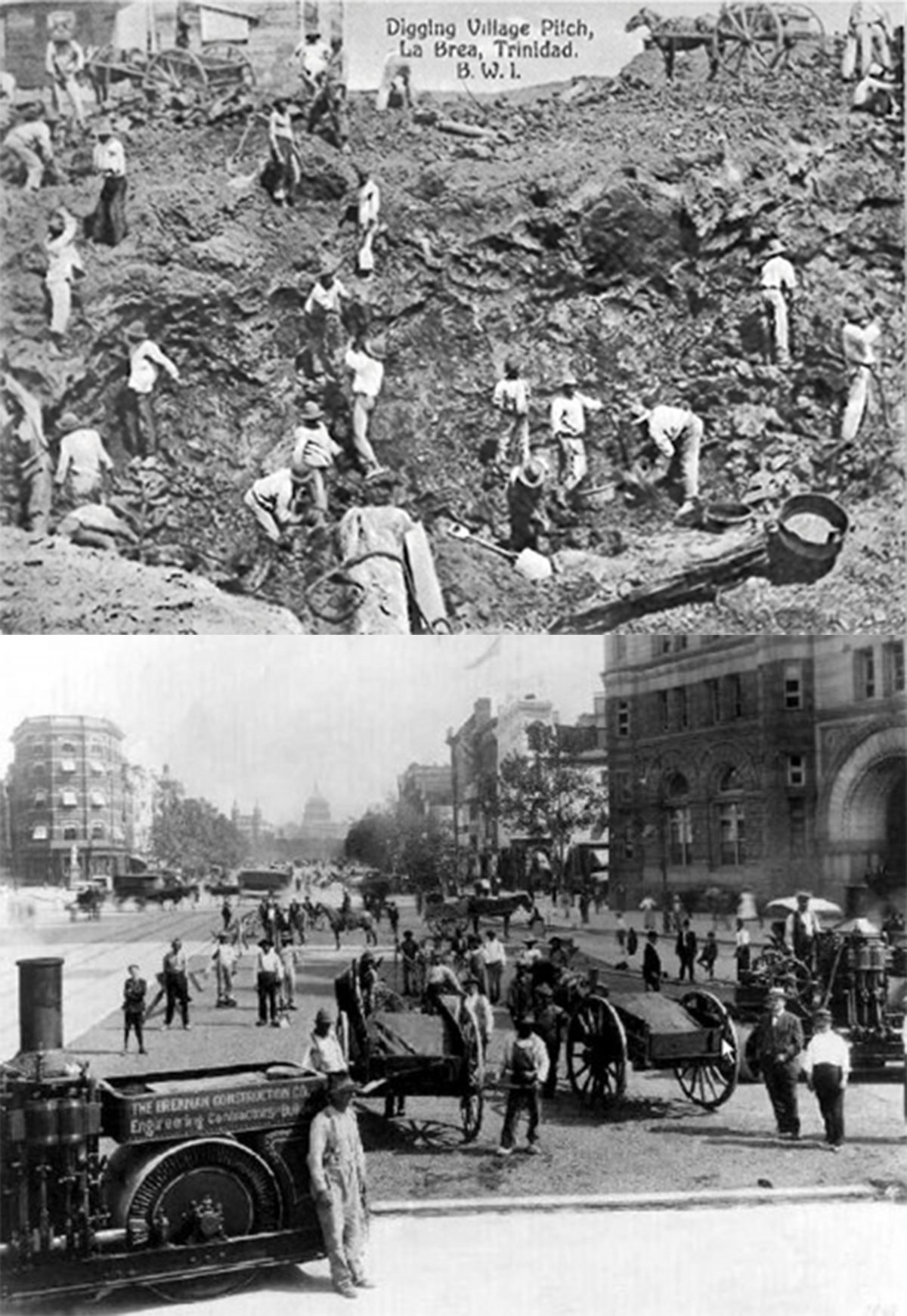
Bitumen from La Brea Pitch Lake, Trinidad to Pennsylvania Avenue, Washington D.C. 1876 Diatoms are a major group of microalgae which reside in the world’s oceans, waterways, and soils. Living diatoms make up an incredibly large portion of the Earth’s biomass, constitute nearly 50% of the organic material found in the oceans, and generate between […]
Categories
Uncategorized

The South Kensington Museum: A Lesson in Colonialism

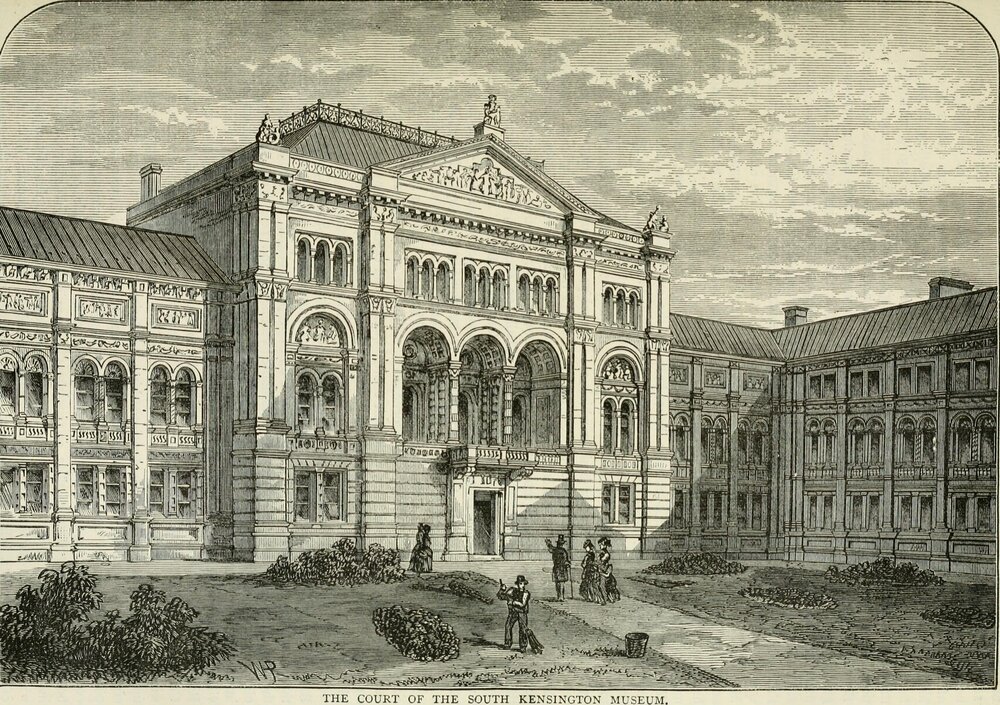
Introduction The South Kensington Museum—now the Victoria and Albert Museum—has a unique and complex history. Perhaps most well-known for its primary focus on industrial education throughout the nineteenth century, the South Kensington Museum stood distinct from other prominent art museums in London at the time. Founded in 1852, the museum followed the success of the […]

Categories
Uncategorized

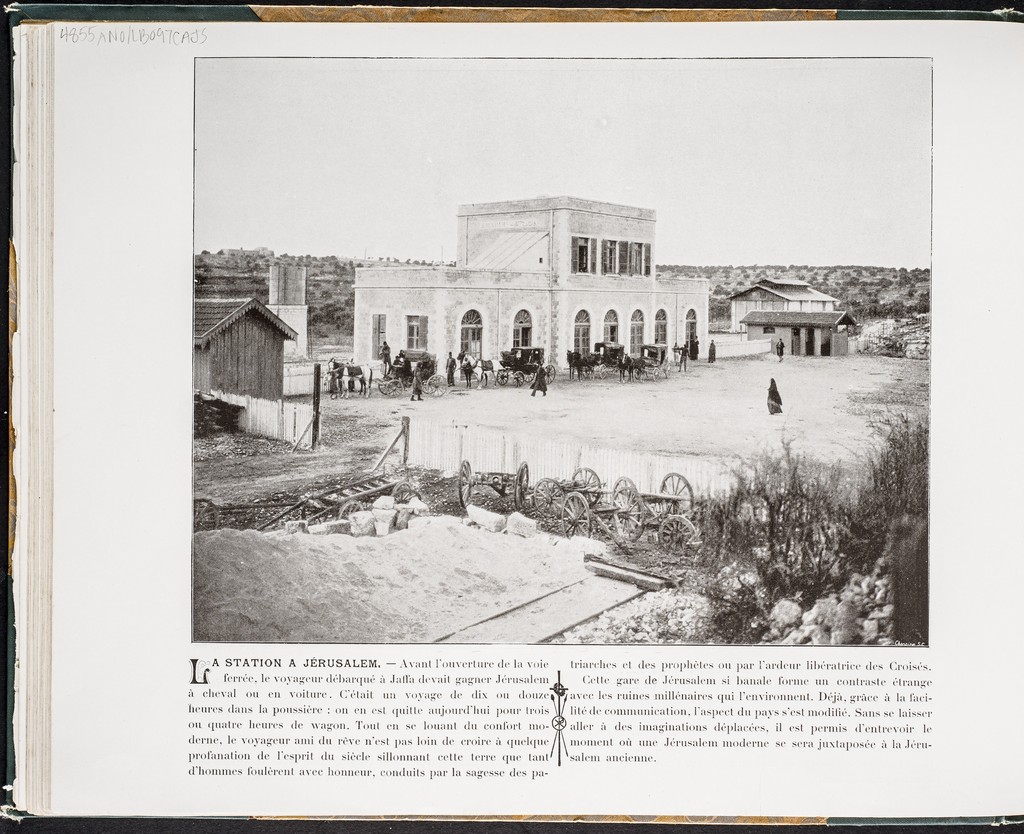
The Jerusalem Train Station

“Jerusalem is a port city on the shore of eternity.” – Yehuda Amichai. The buildings we see, especially public ones, send back a signal of their deeper purpose. Some of these buildings are famous (architecturally speaking) and some simply remind us of the events and ambitions of the places and people that built them1. The Jerusalem […]

Categories
Uncategorized

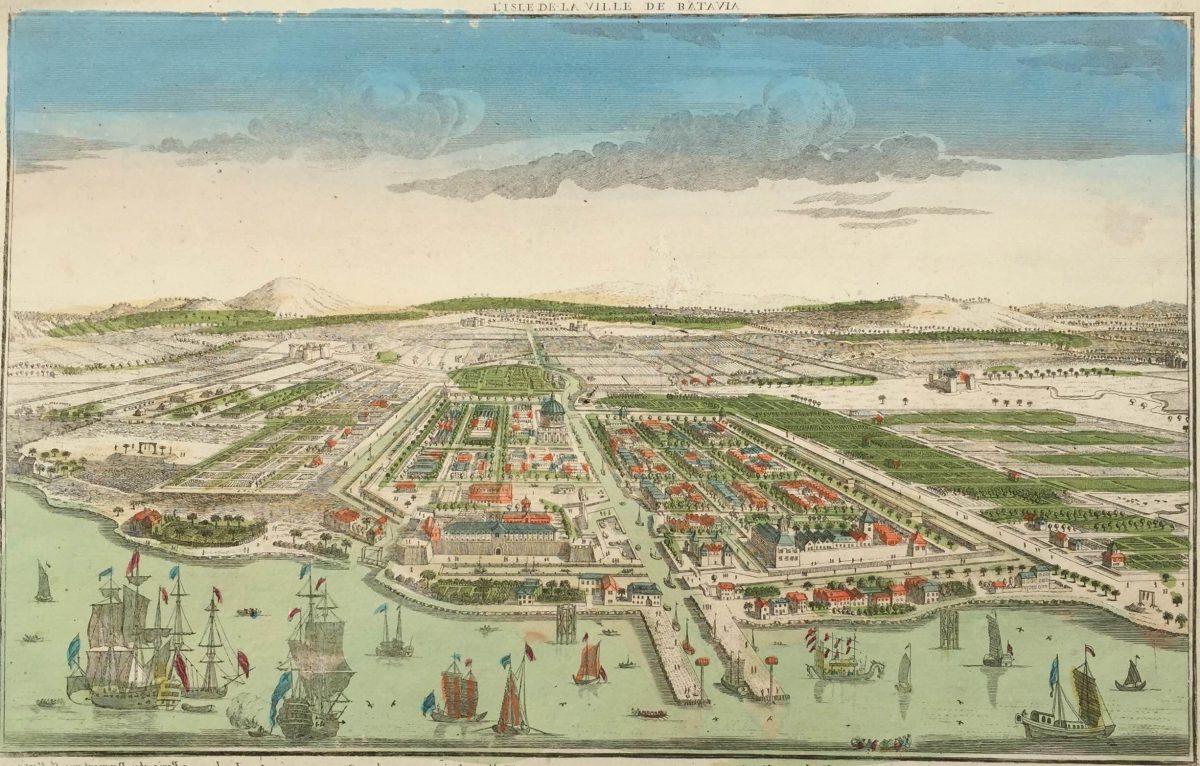
Batavia (1619): The Role of The Built Environment on Colonialism

The city of Jakarta began its story from the Dutch traders that arrived in the island in their conquest of finding precious spices. The Vereenigde Oost-Indische Compagnie, commonly known as the VOC or Dutch East India Company, landed on what was then Jayakarta in 15951. The archipelago of modern Indonesia was a melting pot of […]

Categories
Uncategorized

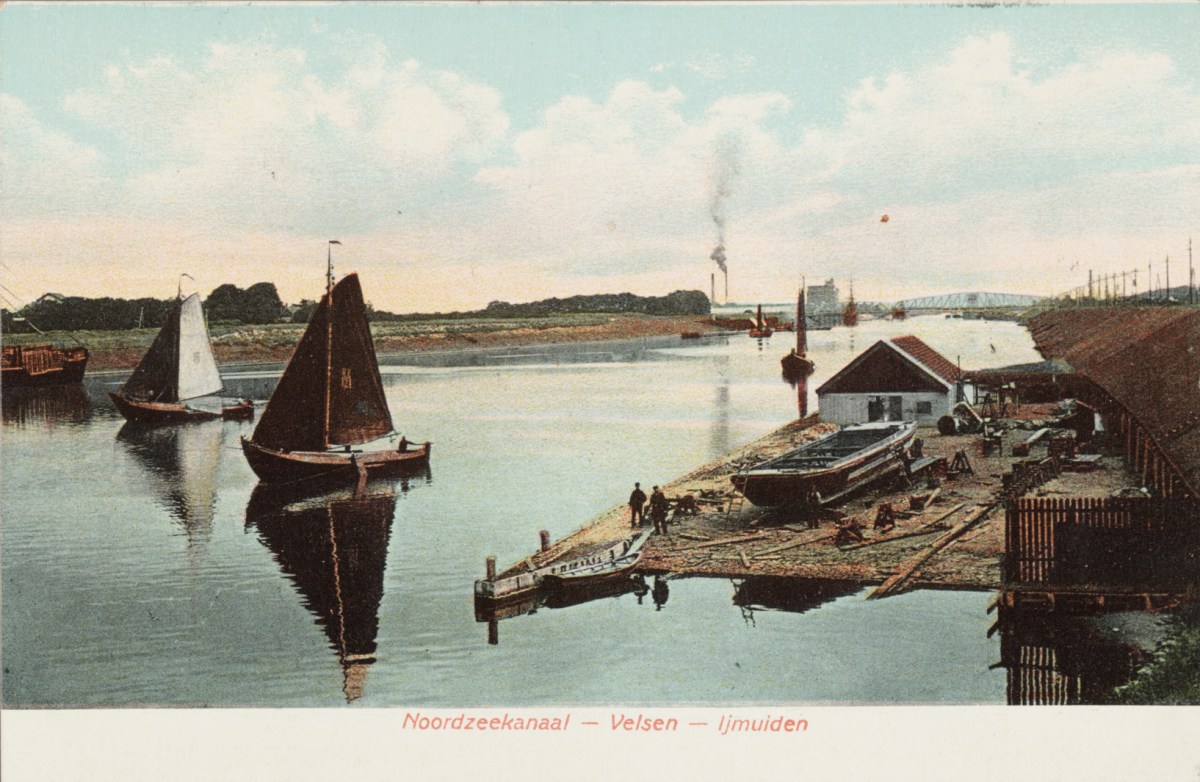
North Sea Canal

– The Long History Did you know that 26% of all Dutch territory is under sea level? Thus, we can easily say that the Dutch culture comes from water management. Flatlands induce the extensive use of biking as transport; the flatlands came from sea soil and are a mixture of clay that tulipe love. This […]

Categories
British Empire Uncategorized

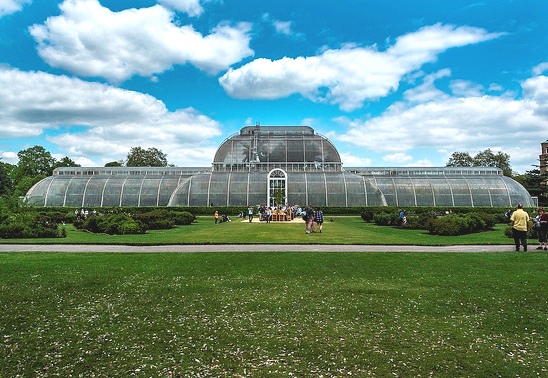
The Great Palm House at Kew Gardens London, England 1848

The Palm House: a crucial node in the 19th century colonial world The Palm House at Kew Gardens is an exemplar of industrial modernity. The building helps to encapsulate ideas of industrial modernity with its size, materials and meaning. With the building’s large-scale use of glass and wrought iron it helps situate the project in […]

Categories
Domestic/residential North America Race Uncategorized

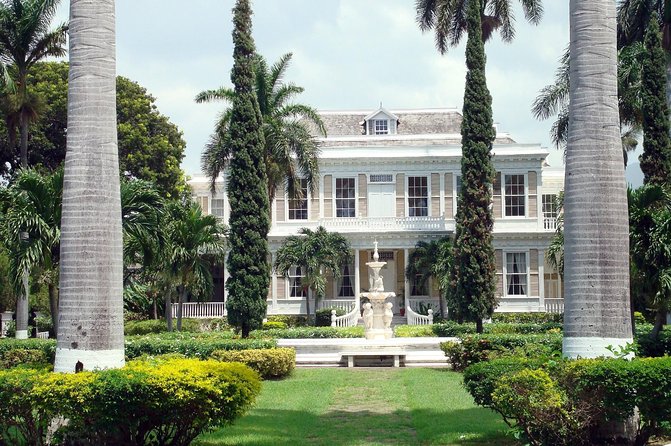
Devon House, Kingston 1881: Rising Resilience of the Black and Enslaved

Kingston, a city in Jamaica, has mostly been ignored by historians despite it being the fourth largest town in the British Atlantic before the American Revolution and the town with the largest enslaved population in British America before emancipation. Slave trade in Jamaica was at its height, from the early 1770s through to the early […]

Categories
Uncategorized

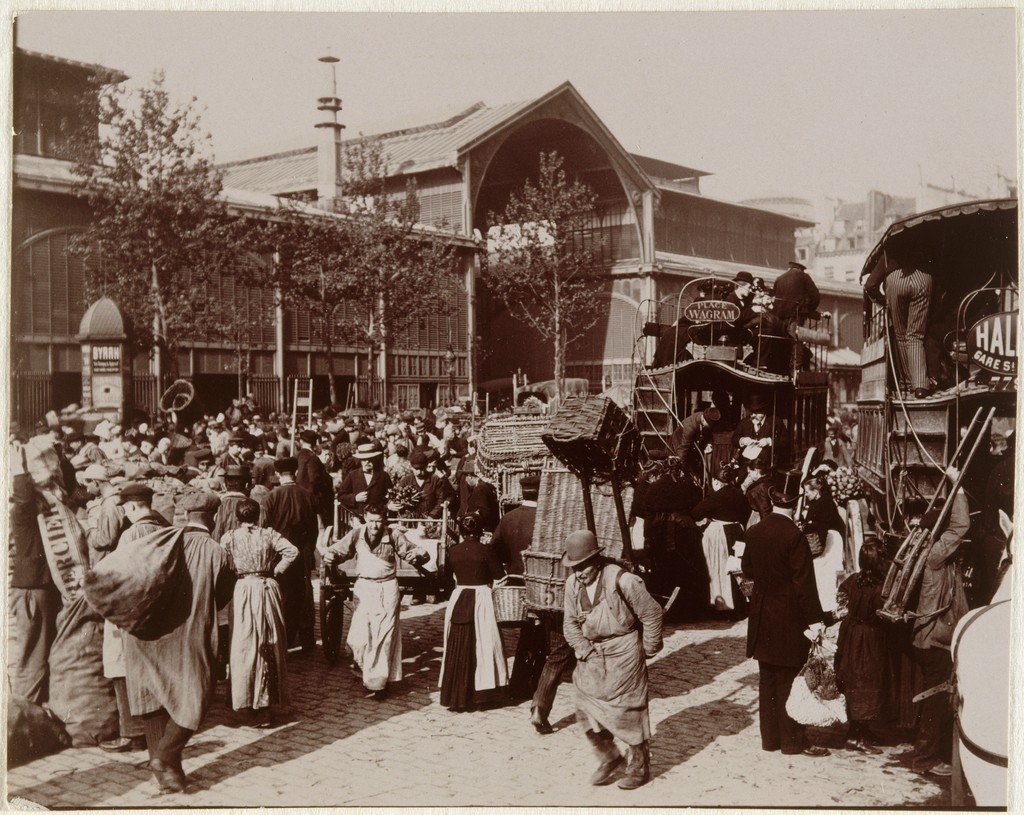
Les Halles Centrales, Paris (1853)

Order in the Halls “Les Halles, then, is a place in restless flux, an expression of the struggle between the irrepressible, chaotic everyday and the incessant forces of centralized, authoritarian planning and capitalist control.”1 The markets of Les Halles can be traced back to the early 1100s as the “marché des Champeaux”.2 It conveniently sits […]

Categories
Asia British Industrial/resource extraction Infrastructure Public/government

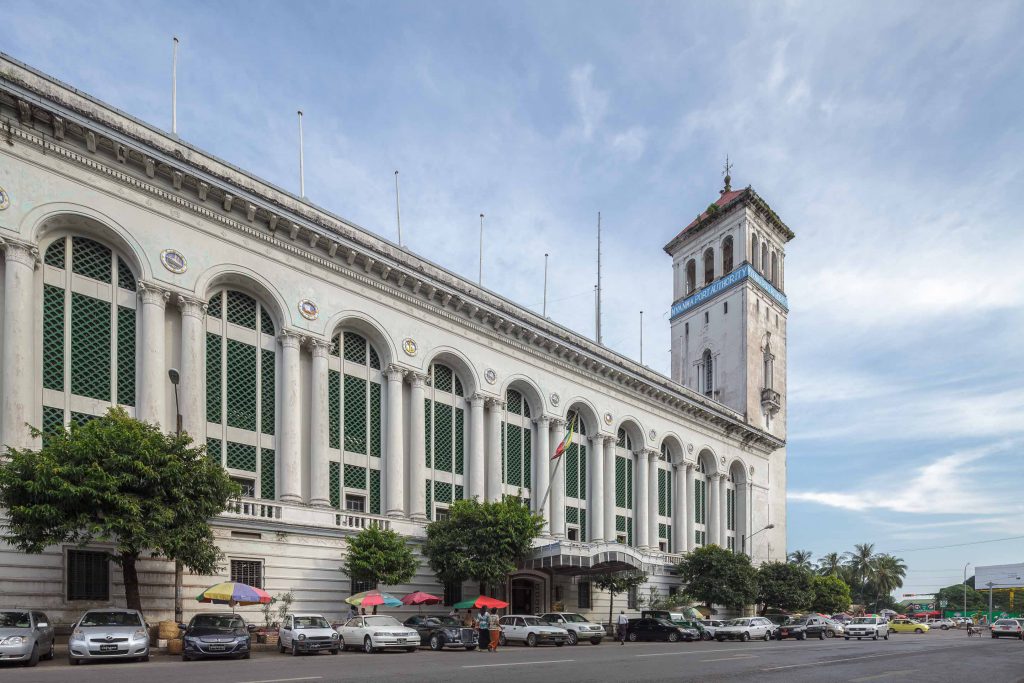
Rangoon’s Port Trust Office: a beacon of British Imperialism

Rangoon (Yangon) has a complex history as Burma’s (Myanmar) largest city, its former capital, and most influential port city. The Port Trust Office (Myanma Port Authority building) was designed by Thomas Oliphant Foster and completed in 1928.[1] A powerful beacon in contemporary Yangon, the Port Trust Office represents British Imperial Power over its inhabitants, streetscapes, […]

Categories
Asia Empire Industrial/resource extraction

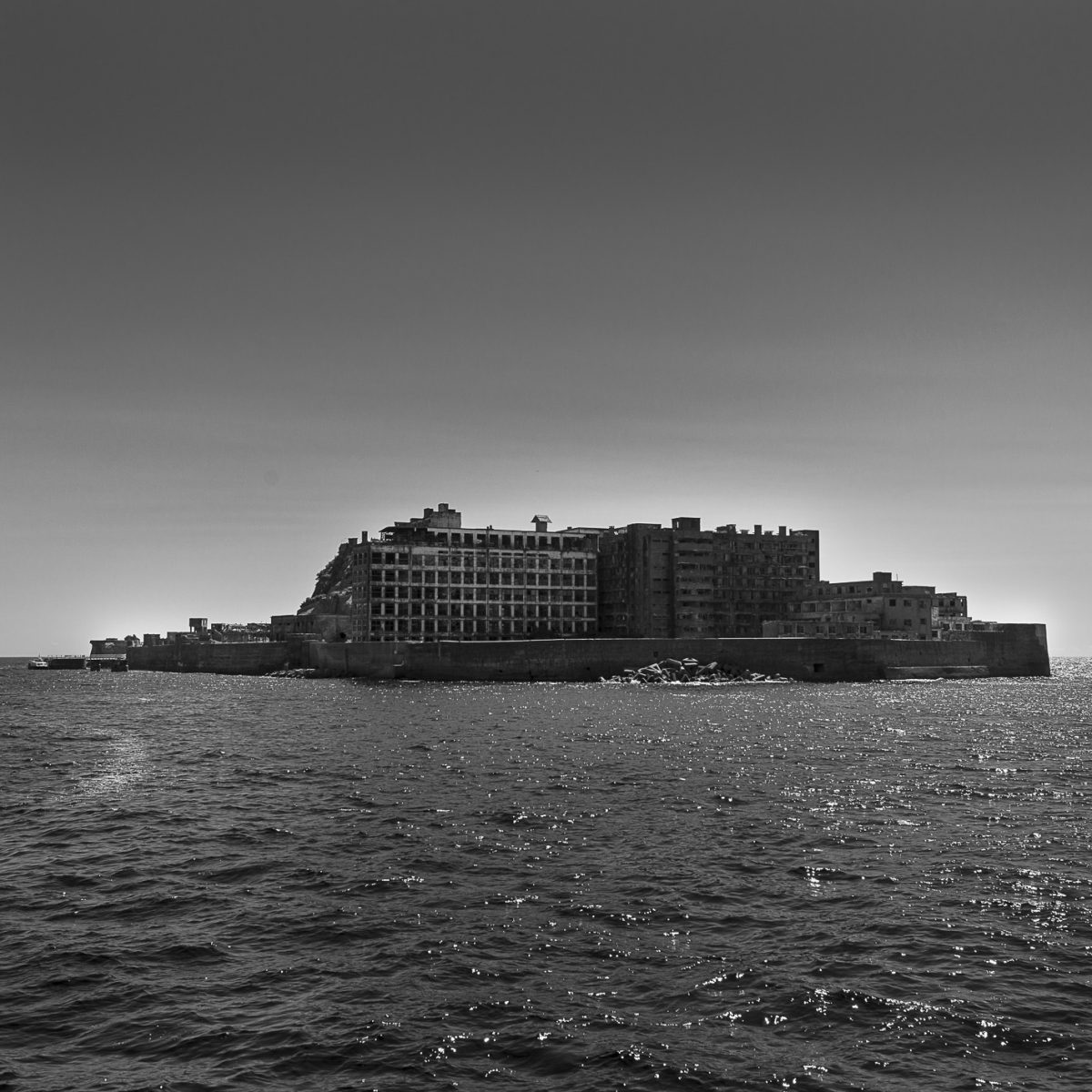
Hashima Island: “Difficult Heritage”

Hashima Island is also widely known as Gunkanjima (Battleship Island) — its silhouette defined by concrete high rises, mining facilities and seawall resembling a battleship. This abandoned six-hectare island was once a glorious site of the undersea coal mines that fuelled rapid industrialization of Japan in the late 19th century to the 20th century. In […]

Spam prevention powered by Akismet