Categories
Uncategorized

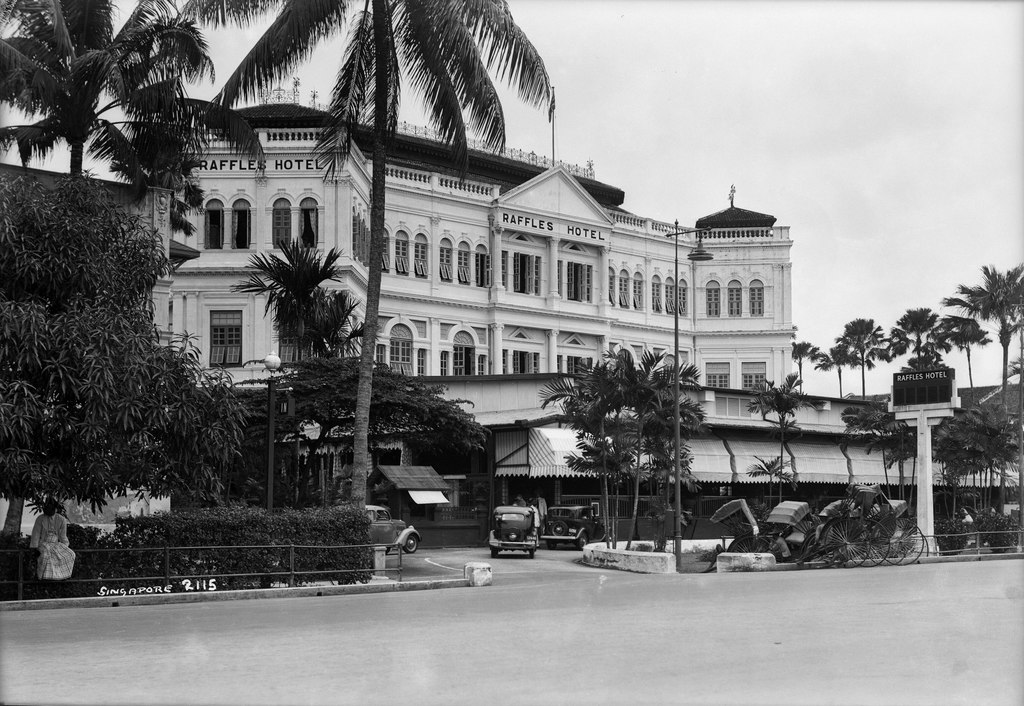
Raffles Hotel (1887 ): The Romanticization of the Colonial Past through the Raffles name.

Colonial hotels are a deep-rooted architectural typology among the urban landscape to emerge from the colonial British administration era. Hotels provided not just higher standards of comfort and living through the buildings’ size, facilities, and standards of services compared to other travelers accommodations available, but they also provided a space for the localization of modernity […]
Categories
British Empire Europe Institutional/cultural/religious

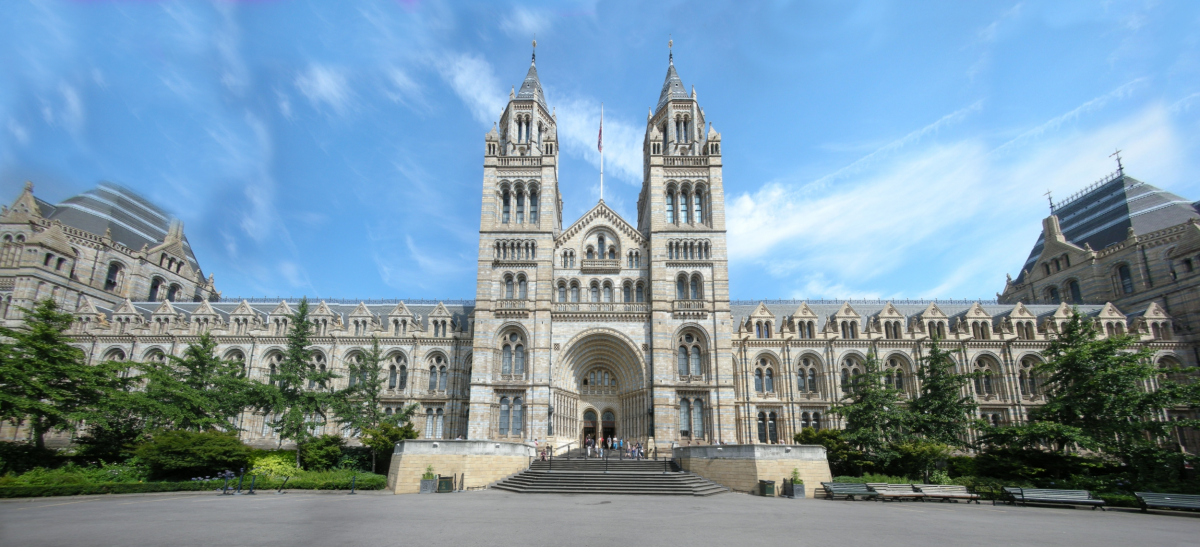
Natural History Museum | London | 1881

A Selective Curation and Distribution of Knowledge The Natural History Museum in London established in 1881 was designed by the Architect Alfred Waterhouse under the close guidance of Richard Owen, the Superintendent of the museum at the time. It exhibits a vast range of specimens and is recognized as the pre-eminent center of natural history […]

Categories
British Industrial/resource extraction North America

Gooderham & Worts Distillery: Distilling Industrialism & the Colonies

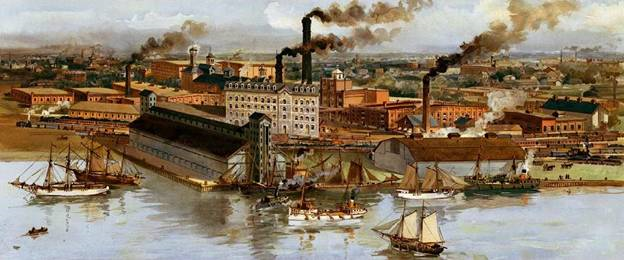
Every Christmas, Torontonians flock to the distillery district to shop under twinkling lights as they stroll down old brick roads lined by preserved heritage buildings that have been adaptively reused. Designated as a heritage neighborhood based upon, “illustrating the entire distillery process, from the processing of raw materials, to the storage of finished products for […]

Categories
Empire Europe Institutional/cultural/religious

Recontextualizing the Cenotaph for Newton: An Idolization of Scientific Knowledge and European Empire

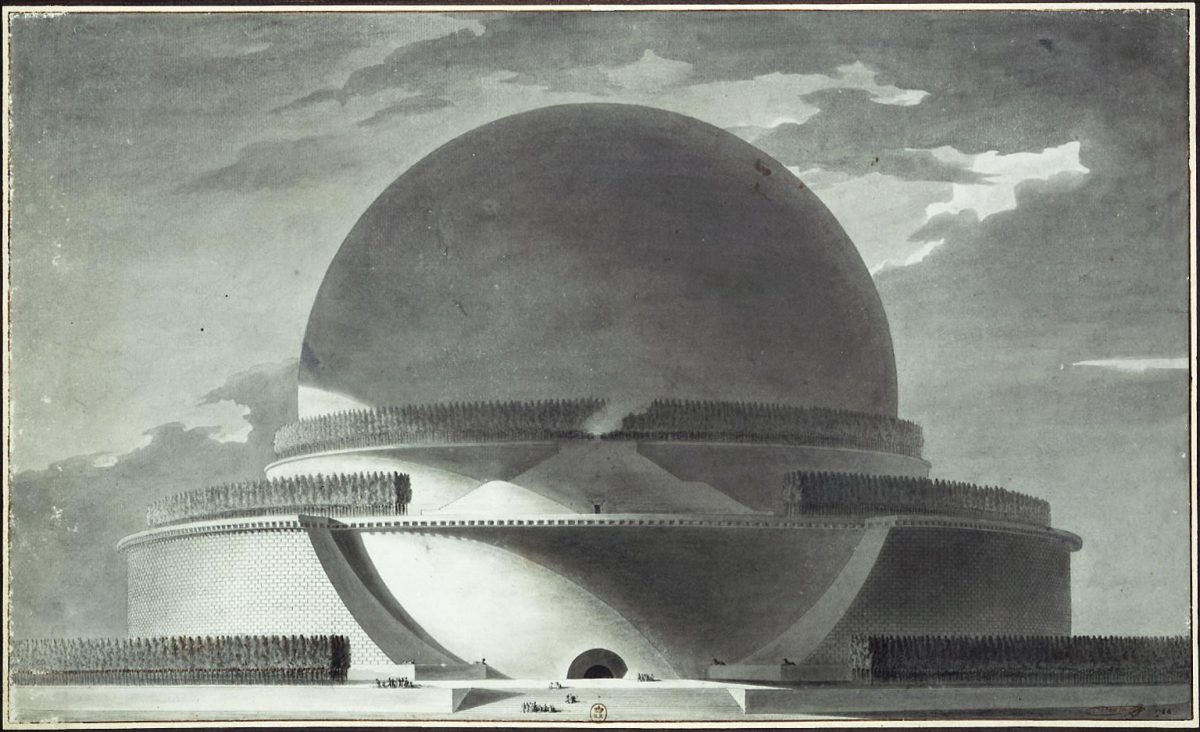
A 500ft sphere — the proposed resting place for English physicist and mathematician Sir Isaac Newton — was designed by French architect Étienne-Louis Boullée in 1784.1 Boullée’s Cenotaph for Newton is rooted in the architecture of multiple cultures, the project context is disregarded, and the reconstruction of nature dominates ideological understandings of the architecture. Therefore, the Cenotaph for […]

Categories
British Europe Garden/park/landscape

The Palm House at Kew Gardens: Iron, Climate Control and Commercialism

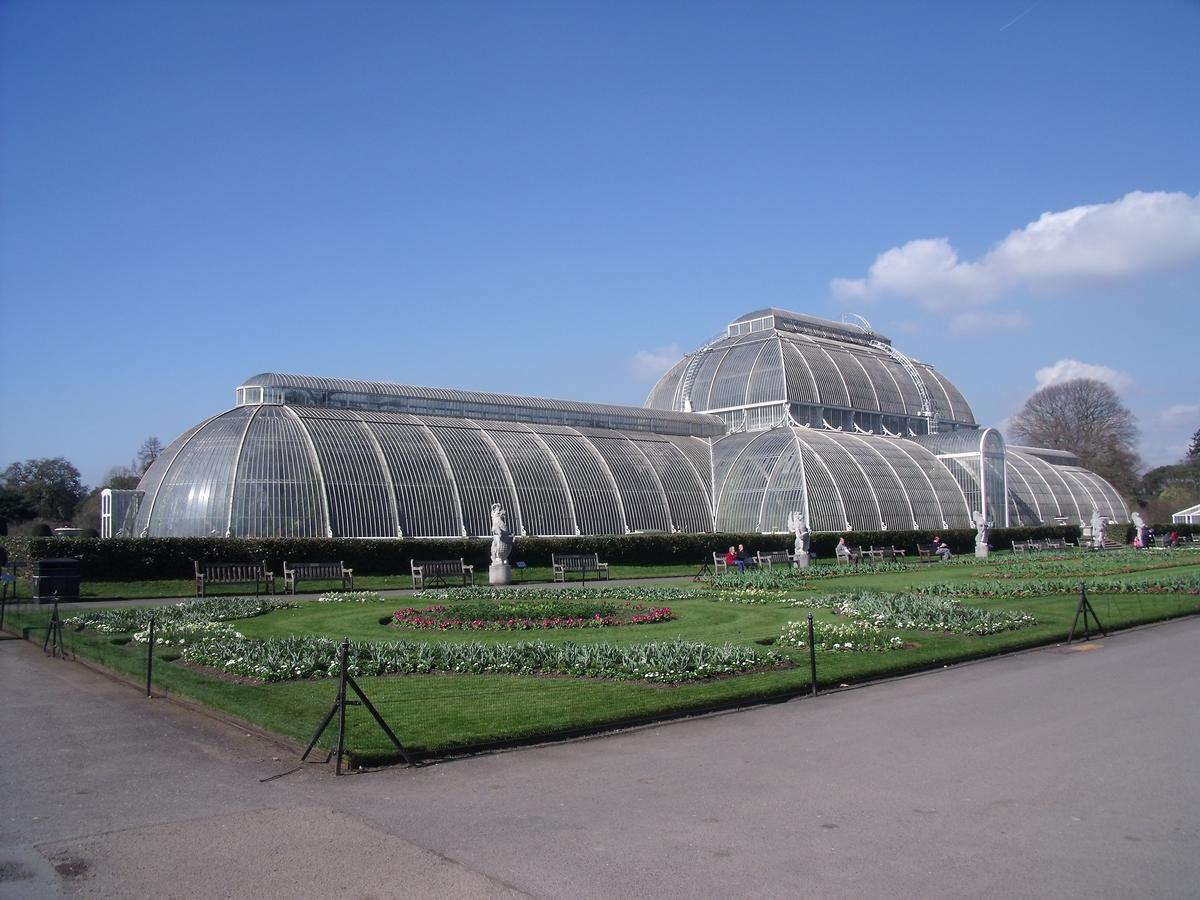
On the outskirts of London, UK, lies Kew, home to the Royal Botanical Garden and its Palm House conservatory. This significant glass house was designed by Decimus Burton and constructed by Richard Turner from 1844 to 1848, although there has been some debate as to who rightfully lays claim to the design1. The Palm House […]

Categories
British Garden/park/landscape Religious

South Park Street Cemetery, Kolkata, India (1767-1790)

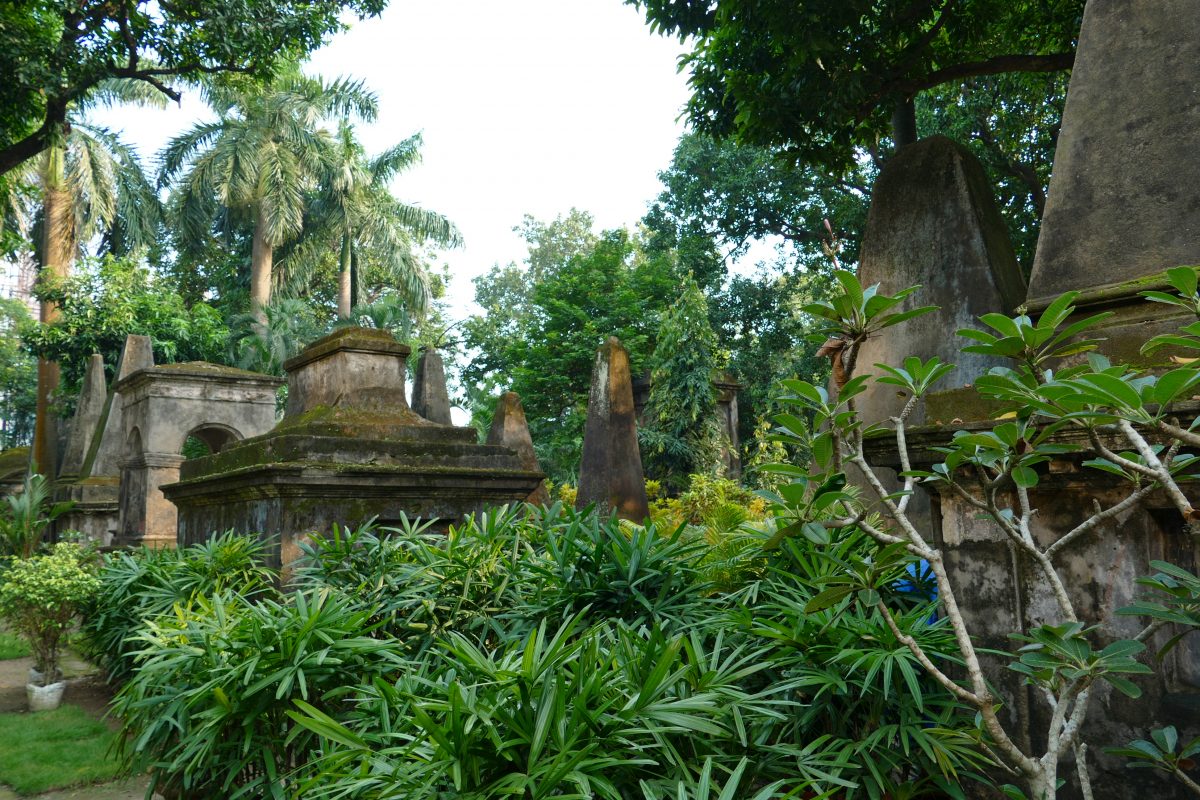
The life after death for a colonial British cemetery in India In the early nineteenth century, England was undergoing a period of rapid development due to industrialization. This led to an urban population boom in places like London especially, which ushered in changes to much of the city’s infrastructure in order to accommodate the new […]

Categories
Asia Public/government Uncategorized

The Modern Japan: A Lens Through the Japanese Imperial Mint

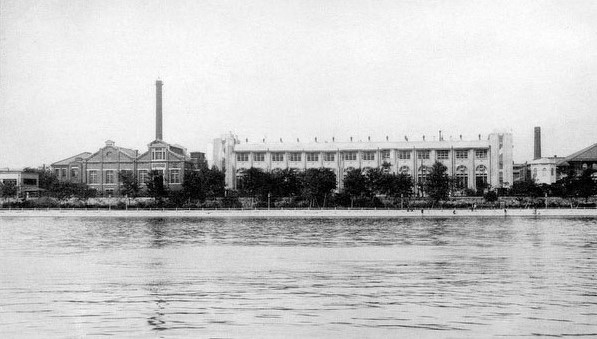
The Japanese Imperial Mint is a British-colonial style brick factory that was the first of its kind in Japan, designed by Irish architect, Thomas Waters. Though the mint’s sole purpose was to produce coins, there were colonial undertones in its history. Even before its opening in 1871, much of its activities often fell under the […]

Categories
Uncategorized

Governor’s House, Lahore, Punjab: Indo-Saracenic Hybridity as Cultural Resistance

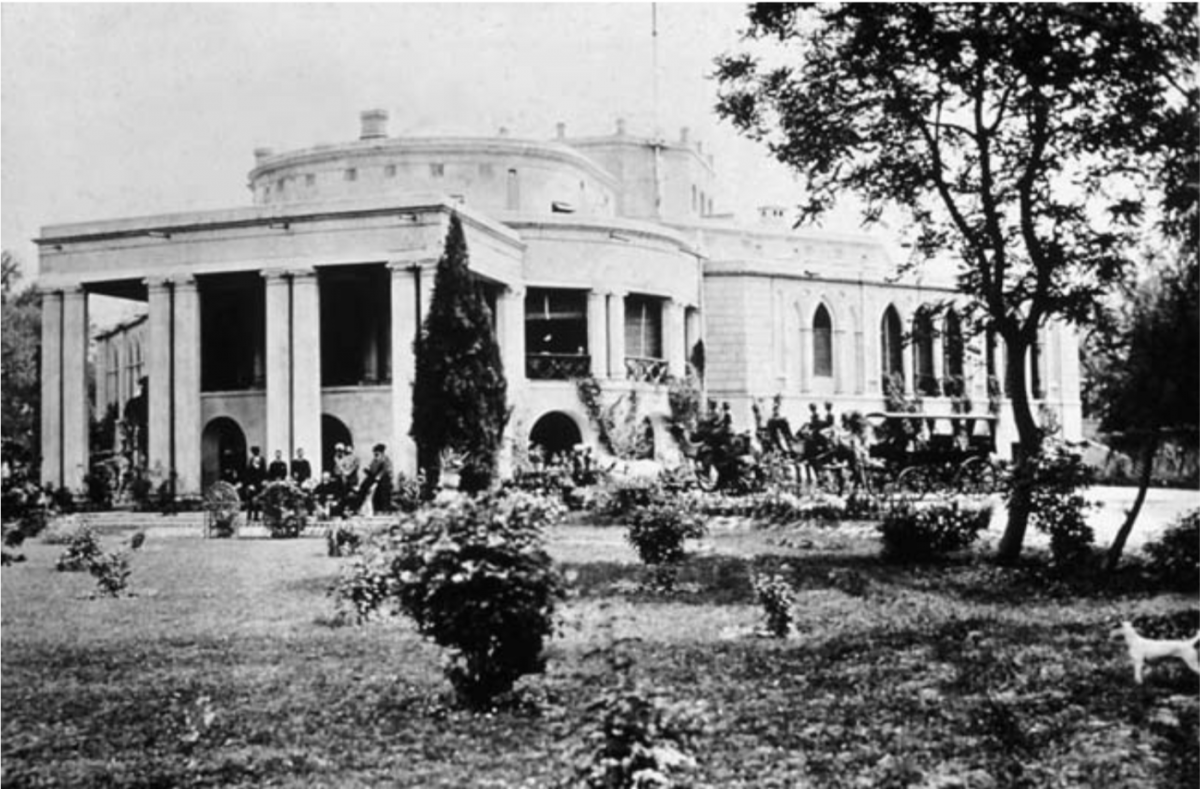
Introduction The stratified construction of Qasim Khan’s tomb, into the Governor’s House at Lahore, Punjab, echoes the broader colonial system of maintaining difference between the ruler and the ruled through the process of building in the Indo-Saracenic style. While the common post-colonial reading of the Indo-Saracenic style has been often interpreted as a political strategy […]

Categories
Uncategorized

Garden of Difference

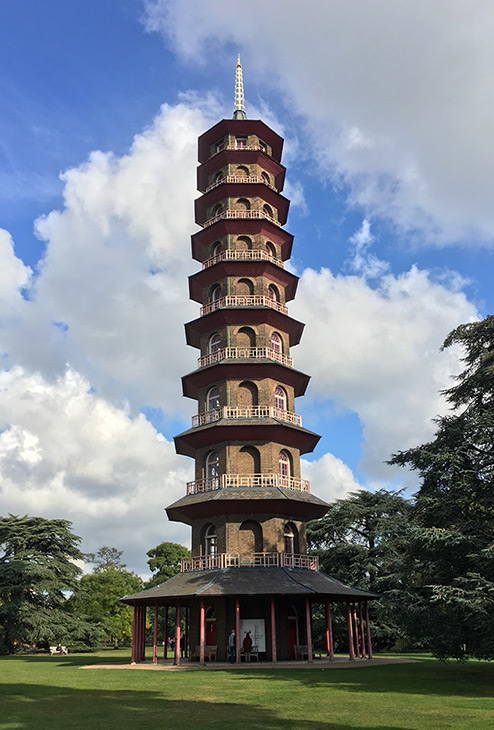
William Marlow, View of the Wilderness at Kew, 1763, Watercolour on paper, Coutesy The Metropolitain Museum of Art. The Great Pagoda at the Royal Botanic Kew Gardens was completed in 1762. Located outside of London, the Gardens were a project of Frederick, Prince of Wales and Dowager Princess of Wales, Augusta, who between 1731 and […]

Categories
Europe French Infrastructure

The Trottoir Roulant in 1900 Paris World’s Fair: controlling a spatial division

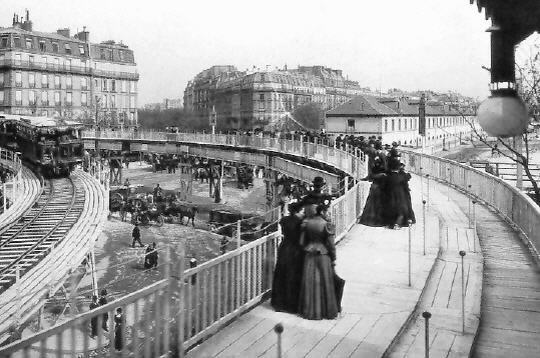
The expansion of colonies overseas and the growth of the colonial culture continued to shape the ego of Parisiens and the metropole of Paris to be a world centre and a global nexus in 1900[1]. As the last in the five most important[2] World’s Fairs held in Paris, the Paris exposition of 1900 presented a […]

Spam prevention powered by Akismet