Categories
Community/urbanism North America Public/government Settler colonialism Uncategorized

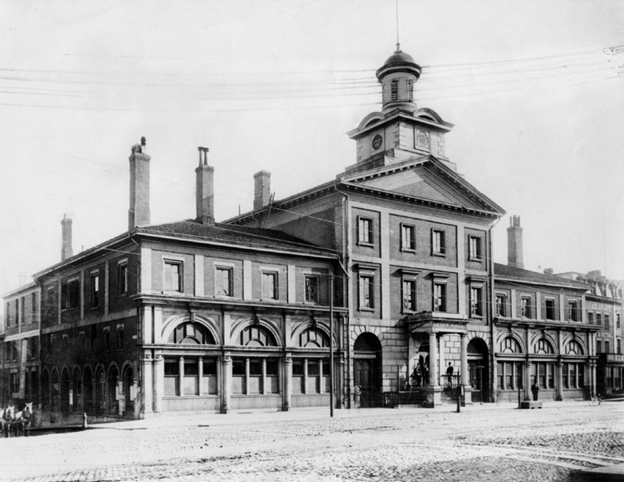
Toronto’s Old (Old) City Hall (1845)- Toronto, ON : Heritage Preservation & Settler Colonialism

Forming a portion of the St. Lawrence Market façade in Toronto, its first official city hall is part of a legacy of facadism in Toronto architecture, where buildings are preserved to meet the goal of heritage conservation of facades. As we seek a decolonized society, it is important to question the role our preserved architecture […]
Categories
Institutional/cultural/religious Portuguese South America

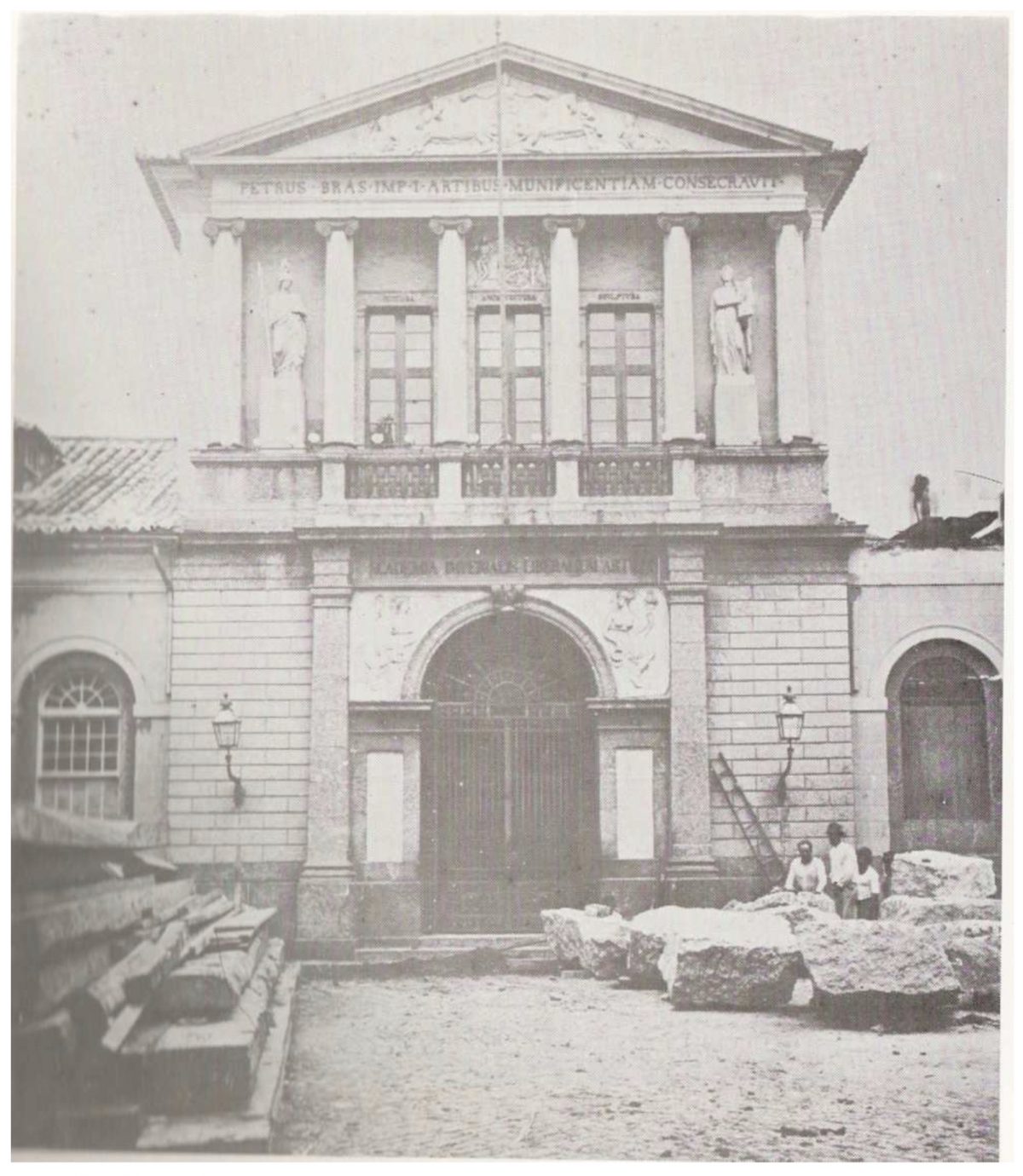
Brazil’s Imperial Academy of Fine Art: Colonial Control Through Culture

Down one of the many paths of Rio de Janeiro’s botanical garden stands a grand neoclassical portal, the arched entrance, classical columns, frieze and pediment are all that remain of the Imperial Academy of Fine Art (figure 1). The plan of the Academy shows that it was once much larger (figure 2), after being built […]

Categories
Asia British Community/urbanism Public/government

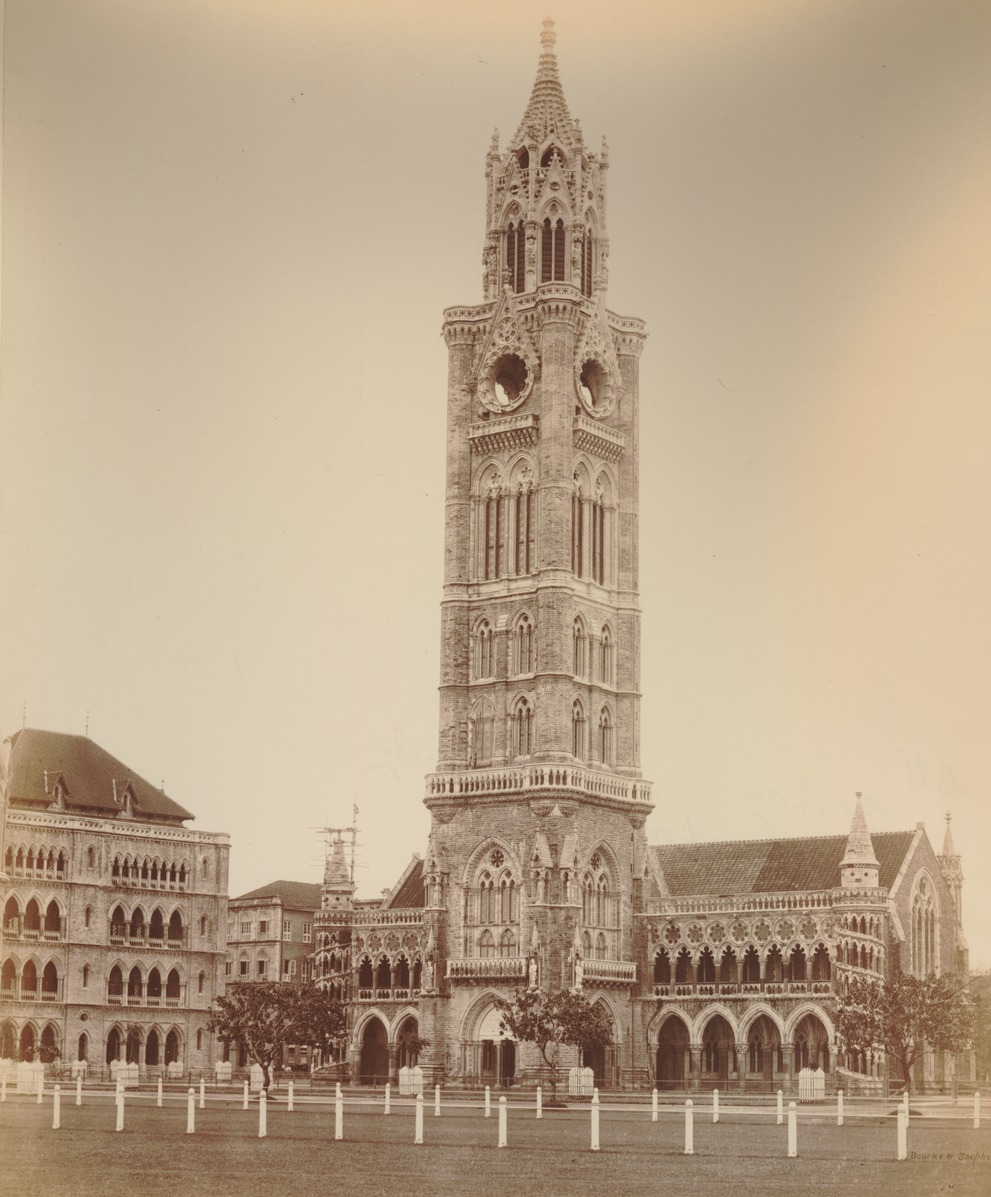
The Rajabai Clock Tower, 1869-1878: Imperial Symbol on the Horizon

In the late nineteenth century, Bombay transformed from a city of warehouses to become one of Britain’s finest imperial cities.  As trade, wealth, and the population flourished, the colonial government embarked on the long-contemplated project of demolishing the old fort walls, to make room for the envisioned metropolis1. As Preeti Chopra discusses in her book, […]

Categories
Asia Empire Garden/park/landscape Public/government

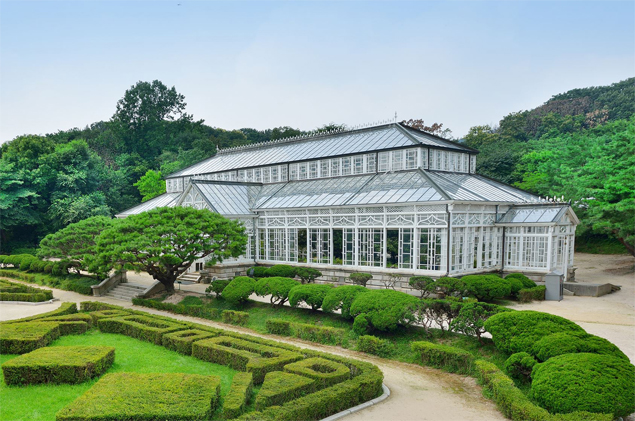
Changgyeonggung Palace Grand Conservatory (Ch’anggyŏnggung Daeonsil)

Changgyeong Palace (Ch’anggyŏnggung)1  first opened its doors to general public in November 1909. What was once the royal grounds of the emperor Sunjong had undergone a renovation by Hirobumi Ito the first Japanese Resident-General in Korea – replacing and altering existing traditional architectures and landscape to build a new botanical garden, a zoo and a […]

Categories
Institutional/cultural/religious North America Race

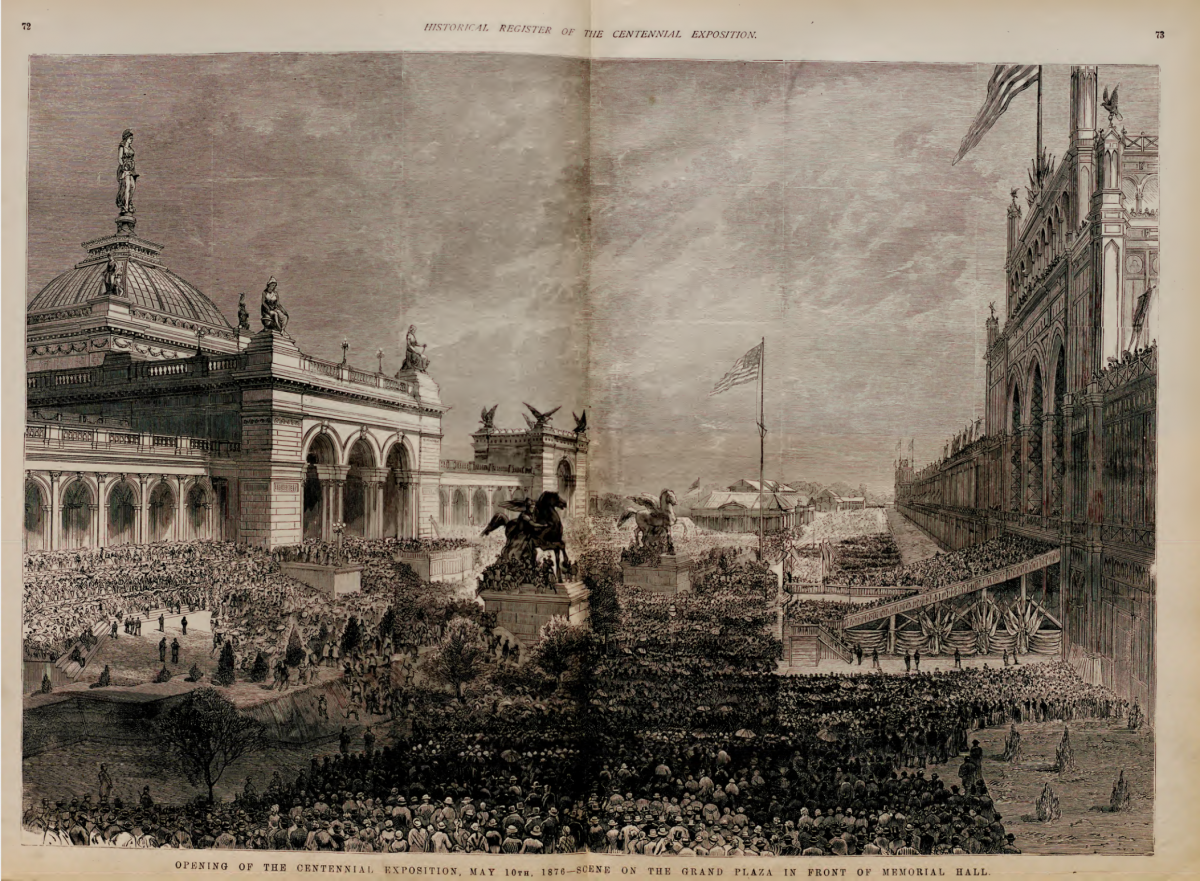
The Centennial Exposition of 1876: The Misguided Representation of the Black Community

The International Exhibition of Arts, Manufactures, and products of Soil and Mine – referred to as the Centennial Exhibition of 1876 – proudly highlighted the United States’ advancements and achievements, featuring its ability to reunite and resurrect after the American Civil War, but also acted as an “effort to lift the country out of a […]

Categories
Uncategorized

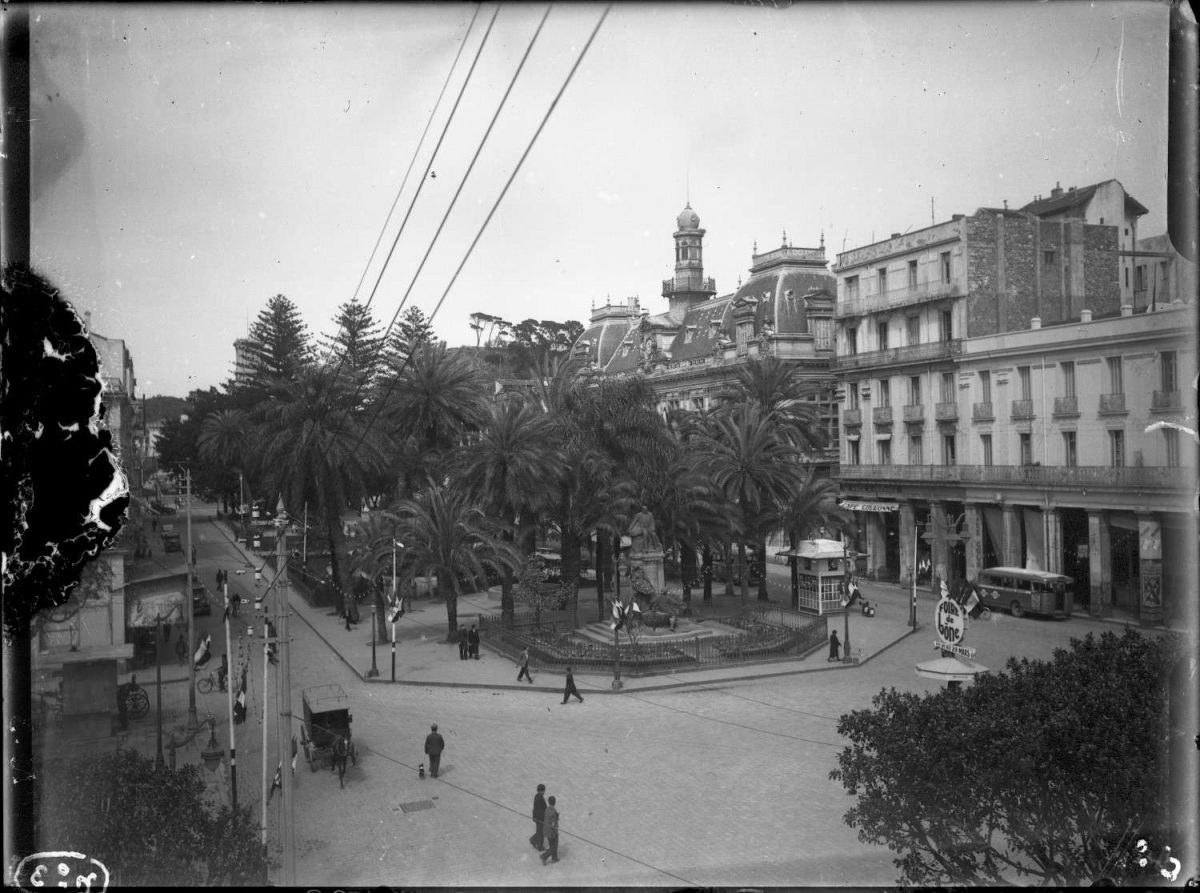
Town Hall of Annaba: Strategies of French-Algerian Colonial Policy

Introduction The role of public architecture serving as a channel for filtering nineteenth-century French ideals is explored in the town hall of Annaba. Public architecture, such as town halls, schools, or chambers of commerce1, were built as a reflection of colonial strength, consequently resulting in many buildings related to administration expressing the “aesthetic revolution imported […]

Categories
British Europe Institutional/cultural/religious Uncategorized

Oxford Museum Of Natural History – between science and religion

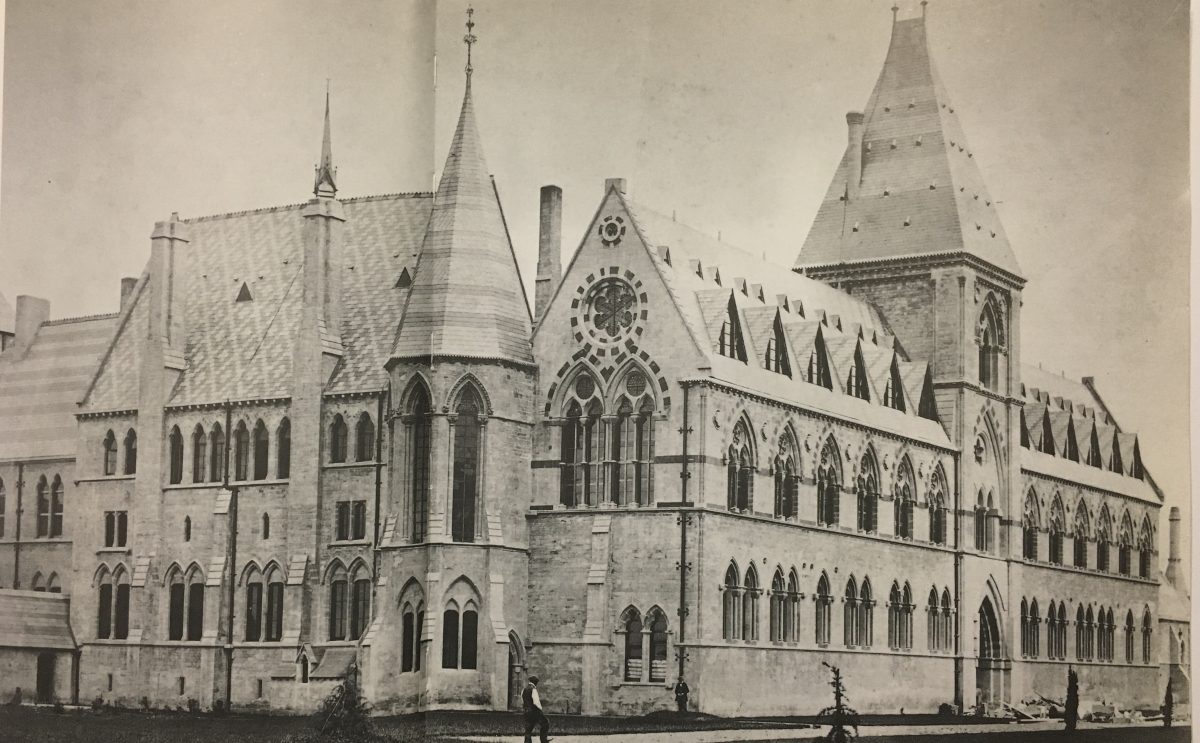
One of the defining characteristics of 19th century social and cultural thought was a shift in man’s approach towards science and reinterpretation of the relationship between human creation and divine inspiration. The architectural debates that dominated this moment of history are expressed in the Oxford museum’s 1854 competition to create the two-storey natural history museum […]

Categories
Gender North America Religious Settler colonialism Uncategorized

Shaker Architecture and Utopianism as a Settler Colonial Project

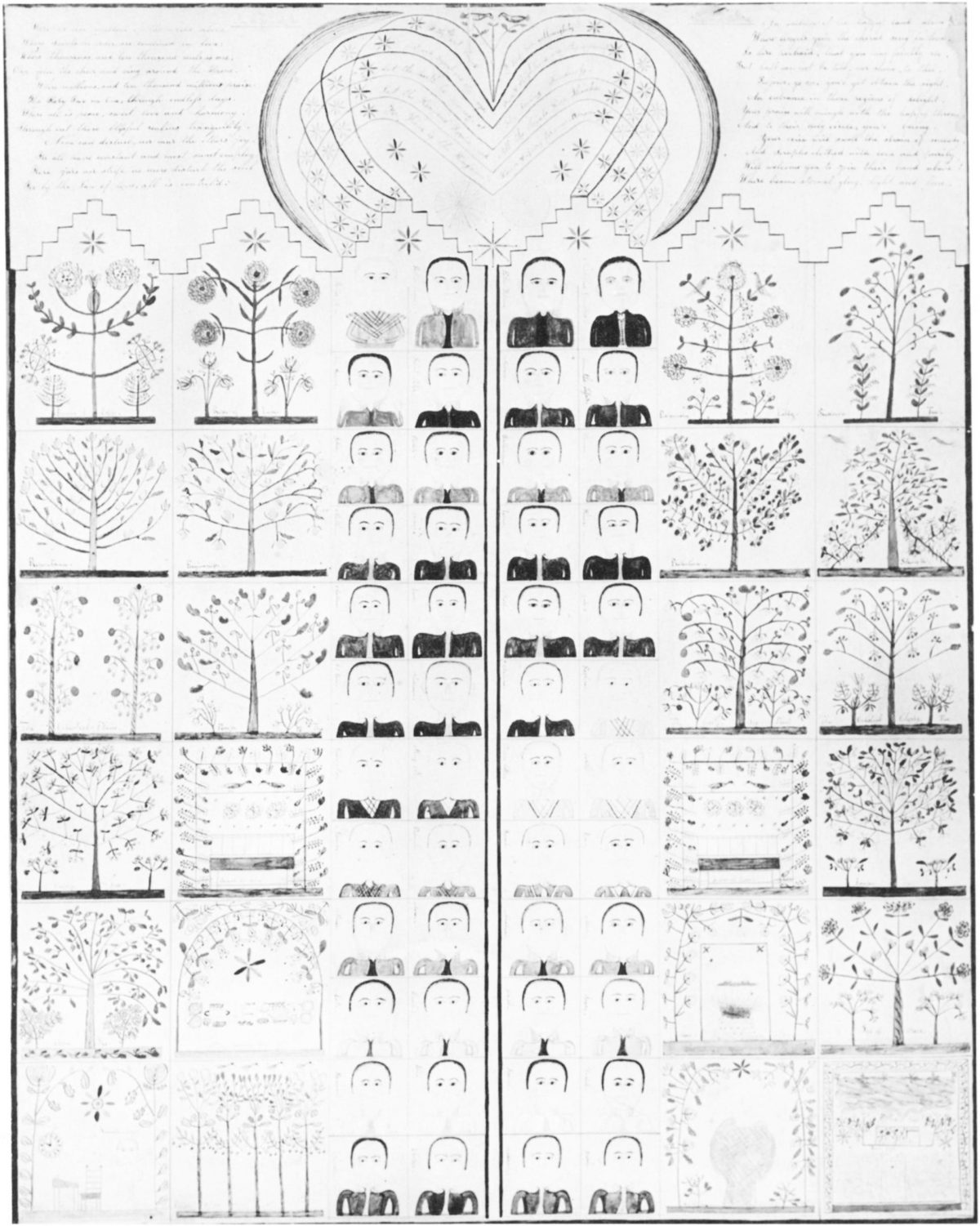
The Shakers were a religious utopian group that moved from Britain to America in the late 18th century. The Shakers originated in Manchester under the leadership of Ann Lee, who proclaimed herself the female incarnation of Christ.1 Delores Hayden describes in her book Seven American Utopias, that Ann Lee came to the religion after experiencing […]

Categories
Uncategorized

Chhatrapati Shivaji Terminus: Imperial Dialogue Through Architecture, Bombay India, 1878

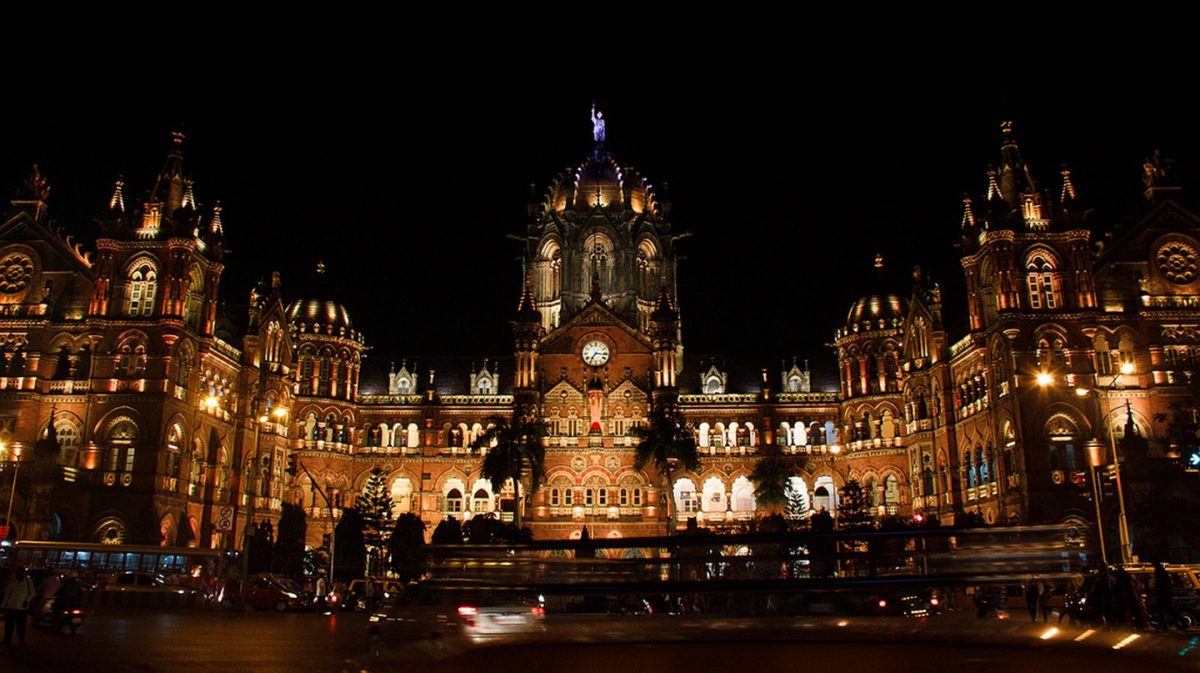
The architecture of India has evolved throughout centuries, deeply rooted within history, culture, traditions, and religion. The British legacy in India remains among the infrastructure of the nation as colonial buildings in India use their architecture as expressions of control and power. The Chhatrapati  Shivaji Terminus, formally known as the Victoria Terminus in Bombay is […]

Categories
Uncategorized

The Architectural Complicity in Indigenous Cultural Annihilation : St. Eugene Indian Residential School

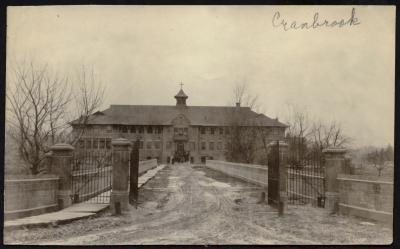
The Indian Residential School (IRS) system operated in British Columbia from 1861 to 1984.1 Over a hundred years, these institutions operated to systematically carry out the cultural, and often, corporeal annihilation of Indigenous people across Canada.2 Of focus in this essay is the inextricable link between the colonizing mission of the Government, and the architectural […]

Spam prevention powered by Akismet