The New York Times has reported on a secret scheme in which the school board is evaluating teachers via student test scores. The teachers union, United Teachers Federation, knew the project was underway but did not inform its mambers. See the 21 January article, New York Measuring Teachers by Test Scores.
Randy Newman provides “A few words in defense of our country”
In my ear late 2007 (catching up on last year)
Even though I did post a best of 2007 entry a couple of weeks (BTW I think I’ve already changed my mind on many picks as I am just now catching up on my late 2007 CDs/MP3s), thought I’d fill you in on what I was buying and listening to the final quarter of the 2007.
In October and November I took my GbV/Robert Pollard obsession to the next level and started filling in the gaps of my collection. Pollard is so prolific if I’ve become a completist my financial health is in jeopardy, maybe it already is! Here goes:
October 2007
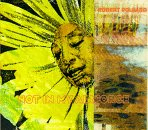 Robert Pollard, Not in My Airforce
A minor classic from 1996
 Robert Pollard, Silverfish Trivia
First of three solo albums Bob released in 2007, short and sweet. I like this one.
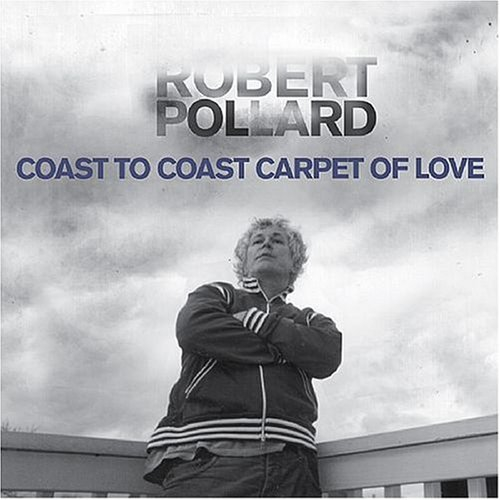 Robert Pollard, Coast to Coast Carpet of Love
One of two albums Bob released on the same day in October, this is solid power-pop Bob.
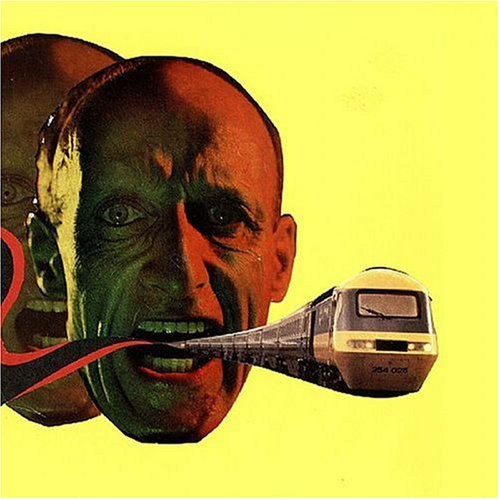 Robert Pollard, Standard Gargoyle Decisions
Glam-rock Bob
 Robert Pollard With Doug Gillard, Speak Kindly of Your Volunteer Fire Department
“Pop Zeus” and “Slick as Snails” are classics
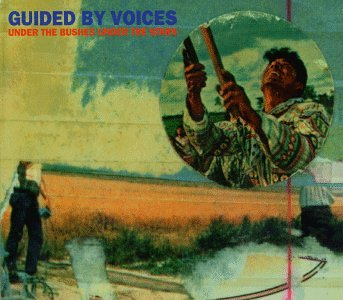 Guided by Voices, Under the Bushes Under the Stars
From 1996: hooks, hooks, and more hooks as usual. “Cut-out Witch”!
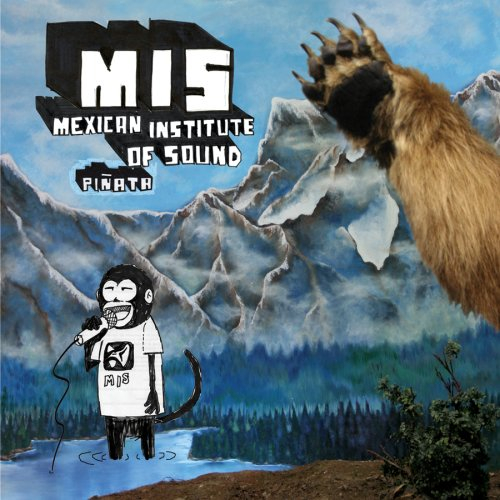 Mexican Institute of Sound, Pinata
Trippy Mexican electronica
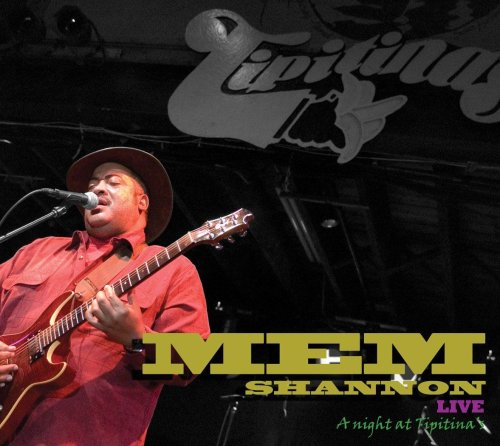 Mem Shannon, Live: A Night at Tipitina’s
Solid blues from former New Orleans cabbie
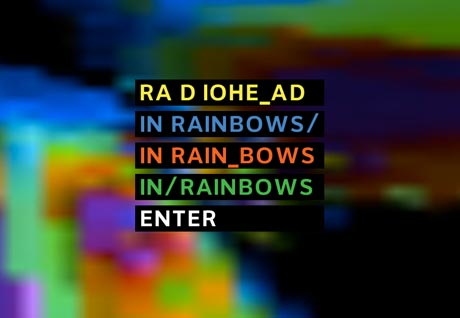 Radiohead, In Rainbows
Best $2 I ever spent, super album
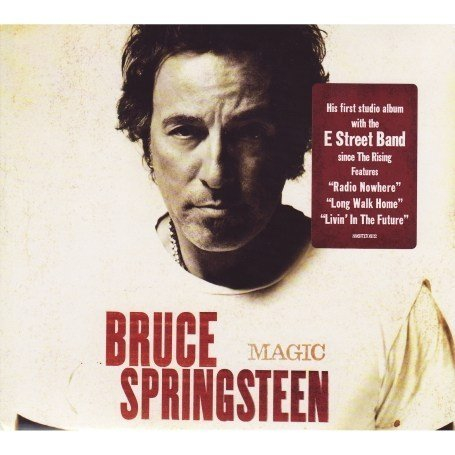 Bruce Springsteen, Magic
Doesn’t work it’s magic for me, but it grows on you.
November 2007
 Dwight Yoakam, Dwight Sings Buck
Dwight finally does the album of covers everybody’s been waiting for and does his hero proud, makes my heart skip a beat!
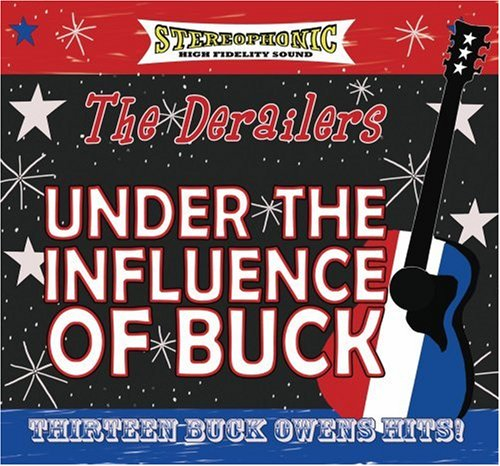 Derailers, Under the Influence of Buck
Can’t get too much Buck!
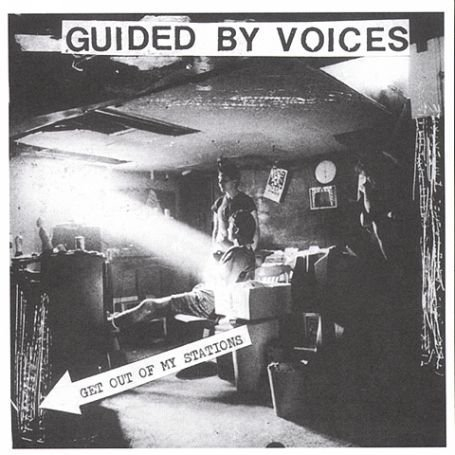 Guided by Voices, Get Out of My Stations
Originally released in 1993, this edition, from 2003, includes live versions of ‘Motor Away’, ‘Hot Freaks’, ‘Weed King’, ‘Postal Blowfish’ all from the early 1990s
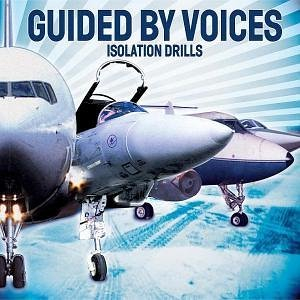 Guided by Voices, Isolation Drills
Brilliant! Chasing Heather Crazy’, ‘Glad Girls’, ‘Skills Like This’ (featuring Elliot Smith) and ‘The Brides Have Hit Glass’
 Guided by Voices & Airport Five, Selective Service
Side project between Robert Pollard (GBV) and his long time friend Tobin Sprout (ex-GBV) from 2001
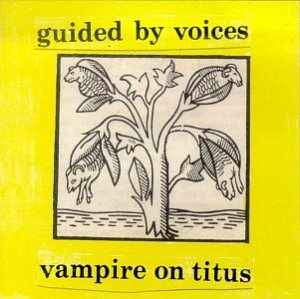 Guided by Voices, Vampire on Titus
1997 release: “Melodies materialize out of ominous white noise, shamble about for a few seconds, then dissipate again”
December 2007
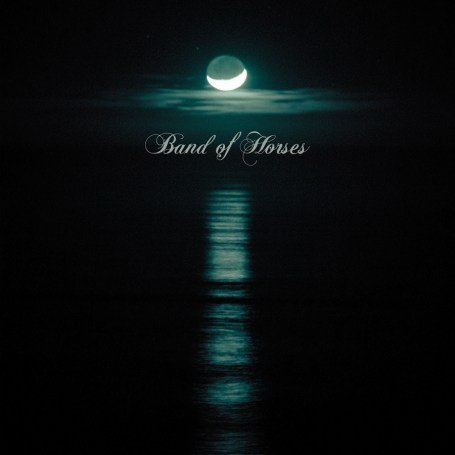 Band of Horses, Cease to Begin
“There’s a ghost in my house!” And I’m pretty darn sure it’s My Morning Jacket!
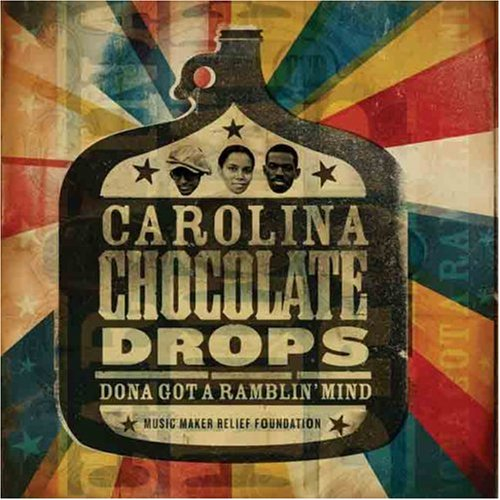 Carolina Chocolate Drops, Dona Got a Ramblin Mind
A group of youngsters resurrect the old timey African American string band tradition.
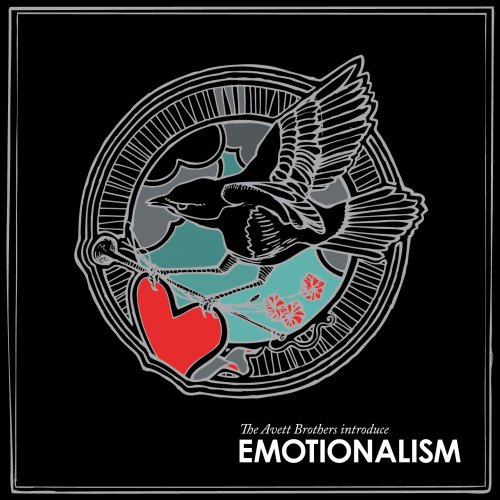 The Avett Brothers, Emotionalism
“Echoes of influence from the Band, the Burritos, the Everlys, and beyond, but the music of this North Carolina family band refuses to be pigeonholed”
 Andrew Bird, Armchair Apocrypha
Unconventional (violin and whistling) Bird’s 10th album, pretty much covers a waterfront of genres–“across the great chasms and schisms and the sudden aneurysms”
 The National, Boxer
Iron & Wine, The Shepherd’s Dog
Paste Magazine says it’s the best album of 2007. Don’t know about that, but it’s mighty forelorn and a good ‘un.
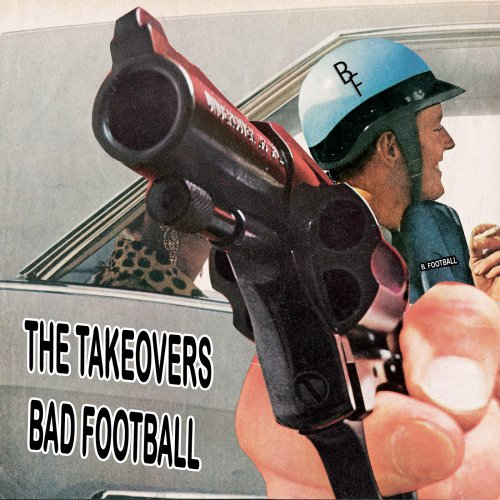 The Takeovers, Bad Football
No it’s not an album about Ohio State’s play in the BCS championship game, but it is an album by Buckeye fan Robert Pollard and Chris Slusarenk. So let’s see, Pollard released at least 4 albums this year (I’m sure I’ve probably missed a few). “Calling on likeminded bedfellows like Stephen Malkmus (Pavement), Tad Doyle (Tad), John Moen (The Decemberists) and Dan Peters (Mudhoney) to help follow their tuneful and psychedelic hearts,” The Takeovers don’t disappoint.
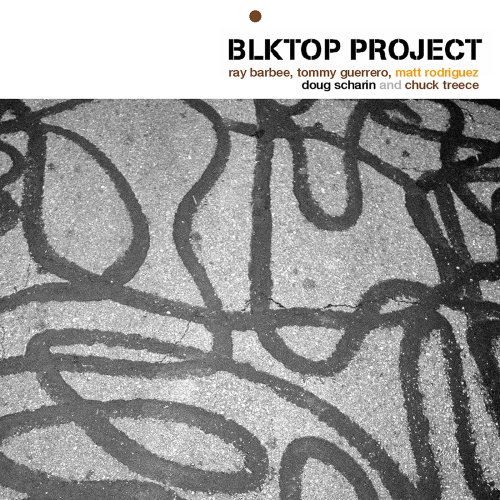 Blktop Project, Blktop Project
The musical experiment known as Blktop Project first came about when skateboard magazine Slap organized a tour in the summer of 2002 for Ray Barbee, Tommy Guerrero and Matt Rodriguez–three accomplished skateboarders ever who also happen to love making music.
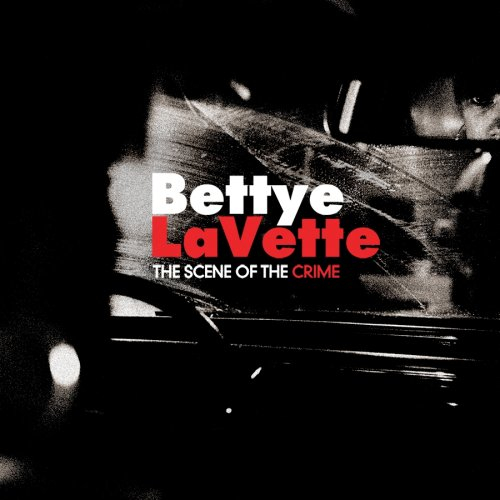 Bettye LaVette, Scene of the Crime
Northern soul queen goes south to record at Muscle Shoals’ Fame Studio with Drive-By Truckers. Maybe the best album of the year. Deep soul!
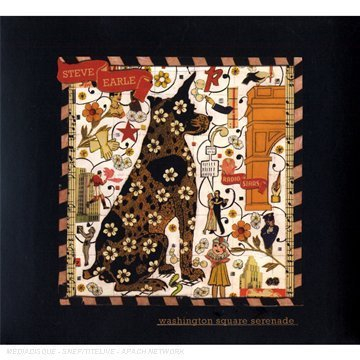 Steve Earle, Washington Square Serenade
Home in NYC with his partner Allison Moorer, Earle writes of all things NY, but his personal contentment doesn’t dampen his rage against the system.
 Various Artists, Stockings By the Fire
Pleasant xmas tunes from Starbucks.
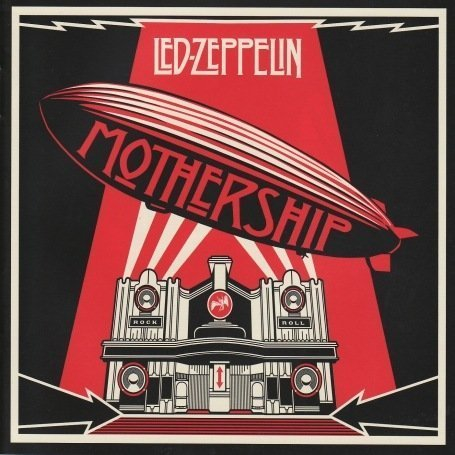 Led Zeppelin, Mothership – The Very Best Of
Okay, I know…
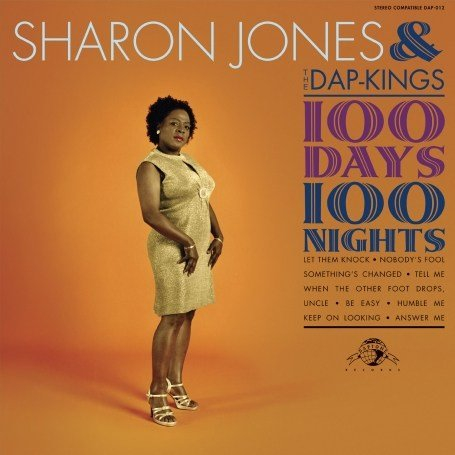 Sharon Jones & the Dap Kings, 100 Days, 100 Nights
Retro-soul/funk from Staten Island. Great!
 Caribou, Andorra
“Caribou is one Don Snaith, formerly known as Manitoba (he switched names after threat of lawsuit by ex-pro wrestler Richard “Handsome Dick” Manitoba. No joke).…an exhausting slab of avant-pop. ’60s grab-bag comparisons here are inevitable.”
 Amy Winehouse, Back to Black
No she’s not going to rehab. Lot’s of great soul music this year and this is one of the best, from the neo-soul queen of the gossip columns.
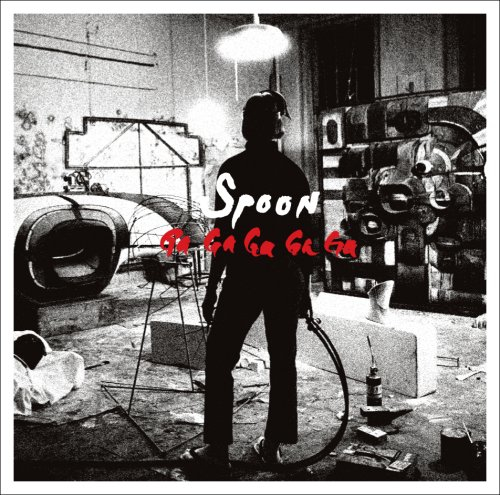 Spoon, Ga Ga Ga Ga Ga
Stupid title, but the Beatlesque power-pop is on the mark.
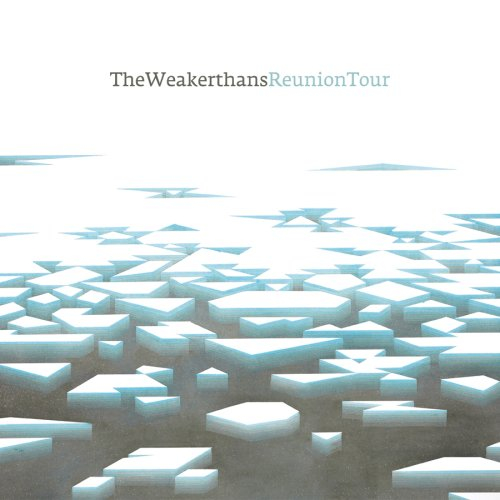 The Weakerthans Reunion Tour
Manitoba quartet records best tunes ever about curling (and best song ever about Gump Worsley). I’ve been playing this one a bunch.
 Shawn Lee, Ping Pong Orchestra, Very Ping Pong Christmas: Funky Treats From Santa’s Bag
Electronic funk for the holidays.
 Robert Plant & Alison Krauss, Raising Sand
Unlikely pair produce beautiful album.
Rouge Forum Update
Dear Friends,
The Rouge Forum web page is updated at www.rougeforum.org
Of special interest is our upcoming Rouge Forum Conference in Louisville, March 14-16, 2008. Check out the web page to see the many presenters addressing the question, “Education Reform, or Revolution?”
Substance News, the hard-copy voice of the education resistance in the US and North America covered the Bush press conference in Chicago on Monday, claiming “mission accomplished,” on NCLB. Subscriptions to Substance are just 16 dollars a year, perhaps 5% of what many people pay in union dues, to unions that do not represent the rank and file.
We need to write letters to editors of the corporate press, articles in journals, books, for magazines, online, but we also need a commonly understood hard copy voice not controlled by profiteering where the many views of the education resistance can find a space to unite and debate.
Please, subscribe to Substance and help connect reason to power. www.substancenews.net
The wars continue. Even if NCLB is stalled, it is re-authorized in effect if nothing is done. In California, we plan a meeting on February 2 2008 to help build direct action resistance, opt-outs, to the high-stakes exams that strangle freedom in education now. Please try to join us.
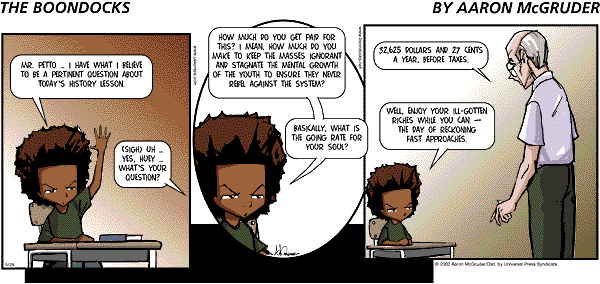
Good news. The Rouge Forum motion opposing the Iraq war passed the k-12 section of the National Council for the Social Studies assembly. Wayne Ross has the details, and a great cartoon on the Price of Your Soul, on his blog at
http://migrator.rab.olt.ubc.ca/ross
There is resistance everywhere: 70,000 uprisings in 2007 in China, requiring repression from the “Red” Army. A two week sit-down strike in Leningrad’ Ford Plant was settled just before the holidays, and in another strike in Siberia in BEK plants workers have erected blockades around the factories, demanding an end to privatization and workers’ control of the work place. Mutinies, while limited, began in the US Armed Forces. The direct action of workers in San Diego finally won the right, or reaffirmed it, to picket and hand out literature in San Diego. Iraq War veterans plan to duplicate the 1971 Detroit “winter soldier” investigation in Washington DC in March.
Cultural resistance is alive. Here is our colleague Chalmers Johnson, author of the Nemesis Trilogy, discussing Charlie Wilson’s War: http://www.tomdispatch.com/post/174877/chalmers_johnson_an_imperialist_comedy
The education resistance, meaning our lives and the lives of our kids, depends on us.
Utah Phillips, troubadour against tyranny, needs our help. His health fades and his insurance is very limited. Perhaps you could buy a Utah CD, or attend a benefit concert.
And remember, you can join the Rouge Forum discussion list here.
Next week, a discussion on capitalist democracy and the fetish of democracy on the left.
“It is not because things are difficult that we don’t dare….it is because we don’t dare that things are difficult.”…….. Seneque
Thanks to Susan, Amber, Cindee, Candace, Nancy, Sue W., Greg and Katy, Bill, Wayne, Beau, Ron, VP, Sherry. Marc and Bonnie, Tom S, Bob, Wayne, Marc, Curry, Dave H., Perry, Kevin, and to all those who helped out at NCSS.
All the best in the new year,
r
What is the going rate for the soul of a history teacher?
Welcome to my listening world 2007
I was worshiping at the altar of Robert Pollard/Guided by Voices for most of the year—even reading books about the GbV album “Bee Thousand” and the heavily GbV influenced, indie rock memoir, Perfect From Now On: How Indie Rock Saved My Life (by John Sellers)—but I did manage to work in other listening this year. So hear goes my Top Ten Favorite albums of the year (in no particular order)
Neon Bible, Arcade Fire
My Name is Buddy, Ry Cooder
Traffic and Weather, Fountains of Wayne
Live from Austin, TX, Guided by Voices
Kala, M.I.A.
Sweet Warrior, Richard Thompson
Icky Thump, The White Stripes
At My Age, Nick Lowe
Era Vulgaris, Queens of the Stone Age
Dislocation Blues, Chris Whitley and Jeff Lang
My Top Ten list would not be complete without more that ten, so on a different day my list might include:
The Story, Brandi Carlile
Scene of the Crime, Bettye Lavette (with The Drive-By Truckers)
Reunion Tour, The Weakerthans
Back to Black, Amy Winehouse
100 Days, 100 Nights, Sharon Jones and the Dap-Kings
Raising Sand, Robert Plant & Alison Krauss
Dwight Sings Buck, Dwight Yoakam
Pinata, Mexican Institute of Sound
Time on Earth, Crowded House
In Rainbows, Radiohead
Lastly here’s the track listing on my “Wayne’s Favs 2007” complication cd. (Ironically, not all of the 20 albums in my Top 10 list are represented, this is fault of the outdated cd technology that would only let me squeeze in 80 or so minutes of music and the fact that my comp cd has favorite individual tracks from album that didn’t make the harsh standards that I apply in choosing my favorite 20 albums in my Top 10 list.):
“Failsafe” The New Pornographers
“Needle And Thread” Richard Thompson
“Turnin’ On The Screw” Queens Of The Stone Age
“Paper Planes” M.I.A.
“Black Mirror” The Arcade Fire
“All I Need” Radiohead
“Unforgiven” John Doe
“Two Hearts” Ryan Adams
“Late Morning Lullaby” Brandi Carlile
“A Better Man” Nick Lowe
“Silent House” Crowded House
“When I Paint My Masterpiece” Chris Whitley & Jeff Lang
“Push Comes to Shove” John Hammond
“Red Cat Till I Die” Ry Cooder
“Rag & Bone” The White Stripes
“Still Want To Be Your Baby (Take Me Like I Am)”Bettye Lavette & Drive-By Truckers
“Guitar” Prince
“Strapped for Cash” Fountains Of Wayne
“Let Your Loss Be Your Lesson” Robert Plant & Alison Krauss
“Tournament of Hearts” The Weakerthans
“Gold Star For Robot Boy” Guided By Voices
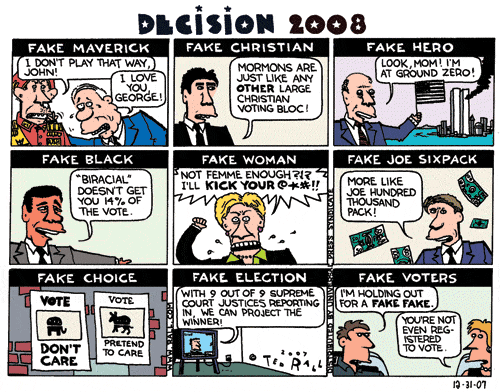
(Fake) Election 2008
Flying spaghetti monster defeats anti-evolution FL school board
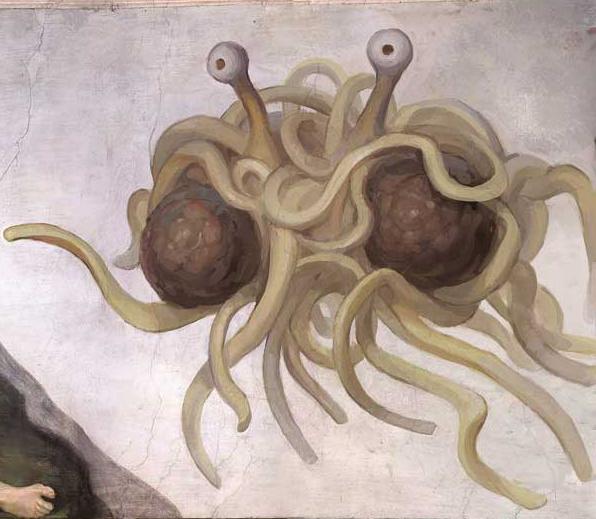
Pastafarians unite!
Flying spaghetti monster defeats anti-evolution FL school board
Police in thought pursuit
The Washington Times: Police in thought pursuit
December 27, 2007
By Bruce Fein – The Pope had his Index of Forbidden Books. Japan had its Thought Police against subversive or dangerous ideologies. And the United States Congress and President Bush have learned nothing from those examples.
Congress is perched to enact the “Violent Radicalization and Homegrown Terrorism Prevention Act of 20007 (Act),” probably the greatest assault on free speech and association in the United States since the 1938 creation of the House Un-American Activities Committee (HUAC). Sponsored by Rep. Jane Harman, California Democrat, the bill passed the House of Representatives on Oct. 23 by a 404-6 vote under a rule suspension that curtailed debate. To borrow from House Speaker Nancy Pelosi, California Democrat, the First Amendment should not distract Congress from doing important business. The Senate companion bill (S. 1959), sponsored by Susan Collins, Maine Republican, has encountered little opposition. Especially in an election year, senators crave every opportunity to appear tough on terrorism. Few if any care about or understand either freedom of expression or the Thought Police dangers of S. 1959. Former President John Quincy Adams presciently lamented: “Democracy has no forefathers, it looks to no posterity, it is swallowed up in the present and thinks of nothing but itself.”
Denuded of euphemisms and code words, the Act aims to identify and stigmatize persons and groups who hold thoughts the government decrees correlate with homegrown terrorism, for example, opposition to the Patriot Act or the suspension of the Great Writ of habeas corpus.
The Act will inexorably culminate in a government listing of homegrown terrorists or terrorist organizations without due process; a complementary listing of books, videos, or ideas that ostensibly further “violent radicalization;” and a blacklisting of persons who have intersected with either list.
Political discourse will be chilled and needed challenges to conventional wisdom will flag. There are no better examples of sinister congressional folly.
The Act inflates the danger of homegrown terrorism manifold to justify creating a marquee National Commission on the Prevention of Violent Radicalization and Ideologically Based Violence (Commission) in the legislative branch. Since September 11, 2001, no American has died from homegrown terrorism, while about 120,000 have been murdered.
In the so-called post-September 11 “war” against international terrorism, Mr. Bush has detained only two citizens as enemy combatants. One was voluntarily deported to Saudi Arabia; the other was indicted, tried and convicted in a civilian court of providing material assistance to a foreign terrorist organization. And employing customary law enforcement tools, the United States has successfully prosecuted several pre-embryonic terrorism conspiracies amidst numerous false starts.
Prior to September 11, homegrown terrorism consisted largely of Timothy McVeigh, Eric Rudolph, the Unibomber and the D.C. Metropolitan area snipers. The Act, nevertheless, counterfactually finds “homegrown terrorism … poses a threat to domestic security” that “cannot be easily prevented through traditional federal intelligence or law enforcement efforts.”
Twelve members of the commission will be appointed by the president and leaders in the House and Senate. They will predictably serve the political needs of their political masters.
The commission’s Big Brother task is to discover ideas and political associations, including connections to non-U.S. persons and networks, that promote “violent radicalization, homegrown terrorism, and ideologically based violence in the United States.” And “violent radicalization” is defined as “the process of adopting or promoting an extremist belief system for the purpose of ideologically based violence to advance political, religious, or social change.”
Under the Act, William Lloyd Garrison would have been guilty of promoting “violent radicalization” for publishing the anti-slavery Liberator in 1831, which “facilitated” John Brown. Susan B. Anthony and Elizabeth Cady Stanton would have been condemned for assailing laws disenfranchising women and creating an intellectual atmosphere receptive to violence. And Martin Luther King, Jr. would have fallen under the Act’s suspicion for denouncing Jim Crow and practicing civil disobedience, which “facilitated” H. Rap Brown.
The commission will certainly hold choreographed public hearings. Witnesses will testify that non-Christian ideas or vocal challenges to the status quo promote “an extremist belief system” that facilitates ideologically based violence. Internet communications, the media, schools, religious institutions and home life will be scrutinized for promoting pernicious thoughts.
Justice Oliver Wendell Holmes observed in Gitlow v. New York (1925): “Every idea is an incitement. It offers itself for belief and if believed it is acted on unless some other belief outweighs it or some failure of energy stifles the movement at its birth. The only difference between expression of an opinion and an incitement in the narrower sense is the speaker’s enthusiasm for the result.”
Lengthy lists of persons, organizations and thoughts to be shunned will be compiled. Portions of the Holy Koran are likely to be taboo. The lives of countless innocent citizens will be shattered. That is the lesson of HUAC and every prior government enterprise to identify “dangerous” people or ideas — for example, the 120,000 innocent Japanese-Americans herded into concentration camps during World War II.
The ideological persecutions invited by the Act will do more to create than to deter homegrown terrorism. Mark Anthony’s words in “Julius Caesar” are a fitting commentary on what Congress is prepared to enact: “O judgment! thou art fled to brutish beasts, and men have lost their reason.”
Bruce Fein is a constitutional lawyer with Bruce Fein & Associates and Chairman of the American Freedom Agenda.
Why We Need to Save (and Strengthen) Social Studies
Below is a commentary piece from the December 19, 2007 edition of Education Week, describing how the high-stakes testing environment created by the No Child Left Behind Act is squeezing social studies education out of the curriculum in the elementary grades.
“Why We Need to Save (and Strengthen) Social Studies”
By Judith L. Pace
Education Week
Published Online: December 18, 2007
Published in Print: December 19, 2007
Commentary
Amid the chorus of much-needed criticisms of the No Child Left Behind
Act, hardly a note has been heard in the media about the “squeezing”
of social studies, a significant consequence of the pressure to raise
test scores in reading and mathematics. Only a tiny body of published
research on the problem exists, but it, along with widespread
anecdotal evidence, indicates that high-stakes accountability based
on reading and math scores is marginalizing the social studies
curriculum in elementary schools.
Surveys have reported reduced instructional time in various states,
and organizations such as the National Council for the Social Studies
have responded with letters and statements to Congress. Social
studies educators have begun to lobby their lawmakers. But the
apparent mainstream acceptance of drastic reductions in the amount of
time and attention given to one of elementary education’s core
academic subjects is shocking. We are in danger of losing a
generation of citizens schooled in the foundations of democracy—and
of producing high school graduates who are not broadly educated human
beings.
In my own state of California, where history/social studies is not
tested until 8th grade, this trend began with the state’s Public
Schools Accountability Act of 1999, and has accelerated with the No
Child Left Behind law. The social studies squeeze occurs
disproportionately in low-performing schools with large minority and
low-income populations that are under intense pressure to raise
scores. And this, too, has alarming implications for educational
opportunity and civic participation.
In one of the few qualitative research studies on this topic, the
University of California, Riverside, researcher John S. Wills
examined the dilemmas faced by teachers in a poor, rural school in
California when social studies instruction was curtailed by high-
stakes-testing demands in other subjects. He found that teachers
managed these dilemmas differently, but with a common consequence:
Elements of thoughtful teaching were eradicated. Wills asks whether
the drive for accountability is leading not only to lost content
knowledge, but also, and paradoxically, to the elimination of
thoughtful, student-centered instruction “disproportionately from the
education of poor students and students of color.”
Anecdotal evidence is disturbing, and cries out for more systematic
investigation. Some large school districts in California and other
states have now virtually eliminated social studies instruction from
all of their elementary schools, and some middle schools. Many
students are not getting social studies instruction until the 10th
grade. Teacher-educators, including myself and colleagues at other
institutions, have discovered that elementary school preservice
candidates are not having an opportunity to observe or practice
social studies teaching. Especially in schools where teachers are
required to spend more hours on reading and math, often using
scripted programs, little time is left for social studies. With the
advent in California of science testing in the 5th grade, this
subject, too, will trump social studies.
This past spring, I interviewed 5th grade teachers in three Northern
California districts about the teaching of social studies for a small
pilot study. My sample was skewed, because many teachers in low-
performing schools declined the invitation to talk and I purposely
recruited teachers who love history. Still, the interviews were
revealing, and may hold some significance for other school systems
nationwide.
The apparent mainstream acceptance of drastic reductions in the
amount of time and attention given to one of elementary education’s
core academic subjects is shocking.
In the suburban, high-performing district I studied, teachers
reported that history is a centerpiece of the curriculum. Although
this district’s report card de-emphasizes history-social science, its
teachers are free to give the subject area priority in their classrooms.
The other two districts in my study were urban, with a wide range of
schools represented. Teachers at these districts’ low-performing
schools talked about the huge difficulty of teaching social studies
in the face of such daily curricular requirements as 2½ hours for
reading and language arts, 1½ hours for math, and a half-hour for
English-language development. Teachers at high-performing schools,
meanwhile, spoke of having some flexibility in making curricular
decisions because of their high test scores. District mandates need
not apply, it appears, in better-performing schools.
In essence, the data point to a social studies divide, caused by the
confluence of high-stakes accountability and school segregation by
race and class.
Perennial debates over whether social studies is even a valid
academic subject are an unfortunate distraction. The social studies
wars, though real enough in academia, are irrelevant to
schoolteachers and their students. At the elementary level, the
social studies curriculum is, appropriately, an integration of
history, geography, economics, sociology, anthropology, and political
science. And California’s standards for “history-social science,”
while flawed, constitute a serious and substantive document.
Why must we save social studies education for all students? A
voluminous literature, written by scholars, curriculum makers, and
practitioners alike, speaks convincingly to that question. I will
only add—at the risk of repeating bad news—that, internationally,
public opinion of the United States, both its government and its
people, worsens every day. The domestic and international issues
facing us are so complex and pressing that, to preserve democracy as
we know it, citizens must have some depth of historical, political,
and cultural understanding. Making good decisions requires that. It’s
one thing to have a nation of diverse opinions, which is crucial for
democracy, but opinion before knowledge, or without tolerance, leads
to demise. We’ve seen more than enough evidence of that in recent years.
Granted, social studies education historically has had its problems.
The quality of instruction and students’ attitudes toward the subject
often have been found lacking. In many classrooms, teachers rely on
textbooks and lectures that trivialize, even distort, the subject
matter. But examples of excellent social studies education also are
abundant.
We must now address inequality by improving the quality of teaching
and the curriculum in poor, segregated schools.
We need not only to save, but to strengthen social studies education.
Many argue that young people today are not educated to care about
political matters, understand complex issues, make informed
decisions, and contribute to a just society. Studies point to a
glaring gap in civic knowledge based on test scores correlated with
socioeconomic background and race or ethnicity. While ineffective
school practices may fail to address the current realities of
students, especially students of color in economically disadvantaged
circumstances, throwing out the baby with the bath water is certain
to exacerbate the biggest evil in our education system—inequality.
The U.S. Supreme Court’s decision this year to disallow the use of
race in school assignments has set back progress toward racial
integration. We must now address inequality in other ways, the
foremost being by improving the quality of teaching and the
curriculum in poor, segregated schools. We are cheating already
marginalized children if social studies is squeezed out of their
elementary school education. We also are setting up their high school
history teachers for failure. Worse, we may be paving the way for
potentially dire consequences for our democracy.
I am not ready to support testing in social studies in elementary
schools; we need less standardized testing, not more. (Social studies
is “high stakes” in states such as Virginia, and there the press for
“cultural literacy” has turned elementary school teaching into a
coverage craze.) We need fewer mandates that dictate classroom
schedules and scripted curricula. Policymakers must understand that
subjects like social studies actually develop reading and writing
skills in meaningful and enriching curricular contexts. When teachers
have resources, such as time for planning and good professional
development, many become passionate and knowledgeable about teaching
social studies, which goes a long way toward engaging students in
powerful learning.
For now, however, the situation calls for educational researchers to
carefully document the problem, how it plays out in a variety of
school settings, and what its consequences are. As Stanford
University’s Linda Darling-Hammond says, we practitioners and
scholars must educate our government about how to educate our children.
Judith L. Pace is a professor in the University of San Francisco’s
school of education.
Vol. 27, Issue 16, Pages 26-27
December 19, 2007 |