Categories
Indigenous Literature and Education

Connections to Land

Listed below are selected teacher resources, picture books, fiction, and non-fiction related to connections to land in Indigenous literature and education.

Vous trouverez ci-dessous une sélection de ressources pour enseignants, de livres d’images, d’ouvrages de fiction et d’ouvrages non romanesques en rapport avec les liens avec la terre dans la littérature et l’éducation autochtones.

Teacher Resources (Ressources pour les enseignants)

Aboriginal worldviews and perspectives in the classroom: Moving forward,

by the BC Ministry of Education

Niveau scolaire (Grade level): Kindergarten – 12

This resources is designed to answer a number of questions, including what is meant by Aboriginal education and by Aboriginal worldviews and perspectives; what is required of teachers and of the education system in order to provide appropriate and authentic teaching in line with the First Peoples Principles of Learning; and where teachers can turn for guidance and support in modifying their practice to incorporate new content and approaches. Specifically discusses connection to land as a characteristic of Aboriginal worldviews and perspectives and the need to incorporate this in the classroom. (eBook)
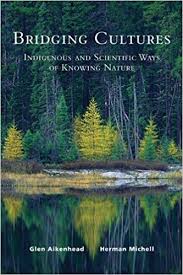
Bridging cultures: Scientific and indigenous ways of knowing nature,

by Glen Aikenhead and Herman Michell

Niveau scolaire (Grade level): Kindergarten – 12

This book supports science teachers, teacher candidates, and science educators preparing to implement science curricula that recognize Indigenous knowledge as a foundational way to understand the physical world.
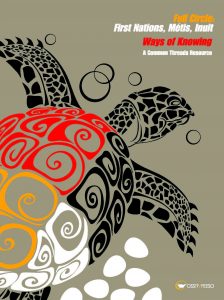
Full circle: First Nations, Métis, Inuit ways of knowing,

by Ontario Secondary School Teachers’ Federation.

Niveau scolaire (Grade level): 8 – 12

Lesson plans which encourage teachers to incorporate First Nations, Métis, and Inuit ways of knowing into the classroom in the four thematic areas of identity, health, Residential Schools, and land. Includes lesson plans directly related to Indigenous peoples’ connection to land.

Picture Books (Les livres d’images)
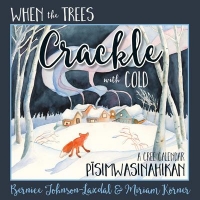
When the trees crackle with cold: A Cree calendar,

by Bernice Johnson-Laxdal; illustrated by Miriam Körner

Niveau scolaire (Grade level):

The calming rhythm of the words echoes the rhythm of the land in this picture book about the moon calendar of the northern Cree. Highlights how we are all connected to the seasons and the cycle of nature. Written in English and northern Plains Cree y-dialect.
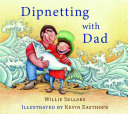
Dipnetting with dad,

by Willie Sellars; illustrated by Kevin Easthope

Niveau scolaire (Grade level):

Set in the Cariboo Chilcotin region, Dipnetting With Dad is a delightful and colourful story of a father teaching his son the Secwepemc method of fishing known as dipnetting. Together they visit the sweat lodge, mend the nets, select the best fishing spot and catch and pack their fish through rugged bush back to the family home for traditional preparation.
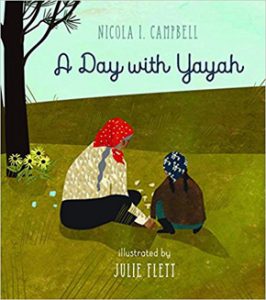
A day with Yayah,

by Nicola I. Campbell; illustrations by Julie Flett

Niveau scolaire (Grade level): Préscolaire – 2 (PreK-2)

A Day With Yayah is a story sharing the special relationship that is built when a child learns from their Elders. Set in the Okanagon, BC, a First Nations family goes on an outing to forage for herbs and mushrooms. Grandmother passes down her knowledge of plant life to her young grandchildren.
The water walker,

by Joanne Robertson

Niveau scolaire (Grade level): 1 – 4

The story of a determined Ojibwe Grandmother (Nokomis) Josephine Mandamin and her great love for Nibi (water). Nokomis walks to raise awareness of our need to protect Nibi for future generations, and for all life on the planet. By her example Josephine invites us all to take up our responsibility to protect our water, the giver of life, and to protect our planet for all generations.
Nipêhon (I wait),

by Caitlin Dale Nicholson & Leona Morin-Neilson

Niveau scolaire (Grade level): Préscolaire – 2 (PreK-2)

A young child, her grandmother and mother are going out to pick wild yarrow. As Grandmother gets ready, the child and her mom wait. Grandmother leads the way to the field of blossoms, where they can finally start to pick … only now they have to wait for Mom! The simple story, written in Cree and English and accompanied by rich acrylic illustrations, shows the patience, love and humor involved as three generations accommodate one another on a family outing.

Fiction
Relatives with roots: A story about Métis women’s connection to the land,

by Leah Marie Dorion; translated in Michif-Cree by Rita Flamand

Niveau scolaire (Grade level): 3 – 5

A Métis grandmother takes her granddaughter out onto the land to teach her about how to pick traditional medicines.The granddaughter learns about the Métis connection to the land and the traditional Métis beliefs and stories of plants as food and medicine. Text in English and Michif-Cree. Comes with CD of the book narrated in English Michif-Cree.

Non-Fiction
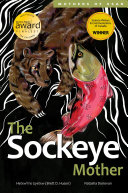
The sockeye mother,

by Hetxw’ms Gyetxw (Brett D. Huson); illustrated by Natasha Donovan

Niveau scolaire (Grade level): 2 – 3

To the Gitxsan people of Northwestern British Columbia, the sockeye salmon is more than just a source of food. Over its life cycle, it nourishes the very land and forests that the Skeena River runs through and where the Gitxsan make their home. The Sockeye Mother explores how the animals, water, soil, and seasons are all intertwined.
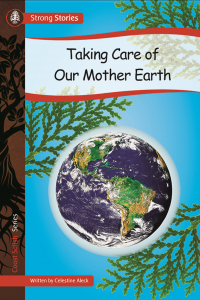
 Taking care of our Mother Earth,

by Celestine Aleck

Niveau scolaire (Grade level): 2 – 4

This book explains how each Coast Salish family played a traditional role in taking care of our Mother Earth. From controlled burning to ethical hunting and fishing practices, the Coast Salish people were, and still are, taught by their elders to respect Mother Earth.
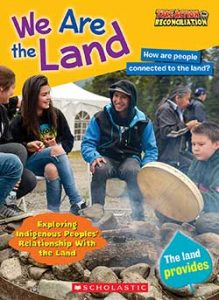
 We Are The Land,

Niveau scolaire (Grade level): 3 – 8

Created by Indigenous educators and advisors from across Canada, these inquiry-based books explore how First Nations, Inuit, and Métis communities are connected to the land they live on. Includes 16 student books and a teacher’s guide. Part of the Take Action for Reconciliation series
Stewardship,

by Anita Yasuda

Niveau scolaire (Grade level): 4 – 6

From the past and into the future, this book reveals the role of Indigenous peoples in taking care of the land and using it responsibly. Part of the Indigenous Life in Canada series.
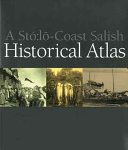
 A Stó:lō-Coast Salish historical atlas,

edited by Keith Thor Carlson with cultural advisor Albert Jules McHalsie & others

Niveau scolaire (Grade level): 9 – 12

Through words, archival photographs, and 86 full-color maps, the book details the mythic beginnings of the St :lo people and how white settlement turned their homeland into the bustling metropolis of Vancouver.
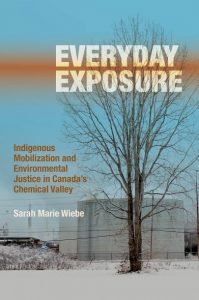
Everyday exposure: Indigenous mobilization and environmental justice in Canada’s chemical valley,

by Sarah Marie Wiebe

Niveau scolaire (Grade level): 11 – 12

Near the Ontario-Michigan border, Canada’s densest concentration of chemical manufacturing surrounds the Aamjiwnaang First Nation. This book reveals how the colonial legacy of inflicting harm on Indigenous bodies persists through a system that fails to adequately address health and ecological suffering in First Nations communities, including a failure to acknowledge and respect Indigenous connections to land and place. (eBook)


Trouver d’autres ressources

Voici quelques conseils pour trouver d’autres ressources dans ce domaine :

  • Sur la page principale du site de la bibliothèque de l’UBC, utilisez la boîte de recherche générale pour rechercher des matériaux à travers toutes les succursales de la bibliothèque de l’UBC.
  • Pour limiter vos résultats aux matériels disponibles à la Bibliothèque de l’éducation, visitez le site web de la Bibliothèque de l’éducation et effectuez une recherche à l’aide de la case “Search Education Resources” située dans la bande à gauche de l’écran.
  • Remarque : les ressources étant principalement cataloguées en anglais, les termes ci-dessous donnent généralement plus de résultats que les recherches effectuées en français. Vous pouvez filtrer votre liste de résultats par langue dans la barre latérale de gauche.
  • Utilisez des termes de recherche spécifiques, tels que
    • “traditional ecological knowledge”, “First Nations”, “Indigenous”, “Aboriginal”, “Musqueam”ou “Indigenous peoples AND Nature”
  • Pour trouver des plans de cours, incluez “lesson plans”, “lesson planning”, or “activity programs” dans vos termes de recherche.

Finding More Resources

To find more resources in this area, try the following:

  • Search using the General tab on the UBC Library website to look for material in all UBC Library branches.
  • Search using “Search Education Resources” box in the left hand bar on the Education Library website to limit your results to physical materials in the Education Library.
  • Use specific search terms, such as
    • “traditional ecological knowledge”, “First Nations”, “Indigenous”, “Aboriginal”, “Musqueam”or “Indigenous peoples AND Nature”
  • To find lesson plans, include “lesson plans”, “lesson planning”, “juvenile fiction” or “activity programs” in your search terms.
Categories
Sciences

Environmental Science and Sustainability

Listed below are selected teacher resources, picture books, fiction, and non-fiction related to environmental science and sustainability.

Teacher Resources

The school garden curriculum: An integrated K-8 guide for discovering science, ecology, and whole-systems thinking

by Kaci Rae Christopher

Grades: K-8

The author offers a comprehensive framework enabling students to grow their knowledge throughout the school year and build on it from kindergarten to grade eight. From seasonal garden activities to inquiry projects and science-skill building, children will develop organic gardening solutions, a positive land ethic, systems thinking, and instincts for ecological stewardship.

The environmental toolkit for sustainability: First steps to sustainability

written by Neil Fraser, illustrated by Hanna Forsgren

Grades: K-12

This guide shows ways to reduce your school’s ecological footprint, and create and embed a sustainability ethos. Whether you are a teacher eager to make your classroom a more eco-friendly environment or a head teacher who wants to set up a whole school project, there are practical strategies and activities in this book for you. This book includes 75 eco-projects and lessons that cover how to manage litter, waste and energy efficiently in a time saving, cost effective manner, as well as how to get students involved in the projects.

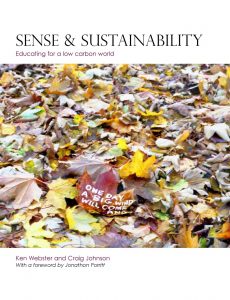
Sense & sustainability: Educating for a low-carbon world

by Ken Webster et al.

Grades: K-12

This book makes the case for a practical education for sustainability based on exploring and testing frameworks. The authors suggest that education contributes most to the future of our young people when it opens up discussion on how sustainable can be aspirational, talking about “better and better” rather than “less and less”. Comes with online materials and resources for continuing professional development.

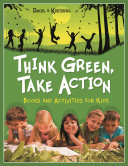
Think green, take action: Books and activities for kids

written by Daniel A. Kriesberg, illustrated by Kathleen A. Price

Grades: 3-7

This book combines a wide variety of techniques to help students understand environmental issues and gain the skills needed to take action. The children’s literature and classroom activities suggested here cover three major environmental issues: endangered species, resource depletion, and pollution. After students have a grasp of the causes of these environmental problems, the final chapter presents ways to take easy action that can create ripples of change across the world.

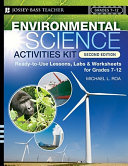
Environmental science activities kit: Ready-to-use lessons, labs and worksheets for grades 7-12

by Michael L. Roa

Grades: 7-12

This book includes more than 35 lessons for middle and high school science teachers on the most compelling and relevant environmental topics, such as global warming, food and water production, alternative energy sources, endangered species, land-use issues, and many more.

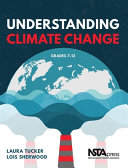
Understanding climate change: Grades 7-12

by Laura Tucker and Lois Sherwood

Grades: 7-12

A nine-session module which includes engaging lessons and activities to help students understand climate change. Includes sections on addressing misconceptions surrounding climate change, evaluating information, understanding the science, and creating solutions.

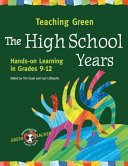
Teaching green, the high school years: Hands-on learning in grades 9-12

edited by Tim Grant and Gail Littlejohn

Grades: 9-12

This book offers fifty teaching strategies that promote learning about natural systems and foster critical thinking about environmental issues, both local and global. Readers learn how best to apply systems thinking, teach about controversial issues, and use a step-by-step approach to creative problem-solving in environmental projects. Also provided are instructions for measuring the ecological footprint of a high school, creating an indoor “living system” that cleans water, monitoring air quality with lichens, and using green technologies to help green school campuses.

Picture Books

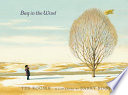
Bag in the wind

written by Ted Kooser, illustrated by Barry Root

Grades: K-3

When a plastic bag is uprooted from a landfill, it begins a journey on the wind that leads to its being used and re-used by many people.

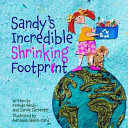
Sandy’s incredible shrinking footprint

written by Femida Handy and Carole Carpenter, illustrated by Adrianna Steele-Card

Grades: K-3

Sandy and her dog Pepper are upset when they find garbage on the beach they love. With the help of the Garbage Lady, they start to learn about everyone’s ecological footprint.

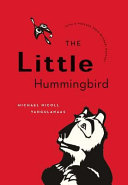
The little hummingbird

by Michael Nicholl Yahgulanaas

Grades: K-3

When the forest is on fire and all of the other animals are frozen with fear, a tiny hummingbird finds the courage to try to save their home.

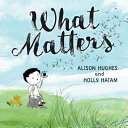
What matters

written by Allison Hughes, illustrated by Holly Hatam

Grades: K-2

When one small boy picks up one small piece of litter, that one small act has big ripples through nature’s connections.

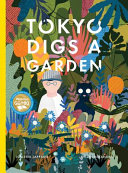
Tokyo digs a garden

written by Jon-Erik Lappano, illustrated by Kellen Hatanaka

Grades: K-2

Tokyo’s small house is increasingly surrounded by skyscrapers and highways. But when an old woman gives him seeds to plant, Tokyo discovers that the big city can become wild again.

Fiction

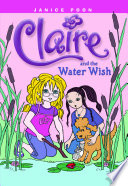
Claire and the water wish

by Janice Poon

Grades: 2-5

Claire and her friends Jet and Sky team up to try to find the polluters who’ve been making the water in a local lake undrinkable.

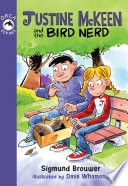
Justine McKeen and the bird nerd

written by Sigmund Brouwer, illustrated by Dave Whamond

Grades: 2-5

When a small bird is injured after flying into a school window, the students are shocked and upset. But they are even more shocked when school bully Jimmy Blatzo rescues the bird and nurses it back to health. When the students discover that the problem isn’t just at their school, young green activist Justine McKeen convinces Jimmy to talk to town council about the issue.

Non-Fiction

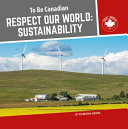
Respect our world: Sustainability

by Ramona Heikel

Grades: 3-6

Discusses efforts by Canadians to preserve water quality, conserve wildlife, clean up pollution and use sustainable energy sources. Part of the To Be Canadian series.

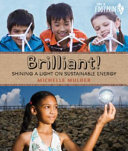
Brilliant! Shining a light on sustainable energy

by Michelle Mulder

Grades: 3-7

Did you know that cars can run on french fry grease, or that kids in Mexico help light up their houses by playing soccer? This book is full of examples of unusual (and often peculiar) power sources, and encourages kids to look around for sustainable ways to light up the world. Part of the Orca footprints series.

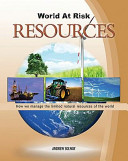
Resources

by Andrew Solway

Grades: 4-7

Discusses how we manage the limited natural resources of the world. Part of the World At Risk series

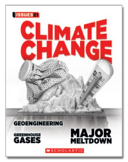
Climate change

by Douglas Fraser

Grades: 6-9

Part of the Issues 21 series, which examines contemporary issues in society in order to develop students’ skills in the areas of critical thinking, creativity, communication, collaboration, ethical citizenship and activism. Includes 6 student books and a teacher’s guide.

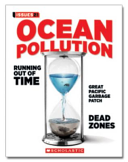
Ocean pollution

by Erika Boas

Grades: 6-9

Part of the Issues 21 series, which examines contemporary issues in society in order to develop students’ skills in the areas of critical thinking, creativity, communication, collaboration, ethical citizenship and activism. Includes 6 student books and a teacher’s guide.

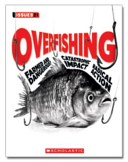
Overfishing

by Jeffrey D. Wilhelm

Grades: 6-9

Part of the Issues 21 series, which examines contemporary issues in society in order to develop students’ skills in the areas of critical thinking, creativity, communication, collaboration, ethical citizenship and activism. Includes 6 student books and a teacher’s guide.

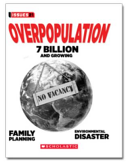
Overpopulation

by Brian Arleth

Grades: 6-9

Part of the Issues 21 series, which examines contemporary issues in society in order to develop students’ skills in the areas of critical thinking, creativity, communication, collaboration, ethical citizenship and activism. Includes 6 student books and a teacher’s guide.

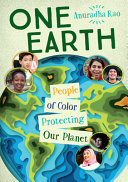
One earth: People of color protecting our planet

by Anuradha Rao

Grades: 7-10

This nonfiction book profiles twenty environmental activists of colour from around the world. Their individual stories show that the intersection of environment and ethnicity is an asset, not an obstacle, to helping the planet. Illustrated with photos of each of the people profiled.

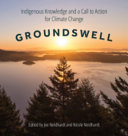
Groundswell: Indigenous knowledge and a call to action for climate change

edited by Joe Neidhardt and Nicole Neidhardt

Grades: 10-12

This collection of essays from both Indigenous and non-Indigenous writers presents a compelling message about how traditional Indigenous knowledge and practices can – and must – be used to address climate change.

Further Reading

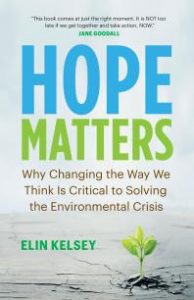
Hope Matters: Why Changing the Way We Think Is Critical to Solving the Environmental Crisis

by Elin Kelsey

Explores “evidence-based hope” in relation to climate change. Provides a framework for how to address eco-anxiety, setting a foundation for how we might approach climate change education in the classroom.

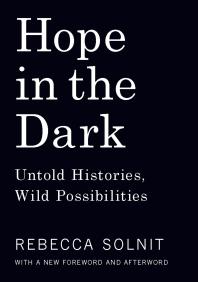
Hope in the Dark: Untold Histories, Wild Possibilities

by Rebecca Solnit

Solnit also makes a case for hope and committing to action. She focuses on recognizing the victories, small and large, that have been achieved and bringing attention to the far-reaching impact those victories have and still could provide.

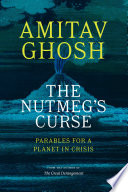
The Nutmeg’s Curse: Parables for a Planet in Crisis

by Amitav Ghosh

Discusses the intersection of colonialism and climate change. Diving into the history of the familiar nutmeg spice, Ghosh reveals how trade and conquest set the stage for our current predicament.

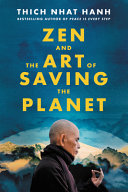
Zen and the Art of Saving the Planet

by Thich Nhat Hanh

Explores the ways in which meditation and mindfulness can lead to climate action. Discusses how we can shape our mind, and therefore influence our actions, reactions and well-being in every day life.


Finding More Resources

To find more resources in this area, try the following:

  • Search using the General tab on the UBC Library website to look for material in all UBC Library branches.
  • Search using “Search Education Resources” box in the left hand bar on the Education Library website to limit your results to materials in the Education Library.
  • Use specific search terms to narrow your results, such as “environmentalism”, “environmental science”, “environmental studies”, “environmental education”, “sustainability”, or “conservation of natural resources”.
  • To find lesson plans, include “lesson plans”, “lesson planning”, or “activity programs” in your search terms.
For more help with searching, please visit the Library Service Desk or e-mail ed.lib@ubc.ca.

Categories
Sciences

Earth Sciences

Listed below are selected teacher resources, picture books, and non-fiction related to earth sciences.

Teacher Resources

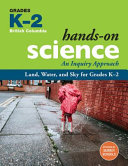
Land, Water, and Sky for Grades K-2: An Inquiry Approach

by Jennifer Lawson

Grades: K-2

This book covers how to teach about land, water, and sky in alignment with the current BC curriculum. Uses the Know-Do-Understand model, First Peoples Principles of Learning, and an inquiry approach. Part of the Hands-on Science series.

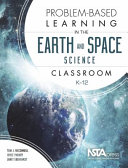
Problem-based learning in the earth and space science classroom

by Tom J. McConnell, Joyce Parker, and Janet Eberhardt

Grades: K-12

This resource presents tips and techniques for problem-based learning in four content areas: Earth’s landforms and water, the rock cycle and plate tectonics, weather, and astronomy.

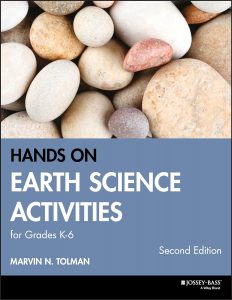
Hands-on earth science activities for grades K-6

by Marvin N. Tolman

Grades: K-6

This book’s activities follow the discovery/inquiry approach and encourage students to analyze, synthesize, and infer based on their own hands-on experiences. Topics covered include air, water, weather, the earth, ecology, above the earth, beyond the earth, and current electricity.

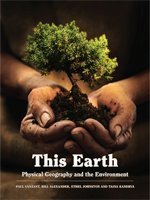
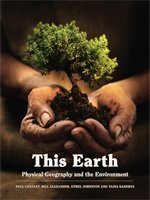
This earth: Physical geography and the environment

by Paul Vazant and others

Grades: 10-12

A case-driven text that focuses on physical geography and human interaction and covers the origin of Earth, continental shifts, water and air pollution and human impacts, and taking responsibility for the planet. Also includes teaching notes, lesson plans, and assessment rubrics.

Jumpstart! Geography: Engaging activities for ages 7-12

by Mark Jones and Sarah Whitehouse

Grades: 2-6

This collection of simple to use and fun activities will jumpstart pupils’ understanding of the geographical skills of inquiry, outdoor learning, understanding graphic representations, and communication. Pupils will develop their knowledge and understanding of people, places and issues through being encouraged to ‘think geographically’ about the world they live in. Includes activities related to continents and oceans, and physical features such as rivers, forests, deserts, and coastlines. (E-book only)

Picture Books

A stroll through the seasons

written by Kay Barnham, illustrated by Maddie Frost

Grades: K-3

Follow the changes that each season brings: from spring blossoms, to summer sunshine, to autumn leaves, to winter snow.

Fox explores the night

written by Martin Jenkins, illustrated by Richard Smythe

Grades: 1-3

Follow Fox as she makes her way through city streets and learns about sunlight, moonlight, electric light, and darkness

The squirrels’ busy year

written by Martin Jenkins, illustrated by Richard Jones

Grades: 1-4

In the winter, when it’s cold, the squirrels dig up acorns to eat. But what will they eat in the spring, when it’s warm again?

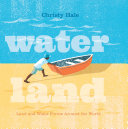
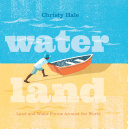
Water land: Land and water forms around the world

written and illustrated by Christy Hale

Grades: 3-5

Die-cut pages identify and contrast types of water bodies and their corresponding land masses to help young readers understand how connected the earth and the water really are.

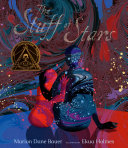
The stuff of stars

written by Marion Dane Bauer, illustrated by Ekua Holmes

Grades: K-3

Before the universe was formed, before time and space existed, there was nothing. But then … BANG! Stars caught fire and burned so long that they exploded, flinging stardust everywhere. And the ash of those stars turned into planets, into our Earth, and into us.

Non-Fiction

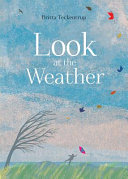
Look at the weather

by Britta Teckentrup, translated by Shelley Tanaka

Grades: K-6

Through four chapters–sun, rain, ice and snow, and extreme weather–this book explores different weather phenomena, from rainbows and sunsets to clouds, frost, and rainstorms.

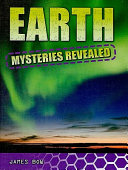
Earth mysteries revealed

by James Bow

Grades: 3-6

This book explains how our planet is put together and answers the questions to mysteries such as: why is the only life we know of found on Earth; how did this warm and wet planet form from a cloud of ice and dust; was the Moon once a part of Earth’s rocks; why is it night all winter in the Arctic; why are sunsets orange; and was there really an ancient city that was destroyed by a volcano and tsunami? Part of the Mysteries revealed series.

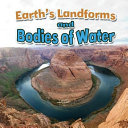
Earth’s landforms and bodies of water

by Natalie Hyde

Grades: 1-3

Explains how Earth is covered by landforms and bodies of water, how they develop, and why they change. Covers landforms such as mountains, valleys, and sand dunes, as well as waterways such as oceans, rivers, and ponds. Part of the Earth’s processes close-up series.

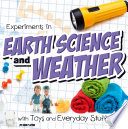
Experiments in earth science and weather with toys and everyday stuff

by Emily Sohn

Grades: K-3

Engaging experiments using simple toys and everyday stuff teach curious young minds all about earth science. Readers can take an up-close look at how tornadoes develop, why wind is sometimes cold, how the water cycle works, and much more.

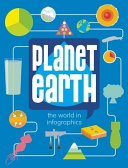
Planet Earth

by Jon Richards and Ed Simkins

Grades: 1-6

From tectonic plates and meteorites to erupting volcanoes, the atmosphere, and the world’s longest rivers, this book explores planet Earth using a wide variety of icons, graphics, and pictograms.

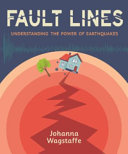
Fault lines: Understanding the power of earthquakes

by Johanna Wagstaffe

Grades: 4-8

Earthquakes are a terrifying yet fascinating force of nature. Seismologist Johanna Wagstaffe takes you through her own journey of understanding the earth beneath our feet. Along the way you’ll learn the science behind what makes the earth rumble and hear from kids around the world who have experienced the wonder, and terror, of an earthquake.

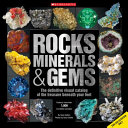
Rocks, minerals & gems

by Sean Callery and Miranda Smith, illustrated by Gary Ombler

Grades: 3-7

Readers will learn about hundreds of rocks, minerals, crystals, and gems that were forged by the most powerful events in prehistory. Explore what specimens look like and how they’re used today. Find out all about star stones and cat’s eyes, megagems, and phantom quartz. Discover which rocks fluoresce, which mineral once poisoned an emperor, and which gems are the rarest in the world.

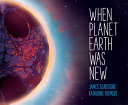
When Planet Earth was new

written by James Gladstone, illustrated by Katherine Diemert

Grades: K-3

It has taken billions of years for Earth to become the planet it is today. This book looks back to the very beginning, giving a poetic yet scientific overview of how the planet has changed over time: from hot lava to the formation of oceans to the evolution of living things in water and on land.

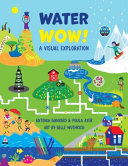
Water wow! An infographic exploration

written by Antonia Bayard and Paula Ayer, illustrated by Belle Wuthrich

Grades: 4-7

Where did water come from before it got to Earth? Why is the water you drink the same stuff that was around when dinosaurs were alive? If water can’t be created or destroyed, how can we run out? How does climate change affect water and vice versa? How are water access and girls’ education worldwide connected? Find out the answers to these and many more questions through infographics.

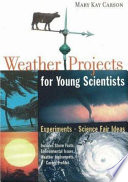
Weather projects for young scientists: Experiments and science fair ideas

by Mary Kay Carson

Grades: 4-7

From the everyday phenomena of wind and clouds to the awesome, destructive power of lightning, tornadoes, and hurricanes, children can explore weather in detail with this science activity book. More than 40 weather projects are included, such as building a model of the water cycle, creating a tornado in a bottle, calculating dew point, reading a weather map, building weather-measuring instruments, and more.


Finding More Resources

To find more resources in this area, try the following:

  • Search using the General tab on the UBC Library website to look for material in all UBC Library branches.
  • Search using “Search Education Resources” box in the left hand bar on the Education Library website to limit your results to materials in the Education Library.
  • Use specific search terms to narrow your results, such as “earth science”, “earth (planet) — juvenile literature”, “physical geography”, “weather”, or “science–study and teaching.
  • To find lesson plans, include “lesson plans”, “lesson planning”, or “activity programs” in your search terms.
For more help with searching, please visit the Library Service Desk or e-mail ed.lib@ubc.ca.

Categories
Social Studies

Landforms and Natural Resources

Listed below are selected teacher resources, picture books, and non-fiction related to landforms and natural resources.

Teacher Resources

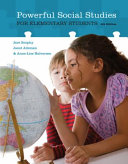
Powerful social studies for elementary students

by Jere Brohpy, Janet Alleman, and Anne-Lise Halvorsen

Grades: K-6

This book combines theory and research with examples from classroom practice, and outlines ways to select content and teach history, geography, and social sciences meaningfully in the elementary classroom.

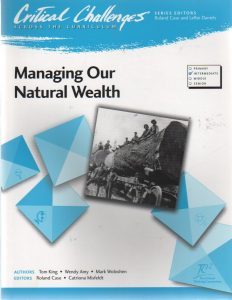
Managing our natural wealth: A unit on natural resources with a focus on forestry, fishing, and mining in British Columbia

by Tom King, Wendy Amy, and Mark Woloshen

Grades: 5-7

Through a variety of critical thinking challenges, students learn about Canada’s natural resources and then focus on problems and solutions related to forestry, fishing and mining in British Columbia. For more resources in the “Critical challenges across the curriculum series”, click here.

This earth: Physical geography and the environment

by Paul Vazant and others

Grades: 10-12

A case-driven text that focuses on physical geography and human interaction and covers the origin of Earth, continental shifts, water and air pollution and human impacts, and taking responsibility for the planet. Also includes teaching notes, lesson plans, and assessment rubrics.

Picture Books

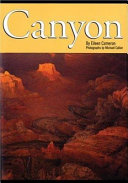
Canyon

written by Eileen Cameron, photographed by Michael Collier

Grades: K-3

Colourful photographs of landscapes are accompanied by poetry which traces water’s journey from the sky, down the mountains, in the rivers, and finally forming a canyon.

Water land: Land and water forms around the world

written and illustrated by Christy Hale

Die-cut pages identify and contrast types of water bodies and their corresponding land masses to help young readers understand how connected the earth and the water really are.

Non-fiction

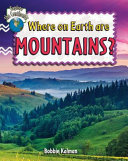
Where on earth are mountains?

by Bobbie Kalman

Grades: 1-2

Discusses how mountains form and explores different mountain ranges around the world. For more books from the “Explore the continents” series, click here.

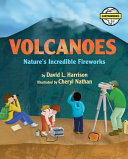
Volcanoes: Nature’s incredible fireworks

by Natalie Hyde

Grades: 1-3

Shows how volcanoes are created and why they erupt. Includes an introduction to magma, lava, colliding plates that cause earthquakes, and other natural phenomena. For more books from the “Earthworks” series, click here.

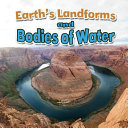
Earth’s landforms and bodies of water

by Pamela Hickman

Grades: 1-3

Explains how Earth is covered by landforms and bodies of water, how they develop, and why they change. Covers landforms such as mountains, valleys, and sand dunes, as well as waterways such as oceans, rivers, and ponds. For more books in the “Earth’s processes close-up” series, click here.

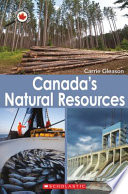
Canada’s natural resources

by Carrie Gleason

Grades: 1-4

Explores Canada’s diverse environments and the natural resources they provide. Divided into five sections, forests; oceans, rivers and lakes; land and soil; rocks and minerals; and energy resources. For more books in the “Canada close up” series, click here.

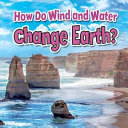
How do wind and water change Earth?

by Natalie Hyde

Grades: 2-3

Explains how landforms can be changed by weathering and erosion in both the short and long term.

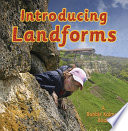
Introducing landforms

by Bobbie Kalman and Kelley MacAulay

Grades: 2-4

Provides an introduction to why the land on Earth has different shapes in different places. Photographs, illustrations, and text covers continents, mountains, valleys, plains, and caves, as well as the forests, animals, and water that may be found on each landform.

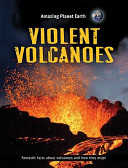
Violent volcanoes

by Terry Jennings

Grades: 3-6

Introduces volcanoes, explaining how they are formed, why they erupt, and the different shapes of volcano cones, along with descriptions of some of the most famous volcanic eruptions of the twentieth century. For more books in the “Amazing planet earth” series, click here.

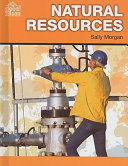
Natural resources

by Sally Morgan

Grades: 5-8

Presents a global look at where Earth’s natural resources come from and how they are traded between countries, including the benefits and drawbacks of globalization in this area.


Finding More Resources

To find more resources in this area, try the following:

  • Search using the General tab on the UBC Library website to look for material in all UBC Library branches.
  • Search using “Search Education Resources” box in the left hand bar on the Education Library website to limit your results to materials in the Education Library.
  • Use specific search terms to narrow your results, such as “Natural Resources”, “Natural Resources–Juvenile literature.”, Landforms, “Landforms–Juvenile literature.”
  • To find lesson plans, include “lesson plans”, “lesson planning”, or “activity programs” in your search terms.
For more help with searching, please visit the Library Service Desk or e-mail ed.lib@ubc.ca.
Spam prevention powered by Akismet