Categories
French Sciences

La science en français – French Science

Listed below are selected resources for French learners relating to science.

Vous trouverez ci-dessous une sélection de ressources scientifiques pour les apprenants de français.

Ressources pour les enseignantes (Teacher Resources)

Relever des défis scientifiques et technologiques : des expériences pour les 8 ans et plus

de Marcel Thouin

Niveau scolaire (Grade level): 3 – 8

Les expériences du présent ouvrage de recettes par le fait qu’elles sont des activités de résolution de problème qui permettent une véritable expérimentation par les jeunes. Ces défis, visent à faire évoluer leurs conceptions non scientifiques fréquentes, comportent tous plusieurs solutions ou approches possibles et impliquent une plus grande créativité et une plus grande initiative que de simples activités de manipulation. Ces modules portent sur la structure de la matière, les forces et les mouvements, la chaleur et la pression, le magnétisme et l’électricité, la lumière et le son, les produits chimiques, les planètes et les étoiles, la Terre et l’atmosphère, les champignons et les végétaux, les micro-organismes et les animaux, le corps humain, l’environnement, les techniques de la construction, les techniques du mouvement, les techniques de la lumière, du son et des communications ainsi que les techniques de l’alimentation et du vêtement.

Manuels scolaires (Textbooks)

l’encyclopedi@ de sciences

de Fran Baines

Niveau scolaire (Grade level): 6 – 8

En plus de 150 doubles pages thématiques réparties sous 8 rubriques (matière et matériaux, forces et énergie, électricité et magnétisme, l’espace, la Terre, les plantes, les animaux et le corps humain), cette encyclopédie abondamment illustrée de photographies, schémas et dessins propose une initiation fort bien structurée au monde des sciences.

Sciences 7, Colombie-Britannique

de Adrienne Mason, et. al.

Niveau scolaire (Grade level): 7

Les manuels présentent des photographies, des contextes, des modèles de comportement et des carrières propres à cette province. De plus, ils offrent un contenu autochtone original. La présentation est adaptée à l’âge des élèves et favorise ainsi l’acquisition de compétences scientifiques. Une grande variété d’activités pratiques stimulantes, des éléments visuels attrayants ainsi que des liens Internet font de ces manuels des outils pratiques et efficaces.

Sciences 10, Colombie-Britanique

de Lionel Sandner, et. al.

Niveau scolaire (Grade level): 10

Une grande variété d’activités pratiques stimulantes, des éléments visuels attrayants ainsi que des liens Internet font de ces manuels des outils pratiques et efficaces. Ce livre couvre des sujets tels que la génétique et l’hérédité, les réactions chimiques, la transformation de l’énergie et la formation de l’univers.

Non-fiction

Les 10 forces de la nature les plus redoutables

de Jeffrey D. Wilhelm

Niveau scolaire (Grade level): 5 – 8

De nombreuses forces de la nature frappent la Terre. Des forces telles que les seismes, les ouragans et les eruptions volcaniques, entre autres, sont si puissantes qu’elles font trembler le sol et en modifient la surface. Certaines forces peuvent engloutir des pates de maisons et meme des villages. D’autres peuvent assecher le sol. Et d’autres encore peuvent inonder de vastes regions ou consumer des forets entieres. Nous te presentons ici les 10 forces de la nature qui, selon nous, sont les plus redoutables.

Les 10 roches et mineraux les plus remarquables

de Jeffrey D. Wilhelm

Niveau scolaire (Grade level): 5 – 8

Peux-tu imaginer un monde sans roches ni minereaux? La vie y serait presque impossible puisque les roches et les mineraux entrent dans la composition de tant d’objets que nous utilisons chaque jour. Sans les roches et les mineraux, nous n’aurions ni voitures, ni routes, ni ordinateurs. Sans compter que de petites quantites de nombreux mineraux sont essentielles a notre sante. Dans ce livre, nous te presentons les 10 roches et mineraux qui, selon nous, sont les plus remarquables.

Les 10 ecosystemes les plus fascinants

de Jeffrey D. Wilhelm

Niveau scolaire (Grade level): 5 – 8

Un ecosysteme est une communaute d’organismes vivants. Ces organismes interagissent avec les elements non biologiques de leur milieu, tels que le sol, la lumiere solaire et l’eau. Chaque aspect d’un ecosysteme joue un role essentiel dans la survie de ce dernier. Tous ses elements sont interdependants. Les animaux et les plantes qui vivent dans l’ecosysteme dependent les uns des autres pour leur survie. Ils dependent aussi de leur milieu. Dans ce livre, nous te presentons les 10 ecosystemes que nous jugeons les plus fascinants.

Les 10 experiences spatiales les plus bizarres

de Jeffrey D. Wilhelm

Niveau scolaire (Grade level): 5 – 8

Pense a ce que tu fais les jours, comme jouer a un jeu, manger un sandwich ou te brosser les dents. Maintenant, imagine ce que ce serait de faire ces activites dans l’espace, sans gravite. Pourrais-tu les faire de la meme facon? Si non, pourrais-tu trouver d’autres facons de t’y prendre? Dans ce livre, nous tes presentons les 10 experiences spatiales qui, a notre avis, ont ete les plus bizarres.

Les livres d’images (Picture Books)

Protéger la Terre

texte de (writer) Louise Spilsbury; illustrations de (illustrator) Hanane Kai

Niveau scolaire (Grade level): Kindergarten – 6

La planète bleue. Gaia. Terra. Voici quelques-uns des surnoms de notre belle planète. Malgré ces nombreuses appellations, il n’y a qu’une seule Terre. Des minuscules insectes que l’on rencontre en forêt aux énormes baleines nageant dans l’océan, elle apporte à tous ses habitants les ressources nécessaires à la vie. Mais notre planète est en danger, et nous devons la sauver! Dans cet album informatif et d’actualité, les jeunes lecteurs seront fascinés par l’abondance de faits captivants sur notre planète. Grâce à un glossaire et à des suggestions de lecture, les enfants, les enseignants et les parents pourront tous en apprendre davantage sur le réchauffement climatique.


Trouver d’autres ressources

Voici quelques conseils pour trouver d’autres ressources dans ce domaine :

  • Sur la page principale du site de la bibliothèque de l’UBC, utilisez la boîte de recherche générale pour rechercher des matériaux à travers toutes les succursales de la bibliothèque de l’UBC.
  • Pour limiter vos résultats aux matériels disponibles à la Bibliothèque de l’éducation, visitez le site web de la Bibliothèque de l’éducation et effectuez une recherche à l’aide de la case “Search Education Resources” située dans la bande à gauche de l’écran.
  • Remarque : les ressources étant principalement cataloguées en anglais, les termes ci-dessous donnent généralement plus de résultats que les recherches effectuées en français. Vous pouvez filtrer votre liste de résultats par langue dans la barre latérale de gauche.
  • Utilisez des termes de recherche spécifiques, tels que
    • “scientific thinking”, “water cycle”, “geology”, “energy”, “biomes”, “science-study and teaching”, etc.
  • Pour trouver des plans de cours, incluez “lesson plans”, “lesson planning”, or “activity programs” dans vos termes de recherche.

Finding More Resources

To find more resources in this area, try the following:

  • Search using the General tab on the UBC Library website to look for material in all UBC Library branches.
  • Search using “Search Education Resources” box in the left hand bar on the Education Library website to limit your results to physical materials in the Education Library.
  • Use specific search terms, such as
    • “scientific thinking”, “water cycle”, “geology”, “energy”, “biomes”, “science-study and teaching”, etc.
  • To find lesson plans, include “lesson plans”, “lesson planning”, or “activity programs” in your search terms.
Categories
French Inclusive Classroom Social Studies

Études sociales en français – French Social Studies

Listed below are selected resources for French learners relating to social studies.

Vous trouverez ci-dessous une sélection de ressources pour les apprenants de français dans le domaine des études sociales.

Les livres d’images (Picture Books)

Le bus de Rosa

de Fabrizio Silei et Maurizio A.C. Quarello

Niveau scolaire (Grade level): 2 – 5

Assis dans un vieux bus, le grand-père de Ben lui raconte la ségrégation raciale dans l’Amérique de sa jeunesse : à l’école, dans les bars, dans le bus. Il lui raconte aussi comment, le 1er décembre 1955, une femme, Rosa Parks, refusa de céder sa place dans le bus à un Blanc, lançant le mouvement pour les droits civiques des Noirs aux États-Unis. Une histoire que le grand-père connaît bien : il se trouvait lui aussi dans le bus, ce jour-là. Assis à côté de Rosa. Mais il n’a pas eu son courage…

Voici Viola Desmond

de Elizabeth Mcleod

Niveau scolaire (Grade level): 3 – 6

Par un jour pluvieux de novembre 1946, Viola Davis, de passage à Glasgow en Nouvelle-Écosse, décide d’aller au cinéma. Elle s’installe dans la section officieusement réservée aux Blancs, mais l’ouvreuse lui demande de changer de place. Viola refuse, car elle sait que c’est à cause de la couleur de sa peau. La police l’emmène de force. Viola est emprisonnée, jugée et déclarée coupable. Cela ne l’empêche pas, avec l’aide de ses partisans, de continuer à se battre pour la justice sociale.

Mustafa

de Marie-Louise Gay

Niveau scolaire (Grade level): 2 – 5

Mustafa et sa famille ont voyagé très longtemps avant d’arriver dans leur nouveau pays. Certains soirs, Mustafa rêve du pays qu’il a quitté, le pays d’avant. Des rêves remplis de fumée, de feu et de grands bruits. Tous les jours, Mustafa se rend au parc. Il voit des fleurs pareilles à des langues de dragon, des insectes rouges à points noirs, un caillou moucheté. Et aussi des enfants qui ne lui prêtent pas attention. Est-il devenu invisible? Peut-être pas aux yeux de la fille-au-chat.

Pimithaagansa/Les libellules cerfs-volant,

Les langues(Languages):Cree and French

texte de Tomson Highway; illustrations de Julie Flett

Niveau scolaire (Grade level): 1 – 3

Taansi ka-itooteetay keespin iga meetawagaana kee-ayaa-in a-tie-igamigook oochi? Kapagawa-teetay naa? Maw weethawow Joe igwa ooseem’sa Cody. Maw m’tanaw-gaach. Ooseetaawuk taapoo-poogoo oomeetawaa-ganawaawa weethawow tipitoot, igwa kapee meetaweewuk, kapee m’choogee taawuk. Mamaskaach, chee-i?

Que ferais-tu n’avais aucun jouet, aucun jeu et aucun appareil electronique avec lesquels t’amuser? Est-ce que tu trouverais le temps long? Les freres Joe et Cody font tout sauf s’eenuyer. Ils inventent, creent et suivent leurs reves et ne s’ennuient jamais. Il suffit d’imaginer!

Kepmite’taqney Ktapekiaqn/Le chant d’honneur/The Honour Song,

Les langues(Languages):Mi’kmaq, French and English

texte de Gregory Paul; illustrations de Loretta Gould; traduction de Barbara Sylliboy & Hélène Devarennes

Niveau scolaire (Grade level): 3 – 8

Lors de nombreux évènements officiels ou cérémonies spirituelles chez les Premières Nations du pays, un chant est entonné par les participants. Ce chant a vu le jour dans le coeur et la tête de George Paul, un Mi’kmaw de Metepenagiag, après un parcours ardu. Cet album illustré raconte la naissance de ce chant et l’importance qu’il revêt pour les Premières Nations.

Kisimi Taimaippaktut Angirrarijarani/ᑭᓯᒥ ᑕᐃᒪᐃᑉᐸᒃᑐᑦ ᐊᖏᕐᕋᕆᔭᕋᓂ/Only in My Hometown,

Les langues(Languages):Inuktitut, Inuktitut Roman Orthography and English

titiraqtuq(writer) Ipiksaut Vuriisan(Arnakuluk Vuriisan);titiqtugaqtuq(illustrator) Ippiksaut Friesen(Angnakuluk Friesen)

Niveau scolaire (Grade level): Kindergarten – 2 (K-2)

Qanuippa piruqsabluni mikijumi nunalingmi ukiuqtaqtumi? Nukariik Arnakuluk Vuriisan ammalu Ipiksaut Vuriisan uqaqatigiiktuuk tagvuuna unipkaaliakkut nutaraublutik qanuiqattalaurmangaarmiik Inuit nunaqutingaani Nunavumi. Aqsarniquakkaujumi arnaillu katillutik mikigaqtuqpaklutik, ammalu Inuit tamarmik qatanngutigiigunnaqlutik.

Comment se passe l’enfance dans une petite ville du Nord ? Les sœurs Angnakuluk Friesen et Ippiksaut Friesen collaborent à ce récit de leur enfance dans une communauté inuite du Nunavut, où brillent les aurores boréales, où les femmes se réunissent pour manger de la viande de caribou crue et où tout le monde peut faire partie de la famille.

Discovering People,

Les langues(Languages):Cree, French and English

de Neepin Auger

Niveau scolaire (Grade level): Préscolaire – Kindergarten (PreK-K)

Le quatrième livre de la série À la découverte qui présente vingt-deux mots de base en anglais, en français et en cri qui se rapportent aux gens de la maison et à ceux qui existent dans la communauté autour de votre enfant.

La culture et la diversité

de Marie Murray

Niveau scolaire (Grade level): 2 – 5

Votre maison… À quoi ressemble-t-elle? Avec quels matériaux a-t-elle été construite? Alors que votre aménagement intérieur peut vous sembler tout à fait normal, mais il ne l’est pas nécessairement pour une personne issue d’une culture différente. Ce splendide documentaire aidera les jeunes lecteurs à en savoir plus sur la diversité culturelle et ses richesses.

Les droits et l’égalité

de Marie Murray

Niveau scolaire (Grade level): 2 – 5

Comment s’assurer que chaque être humain est traité avec équité et qu’il possède tout ce dont il a besoin pour vivre? La réponse peut sembler difficile, mais si on prend le temps d’étudier les droits de la personne, cela devient plus facile! Chacun d’entre nous a le droit de vivre dans un environnement où ses droits sont honorés et respectés .Êtes-vous prêts à découvrir ce que cela implique? Cet album informatif et d’actualité explique les droits de la personne et tout ce qu’ils englobent de façon simple et claire. Il comprend également un glossaire ainsi que des recommandations de livres et de sites Web pour faire davantage de recherches sur ce sujet important.

Lecteurs faciles (Easy Readers)

 L’Asie

de Bobbie Kalman

Niveau scolaire (Grade level): 1 – 3

Ce livre facile à lire présente aux enfants la diversité du continent asiatique, le plus grand continent de la Terre. Des photographies en couleurs et des cartes détaillées mettent en évidence les principales régions, les étendues d’eau, les reliefs, les forêts, les steppes et les déserts de l’Asie.


Trouver d’autres ressources

Voici quelques conseils pour trouver d’autres ressources dans ce domaine :

  • Sur la page principale du site de la bibliothèque de l’UBC, utilisez la boîte de recherche générale pour rechercher des matériaux à travers toutes les succursales de la bibliothèque de l’UBC.
  • Pour limiter vos résultats aux matériels disponibles à la Bibliothèque de l’éducation, visitez le site web de la Bibliothèque de l’éducation et effectuez une recherche à l’aide de la case “Search Education Resources” située dans la bande à gauche de l’écran.
  • Remarque : les ressources étant principalement cataloguées en anglais, les termes ci-dessous donnent généralement plus de résultats que les recherches effectuées en français. Vous pouvez filtrer votre liste de résultats par langue dans la barre latérale de gauche.
  • Utilisez des termes de recherche spécifiques, tels que
    • “media literacy”, “social studies–study and teaching”, “mapping”, “immigrant”, etc.
  • Pour trouver des plans de cours, incluez “lesson plans”, “lesson planning”, or “activity programs” dans vos termes de recherche.

Finding More Resources

To find more resources in this area, try the following:

  • Search using the General tab on the UBC Library website to look for material in all UBC Library branches.
  • Search using “Search Education Resources” box in the left hand bar on the Education Library website to limit your results to physical materials in the Education Library.
  • Use specific search terms, such as
    • “media literacy”, “social studies–study and teaching”, “mapping”, “immigrant”, etc.
  • To find lesson plans, include “lesson plans”, “lesson planning”, or “activity programs” in your search terms.
Categories
Accessibility Diversity and Diverse Learners Community Celebrations Seasons and Celebrations

Asian Heritage Month

May is Asian Heritage Month in Canada. Celebrate with these picture books by Asian Canadian authors and/or illustrators:

Picture Books

“Thao” seems like a simple enough name. Only four letters–all of them belonging to many other names! And yet Thao had been called everything from “Tail” to “Theo” to “Towel.” At one point, completely fed up, she decided it was time to try another name. Something “easy.” Something like “Jennifer.” But trying to be someone else only works for so long. And eventually “Jennifer” is swayed back to being herself when she opens her lunchbox and finds her mother has packed her Gȯi cuõn (also known as Vietnamese spring rolls)! Thao’s favourite! Her name is pronounced “Tow” like the English word “how.” While simple on the surface, this story of cultural assimilation and celebration of cultural pride runs deep. It is a personal one for Thao. And it will strike a chord with readers who have struggled to fit within a mainstream mold–then realized it was just more comfortable to be themselves. Visually, this book will also be a personal reflection of Thao in that she will be incorporating childhood photos into her usual cut-paper collage style! She has also opted to minimize the number of illustrations and instead play with type and typography as a way to highlight her name–and the many variations of it that appear in the book!

My Day With Gong Gong words by Sennah Yee; pictures by Elaine Chen

A day in Chinatown takes an unexpected turn when a bored little girl makes a connection with her grandpa. May isn’t having fun on her trip through Chinatown with her grandfather. Gong Gong doesn’t speak much English, and May can’t understand Chinese. She’s hungry, and bored with Gong Gong’s errands. Plus, it seems like Gong Gong’s friends are making fun of her! But just when May can’t take any more, Gong Gong surprises her with a gift that reveals he’s been paying more attention than she thought. With lighthearted, expressive illustrations by Elaine Chen, this charming debut expertly captures life in the city and shows how small, shared moments of patience and care–and a dumpling or two–can help a child and grandparent bridge the generational and cultural gaps between them. A glossary at the end of the book features translations of the Chinese words from the story into Chinese characters and English.

Hug? by Charlene Chua

A little girl finds herself giving hug after hug until, all of a sudden, she’s had enough!

How many hugs is too many? After coughing up a hairball, a girl’s cat doesn’t feel well. She gives her cat a hug, which makes the cat feel much better. A dog notices and asks for a hug, too. And then some ducks come along. And a skunk . . . and a bear — and a porcupine! One animal after another asks the girl for a hug until she’s simply had enough. How much more of this can she take? Sometimes a hug is just what you need. And sometimes, it’s just NOT!

Our little kitchen by Jillian Tamaki

Tie on your apron! Roll up your sleeves!
Pans are out, oven is hot, the kitchen’s all ready!
Where do we start?

In this lively, rousing picture book from Caldecott Honoree Jillian Tamaki, a crew of resourceful neighbors comes together to prepare a meal for their community. With a garden full of produce, a joyfully chaotic kitchen, and a friendly meal shared at the table, Our Little Kitchen is a celebration of full bellies and looking out for one another. Bonus materials include recipes and an author’s note about the volunteering experience that inspired the book.

The Barnabus Project by Terry, Eric & Devin Fan

In a world built for Perfect Pets, Barnabus is a Failed Project, half mouse, half elephant, kept out of sight until his dreams of freedom lead him and his misfit friends on a perilous adventure. A stunning picture book from international bestsellers The Fan Brothers, joined by their brother Devin Fan.

Deep underground beneath Perfect Pets, where children can buy genetically engineered “perfect” creatures, there is a secret lab. Barnabus and his friends live in this lab, but none of them is perfect. They are all Failed Projects. Barnabus has never been outside his tiny bell jar, yet he dreams of one day seeing the world above ground that his pal Pip the cockroach has told him about: a world with green hills and trees, and buildings that reach all the way to the sky, lit with their own stars. But Barnabus may have to reach the outside world sooner than he thought, because the Green Rubber Suits are about to recycle all Failed Projects . . . and Barnabus doesn’t want to be made into a fluffier pet with bigger eyes. He just wants to be himself. So he decides it’s time for he and the others to escape. With his little trunk and a lot of cooperation and courage, Barnabus sets out to find freedom — and a place where he and his friends can finally be accepted for who they are.

This suspenseful, poignant, and magical story about following your dreams and finding where you truly belong will draw readers into a surreal, lushly detailed world in which perfection really means being true to yourself and your friends.

Finding Home: The Journey of Immigrants and Refugees by Jen Sookfong Lee; illustrated by Drew Shannon.

What drives people to search for new homes? From war zones to politics, there are many reasons why people have always searched for a place to call home. In Finding Home: The Journey of Immigrants and Refugees we discover how human migration has shaped our world. We explore its origins and the current issues facing immigrants and refugees today, and we hear the first-hand stories of people who have moved across the globe looking for safety, security, and happiness. Author Jen Sookfong Lee shares her personal experience of growing up as the child of immigrants and gives a human face to the realities of being an immigrant or refugee today.

Bilal Cooks Daal by Aisha Saeed; illustrated by Anoosha Syed (Illustrator is Pakistani-Canadian)

Six-year-old Bilal is excited to help his dad make his favorite food of all-time: daal! The slow-cooked lentil dish from South Asia requires lots of ingredients and a whole lot of waiting. Bilal wants to introduce his friends to daal. They’ve never tried it! As the day goes on, the daal continues to simmer, and more kids join Bilal and his family, waiting to try the tasty dish. And as time passes, Bilal begins to wonder: Will his friends like it as much as he does?

This debut picture book by Aisha Saeed, with charming illustrations by Anoosha Syed, uses food as a means of bringing a community together to share in each other’s family traditions.

Ojiichan’s gift by Chieri Uegaki; illustrated by Genevieve Simms

A heartwarming story about the relationship between a girl and her grandfather.

When Mayumi was born, her grandfather built her a garden. It had no flowers or vegetables in it. Instead, Ojiichan made it out of stones: “big ones, little ones, and ones in-between.” Every summer, Mayumi visits her grandfather in Japan, and they tend the garden together. Raking the gravel is her favorite part. But then one summer, everything changes. Ojiichan has grown too old to care for his home and the garden. He has to move. Can Mayumi find a way to keep the memory of their garden alive?

The Proudest Blue: A Story of Hijab and Family by Ibtihaj Muhammad; with S. K. Ali; art by Hatem Aly
(co-author S.K. Ali is Indian-Canadian)

A powerful, vibrantly illustrated story about the first day of school–and two sisters on one’s first day of hijab–by Olympic medalist and social justice activist Ibtihaj Muhammad.

With her new backpack and light-up shoes, Faizah knows the first day of school is going to be special. It’s the start of a brand new year and, best of all, it’s her older sister Asiya’s first day of hijab–a hijab of beautiful blue fabric, like the ocean waving to the sky. But not everyone sees hijab as beautiful, and in the face of hurtful, confusing words, Faizah will find new ways to be strong.

Paired with Hatem Aly’s beautiful, whimsical art, Olympic medalist Ibtihaj Muhammad and Morris Award finalist S.K. Ali bring readers an uplifting, universal story of new experiences, the unbreakable bond between siblings, and of being proud of who you are.

I Am Small by Qin Leng

With beautifully composed watercolor illustrations, Qin Leng recalls her own childhood in this story about a little girl who has always been the smallest: smallest of the family, smallest in school, smallest in a crowd. The girl faces her own set of challenges, but her loving parents and an unexpected visitor might change her perception for good.

A very big story about a very small girl. Mimi is so much littler than everyone, –I might as well be called Mini,” she says. Everyone is taller than her, even the family dog! Though there are advantages ã like fitting into the best hiding places ã to Mimi, being small is the worst. But then one day, a surprise shows up at home. A very little surprise. And Mimi begins to realize that being little is just a matter of perspective. The perfect book for any child trying to find their place in the world.

Salma the Syrian chef story by Danny Ramadan; art by Anna Bron

Newcomer Salma and friends cook up a heartwarming dish to cheer up Mama. All Salma wants is to make her mama smile again. Between English classes, job interviews, and missing Papa back in Syria, Mama always seems busy or sad. A homemade Syrian meal might cheer her up, but Salma doesn’t know the recipe, or what to call the vegetables in English, or where to find the right spices! Luckily, the staff and other newcomers at the Welcome Center are happy to lend a hand–and a sprinkle of sumac. With creativity, determination, and charm, Salma brings her new friends together to show Mama that even though things aren’t perfect, there is cause for hope and celebration.

Syrian culture is beautifully represented through the meal Salma prepares and Anna Bron’s vibrant illustrations, while the diverse cast of characters speaks to the power of cultivating community in challenging circumstances.

They say blue by Jillian Tamaki

In captivating paintings full of movement and transformation, Tamaki follows a young girl through a year or a day as she examines the colors in the world around her. Egg yolks are sunny orange as expected, yet water cupped in her hands isn’t blue like they say. But maybe a blue whale is blue. She doesn’t know, she hasn’t seen one. Playful and philosophical, They Say Blue is a book about color as well as perspective, about the things we can see and the things we can only wonder at.

This first picture book from celebrated illustrator Jillian Tamaki will find equal appreciation among kids and collectors.

Mooncakes by Loretta Seto; illustrated by Renné Benoit

Mooncakes is the lyrical story of a young girl who shares the special celebration of the Chinese Moon Festival with her parents. As they eat mooncakes, drink tea and watch the night sky together, Mama and Baba tell ancient tales of a magical tree that can never be cut down, the Jade Rabbit who came to live on the moon and one brave woman’s journey to eternal life. With a gentle focus on the importance of family, Mooncakes is a perfect book for parent and child to read together, while its educational aspect makes it ideal for school libraries that wish to provide an insight into a unique cultural holiday.

Categories
Accessibility Diversity and Diverse Learners Inclusive Classroom Language Arts Spanish

Bilingual and Multilingual Picture Books: Spanish

Listed below are bilingual language picture books in Spanish and English, and multilingual books which include Spanish.

Bilingual books

My Vida Loca

by Jacqueline Jules; illustrated by Kim Smith

Even the most basic chores can be fun when Sofia is involved! From washing a car to cooking with grandma, this smart and funny 7-year-old knows how to make every moment count. Follow Sofia through three every day adventures in this early chapter book and find out why Sofia has such a crazy life! Includes Spanish words and glossary.

Somos Como las Nubes: We Are Like the Clouds

by Jorge Argueta; pictures by Alfonso Ruano; translated by Elisa Amado

Why are young people leaving their country to walk to the United States to seek a new, safe home? Over 100,000 such children have left Central America. This book of poetry helps us to understand why and what it is like to be them.

¿Por qué los jóvenes que salen de su país para caminar a los Estados Unidos para buscar un hogar nuevo y seguro? Más de 100.000 niños han salido de Centroamérica. Este libro de poesía nos ayuda a entender por qué y cómo es ser ellos.

Bear on a Bike: Oso en Bicicleta

by Stella Blackstone and Debbie Harter; translated by Maria Pérez

Follows Bear as he rides a bicycle to the market, a wagon to the prairie, and even a carriage to a castle. Features various modes of transportation for kids who love things that go. Text is in English with parallel Spanish translation.

Migrant

by José Manuel Mateo and Javier Martínez Pedro; translated from Spanish into English by Emmy Smith Ready

A Mexican boy tells of his journey to the U.S. with his family. They must face many dangers to cross the border, only to experience the uncertainty felt by all undocumented immigrants. Originally published in Spanish  under the title Migrar.

An Illustrated Treasury of Latino Read-Aloud Stories: the World’s Best-Loved Stories for Parent and Child to Share

edited by Maite Suarez-Rivas; translated into Spanish by Alma Mora; illustrated by Ana López Escrivá and others

An Illustrated Treasury of Latino Read-Aloud Stories is a complete collection of time-honored tales from the Latino storytelling tradition. Included are 40 classic myths, legends, fables, and fairy tales, as well as riddles, history, biographies, and modern-day stories.

Featherless

by Juan Felipe Herrera; illustrations by Ernesto Cuevas

Although Tomasito’s spina bifida keeps him in a wheelchair, where he often feels as confined as his flightless and featherless pet bird, he discovers that he can feel free when he is on the soccer field.

Este hermoso libro bilingüe español/inglés tiene como protagonista a Tomasito, un niño con espina bífida y a su mascota, un ave que no tiene plumas. Cuando Tomasito ve por primera vez al pájaro desplumado siente mucho desprecio, pero es gracias a su padre y a su amiga Marlena que el niño aprende a quererlo tal cual es.

My Diary from Here to There

by Amada Irma Pérez; illustration by Maya Christina Gonzalez

One night young Amada overhears her parents whisper of moving from Mexico to Los Angeles where greater opportunity awaits. As she and her family journey north, Amada records in her diary her fears, hopes, and dreams for their lives in the United States. Amada learns that with her family’s love and a belief in herself, she can make any journey and triumph over any change — here, there, anywhere.

Oloyou

by Teresa Cárdenas; pictures by Margarita Sada; translated by Elisa Amado

Oloyou the Cat, the very first creature that the God-child creates, is also the very first friend. God-child and Oloyou play together for hours on end, until one day the cat falls into the void and lands in the dark, featureless, sea kingdom of ferocious Okún Aró. Oloyou is terribly lonely until he meets Aró’s mermaid daughter and falls madly in love. Infuriated, the father flings the pair into the heavens, where they become an everlasting part of the night sky.

Only One You: Nadie Como Tú

by Linda Kranz

Little fish Adri promises to remember his parents’ words of wisdom about how to live his life, such as “Find your own way. You don’t have to follow the crowd” and “Make wishes on the stars in the nighttime sky.”

Napí Funda un Pueblo

by Antonio Ramírez; pictures by Domi; translated by Elisa Amado

The government is building a dam, forcing the Mazateca people to make a new village for themselves on inhospitable land. Nap recounts what she remembers of this time Ñ traveling upriver to the place where they will resettle, the frighteningly beautiful jaguar she sees by the spring, the fierce fires that clear the land for farming, how her father has to walk all day to a far-off town so that he can buy food for the family. But what stands out in her mind very strongly is the misfortune that occurs when her father is kicked by a horse, which she first envisions in a vivid dream. It is Nap who hastens back to the village to fetch her mother and uncles, her rapidity ensuring her father’s survival.

La Frontera: El Viaje Con Papa / My Journey with Papa : Mills, Deborah, Alva, Alfredo, Navarro, Claudia: Books - Amazon

La Frontera: El viaje con papá ~ My Journey with Papa

by Deborah Mills and Alfredo Alva; pictures by Claudia Navarro

Alfredo y su papá deben cruzar la frontera en un viaje difícil de México a los Estados Unidos. ¿Encontrarán el nuevo hogar que están buscando en el otro lado? Basándose en hechos reales, esta historia cobra vida gracias a la ilustradora Mexicana Claudia Navarro, y está repleta de notas al final del texto para iniciar conversaciones sobre inmigración.

Join a young boy and his father on a daring journey from Mexico to Texas to find a new life. They’ll need all the resilience and courage they can muster to safely cross the border – la frontera – and to make a home for themselves in a new land.

Multilingual Books

Don’t Move! = Ne bouge pas! = ¡No te muevas!

by Anne-Sophie Tilly; Julien Chung; traducido por Yanitzia Canetti

Don’t Move! is the companion book to Hurry Up, where simple one word pages and bold illustrations help multilingual and bilingual children learn common and uncommon animal names in English, French, and Spanish.

Hurry Up! = Dépêche-toi! = ¡Apúrate!

by Anne-Sophie Tilly; Julien Chung; traducido por Yanitzia Canetti

With only one word per page, simple, bold illustrations, and a surprise ending this book can be used to expose toddlers to the names of animals in English, French, and Spanish. Those featured include common ones like lion or monkey, but there are also ones that may be new to children, like iguana or pink flamingo.

Finding More Resources

To find more Dual-Language (Bilingual) Picture books, try the following:

  • Search using the General tab on the UBC Library website to look for material in all UBC Library branches.
  • Open Summon Advanced Search
  • Choose Subject Terms from the drop down menu and type “bilingual”
  • On the next line, choose AND and find Subject Terms from the drop down menu again and type “fiction”
  • Click Search
  • To limit your results to materials in the Education Library, use “Search Education Resources” box in the left hand bar on the Education Library website and search for “bilingual” AND “fiction”
  • For bilingual books in Spanish and English use the subject heading Spanish language materials–Bilingual.

For more help with searching, please visit the Library Service Desk or e-mail ed.lib@ubc.ca.

Categories
Accessibility Diversity and Diverse Learners Inclusive Classroom Indigenous Literature and Education Language Arts

Bilingual and Multilingual Picture Books: Indigenous Languages

Listed below are dual and multi-lingual picture books in Indigenous languages.

Bilingual and Multilingual books in Cree

Black Bear Red Fox: Colours in Cree,

by Julie Flett

A book demonstrating colors in English as well as in Cree, along with the pronunciation. Julie Flett is a Cree-Metis author, illustrator, and artist. She has received many awards including the 2017 Governor General’s Award for Children’s Literature.

Nipêhon: I Wait

by Caitlin Dale Nicholson with Leona Morin-Neilson

A young child, her grandmother and mother are going out to pick wild yarrow. As Grandmother gets ready, the child and her mom wait. Grandmother leads the way to the field of blossoms, where they can finally start to pick … only now they have to wait for Mom! The simple story, written in Cree and English and accompanied by rich acrylic illustrations, shows the patience, love and humor involved as three generations accommodate one another on a family outing. Text is in Cree (Romanized and syllabic characters) and English.

Dragonfly Kites

by Tomson Highway; illustrations by Julie Flett

Dragonfly Kites refers to “kites” made by tying a string around the middles of dragonflies. Two Cree brothers in northern Manitoba fly these kites during the day, but at night fly themselves in their dreams. This is the second book in the Magical Songs of the North Wind trilogy.

We All Count: A Book of Cree Numbers

by Julie Flett

A counting book demonstrating numbers in English as well as in Cree, along with the pronunciation. Whether in the country or the city, creature or insect, plant or animal, a part of a big family or a small family, we all live together and we all take care of one another. We all count. (from back cover) In this board book, Cree/Metis author Julie Flett beautifully illustrates simple English phrases demonstrating Cree Culture. Along the way, readers can practice counting using the Cree language.

Wild Berries: Pikaci-Mīnisa

by Julie Flett; translated by Earl N. Cook

Spend the day picking wild blueberries with Clarence and his grandmother. Meet ant, spider, and fox in a beautiful woodland landscape, the ancestral home of author and illustrator Julie Flett. This book is written in both English and Cree, in particular the n-dialect, also known as Swampy Cree from the Cumberland House area. Wild Berries is also available in the n-dialect Cree, from the Cross Lake, Norway House area, published by Simply Read Books.

Caribou Song

by Tomson Highway; illustrations by John Rombough

Joe and Cody are young Cree brothers who follow the caribou all year long, tucked into their dog sled with Mama and Papa. To entice the wandering herds, Joe plays his accordion and Cody dances, whirling like a young caribou. They are so busy playing and dancing, they don’t hear the rumble of the caribou. Bursting from the forest, ten thousand animals fill the meadow. Joe is engulfed; he can barely see Cody a few yards away. Their parents seem to have disappeared. And yet what should be a moment of terror turns into something mystical and magical, as the boys open their arms and their hearts to embrace the caribou spirit.

Discovering Words: English, French, Cree,

by Neepin Auger

Playful and bold, this dynamic series will educate and entertain preschoolers, parents, and teachers alike on the discover of words. In addition to the English words presented, the French and Cree equivalents are also given, making these some of the most dynamic and useful board books on the market, perfectly suitable for the classroom, library, and nursery.

Discovering People: English, French, Cree,

by Neepin Auger

Part of the series of Neepin Auger’s board books focused on educating preschooler, parents, and teachers alike. Includes English words as well as French and Cree equivalents on the topic of people.

Discovering Animals: English, French, Cree

by Neepin Auger

The third book in this colourful and unique series introduces preschool and kindergarten classrooms interested in learning English, French or Cree as a second language to everyday words related to animals, by using original and vibrant illustrations.

Discovering Numbers: English, French, Cree

by Neepin Auger

Another book in Neepin Auger’s series steeped in multilingual and bilingual support. This board book details numbers in Arabic numerals alongside English, French, and Cree translations for ease of learning.

Bilingual books in other Indigenous languages and English

How the Cougar Came to Be Called the Ghost Cat: Ta’n petalu Telui’tut Skite’kmujewey Mia’wj

by Michael James Isaac; illustrated by Dozay Christmas; translated by Yolanda Denny

Caught between two worlds, Cougar struggles to find a place of belonging. As the Ghost Cat, Cougar lives as he must — in the forest but apart from his friends. Text is in English and Mi’kmaw.

Byron Through the Seasons: A Dene-English Story Book

by the children of La Loche and friends.

This book was created by the students, teachers, and elders of Ducharme Elementary School in La Loche, Saskatchewan. An excellent perspective on the continuity of native traditions and the possibilities available in school collaborations. Schools can use this as a guide for their own collaborative projects. Text is in English and Chipewyan.

Kisimi Taimaippaktut Angirrarijarani: Only in My Hometown,

by Angnakuluk Friesen; pictures by Ippiksaut Friesen; translated by Jean Kusugak

The northern lights shine, women gather to eat raw caribou meat and everyone could be family in this ode to small-town life in Nunavut, written in English and Inuktitut. Sisters Angnakuluk Friesen and Ippiksaut Friesen collaborate on this story about what it’s like to grow up in an Inuit community in Nunavut. Every line about the hometown in this book will have readers thinking about what makes their own hometowns unique. With strong social studies curriculum connections, Only in My Hometown introduces young readers to life in the Canadian North, as well as the Inuit language and culture. Angnakuluk’s simple text, translated into Inuktitut and written out in syllabics and transliterated roman characters, is complemented by Ippiksaut’s warm paintings of their shared hometown. Text is in Inuktitut (romanized and syllabic characters) and English.

The Magic Gourd

by Baba Wagué Diakité

Drought and famine have come to the parched forest. And when a hungry Rabbit rescues Brother Chameleon from a thorny bush, Chameleon repays him tenfold with a magical gourd that always stays filled with food and water. But soon a greedy king steals the gourd to make gold and food for himself. Cleverly, Rabbit recovers his gourd, but still leaves plenty for the King. Surprised by Rabbit’s kind act, the king begins to learn the importance of generosity and friendship. Text in English and Bambara.

Dog-of-the-Sea-Waves

by James Rumford

Manu, one of five brothers who are the first humans to set foot on Hawaii, is unhappy until he saves the life of a strange creature he calls Dog-of-the-Sea-Waves, and they become fast friends. English and Hawaiian.

The lonely Inukshuk,

written and illustrated by students from Inuglak School, Whale Cove, Nunavut

An Inukshuk all alone on a hill is very sad until he learns how very important and special he is to the community. Text is in English and Inuktitut.

Finding More Resources

To find more Dual-Language (Bilingual) Picture books, try the following:

  • Search using the General tab on the UBC Library website to look for material in all UBC Library branches.
  • Open Summon Advanced Search
  • Choose Subject Terms from the drop down menu and type “bilingual”
  • On the next line, choose AND and find Subject Terms from the drop down menu again and type “fiction”
  • Click Search
  • To limit your results to materials in the Education Library, use “Search Education Resources” box in the left hand bar on the Education Library website and search for “bilingual” AND “fiction”
  • For bilingual books in Cree and English use the subject heading Cree language materials–Bilingual.

For more help with searching, please visit the Library Service Desk or e-mail ed.lib@ubc.ca.

Categories
Accessibility Diversity and Diverse Learners French Inclusive Classroom Language Arts

Bilingual and Multilingual Picture Books: French – Livres bilingues et multilingues : français

Vous trouverez ci-dessous des livres d’images bilingues en français et en anglais, ainsi que des livres multilingues qui incluent le français.

Listed below are bilingual language picture books in French and English, and multilingual books which include French.

Livres bilingues – Bilingual Books

The Cat in the Hat= Le Chat au Chapeau,

by Dr. Seuss

A zany but well-meaning cat brings a cheerful, exotic, and exuberant form of chaos to a household of two young children one rainy day while their mother is out. Perfect for teaching beginning readers simple, conversational French or English, the story is here on each page in the language the reader already knows, to guide him or her in the language they are learning. The repetition makes it ideal for learning new words, and the hilarious plot makes it easy to read again and again. Learning a new language has never been so much fun!

Little Red Hen and the Grains of Wheat,

illustrated by Jago; French translation by Annie Arnold

The little red hen finds none of her lazy friends willing to help her plant, harvest, or grind wheat into flour, but all are eager to eat the bread she makes from it.

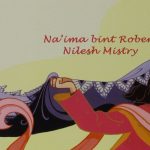
Le Foulard Qui Tourbillonne: The Swirling Hijaab,

by Nilesh Mistry; French translation by Martine Michaelides

Enter the imaginary world of a little girl playing with her mother’s hijaab. With a swirl of the hijaab, she is at once a brave warrior queen, an adventurous nomad in the desert, a beautiful bride, or inside a Bedouin tent.

À la Ferme: At the Farm,

written by Alex Rider; illustrated by Paul Davis

Every summer, John and George go to their grandfather’s farm. There they have animals to play with, a colt to learn to ride, and plenty of things to keep them busy even on rainy days. English on the left-hand page and in French in matching positions on each right-hand page.

My First Book of French words,

by Katy R. Kudela; translation by translations.com

How do you say hello in French? Explore the pages of this French English picture dictionary to learn new words and phrases. Colorful photographs and simple labels make learning French fun.

Livres multilingues – Multilingual Books

Discovering Words: English, French, Cree,

by Neepin Auger

Playful and bold, this dynamic series will educate and entertain preschoolers, parents, and teachers alike on the discover of words. In addition to the English words presented, the French and Cree equivalents are also given, making these some of the most dynamic and useful board books on the market, perfectly suitable for the classroom, library, and nursery.

Discovering People: English, French, Cree,

by Neepin Auger

Part of the series of Neepin Auger’s board books focused on educating preschooler, parents, and teachers alike. Includes English words as well as French and Cree equivalents on the topic of people.

Discovering Animals: English, French, Cree,

by Neepin Auger

The third book in this colourful and unique series introduces preschool and kindergarten classrooms interested in learning English, French or Cree as a second language to everyday words related to animals, by using original and vibrant illustrations.

Discovering Numbers: English, French, Cree,

by Neepin Auger

Another book in Neepin Auger’s series steeped in multilingual and bilingual support. This board book details numbers in Arabic numerals alongside English, French, and Cree translations for ease of learning.

Don’t Move! = Ne bouge pas! = ¡No te muevas!,

by Anne-Sophie Tilly; Julien Chung; traducido por Yanitzia Canetti

Don’t Move! is the companion book to Hurry Up, where simple one word pages and bold illustrations help multilingual and bilingual children learn common and uncommon animal names in English, French, and Spanish.

Hurry Up! = Dépêche-toi! = ¡Apúrate!,

by Anne-Sophie Tilly; Julien Chung; traducido por Yanitzia Canetti

With only one word per page, simple, bold illustrations, and a surprise ending this book can be used to expose toddlers to the names of animals in English, French, and Spanish. Those featured include common ones like lion or monkey, but there are also ones that may be new to children, like iguana or pink flamingo.


Finding More Resources

To find more Dual-Language (Bilingual) Picture books, try the following:

  • Search using the General tab on the UBC Library website to look for material in all UBC Library branches.
  • Open Summon Advanced Search
  • Choose Subject Terms from the drop down menu and type “bilingual”
  • On the next line, choose AND and find Subject Terms from the drop down menu again and type “fiction”
  • Click Search
  • To limit your results to materials in the Education Library, use “Search Education Resources” box in the left hand bar on the Education Library website and search for “bilingual” AND “fiction”
  • For bilingual books in French and English use the subject heading French language materials.

For more help with searching, please visit the Library Service Desk or e-mail ed.lib@ubc.ca.

Categories
Accessibility Diversity and Diverse Learners French Inclusive Classroom Indigenous Literature and Education Language Arts

Livres d’images autochtones en français – French Indigenous Picture Books

Below are a number of picture books by Indigenous writers and illustrators that are primarily in French.

Vous trouverez ci-dessous un certain nombre de livres d’images d’auteurs et d’illustrateurs autochtones, principalement en français.

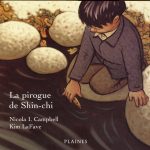
La pirogue de Shin-chi,

texte de Nicola I. Campbell, illustrations de Kim La Faye, traduction de Diane Lavoie

Niveau scolaire (Grade level): 2 – 10

Shi-shi-etko s’apprête à retourner au pensionnat indien pour une deuxième année, cette fois-ci accompagnée de son petit frère de six ans, Shin-chi. Elle lui remet une pirogue de cèdre miniature, cadeau symbolique de leur père qui représente tout ce dont Shin-chi doit se souvenir et garder secret.

Le caillou de guérison de Trudy,

texte de Trudy Spiller; illustrations de Jessika von Innerebner.

Niveau scolaire (Grade level): Préscolaire – 1 (PreK-1)

Trudy Spiller est membre de la Nation Gitxsan de la Colombie-Britannique et appartient à la maison de Gwininitxw du clan du loup. Lugaganowals, le nom traditionnel de Trudy, signifie « une grenouille qui prend toujours appui ou qui donne toujours ». Trudy aide les familles à grandir et à se nourrir en partageant ses connaissances de la médecine, de la nourriture, de l’habillement et des pratiques autochtones.

Les families du Nunavik,

texte de(titiraqtuq/writer) France Paquin; illustrations de(titiqtugaqtuq/illustrator) Julie Rémillard-Bélanger; traduction en inuttitut de Sarah Beaulne.

Niveau scolaire (Grade level): 1 – 3

Présentation élémentaire des principaux spécimens de la faune arctique, du lemming à l’homme, excluant la faune aquatique. — De gentilles aquarelles. Peu d’informations. Un point marquant, le texte dans les deux langues.

 Minnow: la fille qui est devenue mi-poisson

texte de (writer) Willie Poll; illustrations de (illustrator) Bailey Macabre.

Niveau scolaire (Grade level): 1 – 5

“Minnow, une jeune autochtone, protectrice des eaux, entreprend un voyage sous l’eau où elle en apprend de notre famille qui vit dans l’océan. Quand elle retourne à la surface, elle rassemble sa communauté pour aider à apporter des changements. Cette histoire est racontée en rimes lyriques et aide les enfants à mieux respecter les gens qui protègent les eaux et les terres autochtones, l’environnement et le monde qui les entoure. Elle aide à faire découvrir l’activisme aux enfants tôt dans leur vie.”

Héros autochtones/Anishinaabewi-Ogichidaag,

Les langues(Languages):Anishinaabe and French

texte de (writer) Wab Kinew; illustrations de (illustrator) Joe Morse

Niveau scolaire (Grade level): Kindergarten – 5

Souhaitant faire connaitre aux jeunes de tous les horizons ses héros autochtones, Wab Kinew a composé des textes inspirants mettant en vedette des héros autochtones du Canada et des États-Unis. Malgré leur expérience unique, tous ont ceci en commun : la confiance en soi et un lien avec le territoire.

L’histoire du chandail orange,

texte de Phyllis Webstad, illustrations de Brock Nicol, traduction de Textualis

Niveau scolaire (Grade level): 2 – 5

Lorsque Phyllis Webstad (née Jack) a eu six ans, elle est allée au pensionnat pour la première fois. Pour sa première journée d’école, elle portait un chandail orange tout neuf que sa grand-mère lui avait acheté. À son arrivée à l’école, on le lui a enlevé, pour ne jamais le lui redonner. Voici la vraie histoire de Phyllis et de son chandail orange.

Pimithaagansa/Les libellules cerfs-volant,

texte de Tomson Highway; illustrations de Julie Flett

Niveau scolaire (Grade level): 1 – 3

Que ferais-tu n’avais aucun jouet, aucun jeu et aucun appareil electronique avec lesquels t’amuser? Est-ce que tu trouverais le temps long? Les freres Joe et Cody font tout sauf s’eenuyer. Ils inventent, creent et suivent leurs reves et ne s’ennuient jamais. Il suffit d’imaginer!

Les mots volés,

texte de Melanie Florence, illustrations de Gabrielle Grimard, texte français de Isabelle Allard

Niveau scolaire (Grade level): 1 – 4

Curieuse d’en savoir davantage sur ses origines, une petite fille demande à son grand-père de prononcer un mot en langue crie. Celui-ci est attristé lorsqu’il réalise qu’il l’a oublié, conséquence de nombreuses années passées en école résidentielle. Il lui dit qu’il a «perdu les mots»; lors de son passage là-bas, et elle décide donc de l’aider à les retrouver.

La roue médicinale : la danse des cerceaux racontée,

texte de Teddy Anderson, illustrations de Jessika von Innerebner

Niveau scolaire (Grade level): Kindergarten – 3

La danse des cerceaux et la roue médicinale sont de puissants symboles d’unité, de coopération et d’harmonie. Lors de ses représentations aux quatre coins de la planète, Teddy Anderson présente ces symboles comme des prismes au travers desquels jeunes et moins jeunes peuvent examiner le passé et prévoir l’avenir.

Une promesse, c’est une promesse,

texte de Robert Munsch et Michael Kusugak, illustrations de Vladyana Kryorka, texte français de Carole Freynet-Gagné

Niveau scolaire (Grade level): Kindergarten – 3

La petite Allashua ne croit pas en l’existence des Qallupilluits, ces créatures similaires aux trolls qui, aux dires de sa maman, capturent les enfants qui s’approchent seuls des crevasses de glace. La voilà donc qui décide d’outrepasser la promesse qu’elle a faite à ses parents en allant pêcher seule au bord de l’océan. Quelques instants plus tard, elle est capturée par les Qallupilluits, qui l’entraînent dans leur royaume, sous les glaces océanes.


Trouver d’autres ressources

Voici quelques conseils pour trouver d’autres ressources dans ce domaine :

  • Sur la page principale du site de la bibliothèque de l’UBC, utilisez la boîte de recherche générale pour rechercher des matériaux à travers toutes les succursales de la bibliothèque de l’UBC.
  • Pour limiter vos résultats aux matériels disponibles à la Bibliothèque de l’éducation, visitez le site web de la Bibliothèque de l’éducation et effectuez une recherche à l’aide de la case “Search Education Resources” située dans la bande à gauche de l’écran.
  • Remarque : les ressources étant principalement cataloguées en anglais, les termes ci-dessous donnent généralement plus de résultats que les recherches effectuées en français. Vous pouvez filtrer votre liste de résultats par langue dans la barre latérale de gauche.
  • Utilisez des termes de recherche spécifiques, tels que
    • “pensionnat indien”, “First Nations”, “Indigenous”, “Aboriginal”, “Indians of North America”, “Musqueam” (or any nation).
  • Pour trouver des plans de cours, incluez “lesson plans”, “lesson planning”, or “activity programs” dans vos termes de recherche.

Finding More Resources

To find more resources in this area, try the following:

  • Search using the General tab on the UBC Library website to look for material in all UBC Library branches.
  • Search using “Search Education Resources” box in the left hand bar on the Education Library website to limit your results to physical materials in the Education Library.
  • Use specific search terms, such as
    • “pensionnat indien”, “First Nations”, “Indigenous”, “Aboriginal”, “Indians of North America”, “Musqueam” (or any nation).
  • To find lesson plans, include “lesson plans”, “lesson planning”, or “activity programs” in your search terms.

For more help with searching, please visit the Library Service Desk or e-mail ed.lib@ubc.ca.

PDF Booklist

Categories
Language Arts

Wordless Picture Books

Below are selected wordless picture books which can be used in the ELA classroom.

Flotsam

by David Wiesner

On a trip to the beach, a science-minded boy makes a discovery that sparks his imagination like never before.

The Journey Trilogy

by Aaron Becker

These three books – JourneyQuest, and Return – follow the adventures of a young girl who draws a door in her wall with a marker. She meets a strange boy, has to rescue a king and a kingdom, and eventually finds her way back home.

Wave

by Suzy Lee

A little girl is nervous during her first visit to the beach, but she gradually loses her fear of the roaring waves.

Unspoken: A story from the Underground Railroad

by Henry Cole

When a farm girl discovers a runaway slave hiding in the barn, she is at once startled and frightened. But the stranger’s fearful eyes weigh upon her conscience, and she must make a difficult choice. Will she have the courage to help him?

Sidewalk flowers

story by JonArno Lawson, illustrated by Sydney Smith

A little girl collects wildflowers while on a walk with her distracted father. Each flower becomes a gift, and whether the gift is noticed or ignored, both giver and recipient are transformed by their encounter.

Sidewalk circus

story by Paul Fleischman, illustrated by Kevin Hawkes

A young girl watches as the everyday activities across the street from her bus stop – like putting up posters, washing windows, or climbing a ladder – become a circus.

Wolf in the snow

by Matthew Cordell

When a wolf cub and little girl are both lost in a snowstorm, they must help each other to find their way home.

The lion and the mouse

by Jerry Pinkney

After a ferocious lion in the Serengeti plains spares a cowering mouse that he’d planned to eat, the mouse later comes to his rescue, freeing him from a poacher’s trap.

Window

by Jeannie Baker

The events and changes in a young boy’s life and in his environment, from babyhood to grownup, are shown through wordless scenes observed from the window of his room.

The red book

by Barbara Lehman

This book is about a book: a magical red book without any words. It crosses oceans and continents to deliver one girl into a new world of possibility, where a friend she’s never met is waiting.

Bluebird

by Bob Staake

Follow the journey of a bluebird who becomes friends with a lonely and bullied young boy, and ultimately saves the boy’s life.


Finding More Resources

To find more resources in this area, try the following:

  • Search using the General tab on the UBC Library website to look for material in all UBC Library branches.
  • Search using “Search Education Resources” box in the left hand bar on the Education Library website to limit your results to physical materials in the Education Library.
  • Use specific search terms, such as “stories without words” or “stories without words – juvenile fiction”.
  • To find lesson plans, include “lesson plans”, “lesson planning”, or “activity programs” in your search terms.

For more help with searching, please visit the Library Service Desk or e-mail ed.lib@ubc.ca.

Categories
English Planning for Teaching and Learning

Phonemic and Phonological Awareness

Listed below are selected teacher resources and picture books related to phonemic and phonological awareness.

Teacher Resources

Phonemic awareness: A step by step approach for success in early reading

by Idalia Rodriguez Perez

Grades: K-3

This guide presents phonemic awareness as one of the most sophisticated branches of phonological awareness through interactive activities that allows children to succeed in learning the sounds represented by the letters of the alphabet.

Phonemic awareness : Ready-to-use lessons, activities, and games

by Victoria Groves Scott

Grades: K-6

The second edition of this book contains an updated collection of 48 lessons for children in Grades K-3, or students in Grades 4-6 who have difficulty reading. The activities are sequenced around particular phonemes or sounds, but can be organized or sequenced according to skills such as identification, blending, rhyming, segmentation, deletion, or manipulation.

A sound start: Phonemic awareness lessons for reading success

by Christine E. McCormick et al.

Grades: K-3

The authors present three sets of phonemic awareness lessons, complete with scripted directions and reproducible learning materials and assessment tools. Included are developmentally sequenced lessons for the whole class and small groups, more intensive lessons for children struggling with phonemic awareness, and class lessons on the consonant phonemes.

Teaching phonemic awareness through children’s literature and experiences

by Nancy Allen Jurenka

Grades: K-2

This book provides educators with creative strategies for integrating word study with children’s picture books. Each lesson includes a read-aloud book description, literacy experience activity, direct instruction, follow-up activities, recommended poem, and related reading. The lessons build skills in phonemic awareness, morphemic analysis, letter identification, rhyming, and sight words.

How to increase phonemic awareness in the classroom

by Lynn Settlow and Margarita Jacovino

Grades: K-3

The authors offer a quick and easy informal assessment measure for teachers to pinpoint their students’ instructional needs; classroom activities that are brief, fun, and easy to implement; and literature-based activities to build phonemic awareness through nursery rhymes, poetry, and children’s books. Each chapter features one level of the phonemic awareness developmental continuum along with three types of activities.

Teaching systematic synthetic phonics in primary schools

by Wendy Jolliffe and David Waugh with Angela Carss

Grades: K-3

The first part of this book discusses essential subject knowledge for teachers in the areas of discriminating sounds and phonemes, grapheme-phoneme correspondences, and moving from phonics to spelling. The second part discusses effective pedagogical techniques for teaching phonics, with phonemics in mind.

Sing a song of poetry: A teaching resource for phonemic awareness, phonics, and fluency, Grade 2

by Irene C. Fountas and Gay Su Pinnell

Grades: 2

The 225 poems in this book immerse students in rich, rhythmical language, providing age appropriate opportunities to enjoy language through shared reading, stimulate oral language development, connect words, and much more.

Word study that sticks: Best practices, K-6

by Pamela K. Koutrakos

Grades: K-6

The author discusses how to implement best practices in word study in the classroom, including how to set up the physical classroom and launch routines, and how to instill curiosity and a self-starting attitude in learners about word study. The book covers all facets of words study, including phonemic awareness, phonics, meaning, spelling, and high-frequency word work.

Phonological skills and learning to read

by Usha Goswami and Peter Bryant

Grades: K-6

This new edition of a classic work brings together the latest research in the link between phonological skills and reading. The authors describe three causal factors which can account for children’s reading and spelling development: pre-school phonological knowledge of rhyme and alliteration, the impact of alphabetic instruction on knowledge about phonemes, and links between early spelling and later reading. (E-book only)

Phonological awareness: From research to practice

by Gail T. Gillon

Grades: K-12

This book provides a comprehensive review of knowledge about phonological awareness, together with practical guidance for helping children acquire needed skills. The author synthesizes findings on the development of phonological awareness; its role in literacy learning; and how it can be enhanced in children at risk for reading difficulties and those with reading disorders or speech or language impairments. Methods and activities are described for working with preschoolers to adolescents, including those with special learning needs.

Picture Books

Llama, llama red pajama

by Anna Dewdney

At bedtime, a little llama worries after his mother puts him to bed and goes downstairs. When will she come back?

Stuck in the mud

written by Jane Clarke, illustrated by Garry Parsons

When one of Hen’s chicks gets stuck in the mud, the other farm animals come to help. How many farmyard friends will it take to get Chick out?

Bear snores on

written by Karma Wilson, illustrated by Jane Chapman

One by one, different animals and birds find their way into Bear’s cave to warm up. But even after the tea has been brewed and the corn has been popped, Bear just snores on…

How do dinosaurs say good night?

written by Jane Yolen, illustrated by Mark Teague

Mother and child think about the different ways a dinosaur can say goodnight, from slamming his tail and pouting to giving a big hug and kiss.

Ready for R: Ridiculous rumors with no rhyme or reason except to help you say “R”

written by Marian MacDougall, illustrated by Silvana Bevilacqua

Ready for R includes colour-coded R-word lists, fun and easy teaching tips, and with silly stories that will make students want to keep practicing. Ready for R is designed to spark speech, language and literacy development, inspire story-telling and encourage ESL students.

Miss Mousie’s blind date

written by Tim Beiser, illustrated by Rachel Berman

A story told in rhyme about Miss Mousie’s preparations for her date with Mole. What will he think when he sees her – in fact, will he even see her?

Four fur feet

written by Margaret Wise Brown, illustrated by Woodleigh Marx Hubbard

A furry little creature wanders the world, taking in all the fascinating sights and sounds. Round and round he goes, as a rhythmic text describes what he sees and hears along the way.


Finding More Resources

To find more resources in this area, try the following:

  • Search using the General tab on the UBC Library website to look for material in all UBC Library branches.
  • Search using “Search Education Resources” box in the left hand bar on the Education Library website to limit your results to materials in the Education Library.
  • Use specific search terms to narrow your results, such as “reading – phonetic method”, “English language – phonemics – study and teaching”, or “stories in rhyme”.
  • To find lesson plans, include “lesson plans”, “lesson planning”, or “activity programs” in your search terms.

For more help with searching, please visit the Library Service Desk or e-mail ed.lib@ubc.ca.

Categories
Language Arts

Picture Books in Rhyme

Listed below are selected picture books in rhyme.

Picture Books

The alphabet thief

written by Bill Richardson, illustrated by Roxanna Bikadoroff

These zany rhymes tell the story of peculiar thief who steals one letter of the alphabet each night, creating a topsy-turvy world as she goes. It seems that no one can stop her, until the Zs finally send her to sleep so that all the other letters can scamper back to where they belong.

Tree song

written by Tiffany Stone, illustrated by Holly Hatam

Follow the life cycle of a tree as it grows from seedling to mature tree, and finally gives way to a new sapling. The tree provides a canopy for a summer picnic, a home for animals, and a perfect place to hang a swing. When old age fells the tree, it leaves an acorn from which a new tree will grow.

The garden crew

by Carolyn Harris

A group of characters come together to save their most prized possession: their garden. They come in all shapes, sizes, colours, and abilities. In the beginning, they are full of doubt about themselves, but by working together as a team, they accomplish something amazing.

All are welcome

written by Alexandra Penfold, illustrated by Suzanne Kaufman

Follow a group of children through a day in their school, where everyone is welcomed with open arms. A school where kids in patkas, hijabs, and yarmulkes play side-by-side with friends in baseball caps. A school where students grow and learn from each other’s traditions and the whole community gathers to celebrate the Lunar New Year.

The honeybee

written by Kirsten Hall, illustrated by Isabelle Arsenault

This rhyming celebration of the honeybee follows the endangered insects through the year as they forage for pollen and nectar, communicate with others at their hive, and make honey.

Sometimes you fly

written by Katherine Applegate, illustrated by Jennifer Black Reinhardt

This rhyming book celebrates the achievements of childhood, from first birthdays to graduation, and reminds readers that learning from mistakes makes success sweeter.

What if…

written by Samantha Berger, illustrated by Mike Curato

What if there were no pencils or paper to draw with? What would you do then? One little girl imagines all the ways she can express herself, from sculpting and building to singing and dreaming.

The wonderful things you will be

by Emily Winfield Martin

Simple, rhyming text reveals a parent’s musings about what a child will become, knowing that the child’s kindness, cleverness, and boldness will shine through no matter what, as will the love they share.

Tiny perfect things

written by M. H. Clark, illustrated by Madeline Kloepper


Finding More Resources

To find more resources in this area, try the following:

  • Search using the General tab on the UBC Library website to look for material in all UBC Library branches.
  • Search using “Search Education Resources” box in the left hand bar on the Education Library website to limit your results to materials in the Education Library.
  • Use specific search terms to narrow your results, such as “stories in rhyme” or “stories in rhyme–juvenile fiction”.
  • To find lesson plans, include “lesson plans”, “lesson planning”, or “activity programs” in your search terms.

For more help with searching, please visit the Library Service Desk or e-mail ed.lib@ubc.ca.

Spam prevention powered by Akismet