Categories
French Sciences

La science en français – French Science

Listed below are selected resources for French learners relating to science.

Vous trouverez ci-dessous une sélection de ressources scientifiques pour les apprenants de français.

Ressources pour les enseignantes (Teacher Resources)
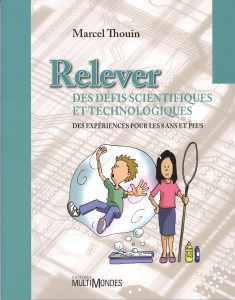
Relever des défis scientifiques et technologiques : des expériences pour les 8 ans et plus

de Marcel Thouin

Niveau scolaire (Grade level): 3 – 8

Les expériences du présent ouvrage de recettes par le fait qu’elles sont des activités de résolution de problème qui permettent une véritable expérimentation par les jeunes. Ces défis, visent à faire évoluer leurs conceptions non scientifiques fréquentes, comportent tous plusieurs solutions ou approches possibles et impliquent une plus grande créativité et une plus grande initiative que de simples activités de manipulation. Ces modules portent sur la structure de la matière, les forces et les mouvements, la chaleur et la pression, le magnétisme et l’électricité, la lumière et le son, les produits chimiques, les planètes et les étoiles, la Terre et l’atmosphère, les champignons et les végétaux, les micro-organismes et les animaux, le corps humain, l’environnement, les techniques de la construction, les techniques du mouvement, les techniques de la lumière, du son et des communications ainsi que les techniques de l’alimentation et du vêtement.

Manuels scolaires (Textbooks)
l’encyclopedi@ de sciences

de Fran Baines

Niveau scolaire (Grade level): 6 – 8

En plus de 150 doubles pages thématiques réparties sous 8 rubriques (matière et matériaux, forces et énergie, électricité et magnétisme, l’espace, la Terre, les plantes, les animaux et le corps humain), cette encyclopédie abondamment illustrée de photographies, schémas et dessins propose une initiation fort bien structurée au monde des sciences.
Sciences 7, Colombie-Britannique

de Adrienne Mason, et. al.

Niveau scolaire (Grade level): 7

Les manuels présentent des photographies, des contextes, des modèles de comportement et des carrières propres à cette province. De plus, ils offrent un contenu autochtone original. La présentation est adaptée à l’âge des élèves et favorise ainsi l’acquisition de compétences scientifiques. Une grande variété d’activités pratiques stimulantes, des éléments visuels attrayants ainsi que des liens Internet font de ces manuels des outils pratiques et efficaces.
Sciences 10, Colombie-Britanique

de Lionel Sandner, et. al.

Niveau scolaire (Grade level): 10

Une grande variété d’activités pratiques stimulantes, des éléments visuels attrayants ainsi que des liens Internet font de ces manuels des outils pratiques et efficaces. Ce livre couvre des sujets tels que la génétique et l’hérédité, les réactions chimiques, la transformation de l’énergie et la formation de l’univers.

Non-fiction
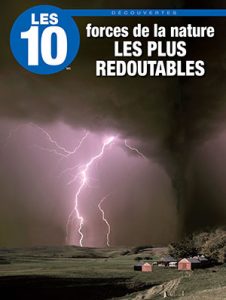
Les 10 forces de la nature les plus redoutables

de Jeffrey D. Wilhelm

Niveau scolaire (Grade level): 5 – 8

De nombreuses forces de la nature frappent la Terre. Des forces telles que les seismes, les ouragans et les eruptions volcaniques, entre autres, sont si puissantes qu’elles font trembler le sol et en modifient la surface. Certaines forces peuvent engloutir des pates de maisons et meme des villages. D’autres peuvent assecher le sol. Et d’autres encore peuvent inonder de vastes regions ou consumer des forets entieres. Nous te presentons ici les 10 forces de la nature qui, selon nous, sont les plus redoutables.
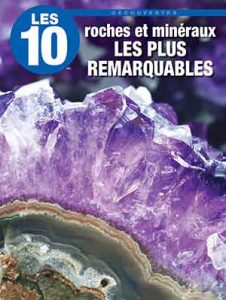
Les 10 roches et mineraux les plus remarquables

de Jeffrey D. Wilhelm

Niveau scolaire (Grade level): 5 – 8

Peux-tu imaginer un monde sans roches ni minereaux? La vie y serait presque impossible puisque les roches et les mineraux entrent dans la composition de tant d’objets que nous utilisons chaque jour. Sans les roches et les mineraux, nous n’aurions ni voitures, ni routes, ni ordinateurs. Sans compter que de petites quantites de nombreux mineraux sont essentielles a notre sante. Dans ce livre, nous te presentons les 10 roches et mineraux qui, selon nous, sont les plus remarquables.
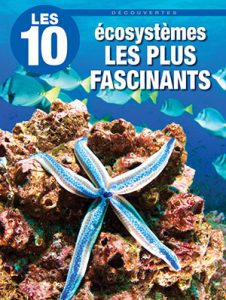
Les 10 ecosystemes les plus fascinants

de Jeffrey D. Wilhelm

Niveau scolaire (Grade level): 5 – 8

Un ecosysteme est une communaute d’organismes vivants. Ces organismes interagissent avec les elements non biologiques de leur milieu, tels que le sol, la lumiere solaire et l’eau. Chaque aspect d’un ecosysteme joue un role essentiel dans la survie de ce dernier. Tous ses elements sont interdependants. Les animaux et les plantes qui vivent dans l’ecosysteme dependent les uns des autres pour leur survie. Ils dependent aussi de leur milieu. Dans ce livre, nous te presentons les 10 ecosystemes que nous jugeons les plus fascinants.
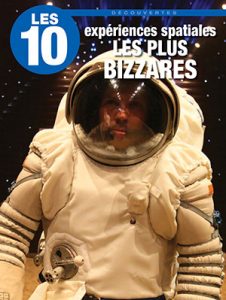
Les 10 experiences spatiales les plus bizarres

de Jeffrey D. Wilhelm

Niveau scolaire (Grade level): 5 – 8

Pense a ce que tu fais les jours, comme jouer a un jeu, manger un sandwich ou te brosser les dents. Maintenant, imagine ce que ce serait de faire ces activites dans l’espace, sans gravite. Pourrais-tu les faire de la meme facon? Si non, pourrais-tu trouver d’autres facons de t’y prendre? Dans ce livre, nous tes presentons les 10 experiences spatiales qui, a notre avis, ont ete les plus bizarres.

Les livres d’images (Picture Books)

Protéger la Terre

texte de (writer) Louise Spilsbury; illustrations de (illustrator) Hanane Kai

Niveau scolaire (Grade level): Kindergarten – 6

La planète bleue. Gaia. Terra. Voici quelques-uns des surnoms de notre belle planète. Malgré ces nombreuses appellations, il n’y a qu’une seule Terre. Des minuscules insectes que l’on rencontre en forêt aux énormes baleines nageant dans l’océan, elle apporte à tous ses habitants les ressources nécessaires à la vie. Mais notre planète est en danger, et nous devons la sauver! Dans cet album informatif et d’actualité, les jeunes lecteurs seront fascinés par l’abondance de faits captivants sur notre planète. Grâce à un glossaire et à des suggestions de lecture, les enfants, les enseignants et les parents pourront tous en apprendre davantage sur le réchauffement climatique.


Trouver d’autres ressources

Voici quelques conseils pour trouver d’autres ressources dans ce domaine :

  • Sur la page principale du site de la bibliothèque de l’UBC, utilisez la boîte de recherche générale pour rechercher des matériaux à travers toutes les succursales de la bibliothèque de l’UBC.
  • Pour limiter vos résultats aux matériels disponibles à la Bibliothèque de l’éducation, visitez le site web de la Bibliothèque de l’éducation et effectuez une recherche à l’aide de la case “Search Education Resources” située dans la bande à gauche de l’écran.
  • Remarque : les ressources étant principalement cataloguées en anglais, les termes ci-dessous donnent généralement plus de résultats que les recherches effectuées en français. Vous pouvez filtrer votre liste de résultats par langue dans la barre latérale de gauche.
  • Utilisez des termes de recherche spécifiques, tels que
    • “scientific thinking”, “water cycle”, “geology”, “energy”, “biomes”, “science-study and teaching”, etc.
  • Pour trouver des plans de cours, incluez “lesson plans”, “lesson planning”, or “activity programs” dans vos termes de recherche.

Finding More Resources

To find more resources in this area, try the following:

  • Search using the General tab on the UBC Library website to look for material in all UBC Library branches.
  • Search using “Search Education Resources” box in the left hand bar on the Education Library website to limit your results to physical materials in the Education Library.
  • Use specific search terms, such as
    • “scientific thinking”, “water cycle”, “geology”, “energy”, “biomes”, “science-study and teaching”, etc.
  • To find lesson plans, include “lesson plans”, “lesson planning”, or “activity programs” in your search terms.
Categories
Sciences

The Water Cycle

Listed below are selected teacher resources, picture books, and non-fiction related to the water cycle. You may also find useful resources on our Earth Sciences booklist.

Teacher Resources

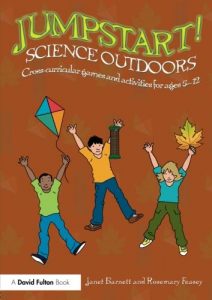
Jumpstart! Science outdoors: Cross-curricular games and activities for ages 5-12

by Janet Barrett and Rosemary Feasey

Grades: K-6

This collection of engaging and simple-to-use activities will jumpstart students’ understanding of science by taking teaching and learning outdoors and linking it to a specific area of the curriculum. A wealth of practical activities in the book cover all areas from identifying, classifying and grouping to pattern seeking, making observations and comparative and fair testing. Includes a section on the water cycle. (E-book only)

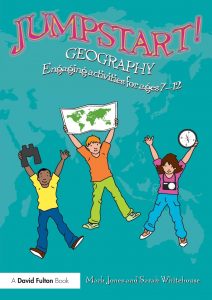
Jumpstart! Geography: Engaging activities for ages 7-12

by Mark Jones and Sarah Whitehouse

Grades: 2-6

This collection of simple to use and fun activities will jumpstart pupils’ understanding of the geographical skills of inquiry, outdoor learning, understanding graphic representations, and communication. Pupils will develop their knowledge and understanding of people, places and issues through being encouraged to ‘think geographically’ about the world they live in.  Chapter 4 contains activities related to the water cycle. (E-book only)

A little bit of dirt: 55+ science and art activities to reconnect children with nature

by Asia Citro

Grades: K-6

Through activities such as investigating the health of local streams, making acrylic sunprints with leaves and flowers, running an experiment with backyard birds, or concocting nature potions, this book suggests a range of ways to foster children’s connection with nature. Includes activities related to the water cycle.

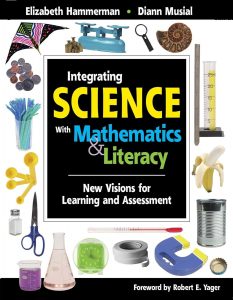
Integrating science with mathematics and literacy: New visions for learning and assessment

by Elizabeth Hammerman and Diann Musial

Grades: 3-9

Defining new visions for science, mathematics, and language arts education, the authors provide a clearly articulated set of performance assessments, allowing teachers to assess students’ knowledge and abilities through investigation, problem solving, inventiveness, and inquiry. Chapter 8 focuses on the water cycle.

Picture Books

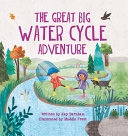
The great big water cycle adventure

written by Kay Barnham, illustrated by Maddie Frost

Grades: K-3

Follow the amazing journey water takes, from rivers and oceans, to raindrops, to rain, and back to the beginning again.

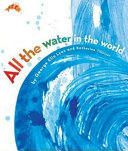
All the water in the world

written by George Ella Lyon, illustrated by Katherine Tillotson

Grades: 1-3

Water comes from many places – taps, wells, rain, lakes, and more. But where does it go? This book illustrates the flow of this great world’s life story.

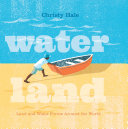
Water land: Land and water forms around the world

written and illustrated by Christy Hale

Grades: 3-5

Die-cut pages identify and contrast types of water bodies and their corresponding land masses to help young readers understand how connected the earth and the water really are.

Non-Fiction

The water cycle

by Frances Purslow

Grades: 2-3

This book introduces the cycle of water on the Earth’s surface and discusses why water is so important to life on the planet. Includes information about how water molecules move, access to fresh water, water pollution, and more. Part of the Water science series.

What’s so fresh about fresh water?

by Ellen Lawrence

Grades: 2-6

Earth is covered in water, yet just a tiny amount of that liquid is actually fresh water. Readers will learn about where liquid fresh water can be found on Earth’s surface, the differences between fresh water and salt water, why water is essential for life on Earth, and what we can do to protect it.

Saving water: The water cycle

by Buffy Silverman

Grades: 3-6

How much water should you drink in a day? Where does rain go? How does water shape the land? Explore the answers to these questions and more through experiments and activities, and learn more about the world around us. Part of the Do it yourself series.

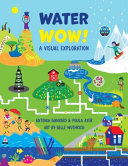
Water wow! An infographic exploration

written by Antonia Bayard and Paula Ayer, illustrated by Belle Wuthrich

Grades: 4-7

Where did water come from before it got to Earth? Why is the water you drink the same stuff that was around when dinosaurs were alive? If water can’t be created or destroyed, how can we run out? How does climate change affect water and vice versa? How are water access and girls’ education worldwide connected? Find out the answers to these and many more questions through infographics.

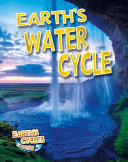
Earth’s water cycle

by Diane Dakers

Grades: 4-6

Water can be found in different forms all around us. This book explains how the Earth’s supply of water moves from bodies of water, to the atmosphere, and to land in a process called the water cycle. The author explains such processes as transpiration, evaporation, condensation, and precipitation, as well as the important roles of sunlight and gravity in the water cycle.

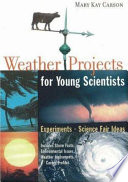
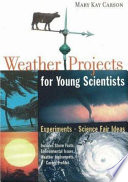
Weather projects for young scientists: Experiments and science fair ideas

by Mary Kay Carson

Grades: 4-7

From the everyday phenomena of wind and clouds to the awesome, destructive power of lightning, tornadoes, and hurricanes, children can explore weather in detail with this science activity book. More than 40 weather projects are included, such as building a model of the water cycle, creating a tornado in a bottle, calculating dew point, reading a weather map, building weather-measuring instruments, and more.

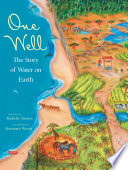
One well: The story of water on earth

written by Rochelle Strauss, illustrated by Rosemary Wells

Grades: 3-7

All water is connected. Every raindrop, lake, underground river and glacier is part of a single global well. Water has the power to change everything: a single splash can sprout a seed, quench a thirst, provide a habitat, generate energy and sustain life. How we treat the water in the well will affect every species on the planet, now and for years to come.


Finding More Resources

To find more resources in this area, try the following:

  • Search using the General tab on the UBC Library website to look for material in all UBC Library branches.
  • Search using “Search Education Resources” box in the left hand bar on the Education Library website to limit your results to materials in the Education Library.
  • Use specific search terms to narrow your results, such as “water–juvenile literature”, “hydrologic cycle–juvenile literature”, “weather”, or “science–study and teaching”.
  • To find lesson plans, include “lesson plans”, “lesson planning”, or “activity programs” in your search terms.

For more help with searching, please visit the Library Service Desk or e-mail ed.lib@ubc.ca.

Categories
Sciences

Environmental Science and Sustainability

Listed below are selected teacher resources, picture books, fiction, and non-fiction related to environmental science and sustainability.

Teacher Resources

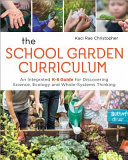
The school garden curriculum: An integrated K-8 guide for discovering science, ecology, and whole-systems thinking

by Kaci Rae Christopher

Grades: K-8

The author offers a comprehensive framework enabling students to grow their knowledge throughout the school year and build on it from kindergarten to grade eight. From seasonal garden activities to inquiry projects and science-skill building, children will develop organic gardening solutions, a positive land ethic, systems thinking, and instincts for ecological stewardship.

The environmental toolkit for sustainability: First steps to sustainability

written by Neil Fraser, illustrated by Hanna Forsgren

Grades: K-12

This guide shows ways to reduce your school’s ecological footprint, and create and embed a sustainability ethos. Whether you are a teacher eager to make your classroom a more eco-friendly environment or a head teacher who wants to set up a whole school project, there are practical strategies and activities in this book for you. This book includes 75 eco-projects and lessons that cover how to manage litter, waste and energy efficiently in a time saving, cost effective manner, as well as how to get students involved in the projects.

Sense & sustainability: Educating for a low-carbon world

by Ken Webster et al.

Grades: K-12

This book makes the case for a practical education for sustainability based on exploring and testing frameworks. The authors suggest that education contributes most to the future of our young people when it opens up discussion on how sustainable can be aspirational, talking about “better and better” rather than “less and less”. Comes with online materials and resources for continuing professional development.

Think green, take action: Books and activities for kids

written by Daniel A. Kriesberg, illustrated by Kathleen A. Price

Grades: 3-7

This book combines a wide variety of techniques to help students understand environmental issues and gain the skills needed to take action. The children’s literature and classroom activities suggested here cover three major environmental issues: endangered species, resource depletion, and pollution. After students have a grasp of the causes of these environmental problems, the final chapter presents ways to take easy action that can create ripples of change across the world.

Environmental science activities kit: Ready-to-use lessons, labs and worksheets for grades 7-12

by Michael L. Roa

Grades: 7-12

This book includes more than 35 lessons for middle and high school science teachers on the most compelling and relevant environmental topics, such as global warming, food and water production, alternative energy sources, endangered species, land-use issues, and many more.

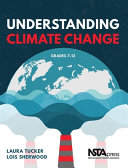
Understanding climate change: Grades 7-12

by Laura Tucker and Lois Sherwood

Grades: 7-12

A nine-session module which includes engaging lessons and activities to help students understand climate change. Includes sections on addressing misconceptions surrounding climate change, evaluating information, understanding the science, and creating solutions.

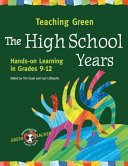
Teaching green, the high school years: Hands-on learning in grades 9-12

edited by Tim Grant and Gail Littlejohn

Grades: 9-12

This book offers fifty teaching strategies that promote learning about natural systems and foster critical thinking about environmental issues, both local and global. Readers learn how best to apply systems thinking, teach about controversial issues, and use a step-by-step approach to creative problem-solving in environmental projects. Also provided are instructions for measuring the ecological footprint of a high school, creating an indoor “living system” that cleans water, monitoring air quality with lichens, and using green technologies to help green school campuses.

Picture Books

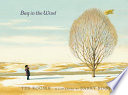
Bag in the wind

written by Ted Kooser, illustrated by Barry Root

Grades: K-3

When a plastic bag is uprooted from a landfill, it begins a journey on the wind that leads to its being used and re-used by many people.

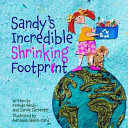
Sandy’s incredible shrinking footprint

written by Femida Handy and Carole Carpenter, illustrated by Adrianna Steele-Card

Grades: K-3

Sandy and her dog Pepper are upset when they find garbage on the beach they love. With the help of the Garbage Lady, they start to learn about everyone’s ecological footprint.

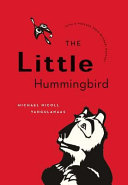
The little hummingbird

by Michael Nicholl Yahgulanaas

Grades: K-3

When the forest is on fire and all of the other animals are frozen with fear, a tiny hummingbird finds the courage to try to save their home.

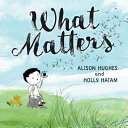
What matters

written by Allison Hughes, illustrated by Holly Hatam

Grades: K-2

When one small boy picks up one small piece of litter, that one small act has big ripples through nature’s connections.

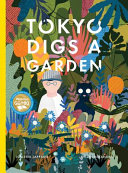
Tokyo digs a garden

written by Jon-Erik Lappano, illustrated by Kellen Hatanaka

Grades: K-2

Tokyo’s small house is increasingly surrounded by skyscrapers and highways. But when an old woman gives him seeds to plant, Tokyo discovers that the big city can become wild again.

Fiction

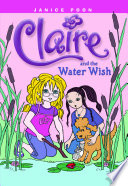
Claire and the water wish

by Janice Poon

Grades: 2-5

Claire and her friends Jet and Sky team up to try to find the polluters who’ve been making the water in a local lake undrinkable.

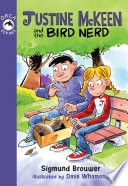
Justine McKeen and the bird nerd

written by Sigmund Brouwer, illustrated by Dave Whamond

Grades: 2-5

When a small bird is injured after flying into a school window, the students are shocked and upset. But they are even more shocked when school bully Jimmy Blatzo rescues the bird and nurses it back to health. When the students discover that the problem isn’t just at their school, young green activist Justine McKeen convinces Jimmy to talk to town council about the issue.

Non-Fiction

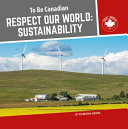
Respect our world: Sustainability

by Ramona Heikel

Grades: 3-6

Discusses efforts by Canadians to preserve water quality, conserve wildlife, clean up pollution and use sustainable energy sources. Part of the To Be Canadian series.

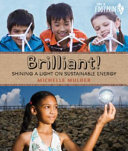
Brilliant! Shining a light on sustainable energy

by Michelle Mulder

Grades: 3-7

Did you know that cars can run on french fry grease, or that kids in Mexico help light up their houses by playing soccer? This book is full of examples of unusual (and often peculiar) power sources, and encourages kids to look around for sustainable ways to light up the world. Part of the Orca footprints series.

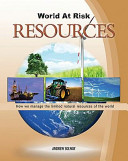
Resources

by Andrew Solway

Grades: 4-7

Discusses how we manage the limited natural resources of the world. Part of the World At Risk series

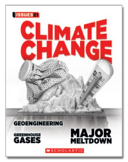
Climate change

by Douglas Fraser

Grades: 6-9

Part of the Issues 21 series, which examines contemporary issues in society in order to develop students’ skills in the areas of critical thinking, creativity, communication, collaboration, ethical citizenship and activism. Includes 6 student books and a teacher’s guide.

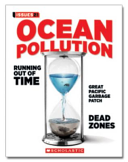
Ocean pollution

by Erika Boas

Grades: 6-9

Part of the Issues 21 series, which examines contemporary issues in society in order to develop students’ skills in the areas of critical thinking, creativity, communication, collaboration, ethical citizenship and activism. Includes 6 student books and a teacher’s guide.

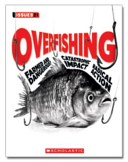
Overfishing

by Jeffrey D. Wilhelm

Grades: 6-9

Part of the Issues 21 series, which examines contemporary issues in society in order to develop students’ skills in the areas of critical thinking, creativity, communication, collaboration, ethical citizenship and activism. Includes 6 student books and a teacher’s guide.

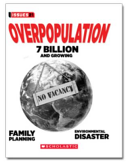
Overpopulation

by Brian Arleth

Grades: 6-9

Part of the Issues 21 series, which examines contemporary issues in society in order to develop students’ skills in the areas of critical thinking, creativity, communication, collaboration, ethical citizenship and activism. Includes 6 student books and a teacher’s guide.

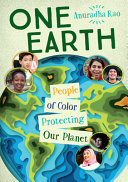
One earth: People of color protecting our planet

by Anuradha Rao

Grades: 7-10

This nonfiction book profiles twenty environmental activists of colour from around the world. Their individual stories show that the intersection of environment and ethnicity is an asset, not an obstacle, to helping the planet. Illustrated with photos of each of the people profiled.

Groundswell: Indigenous knowledge and a call to action for climate change

edited by Joe Neidhardt and Nicole Neidhardt

Grades: 10-12

This collection of essays from both Indigenous and non-Indigenous writers presents a compelling message about how traditional Indigenous knowledge and practices can – and must – be used to address climate change.

Further Reading

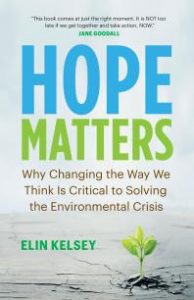
Hope Matters: Why Changing the Way We Think Is Critical to Solving the Environmental Crisis

by Elin Kelsey

Explores “evidence-based hope” in relation to climate change. Provides a framework for how to address eco-anxiety, setting a foundation for how we might approach climate change education in the classroom.

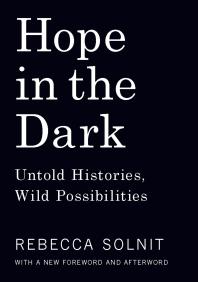
Hope in the Dark: Untold Histories, Wild Possibilities

by Rebecca Solnit

Solnit also makes a case for hope and committing to action. She focuses on recognizing the victories, small and large, that have been achieved and bringing attention to the far-reaching impact those victories have and still could provide.

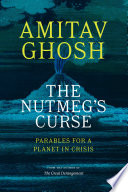
The Nutmeg’s Curse: Parables for a Planet in Crisis

by Amitav Ghosh

Discusses the intersection of colonialism and climate change. Diving into the history of the familiar nutmeg spice, Ghosh reveals how trade and conquest set the stage for our current predicament.

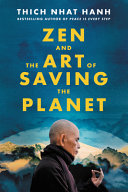
Zen and the Art of Saving the Planet

by Thich Nhat Hanh

Explores the ways in which meditation and mindfulness can lead to climate action. Discusses how we can shape our mind, and therefore influence our actions, reactions and well-being in every day life.


Finding More Resources

To find more resources in this area, try the following:

  • Search using the General tab on the UBC Library website to look for material in all UBC Library branches.
  • Search using “Search Education Resources” box in the left hand bar on the Education Library website to limit your results to materials in the Education Library.
  • Use specific search terms to narrow your results, such as “environmentalism”, “environmental science”, “environmental studies”, “environmental education”, “sustainability”, or “conservation of natural resources”.
  • To find lesson plans, include “lesson plans”, “lesson planning”, or “activity programs” in your search terms.
For more help with searching, please visit the Library Service Desk or e-mail ed.lib@ubc.ca.

Categories
Sciences

Earth Sciences

Listed below are selected teacher resources, picture books, and non-fiction related to earth sciences.

Teacher Resources

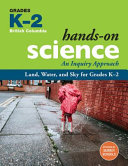
Land, Water, and Sky for Grades K-2: An Inquiry Approach

by Jennifer Lawson

Grades: K-2

This book covers how to teach about land, water, and sky in alignment with the current BC curriculum. Uses the Know-Do-Understand model, First Peoples Principles of Learning, and an inquiry approach. Part of the Hands-on Science series.

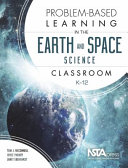
Problem-based learning in the earth and space science classroom

by Tom J. McConnell, Joyce Parker, and Janet Eberhardt

Grades: K-12

This resource presents tips and techniques for problem-based learning in four content areas: Earth’s landforms and water, the rock cycle and plate tectonics, weather, and astronomy.

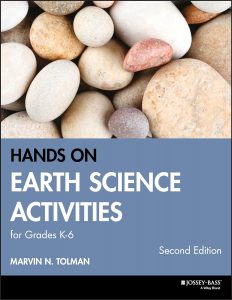
Hands-on earth science activities for grades K-6

by Marvin N. Tolman

Grades: K-6

This book’s activities follow the discovery/inquiry approach and encourage students to analyze, synthesize, and infer based on their own hands-on experiences. Topics covered include air, water, weather, the earth, ecology, above the earth, beyond the earth, and current electricity.

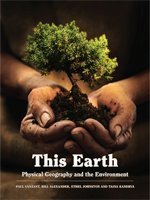
This earth: Physical geography and the environment

by Paul Vazant and others

Grades: 10-12

A case-driven text that focuses on physical geography and human interaction and covers the origin of Earth, continental shifts, water and air pollution and human impacts, and taking responsibility for the planet. Also includes teaching notes, lesson plans, and assessment rubrics.

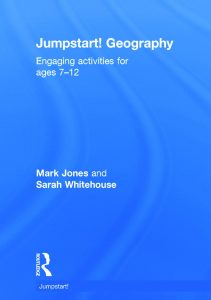
Jumpstart! Geography: Engaging activities for ages 7-12

by Mark Jones and Sarah Whitehouse

Grades: 2-6

This collection of simple to use and fun activities will jumpstart pupils’ understanding of the geographical skills of inquiry, outdoor learning, understanding graphic representations, and communication. Pupils will develop their knowledge and understanding of people, places and issues through being encouraged to ‘think geographically’ about the world they live in. Includes activities related to continents and oceans, and physical features such as rivers, forests, deserts, and coastlines. (E-book only)

Picture Books

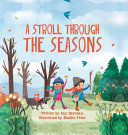
A stroll through the seasons

written by Kay Barnham, illustrated by Maddie Frost

Grades: K-3

Follow the changes that each season brings: from spring blossoms, to summer sunshine, to autumn leaves, to winter snow.

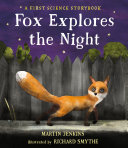
Fox explores the night

written by Martin Jenkins, illustrated by Richard Smythe

Grades: 1-3

Follow Fox as she makes her way through city streets and learns about sunlight, moonlight, electric light, and darkness

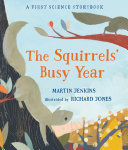
The squirrels’ busy year

written by Martin Jenkins, illustrated by Richard Jones

Grades: 1-4

In the winter, when it’s cold, the squirrels dig up acorns to eat. But what will they eat in the spring, when it’s warm again?

Water land: Land and water forms around the world

written and illustrated by Christy Hale

Grades: 3-5

Die-cut pages identify and contrast types of water bodies and their corresponding land masses to help young readers understand how connected the earth and the water really are.

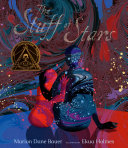
The stuff of stars

written by Marion Dane Bauer, illustrated by Ekua Holmes

Grades: K-3

Before the universe was formed, before time and space existed, there was nothing. But then … BANG! Stars caught fire and burned so long that they exploded, flinging stardust everywhere. And the ash of those stars turned into planets, into our Earth, and into us.

Non-Fiction

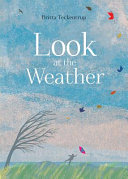
Look at the weather

by Britta Teckentrup, translated by Shelley Tanaka

Grades: K-6

Through four chapters–sun, rain, ice and snow, and extreme weather–this book explores different weather phenomena, from rainbows and sunsets to clouds, frost, and rainstorms.

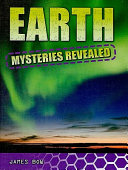
Earth mysteries revealed

by James Bow

Grades: 3-6

This book explains how our planet is put together and answers the questions to mysteries such as: why is the only life we know of found on Earth; how did this warm and wet planet form from a cloud of ice and dust; was the Moon once a part of Earth’s rocks; why is it night all winter in the Arctic; why are sunsets orange; and was there really an ancient city that was destroyed by a volcano and tsunami? Part of the Mysteries revealed series.

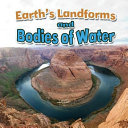
Earth’s landforms and bodies of water

by Natalie Hyde

Grades: 1-3

Explains how Earth is covered by landforms and bodies of water, how they develop, and why they change. Covers landforms such as mountains, valleys, and sand dunes, as well as waterways such as oceans, rivers, and ponds. Part of the Earth’s processes close-up series.

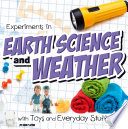
Experiments in earth science and weather with toys and everyday stuff

by Emily Sohn

Grades: K-3

Engaging experiments using simple toys and everyday stuff teach curious young minds all about earth science. Readers can take an up-close look at how tornadoes develop, why wind is sometimes cold, how the water cycle works, and much more.

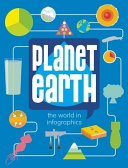
Planet Earth

by Jon Richards and Ed Simkins

Grades: 1-6

From tectonic plates and meteorites to erupting volcanoes, the atmosphere, and the world’s longest rivers, this book explores planet Earth using a wide variety of icons, graphics, and pictograms.

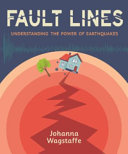
Fault lines: Understanding the power of earthquakes

by Johanna Wagstaffe

Grades: 4-8

Earthquakes are a terrifying yet fascinating force of nature. Seismologist Johanna Wagstaffe takes you through her own journey of understanding the earth beneath our feet. Along the way you’ll learn the science behind what makes the earth rumble and hear from kids around the world who have experienced the wonder, and terror, of an earthquake.

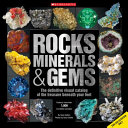
Rocks, minerals & gems

by Sean Callery and Miranda Smith, illustrated by Gary Ombler

Grades: 3-7

Readers will learn about hundreds of rocks, minerals, crystals, and gems that were forged by the most powerful events in prehistory. Explore what specimens look like and how they’re used today. Find out all about star stones and cat’s eyes, megagems, and phantom quartz. Discover which rocks fluoresce, which mineral once poisoned an emperor, and which gems are the rarest in the world.

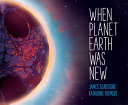
When Planet Earth was new

written by James Gladstone, illustrated by Katherine Diemert

Grades: K-3

It has taken billions of years for Earth to become the planet it is today. This book looks back to the very beginning, giving a poetic yet scientific overview of how the planet has changed over time: from hot lava to the formation of oceans to the evolution of living things in water and on land.

Water wow! An infographic exploration

written by Antonia Bayard and Paula Ayer, illustrated by Belle Wuthrich

Grades: 4-7

Where did water come from before it got to Earth? Why is the water you drink the same stuff that was around when dinosaurs were alive? If water can’t be created or destroyed, how can we run out? How does climate change affect water and vice versa? How are water access and girls’ education worldwide connected? Find out the answers to these and many more questions through infographics.

Weather projects for young scientists: Experiments and science fair ideas

by Mary Kay Carson

Grades: 4-7

From the everyday phenomena of wind and clouds to the awesome, destructive power of lightning, tornadoes, and hurricanes, children can explore weather in detail with this science activity book. More than 40 weather projects are included, such as building a model of the water cycle, creating a tornado in a bottle, calculating dew point, reading a weather map, building weather-measuring instruments, and more.


Finding More Resources

To find more resources in this area, try the following:

  • Search using the General tab on the UBC Library website to look for material in all UBC Library branches.
  • Search using “Search Education Resources” box in the left hand bar on the Education Library website to limit your results to materials in the Education Library.
  • Use specific search terms to narrow your results, such as “earth science”, “earth (planet) — juvenile literature”, “physical geography”, “weather”, or “science–study and teaching.
  • To find lesson plans, include “lesson plans”, “lesson planning”, or “activity programs” in your search terms.
For more help with searching, please visit the Library Service Desk or e-mail ed.lib@ubc.ca.
Spam prevention powered by Akismet