Categories
Business Strategy Design Insight Marketing Strategies Product Positioning & Branding Tips and tricks

Brand Architecture Building: A Step-by-Step Guide (Step 1)


What counts as a sub-brand? How can  I make it easier for the consumers to navigate my offerings? Heck, what is a brand, really? If you’re asking these questions, you are not alone. This is a live challenge I am facing at work, and I wanted to share my key branding insights in a multi-step case study. Let’s do this!

Step 1: Understand what a brand really means.

Before we define a brand architecture, let’s wrap our heads around what a brand really is. I have developed a formula to help tell the brand story: Let’s break this down. Id, ego, and super-ego, as defined by Sigmund Freud, are the three components of human psyche that govern the way you think and make decisions. The id is present with us when we are born, and represents our basic human drive: the unorganized instinct and sometimes irrational impulse. An entity is simply the item, service, or person that is the subject of branding. Is it your personal brand? A corporate identity? A product or service? When you give birth to a brand, you must first think of your entity’s id – peel back the layers of beautiful design, extraordinary functionality, and your price tag. What are you left with? On first impulse, what is the fundamental word that breathes life into your brand?

INDULGENCE

SPEED

BALANCE

As if it were not obvious already, id and entity make up the word identity, and that is the final piece of the puzzle. A brand is an identity – it’s an embodiment of your core offering, a definition of your entity, a way to link associations together, and a promise from you to the world to hold yourself accountable for delivering your core offering.

Only when you understand what makes up your identity will you be able to build a powerful, believable brand!

NOURISHING

I have chosen the word nourishing to represent the corporate brand because of two reasons – 1) Nature’s Path Foods products are  delightfully nourishing – both good tasting and good for you. They choose nourishing, superfood, organic ingredients that you can trust to put in your body. 2) Nature’s Path Foods is also about enriching the community and the land, giving back to everything that has made the company what it is today.


Stay tuned for Step 2.

Categories
Design Infographic Insight Marketing Strategies Product Positioning & Branding Technology Top News

The Business of Online Dating Infographic

Completed for my COMM 365 Market Research class. Spent about 3 days putting this together from research to design (in PowerPoint of all programs). While it isn’t perfect yet, I thought it would be neat to share! Here’s my two cents on the online dating industry.

Categories
Marketing Strategies Product Positioning & Branding

The “Canada Goose Phenomenon”

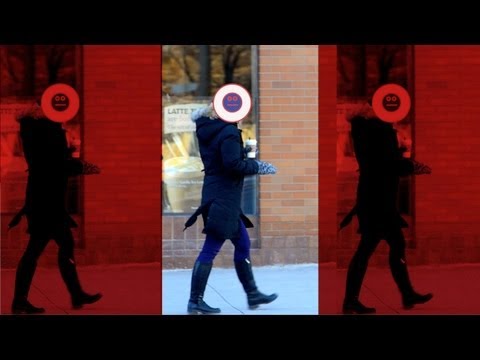
Raised in B.C. Canada, I had no idea what the Canada Goose brand was. After making a few trips out to Toronto, I was exposed to the brand for what I thought was the first time. Walking down Yonge Street near Dundas Square, I was intrigued to see many pedestrians wearing thick parkas and jackets with the fluffy fur hood and a circular logo stitched into the arm. The experience literally looked like this (caution: profanity in video):

YouTube Preview Image

I needed to know what brand it was. At one point, I was so curious that I snuck up beside a stranger to look at what the logo read. Here is what I saw:

Canada Goose is a Canadian company founded in 1957 that manufactures outdoor clothing. They started fulfilling custom orders for jobs in frigid conditions that required high quality and warmth retention. On top of maintaining consistency in being the best of style and performance, the jackets started out being worn by Arctic explorers and high-altitude mountain climbers. The trend caught on after celebrities were spotted wearing these coats in movies and on the streets. Their signature coats today nestle in a sweet spot between fashion, luxury, and utility, using coyote fur for hood trims and white duck down filling. Since 2005, Canada Goose claims revenues of more than $225 million in coats and accessories across Canada, and that doesn’t include the millions of lost revenue from mass counterfeiting. The craziest part of this phenomenon are that these jackets sell anywhere from $350 to $885.

Young CEO and entrepreneur, Dani Reiss

Looking at this phenomenon from a marketer’s point of view, there are really a few different consumer behaviour concepts at play here:

1) PHYSICAL AND PERCEPTUAL POSITIONING 

The big blow-up in fashion trends started after being featured in multiple movies like The Day After Tomorrow, Eight Below, National Treasure, Good Luck Chuck and Whiteout where actors in extremely cold and harsh environments were seen wearing these high-performance parkas. Since then, many celebrities have been spotted wearing these jackets too. Eventually, students in Toronto caught on to the trend and began sporting their very expensive coats to school. Using a combination of physical positioning with its insulating layers, hand-warming pockets, and warm fur hood, and perceptual positioning techniques aforementioned, these jackets have become a fashion staple for Torontonians, much like Uggs, Hunter rainboots, and black tights are to Vancouverites.

Drake wearing an all-black Canada Goose parka.

2) SOCIAL PROOF AND MERE EXPOSURE

I must admit, I found myself a victim. At first, I found the jackets pretty typical; however, after seeing everyone all the time on the streets and in magazines with these jackets, I ended up wanting one myself. Many people would agree, and have worked countless hours waiting tables to pay for these jackets. I looked at what other people were wearing, was exposed to a lot of it, and eventually started perceiving an increase in the validity of the brand as more and more people support the brand.

Nicolas Cage in National Treasure wearing a Canada Goose parka.

3) SOCIAL MARKETING AND MISATTRIBUTION OF AROUSAL

Canada Goose partnered with Polar Bears International to create an exclusive line which donates a percentage of proceeds to save the world’s endangered polar bears, a representative symbol for Canada. A lot of supporters of the Canada Goose brand are happy and boast that by buying Canada Goose, they have helped a polar bear in need and feel good about it. While the charity is a good cause, Canada Goose does unfortunately use animal fur in some of its parka production. The social marketing technique is a great selling point, but people have perhaps wrongly projected positive feelings onto the brand.

Canada Goose’s success really branches out from creating an amazing brand, telling an authentic story, and using ingenious product placement. The funny thing is that Dani Reiss, the CEO of Canada Goose, does not claim to be a “brand guy” or businessman. As the leader, he really made some great decisions, first and foremost in sewing on “Made in Canada” tags that add to the jacket’s premium pricing and believable brand.

Categories
Business Ethics Insight Marketing Strategies Product Positioning & Branding

Macklemore’s Thrift Shop affects Consumer Behaviour…?

Macklemore

Who hasn’t heard of Macklemore’s 99-cent leopard mink coat from his smash hit, Thrift Shop?

“Vintage” is the new class.


After the financial crisis in 2008, there seems to be a large rise in price sensitivity amongst consumers. Even thrifting, an endearing abbreviation which modern-day hipsters have coined for thrift shopping, has transformed from a shameful to shameless activity. Celebrities have been advocating it in music videos like Thrift Shop, in sitcoms like 2 Broke Girls, and even in fashion magazines like GQ Magazine. YouTube  personalities and beauty gurus have also been showing off their great buys and pretty looks using drugstore, on sale or thrift store items. Heck, as someone who had never thrifted before, I have even gone out to find some clever buys of myself. And, as I did so last Friday after studying for my consumer behaviour midterm, I had the sudden realization that I had been subject to a form of observational learning.


There are four conditions to modelling, which is a significant type of observational learning. In “self-diagnosis,” I found that I managed to satisfy all of them:

  1. ATTENTION: the model must be desirable to emulate: I followed and took note of the trend amongst big time celebrities in pop culture, beautiful makeup and beauty gurus on YouTube, magazine guides, friends who come back with awesome clothes
  2. RETENTION: the consumer must remember what model says or does: magazine guides give you the “top 3 rules to keep in mind while thrifting”
  3. PRODUCTION PROCESSES: the consumer must convert information into action: I went out to an actual thrift store to try out those tips
  4. MOTIVATION: the consumer must be motivated to perform these actions: I felt motivated because… well hey, who wouldn’t like to get trendy clothes for a fraction of the price? It’s what I like to call a guilt-free deal-steal. It gave me a kind of thrill, and I would do it again. 


I learned, through observing the personalities that I follow online and my peers, that thrift shopping is the new, “in” thing to do, and throughout this time, I have not even seen one single thrift shop advertisement. In hindsight, it could almost be a type of negative reinforcement created unintentionally by social pressures; in this era, you are applauded for a clever, thrifty purchase and have also avoided the unpleasantness of  overpaying.

Who knew that marketing could be applied  in such a non-conventional way!

Categories
Insight Marketing Strategies Product Positioning & Branding Top News

Will.i.am Revives Vinyl Records

YouTube Preview Image

“Even in media, sometimes an old idea is worth revisiting. Budweiser’s latest campaign in Brazil is actually a collection of old ideas. Securing a high profile musician to front a campaign has been a standard advertising tool for many years, but when the combination fits, it works perfectly.” – Cream Global


Before I was even born in the early 90’s, vinyl records had disappeared from mainstream music. With our generation came the rise of car radios, CD walkmans, mp3 music players, iPods, iTouches, and eventually even smartphones.


Beer, as we all know and love, is the go-to drink for TV, sports, and the “occasional” game of beer pong. Budweiser, the Anheuser-Busch InBev brand, had a major challenge at hand. Their solution?


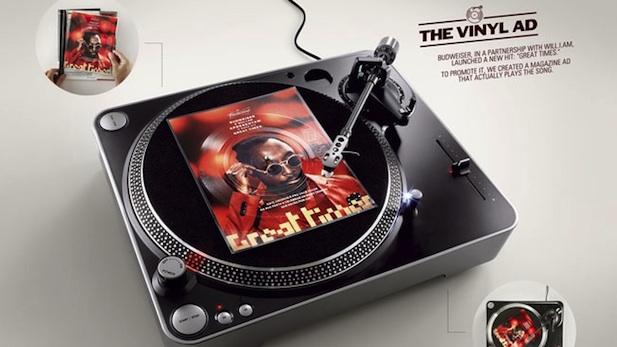
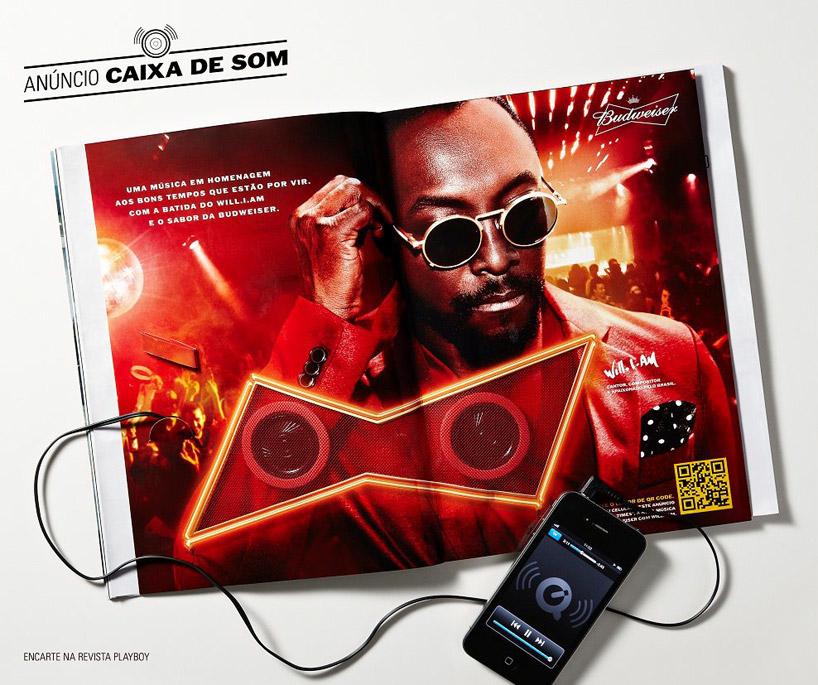
Budweiser made some music fusion in Brazil by promoting modern club music sensation Will.i.am through a hipster retro music format. They made a print ad that could be inserted into magazines as well as on a vinyl record player! The first use of such disposable vinyl records was actually in 1930, so it is nothing new… but the way that Budweiser used this technique added to the song’s exclusivity, helping both the singer debut his new song “Great Times” as well as helping the magazine sell out. Of course, Bud’s name also gained massive popularity during that time. Alternate versions of the ad were made into rudimentary speakers that you could plug smartphones into, as well as a scannable QR code for exclusive online access.


What a smart way to mash together something old and something new.


Hi Blog, it’s been a while. I hope to update you more often now.


Categories
Insight Marketing Strategies Product Positioning & Branding

Business Cards: The Brand in Your Hand

A student’s guide to the business card design and printing process.


First of all, I want to follow up on my previous blogpost. I find it fascinating that within days after publishing it, I already received comments from web surfers as well as peers, and even an employee from a business I blogged about. Businesses are constantly monitoring social media just as often as consumers follow businesses. Tiffany Pai’s blog explores such effects of web presence and specifically its impact on the consumer population. It is evident that establishing a strong web presence is important, but we mustn’t forget personal branding in the “physical” world as well.



‘Tis the season for personal branding. Business cards are every Sauder student’s quintessential must-have tool, and with the profusion of great networking events in the New Year from Style in the City 2012 and BizzComm to NIBC and Enterprize, this winter break is the perfect time to brainstorm, design, and print your own business cards.
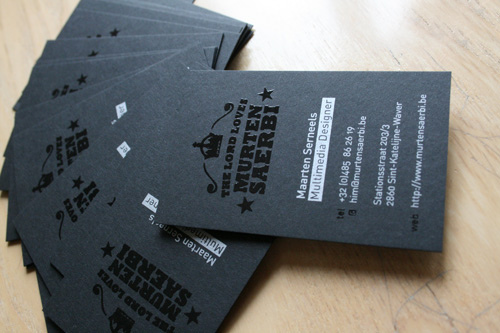


As a design and networking addict, the Sauder business cards were not distinctive enough for my tastes. Thus, I set out on a journey to research and develop my own business cards. Here are, from my experience, the top 3 tips for creating personal business cards with respect to the design and printing process:


1.      Remember the purpose of your card.

Business cards should be memorable, simple and informative. Think about how long you would look at a card if someone were to hand their card to you. Keep your content basic and visible; never clutter with all your Twitter, Facebook, and LinkedIn accounts. If you’re a student with no business or clubs, just include your name, phone number, and e-mail. If you are an executive of a club or owner of a business, include your company name and title, fax, mailing address, as well as a corporate website. Make sure the phone you use is direct; there’s a reason why you see businessmen with a Blackberry, iPhone and Android.
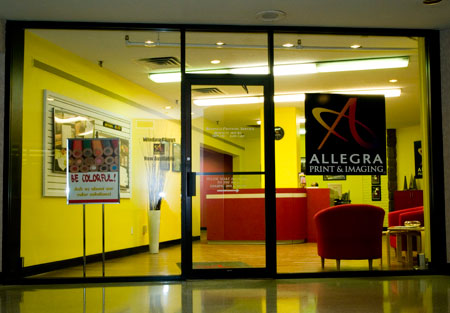


2.      Do your research and don’t be afraid to spend a little more – pick your printing company carefully.

My advice is either to read customer reviews, or to go to the store to meet the employees and check their printed samples before ordering from a company, because the “more-for-more” strategy doesn’t always apply. I recently had experience with a 3 – 4 day print service at a printing company in Downtown Vancouver that had a very clean and professional website, priced between $55 and $60. Although the staff was kind, the overall service and quality lacked the professionalism and promptness I expected for their price point.


Also, something to take note of is that different printing companies will have different specifications on how to prep your business card design for print. Generally, make sure your design in Adobe Illustrator or Photoshop is prepared with:


·         300 ppi (resolution)

·         canvas size at the standard cut size 3.5 x 2 inches (89 x 51 mm)

·         add an additional quarter inch bleed all around (always add guides to show where bleeds are)

·         produce CMYK colour mode.
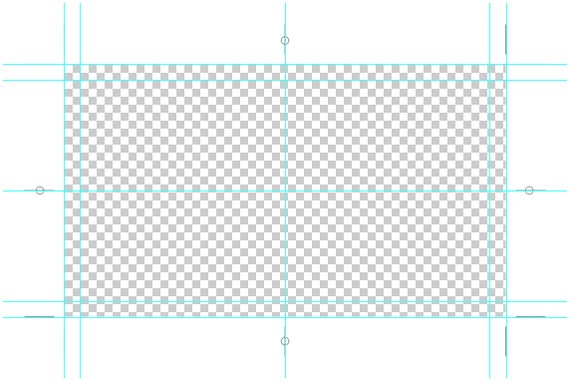
Another reason why choosing a good printing company is extremely important is that different places will offer different paper textures, paper thickness, and printing techniques. Generally, I’d go with a heavier matte card stock (at least 12pt, and at best, 14 or 16 pt) so people it is easier to write on. Silk lamination is a current trend because of their durability (tear and water-resistant) and elegance (smooth, matte finish).  This, combined with either spot UV or metal foil printing (overlaying either a gloss with a shiny embossing effect or a metallic sheen) can create a spectacular and elegant effect:
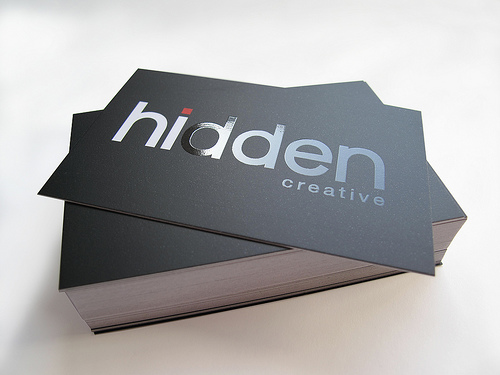
16 pt card, silk finish, spot UV
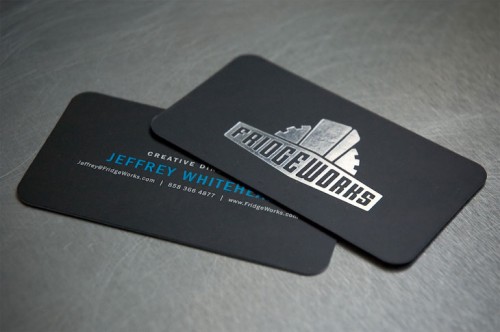
16 pt card, silk finish, UV coating over text, silver foil


3.       Remember that there are FREE resources everywhere.
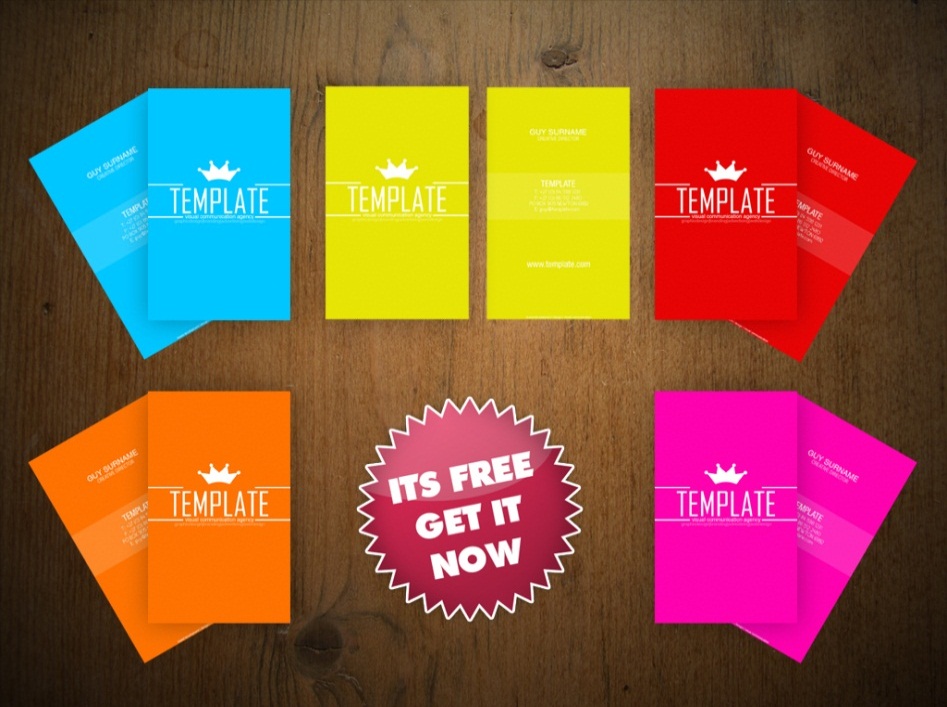


If you are unsure how to set up your file or even just where to start, there are free templates everywhere on the web. Refer to other people for inspiration, or browse for templates on sites like DeviantArt. Find a beautiful colour scheme on Kuler, and then choose a premium font like Quicksand or Zag. Remember the different connotations colours give, and ensure that the font is simple


(usually sans serif), and readable (no less than 8 pt). A good font is pretty much the difference between an amateur and professional business card. The current trend in business card revolves around minimalism, simple icons, clean vector lines, and a uniting colour (often tri-colour) or pattern theme on front and back. Here’s a great example:
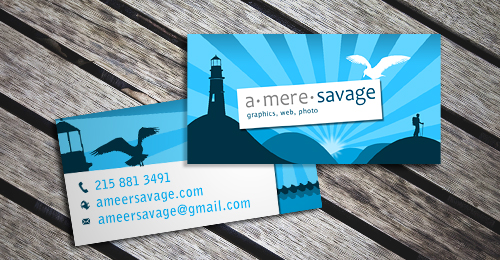
 

Finally, be sure to read up on business card etiquette. Keep your cards clean and unfolded. Generally, present and receive business cards with both hands, palms up. Always look at the card you are given before putting it away in your cardholder, give thanks, and makes notes on it inconspicuously.


To sum it all up quickly, remember that in addition to the actual design (colours and fonts) of the business card, you can play around with the actual print and card stock itself. Make it simple but to the point, with a unifying colour scheme or even text-as-a-logo. Make the card bilingual if your environment requires so, or if you want to show diversity. I hope that after reading this, you have gotten a better grasp of business card designs, and I leave you with one last bonus tip – NEVER START LATE. Business cards may be small, but take hours and hours to perfect.

Categories
Marketing Strategies Technology

“Add Sound… Preserve the Quiet”

YouTube Preview Image

Inventor Woody Norris, 2005 winner of the $500,000 Lemelson-MIT Prize

The title of this blog post comes from the tagline of Audio Spotlight by Holosonic, a company specializing in focused audio technology.


So what exactly is this technology? SearchMobileComputing defines directional or isolated sound as “a technology that concentrates acoustic energy into a narrow beam so that it can be projected to a discrete area, much as a spotlight focuses light” akin to the light waves of a laser. It uses ultrasonic sound, a high frequency and focused wave, to carry sound information that manifests after it hits any solid object, recreating the original audio so it is audible to the human ear. It is almost as if the sound is “being created right at your ears.” Then, “if you step out of the beam,  the waves have nothing to distort and mix them, so the inaudible ultrasonic waves slide silently past.”

I’ll leave it to physics-inclined experts to describe how the invention works in detail (click here to learn more about how it works) as I go on to talk about the major applications of this technology.


As a marketing tool: 

    • shopping malls paired with either motion sensors or proximity detectors, various advertisements could target and attract customers on a more personal level. Wal-Mart has been looking into the technology, and as seen in the Youtube video below, stores have already implemented directional sound.
    • pair with geotaggingto tie things back to my previous blog post, there is a huge opportunity for directional audio to work together with geotagging technologies to create highly innovative and interactive marketing campaigns
YouTube Preview Image

As an informational tool:

      • guidance – if someone gets lost, they could follow voice instructions that can guide them to their destination without affecting the people around them. A realistic application would be at crosswalks to help blind people. 
      • museum or exhibit explanations perhaps the audience wants to know more about a piece of art or a poster. They can then stand in front of the poster to learn more about what they’re looking at.
        •  

        • This Johnnie Walker exhibit in the Miami International airport uses Audio Spotlight to create a unique interactive experience (August 2011). 


As entertainment:

      • music – now people can share the same space but enjoy different music without affecting one another. Concert performers can target different areas in the audience for a new type of interaction.
      • art – will we see new art forms emerging? An art piece could be simultaneously visual and audio.
      • amusement parks – Disney. Need I say more?


As a weapon:

      • subduing criminals – emit a high frequency sound to inflict pain among suspects.
      • noise cancellation – for fighter jets, noisy engines or loud machinery.
      • tricking enemies – fake the direction of attack.


As seen, this technology could have infinite applications. However, keeping in mind that this technology is not new at all (2002), why hasn’t it become mainstream yet? My guess is that a lot of development is needed to ensure quality and control, not to mention considering how to mitigate complaints in violations of privacy.


Categories
Insight Marketing Strategies Technology

New Mapping Technologies: Stalking Made Easy?

The evolution of web mapping technology has been extraordinary.


Google Maps was one of the very first online web mapping technologies. Created in early 2005, it now dominates in online and mobile web-mapping technology. The power of Google Maps is probably with its route-planning and route-calculating elements that allow anyone with wireless access or even on the go with a smartphone to be have a directional guide. Shortly after Google Maps, Google Earth came along with its incorporation of incredible satellite images, and eventually Bing Maps in 2010.


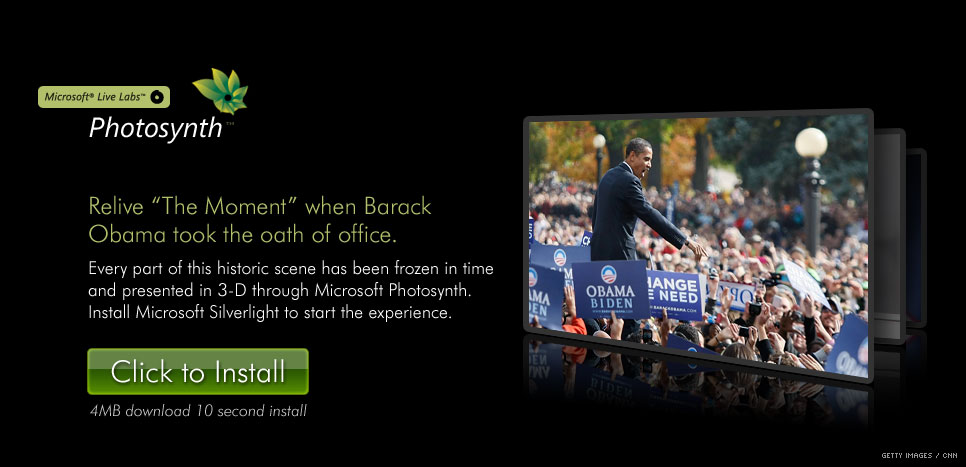
What makes Bing Maps superb is the use of Microsoft’s Seadragon technology, which allows seamless zooming regardless of resolution or file size that is optimized for online browsing. With this kind of technology, Bing Map users can zoom in with their mouse wheels from a satellite or map view to a point where it automatically transitions into street view, all with little load time. To understand what DeepZoom (based off of Seadragon) looks like in action, check out this amazing demonstration: Hard Rock Memorabilia. Fascinating as that was, don’t drop your jaw yet! Just when you think you’ve seen it all, Microsoft Live Labs releases Photosynth, a software to create 3D views of a particular location that can then be uploaded to Bing Maps.


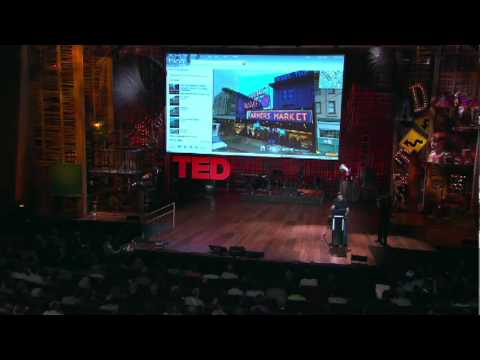
Photosynth allows for an “augmented-reality mapping technology.” Photos taken by the public can be integrated into the map itself to create a virtual reality with infinite zooming, viewing angles, and even time frames, integrating cartography with imagery, as the developer of Bing Maps, Blaise Aguera y Arcas, puts it. It can even be used in real time, as Blaise showcases in his ground-breaking TED Talk.
 
YouTube Preview Image
 
And that brings us to the topic of geotagging. Geotagging is the process of linking locations to photos by embedding an extra piece of information (longitude and latitude) into the photo. Eye-Fi is an example service-provider for geotagging and uses the Wi-Fi Positioning System (WPS) to do so. It has now even been integrated into newer technologies such as the HTC Flyer and Huawei MediaPad. After witnessing Photosynth and Seadragon, one can imagine its unlimited applications with the addition of geotagging, especially in terms of promotions and advertising. However, with great power comes great responsibilities… and great threats. Mythbuster host Adam Savage was a victim of geotagging when he accidentally tweeted a geotagged photo and revealed where he lived.
 
So this new technology –  amazing technological advancement and advertising tool or stalking made easy?


Categories
Insight Marketing Strategies Technology Top News

Tubifi – What’s All the Hype?

“Tubifi (Tübe-ê-fy) verb. To democratize the creation of world-class video at a 1/10th of the price and a fraction of the time.”


Launched just 4 days ago, Tubifi has been a primary topic of discussion amongst various tech and social media blogs. So what is Tubifi, exactly, what do they do, and how does it work?


Tubifi, developed by John Belchers, Harbaldeep Singh, and Micha Barnum, is essentially a powerful online tool to create high quality video ads. They position themselves as the prime inexpensive solution, targeting small and medium-sized businesses with tight budgets (basically with limited money, time, and talent).


What they do is offer a database filled with stock audio and visual materials as well as media directly downloadable from content providers. The website can also monitor the video performance (even by the second) as well as the number of times the link is shared through social media. Tubifi stresses that social media and mobile technology are booming and can end up sucking dry the promotional budget. Thus, Tubifi’s USP is simply that it’s insanely inexpensive and fast.


The following video was created through Tubifi for Alpha Five, an app development and security business for the web and mobile devices in the software industry.


YouTube Preview Image


“World-class advertising comes at a price. A very low one.”


Tubifi estimates the costs of traditional advertisement to be nearly $300,000 over the span of however long it would take to shoot at the various locations and create CGI. By using its online tools, Alpha Five was able to produce this at $15,000 within 3 days. They are able to do this because Tubifi minimizes production costs with pre-existing footage.


I’ll definitely be keeping a lookout for firms using this innovative online tool for future advertising!

Spam prevention powered by Akismet