Categories
Arts Education

Teaching Arts Disciplines

Listed below are selected teacher resources for teaching in Arts disciplines.

Teacher Resources
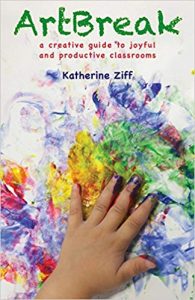
ArtBreak: A creative guide to joyful and productive classrooms

by Katherine Ziff

Grades: K-5

Integrating theory and practice from art therapy, counseling, and child-centered education, ArtBreak offers a guide to choice-based, guided play experience based on the developmental and restorative possibilities of art making.
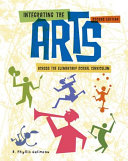
Integrating the arts across the elementary school curriculum

by R. Phyllis Gelineau

Grades: K-7

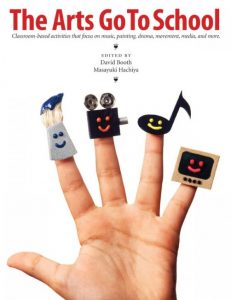
This book’s concise chapters focus on the practical application and integration of arts in the elementary curriculum. Each chapter explores a different discipline in arts education, including drama, music, dance, and art, and provides easy to implement activities that can be adapted to different subjects, classrooms, and ages.

Finding More Resources

To find more resources in this area, try the following:

  • Search using the General tab on the UBC Library website to look for material in all UBC Library branches.
  • Search using “Search Education Resources” box in the left hand bar on the Education Library website to limit your results to materials in the Education Library.
  • Use specific search terms to narrow your results, such as “Arts–Study and teaching (Elementary)”, “Arts–Study and teaching (Secondary)”, “Arts–Study and teaching”
  • To find lesson plans, include “lesson plans”, “lesson planning”, or “activity programs” in your search terms.

For more help with searching, please visit the Library Service Desk or e-mail ed.lib@ubc.ca.

Categories
Arts Education

Cross-Disciplinary and Interdisciplinary Arts

Listed below are selected teacher resources related to cross-disciplinary and interdisciplinary arts.

Teacher Resources

Exploring the science of sounds: 100 musical activities for young children

by Abigail Flesch Connors

Grades: K-2

Explores the connection between music and science through the use of everyday objects. Includes creative ideas and lessons on how we can use our bodies to make sounds, making and using instruments, what sounds occur in nature, and more.

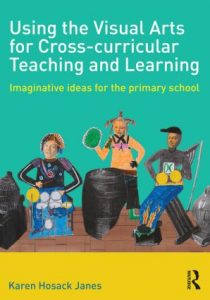
Grades: K-4

Provides practical guidance and ideas on using the visual arts as a starting point for imaginative, effective learning across a wide range of curriculum subjects. Underpinned by established and current educational thinking, it uses real-life examples to explore how this approach has been used successfully by individual class teachers and as whole-school projects. eBook only

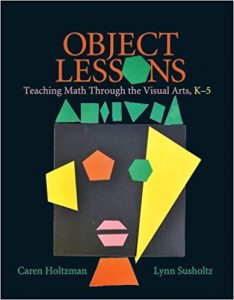
Object lessons: Teaching math through the visual arts, K-5

by Caren Holtzman and Lynn Susholtz

Grades: K-5

Provides ideas on how to utilize visuals, including everyday objects, works of art, food, and more, to teach math in order to reach a variety of learners. Includes lessons with clear instructions and photographs, as well as guiding questions, and curriculum connections.

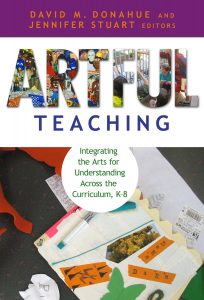
Artful teaching: Integrating the arts for understanding across the curriculum, K-8

edited by David M. Donahue and Jennifer Stuart

Grades: K-8

This book explains why and how art can be used across the curriculum in order to deepen student learning. Includes lively examples of examples of public school teachers integrating visual arts, music, drama, and dance with subject matter, including English, social studies, science, and mathematics.

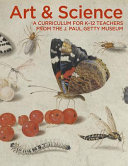
Art & science: A curriculum for K-12 teachers from the J. Paul Getty Museum

by the J. Paul Getty Museum

Grades: K-12

Using the Getty Museum’s collection, including their sculptures, drawings, antiquities, photographs, paintings, and more, this book encourages teachers to utilize art in science instruction. Includes lesson plans, handouts, a glossary of terms, questions, and links to additional resources.

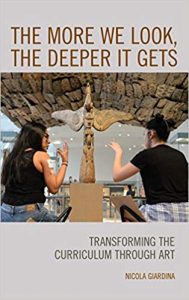
The more we look, the deeper it gets: Transforming the curriculum through art

Nicola Giardina

Grades: K-12

Provides inspiration and practical guidance for teaching with works of art across the curriculum in order to deepen engagement and improve student learning. The book introduces the Pyramid of Inquiry, a flexible framework that teachers of all subject areas can use to support connections between students’ lives, academic curriculum, and works of art from across time and place.

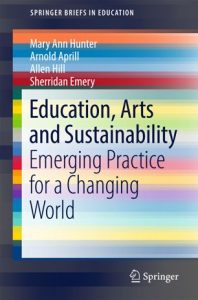
Education, arts and sustainability: Emerging practice for a changing world,

by Marry Ann Hunter, et al.

Grades: K-12

This book uses a series of case studies to showcase that five principles of Education for Sustainability – critical thinking, systems thinking, community partnership, participation, and envisioning better futures – are found at the heart of much arts practice in schools. The joining of arts and sustainability education is suggested as a viable way of deepening understanding, engaging students, and thinking creatively about the cross-disciplinary connections between art and sustainability.

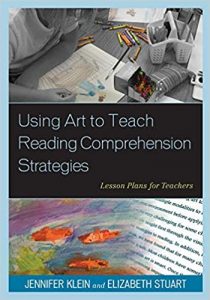
Using art to teach reading comprehension strategies: Lesson plans for teachers

by Jennifer Klein and Elizabeth Stuart

Grades: K-12

Provides an overview of six different reading strategies and integrated reading and art lessons that can be implemented in the classroom. Emphasizes the value art as a way of improving reading comprehension without text for both art and classroom teachers.


Finding More Resources

To find more resources in this area, try the following:

  • Search using the General tab on the UBC Library website to look for material in all UBC Library branches.
  • Search using “Search Education Resources” box in the left hand bar on the Education Library website to limit your results to materials in the Education Library.
  • Use specific search terms to narrow your results, such as “Interdisciplinary approach in education”, “Art in education”
  • To find lesson plans, include “lesson plans”, “lesson planning”, or “activity programs” in your search terms.

For more help with searching, please visit the Library Service Desk or e-mail ed.lib@ubc.ca.

Categories
Arts Education

Visual Arts

Listed below are selected teacher resources, picture books, and non-fiction related to the visual arts.

Teacher Resources

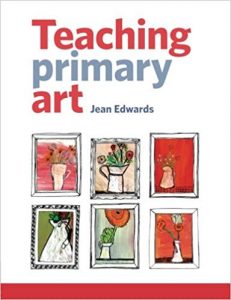
Teaching primary art

by Jean Edwards

Grades: K-4

An introductory textbook for those training to teach and support learning in art in the primary school. First explores the philosophy and pedagogy of teaching and learning art, including why we teach it; planning and assessment; and teaching and support strategies. Then it covers the practical aspects of teaching art, including a list of useful vocabulary to encourage talk around art and links to cross-curricular learning.

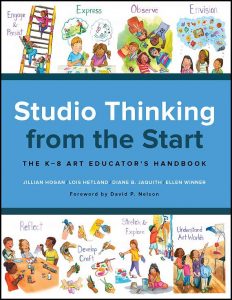
Studio thinking from the start: The K-8 art educator’s handbook

written by Jillian Hogan, Lois Hetland, Diane B. Jaquith, and Ellen Winner, illustrated by Nicole Gsell

Grades: K-8

This publication shows how the eight Studio Habits of Mind and four Studio Structures can be used successfully with younger students in a range of school environments. Includes classroom examples, visual artist exemplars, templates for talking about works of art, mini-posters, and more.

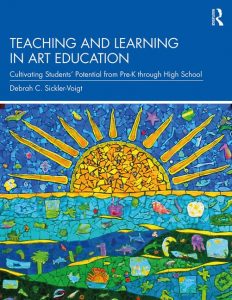
Teaching and learning in art education: Cultivating students’ potential from pre-K to through high school

by Debrah C. Sickler-Voigt

Grades: K-12

Teaching and Learning in Art Education explores essential and emerging topics such as: managing the classroom in art education; artistic development from early childhood through adolescence; catering towards learners with a diversity of abilities; integrating technology into the art field; and understanding drawing, painting, paper arts, sculpture, and textiles in context. eBook only.
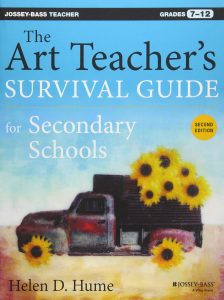
The art teacher’s survival guide for secondary schools: Grades 7-12

by Helen D. Hume

Grades: 7-12

Ten chapters which provide detailed instructions for both teachers and students, along with lesson plans and practical tools such as reproducible handouts, illustrations, and photographs. Includes 75 fun and creative art projects.

Picture Books

Beautiful oops!

written and illustrated by Barney Saltzberg

Demonstrates the many ways that torn, crinkled, and smudged bits of paper can be transformed into various shapes and images.

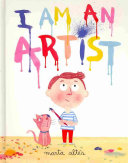
I am an artist

written and illustrated by Marta Altés

A little boy can’t stop creating art! He loves colours, shapes, textures, and is inspired by everything around him: his socks, the contents of the fridge, even his cat. But, his mum isn’t quite so enthusiastic. In a bid to win his mum over he has plans to create his finest piece yet and on a very grand scale.

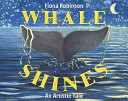
Whale shines: An artistic tale

written and illustrated by Fiona Robinson

Encouraged by his sidekicks, the glow-in-the-dark plankton, a self-doubting whale learns that anyone can be an artist and everyone has something unique to contribute.

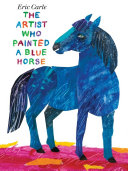
The artist who painted a blue horse

written and illustrated by Eric Carle

Rather than use the same old colors, a child paints animals and objects in a variety of different hues, including a blue horse, red crocodile, and an orange elephant. A playful book that encourages children to use their imagination while learning about colours, animals, and art that bends reality.

Non-Fiction

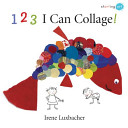
Starting art series

by Irene Luxbacher

Grades: K-2

Starting Art offers clear step-by-step illustrated techniques for creating fun art projects that encourage play and experimentation. Introduces art concepts such as color, form and texture, which are then reinforced and put into practice through the creative process. Books in the series include, 1-2-3 I can Make Prints!; 1-2-3 I can Paint; 1-2-3 I can Sculpt!; 1-2-3 I can Build; 1-2-3 I can Draw!, 1-2-3 I can Collage!.

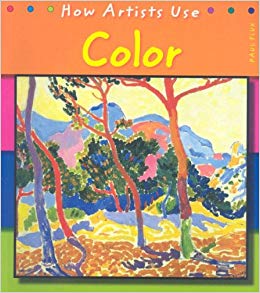
How artists use series

by Paul Flux

Grades: K-3

A series of books that shows students how artists throughout time and place have used different concepts in their work. Books in the series include, Pattern and Texture, Line and Tone, Color, Shape, and Perspective.

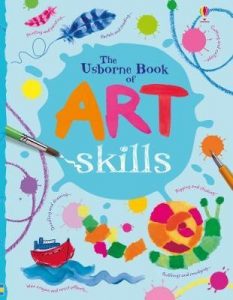
The Usborne book of art skills

by Fiona Watt

Grades: 4-6

Full of creative art projects, including collage, drawing, pastels, printmaking, water colours, and more, which feature easy to follow step-by-step instructions.

Get into photography

by Rachel Stuckey

Grades: 4-6

Takes readers through photography basics and photo editing techniques, giving them the skills to creatively picture their world. Exciting photography ideas and tips encourage readers to refine their skills and create personal photo projects. For more in the Get into it series, click here.

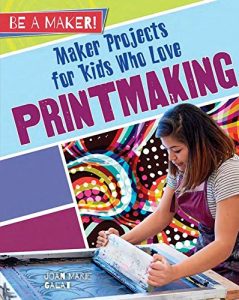
Maker projects for kids who love printmaking

by Joan Marie Galat

Grades: 4-6

From creating their own art tools to making a screen print unique to their personal style and vision, this title helps readers express their creativity through the various forms of printmaking. Using clear methods, engaging photographs, and non-toxic materials, readers will learn the techniques of printmaking and be inspired to experiment with their own designs and ideas. For more in the Be a maker! series, click here.


Finding More Resources

To find more resources in this area, try the following:

  • Search using the General tab on the UBC Library website to look for material in all UBC Library branches.
  • Search using “Search Education Resources” box in the left hand bar on the Education Library website to limit your results to materials in the Education Library.
  • Use specific search terms to narrow your results, such as “Art–Study and teaching (Elementary)”, Art–Study and teaching (Secondary)”, “Art–Technique”.
  • To find lesson plans, include “lesson plans”, “lesson planning”, or “activity programs” in your search terms.

For more help with searching, please visit the Library Service Desk or e-mail ed.lib@ubc.ca.
Categories
Arts Education

Music

Listed below are selected teacher resources, picture books, and non-fiction related to music education.

Teacher Resources

Exploring the science of sounds: 100 musical activities for young children,

by Abigail Flesch Connors

Grades: K-2

Explores the connection between music and science through the use of everyday objects. Includes creative ideas and lessons on how we can use our bodies to make sounds, making and using instruments, what sounds occur in nature, and more.

This too is music

by Rena Upitis

Grades: K-6

This book guides teachers in fostering classroom conditions that enable elementary students to thrive as improvisers, critical listeners, performers, and composers.  The emphasis is on the student’s point of view, illustrating how young musicians can learn when their musical ideas are honored and celebrated. eBook only.

Teaching primary music

Alison Daubney

Grades: K-7

This book places music within the wider context of the primary curriculum and offers advice on how to plan for and assess music education. Includes information on using the musical resources in the local community to enhance the musical opportunities offered in school.

Grades: 6-9

Focuses on teaching adolescents within the context of a music classroom, regardless of content area (orchestra, band, choir, or general music). Provides a look at the importance of music courses in the lives of adolescents and how to foster a safe and supportive music classroom. Also encourages pre-service and practicing music educators to mindfully examine and better understand their own teaching practices. eBook only.

MENC handbook of research on music learning

edited by Richard Colwell and Peter R. Webster

Grades: 8-12

Focuses on the profession’s empirical and conceptual knowledge of how students gain competence in music at various ages and in different contexts. The book takes a broad theoretical perspective on current, critical areas of research, including music development, music listening and reading, motivation and self-regulated learning in music, music perception, and movement. Also available as an eBook, here.

Picture Books

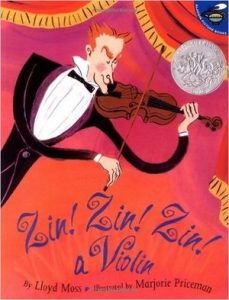
Zin! zin! zin!: a violin

written by Lloyd Moss, illustrated by Marjorie Priceman

Ten instruments take their parts one by one in a musical performance. A counting book, and an introduction to musical instruments and musical groups.

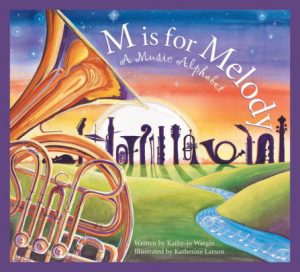
M is for melody: A music alphabet

written by Kathy-jo Wargin, illustrated by Katherine Larson

From the oom pah pah of the brass section to the tickle and tease of the keyboard ivories, M is for Melody gives a music lesson in alphabet form. Instruments, composers, terms, and even musical styles are examined from A-Z in easy, read-aloud rhymes and expository, accompanied by colorful and engaging artwork.

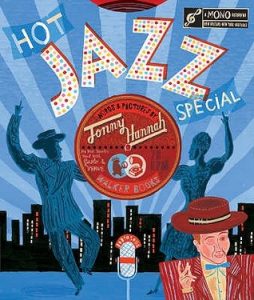
Hot jazz special

written and illustrated by Jonny Hannah

Some of the greatest names in jazz are about to hit the scene, ready to blow those blues away. Meet Jelly Roll Morton, Django Reinhardt, Walter Page, Louis Armstrong, Benny Goodman, Gene Krupa, Billie Holliday, Charlie Parker, and Duke Ellington, all on one stage for a night you’ll never forget.

Music is for everyone

written by Jill Barber, illustrated by Sydney Smith

This lively rhyming book introduces students to all different kinds of music — folk, hip hop, classical, jazz, choral, reggae, — and instruments and encourages them to make some noise!

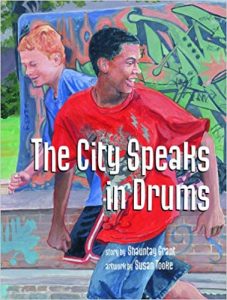
The city speaks in drums

written by Shauntay Grant, illustrated by Susan Tooke

Two boys from North End Halifax explore their neighbourhood and the city beyond, finding music everywhere. At the skate park, by the Public Gardens, down Spring Garden Road, and on the boardwalk, drums and saxophones and dancers and basketballs create the jumbled, joyful, pulsing rhythm of Halifax.

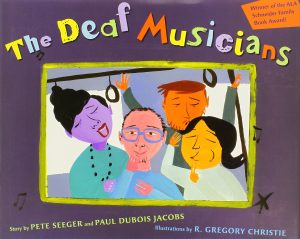
The deaf musicians

story by Pete Seeger and Paul DuBois Jacobs, illustrations by R. Gregory Christie

Lee, a jazz pianist, has to leave his band when he begins losing his hearing, but he meets a deaf saxophone player in a sign language class and together they form a snazzy new band.

Tallulah plays the tuba

written by Tiffany Stone, illustrated by Sandy Nichols

Tallulah dreams of playing the tuba, but she’s small and the tuba is very large. Everyone around her tells her to wait until she’s bigger, but Tallulah can’t wait. With determination and a lot of creativity, Tallulah hatches a plan that she hopes will turn her musical dream into reality.

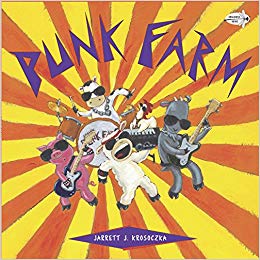
Punk Farm

by Jarrett J. Krosoczka

At the end of the day, while Farmer Joe gets ready for bed, his animals tune their instruments to perform in a big concert as a rock band called Punk Farm.

Non-Fiction

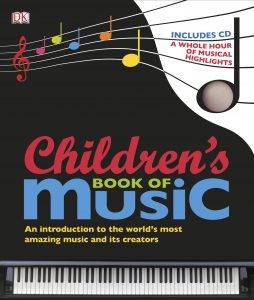
Children’s book of music

Grades: 3-6.

In this clear and lively introduction to music history, readers take a chronological journey around the world, exploring the sounds and rhythms of different cultures, the development of instruments, and the progression of musical styles. Includes one CD with an hour of music from around the world.

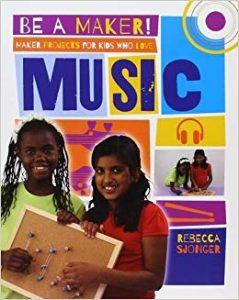
Maker projects for kids who love music,

by Rebecca Sjonger

Grades: 3-6

From inspiring profiles of key Maker musicians, to learning the components of different musical instruments, readers will discover how music works in harmony with the Maker movement. For more in the Be a maker! series, click here.

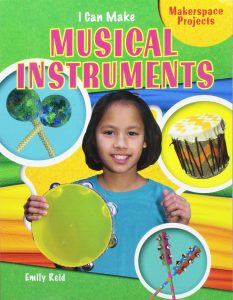
I can make musical instruments

by Emily Reid

Grades: 3-6

Step-by-step and detailed instructions help youth make instruments of all kinds and develop a deeper appreciation for the sounds they can make. Includes material lists, patterns, and photographs.

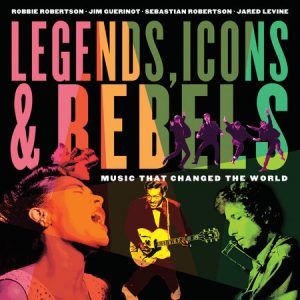
Legends, icons & rebels: Music that changed the world

by Robbie Robertson, Jim Guerinot, Sebastian Robertson, and Jared Levine

Grades: 3-7

A tribute to more than two dozen legendary music artists who significantly influenced the landscape of music for generations to come, from Aretha Franklin and Bob Dylan to Chuck Berry and Joni Mitchell. Includes two CD’s with 27 songs from the artists profiled.

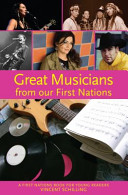
Great musicians from our First Nations

by Vincent Schilling

Grades: 4-8

Follows the journeys of ten talented First Nations musicians working across many genres. Including, classical guitarist Gabriel Ayala, the Blackfire band which combines punk rock with Dine’ music, rock guitarist Mato Nanji, Four Rivers Drum who has been drumming at powwows for more than fourteen years, and Michael Bucher whose music protects sacred sites. For more in the First Nations books for young readers series, click here.


Finding More Resources

To find more resources in this area, try the following:

  • Search using the General tab on the UBC Library website to look for material in all UBC Library branches.
  • Search using “Search Education Resources” box in the left hand bar on the Education Library website to limit your results to materials in the Education Library.
  • Use specific search terms to narrow your results, such as “Music–Study and teaching”, “Musical instruments–Juvenile fiction.”, “Music–Instruction and study–Juvenile.”, “Musicians–Fiction”.
  • To find lesson plans, include “lesson plans”, “lesson planning”, or “activity programs” in your search terms.

For more help with searching, please visit the Library Service Desk or e-mail ed.lib@ubc.ca.
Categories
Arts Education

Drama

Listed below are selected teacher resources and non-fiction related to drama, as well as some plays, monologues, and scripts which can be used in the classroom.

Teacher Resources

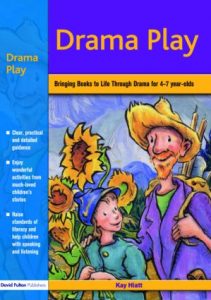
Drama play: Bringing books to life through drama in the early years
by Kay Hiatt

Grades: K-2

This book shows how to use stories in combination with basic drama techniques to raise standards in reading, writing, speaking and listening. Provides clear and easy-to-use activities that will enhance understanding of basic drama techniques for teachers and children; includes a checklist to help senior managers assess the whole-school impact of these activities; and offers templates for easy planning. eBook

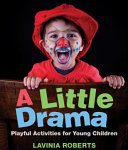
 A little drama! Playful activities for young children

by Lavinia Roberts

Grades: K-3. This book includes more than 200 theatre and drama activities for promoting young children’s social-emotional learning.

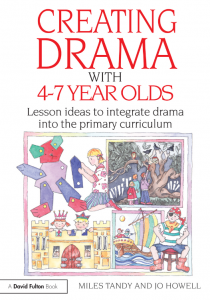
Creating drama with 4-7 year olds: Lessons to integrate drama into the primary curriculum

by Miles Tandy and Jo Howell

Grades: K-3

The authors present ideas on how to make drama a regular and integral part of the school curriculum, offering detailed suggestions of drama work for ages four to seven. The teaching units are arranged around four strands: drama for literacy; drama and the whole curriculum; drama film, media, and ICT; and drama for performance. eBook

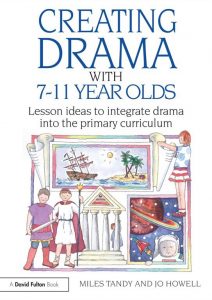
Creating drama with 7-11 year olds: Lessons to integrate drama into the primary curriculum

by Miles Tandy and Jo Howell

Grades: 2-6

The authors present ideas on how to make drama a regular and integral part of the school curriculum, offering detailed suggestions of drama work for ages seven to eleven. The teaching units are arranged around four strands: drama for literacy; drama and the whole curriculum; drama film, media, and ICT; and drama for performance. eBook

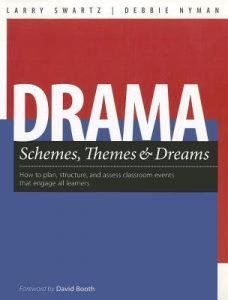
Drama schemes, themes & dreams: How to plan, structure, and assess classroom events that engage all learners
by Larry Swartz and Debbie Nyman

Grades: 6-12

Offers a comprehensive outline of improvisation and interpretation strategies that teachers can incorporate in classroom instruction. Organized around universal themes that invite students to make connections to texts and to each other, the book encourages students to consider their own identities and their place in the world. Also available as an eBook.

The art of drama teaching

by Michael Fleming

Grades: 6-12

Provides ready-to-use material for drama teachers and highlights how dramatic techniques can be used to inform classroom teaching and develop teacher practice. Includes detailed discussion of twenty-five drama techniques including, monologue and narration, mime, irony, beginnings and endings, minor characters, and more. eBook

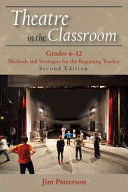
Theatre in the classroom, grades 6-12: Methods and strategies for the beginning teacher
by Jim Patterson

Grades: 6-12

Equips prospective theatre teachers with key instructional methods and proven strategies for student learning. Includes chapters on planning, managing the classroom, assessment, cross-curricular teaching, and more.

100 ideas for teaching drama

by Johnnie Young

Grades: 6-12

Contains 100 tried and tested inspirational ideas on teaching drama in the classroom. Ideas range from developing pupils’ story telling to bringing literature alive.

Improvisation starters: more than 1,000 improvisation scenarios for the theater and classroom

by Philip Bernardi

Grades: K-12, Adult

Improvisation is an essential and invaluable technique for the actor’s repertoire: It asks you to think beyond a script–and its memorized lines, movements, and facial expressions–to deliver a performance filled with honesty, insight, nuance, and verisimilitude. This book provides more than 1,000 scene scenarios.

Non-Fiction

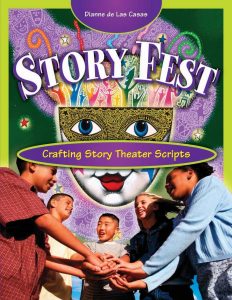
Story fest: Crafting story theater scripts
written by Dianne de las Casas, illustrated by Jeanne de la Houssaye.

Grades: 2-6

Contains 25 story theater scripts which are designed to accommodate whole-classroom participation. The book also includes a description of the process for working with students to create a school Story Fest.

How to write a drama

by Megan Kopp

Grades: 3-6

A drama is a story that is experienced by an audience as a performance. Readers will explore acts, dialogue, stage direction, and other elements that define this genre. Mentor texts and writing prompts guide readers as they compose their own dramas. Part of the Text styles series.

Plays, Monologues, and Scripts

Munsch at play: Eight stage adaptations for young performers
plays by Irene N. Watts, original stories by Robert Munsch

Grades: 1-4

Eight of Robert Munsch’s stories have been adapted for performance by young people, including Below Zero; Mud Puddle; Paper Bag Princess, and more. Each story is presented in typical play format, preceded by cast listings and useful suggestions for staging, set design, and props and costumes. Illustrations from the original books enliven the pages. See also, Munsch at play act 2: Eight more stage adaptions.

The Green Thumb collection: Plays for children, youth, and young adults,
edited by Green Thumb Theatre

Grades: 2-12

A collection of six plays written specifically for children, youth, and young adults. Plays in the collection touch on themes of environmental concerns, self-esteem, addiction, and more.

More short scenes and monologues for middle school students: Inspired by literature, social studies, and real life
by Mary Hall Surface

Grades: 6-9

A collection of original scenes and monologues written especially for middle-school actors. Includes emotional monologues, two- and four- actor scenes with strong relationships, and multiple-actor scenes with equally weighted parts.


Finding More Resources

To find more resources in this area, try the following:

  • Search using the General tab on the UBC Library website to look for material in all UBC Library branches.
  • Search using “Search Education Resources” box in the left hand bar on the Education Library website to limit your results to materials in the Education Library.
  • Use specific search terms to narrow your results, such as “Drama–Study and teaching (Primary)”, “Drama–Study and teaching (Secondary)”, “Drama in education”, “Theater-Study and teaching (Elementary)”, “Theater–Study and teaching (Secondary)”, “Children’s plays”.
  • To find lesson plans, include “lesson plans”, “lesson planning”, or “activity programs” in your search terms.

For more help with searching, please visit the Library Service Desk or e-mail ed.lib@ubc.ca.

Categories
Arts Education

Dance

Listed below are selected teacher resources, picture books, fiction, and non-fiction related to dance.

Teacher Resources

Integrating the arts across the elementary school curriculum

by R. Phyllis Gelineau

Grades: K-7.

This book’s concise chapters focus on the practical application and integration of arts in the elementary curriculum. Each chapter explores a different discipline in arts education, including drama, music, dance, and art, and provides easy to implement activities that can be adapted to different subjects, classrooms, and ages.

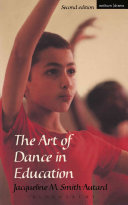
The art of dance in education

by Jacqueline M. Smith-Autard

Grades: K-12

This book provides a framework that is both theoretical and practical for teaching dance education through the discussion of composing, performing, and appreciating different forms of dance. Also stresses the role of dance in developing students’ understanding of the arts more broadly.

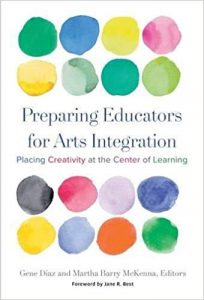
Preparing educators for arts integration: Placing creativity at the center of learning

edited by Gene Diaz and Martha Barry McKenna

Grades: K-12

This resource examines professional development approaches from across the United States to help schools and allied arts groups integrate the arts into the K–12 curriculum. Emphasizes the value of collaboration among teachers, artists, educational leaders, and community partners. Includes a chapter on “Dance Literacy”.

Picture Books

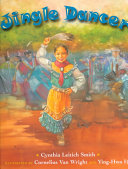
Jingle dancer

written by Cynthia L. Smith, illustrated by Cornelius Van Wright and Ying-Hwa Hu

Jenna, a member of the Muscogee (Creek) Nation, is excited about performing the jingle dance at the powwow, but where will she get enough jingles for her dress? This story highlights the joy and power of dance, and the importance of community. Includes a note about the jingle dance tradition and regalia.

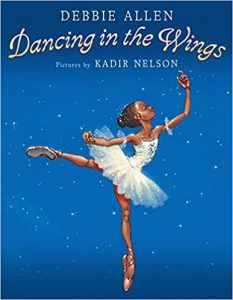
Dancing in the wings

written by Debbie Allen, illustrated by Kadir Nelson

Sassy is worried that she’s not right for dance. She wonders if her feet are too big, or her legs are too long, or that maybe she has too much to say. But, when a famous directer comes to her dance class Sassy learns that the things that make us stand out are what make us special.

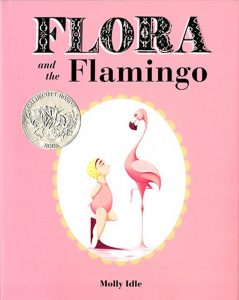
Flora and the flamingo

by Molly Idle

In this beautiful interactive wordless picture book Flora and flamingo learn about friendship through dancing together.

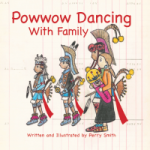
Powwow dancing with family

written and illustrated by Perry Smith

Drumming, singing, and dancing are all part of being at a Powwow. Perry and his family travel all over North America to participate in these family and community gatherings. Join Perry’s two boys as they share their treasured memories of being at Powwows with their family and learning how to dance.

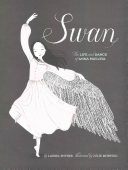
Swan: The life and dance of Anna Pavlova
by Laurel Snyder

After attending the ballet with her mother one night, Anna’s life was changed forever. This book follows the life of Anna Pavlova, one of the most famous ballerinas of all time, and the joy, beauty, and bravery she found through dance.

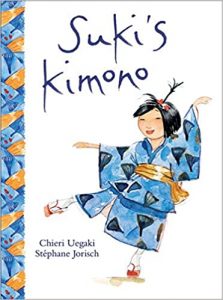
Suki’s kimono

written by Chieri Uegaki, illustrated by Stephanie Jorisch

On the first day back to school Suki can’t wait to wear the blue cotton kimono her obachan gave her and tell her classmates all about doing the circle dance at the street festival. While sharing her summer with her class, Suki starts to hum and dance, bringing joy and movement to her classmates!

Fiction

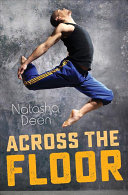
Across the floor

by Natasha Deen

Luc has his eyes set on the NFL and will do anything to get there so when his coach insists he takes a contemporary dance class, Luc begrudgingly agrees. It’s not long before Luc realizes his passion for dance, but is he willing to leave behind his coach, teammates, and the game he loves to pursue dance?

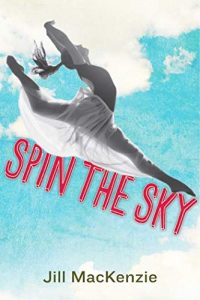
Spin the sky

by Jill MacKenzie

Magnolia Woodson is longing to get her and her sister out of their small town and the prying eyes in it, but it seems like a lofty goal. That is until a nationwide televised dance competition is holding tryouts nearby. Mags has to grapple with the pressures of competing against her best friend, proving herself to the town, and securing a better future for her and her sister while competing for prize money that could change everything.

Non-Fiction

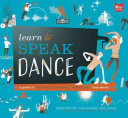
Learn to speak dance: A guide to creating, performing, and promoting your moves
by Ann-Marie Williams and Jeff Kulak

Grades: 4-8

What is dance and why do we do it? How can you shake off the nerves? How can you put on your own dance show? Learn to Speak Dance explores these questions and encourages kids to express themselves through dance.

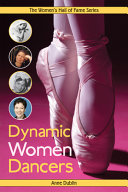
Dynamic women dancers

by Anne Dublin

Grades: 4-8

Through captivating profiles this book showcases some of the women around the world who have become masters of dancing and choreographing, many of whom use their talents to create change in the world. Includes profiles of Geeta Chandran who is a master of Indian Bharatanatyam, Pearl Primus who brought Caribbean and African influence to modern dance, and Judith Marcuse whose choreography explores important issues such as teen suicide.

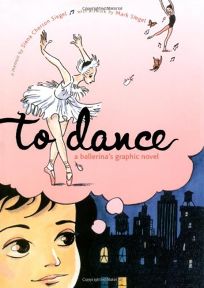
To dance: A ballerina’s graphic novel

written by Siena Cherson Siegel, artwork by Mark Siegel

Grades: 4-9

This graphic novel memoir details Cherson Siegel’s journey from a young ballerina in Puerto Rico to her debut with the New York City Ballet. Siegel’s story of perseverance and triumph will serve as an inspiration to aspiring dancers.


Finding More Resources

To find more resources in this area, try the following:

  • Search using the General tab on the UBC Library website to look for material in all UBC Library branches.
  • Search using “Search Education Resources” box in the left hand bar on the Education Library website to limit your results to materials in the Education Library.
  • Use specific search terms to narrow your results, such as “Dance–Fiction”, “Dance–Juvenile fiction”, “Ballet–Juvenile fiction”.
  • To find lesson plans, include “lesson plans”, “lesson planning”, or “activity programs” in your search terms.

For more help with searching, please visit the Library Service Desk or e-mail ed.lib@ubc.ca.

Spam prevention powered by Akismet