Categories
English Planning for Teaching and Learning

Phonemic and Phonological Awareness

Listed below are selected teacher resources and picture books related to phonemic and phonological awareness.

Teacher Resources
Phonemic awareness: A step by step approach for success in early reading

by Idalia Rodriguez Perez

Grades: K-3

This guide presents phonemic awareness as one of the most sophisticated branches of phonological awareness through interactive activities that allows children to succeed in learning the sounds represented by the letters of the alphabet.
Phonemic awareness : Ready-to-use lessons, activities, and games

by Victoria Groves Scott

Grades: K-6

The second edition of this book contains an updated collection of 48 lessons for children in Grades K-3, or students in Grades 4-6 who have difficulty reading. The activities are sequenced around particular phonemes or sounds, but can be organized or sequenced according to skills such as identification, blending, rhyming, segmentation, deletion, or manipulation.
A sound start: Phonemic awareness lessons for reading success

by Christine E. McCormick et al.

Grades: K-3

The authors present three sets of phonemic awareness lessons, complete with scripted directions and reproducible learning materials and assessment tools. Included are developmentally sequenced lessons for the whole class and small groups, more intensive lessons for children struggling with phonemic awareness, and class lessons on the consonant phonemes.
Teaching phonemic awareness through children’s literature and experiences

by Nancy Allen Jurenka

Grades: K-2

This book provides educators with creative strategies for integrating word study with children’s picture books. Each lesson includes a read-aloud book description, literacy experience activity, direct instruction, follow-up activities, recommended poem, and related reading. The lessons build skills in phonemic awareness, morphemic analysis, letter identification, rhyming, and sight words.
How to increase phonemic awareness in the classroom

by Lynn Settlow and Margarita Jacovino

Grades: K-3

The authors offer a quick and easy informal assessment measure for teachers to pinpoint their students’ instructional needs; classroom activities that are brief, fun, and easy to implement; and literature-based activities to build phonemic awareness through nursery rhymes, poetry, and children’s books. Each chapter features one level of the phonemic awareness developmental continuum along with three types of activities.
Teaching systematic synthetic phonics in primary schools

by Wendy Jolliffe and David Waugh with Angela Carss

Grades: K-3

The first part of this book discusses essential subject knowledge for teachers in the areas of discriminating sounds and phonemes, grapheme-phoneme correspondences, and moving from phonics to spelling. The second part discusses effective pedagogical techniques for teaching phonics, with phonemics in mind.
Sing a song of poetry: A teaching resource for phonemic awareness, phonics, and fluency, Grade 2

by Irene C. Fountas and Gay Su Pinnell

Grades: 2

The 225 poems in this book immerse students in rich, rhythmical language, providing age appropriate opportunities to enjoy language through shared reading, stimulate oral language development, connect words, and much more.
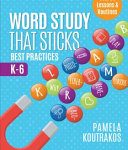
Word study that sticks: Best practices, K-6

by Pamela K. Koutrakos

Grades: K-6

The author discusses how to implement best practices in word study in the classroom, including how to set up the physical classroom and launch routines, and how to instill curiosity and a self-starting attitude in learners about word study. The book covers all facets of words study, including phonemic awareness, phonics, meaning, spelling, and high-frequency word work.
Phonological skills and learning to read

by Usha Goswami and Peter Bryant

Grades: K-6

This new edition of a classic work brings together the latest research in the link between phonological skills and reading. The authors describe three causal factors which can account for children’s reading and spelling development: pre-school phonological knowledge of rhyme and alliteration, the impact of alphabetic instruction on knowledge about phonemes, and links between early spelling and later reading. (E-book only)
Phonological awareness: From research to practice

by Gail T. Gillon

Grades: K-12

This book provides a comprehensive review of knowledge about phonological awareness, together with practical guidance for helping children acquire needed skills. The author synthesizes findings on the development of phonological awareness; its role in literacy learning; and how it can be enhanced in children at risk for reading difficulties and those with reading disorders or speech or language impairments. Methods and activities are described for working with preschoolers to adolescents, including those with special learning needs.

Picture Books
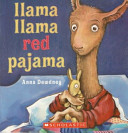
Llama, llama red pajama

by Anna Dewdney

At bedtime, a little llama worries after his mother puts him to bed and goes downstairs. When will she come back?
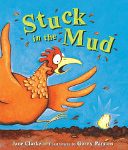
Stuck in the mud

written by Jane Clarke, illustrated by Garry Parsons

When one of Hen’s chicks gets stuck in the mud, the other farm animals come to help. How many farmyard friends will it take to get Chick out?
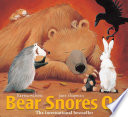
Bear snores on

written by Karma Wilson, illustrated by Jane Chapman

One by one, different animals and birds find their way into Bear’s cave to warm up. But even after the tea has been brewed and the corn has been popped, Bear just snores on…
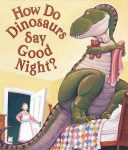
How do dinosaurs say good night?

written by Jane Yolen, illustrated by Mark Teague

Mother and child think about the different ways a dinosaur can say goodnight, from slamming his tail and pouting to giving a big hug and kiss.
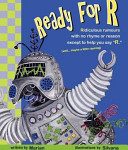
Ready for R: Ridiculous rumors with no rhyme or reason except to help you say “R”

written by Marian MacDougall, illustrated by Silvana Bevilacqua

Ready for R includes colour-coded R-word lists, fun and easy teaching tips, and with silly stories that will make students want to keep practicing. Ready for R is designed to spark speech, language and literacy development, inspire story-telling and encourage ESL students.
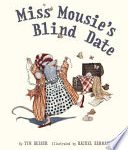
Miss Mousie’s blind date

written by Tim Beiser, illustrated by Rachel Berman

A story told in rhyme about Miss Mousie’s preparations for her date with Mole. What will he think when he sees her – in fact, will he even see her?
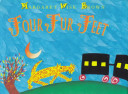
Four fur feet

written by Margaret Wise Brown, illustrated by Woodleigh Marx Hubbard

A furry little creature wanders the world, taking in all the fascinating sights and sounds. Round and round he goes, as a rhythmic text describes what he sees and hears along the way.


Finding More Resources

To find more resources in this area, try the following:

  • Search using the General tab on the UBC Library website to look for material in all UBC Library branches.
  • Search using “Search Education Resources” box in the left hand bar on the Education Library website to limit your results to materials in the Education Library.
  • Use specific search terms to narrow your results, such as “reading – phonetic method”, “English language – phonemics – study and teaching”, or “stories in rhyme”.
  • To find lesson plans, include “lesson plans”, “lesson planning”, or “activity programs” in your search terms.

For more help with searching, please visit the Library Service Desk or e-mail ed.lib@ubc.ca.

Categories
English Language Arts Planning for Teaching and Learning

Figurative Language

Listed below are selected teacher resources, picture books, and non-fiction related to figurative language.

Teacher Resources

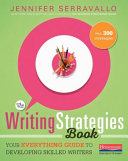
The writing strategies book: Your everything guide to developing skilled writers with 300 strategies

by Jennifer Serravallo

Grades: K-6

From the author of The reading strategies book, this book presents a wide range of techniques to allow teachers to develop individual goals for every writer, give students step-by-step instructions for writing with skill and craft, coach writers using prompts aligned with a strategy, present mentor texts that support a genre and strategy, and more. Goal 7 includes discussion of figurative language.

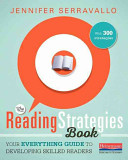
The reading strategies book: Your everything guide to developing skilled readers

by Jennifer Serravallo

Grades: K-6

This book presents a wide range of techniques to allow teachers to develop individual goals for every reader, give students step-by-step instructions for reading with skill, guide readers using prompts aligned with a strategy, adjust instruction to meet individual needs, and more. Goal 11 includes discussion of figurative language.

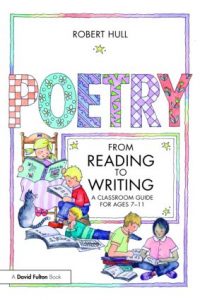
Poetry – From reading to writing: A classroom guide for ages 7-11

by Robert Hull

Grades: 2-6

The author uses poems from a range of authors to show how creative readings of poems can spark a child’s imagination and lead to original writing. Students are encouraged to write different forms of poetry, including rhyming and non-rhyming poems, haiku, free verse, narrative poems, and more. Chapter 7 includes discussion of figurative language. (E-book only)

Let’s poem: The essential guide to teaching poetry in a high-stakes, multimodal world

by Mark Dressman

Grades: 7-12

This guide presents multiple approaches to teaching poetry at the middle and high school levels. The author explores how to preserve the fun of poetry while also developing critical writing and analysis skills, how to introduce students to the basic formal elements of classic and contemporary poetry, and how to expand their repertoires through the use of digital technology and the Internet. The chapter on “Skin Poetry” discusses figurative language.

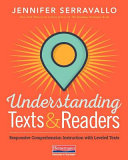
Understanding texts and readers: Responsive comprehension instruction with leveled texts

by Jennifer Serravallo

Grades: K-6

The author examines a number of areas of text comprehension, including how plot and setting, character, vocabulary and figurative language, and themes and ideas change as fiction become more complex; as well as how the complexity of main idea, key details, vocabulary, and text features increases in nonfiction texts.

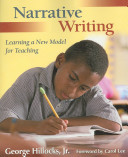
Narrative writing: Learning a new model for teaching

by George Hillocks Jr.

Grades: 9-12

This book demonstrates how focusing classroom activities on producing content, rather than form, boosts students’ engagement and makes them active learners. The author shows how “at-risk” kids’ competencies increase significantly as they are taught how to complete important writing tasks such as incorporating detail and figurative language, creating dialogue, expressing inner thoughts, portraying people and action, and more.

Picture Books

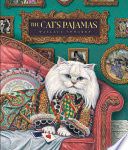
The cat’s pajamas

by Wallace Edwards

This book depicts 26 idioms, bringing new meaning to familiar sayings and tickling your funny bone with a surreal illustration on each page. To ensure you get the hang of it, each expression is used in a sentence and explained at the back of the book.

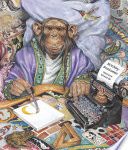
Monkey business

by Wallace Edwards

From a fish opening a “can of worms” to a tap-dancing octopus putting his “best foot forward,” these familiar idioms are re-imagined in hilarious and unexpected ways. The idioms are used in a sentence that accompanies each illustration, and the meaning of each one is explained at the end of the book.

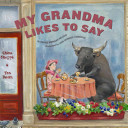
My grandma likes to say

written by Denise Brennan-Nelson, illustrated by Jane Monroe Donovan

Thousands of proverbs and idioms can be found in the English language – like “a horse of a different colour” and “a bull in a tea shop”. Derived from many different sources, these expressions are a link to history and culture, and can be an instructive tool in language education.

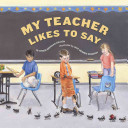
My teacher likes to say

written by Denise Brennan-Nelson, illustrated by Jane Monroe Donovan

Students often hear maxims and sayings on a regular basis in the classroom. From “Do you have ants in your pants?” to “Stick together!” and “Great minds think alike,” readers will be intrigued by the history of these adages, told in poetry form as well as expository text, and amused by the illustrations, depicting these sayings as a child might imagine them.

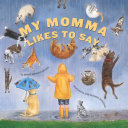
My momma likes to say

written by Denise Brennan-Nelson, illustrated by Jane Monroe Donovan

Parents say strange things sometimes – what does it REALLY mean when your mom says “Hold your horses”, “I have eyes in the back of my head”, or “Money doesn’t grow on trees”?

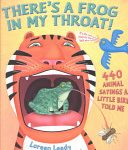
There’s a frog in my throat: 440 animal sayings a little bird told me,

written by Loreen Leedy and Pat Street, illustrated by Loreen Leedy

This book goes hog-wild with this collection of animal sayings. From lucky ducks to odd ducks to sitting ducks to just plain quacks, this book presents a wealth of sayings alongside fun-filled art bursting with color and energy. Each expression is clearly explained so no reader feels like a silly goose.

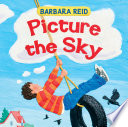
Picture the sky

by Barbara Reid

Wherever we may be, we share the same sky. But every hour, every day, every season, whether in the city or the forest, it is different. The sky tells many stories: in the weather, in the clouds, in the stars, in the imagination. This book envisions the sky above and around us in all its moods.

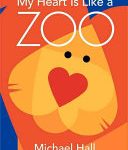
My heart is like a zoo

by Michael Hall

A heart can be hopeful, or silly, or happy. A heart can be rugged, or snappy, or lonely. A heart holds every different feeling, and for each one, the author an animal out of heart shapes, from “eager as a beaver” to “angry as a bear” to “thoughtful as an owl.”

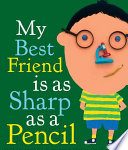
My best friend is sharp as a pencil: And other funny classroom portraits

by Hanoch Piven

Categories
Planning for Teaching and Learning

Universal Design for Learning

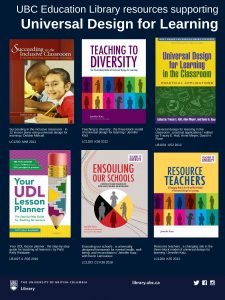
Listed below are selected resources for teachers related to incorporating Universal Design for Learning (UDL) into the classroom.

Ensouling our schools: A universally designed framework for mental health, well-being, and reconciliation

by Jennifer Katz, with Kevin Lamoureux

Grades: K-12

The authors share methods of creating schools that engender mental, spiritual, and emotional health while developing intellectual thought and critical analysis, as well as Indigenous approaches to mental and spiritual health that benefit all students and address the Truth and Reconciliation Commission Calls to Action.

Antiracism and universal design for learning : building expressways to success

by Andratesha Fritzgerald; foreword by Samaria Rice

Grades: K-12

This book reveals Universal Design for Learning (UDL) as an effective framework to teach Black and Brown students. Drawing vivid portraits of classroom instruction, Fritzgerald shows how teachers open new roads of communication, engagement, and skill-building for students who feel honored and loved.

Universal design for learning in the classroom: Practical Applications

by Tracey E. Hall, Anne Meyer, and David H. Rose (E-book available here)

Grades: K-12

This book shows how to apply the principles of UDL across all subject areas and grade levels. The editors and contributors describe practical ways to develop classroom goals, assessments, materials, and methods that use UDL to meet the needs of all learner, with specific teaching ideas presented for reading, writing, science, mathematics, history, and the arts.

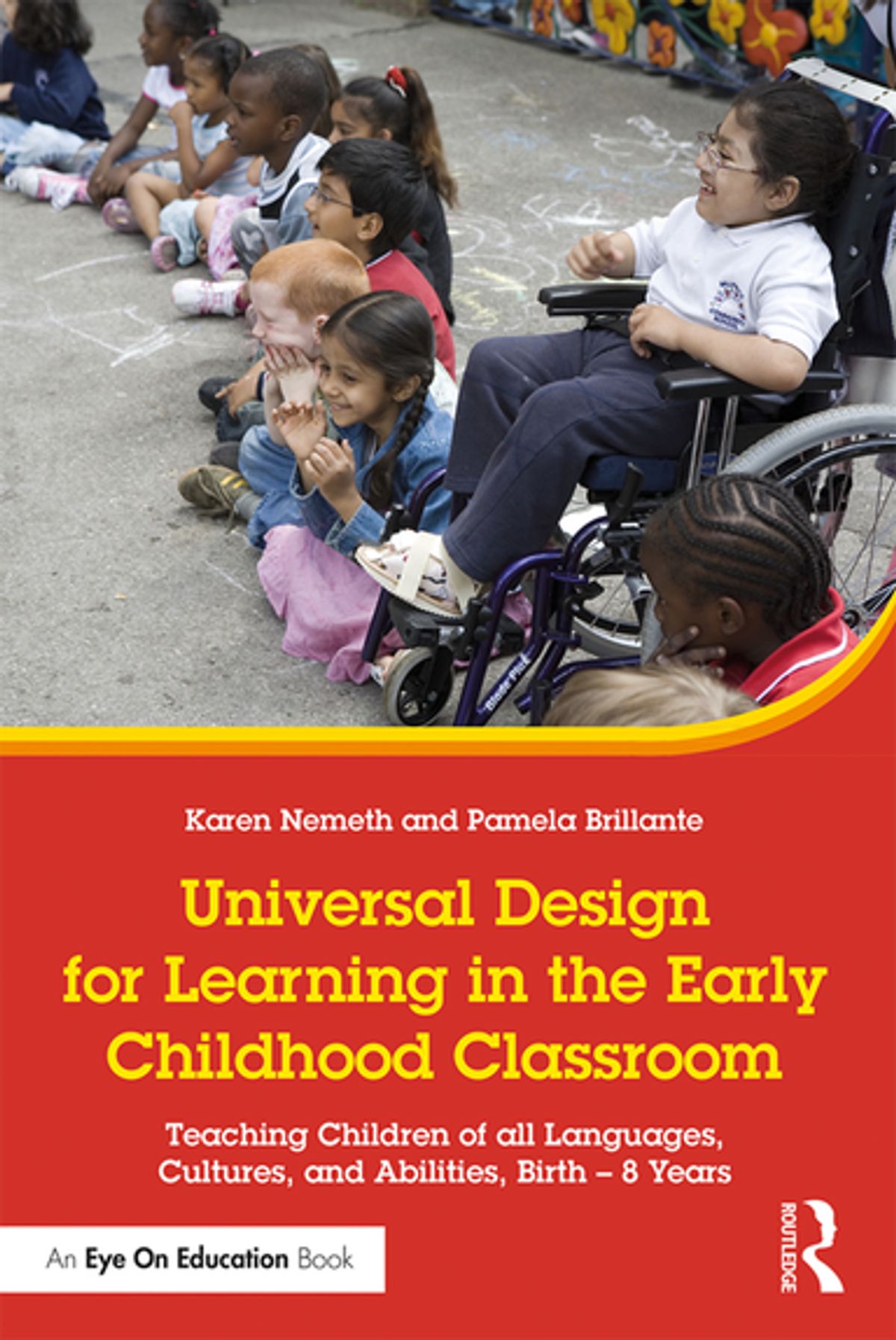
Universal design for learning in the early childhood classroom: Teaching children of languages, cultures and abilities, birth-8 years

by Pamela Brillante and Karen Nemeth

Grades: K-3

This book  focuses on proactively designing PreK through Grade 3 classroom environments, instruction, and assessments that are flexible enough to ensure that teachers can accommodate the needs of all the students in their classrooms.

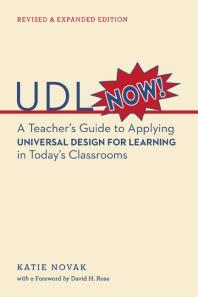
UDL now!: A teacher’s guide to applying universal design for learning in today’s classrooms

by Katie Novak, foreword by David Rose

Grades: K-12

This book shows how to use the UDL Guidelines to plan lessons, choose materials, assess learning, and improve instructional practice. Novak discusses key concepts such as scaffolding, vocabulary-building, and using student feedback to inform instruction.

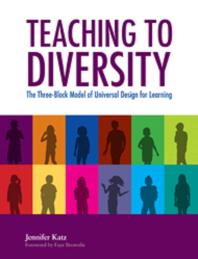
Teaching to diversity: The three-block model of universal design for learning

by Jennifer Katz, foreword by Faye Brownlie (E-book available here)

Grades: K-12

This book demonstrates a three-block model of UDL: Block One, Social and Emotional Learning; Block Two, Inclusive Instructional Practice; and Block Three, Systems and Structures: This model can empower educators with the knowledge, skills, and confidence required to teach diverse learners in the same classroom.

Resource teachers: A changing role in the three-block model of universal design for learning

by Jennifer Katz

Grades: K-12

Building on the three-block model described in Teaching to diversity, Katz describes the fundamental shift in the role of the resource teacher in the inclusive classroom. This book discusses practical and innovative ways to partner with classroom teachers to create inclusive learning communities – by co-planning, co-teaching, and co-assessing instruction – with less emphasis on traditional practices of pull-out remediation, IEPs, and modified programming.

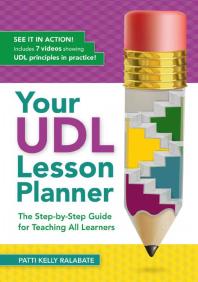
Your UDL lesson planner: The step-by-step guide for teaching all learners

by Patti Kelly Ralabate (E-book available here)

Grades: K-12

Through vignettes, exercises, video demonstrations, and other resources, K-12 educators will discover how to translate UDL from theory to practice, and plan lessons that meet every learner’s needs.

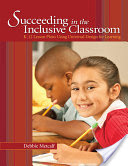
Succeeding in the inclusive classroom: K-12 lesson plans using universal design for learning

by Debbie Metcalf

Grades: K-12

This book provides strategies teachers can use to apply the principles of UDL to their lesson planning, by considering “up front” potential barriers that could limit access to instruction for some learners and brainstorming possible solutions before lessons begin.

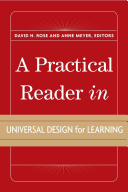
 A practical reader in universal design for learning

edited by David H. Rose and Anne Meyer

Grades: K-12

The authors collected here offer insights on learner differences, the capacities of new media in the classroom, and effective teaching and assessment practices. The book also includes lessons from teacher professional development workshops, classroom-based research, and UDL practitioners.

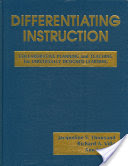
Differentiating instruction: Collaborative planning and teaching for universally designed learning

by Jacqueline S. Thousand, Richard A. Villa, and Ann I. Nevin

Grades: K-12

The authors demonstrate how to use co-planning, co-teaching, and collaboration to differentiate instruction more effectively. The book showcases examples of good practice using differentiated instruction through retrofit and universal design.

The maker playbook : a guide to creating inclusive learning experiences

by Caroline D. Haebig

Grades: K-12

This book provides concrete strategies for designing and implementing cultural and instructional supports for maker learning, and equipping makerspaces to model universal design for learning (UDL) in action.


Finding More Resources

To find more resources in this area, try the following:

  • Search using the General tab on the UBC Library website to look for material in all UBC Library branches.
  • Search using “Search Education Resources” box in the left-hand bar on the Education Library website to limit your results to physical materials in the Education Library.
  • Use specific search terms, such as “universal design for learning”, “individualized instruction”, “inclusive education”, or “Instructional systems–Design”
  • To find lesson plans, include “lesson plans”, “lesson planning”, or “activity programs” in your search terms.

PDF Booklist

For more help with searching, please visit the Library Service Desk or e-mail ed.lib@ubc.ca.

Categories
Planning for Teaching and Learning

Understanding by Design (Backwards Design)

Listed below are selected resources for teachers related to Understanding by Design, also known as Backwards Design or UbD.

Understanding by design

by Grant Wiggins and Jay McTighe

Grades: K-12

A foundational text in the understanding by design/backwards design approach, the book explains the rationale of backward design and explores in greater depth the meaning of such key ideas as ‘essential questions’ and ‘transfer tasks’. Readers will learn why the familiar coverage- and activity-based approaches to curriculum design fall short, and how a focus on the six facets of understanding can enrich student learning.

The understanding by design guide to creating high-quality units

by Grant Wiggins and Jay McTighe (E-book available here)

Grades: K-12

This companion to Understanding by design offers instructional modules on the basic concepts and elements of the approach. The eight modules are organized feature components similar to what is typically provided in an understanding by design workshop, including discussion and explanation of key ideas in the module; guiding exercises, worksheets, and design tips; examples of unit designs; and review criteria with prompts for self-assessment.

The understanding by design guide to advanced concepts in creating and reviewing units

by Grant Wiggins and Jay McTighe

Grades: K-12

This companion to Understanding by design and The understanding by design guide to creating high-quality units offers instructional modules on how to refine units created using this approach and how to effectively review them using self-assessment and peer review. The modules include narrative discussion of key ideas in the module; exercises, worksheets, and design tips: examples of unit designs; and review criteria for self- and peer assessment.

Integrating differentiated instruction and understanding by design: Connecting content and kids

by Carol Ann Tomlinson and Jay McTighe

Grades: K-12

Understanding by Design is predominantly a curriculum design model that focuses on what teachers teach. Differentiated Instruction focuses on who, where, and how teachers teach. This book shows teachers how to use the principles of backward design and differentiation together to craft lesson plans that will teach essential knowledge and skills for the full spectrum of learners.

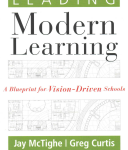
Leading modern learning: A blueprint for vision-driven schools

by Jay McTighe and Greg Curtis

Grades: K-12

Through this book, readers will understand backward design and how it aligns instruction with the principles of modern learning; learn about the history of curriculum mapping and explore each element of curriculum blueprints; examine the principles and goals of effective assessment and look at a framework for setting up assessments; review sample maps and rubrics for encouraging and interpreting modern learning; and explore ways to report data.

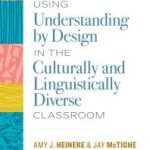
Using understanding by design in the culturally and linguistically diverse classroom

by Amy J. Heineke and Jay McTighe

Grades: K-12

Through the UbD framework, this book explores the fundamentals of language and language development; using students’ diversity as a resource for instruction; designing units and lessons that integrate language development with content learning in the form of essential knowledge and skills; and assessing in ways that enable language learners to reveal their academic knowledge.

Schooling by design: Mission, action and achievement

by Grant Wiggins and Jay McTighe

Grades: K-12

This book applies the principles of understanding by design in the classroom to the reform of schooling as a whole.


Finding More Resources

To find more resources in this area, try the following:

  • Search using the General tab on the UBC Library website to look for material in all UBC Library branches.
  • Search using “Search Education Resources” box in the left hand bar on the Education Library website to limit your results to physical materials in the Education Library.
  • Use specific search terms to narrow your results, such as “curriculum planning” or “curriculum-based assessment”.
  • To find lesson plans, include “lesson plans”, “lesson planning”, or “activity programs” in your search terms.

For more help with searching, please visit the Library Service Desk or e-mail ed.lib@ubc.ca.
Categories
Planning for Teaching and Learning

Project-Based Learning

Listed below are selected resources for teachers related to Project-Based Learning.

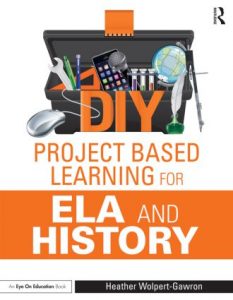
DIY project based learning for ELA and history

by Heather Wolpert-Gawron

Grades: K-12

This book will help teachers who want to incorporate project-based learning into their English Language Arts and History classrooms to create units, ground lessons in real-world problems, incorporate role-playing into everyday learning, and assess multiple skills and subject areas in an integrated way. (E-book only)

Project based teaching: How to create rigorous and engaging learning experiences

by Suzie Boss and John Larmer

Grades: K-12

The authors explore practices integral to project based teaching, including building the culture, designing and planning, managing activities, assessing and scaffolding student learning, and engaging and coaching students.

Setting the standard for project based learning

by John Larmer, John Mergendoller, and Suzie Boss

Grades: K-12

The authors take readers through the step-by-step process of how to create, implement, and assess project-based learning using a classroom-tested framework. Also included are chapters for school leaders on implementing project-based learning systemwide, and the use of this approach in informal settings.

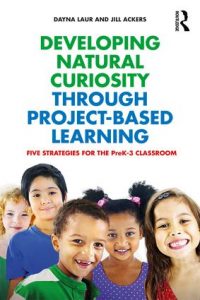
Developing natural curiosity through project-based learning: Five strategies for the preK-3 classroom

by Dayna Laur and Jill Ackers.

Grades: K-3

This guide provides step-by-step instructions for PreK–3 teachers interested in embedding project-based learning in their daily classroom routine, showing five steps teachers can use to create authentic challenges for their learners. (E-book only)

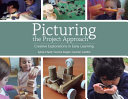
Picturing the project approach: Creative explorations in early learning

by Sylvia C. Chard, Yvonne Kogan, and Carmen A. Castillo

Grades: K-6

This book will help teachers in toddler, preschool or elementary classrooms incorporate project-based learning by identifying a topic, deciding on and developing a project, sharing the learning, and closing the project.

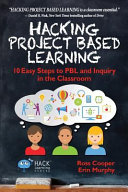
Hacking project based learning: 10 easy steps to PBL and inquiry in the classroom

by Ross Cooper and Erin Murphy

Grades: K-12

The authors provide 10 techniques for teachers to use to bring project-based learning into their classrooms, including creating umbrella questions to drive the project, building progress assessment tools, teaching and embracing reflection, and more.

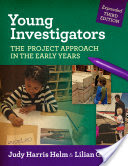
Young investigators: The project approach in the early years

by Judy Harris Helm and Lilian G. Katz

Grades: K-2

The third edition of this book gives teachers guidance on conducting meaningful project-based investigation with young children, and identifies activities and experiences that will help children grasp key concepts and skills.

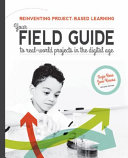
Reinventing project-based learning: Your field guide to real-world projects in the digital age

by Suzie Boss and Jane Krauss

Grades: K-12

The authors explore strategies for overcoming the limitations of the traditional classroom, including technology tools for inquiry, collaboration and global connection.

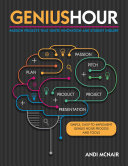
Genius hour: Passion projects that ignite innovation and student inquiry

by Andi McNair

Grades: K-12

This book provides educators with the tools to implement genius hour, or passion projects, in the classroom, using the six P’s–passion, pitch, plan, project, product, and presentation–as a map for students to follow as they create, design, and carry out projects.

Note: when you search for materials in this area, you may also want to search for “project method in teaching”, which is an older but still frequently used term.


Finding More Resources

To find more resources in this area, try the following:

  • Search using the General tab on the UBC Library website to look for material in all UBC Library branches.
  • Search using “Search Education Resources” box in the left hand bar on the Education Library website to limit your results to physical materials in the Education Library.
  • Use specific search terms, such as “project method in teaching” or “project-based learning”.
  • To find lesson plans, include “lesson plans”, “lesson planning”, or “activity programs” in your search terms.

For more help with searching, please visit the Library Service Desk or e-mail ed.lib@ubc.ca.
Categories
Planning for Teaching and Learning

Integrating Technology

Listed below are selected resources for teachers related to Integrating Technology.

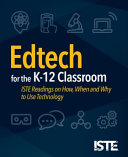
Edtech for the K-12 classroom: ISTE readings on how, when and why to use technology

edited by Diana Fingal

Grades: K-12

This book is designed to help future teachers use technology effectively in their classrooms and schools, offering concrete lesson plans, reflections from other teachers and advice from edtech experts on how to empower learners using technology

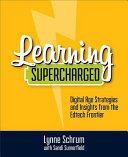
Learning supercharged: Digital age strategies and insights from the edtech frontier

by Lynne Schrum, with Sandi Sumerfield

Grades: K-12

This book looks at emerging approaches and tools, and incorporates professional educators’ stories of how and why they have implemented each trend, including information on challenges faced and overcome, how to get started and other resources to explore.

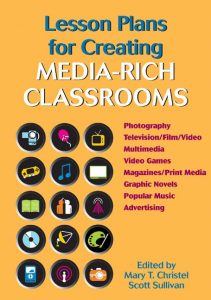
Lesson plans for creating media-rich classrooms

edited by Mary T. Christel and Scott Sullivan

Grades: K-12

This book contains twenty-seven lesson plans designed to help teachers integrate media literacy concepts, and skills into the curriculum, each with a rationale, activity, and assessment and adaptation suggestions, covering photography, multimedia, video, print, graphic novels, music, video games, and advertising.


Finding More Resources

To find more resources in this area, try the following:

  • Search using the General tab on the UBC Library website to look for material in all UBC Library branches.
  • Search using “Search Education Resources” box in the left hand bar on the Education Library website to limit your results to materials in the Education Library.
  • Use specific search terms to narrow your results, such as “inclusive classrooms”, “inclusive education”, “inclusion”, “equitable”, “diversity”, or “supportive”.
  • To find lesson plans, include “lesson plans”, “lesson planning”, or “activity programs” in your search terms.

For more help with searching, please visit the Library Service Desk or e-mail ed.lib@ubc.ca.
Categories
Planning for Teaching and Learning

Differentiated and Personalized Learning

Listed below are selected resources for teachers related to Differentiated and Personalized Learning.

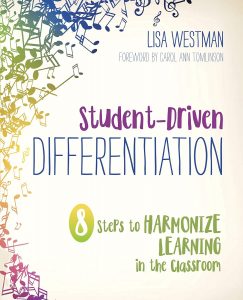
Student-driven differentiation: 8 steps to harmonize learning in the classroom

by Lisa Westman

Grades: K-12

This book demonstrates how to incorporate student voice and choice in the process of planning for student-driven differentiation, starting with building collaborative student-teacher relationships as a precursor to student growth.

Lesson design for differentiated instruction, grades 4-9

by Kathy Tuchman Glass, foreword by H. Lynn Erickson

Grades: 4-9

Designed for teachers who are new to differentiating instruction, this book provides step-by-step guidance for creating meaningful lessons in language arts, math, science, and social studies at the upper elementary and middle school levels.

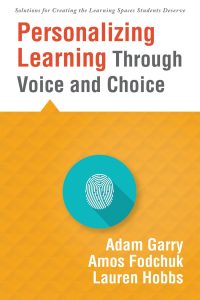
Personalizing learning through voice and choice

by Adam Garry, Amos Fodchuk, and Lauren Hobbs

Grades: K-12

This book introduces the key concepts of personalized learning and breaks down what personalized learning looks, sounds, and feels like in the classroom. The authors discuss structures that empower student voice and choice across a school, and lead to increased motivation for students.

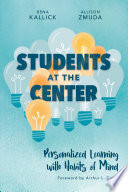
Students at the Center: Personalized Learning with Habits of Mind

by Bena Kallick and Allison Zmuda

Grades: K-12

The authors map out a model of personalization that puts students at the center, and highlight the habits that empower students to pursue aspirations, investigate problems, design solutions, chase curiosities, and create performances.

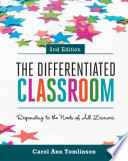
The differentiated classroom: responding to the needs of all learners

by Carol Ann Tomlinson (E-book available here)

Grades: K-12

This book explains the theoretical basis of differentiated instruction, explores the variables of curriculum and learning environment, shares a range of instructional strategies, and then goes inside elementary and secondary classrooms in many subject areas to illustrate how teachers are applying differentiation principles and strategies to respond to the needs of all learners.

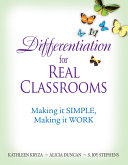
Differentiation for real classrooms: Making it simple, making it work

by Kathleen Kryza, Alicia Duncan, and S. Joy Stephens

Grades: K-12

Based on the authors’ “C U KAN” and “Chunk, Chew, and Check” frameworks, this book helps teachers to implement effective, differentiated instruction by identifying a clear learning target, getting to know their students as people and as learners, and understanding how to vary the learning pathways to the same target for different learners.

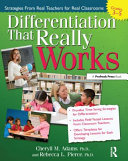
Differentiation that really works, Grades 3-5: Strategies from real teachers for real classrooms

by Cheryll M. Adams and Rebecca L. Pierce

Grades: 3-5

This book provides strategies and lesson ideas created and field-tested for heterogeneous classrooms, including exit cards, choice boards, cubing, graphic organizers, learning contracts, and tiered lessons. It also provides templates that can be used to develop new lessons using each strategy.

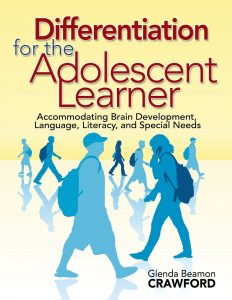
Differentiation for the adolescent learner: Accommodating brain development, language, literacy, and special needs

by Glenda Beamon Crawford

Grades: 7-12

The author focuses on the adolescent learner and outlines brain-compatible instructional strategies applicable to all students, including English Language Learners, gifted populations, and others with special needs. Readers will encounter a six-point differentiated model based on adolescents′ need for personal connection, appropriate intellectual challenge, emotional engagement, guided social interaction, metacognitive development, and a supportive learning environment.

Differentiated instruction made practical: Engaging the extremes through classroom routines

by Rhonda Bondie and Akane Zusho

Grades: K-12

This book introduces teachers to the All Learners Learning Every Day (ALL-ED) framework, which enables tailored instruction for every learner, not just the middle of the pack.

Note:

When you search for materials in this area, you may also want to search for “individualized instruction”, which is an older but still frequently used term.


Finding More Resources

To find more resources in this area, try the following:

  • Search using the General tab on the UBC Library website to look for material in all UBC Library branches.
  • Search using “Search Education Resources” box in the left hand bar on the Education Library website to limit your results to physical materials in the Education Library.
  • Use specific search terms, such as “individualized instruction”, “differentiated learning”, “personalized learning”, “equitable”, or “diversity”.
  • To find lesson plans, include “lesson plans”, “lesson planning”, or “activity programs” in your search terms.

PDF Booklist

For more help with searching, please visit the Library Service Desk or e-mail ed.lib@ubc.ca.

Categories
Planning for Teaching and Learning

Active Learning

Listed below are selected resources for teachers related to Active Learning.

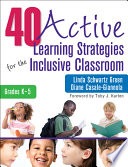
40 active learning strategies for the inclusive classroom, grades K-5

by Linda Schwartz Green and Diane Casale-Giannola

Grades: K-5

The authors provide strategies for incorporating active learning in the inclusive classroom, including directions for use, sample applications across content areas, and how-tos.

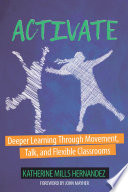
Activate: Deeper learning through movement, talk, and flexible classrooms

by Katherine Mills Hernandez

Grades: K-12

The book describes practical ways to incorporate movement into the classroom routine, based on research on how an active brain generates true learning, to help create classrooms optimized for deeper engagement and lasting learning. (E-book only)

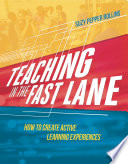
Teaching in the fast lane: How to create active learning experiences

by Suzy Pepper Rollins

Grades: K-12

The author details how to design, manage, and maintain an active classroom that balances autonomy and structure. The book offers student-centered, practical strategies on sorting, station teaching, and cooperative learning that will help teachers build on students’ intellectual curiosity, self-efficacy, and sense of purpose.

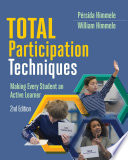
Total participation techniques: Making every student an active learner

by Persida Himmele and William Himmele

Grades: K-12

The authors provide detailed descriptions of the Total Participation Techniques (TPTs) with step-by-step instructions, plus reproducible blackline masters for student response cards as well as posters to remind teachers to use the techniques. They also suggest how teachers can adapt and personalize the techniques to fit specific contexts and content.

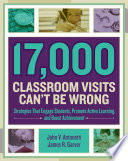
17,000 classroom visits can’t be wrong: Strategies that engage students, promote active learning, and boost achievement

by John V. Antonetti and James R. Garver

Grades: K-12

The authors share salient lessons that provide insight into how to smooth the transition from simply planning instruction to designing high-quality student work, along with stories of successful practice and practical tools ready for immediate classroom application. (E-book only)

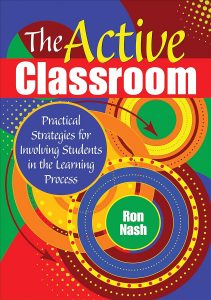
The active classroom: Practical strategies for involving students in the learning process

by Ron Nash

Grades: K-12

This resource shows how to turn passive students into enthusiastic participants in their own learning. The author illustrates how teachers can become facilitators who establish an interactive and safe environment for learning, manage movement in the classroom, and teach to all learning modalities

The active teacher: Practical strategies for maximizing teacher effectiveness

by Ron Nash

Grades: K-12

Emphasizing routines, rules, and relationships, this book helps teachers lead students in a clear, consistent manner that wins their trust and develops their personal responsibility. Readers will find guidance on creating and sustaining a classroom community that promotes respect and achievement, fully involving students in learning while addressing a wide range of cognitive styles, and collaborating with students, colleagues, and parents.

100 experiential learning activities for social studies, literature, and the arts, grades 5-12

by Eugene F. Provenzo Jr., Dan W. Butin, and Anthony Angelini

Grades: 5-12

Active learning promotes critical thinking, deep understanding, and transfer to real-life situations of knowledge about such important issues as social justice, culture, language, diversity, the arts, economics, and science and technology. The authors have compiled 100 ready-to-use units that address critical social issues, which emphasize comprehension, comparison, and transfer across disciplinary boundaries.

Joyful learning: Active and collaborative learning in inclusive classrooms

by Alice Udvari-Solner and Paula Kluth

Grades: K-12

This resource is intended to help build inclusive classrooms serving all learners, including those with cognitive, sensory, cultural, learning, and/or linguistic differences. The authors present strategies for engaging students in discussion, debate, creative thinking, questioning, and teamwork. The book gives teachers the tools to promote relationship building and interdependence, help students teach one another as they make discoveries about course content, and engage in whole-class learning while assisting students who need personalized instruction.


Finding More Resources

To find more resources in this area, try the following:

  • Search using the General tab on the UBC Library website to look for material in all UBC Library branches.
  • Search using “Search Education Resources” box in the left hand bar on the Education Library website to limit your results to physical materials in the Education Library.
  • Use specific search terms, such as “active learning”, “group work in education”, or “experiential learning”.
  • To find lesson plans, include “lesson plans”, “lesson planning”, or “activity programs” in your search terms.

For more help with searching, please visit the Library Service Desk or e-mail ed.lib@ubc.ca.
Spam prevention powered by Akismet