Categories
Sciences

The Water Cycle

Listed below are selected teacher resources, picture books, and non-fiction related to the water cycle. You may also find useful resources on our Earth Sciences booklist.

Teacher Resources
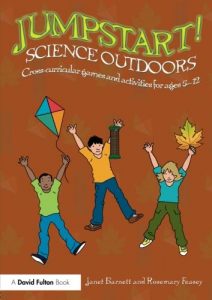
Jumpstart! Science outdoors: Cross-curricular games and activities for ages 5-12

by Janet Barrett and Rosemary Feasey

Grades: K-6

This collection of engaging and simple-to-use activities will jumpstart students’ understanding of science by taking teaching and learning outdoors and linking it to a specific area of the curriculum. A wealth of practical activities in the book cover all areas from identifying, classifying and grouping to pattern seeking, making observations and comparative and fair testing. Includes a section on the water cycle. (E-book only)
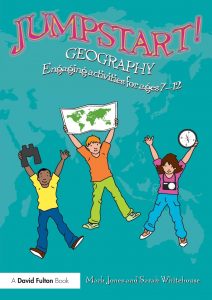
Jumpstart! Geography: Engaging activities for ages 7-12

by Mark Jones and Sarah Whitehouse

Grades: 2-6

This collection of simple to use and fun activities will jumpstart pupils’ understanding of the geographical skills of inquiry, outdoor learning, understanding graphic representations, and communication. Pupils will develop their knowledge and understanding of people, places and issues through being encouraged to ‘think geographically’ about the world they live in.  Chapter 4 contains activities related to the water cycle. (E-book only)
A little bit of dirt: 55+ science and art activities to reconnect children with nature

by Asia Citro

Grades: K-6

Through activities such as investigating the health of local streams, making acrylic sunprints with leaves and flowers, running an experiment with backyard birds, or concocting nature potions, this book suggests a range of ways to foster children’s connection with nature. Includes activities related to the water cycle.
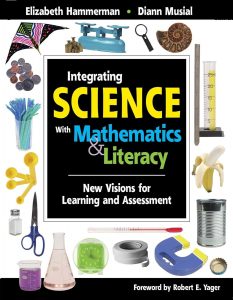
Integrating science with mathematics and literacy: New visions for learning and assessment

by Elizabeth Hammerman and Diann Musial

Grades: 3-9

Defining new visions for science, mathematics, and language arts education, the authors provide a clearly articulated set of performance assessments, allowing teachers to assess students’ knowledge and abilities through investigation, problem solving, inventiveness, and inquiry. Chapter 8 focuses on the water cycle.

Picture Books
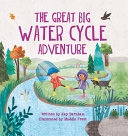
The great big water cycle adventure

written by Kay Barnham, illustrated by Maddie Frost

Grades: K-3

Follow the amazing journey water takes, from rivers and oceans, to raindrops, to rain, and back to the beginning again.
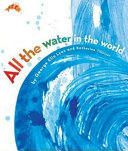
All the water in the world

written by George Ella Lyon, illustrated by Katherine Tillotson

Grades: 1-3

Water comes from many places – taps, wells, rain, lakes, and more. But where does it go? This book illustrates the flow of this great world’s life story.
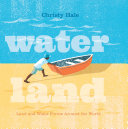
Water land: Land and water forms around the world

written and illustrated by Christy Hale

Grades: 3-5

Die-cut pages identify and contrast types of water bodies and their corresponding land masses to help young readers understand how connected the earth and the water really are.

Non-Fiction
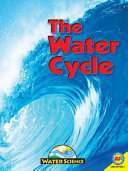
The water cycle

by Frances Purslow

Grades: 2-3

This book introduces the cycle of water on the Earth’s surface and discusses why water is so important to life on the planet. Includes information about how water molecules move, access to fresh water, water pollution, and more. Part of the Water science series.
What’s so fresh about fresh water?

by Ellen Lawrence

Grades: 2-6

Earth is covered in water, yet just a tiny amount of that liquid is actually fresh water. Readers will learn about where liquid fresh water can be found on Earth’s surface, the differences between fresh water and salt water, why water is essential for life on Earth, and what we can do to protect it.
Saving water: The water cycle

by Buffy Silverman

Grades: 3-6

How much water should you drink in a day? Where does rain go? How does water shape the land? Explore the answers to these questions and more through experiments and activities, and learn more about the world around us. Part of the Do it yourself series.
Water wow! An infographic exploration

written by Antonia Bayard and Paula Ayer, illustrated by Belle Wuthrich

Grades: 4-7

Where did water come from before it got to Earth? Why is the water you drink the same stuff that was around when dinosaurs were alive? If water can’t be created or destroyed, how can we run out? How does climate change affect water and vice versa? How are water access and girls’ education worldwide connected? Find out the answers to these and many more questions through infographics.
Earth’s water cycle

by Diane Dakers

Grades: 4-6

Water can be found in different forms all around us. This book explains how the Earth’s supply of water moves from bodies of water, to the atmosphere, and to land in a process called the water cycle. The author explains such processes as transpiration, evaporation, condensation, and precipitation, as well as the important roles of sunlight and gravity in the water cycle.
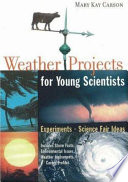
Weather projects for young scientists: Experiments and science fair ideas

by Mary Kay Carson

Grades: 4-7

From the everyday phenomena of wind and clouds to the awesome, destructive power of lightning, tornadoes, and hurricanes, children can explore weather in detail with this science activity book. More than 40 weather projects are included, such as building a model of the water cycle, creating a tornado in a bottle, calculating dew point, reading a weather map, building weather-measuring instruments, and more.
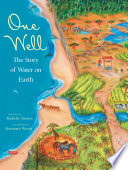
One well: The story of water on earth

written by Rochelle Strauss, illustrated by Rosemary Wells

Grades: 3-7

All water is connected. Every raindrop, lake, underground river and glacier is part of a single global well. Water has the power to change everything: a single splash can sprout a seed, quench a thirst, provide a habitat, generate energy and sustain life. How we treat the water in the well will affect every species on the planet, now and for years to come.


Finding More Resources

To find more resources in this area, try the following:

  • Search using the General tab on the UBC Library website to look for material in all UBC Library branches.
  • Search using “Search Education Resources” box in the left hand bar on the Education Library website to limit your results to materials in the Education Library.
  • Use specific search terms to narrow your results, such as “water–juvenile literature”, “hydrologic cycle–juvenile literature”, “weather”, or “science–study and teaching”.
  • To find lesson plans, include “lesson plans”, “lesson planning”, or “activity programs” in your search terms.

For more help with searching, please visit the Library Service Desk or e-mail ed.lib@ubc.ca.

Categories
Sciences

Life Sciences

Listed below are selected teacher resources, picture books, and non-fiction related to life sciences.

Teacher Resources

Living Things for Grades K-2: An Inquiry Approach

by Jennifer Lawson

Grades: K-2

This book covers how to teach about land, water, and sky in alignment with the current BC curriculum. Uses the Know-Do-Understand model, First Peoples Principles of Learning, and an inquiry approach. Part of the Hands-on Science series.

Living Things for Grades 3-5: An Inquiry Approach

by Jennifer Lawson

Grades: 3-5

This book covers how to teach about living things in alignment with the current BC curriculum. Uses the Know-Do-Understand model, First Peoples Principles of Learning, and an inquiry approach. Part of the Hands-on Science series.

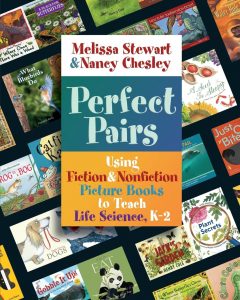
Perfect pairs: Using fiction and nonfiction books to teach life science, K-2

by Melissa Stewart and Nancy Chesley

Grades: K-2

Children can’t follow a lion as it stalks a gazelle, visit the exotic kapok tree in a rain forest, or swim alongside the underwater life in a pond. But they can explore a whole world of animals, plants, and ecosystems through the pages of science-themed picture books. Each of the lessons in this book is built around a pair of books that introduces a critical life science concept and guides students through an inquiry-based investigative process to explore that idea.

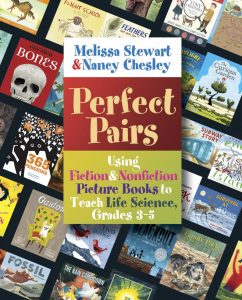
Perfect pairs: Using fiction and nonfiction books to teach life science, grades 3-5

by Melissa Stewart and Nancy Chesley

Grades: 3-5

The follow-up to the previous title for older elementary students.

Hands-on life science activities for grades K-6

by Marvin N. Tolman

Grades: K-6

This book offers activities that help teach students thinking and reasoning skills along with basic life science concepts and facts. The activities follow the discovery/inquiry approach and encourage students to analyze, synthesize, and infer based on their own hands-on experiences.

A little bit of dirt: 55+ science and art activities to reconnect children with nature

by Asia Citro

Grades: K-6

Through activities such as investigating the health of local streams, making acrylic sunprints with leaves and flowers, running an experiment with backyard birds, or concocting nature potions, this book suggests a range of ways to foster children’s connection with nature.

Everyday life science mysteries: Stories for inquiry-based science teaching

by Richard Konicek-Moran

Grades: K-8

How do tiny bugs get into oatmeal? What makes children look like–or different from–their parents? Where do rotten apples go after they fall off the tree? By presenting everyday mysteries like these, the 20 open-ended stories in this book will motivate students to carry out hands-on science investigations and actually care about the results.

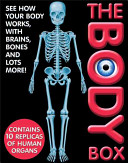
The body box: see how your body works, with brains, bones, and lots more!

by Anita Ganeri

Grades: 2-6

A kidney, a brain, a heart, an eyeball, and a plastic skeleton with removable parts are assembled in this kit, along with a book describing the human body in 14 two-page spreads.

Picture Books

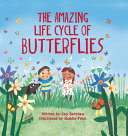
The amazing life cycle of butterflies

written by Kay Barnham, illustrated by Maddie Frost

Grades: K-3

Two children discover the incredible life cycle of butterflies, from caterpillar to chrysalis to adult.

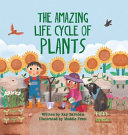
The amazing life cycle of plants

written by Kay Barnham, illustrated by Maddie Frost

Grades: K-3

Children explore the life cycle of plants, from seed to shoot to full-grown plant.

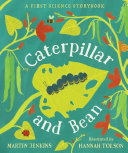
Caterpillar and bean

written by Martin Jenkins, illustrated by Hannah Tolson

Grades: 1-4

A newly-sprouted plant has a newly-hatched caterpillar on one of its leaves. Together they grow and grow throughout the year.

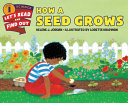
How a seed grows

written by Helene J. Jordan, illustrated by Loretta Krupinski

Grades: K-3

How does a tiny seed grow into a flower, or a bush, or a tree? Explore and find out.

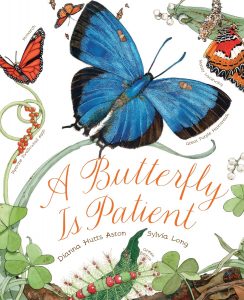
A butterfly is patient

written by Diana Hutts Aston, illustrated by Sylvia Long

Grades: K-3

From the world’s tiniest butterfly (Western Pygmy Blue) to the largest (Queen Alexandra’s Birdwing), and throughout their complex life cycle, an incredible variety of butterflies are shown and described here in all of their magnificence.

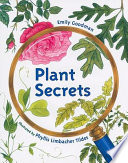
Plant secrets

written by Emily Goodman, illustrated by Phyllis Limbacher Tildes

Grades: K-3

Plants come in all shapes and sizes, but they go through the same stages as they grow. Using four common plants, young readers learn about a plant’s life cycles: from seed to plant to flower to fruit and back again.

Tree song

written by Tiffany Stone, illustrated by Holly Hatam

Grades: K-3

Follow the life cycle of a tree as it grows from seedling to mature tree, and finally gives way to a new sapling. The tree provides a canopy for a summer picnic, a home for animals, and a perfect place to hang a swing. When old age fells the tree, it leaves an acorn from which a new tree will grow.

First the egg

by Laura Vaccaro Seeger

Grades: K-3

Which came first: the chicken or the egg? Simple die-cuts magically present transformation– from seed to flower, tadpole to frog, caterpillar to butterfly. Seed becomes flower, paint becomes picture, word becomes story–and the commonplace becomes extraordinary.

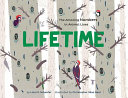
Lifetime: The amazing numbers in animal lives

written by Lola M. Schaefer, illustrated by Christopher Silas Neal

Grades: K-3

In one lifetime, a caribou will shed 10 sets of antlers, a woodpecker will drill 30 roosting holes, a giraffe will wear 200 spots, and a seahorse will birth 1,000 babies. Count each one and many more while learning about the wondrous things that can happen in just one animal’s lifetime.

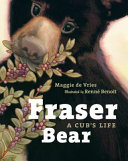
Fraser bear: A cub’s life

written by Maggie de Vries, illustrated by Renné Benoit

Grades: K-4

Follows a black bear cub’s life in the Pacific Northwest from his birth to his first salmon catch at the Fraser River, uniting the cycles of bear and fish. A map and further information about bears and salmon are included.

Non-Fiction

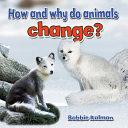
How and why do animals change?

by Bobbie Kalman

Grades: K-3

This book compares and contrasts the different characteristics of animals as they change and grow from babies to adults, as well as through the seasons.

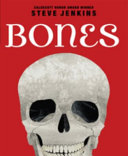
Bones: Skeletons and how they work

by Steve Jenkins

Grades: 1-5

In this visually driven volume, kids come face-to-face with some head-to-toe boney comparisons, many of them shown at actual size. Here you’ll find the differences between a man’s hand and that of a spider monkey; the great weight of an elephant’s leg, paired with the feather-light femur of a stork; and rib-tickling info about snakes and sloths.

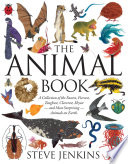
The animal book: a collection of the fastest, fiercest, toughest, cleverest, shyest–and most surprising–animals on earth

by Steve Jenkins

Grades: 1-5

Animals smooth and spiky, fast and slow, hop and waddle through the two hundred plus pages of this book. Sections such as “Animal Senses,” “Animal Extremes,” and “The Story of Life” burst with fascinating facts and infographics. Includes more than 300 animals, an animal index, a glossary, and a bibliography.

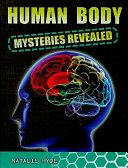
Human body mysteries revealed

by Natalie Hyde

Grades: 3-6

This book explains how our bodies work and throws light on how the brain controls the body with electricity; why we get tired after running fast; how our body knows when to feel sleepy; and whether humans will one day be able to clone themselves. Part of the Mysteries revealed series.

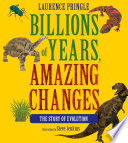
Billions of years, amazing changes: The story of evolution

written by Laurence Pringle, illustrated by Steve Jenkins

Grades: 3-7

Ever since Charles Darwin revealed his landmark ideas about evolution in 1859, new findings have confirmed, expanded, and refined his concepts. Field biology, genetics, geology, paleontology, and medicine all add to the impressive structure of evidence. More than fifty photographs capture natural marvels, including fossils, life forms, and geological wonders.


Finding More Resources

To find more resources in this area, try the following:

  • Search using the General tab on the UBC Library website to look for material in all UBC Library branches.
  • Search using “Search Education Resources” box in the left hand bar on the Education Library website to limit your results to materials in the Education Library.
  • Use specific search terms to narrow your results, such as “life sciences–study and teaching”, “nature–juvenile literature”, “children and the environment”, “nature study–activity programs”, “plants–juvenile literature”, or “animals–juvenile literature”.
  • To find lesson plans, include “lesson plans”, “lesson planning”, or “activity programs” in your search terms.

For more help with searching, please visit the Library Service Desk or e-mail ed.lib@ubc.ca.
Categories
Sciences

Environmental Science and Sustainability

Listed below are selected teacher resources, picture books, fiction, and non-fiction related to environmental science and sustainability.

Teacher Resources

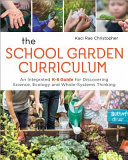
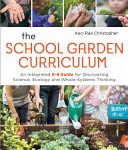
The school garden curriculum: An integrated K-8 guide for discovering science, ecology, and whole-systems thinking

by Kaci Rae Christopher

Grades: K-8

The author offers a comprehensive framework enabling students to grow their knowledge throughout the school year and build on it from kindergarten to grade eight. From seasonal garden activities to inquiry projects and science-skill building, children will develop organic gardening solutions, a positive land ethic, systems thinking, and instincts for ecological stewardship.

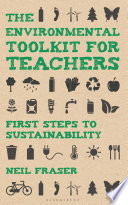
The environmental toolkit for sustainability: First steps to sustainability

written by Neil Fraser, illustrated by Hanna Forsgren

Grades: K-12

This guide shows ways to reduce your school’s ecological footprint, and create and embed a sustainability ethos. Whether you are a teacher eager to make your classroom a more eco-friendly environment or a head teacher who wants to set up a whole school project, there are practical strategies and activities in this book for you. This book includes 75 eco-projects and lessons that cover how to manage litter, waste and energy efficiently in a time saving, cost effective manner, as well as how to get students involved in the projects.

Sense & sustainability: Educating for a low-carbon world

by Ken Webster et al.

Grades: K-12

This book makes the case for a practical education for sustainability based on exploring and testing frameworks. The authors suggest that education contributes most to the future of our young people when it opens up discussion on how sustainable can be aspirational, talking about “better and better” rather than “less and less”. Comes with online materials and resources for continuing professional development.

Think green, take action: Books and activities for kids

written by Daniel A. Kriesberg, illustrated by Kathleen A. Price

Grades: 3-7

This book combines a wide variety of techniques to help students understand environmental issues and gain the skills needed to take action. The children’s literature and classroom activities suggested here cover three major environmental issues: endangered species, resource depletion, and pollution. After students have a grasp of the causes of these environmental problems, the final chapter presents ways to take easy action that can create ripples of change across the world.

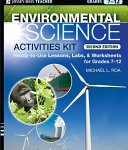
Environmental science activities kit: Ready-to-use lessons, labs and worksheets for grades 7-12

by Michael L. Roa

Grades: 7-12

This book includes more than 35 lessons for middle and high school science teachers on the most compelling and relevant environmental topics, such as global warming, food and water production, alternative energy sources, endangered species, land-use issues, and many more.

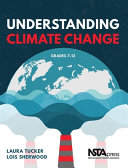
Understanding climate change: Grades 7-12

by Laura Tucker and Lois Sherwood

Grades: 7-12

A nine-session module which includes engaging lessons and activities to help students understand climate change. Includes sections on addressing misconceptions surrounding climate change, evaluating information, understanding the science, and creating solutions.

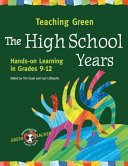
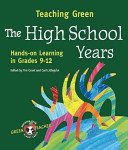
Teaching green, the high school years: Hands-on learning in grades 9-12

edited by Tim Grant and Gail Littlejohn

Grades: 9-12

This book offers fifty teaching strategies that promote learning about natural systems and foster critical thinking about environmental issues, both local and global. Readers learn how best to apply systems thinking, teach about controversial issues, and use a step-by-step approach to creative problem-solving in environmental projects. Also provided are instructions for measuring the ecological footprint of a high school, creating an indoor “living system” that cleans water, monitoring air quality with lichens, and using green technologies to help green school campuses.

Picture Books

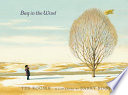
Bag in the wind

written by Ted Kooser, illustrated by Barry Root

Grades: K-3

When a plastic bag is uprooted from a landfill, it begins a journey on the wind that leads to its being used and re-used by many people.

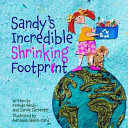
Sandy’s incredible shrinking footprint

written by Femida Handy and Carole Carpenter, illustrated by Adrianna Steele-Card

Grades: K-3

Sandy and her dog Pepper are upset when they find garbage on the beach they love. With the help of the Garbage Lady, they start to learn about everyone’s ecological footprint.

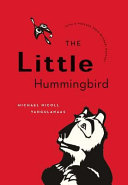
The little hummingbird

by Michael Nicholl Yahgulanaas

Grades: K-3

When the forest is on fire and all of the other animals are frozen with fear, a tiny hummingbird finds the courage to try to save their home.

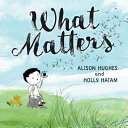
What matters

written by Allison Hughes, illustrated by Holly Hatam

Grades: K-2

When one small boy picks up one small piece of litter, that one small act has big ripples through nature’s connections.

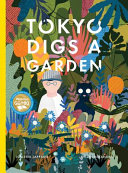
Tokyo digs a garden

written by Jon-Erik Lappano, illustrated by Kellen Hatanaka

Grades: K-2

Tokyo’s small house is increasingly surrounded by skyscrapers and highways. But when an old woman gives him seeds to plant, Tokyo discovers that the big city can become wild again.

Fiction

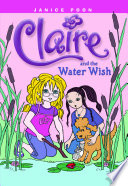
Claire and the water wish

by Janice Poon

Grades: 2-5

Claire and her friends Jet and Sky team up to try to find the polluters who’ve been making the water in a local lake undrinkable.

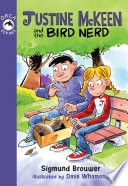
Justine McKeen and the bird nerd

written by Sigmund Brouwer, illustrated by Dave Whamond

Grades: 2-5

When a small bird is injured after flying into a school window, the students are shocked and upset. But they are even more shocked when school bully Jimmy Blatzo rescues the bird and nurses it back to health. When the students discover that the problem isn’t just at their school, young green activist Justine McKeen convinces Jimmy to talk to town council about the issue.

Non-Fiction

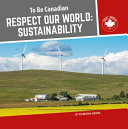
Respect our world: Sustainability

by Ramona Heikel

Grades: 3-6

Discusses efforts by Canadians to preserve water quality, conserve wildlife, clean up pollution and use sustainable energy sources. Part of the To Be Canadian series.

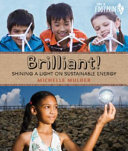
Brilliant! Shining a light on sustainable energy

by Michelle Mulder

Grades: 3-7

Did you know that cars can run on french fry grease, or that kids in Mexico help light up their houses by playing soccer? This book is full of examples of unusual (and often peculiar) power sources, and encourages kids to look around for sustainable ways to light up the world. Part of the Orca footprints series.

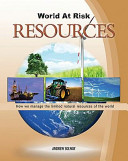
Resources

by Andrew Solway

Grades: 4-7

Discusses how we manage the limited natural resources of the world. Part of the World At Risk series

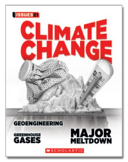
Climate change

by Douglas Fraser

Grades: 6-9

Part of the Issues 21 series, which examines contemporary issues in society in order to develop students’ skills in the areas of critical thinking, creativity, communication, collaboration, ethical citizenship and activism. Includes 6 student books and a teacher’s guide.

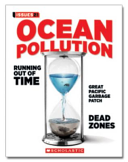
Ocean pollution

by Erika Boas

Grades: 6-9

Part of the Issues 21 series, which examines contemporary issues in society in order to develop students’ skills in the areas of critical thinking, creativity, communication, collaboration, ethical citizenship and activism. Includes 6 student books and a teacher’s guide.

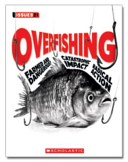
Overfishing

by Jeffrey D. Wilhelm

Grades: 6-9

Part of the Issues 21 series, which examines contemporary issues in society in order to develop students’ skills in the areas of critical thinking, creativity, communication, collaboration, ethical citizenship and activism. Includes 6 student books and a teacher’s guide.

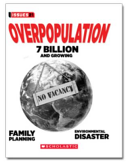
Overpopulation

by Brian Arleth

Grades: 6-9

Part of the Issues 21 series, which examines contemporary issues in society in order to develop students’ skills in the areas of critical thinking, creativity, communication, collaboration, ethical citizenship and activism. Includes 6 student books and a teacher’s guide.

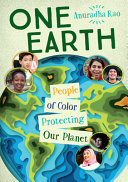
One earth: People of color protecting our planet

by Anuradha Rao

Grades: 7-10

This nonfiction book profiles twenty environmental activists of colour from around the world. Their individual stories show that the intersection of environment and ethnicity is an asset, not an obstacle, to helping the planet. Illustrated with photos of each of the people profiled.

Groundswell: Indigenous knowledge and a call to action for climate change

edited by Joe Neidhardt and Nicole Neidhardt

Grades: 10-12

This collection of essays from both Indigenous and non-Indigenous writers presents a compelling message about how traditional Indigenous knowledge and practices can – and must – be used to address climate change.

Further Reading

Hope Matters: Why Changing the Way We Think Is Critical to Solving the Environmental Crisis

by Elin Kelsey

Explores “evidence-based hope” in relation to climate change. Provides a framework for how to address eco-anxiety, setting a foundation for how we might approach climate change education in the classroom.

Hope in the Dark: Untold Histories, Wild Possibilities

by Rebecca Solnit

Solnit also makes a case for hope and committing to action. She focuses on recognizing the victories, small and large, that have been achieved and bringing attention to the far-reaching impact those victories have and still could provide.

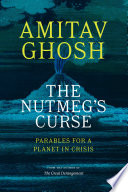
The Nutmeg’s Curse: Parables for a Planet in Crisis

by Amitav Ghosh

Discusses the intersection of colonialism and climate change. Diving into the history of the familiar nutmeg spice, Ghosh reveals how trade and conquest set the stage for our current predicament.

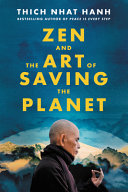
Zen and the Art of Saving the Planet

by Thich Nhat Hanh

Explores the ways in which meditation and mindfulness can lead to climate action. Discusses how we can shape our mind, and therefore influence our actions, reactions and well-being in every day life.


Finding More Resources

To find more resources in this area, try the following:

  • Search using the General tab on the UBC Library website to look for material in all UBC Library branches.
  • Search using “Search Education Resources” box in the left hand bar on the Education Library website to limit your results to materials in the Education Library.
  • Use specific search terms to narrow your results, such as “environmentalism”, “environmental science”, “environmental studies”, “environmental education”, “sustainability”, or “conservation of natural resources”.
  • To find lesson plans, include “lesson plans”, “lesson planning”, or “activity programs” in your search terms.

For more help with searching, please visit the Library Service Desk or e-mail ed.lib@ubc.ca.
Categories
Sciences

Biodiversity and Biomes

Listed below are selected teacher resources, picture books, and non-fiction related to biodiversity and biomes.

Teacher Resources

The school garden curriculum: An integrated K-8 guide for discovering science, ecology, and whole-systems thinking

by Kaci Rae Christopher

Grades: K-8

The author offers a comprehensive framework enabling students to grow their knowledge throughout the school year and build on it from kindergarten to grade eight. From seasonal garden activities to inquiry projects and science-skill building, children will develop organic gardening solutions, a positive land ethic, systems thinking, and instincts for ecological stewardship.

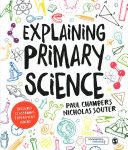
Explaining primary science

by Paul Chambers and Nicholas Souter

Grades: K-6

The authors cover all the major areas of science relevant for beginning primary/elementary school teachers, explaining key concepts from the ground up. Topics include forces, matter, energy, biodiversity and ecosystems, water, light, sound, and more.

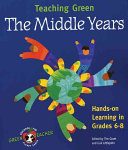
Teaching green: The middle years

edited by Tim Grant and Gail Littlejohn

Grades: 6-8

Offers a wide range of hands-on activities to get middle school students thinking about the environment and the world around them. Includes sections on wetlands, rainforests, habitat fragmentation, food systems, protected areas, and more.

 Environmental science activities kit: Ready-to-use lessons, labs and worksheets for grades 7-12

by Michael L. Roa

Grades: 7-12

This book includes more than 35 lessons for middle and high school science teachers on the most compelling and relevant environmental topics, such as global warming, food and water production, alternative energy sources, endangered species, land-use issues, and many more.

Teaching green, the high school years: Hands-on learning in grades 9-12

edited by Tim Grant and Gail Littlejohn

Grades: 9-12

This book offers fifty teaching strategies that promote learning about natural systems and foster critical thinking about environmental issues, both local and global. Readers learn how best to apply systems thinking, teach about controversial issues, and use a step-by-step approach to creative problem-solving in environmental projects. Includes several chapters related to ecosystems and biomes.

Picture Books

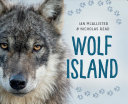
Wolf Island

by Ian McAllister and Nicholas Read

When wolves disappear from an island in the Great Bear Rainforest, the ecosystem is thrown out of whack. Too many deer graze on the plants, leaving not enough food for the other animals. When a lone wolf swims from the mainland to the island, the ecosystem starts to change again.

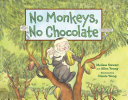
No monkeys, no chocolate

written by Melissa Stewart and Allen Young, illustrated by Nicole Wong

Chocolate comes from cocoa beans, which grow on cocoa trees in tropical rain forests. But those trees couldn’t survive without the help of a menagerie of rain forest critters. Monkeys, a pollen-sucking midge, an aphid-munching anole lizard, brain-eating coffin fly maggots: they all pitch in to help the cocoa tree survive.

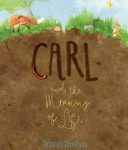
Carl and the meaning of life

by Deborah Freedman

Carl the earthworm spends his days happily tunneling in the soil until a field mouse asks him a simple question that stops him short: “Why?” Carl’s quest takes him on an adventure to meet all the animals of the forest, each of whom seems to know exactly what they were put on this earth to do, unlike Carl. Will Carl find his purposes?

Non-Fiction

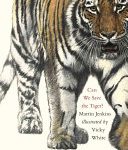
Can we save the tiger?

written by Martin Jenkins, illustrated by Vicky White

Grades: K-3

The tiger is just one of thousands of animals — including the ground iguana, the white-rumped vulture, and the partula snail — currently in danger of becoming extinct. This book looks at the ways human behaviour can either threaten or conserve the amazing animals that share our planet.

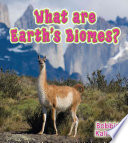
What are Earth’s biomes?

by Bobbie Kalman

Grades: 2-3

Earth has six major types of environments with different climates and containing complex communities of plants and animals that have adapted to the special conditions in each. These types of environments are called biomes. This book explains what biomes are and explores the importance of conserving them and the life forms that inhabit them.

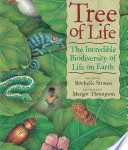
Tree of life: The incredible biodiversity of life on earth

written by Rochelle Strauss, illustrated by Margo Thompson

Grades: 3-7

If every known species on Earth were a leaf on a tree, that tree would have 1,750,000 leaves. Since humans count for just one leaf on the tree, we have a lot to learn about the millions of other forms of life with which we share the world. This book shows how living things are classified into five kingdoms, and how each has much to tell us about all aspects of life on our planet. Part of the CitizenKid series.

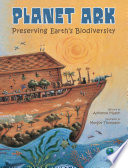
Planet Ark: Preserving Earth’s biodiversity

written by Adrienne Mason, illustrated by Margo Thompson

Grades: 3-7

For billions of years, life on Earth has been evolving. The resulting rich biodiversity is the foundation of life on our planet. Notable features of Earth’s unique biodiversity are described, with a focus on the delicate and threatened interdependencies between species, habitats, climate and more. Part of the CitizenKid series.

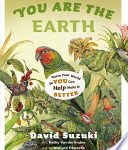
You are the earth: Know your world so you can make it better

written by David Suzuki and Kathy Vanderlinden, illustrated by Wallace Edwards and Talent Pun

Grades: 4-6

This collection of fascinating facts and fables, colorful cartoons, and dynamic illustrations explains how everything on Earth is connected.The book discusses environmental issues and new technologies, and offers many activities. Sidebars offer extra facts, tips, and real-life examples of things other budding ecologists have done to make the world a better place.

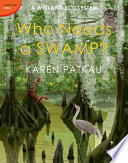
Who needs a swamp? A wetland ecosystem

by Karen Patkau

Grades: 2-5

Swamps are often seen as a dangerous and useless. They are often drained to create farmland or to reduce diseases. But such measures can be disastrous. This book explores wetlands and their importance in the food chain and in preserving our soil and clean water. Part of Karen Patkau’s Ecosystems series.

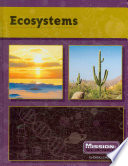
Ecosystems

by Debra J. Housel

Grades: 4-6

Plants and animals interact with each other to form an ecosystem. The ecosystems are found all over the world, in areas called biomes. The biomes have different climates, which in turn determine what kind of plant and animal life make up the ecosystem. Biomes and ecosystems are a part of Earth’s delicate balance.

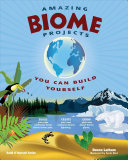
Amazing biome projects you can build yourself

written by Donna Latham, illustrated by Farah Rivzi

Grades: 4-7

From wandering through forests and sizzling in deserts to shivering in the tundra and plunging beneath the seas to explore coral reefs, children can explore each unique climate zone as well as the native flora and fauna’s skills for survival. In each biome, those who use science in their jobs are highlighted, whether at the site of a disastrous oil spill or an archaeological mastodon dig. Projects and activities include making lightning, building an erupting volcano, testing air quality, and creating a tornado in a bottle.

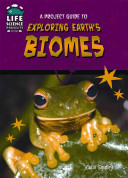
Exploring Earth’s biomes

by Claire O’Neal

Grades: 4-8

Have you ever wondered how plants survive in the desert? Or what happens to worms in the winter? Or where you fit in a food web? Throughout Earth’s six major biomes–tundra, taiga, rain forest, temperate deciduous forest, grassland, and desert–plants and animals use special strategies to cope with challenges in their environment.

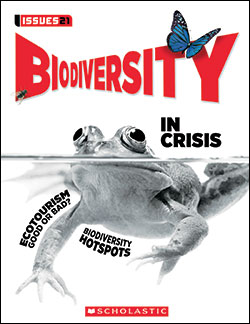
Biodiversity

by Sandy Szeto

Grades: 6-9

Part of the Issues 21 series, which examines contemporary issues in society in order to develop students’ skills in the areas of critical thinking, creativity, communication, collaboration, ethical citizenship and activism. Includes 6 student books and a teacher’s guide.


Finding More Resources

To find more resources in this area, try the following:

  • Search using the General tab on the UBC Library website to look for material in all UBC Library branches.
  • Search using “Search Education Resources” box in the left hand bar on the Education Library website to limit your results to materials in the Education Library.
  • Use specific search terms to narrow your results, such as “biodiversity”, “wildlife conservation”, “environmental education”, “biotic communities”, or “extinction (biology)”.
  • To find lesson plans, include “lesson plans”, “lesson planning”, or “activity programs” in your search terms.

For more help with searching, please visit the Library Service Desk or e-mail ed.lib@ubc.ca.
Spam prevention powered by Akismet