Categories
English

Procedural Texts

Listed below are selected teacher resources, picture books, fiction, and non-fiction related to procedural texts.

Teacher Resources
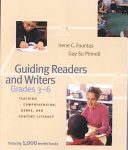
Guiding readers and writers, grades 3-6: Teaching Comprehension, Genre, and Content Literacy

by Irene C. Fountas and Gay Su Pinnell

Grades: 3-6

The authors explore six essential components of a literacy program: breakthrough to literacy, independent reading, guided reading, literature study, teaching for comprehension and word analysis, and the reading and writing connection.
Genre study: teaching with fiction and non-fiction books, grades K-8+

by Irene C. Fountas and Gay Su Pinnell

Grades: K-8

This book uses an inquiry approach to engage students in exploring texts so that they can notice and name the characteristics of each genre and construct a working definition that guides their thinking of reading and writing.
Stimulating non-fiction writing!: Inspiring children aged 7-11

by Emma Hughes-Evans and Simon Brownhill

Grades: 2-6

This book offers ways to engage children in non-fiction writing, giving teachers the confidence and practical advice that they need to support children in producing quality non-fiction texts in the classroom. Types of texts explored include instructions, persuasive texts, reports, and correspondence. (E-book only)
Nonfiction writing power: Teaching information writing with intent and purpose

by Adrienne Gear

Grades: K-6

This book is designed to help teachers develop a writing program that will enable their students to harness all of their nonfiction writing powers: to describe, to instruct, to compare, to persuade, to explain, and to report. It illustrates ways to encourage students to write because they have something to say, and to recognize that writing well means considering intent and purpose, and choosing the best form of expression.
Marvelous minilessons for teaching: Nonfiction writing K-3

by Lori Jamison Rog

Grades: K-3

This book shows that even the youngest writers can consider audience and purpose as they use nonfiction writing to document their ideas and share those ideas with others. Forty minilessons offer strategies for writing informational, persuasive and procedural text. Each lesson starts with a learning goal and follows an “I do, We do, You do” format.
Learning to write with purpose: Effective instruction in grades 4-8

by Karen Kuelthau Allan et al.

Grades: 4-8

Communicating ideas and information is what makes writing meaningful, yet many students write without considering the aims of their writing or the needs of their readers. This book shares techniques to promote the skills and strategies need to write and revise effectively in a range of genres, including persuasive, expository and procedural writing; narratives; and poetry.

Picture Books Related to Procedural Texts
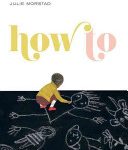
How to

by Julie Morstad

This imaginative ‘how to’ book explores whimsical ways of doing a host of different tasks, including ‘how to wonder’, ‘how to see the breeze’, and ‘how to be brave’.
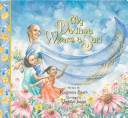
My dadima wears a sari

written by Kashmira Sheth, illustrated by Yoshiko Jaeggi

Rupa wonders why her grandmother always wears a sari, rather than other clothes. When her grandmother tells her all the things a sari can do – like being an umbrella in a rainstorm or a pouch for shells collected at the beach – Rupa thinks she’d like to wear one too. Includes instructions on wrapping a sari.
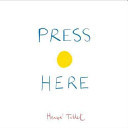
Press here

by Hervé Tullet, translated by Christopher Franceschelli

Press the yellow dot on the cover of this book, follow the instructions within, and embark upon a magical journey! Each page of this book instructs the reader to press the dots, shake the pages, tilt the book, and see what happens next.
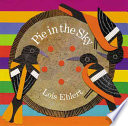
Pie in the sky

by Lois Ehlert

A father and child wait through the seasons for the cherries on their tree to be ripe, so they can make a cherry pie together. Includes a cherry pie recipe.
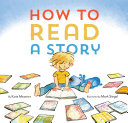
How to read a story,

written by Kate Messner, illustrated by Mark Siegel

It’s easy to read a story: just follow the steps. Step one: find a story. Step two: find a buddy. Step three: find a reading spot. Step four: read!
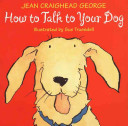
How to talk to your dog

written by Jean Craighead George, illustrated by Sue Truesdell

How do you say hello and good-bye in dog talk? Most importantly, how do you tell your dog that you’re the boss and have him or her adore you? Learn what different tail positions and facial expressions mean — and much more!

Non-Fiction Books Related to or Demonstrating Procedural Texts
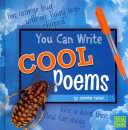
You can write cool poems

by Jennifer Fandel

Grades: 1-3

Through examples and exercises, this book shows how young writers can make readers smile, give them goosebumps or the giggles, or even make them cry, all through poetry.
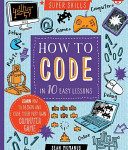
How to code in 10 easy lessons

by Sean McManus

Grades: 6-8

This book starts by asking the question, “What is coding?” and shows what coding skills are. Then readers get to see how to use Scratch coding software to write simple code, use loops, and debug, to create a webpage, and even make a computer game. Includes easy-to-follow instructions and step-by-step graphics.
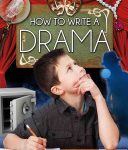
How to write a drama

by Megan Kopp

Grades: 3-6

A drama is a story that is experienced by an audience as a performance. Readers will explore acts, dialogue, stage direction, and other elements that define this genre. Mentor texts and writing prompts guide readers as they compose their own dramas. Part of the Text styles series.
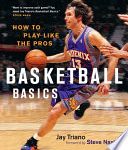
Basketball basics: How to play like the pros

written by Jay Triano, foreword by Steve Nash

Grades: 4-8

Focusing on the core areas – Conditioning, Offense, Defense, Rebounds, and Plays That Make a Difference – Triano provides step-by-step instructions for everything from balance and stretching to dribbling and passing, from shooting to catching to lay-ups and free throws. The book includes instructional photos on every page, as well as full-color action photos of international and NBA stars.
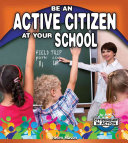
Be an active citizen at your school

by Helen Mason

Grades: K-3

Young readers will discover ways to practice democratic principles in their schools and classrooms. Accessible, child-centered examples demonstrate key skills and practices including active listening, consensus-building, and voting procedures. Readers will also learn ways to clearly communicate their own points of view while showing respect for others’ perspectives.
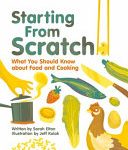
Starting from scratch: What you should know about food and cooking,

written by Sarah Elton, illustrated by Jeff Kulak

Grades: 5-12

This book demystifies food and cooking by boiling it down to the basics. Kids will be able to make sense of recipes, measure and substitute ingredients, and stock a pantry, but they’ll also discover that food is more than just a prepackaged meal. Includes several tasty recipes.
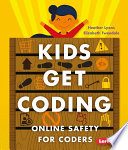
Online safety for coders

written by Heather Lyons and Elizabeth Tweedale, illustrated by Alex Westgate

Grades: K-3

How can you stay safe while surfing the Internet? You need to be an Internet superhero! The internet is an exciting world, but there are things you should be careful of as well. Find out how information is used online and how Internet superheroes protect their identities. Then use the link in this book to try fun activities that will boost your superhero skills.
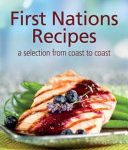
First Nations recipes: A selection from coast to coast

by Greg Lepine

Grades: 7-12

The recipes in this book feature ingredients at the foundation of Aboriginal culture, such as salmon, venison, bison, fiddleheads, wild rice and berries, and include brief descriptions of their historic relationship with that food. First Nations cuisine draws on millennia of evolution and deserves a lifetime of study. The recipes here represent a selection of favourites from various cultures across the country, and combine historic and currently available ingredients to reflect a contemporary, modern taste.


Finding More Resources

To find more resources in this area, try the following:

  • Search using the General tab on the UBC Library website to look for material in all UBC Library branches.
  • Search using “Search Education Resources” box in the left hand bar on the Education Library website to limit your results to materials in the Education Library.
  • Use specific search terms to narrow your results, such as “English language–composition and exercises–study and teaching” or “composition (language arts)”. Or, search for books with things like “how to” or “recipes” in their titles.
  • To find lesson plans, include “lesson plans”, “lesson planning”, or “activity programs” in your search terms.

For more help with searching, please visit the Library Service Desk or e-mail ed.lib@ubc.ca.

Categories
English

Expository Texts

Listed below are selected teacher resources, picture books, and non-fiction related to or demonstrating expository texts and writing.

Teacher Resources

Guiding readers and writers, grades 3-6: Teaching Comprehension, Genre, and Content Literacy

by Irene C. Fountas and Gay Su Pinnell

Grades: 3-6

The authors explore six essential components of a literacy program: breakthrough to literacy, independent reading, guided reading, literature study, teaching for comprehension and word analysis, and the reading and writing connection.

Genre study: teaching with fiction and non-fiction books, grades K-8+

by Irene C. Fountas and Gay Su Pinnell

Grades: K-8

This book uses an inquiry approach to engage students in exploring texts so that they can notice and name the characteristics of each genre and construct a working definition that guides their thinking of reading and writing.

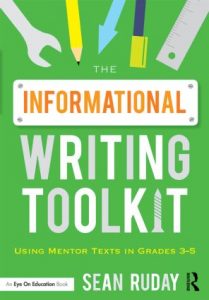
The informational writing toolkit: Using mentor texts in grades 3-5

by Sean Ruday

Grades: 3-5

The author demonstrates how to help students analyze the qualities of effective informational texts using mentor texts, and then help students think of those qualities as tools to improve their own writing. The book covers all aspects of informational writing, including introducing and developing a topic; grouping related information together; adding features that aid comprehension; linking ideas; and using precise language and domain-specific vocabulary. (E-book only)

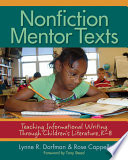
Nonfiction mentor texts: Teaching informational writing through children’s literature, K-8

by Lynne R. Dorfman and Rose Cappelli

Grades: K-8

The authors identifying a wide range of mentor texts and show how these models illustrate the key features of good writing.The book guides teachers through a variety of projects, samples, and classroom anecdotes that demonstrate how teachers can help students become more effective writers of good nonfiction.

Stimulating non-fiction writing!: Inspiring children aged 7-11

by Emma Hughes-Evans and Simon Brownhill

Grades: 2-6

This book offers ways to engage children in non-fiction writing, giving teachers the confidence and practical advice that they need to support children in producing quality non-fiction texts in the classroom. Types of texts explored include instructions, persuasive texts, reports, and correspondence. (E-book only)

Nonfiction writing power: Teaching information writing with intent and purpose

by Adrienne Gear

Grades: K-6

This book is designed to help teachers develop a writing program that will enable their students to harness all of their nonfiction writing powers: to describe, to instruct, to compare, to persuade, to explain, and to report. It illustrates ways to encourage students to write because they have something to say, and to recognize that writing well means considering intent and purpose, and choosing the best form of expression.

Marvelous minilessons for teaching: Nonfiction writing K-3

by Lori Jamison Rog

Grades: K-3

This book shows that even the youngest writers can consider audience and purpose as they use nonfiction writing to document their ideas and share those ideas with others. Forty minilessons offer strategies for writing informational, persuasive and procedural text. Each lesson starts with a learning goal and follows an “I do, We do, You do” format.

Learning to write with purpose: Effective instruction in grades 4-8

by Karen Kuelthau Allan et al.

Grades: 4-8

Communicating ideas and information is what makes writing meaningful, yet many students write without considering the aims of their writing or the needs of their readers. This book shares techniques to promote the skills and strategies need to write and revise effectively in a range of genres, including persuasive, expository and procedural writing; narratives; and poetry.

Beyond the five-paragraph essay

by Kimberley Hill Campbell and Kristi Latimer

Grades: 9-12

The authors demonstrate how to create a program that encourages thoughtful writing in response to literature. They provide numerous strategies that stimulate student thinking, value unique insight, and encourage lively, personal writing, including close reading, low-stakes writing options, a focus on process, and the use of model texts.

The story of my thinking: Expository writing activities for 13 teaching situations

by Gretchen S. Bernabei and Dorothy P. Hall

Grades: 7-12

The authors offer options for teaching expository writing that more realistically match the way readers actually think and writers actually write. Their goal is to help teachers take their students through the various stages of the writing process – from generating ideas to publication – in a way that helps them produce vibrant nonfiction with voice and conviction.

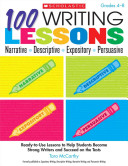
100 writing lessons: Narrative, descriptive, expository, persuasive

by Tara McCarthy

Grades: 4-8

This collection of quick writing lessons and activities will help teachers to find exactly what they need for teaching writing, whether it’s a lesson on using exact words, writing an essay, developing a plot, or organizing a report. The author shares dozens of ideas for teaching students the persuasive, narrative, descriptive, and expository writing skills they need.

Picture Books Demonstrating Expository Writing

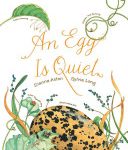
An egg is quiet

written by Diana Hutts Aston, illustrated by Sylvia Long

From tiny hummingbird eggs to giant ostrich eggs, oval ladybug eggs to tubular dogfish eggs, gooey frog eggs to fossilized dinosaur eggs, this book demonstrates the incredible variety of eggs and celebrates their beauty and wonder.

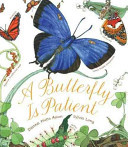
 A butterfly is patient

written by Diana Hutts Aston, illustrated by Sylvia Long

From the world’s tiniest butterfly (Western Pygmy Blue) to the largest (Queen Alexandra’s Birdwing), and throughout their complex life cycle, an incredible variety of butterflies are shown and described here in all of their magnificence.

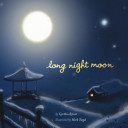
Long night moon

written by Cynthia Rylant, illustrated by Mark Siegel

The 12 full moons throughout the year are given names inspired by Indigenous American traditions, each reflecting the time of year and the seasons in which they are seen.

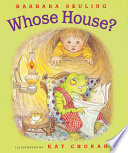
Whose house?

written by Barbara Seuling, illustrated by Kay Chorao

A young boy explores the homes of many different animals before deciding that his own house is the best home for him.

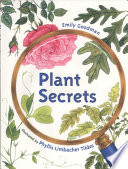
Plant secrets

written by Emily Goodman, illustrated by Phyllis Limbacher Tildes

Plants come in all shapes and sizes, but they go through the same stages as they grow. Using four common plants, young readers learn about a plant’s life cycles: from seed to plant to flower to fruit and back again.

Fiction showing Expository Writing

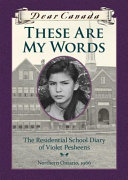
These are my words: The residential school diary of Violet Pesheens

by Ruby Slipperjack

Violet is struggling to adjust to her new life at residential school. She misses her Grandma; she has run-ins with Cree girls; at her “white” school, everyone just stares; and everything she brought has been taken from her, including her name-she is now just a number. But worst of all, she has a fear. A fear of forgetting the things she treasures most, and a fear of forgetting who she was. Her notebook is the one place she can record all of her worries, and heartbreaks, and memories. (Also available in French.)

Non-Fiction Related to or Demonstrating Expository Writing

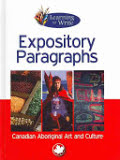
Expository paragraphs: Canadian Aboriginal art and culture,

by Frances Purslow

Grades: 3-7

For more books in the “Learning to Write” series, click here.

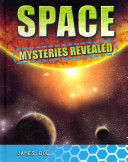
Space mysteries revealed

by James Bow

Grades: 3-6

This book explores and begins to explain many space-related questions, like “How did the universe all begin and where might it end?”, “Will we ever travel in time?”, “What would happen if you were sucked into a black hole?”, and “How can you drive on the Moon?” Part of the Mysteries revealed series.

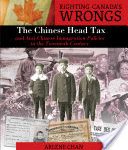
The Chinese head tax and anti-Chinese immigration policies in the twentieth century

by Arlene Chan

Grades: 6-12

Through historical photographs, documents, and first-person narratives from Chinese Canadians who experienced the Head Tax or who were children of Head Tax payers, this book offers a full account of the injustice of this period in Canadian history. Part of the Righting Canada’s wrongs series.

How does GPS work?

by Leon Gray

Grades: 4-6

When taking a road trip today, some sort of GPS device is essential. It may be built into the car’s dashboard, or perhaps it’s just an app on a smartphone. But GPS is used for more than just finding your way! Readers will be fascinated by its many uses, such as catching criminals, predicting earthquakes, and creating maps.

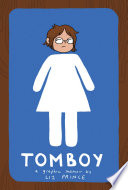
Tomboy: a graphic memoir

by Liz Prince

Grades: 7-12

A memoir told anecdotally, Tomboy follows author and zine artist Liz Prince through her early childhood into adulthood and explores her ever-evolving struggles and wishes regarding what it means to “be a girl.” It’s about refusing gender boundaries, yet unwittingly embracing gender stereotypes at the same time, and realizing later in life that you can be just as much of a girl in jeans and a T-shirt as you can in a pink tutu.

Speaking our truth: a journey of reconciliation

by Monique Gray Smith

Grades: 4-8

Guided by acclaimed Indigenous author Monique Gray Smith, readers will learn about the lives of residential school survivors and listen to allies who are putting the findings of the Truth and Reconciliation Commission into action. (Teacher’s guide also available.)


Finding More Resources

To find more resources in this area, try the following:

  • Search using the General tab on the UBC Library website to look for material in all UBC Library branches.
  • Search using “Search Education Resources” box in the left hand bar on the Education Library website to limit your results to materials in the Education Library.
  • Use specific search terms to narrow your results, such as “expository texts”, “English language – composition and exercises”, “exposition (rhetoric) – study and teaching”, “report writing – study and teaching”, or “composition (language arts)”.
  • To find lesson plans, include “lesson plans”, “lesson planning”, or “activity programs” in your search terms.

For more help with searching, please visit the Library Service Desk or e-mail ed.lib@ubc.ca.
Categories
English

Persuasive Texts

Listed below are selected teacher resources, picture books, fiction, and non-fiction related to persuasive texts.

Teacher Resources

Guiding readers and writers, grades 3-6: Teaching Comprehension, Genre, and Content Literacy

by Irene C. Fountas and Gay Su Pinnell

Grades: 3-6

The authors explore six essential components of a literacy program: breakthrough to literacy, independent reading, guided reading, literature study, teaching for comprehension and word analysis, and the reading and writing connection.

Genre study: teaching with fiction and non-fiction books, grades K-8+

by Irene C. Fountas and Gay Su Pinnell

Grades: K-8

This book uses an inquiry approach to engage students in exploring texts so that they can notice and name the characteristics of each genre and construct a working definition that guides their thinking of reading and writing.

The argument writing toolkit: Using mentor texts in grades 6-8

by Sean Ruday

Grades: 6-8

The author explores how teach students to analyze the qualities of effective arguments using mentor texts, and then use those qualities as tools to improve their own writing. The book describes how to introduce high-interest topics to students to get them engaged in argument writing; teach students to look at multiple sides of an issue and critically evaluate evidence to construct informed, defensible arguments; and make argument writing an interactive, student-driven exercise. (E-book only)

Stimulating non-fiction writing!: Inspiring children aged 7-11

by Emma Hughes-Evans and Simon Brownhill

Grades: 2-6

This book offers ways to engage children in non-fiction writing, giving teachers the confidence and practical advice that they need to support children in producing quality non-fiction texts in the classroom. Types of texts explored include instructions, persuasive texts, reports, and correspondence. (E-book only)

Nonfiction writing power: Teaching information writing with intent and purpose

by Adrienne Gear

Grades: K-6

This book is designed to help teachers develop a writing program that will enable their students to harness all of their nonfiction writing powers: to describe, to instruct, to compare, to persuade, to explain, and to report. It illustrates ways to encourage students to write because they have something to say, and to recognize that writing well means considering intent and purpose, and choosing the best form of expression.

Marvelous minilessons for teaching: Nonfiction writing K-3

by Lori Jamison Rog

Grades: K-3

This book shows that even the youngest writers can consider audience and purpose as they use nonfiction writing to document their ideas and share those ideas with others. Forty minilessons offer strategies for writing informational, persuasive and procedural text. Each lesson starts with a learning goal and follows an “I do, We do, You do” format.

Argument in the real world: Teaching adolescents to read and write using digital texts

by Kristin Hawley Turner and Troy Hicks

Grades: 9-12

Digital texts influence what students buy, who they vote for, and what they believe about themselves and their world. In this book, the authors draw from real world texts and samples of student work to share insights and practical strategies in teaching students the logic of argument, whether those arguments are streaming in through a Twitter feed, a viral videos, or internet memes.

Nonfiction mentor texts: Teaching informational writing through children’s literature, K-8

by Lynne R. Dorfman and Rose Cappelli

Grades: K-8

The authors identifying a wide range of mentor texts and show how these models illustrate the key features of good writing.The book guides teachers through a variety of projects, samples, and classroom anecdotes that demonstrate how teachers can help students become more effective writers of good nonfiction.

Learning to write with purpose: Effective instruction in grades 4-8

by Karen Kuelthau Allan et al.

Grades: 4-8

Communicating ideas and information is what makes writing meaningful, yet many students write without considering the aims of their writing or the needs of their readers. This book shares techniques to promote the skills and strategies need to write and revise effectively in a range of genres, including persuasive, expository and procedural writing; narratives; and poetry.

100 writing lessons: Narrative, descriptive, expository, persuasive

by Tara McCarthy

Grades: 4-8

This collection of quick writing lessons and activities will help teachers to find exactly what they need for teaching writing, whether it’s a lesson on using exact words, writing an essay, developing a plot, or organizing a report. The author shares dozens of ideas for teaching students the persuasive, narrative, descriptive, and expository writing skills they need.

Picture Books Demonstrating Persuasive Writing

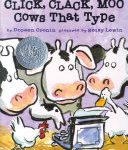
Click, clack, moo: Cows that type

written by Doreen Cronin, illustrated by Betsy Lewin

Farmer Brown’s cows have found a typewriter in their barn, so they start typing out what they’d like the farmer to change about how the farm works. When he refuses to meet their demands, the cows go on strike.

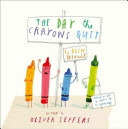
The day the crayons quit

written by Drew Daywalt, illustrated by Oliver Jeffers

Duncan opens his box of crayons and finds…only letters! The crayons are fed up, and they’ve all quit. What can Duncan do to make them all happy, so he can get back to colouring?

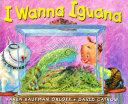
 I wanna iguana

written by Karen Kaufman Orloff, illustrated by David Catrow

Alex wants an iguana. His mother doesn’t think that’s such a great idea. The two write an increasingly dramatic (and funny) series of notes back and forth explaining their positions on the issue.

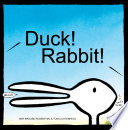
Duck! Rabbit!

written by Amy Krouse Rosenthal, illustrated by Tom Lichtenheld

Sometimes it’s hard to give up your side of an argument – especially when it’s over the age-old illusion of whether this picture is a duck or a rabbit.

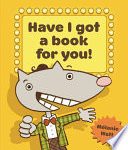
Have I got a book for you!

by Mélanie Watt

Al Foxword wants to sell you a book. A great book – not one of those books that leave you bored and uninspired. Not convinced? Just let Al persuade you…

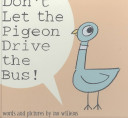
Don’t let the pigeon drive the bus!

by Mo Willems

When the bus driver needs to take a break, a pigeon volunteers to take over. But can he persuade you that he can do it?

Non-Fiction Related to or Demonstrating Persuasive Writing

Persuasive paragraphs: Immigrants and settlers

by Frances Purslow

Grades: 3-7

For more books in the “Learning to Write” series, click here.

Can we save the tiger?

written by Martin Jenkins, illustrated by Vicky White

Grades: K-3

The tiger is just one of thousands of animals — including the ground iguana, the white-rumped vulture, and the partula snail — currently in danger of becoming extinct. This book looks at the ways human behaviour can either threaten or conserve the amazing animals that share our planet.


Finding More Resources

To find more resources in this area, try the following:

  • Search using the General tab on the UBC Library website to look for material in all UBC Library branches.
  • Search using “Search Education Resources” box in the left hand bar on the Education Library website to limit your results to materials in the Education Library.
  • Use specific search terms to narrow your results, such as “persuasive texts”, “English language – composition and exercises”, “persuasion (rhetoric) – study and teaching”, or “composition (language arts)”.
  • To find lesson plans, include “lesson plans”, “lesson planning”, or “activity programs” in your search terms.

For more help with searching, please visit the Library Service Desk or e-mail ed.lib@ubc.ca.
Categories
English

Narrative Texts

Listed below are selected teacher resources, picture books, and non-fiction related to narrative genre texts.
Teacher Resources Related to Narrative Texts

Guiding readers and writers, grades 3-6: Teaching Comprehension, Genre, and Content Literacy

by Irene C. Fountas and Gay Su Pinnell

Grades: 3-6

The authors explore six essential components of a literacy program: breakthrough to literacy, independent reading, guided reading, literature study, teaching for comprehension and word analysis, and the reading and writing connection.

Genre study: teaching with fiction and non-fiction books, grades K-8+

by Irene C. Fountas and Gay Su Pinnell

Grades: K-8

This book uses an inquiry approach to engage students in exploring texts so that they can notice and name the characteristics of each genre and construct a working definition that guides their thinking of reading and writing.

Wordtamer: Activities to inspire creative thinking and learning

by Judy Waite

Grades: K-12

Drawing on the author’s experiences of writing for children, this book considers how teachers and students can incorporate authors’ techniques into their own work to improve creative writing. It provides suggestions on how to set up and run writing lessons and workshops that connect with the school curriculum and engage all student writers. (E-book only)

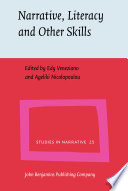
Narrative, literacy and other skills: Studies in intervention

edited by Edy Veneziano and Ageliki Nicolopoulou

Grades: K-8

This volume brings together research focusing on two key issues in the development of children’s narrative skills: the issue of the interrelatedness between narrative skills and literacy, language and socio-cognitive development; and the issue of how early interactional experiences, particular contextual settings and specific intervention procedures, can help children promote their narrative skills. (E-book only)

The narrative writing toolkit: Using mentor texts in grades 3-8

by Sean Ruday

Grades: 3-8

The author demonstrates how to teach elementary and middle school students to analyze the qualities of effective narratives through mentor texts, and then help them think of those qualities as tools to improve their own writing. The end goal is to make narrative writing an interactive, student-driven exercise in which students pursue their own writing projects. (E-book only)

Learning to write with purpose: Effective instruction in grades 4-8

by Karen Kuelthau Allan et al.

Grades: 4-8

Communicating ideas and information is what makes writing meaningful, yet many students write without considering the aims of their writing or the needs of their readers. This book shares techniques to promote the skills and strategies need to write and revise effectively in a range of genres, including persuasive, expository and procedural writing; narratives; and poetry.

Using picture books to teach narrative writing: Engaging mini-lessons and activities to teach students about key story elements

by Naomi Laker

Grades: 1-3

This book shows how students can learn how to write personal narratives, using picture books as models. After being immersed in read-alouds that focus on key story elements—character, plot, setting, movement through time, and change—students create their own story time lines, write promise sentences, stretch their stories, and more.

100 writing lessons: Narrative, descriptive, expository, persuasive

by Tara McCarthy

Grades: 4-8

This collection of quick writing lessons and activities will help teachers to find exactly what they need for teaching writing, whether it’s a lesson on using exact words, writing an essay, developing a plot, or organizing a report. The author shares dozens of ideas for teaching students the persuasive, narrative, descriptive, and expository writing skills they need.

Narrative writing: Learning a new model for teaching

by George Hillocks Jr.

Grades: 9-12

This book demonstrates how focusing classroom activities on producing content, rather than form, boosts students’ engagement and makes them active learners. The author shows how “at-risk” kids’ competencies increase significantly as they are taught how to complete important writing tasks such as incorporating detail and figurative language, creating dialogue, expressing inner thoughts, portraying people and action, and more.

Picture Books Demonstrating Narrative

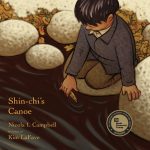
Shin-chi’s canoe

written by Nicola I. Campbell, illustrated by Kim LaFave

Forced to use only people’s English names and not speak to his siblings at school, Shin-chi holds fast to the canoe given to him by his father, hopeful that things will then improve for his family and the people he loves. (Also available in French.)

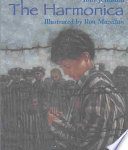
The harmonica

written by Tony Johnston, illustrated by Ron Mazellan

Spam prevention powered by Akismet