Categories
Sciences

Environmental Science and Sustainability

Listed below are selected teacher resources, picture books, fiction, and non-fiction related to environmental science and sustainability.

Teacher Resources
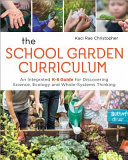
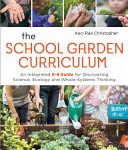
The school garden curriculum: An integrated K-8 guide for discovering science, ecology, and whole-systems thinking

by Kaci Rae Christopher

Grades: K-8

The author offers a comprehensive framework enabling students to grow their knowledge throughout the school year and build on it from kindergarten to grade eight. From seasonal garden activities to inquiry projects and science-skill building, children will develop organic gardening solutions, a positive land ethic, systems thinking, and instincts for ecological stewardship.
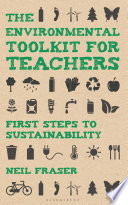
The environmental toolkit for sustainability: First steps to sustainability

written by Neil Fraser, illustrated by Hanna Forsgren

Grades: K-12

This guide shows ways to reduce your school’s ecological footprint, and create and embed a sustainability ethos. Whether you are a teacher eager to make your classroom a more eco-friendly environment or a head teacher who wants to set up a whole school project, there are practical strategies and activities in this book for you. This book includes 75 eco-projects and lessons that cover how to manage litter, waste and energy efficiently in a time saving, cost effective manner, as well as how to get students involved in the projects.
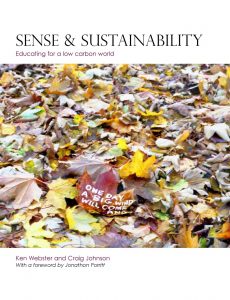
Sense & sustainability: Educating for a low-carbon world

by Ken Webster et al.

Grades: K-12

This book makes the case for a practical education for sustainability based on exploring and testing frameworks. The authors suggest that education contributes most to the future of our young people when it opens up discussion on how sustainable can be aspirational, talking about “better and better” rather than “less and less”. Comes with online materials and resources for continuing professional development.
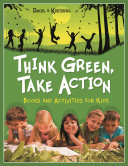
Think green, take action: Books and activities for kids

written by Daniel A. Kriesberg, illustrated by Kathleen A. Price

Grades: 3-7

This book combines a wide variety of techniques to help students understand environmental issues and gain the skills needed to take action. The children’s literature and classroom activities suggested here cover three major environmental issues: endangered species, resource depletion, and pollution. After students have a grasp of the causes of these environmental problems, the final chapter presents ways to take easy action that can create ripples of change across the world.
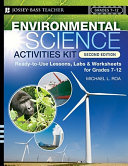
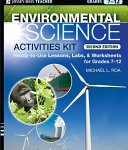
Environmental science activities kit: Ready-to-use lessons, labs and worksheets for grades 7-12

by Michael L. Roa

Grades: 7-12

This book includes more than 35 lessons for middle and high school science teachers on the most compelling and relevant environmental topics, such as global warming, food and water production, alternative energy sources, endangered species, land-use issues, and many more.
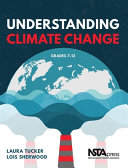
Understanding climate change: Grades 7-12

by Laura Tucker and Lois Sherwood

Grades: 7-12

A nine-session module which includes engaging lessons and activities to help students understand climate change. Includes sections on addressing misconceptions surrounding climate change, evaluating information, understanding the science, and creating solutions.
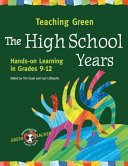
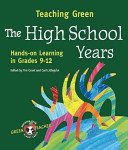
Teaching green, the high school years: Hands-on learning in grades 9-12

edited by Tim Grant and Gail Littlejohn

Grades: 9-12

This book offers fifty teaching strategies that promote learning about natural systems and foster critical thinking about environmental issues, both local and global. Readers learn how best to apply systems thinking, teach about controversial issues, and use a step-by-step approach to creative problem-solving in environmental projects. Also provided are instructions for measuring the ecological footprint of a high school, creating an indoor “living system” that cleans water, monitoring air quality with lichens, and using green technologies to help green school campuses.

Picture Books
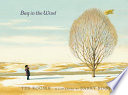
Bag in the wind

written by Ted Kooser, illustrated by Barry Root

Grades: K-3

When a plastic bag is uprooted from a landfill, it begins a journey on the wind that leads to its being used and re-used by many people.
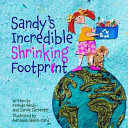
Sandy’s incredible shrinking footprint

written by Femida Handy and Carole Carpenter, illustrated by Adrianna Steele-Card

Grades: K-3

Sandy and her dog Pepper are upset when they find garbage on the beach they love. With the help of the Garbage Lady, they start to learn about everyone’s ecological footprint.
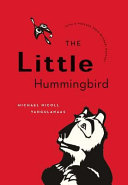
The little hummingbird

by Michael Nicholl Yahgulanaas

Grades: K-3

When the forest is on fire and all of the other animals are frozen with fear, a tiny hummingbird finds the courage to try to save their home.
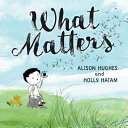
What matters

written by Allison Hughes, illustrated by Holly Hatam

Grades: K-2

When one small boy picks up one small piece of litter, that one small act has big ripples through nature’s connections.
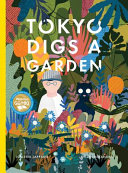
Tokyo digs a garden

written by Jon-Erik Lappano, illustrated by Kellen Hatanaka

Grades: K-2

Tokyo’s small house is increasingly surrounded by skyscrapers and highways. But when an old woman gives him seeds to plant, Tokyo discovers that the big city can become wild again.

Fiction
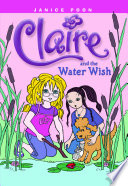
Claire and the water wish

by Janice Poon

Grades: 2-5

Claire and her friends Jet and Sky team up to try to find the polluters who’ve been making the water in a local lake undrinkable.
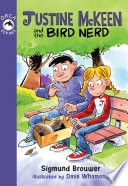
Justine McKeen and the bird nerd

written by Sigmund Brouwer, illustrated by Dave Whamond

Grades: 2-5

When a small bird is injured after flying into a school window, the students are shocked and upset. But they are even more shocked when school bully Jimmy Blatzo rescues the bird and nurses it back to health. When the students discover that the problem isn’t just at their school, young green activist Justine McKeen convinces Jimmy to talk to town council about the issue.

Non-Fiction
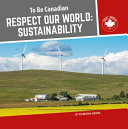
Respect our world: Sustainability

by Ramona Heikel

Grades: 3-6

Discusses efforts by Canadians to preserve water quality, conserve wildlife, clean up pollution and use sustainable energy sources. Part of the To Be Canadian series.
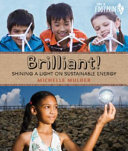
Brilliant! Shining a light on sustainable energy

by Michelle Mulder

Grades: 3-7

Did you know that cars can run on french fry grease, or that kids in Mexico help light up their houses by playing soccer? This book is full of examples of unusual (and often peculiar) power sources, and encourages kids to look around for sustainable ways to light up the world. Part of the Orca footprints series.
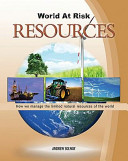
Resources

by Andrew Solway

Grades: 4-7

Discusses how we manage the limited natural resources of the world. Part of the World At Risk series
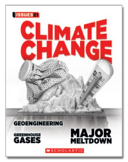
Climate change

by Douglas Fraser

Grades: 6-9

Part of the Issues 21 series, which examines contemporary issues in society in order to develop students’ skills in the areas of critical thinking, creativity, communication, collaboration, ethical citizenship and activism. Includes 6 student books and a teacher’s guide.
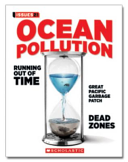
Ocean pollution

by Erika Boas

Grades: 6-9

Part of the Issues 21 series, which examines contemporary issues in society in order to develop students’ skills in the areas of critical thinking, creativity, communication, collaboration, ethical citizenship and activism. Includes 6 student books and a teacher’s guide.
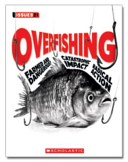
Overfishing

by Jeffrey D. Wilhelm

Grades: 6-9

Part of the Issues 21 series, which examines contemporary issues in society in order to develop students’ skills in the areas of critical thinking, creativity, communication, collaboration, ethical citizenship and activism. Includes 6 student books and a teacher’s guide.
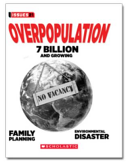
Overpopulation

by Brian Arleth

Grades: 6-9

Part of the Issues 21 series, which examines contemporary issues in society in order to develop students’ skills in the areas of critical thinking, creativity, communication, collaboration, ethical citizenship and activism. Includes 6 student books and a teacher’s guide.
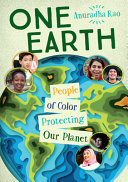
One earth: People of color protecting our planet

by Anuradha Rao

Grades: 7-10

This nonfiction book profiles twenty environmental activists of colour from around the world. Their individual stories show that the intersection of environment and ethnicity is an asset, not an obstacle, to helping the planet. Illustrated with photos of each of the people profiled.
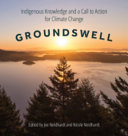
Groundswell: Indigenous knowledge and a call to action for climate change

edited by Joe Neidhardt and Nicole Neidhardt

Grades: 10-12

This collection of essays from both Indigenous and non-Indigenous writers presents a compelling message about how traditional Indigenous knowledge and practices can – and must – be used to address climate change.

Further Reading
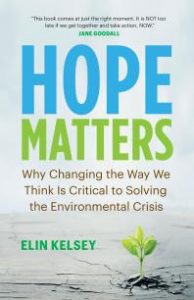
Hope Matters: Why Changing the Way We Think Is Critical to Solving the Environmental Crisis

by Elin Kelsey

Explores “evidence-based hope” in relation to climate change. Provides a framework for how to address eco-anxiety, setting a foundation for how we might approach climate change education in the classroom.
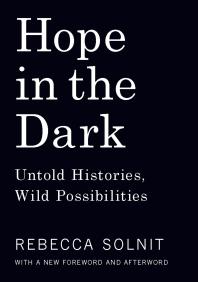
Hope in the Dark: Untold Histories, Wild Possibilities

by Rebecca Solnit

Solnit also makes a case for hope and committing to action. She focuses on recognizing the victories, small and large, that have been achieved and bringing attention to the far-reaching impact those victories have and still could provide.
The Nutmeg’s Curse: Parables for a Planet in Crisis

by Amitav Ghosh

Discusses the intersection of colonialism and climate change. Diving into the history of the familiar nutmeg spice, Ghosh reveals how trade and conquest set the stage for our current predicament.
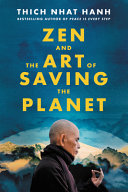
Zen and the Art of Saving the Planet

by Thich Nhat Hanh

Explores the ways in which meditation and mindfulness can lead to climate action. Discusses how we can shape our mind, and therefore influence our actions, reactions and well-being in every day life.


Finding More Resources

To find more resources in this area, try the following:

  • Search using the General tab on the UBC Library website to look for material in all UBC Library branches.
  • Search using “Search Education Resources” box in the left hand bar on the Education Library website to limit your results to materials in the Education Library.
  • Use specific search terms to narrow your results, such as “environmentalism”, “environmental science”, “environmental studies”, “environmental education”, “sustainability”, or “conservation of natural resources”.
  • To find lesson plans, include “lesson plans”, “lesson planning”, or “activity programs” in your search terms.

For more help with searching, please visit the Library Service Desk or e-mail ed.lib@ubc.ca.

Categories
Sciences

Energy

Listed below are selected teacher resources, picture books, fiction, and non-fiction related to energy.

Teacher Resources

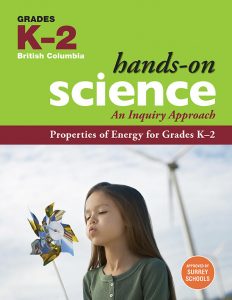
Hands-on Science: An Inquiry Approach – Properties of Energy for Grades K-2

by Jennifer Lawson

Grades: K-2

This book covers how to teach about the properties of energy in alignment with the current BC curriculum. Uses the Know-Do-Understand model, First Peoples Principles of Learning, and an inquiry approach. Part of the Hands-on Science series.

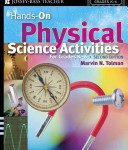
Hands-on physical science activities for grades K-6

by Marvin N. Tolman

Grades: K-6

This book’s activities follow the discovery/inquiry approach and encourage students to analyze, synthesize, and infer based on their own hands-on experiences. Topics include the nature of matter, energy, light, sound, simple machines, magnetism, static electricity, and current electricity.

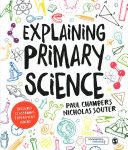
Explaining primary science

by Paul Chambers and Nicholas Souter

Grades: K-6

The authors cover all the major areas of science relevant for beginning primary/elementary school teachers, explaining key concepts from the ground up. Topics include forces, matter, energy, biodiversity and ecosystems, water, light, sound, and more.

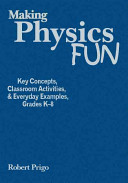
Making physics fun: Key concepts, classroom activities, & everyday examples, grades K-8

by Robert Prigo

Grades: K-8

The author provides fun and engaging activities using safe, available materials that educators can easily incorporate into lesson plans. Extensive examples, sample inquiry questions, and ideas for initiating units are available for teachers to pick and choose from to meet student needs. This resource addresses specific areas of physical science, including motion and force, waves and sound, light and electromagnetic waves, and more.

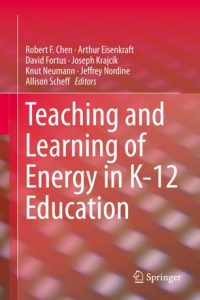
Teaching and learning of energy in K-12 education

edited by Robert F. Chen et al.

Grades: K-12

Energy is one of the most important ideas in all of science and it is useful for predicting and explaining phenomena within every scientific discipline. Teaching energy as a crosscutting concept can equip a new generation of scientists and engineers to think about the latest cross-disciplinary problems, and it requires a new approach to the idea of energy. This book examines the latest challenges of K-12 teaching about energy, including how a comprehensive understanding of energy can be developed. eBook only

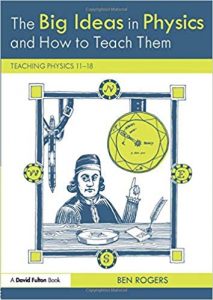
The big ideas in physics and how to teach them: Teaching physics 11-18

by Ben Rogers

Grades: 7-12

Each chapter of this book provides the historical narrative behind a Big Idea, explaining its significance, the key figures behind it, and its place in scientific history. Accompanied by detailed ready-to-use lesson plans and classroom activities, the book contains not only a thorough explanation of physics, but also the applied pedagogy to ensure its effective translation to students in the classroom. Each of the five big ideas in physics are covered in detail: electricity, forces, energy, particles, and the universe. eBook only

Picture Books

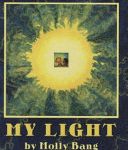
My light

by Molly Bang

The sun itself narrates an explanation of light and energy in which the generation of electricity can be traced back to it. Tiny yellow dots represent the sun’s power as it streams from light, water, wind, and electricity. Endnotes are used to illuminate everything from dark matter to atoms to pollution.

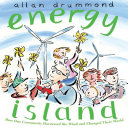
Energy Island: How one community harnessed the wind and changed their world

by Allan Drummond

Hold onto your hats! It’s windy on the Danish island of Samsø. At a time when most countries are producing ever-increasing amounts of CO2, the rather ordinary citizens of Samsø accomplished something extraordinary: in just ten years they reduced their carbon emissions by 140% and became almost completely energy independent. With a little hard work and a big idea, anyone can make a huge step towards energy conservation.

Fiction

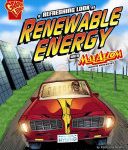
 A refreshing look at renewable energy with Max Axiom, super scientist,

written by Katherine Krohn, illustrated by Cynthia Martin and Barbara Schulz

Grades: 3-9

Charge up with Max Axiom as he explores the globe to understand renewable energy. Learn about all kinds of renewable energy sources and the benefits of using them. Max helps young readers understand how renewable energy could change our lives and take care of our world. Part of the Graphic Library series.

Non-Fiction

Energy

by Amy Farrell-Morneau

Grades: 6-9

Part of the Issues 21 series, which examines contemporary issues in society in order to develop students’ skills in the areas of critical thinking, creativity, communication, collaboration, ethical citizenship and activism. Includes 6 student books and a teacher’s guide.

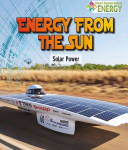
Energy from the sun: Solar power

by James Bow

Grades: 5-8

The endless and enormous power of the sun provides life to all organisms on Earth, from the smallest plant to the largest animal. This awesome power is being used today to provide a rich and abundant source of energy in many parts of the world, and to operate machinery and heat and light buildings. Discover how the sun is powering our planet, the technology used to harness it, and what the future of solar power could be. Part of the Next generation energy series.

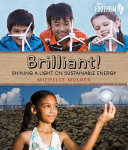
Brilliant! Shining a light on sustainable energy

by Michelle Mulder

Grades: 3-7

Did you know that cars can run on french fry grease, or that kids in Mexico help light up their houses by playing soccer? This book is full of examples of unusual (and often peculiar) power sources, and encourages kids to look around for sustainable ways to light up the world. Part of the Orca footprints series.

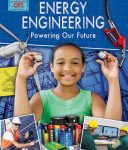
Energy engineering and powering the future

by Jonathan Nixon

Grades: 5-9

Readers will learn how energy engineers help make sure that our energy demands are met in a number of different ways. Real-life examples and a design challenge help students understand key concepts related to the engineering process, and how energy engineers will play a vital role in our future.

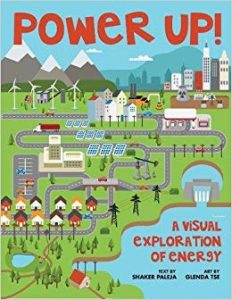
Power up! A visual exploration of energy

written by Shaker Paleja, illustrated by Glenda Tse

Grades: 4-7

It’s impossible to imagine our lives without energy, but how often do we really think about where it comes from? This book illustrates cool facts about energy use with colorful infographics, including charts, diagrams, and maps. Topics include the pros and cons of the top energy sources, like fossil fuels, nuclear energy, and hydropower; information on hot issues like oil sands, fracking, and greenhouse gases; and discussions of where energy of the future will come from.


Finding More Resources

To find more resources in this area, try the following:

  • Search using the General tab on the UBC Library website to look for material in all UBC Library branches.
  • Search using “Search Education Resources” box in the left hand bar on the Education Library website to limit your results to materials in the Education Library.
  • Use specific search terms to narrow your results, such as “renewable energy sources–juvenile literature”, “physics–study and teaching”, “inclusion”, “equitable”, “diversity”, or “supportive”.
  • To find lesson plans, include “lesson plans”, “lesson planning”, or “activity programs” in your search terms.

For more help with searching, please visit the Library Service Desk or e-mail ed.lib@ubc.ca.
Categories
Sciences

Earth Sciences

Listed below are selected teacher resources, picture books, and non-fiction related to earth sciences.

Teacher Resources

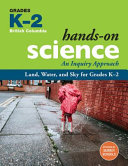
Land, Water, and Sky for Grades K-2: An Inquiry Approach

by Jennifer Lawson

Grades: K-2

This book covers how to teach about land, water, and sky in alignment with the current BC curriculum. Uses the Know-Do-Understand model, First Peoples Principles of Learning, and an inquiry approach. Part of the Hands-on Science series.

Problem-based learning in the earth and space science classroom

by Tom J. McConnell, Joyce Parker, and Janet Eberhardt

Grades: K-12

This resource presents tips and techniques for problem-based learning in four content areas: Earth’s landforms and water, the rock cycle and plate tectonics, weather, and astronomy.

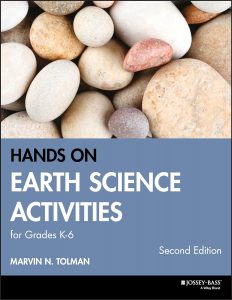
Hands-on earth science activities for grades K-6

by Marvin N. Tolman

Grades: K-6

This book’s activities follow the discovery/inquiry approach and encourage students to analyze, synthesize, and infer based on their own hands-on experiences. Topics covered include air, water, weather, the earth, ecology, above the earth, beyond the earth, and current electricity.

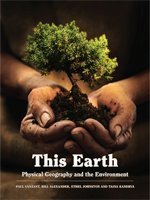
This earth: Physical geography and the environment

by Paul Vazant and others

Grades: 10-12

A case-driven text that focuses on physical geography and human interaction and covers the origin of Earth, continental shifts, water and air pollution and human impacts, and taking responsibility for the planet. Also includes teaching notes, lesson plans, and assessment rubrics.

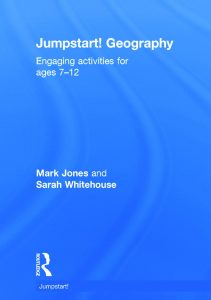
Jumpstart! Geography: Engaging activities for ages 7-12

by Mark Jones and Sarah Whitehouse

Grades: 2-6

This collection of simple to use and fun activities will jumpstart pupils’ understanding of the geographical skills of inquiry, outdoor learning, understanding graphic representations, and communication. Pupils will develop their knowledge and understanding of people, places and issues through being encouraged to ‘think geographically’ about the world they live in. Includes activities related to continents and oceans, and physical features such as rivers, forests, deserts, and coastlines. (E-book only)

Picture Books

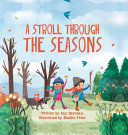
A stroll through the seasons

written by Kay Barnham, illustrated by Maddie Frost

Grades: K-3

Follow the changes that each season brings: from spring blossoms, to summer sunshine, to autumn leaves, to winter snow.

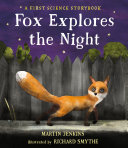
Fox explores the night

written by Martin Jenkins, illustrated by Richard Smythe

Grades: 1-3

Follow Fox as she makes her way through city streets and learns about sunlight, moonlight, electric light, and darkness

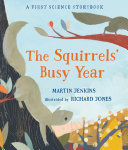
The squirrels’ busy year

written by Martin Jenkins, illustrated by Richard Jones

Grades: 1-4

In the winter, when it’s cold, the squirrels dig up acorns to eat. But what will they eat in the spring, when it’s warm again?

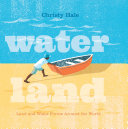
Water land: Land and water forms around the world

written and illustrated by Christy Hale

Grades: 3-5

Die-cut pages identify and contrast types of water bodies and their corresponding land masses to help young readers understand how connected the earth and the water really are.

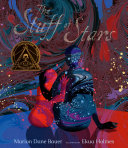
The stuff of stars

written by Marion Dane Bauer, illustrated by Ekua Holmes

Grades: K-3

Before the universe was formed, before time and space existed, there was nothing. But then … BANG! Stars caught fire and burned so long that they exploded, flinging stardust everywhere. And the ash of those stars turned into planets, into our Earth, and into us.

Non-Fiction

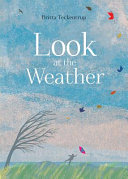
Look at the weather

by Britta Teckentrup, translated by Shelley Tanaka

Grades: K-6

Through four chapters–sun, rain, ice and snow, and extreme weather–this book explores different weather phenomena, from rainbows and sunsets to clouds, frost, and rainstorms.

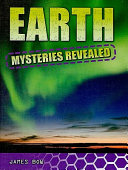
Earth mysteries revealed

by James Bow

Grades: 3-6

This book explains how our planet is put together and answers the questions to mysteries such as: why is the only life we know of found on Earth; how did this warm and wet planet form from a cloud of ice and dust; was the Moon once a part of Earth’s rocks; why is it night all winter in the Arctic; why are sunsets orange; and was there really an ancient city that was destroyed by a volcano and tsunami? Part of the Mysteries revealed series.

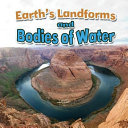
Earth’s landforms and bodies of water

by Natalie Hyde

Grades: 1-3

Explains how Earth is covered by landforms and bodies of water, how they develop, and why they change. Covers landforms such as mountains, valleys, and sand dunes, as well as waterways such as oceans, rivers, and ponds. Part of the Earth’s processes close-up series.

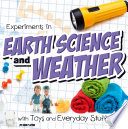
Experiments in earth science and weather with toys and everyday stuff

by Emily Sohn

Grades: K-3

Engaging experiments using simple toys and everyday stuff teach curious young minds all about earth science. Readers can take an up-close look at how tornadoes develop, why wind is sometimes cold, how the water cycle works, and much more.

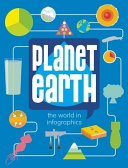
Planet Earth

by Jon Richards and Ed Simkins

Grades: 1-6

From tectonic plates and meteorites to erupting volcanoes, the atmosphere, and the world’s longest rivers, this book explores planet Earth using a wide variety of icons, graphics, and pictograms.

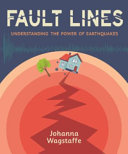
Fault lines: Understanding the power of earthquakes

by Johanna Wagstaffe

Grades: 4-8

Earthquakes are a terrifying yet fascinating force of nature. Seismologist Johanna Wagstaffe takes you through her own journey of understanding the earth beneath our feet. Along the way you’ll learn the science behind what makes the earth rumble and hear from kids around the world who have experienced the wonder, and terror, of an earthquake.

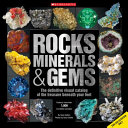
Rocks, minerals & gems

by Sean Callery and Miranda Smith, illustrated by Gary Ombler

Grades: 3-7

Readers will learn about hundreds of rocks, minerals, crystals, and gems that were forged by the most powerful events in prehistory. Explore what specimens look like and how they’re used today. Find out all about star stones and cat’s eyes, megagems, and phantom quartz. Discover which rocks fluoresce, which mineral once poisoned an emperor, and which gems are the rarest in the world.

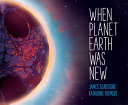
When Planet Earth was new

written by James Gladstone, illustrated by Katherine Diemert

Grades: K-3

It has taken billions of years for Earth to become the planet it is today. This book looks back to the very beginning, giving a poetic yet scientific overview of how the planet has changed over time: from hot lava to the formation of oceans to the evolution of living things in water and on land.

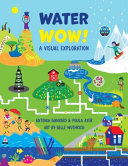
Water wow! An infographic exploration

written by Antonia Bayard and Paula Ayer, illustrated by Belle Wuthrich

Grades: 4-7

Where did water come from before it got to Earth? Why is the water you drink the same stuff that was around when dinosaurs were alive? If water can’t be created or destroyed, how can we run out? How does climate change affect water and vice versa? How are water access and girls’ education worldwide connected? Find out the answers to these and many more questions through infographics.

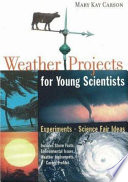
Weather projects for young scientists: Experiments and science fair ideas

by Mary Kay Carson

Grades: 4-7

From the everyday phenomena of wind and clouds to the awesome, destructive power of lightning, tornadoes, and hurricanes, children can explore weather in detail with this science activity book. More than 40 weather projects are included, such as building a model of the water cycle, creating a tornado in a bottle, calculating dew point, reading a weather map, building weather-measuring instruments, and more.


Finding More Resources

To find more resources in this area, try the following:

  • Search using the General tab on the UBC Library website to look for material in all UBC Library branches.
  • Search using “Search Education Resources” box in the left hand bar on the Education Library website to limit your results to materials in the Education Library.
  • Use specific search terms to narrow your results, such as “earth science”, “earth (planet) — juvenile literature”, “physical geography”, “weather”, or “science–study and teaching.
  • To find lesson plans, include “lesson plans”, “lesson planning”, or “activity programs” in your search terms.

For more help with searching, please visit the Library Service Desk or e-mail ed.lib@ubc.ca.

Categories
Sciences

Biodiversity and Biomes

Listed below are selected teacher resources, picture books, and non-fiction related to biodiversity and biomes.

Teacher Resources

The school garden curriculum: An integrated K-8 guide for discovering science, ecology, and whole-systems thinking

by Kaci Rae Christopher

Grades: K-8

The author offers a comprehensive framework enabling students to grow their knowledge throughout the school year and build on it from kindergarten to grade eight. From seasonal garden activities to inquiry projects and science-skill building, children will develop organic gardening solutions, a positive land ethic, systems thinking, and instincts for ecological stewardship.

Explaining primary science

by Paul Chambers and Nicholas Souter

Grades: K-6

The authors cover all the major areas of science relevant for beginning primary/elementary school teachers, explaining key concepts from the ground up. Topics include forces, matter, energy, biodiversity and ecosystems, water, light, sound, and more.

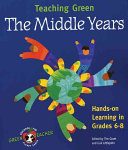
Teaching green: The middle years

edited by Tim Grant and Gail Littlejohn

Grades: 6-8

Offers a wide range of hands-on activities to get middle school students thinking about the environment and the world around them. Includes sections on wetlands, rainforests, habitat fragmentation, food systems, protected areas, and more.

 Environmental science activities kit: Ready-to-use lessons, labs and worksheets for grades 7-12

by Michael L. Roa

Grades: 7-12

This book includes more than 35 lessons for middle and high school science teachers on the most compelling and relevant environmental topics, such as global warming, food and water production, alternative energy sources, endangered species, land-use issues, and many more.
Teaching green, the high school years: Hands-on learning in grades 9-12

edited by Tim Grant and Gail Littlejohn

Grades: 9-12

This book offers fifty teaching strategies that promote learning about natural systems and foster critical thinking about environmental issues, both local and global. Readers learn how best to apply systems thinking, teach about controversial issues, and use a step-by-step approach to creative problem-solving in environmental projects. Includes several chapters related to ecosystems and biomes.

Picture Books

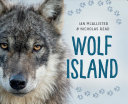
Wolf Island

by Ian McAllister and Nicholas Read

When wolves disappear from an island in the Great Bear Rainforest, the ecosystem is thrown out of whack. Too many deer graze on the plants, leaving not enough food for the other animals. When a lone wolf swims from the mainland to the island, the ecosystem starts to change again.

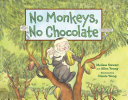
No monkeys, no chocolate

written by Melissa Stewart and Allen Young, illustrated by Nicole Wong

Chocolate comes from cocoa beans, which grow on cocoa trees in tropical rain forests. But those trees couldn’t survive without the help of a menagerie of rain forest critters. Monkeys, a pollen-sucking midge, an aphid-munching anole lizard, brain-eating coffin fly maggots: they all pitch in to help the cocoa tree survive.

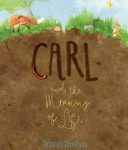
Carl and the meaning of life

by Deborah Freedman

Carl the earthworm spends his days happily tunneling in the soil until a field mouse asks him a simple question that stops him short: “Why?” Carl’s quest takes him on an adventure to meet all the animals of the forest, each of whom seems to know exactly what they were put on this earth to do, unlike Carl. Will Carl find his purposes?

Non-Fiction

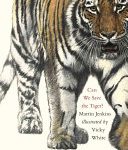
Can we save the tiger?

written by Martin Jenkins, illustrated by Vicky White

Grades: K-3

The tiger is just one of thousands of animals — including the ground iguana, the white-rumped vulture, and the partula snail — currently in danger of becoming extinct. This book looks at the ways human behaviour can either threaten or conserve the amazing animals that share our planet.

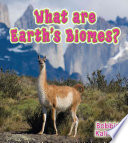
What are Earth’s biomes?

by Bobbie Kalman

Grades: 2-3

Earth has six major types of environments with different climates and containing complex communities of plants and animals that have adapted to the special conditions in each. These types of environments are called biomes. This book explains what biomes are and explores the importance of conserving them and the life forms that inhabit them.

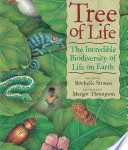
Tree of life: The incredible biodiversity of life on earth

written by Rochelle Strauss, illustrated by Margo Thompson

Grades: 3-7

If every known species on Earth were a leaf on a tree, that tree would have 1,750,000 leaves. Since humans count for just one leaf on the tree, we have a lot to learn about the millions of other forms of life with which we share the world. This book shows how living things are classified into five kingdoms, and how each has much to tell us about all aspects of life on our planet. Part of the CitizenKid series.

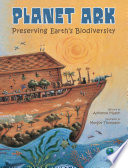
Planet Ark: Preserving Earth’s biodiversity

written by Adrienne Mason, illustrated by Margo Thompson

Grades: 3-7

For billions of years, life on Earth has been evolving. The resulting rich biodiversity is the foundation of life on our planet. Notable features of Earth’s unique biodiversity are described, with a focus on the delicate and threatened interdependencies between species, habitats, climate and more. Part of the CitizenKid series.

You are the earth: Know your world so you can make it better

written by David Suzuki and Kathy Vanderlinden, illustrated by Wallace Edwards and Talent Pun

Grades: 4-6

This collection of fascinating facts and fables, colorful cartoons, and dynamic illustrations explains how everything on Earth is connected.The book discusses environmental issues and new technologies, and offers many activities. Sidebars offer extra facts, tips, and real-life examples of things other budding ecologists have done to make the world a better place.

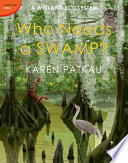
Who needs a swamp? A wetland ecosystem

by Karen Patkau

Grades: 2-5

Swamps are often seen as a dangerous and useless. They are often drained to create farmland or to reduce diseases. But such measures can be disastrous. This book explores wetlands and their importance in the food chain and in preserving our soil and clean water. Part of Karen Patkau’s Ecosystems series.

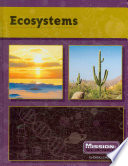
Ecosystems

by Debra J. Housel

Grades: 4-6

Plants and animals interact with each other to form an ecosystem. The ecosystems are found all over the world, in areas called biomes. The biomes have different climates, which in turn determine what kind of plant and animal life make up the ecosystem. Biomes and ecosystems are a part of Earth’s delicate balance.

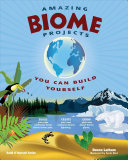
Amazing biome projects you can build yourself

written by Donna Latham, illustrated by Farah Rivzi

Grades: 4-7

From wandering through forests and sizzling in deserts to shivering in the tundra and plunging beneath the seas to explore coral reefs, children can explore each unique climate zone as well as the native flora and fauna’s skills for survival. In each biome, those who use science in their jobs are highlighted, whether at the site of a disastrous oil spill or an archaeological mastodon dig. Projects and activities include making lightning, building an erupting volcano, testing air quality, and creating a tornado in a bottle.

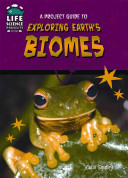
Exploring Earth’s biomes

by Claire O’Neal

Grades: 4-8

Have you ever wondered how plants survive in the desert? Or what happens to worms in the winter? Or where you fit in a food web? Throughout Earth’s six major biomes–tundra, taiga, rain forest, temperate deciduous forest, grassland, and desert–plants and animals use special strategies to cope with challenges in their environment.

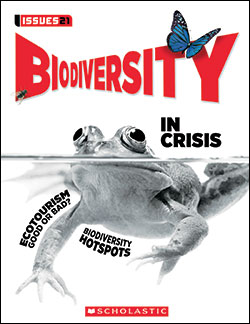
Biodiversity

by Sandy Szeto

Grades: 6-9

Part of the Issues 21 series, which examines contemporary issues in society in order to develop students’ skills in the areas of critical thinking, creativity, communication, collaboration, ethical citizenship and activism. Includes 6 student books and a teacher’s guide.


Finding More Resources

To find more resources in this area, try the following:

  • Search using the General tab on the UBC Library website to look for material in all UBC Library branches.
  • Search using “Search Education Resources” box in the left hand bar on the Education Library website to limit your results to materials in the Education Library.
  • Use specific search terms to narrow your results, such as “biodiversity”, “wildlife conservation”, “environmental education”, “biotic communities”, or “extinction (biology)”.
  • To find lesson plans, include “lesson plans”, “lesson planning”, or “activity programs” in your search terms.

For more help with searching, please visit the Library Service Desk or e-mail ed.lib@ubc.ca.

Categories
Mathematics

Patterning and Algebra

Listed below are selected teacher resources, picture books, and non-fiction related to patterning and algebra.

Teacher Resources

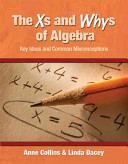
The Xs and whys of algebra: Key ideas and misconceptions

by Anne Collins and Linda Dacey

Grades: 7-9

This flipchart emphasizes five essential algebraic concepts: using variables meaningfully; using multiple representations for expressions; connecting algebra with number; connecting algebra with geometry; and manipulating symbols with understanding. The thirty research-based modules are designed to engage all students in mathematical learning that develops conceptual understanding, addresses common misconceptions, and builds key ideas essential to future learning.

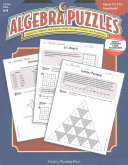
Algebra puzzles: Build pre-algebra and algebra skills through puzzles and problems

by Hank Garcia

Grades: 7-9

The author uses games, puzzles, and other problem-solving activities to give students fresh, new ways of exploring learned concepts. While reviewing essential concepts and vocabulary for pre-algebra and algebra, the book helps students visualize and think more deeply about these abstract ideas.

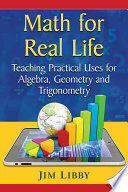
Math for real life: Teaching practical uses for algebra, geometry and trigonometry

by Jim Libby

Grades: 7-12

This book presents hundreds of practical applications for mathematics—from baseball statistics to the theory of relativity—that can be understood by anyone with a knowledge of high school algebra, geometry and trigonometry. It will help teachers to answer the inevitable question “When are we ever going to use this?”

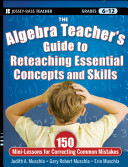
The algebra teacher’s guide to reteaching essential concepts and skills: 150 minilessons for correcting common mistakes

by Judith A. Muschla et al.

Grades: 6-12

In simple terms, the authors outline 150 classroom-tested lessons, focused on those concepts often most difficult to understand, in terms that are designed to help all students unravel the mysteries of algebra. Also included are reproducible worksheets that will assist teachers in reviewing and reinforcing algebra concepts and key skills.

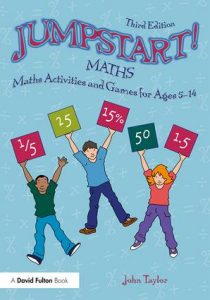
Jumpstart! Maths: Maths activities and games for ages 5-14

by John Taylor

Grades: K-8

The author presents a collection of simple-to-use, multi-sensory games and activities which will jumpstart students’ understanding of mathematics in action. It will help students to explore and learn math both through technology and without, in an atmosphere of fun, mutual support and tolerance. Topics include number and place value, fractions, ratios, algebra, measurement, geometry, and more. (E-book only)
Connecting arithmetic to algebra: Strategies for building algebraic thinking in the elementary grades

by Susan Jo Russell et al.

Grades: K-6

This book explores how elementary school teachers can better prepare their students for algebra. The authors describe how elementary teachers can shape their instruction so that students learn to notice and describe consistencies across problems, articulate generalizations about the behavior of the operations, and develop mathematical arguments based on representations to explain why such generalizations are or are not true. All of these form the basis of strategies used in algebra.

Algebra and the elementary classroom: Transforming thinking, transforming practice

by Maria L. Blanton

Grades: K-6

This book demonstrates how prepare students for formal algebra instruction by introducing algebraic thinking through familiar arithmetical contexts; helping students think about, represent, and build arguments for their mathematical ideas; exploring mathematical structures and functional relationships, and asking students to make algebraic connections across the curriculum.

Drying salmon: Journeys into proportional and pre-algebraic thinking

by Barbara L. Adams and Jerry Lipka

Grades: 6-7

This module explores pre-algebraic and proportional thinking using the unique system of body measures that a Yup’ik elder used when hanging her salmon to dry. Students transform their own measurements into mathematical symbols as a way to investigate variables, relationships, proportions and algebraic thinking. Part of the Math in a cultural context series.

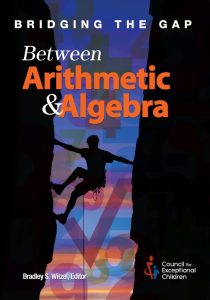
Bridging the gap between arithmetic and algebra

edited by Bradley S. Witzel

Grades: K-12

The abstractness of algebra and missing precursor understandings may be overwhelming to many students, and their teachers. This book responds to this need for instruction and interventions that go beyond typical math lesson plans. Providing a review of evidence-based practices, this book is an essential reference for teachers when teaching mathematics to students who struggle with the critical concepts and skills necessary for success in algebra.

Mindset mathematics: Visualizing and investigating big ideas, grade 7

by Jo Boaler et al.

Grades: 7

The most challenging parts of teaching mathematics are engaging students and helping them understand the connections between mathematics concepts. The authors designed this book around the principle of active student engagement, with tasks that reflect the latest brain science on learning. Open, creative, and visual math tasks have been shown to improve student test scores, and more importantly change their relationship with mathematics and start believing in their own potential.

Picture Books

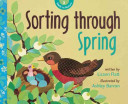
Sorting through spring

written by Lizann Flatt, illustrated by Ashley Barron

What if animals and plants knew math, just like us? Would flowers bloom in patterns? Would raindrops fall in rhythm? Would birds balance evenly on branches? In this book, nature comes to life to help children grasp concepts of patterning, sorting, data management, and probability.

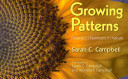
Growing patterns: Fibonacci numbers in nature

written by Sarah C. Campbell, illustrated by Sarah C. Campbell and Richard P. Campbell

What’s the biggest mathematical mystery in nature? Fibonacci numbers! The pattern creeps up in the most unexpected places. It’s clear that math holds secrets to nature and that nature holds secret numbers.

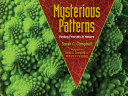
Mysterious patterns: Finding fractals in nature

written by Sarah C. Campbell, illustrated by Sarah C. Campbell and Richard P. Campbell

Nature’s repeating patterns, better known as fractals, are beautiful, universal, and explain much about how things grow. This book is an introduction to fractals through examples that can be seen in parks, rivers, and our very own backyards.

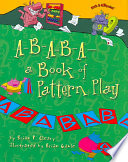
A-b-a-b-a: A book of pattern play

written by Brian P. Cleary, illustrated by Brian Gable

The pictures and rhyming text in this book provide simple examples of repeating sequences of shapes, colours, objects, and more, helping readers learn how to find patterns in the world around them.

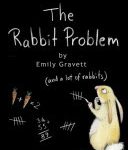
The rabbit problem

by Emily Gravett

In Fibonacci’s Field, Lonely and Chalk Rabbit meet, snuggle together, and then spend a year trying to cope with their ever-increasing brood and the seasonal changes that bring a new challenge each month. By the end of the book, you’ll know how 1+1 can add up to 288.

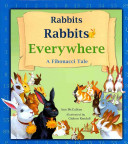
Rabbits, rabbits everywhere

written by Ann McCallum, illustrated by Gideon Kendall

Rapidly multiplying rabbits are taking over the village of Chee, and soon there are so many that even the Pied Piper cannot get rid of them. A girl named Amanda discovers a pattern that leads to a way to make the rabbits leave.

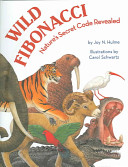
Wild Fibonacci

written by Joy N. Hulme, illustrated by Carol Schwartz

Count the petals on a flower or the peas in a peapod. The numbers are all part of the Fibonacci sequence. In this book, readers will discover this mysterious code in a special shape called an equiangular spiral, which appears throughout nature. A sundial shell curves to fit the spiral; so does a parrot’s beak, a hawk’s talon, and even our own human teeth.

Non-Fiction

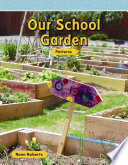
Our school garden: Patterns

by Rann Roberts

Grades: 2-5

The students in this book are learning about gardens. One grade is planting a pizza garden, and another grade is planting a storybook garden. Although they are planting different things, they will all use patterns in their planning. With photos, math charts and diagrams, and informational text features, students will learn about practical, real-world applications of math skills as they learn about mathematical patterns and build their STEM skills.

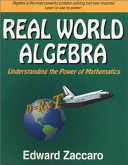
Real world algebra: Understanding the power of mathematics

by Edward Zaccaro

Grades: 5-9

Just as English can be translated into other languages, word problems can be “translated” into the math language of algebra and easily solved. This book explains this process in an easy to understand format using cartoons and drawings, making self-learning easy for both the student and any teacher who never did quite understand algebra. Includes chapters on algebra and money, algebra and geometry, algebra and physics, algebra and levers and many more.

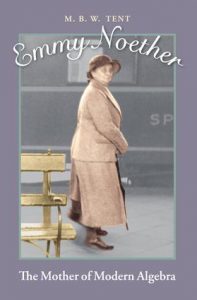
Emmy Noether: The mother of modern algebra

by M. B. W. Tent

Grades: 8-12

This book, written primarily for the young adult reader, tells the life story of Emmy Noether, the most important female mathematician of our time. Because no one expected her to grow into an important scientist, the records of her early life are sketchy. After all, it was assumed that she would grow up to be a wife and mother. Instead, she was a genius who chose a distinctive path. (E-book only)


Finding More Resources

To find more resources in this area, try the following:

  • Search using the General tab on the UBC Library website to look for material in all UBC Library branches.
  • Search using “Search Education Resources” box in the left hand bar on the Education Library website to limit your results to materials in the Education Library.
  • Use specific search terms to narrow your results, such as “mathematics – study and teaching”, “mathematical ability – testing”, “algebra – study and teaching”, or “mathematics – juvenile literature”.
  • To find lesson plans, include “lesson plans”, “lesson planning”, or “activity programs” in your search terms.

For more help with searching, please visit the Library Service Desk or e-mail ed.lib@ubc.ca.

Categories
Mathematics

Number Sense and Numeration

Listed below are selected teacher resources, picture books, and non-fiction related to number sense and numeration.

Teacher Resources

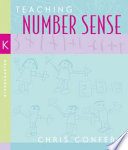
Teaching number sense, kindergarten

by Chris Confer

Grades: K-1

Number sense encompasses a wide range of skills, including being able to make estimates and to think and reason flexibly. In these lessons, children investigate number relationships, practice problem solving using landmark numbers, and explore ways to count, compose, and decompose numbers.

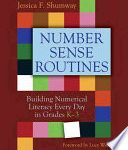
Number sense routines: Building numerical literacy every day in grades K-3

by Jessica F. Shumway

Grades: K-3

Just like athletes and musicians, mathematical thinkers and problem solvers can benefit from daily warm-up exercises. The author has developed a series of routines designed to help young students internalize and deepen their facility with numbers. The daily use of these quick five-, ten-, or fifteen-minute experiences at the beginning of math class will help build students’ number sense.

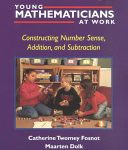
Young mathematicians at work: Constructing number sense, addition, and subtraction

by Catherine Twomey Fostnot and Maarten Dolk

Grades: K-3

This book provides a new look at the teaching of computation. It moves beyond debates about algorithms to argue for deep number sense and the development of a repertoire of strategies based on landmark numbers and operations. Sample minilessons on the use of the open number line model are provided to show teachers how to support the development of efficient computation.

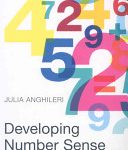
Developing number sense: Progression in the middle years

by Julia Anghileri

Grades: 4-7

What is number sense? How do children develop number sense? What are the most effective teaching methods and resources? How can research findings inform classroom practice? This book will help teachers answer these questions, and more. The author focuses on the connections that help to develop understanding, such as how counting underpins many calculating methods and the way mental working and informal jotting can support problem solving.

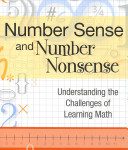
Number sense and number nonsense: Understanding the challenges of learning math

by Nancy Krasa and Sara Shunkwiler

Grades: K-8

This book brings math difficulties into clear focus, helping educators get inside students’ heads so they can devise the best way to help children learn. Readers will gain a research-based understanding of what it means when students struggle with understanding relative values, comprehending spatial configurations, reading and writing numerals or other symbols, mastering arithmetic facts or algorithms, and more.

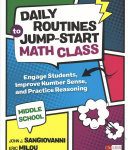
Daily routines to jump-start math class, middle school: Engage students, improve number sense, and practice reasoning

by John J. SanGiovanni and Eric Milou

Grades: 6-8

The authors give a year’s worth of daily instructional material for use in each class period to promote student reasoning and number sense, foster and shore up students’ conceptual understanding, and engage students in mathematical discourse and reasoning.

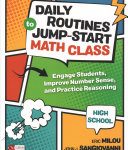
Daily routines to jump-start math class, high school: Engage students, improve number sense, and practice reasoning

by Eric Milou and John J. SanGiovanni

Grades: 9-12

Kickstart your class with five daily 5–10 minute routines, all of which include content-specific examples, extensions, and variations for high school mathematics. These routine help students to frequently revisit essential mathematical concepts, engage in mental mathematics, and move learning beyond “correctness” by valuing mistakes and discourse and encouraging a growth mindset.

Jumpstart! Maths: Maths activities and games for ages 5-14

by John Taylor

Grades: K-8

The author presents a collection of simple-to-use, multi-sensory games and activities which will jumpstart students’ understanding of mathematics in action. It will help students to explore and learn math both through technology and without, in an atmosphere of fun, mutual support and tolerance. Topics include number and place value, fractions, ratios, algebra, measurement, geometry, and more. (E-book only)
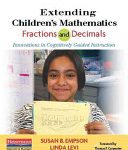
Extending children’s mathematics: Fractions and decimals

by Susan B. Empson and Linda Levi
Grades: K-8

This book lays a foundation for understanding fractions and decimals in ways that build conceptual learning. Three themes are showcased: building meaning for fractions and decimals through discussing and solving word problems; the progression of strategies for solving fraction word problems and equations from direct modeling through relational thinking; and designing instruction that capitalizes on students’ relational thinking strategies to integrate algebra into teaching and learning fractions.

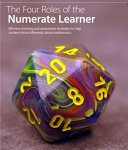
The four roles of the numerate learner: Effective teaching and assessment strategies to help students think differently about mathematics

by Mary Fiore and Maria Luisa Lebar

Grades: K-6

This book introduces a numeracy framework–sense maker, skill user, thought communicator, and critical interpreter–that supports an integrated approach to math instruction. It considers the mathematical practices students need to learn to construct number knowledge, become mathematicians, and simply “do math”. The goal is to provide a new way of thinking and learning where learners engage in critical thinking about numeracy and act on their knowledge. (Also available online)

Picture Books

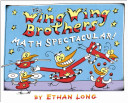
The Wing Wing brothers math spectacular!

by Ethan Long

Wilber, Wendell, Willy, Walter, and Woody really know how to put on a show – and their slapstick routine is also a math lesson. They introduce the concepts greater than, less than, and equal to as well as addition and subtraction.

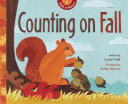
Counting on fall

written by Lizann Flatt, illustrated by Ashley Barron

What if animals and plants knew math, just like you? Would leaves fall in patterns? Would whales enter a race? Nature in the fall comes to life to help children grasp concepts of number sense and numeration.

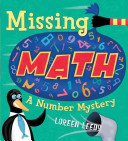
Missing math: A number mystery

by Loreen Leedy

What happens when one day, all the numbers in town suddenly disappear? No one can count, use the phone, or find out what time it is. No one can use their computers, money, or rulers. Can the town detective solve the mystery?

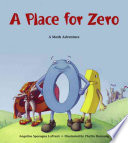
 A place for Zero: A math adventure

written by Angelina Sparagna LoPresti, illustrated by Phyllis Hornung

Having nothing to bring to the game of Addemup, Zero cannot play with the rest of the players in Digitaria and so must come up with a clever plan that will let him play despite his numeric shortcomings.

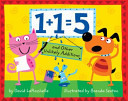
1+1=5: and other unlikely additions

written by David LaRochelle, illustrated by Brenda Sexton

Is the answer to 1+1 always 2? Not when you add 1 goat + 1 unicorn and get 3 horns, or 1 set of twins and 1 set of triplets and get 5 babies, or 1 ant and 1 spider and get 14 legs!

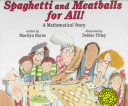
Spaghetti and meatballs for all: A mathematical story

written by Marilyn Burns, illustrated by Deborah Tilley

Mr. and Mrs. Comfort have arranged tables and chairs to seat 32 people at their family reunion. But the guests have their own ideas for seating. How will the family make room for everyone?

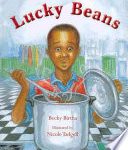
Lucky beans

written by Becky Birtha, illustrated by Nicole Tadgell

During the Great Depression, Marshall uses the lessons he’s learned in arithmetic class and guidance from his mother to figure out how many beans are in a jar in order to win her a new sewing machine in a contest.

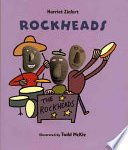
The Rockheads

written by Harriet Ziefert, illustrated by Todd McKie

Increasing numbers of rock-headed characters enjoy a variety of activities, each specific to the number on the page. Four rockheads play in a quartet, five make a basketball team, and nine play on a baseball team.

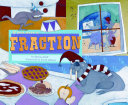
If you were a fraction

written by Trisha Speed Shaskan, illustrated by Francesca Carabelli

What would you be like if you were a fraction? You’d be part of a set. You could be divided more than once. What else would you be if you were a fraction? (Part of the Math fun series)

Non-Fiction

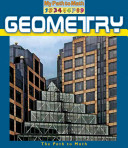
The My path to math series

Grades: K-3. This series of 22 books addresses topics such as addition, subtraction, rounding, math words and symbols, and more.

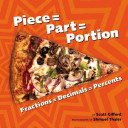
Piece = part = portion: Fractions = decimals = percents

written by Scott Gifford, illustrated by Shmuel Thaler

Grades: K-6

Just as hola and bonjour mean “hello”, fractions, decimals, and percents describe the same thing in slightly different ways in the language of math. The photographs in this book will illustrate for students the ways in which these concepts all come back to the same basic idea.


Finding More Resources

To find more resources in this area, try the following:

  • Search using the General tab on the UBC Library website to look for material in all UBC Library branches.
  • Search using “Search Education Resources” box in the left hand bar on the Education Library website to limit your results to materials in the Education Library.
  • Use specific search terms to narrow your results, such as “numeration–study and teaching”, “mathematics–study and teaching”, or “number sense”.
  • To find lesson plans, include “lesson plans”, “lesson planning”, or “activity programs” in your search terms.

For more help with searching, please visit the Library Service Desk or e-mail ed.lib@ubc.ca.

Categories
Mathematics

Measurement

Listed below are selected teacher resources, picture books, and non-fiction related to measurement.

Teacher Resources

Putting essential understanding of geometry and measurement into practice in grades 3-5

by Kathryn B. Chval et al.

Grades: 3-5

This book focuses on the specialized pedagogical content knowledge that teachers need to teach geometry and measurement effectively in grades 3-5. The authors demonstrate how to use this multifaceted knowledge to address the big ideas and essential understandings that students must develop for success with geometry and measurement–not only in their current work, but also in higher-level mathematics and a myriad of real-world contexts.

Jumpstart! Maths: Maths activities and games for ages 5-14

by John Taylor

Grades: K-8

The author presents a collection of simple-to-use, multi-sensory games and activities which will jumpstart students’ understanding of mathematics in action. It will help students to explore and learn math both through technology and without, in an atmosphere of fun, mutual support and tolerance. Topics include number and place value, fractions, ratios, algebra, measurement, geometry, and more. (E-book only)

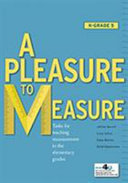
 A pleasure to measure: Tasks for teaching measurement in the elementary grades

by Jeffrey Barrett et al.

Grades: K-5

With individual chapters for kindergarten through grade 5, this book includes 65 classroom-ready activities on measurement, along with a summary of learning goals, connections to children’s literature, and ideas for extending beyond the activities. In each chapter, the authors provide a collection of activities, a summary of level-specific measurement goals and learning trajectory stages, and a table that matches activities with learning stages.

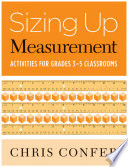
Sizing up measurement: activities for grades 3-5 classrooms

by Chris Confer

Grades: 3-5

This book shares lessons that focus on essential measurement concepts in relation to problem-solving concepts. The lessons help students know what it means to measure, identify what they’re measuring and what units to use, estimate results, choose suitable tools, and keep track of their results in an organized way.

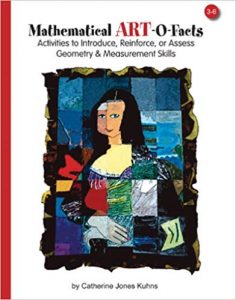
Mathematical art-o-facts: Activities to introduce, reinforce, or assess geometry & measurement skills

by Catherine Jones Kuhns

Grades: 3-6

Are these art projects or are they math activities? The answer is yes! Teachers can use these lessons to introduce, reinforce, or assess specific measurement and geometry skills. None requires lots of special materials, and all can be used to supplement your existing curriculum. These clever ideas promote mathematical thinking and creativity through problem-solving. Includes full-color photos and reproducibles.

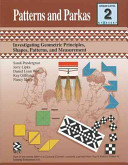
Patterns and parkas: Investigating geometric principles, shapes, patterns, and measurement

by Sandi Pendergrast et al.

Grades: 2

Grade two students learn about the properties of shapes including squares, rectangles, triangles, and parallelograms. They learn a variety of ways to make those shapes and how Yup’ik elders use these shapes to create patterns. As the students make shapes, they learn about geometrical relationships, symmetry, congruence, proofs and measuring. Part of the Math in a cultural context series.

Picture Books

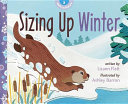
Sizing up winter

written by Lizann Flatt, illustrated by Ashley Barron

What if animals and plants knew math, just like us? Would snowflakes all fall from the same height in the sky? Would otters spread themselves evenly across lakes? Would groundhogs be aware of the date? In this wintry picture book, nature comes to life to help children grasp concepts of time and measurement.

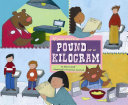
If you were a pound or a kilogram

written by Marcie Aboff, illustrated by Francesca Carabelli

If you were a pound or a kilogram, you would be the mass of things. You could be a sack of sugar, a basket of berries, or a heavy-duty truck. What else could you be if you were a pound or a kilogram? Part of the Math fun series.

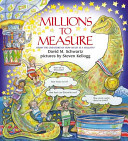
Millions to measure

written by David M. Schwartz, illustrated by Steven Kellogg

Marvelosissimo the Magician is ready to explore length, weight, and volume measurements. How tall is Moonbeam, the unicorn? How long are Jello the cat’s whiskers? Tons and ounces and feet and miles … with millions of things to measure, wouldn’t one standard system be simpler? With another wave of the wand, Marvelosissimo introduces the world of metrics and makes it easy to understand the basic pattern of meters, liters, and grams.

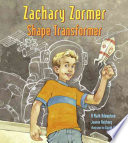
Zachary Zormer, shape transformer: A math adventure

written by Joanne Reisberg, illustrated by David Hohn

Friday is Zachary Zormer’s favorite day of the week. At least it is until he realizes he forgot this week’s assignment: “Bring in something fun to measure.” What can Zack do when all he has to work with is a piece of paper he finds in his pocket? Week after week Zack takes on a different math concept with surprising projects including a mobius strip, a paper frame large enough to step through, and a light show that demonstrates how the sun heats the earth.

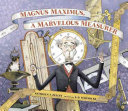
Magnus Maximus, a marvelous measurer

written by Kathleen T. Pelley, illustrated by S. D. Schindler

Magnus Maximus is a marvelous measurer. He measures wetness and dryness, nearness and farness, and everything in between. When a lion escapes from a traveling circus, Magnus and his trusty measuring tape come to the rescue. Now a hero, all is well until the day Magnus accidentally breaks his glasses, and he sees—for the first time—that he’s been missing out on life’s simple pleasures.

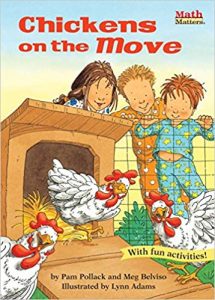
Chickens on the move

written by Pam Pollack and Meg Belviso, illustrated by Lynn Adams

Grandpa has a surprise for Tim, Anne, and Gordon – chickens! Now, where should they put the chickens and their new home? Each time they move the fence, the coop becomes a different shape, but the perimeter stays the same. Can they figure it out? Part of the Math matters series.

Non-Fiction

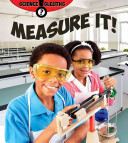
Measure it!

by Crystal Sikkens

Grades: K-3

This book explains how scientists around the world use the metric system and related tools to help them compare, contrast, and analyze the measurement data they collect. The author gives opportunities for hands-on learning to help students refine their measuring skills. Part of the Science sleuths series.

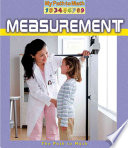
Measurement

by Penny Dowdy

Grades: K-3

This book offers young reader a clear insight into understanding length, weight, capacity, and temperature. It gives a easy-to-understand approach to measuring with non-standard, customary, and metric systems. Part of the My path to math series.

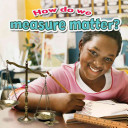
How do we measure matter?

by Lynn Peppas

Grades: K-3

Young readers learn to identify different tools used to measure matter, such as balances, rulers, and thermometers. Also helps readers gain hands-on experience measuring, collecting and recording data, and graphing their results.

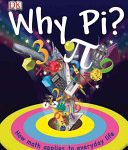
Why pi?

by Johnny Ball

Grades: 3-5

Focusing on how people from ancient Egyptians to modern scientists have used numbers to measure things through the ages, this book makes math interesting and is filled with games, puzzles, brainteasers, and fun facts.


Finding More Resources

To find more resources in this area, try the following:

  • Search using the General tab on the UBC Library website to look for material in all UBC Library branches.
  • Search using “Search Education Resources” box in the left hand bar on the Education Library website to limit your results to materials in the Education Library.
  • Use specific search terms to narrow your results, such as “measurement”, “measurement – juvenile literature”, or “mathematics – study and teaching”.
  • To find lesson plans, include “lesson plans”, “lesson planning”, or “activity programs” in your search terms.

For more help with searching, please visit the Library Service Desk or e-mail ed.lib@ubc.ca.

Categories
Mathematics

Geometry and Spatial Sense

Listed below are selected teacher resources, picture books, fiction, and non-fiction related to geometry and spatial sense.

Teacher Resources

Categories
Mathematics

Financial Literacy

Listed below are selected teacher resources, picture books, and non-fiction related to financial literacy.

Teacher Resources

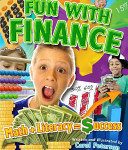
Fun with finance: Math + literacy = success

by Carol Peterson

Grades: K-6

This book focuses on a range of topics, from currency and the global economy, to business entities, savings, credit, real estate investments, the markets, budgeting, and goal planning. Each chapter offers grade-appropriate lessons, with a readers theatre script, glossary, cross-curricular activities, a list of Web sites, and even a board game, to make learning a genuinely successful enterprise.

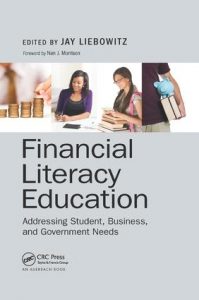
Financial literacy education: Addressing student, business, and government needs

by Jay Liebowitz

Grades: K-12

Faced with an array of complex financial services and sophisticated products, many people lack the knowledge and skills to make rational, informed decisions on the use of their money and planning for future events, such as retirement. This book shows what teachers can do to improve financial literacy awareness and education, including the use of interactive games and tutorials, peer-to-peer mentoring, and financial literacy contests in addition to more formal education. (E-book only)

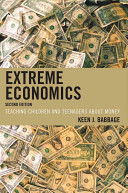
Extreme economics: Teaching children and teenagers about money

by Keen J. Babbage

Grades: K-12

What should children and teenagers know about personal finance? How can sound financial principles and money management be taught to these students? The author identifies, through current research, what children and teenagers need to know about managing funds. It shows educators how to design instructional activities that enable students to learn about money management in fascinating and meaningful ways.

Using deliberative techniques to teach financial literacy

by Nancy Claxton

Grades: 9-12

This book is written for teachers who want to bring innovation and participatory teaching techniques into their classroom. Using the methodologies of debate, role plays, simulations, and presentations, teachers can teach essential financial literacy objectives to secondary level students. Topics include basic principles of money management, credit and debt management, risk management, and more.

Picture Books

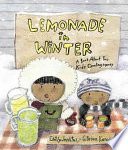
Lemonade in winter: A book about two kids counting money

written by Emily Jenkins, illustrated by G. Brian Karas

A lemonade stand in winter? Yes, that’s exactly what Pauline and John-John intend to have, selling lemonade and limeade–and also lemon-limeade. With a catchy refrain (Lemon lemon LIME, Lemon LIMEADE! Lemon lemon LIME, Lemon LEMONADE!), they try to attract customers as Pauline adds up their earnings.

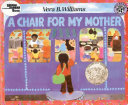
 A chair for my mother

by Vera B. Williams

A child, her waitress mother, and her grandmother save dimes to buy a comfortable armchair after all their furniture is lost in a fire.

Non-Fiction

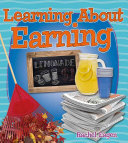
Learning about earning

by Rachel Eagan

Grades: K-3

Young readers will learn about how money is earned and the nature of goods and services in this book. Real-world examples and scenarios help readers better understand the role of work, the concept of earning a salary or wage, and the roles of producers and consumers.

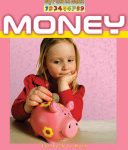
Money

by Penny Dowdy

Grades: K-3

This book introduces young readers to the concepts of currency, the value of unique coins and bills, and counting money. Part of the My path to math series.

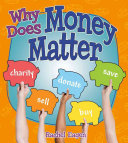
Why does money matter?

by Rachel Eagan

Grades: K-3

This book explores the role of money in the lives of people around the world, including its necessity for meeting basic needs. Through authentic examples and engaging scenarios, young readers will learn that money, when used wisely, can be an instrument of good in the world. Part of the Money sense: an introduction to financial literacy series.

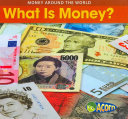
What is money?

by Rebecca Rissman

Grades: K-3

Children learn about what money is, how it is used, and why it is important. Part of the Money around the world series.

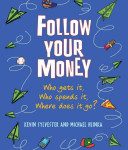
Follow your money

written by Kevin Sylvester and Michael Hlinka, illustrated by Kevin Sylvester

Grades: 4-7

When you pay for that cool pair of shoes or a tasty snack, what happens to that money once it leaves your hands? Who actually pockets it or puts it into the bank? Discover the trail your money takes as it goes to pay for everything including the raw materials used to make a product, the workers who produce it, and the advertisers who promote it.

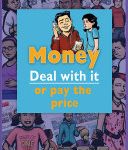
Money: Deal with it or pay the price

written by Kat Mototsune, illustrated by Remie Geoffroi

Grades: 4-7

Money can’t buy happiness, but it can lead to all sorts of trouble at home, school, work, and among friends. This book looks at the way we value, display, and covet wealth and will help kids make change when costly conflicts arise. Part of the Deal with it series.

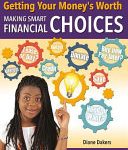
Getting your money’s worth: Making smart financial choices

by Diane Dakers

Grades: 5-8

This book helps young readers build the skills to make smart choices when spending and saving their money. Realistic examples provide an understanding of the outcomes of spending using different means such as cash or credit. Readers will learn about the benefits of saving money, the various ways to do it, and how a bank manages money. Essential concepts such as credit reports and cost of living are introduced. Part of the Financial literacy for life series.

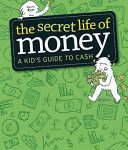
The secret life of money: A kid’s guide to cash

written by Kira Vermond, illustrated by Clayton Hamner

Grades: 5-9

This book uses anecdotes, comics, and surprising everyday connections to help young readers see and understand cash from an entirely different angle. From the history of different currencies to why we buy what we buy, from how charities and credit cards work to saving and investing, readers will gain not only an appreciation for the many ways that money changes and influences their lives, but also an understanding of the control they have over it.

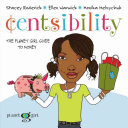
Centsibility: The Planet Girl guide to money

written by Stacey Roderick and Ellen Warwick, illustrated by Monika Melnychuk

Grades: 5-9

Today’s girl is no fool: she knows money can’t buy happiness. But if she wants on the bus, or a snack when she’s out, she needs some cash flow. This book gives practical advice on a range of topics relating to money: tips on jobs, saving, debt, spending and budgeting, how to become an entrepreneur, what to scrimp on (and what not to), and more.

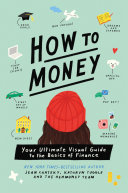
How to money : your ultimate visual guide to the basics of finance

written by Jean Chatzky, Kathryn Tuggle, and the HerMoney Team; illustrated by Nina Cosford

Grades: 9-12

There’s no getting around it. You need to know how to manage money to know how to manage life ― but most of us don’t! This full-color, illustrated guidebook from New York Times bestselling author and financial expert Jean Chatzky, Kathryn Tuggle, and their team at HerMoney breaks down the basics of money―how to earn it, manage it, and use it―giving you all the tools you need to take charge and be fearless with personal finance.


Finding More Resources

To find more resources in this area, try the following:

  • Search using the General tab on the UBC Library website to look for material in all UBC Library branches.
  • Search using “Search Education Resources” box in the left hand bar on the Education Library website to limit your results to materials in the Education Library.
  • Use specific search terms to narrow your results, such as “financial literacy–juvenile literature”, “finance, personal–study and teaching”, or “money–juvenile literature”.
  • To find lesson plans, include “lesson plans”, “lesson planning”, or “activity programs” in your search terms.

For more help with searching, please visit the Library Service Desk or e-mail ed.lib@ubc.ca.

Categories
Mathematics

Data Management and Probability

Listed below are selected teacher resources, picture books, and non-fiction related to data management and probability.

Teacher Resources

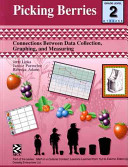
Picking berries: Connections between data collection, graphing, and measuring

by Jerry Lipka et al.

Grades: 2-3

In this module, students engage in a series of hands-on activities that help them explore data, graphic representation and linear measuring. Students gather data related to the berry harvest to build and analyze tables and graphs, and they learn to read thermometers and measure the length of their shadows. The culture and math of this module connect through an engaging story of a family gathering berries at the end of summer. Part of the Math in a cultural context series.

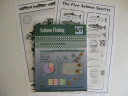
Salmon fishing: Investigations into probability

by Aishath Shehenaz Adam et al.

Grades: 6-7

Students use activities based on subsistence and commercial fishing in southwest Alaska to investigate various topics related to probability, such as experimental and theoretical probability, the law of large numbers, sample space and equally and unequally likely events. The module consists of nine activities, with each activity including an introduction, goals, materials used, preparation needed before class, vocabulary and instructions. Part of the Math in a cultural context series.

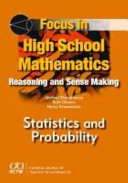
Focus in high school mathematics: Reasoning and sense making in statistics and probability

by Michael Shaughnessy et al.

Grades: 9-12

Reasoning about and making sense of statistics and probability are essential to students’ future success. This books presents six investigations to illustrate how to help high school students develop their skills in working with data. The investigations emphasize the roles of reasoning and sense making in defining a statistical question and collecting, analyzing and interpreting data to answer it.

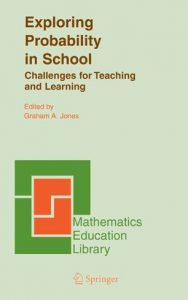
Exploring probability in school: Challenges for teaching and learning

edited by Graham A. Jones

Grades: K-12

This book provides a new perspective into research on the teaching and learning of probability by recognizing and analyzing the special challenges faced by teachers and learners in contemporary classrooms. The chapters discuss the nature of probability, look at the meaning of probabilistic literacy, and examine student access to powerful ideas in probability during the elementary, middle, and high school years. (E-book only)

Picture Books

Sorting through spring

written by Lizann Flatt, illustrated by Ashley Barron

What if animals and plants knew math, just like us? Would flowers bloom in patterns? Would raindrops fall in rhythm? Would birds balance evenly on branches? In this book, nature comes to life to help children grasp concepts of patterning, sorting, data management, and probability.

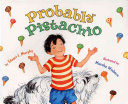
Probably pistachio

written by Stuart J. Murphy, illustrated by Marsha Winborn

Nothing goes right for Jack all day long. He can’t find his favorite sneakers, he spills milk on his math homework, and worst of all, he gets tuna fish for lunch. Maybe, just maybe, pistachio ice cream for dessert will do the trick. But how likely is it to happen?

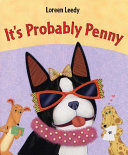
It’s probably Penny

by Loreen Leedy

Lisa’s class is learning about probability. For part of her homework, she has to think of an event that will happen, one that might happen, and one that can’t happen. Who is that Boston terrier that keeps popping into Lisa’s imagination? It’s probably Penny!

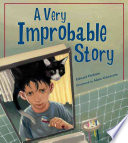
 A very improbable story

written by Edward Einhorn, illustrated by Adam Gustavson

Ethan wakes up one morning to find a cat stuck on his head. The cat, Odds, won’t budge until Ethan wins a game of probability. Without looking, Ethan must pick out a dime from his coin collection or two matching socks from his dresser, or do something else improbable. If he doesn’t, Odds is there to stay, and Ethan has a 100% chance of missing his big soccer game.

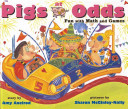
Pigs at odds: Fun with math and games

written by Amy Axelrod, illustrated by Sharon McGinley-Nally

While trying their luck at various games at the county fair, members of the Pig family find out what the odds are that they will go home as winners. No matter how many times Mr. Pig tries to win, the odds seem to be against him. Will his luck ever change?

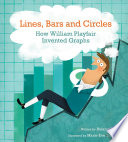
Lines, bars and circles: How William Playfair invented graphs

written by Helaine Becker, illustrated by Marie-Ève Tremblay

Born in Scotland more than 250 years ago, William Playfair saw the world differently from other people. While writing a book about economics, Will’s innovative vision inspired an idea that would set him apart: he created the first modern line graph. Next came a bar graph and later a pie chart. These infographic inventions provided a way for numbers to be seen as pictures, and changed the way the world would interact with data forever.

Non-Fiction

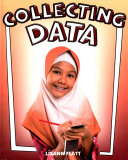
Collecting data

by Lizann Flett

Grades: 1-3

With fun and engaging activities, this book outlines the steps to properly gathering and organizing data, which include observation, assessing the reliability of sources, and critically assessing data in order to draw reliable conclusions. Part of the Get graphing! Building data literacy skills series.


Finding More Resources

To find more resources in this area, try the following:

  • Search using the General tab on the UBC Library website to look for material in all UBC Library branches.
  • Search using “Search Education Resources” box in the left hand bar on the Education Library website to limit your results to materials in the Education Library.
  • Use specific search terms to narrow your results, such as “mathematics–juvenile literature”, “probabilities–study and teaching”, “probabilities–juvenile literature” or “mathematical statistics–study and teaching”.
  • To find lesson plans, include “lesson plans”, “lesson planning”, or “activity programs” in your search terms.

For more help with searching, please visit the Library Service Desk or e-mail ed.lib@ubc.ca.

Spam prevention powered by Akismet