Categories
English Language Arts Planning for Teaching and Learning

Figurative Language

Listed below are selected teacher resources, picture books, and non-fiction related to figurative language.

Teacher Resources
The writing strategies book: Your everything guide to developing skilled writers with 300 strategies

by Jennifer Serravallo

Grades: K-6

From the author of The reading strategies book, this book presents a wide range of techniques to allow teachers to develop individual goals for every writer, give students step-by-step instructions for writing with skill and craft, coach writers using prompts aligned with a strategy, present mentor texts that support a genre and strategy, and more. Goal 7 includes discussion of figurative language.
The reading strategies book: Your everything guide to developing skilled readers

by Jennifer Serravallo

Grades: K-6

This book presents a wide range of techniques to allow teachers to develop individual goals for every reader, give students step-by-step instructions for reading with skill, guide readers using prompts aligned with a strategy, adjust instruction to meet individual needs, and more. Goal 11 includes discussion of figurative language.
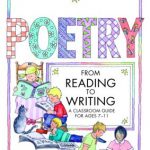
Poetry – From reading to writing: A classroom guide for ages 7-11

by Robert Hull

Grades: 2-6

The author uses poems from a range of authors to show how creative readings of poems can spark a child’s imagination and lead to original writing. Students are encouraged to write different forms of poetry, including rhyming and non-rhyming poems, haiku, free verse, narrative poems, and more. Chapter 7 includes discussion of figurative language. (E-book only)
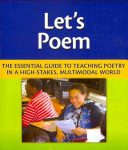
Let’s poem: The essential guide to teaching poetry in a high-stakes, multimodal world

by Mark Dressman

Grades: 7-12

This guide presents multiple approaches to teaching poetry at the middle and high school levels. The author explores how to preserve the fun of poetry while also developing critical writing and analysis skills, how to introduce students to the basic formal elements of classic and contemporary poetry, and how to expand their repertoires through the use of digital technology and the Internet. The chapter on “Skin Poetry” discusses figurative language.
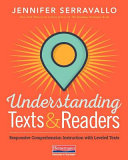
Understanding texts and readers: Responsive comprehension instruction with leveled texts

by Jennifer Serravallo

Grades: K-6

The author examines a number of areas of text comprehension, including how plot and setting, character, vocabulary and figurative language, and themes and ideas change as fiction become more complex; as well as how the complexity of main idea, key details, vocabulary, and text features increases in nonfiction texts.
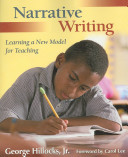
Narrative writing: Learning a new model for teaching

by George Hillocks Jr.

Grades: 9-12

This book demonstrates how focusing classroom activities on producing content, rather than form, boosts students’ engagement and makes them active learners. The author shows how “at-risk” kids’ competencies increase significantly as they are taught how to complete important writing tasks such as incorporating detail and figurative language, creating dialogue, expressing inner thoughts, portraying people and action, and more.

Picture Books
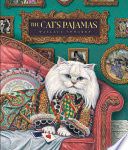
The cat’s pajamas

by Wallace Edwards

This book depicts 26 idioms, bringing new meaning to familiar sayings and tickling your funny bone with a surreal illustration on each page. To ensure you get the hang of it, each expression is used in a sentence and explained at the back of the book.
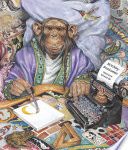
Monkey business

by Wallace Edwards

From a fish opening a “can of worms” to a tap-dancing octopus putting his “best foot forward,” these familiar idioms are re-imagined in hilarious and unexpected ways. The idioms are used in a sentence that accompanies each illustration, and the meaning of each one is explained at the end of the book.
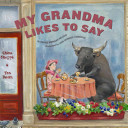
My grandma likes to say

written by Denise Brennan-Nelson, illustrated by Jane Monroe Donovan

Thousands of proverbs and idioms can be found in the English language – like “a horse of a different colour” and “a bull in a tea shop”. Derived from many different sources, these expressions are a link to history and culture, and can be an instructive tool in language education.
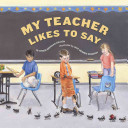
My teacher likes to say

written by Denise Brennan-Nelson, illustrated by Jane Monroe Donovan

Students often hear maxims and sayings on a regular basis in the classroom. From “Do you have ants in your pants?” to “Stick together!” and “Great minds think alike,” readers will be intrigued by the history of these adages, told in poetry form as well as expository text, and amused by the illustrations, depicting these sayings as a child might imagine them.
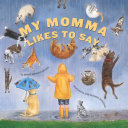
My momma likes to say

written by Denise Brennan-Nelson, illustrated by Jane Monroe Donovan

Parents say strange things sometimes – what does it REALLY mean when your mom says “Hold your horses”, “I have eyes in the back of my head”, or “Money doesn’t grow on trees”?
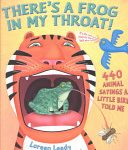
There’s a frog in my throat: 440 animal sayings a little bird told me,

written by Loreen Leedy and Pat Street, illustrated by Loreen Leedy

This book goes hog-wild with this collection of animal sayings. From lucky ducks to odd ducks to sitting ducks to just plain quacks, this book presents a wealth of sayings alongside fun-filled art bursting with color and energy. Each expression is clearly explained so no reader feels like a silly goose.
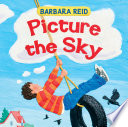
Picture the sky

by Barbara Reid

Wherever we may be, we share the same sky. But every hour, every day, every season, whether in the city or the forest, it is different. The sky tells many stories: in the weather, in the clouds, in the stars, in the imagination. This book envisions the sky above and around us in all its moods.
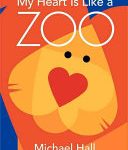
My heart is like a zoo

by Michael Hall

A heart can be hopeful, or silly, or happy. A heart can be rugged, or snappy, or lonely. A heart holds every different feeling, and for each one, the author an animal out of heart shapes, from “eager as a beaver” to “angry as a bear” to “thoughtful as an owl.”
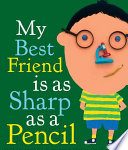
My best friend is sharp as a pencil: And other funny classroom portraits

by Hanoch Piven

Categories
English

Procedural Texts

Listed below are selected teacher resources, picture books, fiction, and non-fiction related to procedural texts.

Teacher Resources

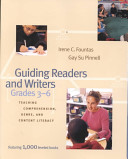
Guiding readers and writers, grades 3-6: Teaching Comprehension, Genre, and Content Literacy

by Irene C. Fountas and Gay Su Pinnell

Grades: 3-6

The authors explore six essential components of a literacy program: breakthrough to literacy, independent reading, guided reading, literature study, teaching for comprehension and word analysis, and the reading and writing connection.

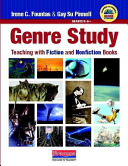
Genre study: teaching with fiction and non-fiction books, grades K-8+

by Irene C. Fountas and Gay Su Pinnell

Grades: K-8

This book uses an inquiry approach to engage students in exploring texts so that they can notice and name the characteristics of each genre and construct a working definition that guides their thinking of reading and writing.

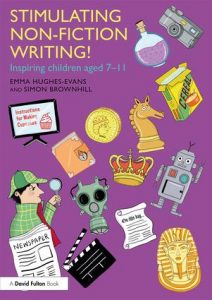
Stimulating non-fiction writing!: Inspiring children aged 7-11

by Emma Hughes-Evans and Simon Brownhill

Grades: 2-6

This book offers ways to engage children in non-fiction writing, giving teachers the confidence and practical advice that they need to support children in producing quality non-fiction texts in the classroom. Types of texts explored include instructions, persuasive texts, reports, and correspondence. (E-book only)

Nonfiction writing power: Teaching information writing with intent and purpose

by Adrienne Gear

Grades: K-6

This book is designed to help teachers develop a writing program that will enable their students to harness all of their nonfiction writing powers: to describe, to instruct, to compare, to persuade, to explain, and to report. It illustrates ways to encourage students to write because they have something to say, and to recognize that writing well means considering intent and purpose, and choosing the best form of expression.

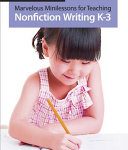
Marvelous minilessons for teaching: Nonfiction writing K-3

by Lori Jamison Rog

Grades: K-3

This book shows that even the youngest writers can consider audience and purpose as they use nonfiction writing to document their ideas and share those ideas with others. Forty minilessons offer strategies for writing informational, persuasive and procedural text. Each lesson starts with a learning goal and follows an “I do, We do, You do” format.

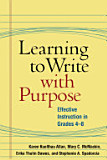
Learning to write with purpose: Effective instruction in grades 4-8

by Karen Kuelthau Allan et al.

Grades: 4-8

Communicating ideas and information is what makes writing meaningful, yet many students write without considering the aims of their writing or the needs of their readers. This book shares techniques to promote the skills and strategies need to write and revise effectively in a range of genres, including persuasive, expository and procedural writing; narratives; and poetry.

Picture Books Related to Procedural Texts

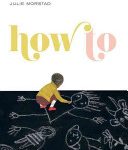
How to

by Julie Morstad

This imaginative ‘how to’ book explores whimsical ways of doing a host of different tasks, including ‘how to wonder’, ‘how to see the breeze’, and ‘how to be brave’.

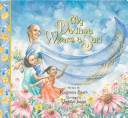
My dadima wears a sari

written by Kashmira Sheth, illustrated by Yoshiko Jaeggi

Rupa wonders why her grandmother always wears a sari, rather than other clothes. When her grandmother tells her all the things a sari can do – like being an umbrella in a rainstorm or a pouch for shells collected at the beach – Rupa thinks she’d like to wear one too. Includes instructions on wrapping a sari.

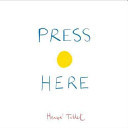
Press here

by Hervé Tullet, translated by Christopher Franceschelli

Press the yellow dot on the cover of this book, follow the instructions within, and embark upon a magical journey! Each page of this book instructs the reader to press the dots, shake the pages, tilt the book, and see what happens next.

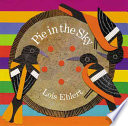
Pie in the sky

by Lois Ehlert

A father and child wait through the seasons for the cherries on their tree to be ripe, so they can make a cherry pie together. Includes a cherry pie recipe.

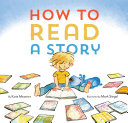
How to read a story,

written by Kate Messner, illustrated by Mark Siegel

It’s easy to read a story: just follow the steps. Step one: find a story. Step two: find a buddy. Step three: find a reading spot. Step four: read!

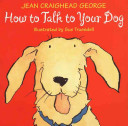
How to talk to your dog

written by Jean Craighead George, illustrated by Sue Truesdell

How do you say hello and good-bye in dog talk? Most importantly, how do you tell your dog that you’re the boss and have him or her adore you? Learn what different tail positions and facial expressions mean — and much more!

Non-Fiction Books Related to or Demonstrating Procedural Texts

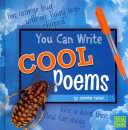
You can write cool poems

by Jennifer Fandel

Grades: 1-3

Through examples and exercises, this book shows how young writers can make readers smile, give them goosebumps or the giggles, or even make them cry, all through poetry.

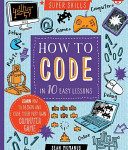
How to code in 10 easy lessons

by Sean McManus

Grades: 6-8

This book starts by asking the question, “What is coding?” and shows what coding skills are. Then readers get to see how to use Scratch coding software to write simple code, use loops, and debug, to create a webpage, and even make a computer game. Includes easy-to-follow instructions and step-by-step graphics.

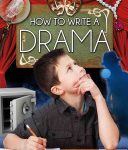
How to write a drama

by Megan Kopp

Grades: 3-6

A drama is a story that is experienced by an audience as a performance. Readers will explore acts, dialogue, stage direction, and other elements that define this genre. Mentor texts and writing prompts guide readers as they compose their own dramas. Part of the Text styles series.

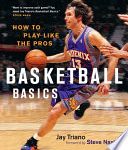
Basketball basics: How to play like the pros

written by Jay Triano, foreword by Steve Nash

Grades: 4-8

Focusing on the core areas – Conditioning, Offense, Defense, Rebounds, and Plays That Make a Difference – Triano provides step-by-step instructions for everything from balance and stretching to dribbling and passing, from shooting to catching to lay-ups and free throws. The book includes instructional photos on every page, as well as full-color action photos of international and NBA stars.

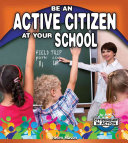
Be an active citizen at your school

by Helen Mason

Grades: K-3

Young readers will discover ways to practice democratic principles in their schools and classrooms. Accessible, child-centered examples demonstrate key skills and practices including active listening, consensus-building, and voting procedures. Readers will also learn ways to clearly communicate their own points of view while showing respect for others’ perspectives.

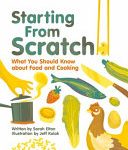
Starting from scratch: What you should know about food and cooking,

written by Sarah Elton, illustrated by Jeff Kulak

Grades: 5-12

This book demystifies food and cooking by boiling it down to the basics. Kids will be able to make sense of recipes, measure and substitute ingredients, and stock a pantry, but they’ll also discover that food is more than just a prepackaged meal. Includes several tasty recipes.

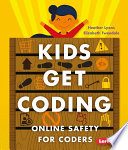
Online safety for coders

written by Heather Lyons and Elizabeth Tweedale, illustrated by Alex Westgate

Grades: K-3

How can you stay safe while surfing the Internet? You need to be an Internet superhero! The internet is an exciting world, but there are things you should be careful of as well. Find out how information is used online and how Internet superheroes protect their identities. Then use the link in this book to try fun activities that will boost your superhero skills.

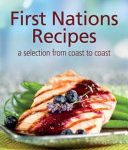
First Nations recipes: A selection from coast to coast

by Greg Lepine

Grades: 7-12

The recipes in this book feature ingredients at the foundation of Aboriginal culture, such as salmon, venison, bison, fiddleheads, wild rice and berries, and include brief descriptions of their historic relationship with that food. First Nations cuisine draws on millennia of evolution and deserves a lifetime of study. The recipes here represent a selection of favourites from various cultures across the country, and combine historic and currently available ingredients to reflect a contemporary, modern taste.


Finding More Resources

To find more resources in this area, try the following:

  • Search using the General tab on the UBC Library website to look for material in all UBC Library branches.
  • Search using “Search Education Resources” box in the left hand bar on the Education Library website to limit your results to materials in the Education Library.
  • Use specific search terms to narrow your results, such as “English language–composition and exercises–study and teaching” or “composition (language arts)”. Or, search for books with things like “how to” or “recipes” in their titles.
  • To find lesson plans, include “lesson plans”, “lesson planning”, or “activity programs” in your search terms.

For more help with searching, please visit the Library Service Desk or e-mail ed.lib@ubc.ca.

Categories
English

Expository Texts

Listed below are selected teacher resources, picture books, and non-fiction related to or demonstrating expository texts and writing.

Teacher Resources

Guiding readers and writers, grades 3-6: Teaching Comprehension, Genre, and Content Literacy

by Irene C. Fountas and Gay Su Pinnell

Grades: 3-6

The authors explore six essential components of a literacy program: breakthrough to literacy, independent reading, guided reading, literature study, teaching for comprehension and word analysis, and the reading and writing connection.

Genre study: teaching with fiction and non-fiction books, grades K-8+

by Irene C. Fountas and Gay Su Pinnell

Grades: K-8

This book uses an inquiry approach to engage students in exploring texts so that they can notice and name the characteristics of each genre and construct a working definition that guides their thinking of reading and writing.

The informational writing toolkit: Using mentor texts in grades 3-5

by Sean Ruday

Grades: 3-5

The author demonstrates how to help students analyze the qualities of effective informational texts using mentor texts, and then help students think of those qualities as tools to improve their own writing. The book covers all aspects of informational writing, including introducing and developing a topic; grouping related information together; adding features that aid comprehension; linking ideas; and using precise language and domain-specific vocabulary. (E-book only)

Nonfiction mentor texts: Teaching informational writing through children’s literature, K-8

by Lynne R. Dorfman and Rose Cappelli

Grades: K-8

The authors identifying a wide range of mentor texts and show how these models illustrate the key features of good writing.The book guides teachers through a variety of projects, samples, and classroom anecdotes that demonstrate how teachers can help students become more effective writers of good nonfiction.

Stimulating non-fiction writing!: Inspiring children aged 7-11

by Emma Hughes-Evans and Simon Brownhill

Grades: 2-6

This book offers ways to engage children in non-fiction writing, giving teachers the confidence and practical advice that they need to support children in producing quality non-fiction texts in the classroom. Types of texts explored include instructions, persuasive texts, reports, and correspondence. (E-book only)

Nonfiction writing power: Teaching information writing with intent and purpose

by Adrienne Gear

Grades: K-6

This book is designed to help teachers develop a writing program that will enable their students to harness all of their nonfiction writing powers: to describe, to instruct, to compare, to persuade, to explain, and to report. It illustrates ways to encourage students to write because they have something to say, and to recognize that writing well means considering intent and purpose, and choosing the best form of expression.

Marvelous minilessons for teaching: Nonfiction writing K-3

by Lori Jamison Rog

Grades: K-3

This book shows that even the youngest writers can consider audience and purpose as they use nonfiction writing to document their ideas and share those ideas with others. Forty minilessons offer strategies for writing informational, persuasive and procedural text. Each lesson starts with a learning goal and follows an “I do, We do, You do” format.

Learning to write with purpose: Effective instruction in grades 4-8

by Karen Kuelthau Allan et al.

Grades: 4-8

Communicating ideas and information is what makes writing meaningful, yet many students write without considering the aims of their writing or the needs of their readers. This book shares techniques to promote the skills and strategies need to write and revise effectively in a range of genres, including persuasive, expository and procedural writing; narratives; and poetry.

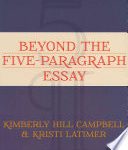
Beyond the five-paragraph essay

by Kimberley Hill Campbell and Kristi Latimer

Grades: 9-12

The authors demonstrate how to create a program that encourages thoughtful writing in response to literature. They provide numerous strategies that stimulate student thinking, value unique insight, and encourage lively, personal writing, including close reading, low-stakes writing options, a focus on process, and the use of model texts.

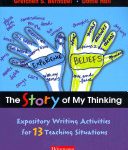
The story of my thinking: Expository writing activities for 13 teaching situations

by Gretchen S. Bernabei and Dorothy P. Hall

Grades: 7-12

The authors offer options for teaching expository writing that more realistically match the way readers actually think and writers actually write. Their goal is to help teachers take their students through the various stages of the writing process – from generating ideas to publication – in a way that helps them produce vibrant nonfiction with voice and conviction.

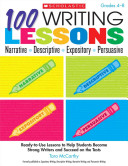
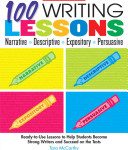
100 writing lessons: Narrative, descriptive, expository, persuasive

by Tara McCarthy

Grades: 4-8

This collection of quick writing lessons and activities will help teachers to find exactly what they need for teaching writing, whether it’s a lesson on using exact words, writing an essay, developing a plot, or organizing a report. The author shares dozens of ideas for teaching students the persuasive, narrative, descriptive, and expository writing skills they need.

Picture Books Demonstrating Expository Writing

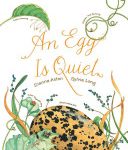
An egg is quiet

written by Diana Hutts Aston, illustrated by Sylvia Long

From tiny hummingbird eggs to giant ostrich eggs, oval ladybug eggs to tubular dogfish eggs, gooey frog eggs to fossilized dinosaur eggs, this book demonstrates the incredible variety of eggs and celebrates their beauty and wonder.

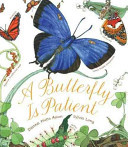
 A butterfly is patient

written by Diana Hutts Aston, illustrated by Sylvia Long

From the world’s tiniest butterfly (Western Pygmy Blue) to the largest (Queen Alexandra’s Birdwing), and throughout their complex life cycle, an incredible variety of butterflies are shown and described here in all of their magnificence.

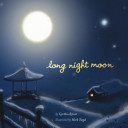
Long night moon

written by Cynthia Rylant, illustrated by Mark Siegel

The 12 full moons throughout the year are given names inspired by Indigenous American traditions, each reflecting the time of year and the seasons in which they are seen.

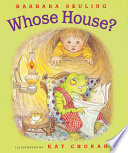
Whose house?

written by Barbara Seuling, illustrated by Kay Chorao

A young boy explores the homes of many different animals before deciding that his own house is the best home for him.

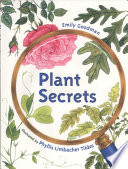
Plant secrets

written by Emily Goodman, illustrated by Phyllis Limbacher Tildes

Plants come in all shapes and sizes, but they go through the same stages as they grow. Using four common plants, young readers learn about a plant’s life cycles: from seed to plant to flower to fruit and back again.

Fiction showing Expository Writing

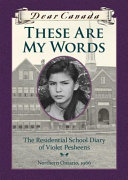
These are my words: The residential school diary of Violet Pesheens

by Ruby Slipperjack

Violet is struggling to adjust to her new life at residential school. She misses her Grandma; she has run-ins with Cree girls; at her “white” school, everyone just stares; and everything she brought has been taken from her, including her name-she is now just a number. But worst of all, she has a fear. A fear of forgetting the things she treasures most, and a fear of forgetting who she was. Her notebook is the one place she can record all of her worries, and heartbreaks, and memories. (Also available in French.)

Non-Fiction Related to or Demonstrating Expository Writing

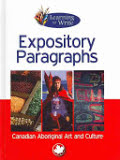
Expository paragraphs: Canadian Aboriginal art and culture,

by Frances Purslow

Grades: 3-7

For more books in the “Learning to Write” series, click here.

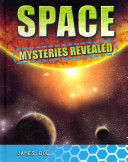
Space mysteries revealed

by James Bow

Grades: 3-6

This book explores and begins to explain many space-related questions, like “How did the universe all begin and where might it end?”, “Will we ever travel in time?”, “What would happen if you were sucked into a black hole?”, and “How can you drive on the Moon?” Part of the Mysteries revealed series.

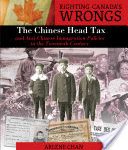
The Chinese head tax and anti-Chinese immigration policies in the twentieth century

by Arlene Chan

Grades: 6-12

Through historical photographs, documents, and first-person narratives from Chinese Canadians who experienced the Head Tax or who were children of Head Tax payers, this book offers a full account of the injustice of this period in Canadian history. Part of the Righting Canada’s wrongs series.

How does GPS work?

by Leon Gray

Grades: 4-6

When taking a road trip today, some sort of GPS device is essential. It may be built into the car’s dashboard, or perhaps it’s just an app on a smartphone. But GPS is used for more than just finding your way! Readers will be fascinated by its many uses, such as catching criminals, predicting earthquakes, and creating maps.

Tomboy: a graphic memoir

by Liz Prince

Grades: 7-12

A memoir told anecdotally, Tomboy follows author and zine artist Liz Prince through her early childhood into adulthood and explores her ever-evolving struggles and wishes regarding what it means to “be a girl.” It’s about refusing gender boundaries, yet unwittingly embracing gender stereotypes at the same time, and realizing later in life that you can be just as much of a girl in jeans and a T-shirt as you can in a pink tutu.

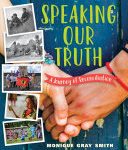
Speaking our truth: a journey of reconciliation

by Monique Gray Smith

Grades: 4-8

Guided by acclaimed Indigenous author Monique Gray Smith, readers will learn about the lives of residential school survivors and listen to allies who are putting the findings of the Truth and Reconciliation Commission into action. (Teacher’s guide also available.)


Finding More Resources

To find more resources in this area, try the following:

  • Search using the General tab on the UBC Library website to look for material in all UBC Library branches.
  • Search using “Search Education Resources” box in the left hand bar on the Education Library website to limit your results to materials in the Education Library.
  • Use specific search terms to narrow your results, such as “expository texts”, “English language – composition and exercises”, “exposition (rhetoric) – study and teaching”, “report writing – study and teaching”, or “composition (language arts)”.
  • To find lesson plans, include “lesson plans”, “lesson planning”, or “activity programs” in your search terms.

For more help with searching, please visit the Library Service Desk or e-mail ed.lib@ubc.ca.

Categories
English

Persuasive Texts

Listed below are selected teacher resources, picture books, fiction, and non-fiction related to persuasive texts.

Teacher Resources

Guiding readers and writers, grades 3-6: Teaching Comprehension, Genre, and Content Literacy

by Irene C. Fountas and Gay Su Pinnell

Grades: 3-6

The authors explore six essential components of a literacy program: breakthrough to literacy, independent reading, guided reading, literature study, teaching for comprehension and word analysis, and the reading and writing connection.

Genre study: teaching with fiction and non-fiction books, grades K-8+

by Irene C. Fountas and Gay Su Pinnell

Grades: K-8

This book uses an inquiry approach to engage students in exploring texts so that they can notice and name the characteristics of each genre and construct a working definition that guides their thinking of reading and writing.

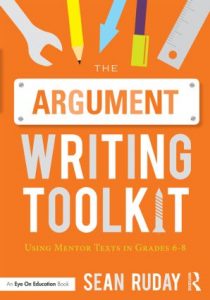
The argument writing toolkit: Using mentor texts in grades 6-8

by Sean Ruday

Grades: 6-8

The author explores how teach students to analyze the qualities of effective arguments using mentor texts, and then use those qualities as tools to improve their own writing. The book describes how to introduce high-interest topics to students to get them engaged in argument writing; teach students to look at multiple sides of an issue and critically evaluate evidence to construct informed, defensible arguments; and make argument writing an interactive, student-driven exercise. (E-book only)

Stimulating non-fiction writing!: Inspiring children aged 7-11

by Emma Hughes-Evans and Simon Brownhill

Grades: 2-6

This book offers ways to engage children in non-fiction writing, giving teachers the confidence and practical advice that they need to support children in producing quality non-fiction texts in the classroom. Types of texts explored include instructions, persuasive texts, reports, and correspondence. (E-book only)

Nonfiction writing power: Teaching information writing with intent and purpose

by Adrienne Gear

Grades: K-6

This book is designed to help teachers develop a writing program that will enable their students to harness all of their nonfiction writing powers: to describe, to instruct, to compare, to persuade, to explain, and to report. It illustrates ways to encourage students to write because they have something to say, and to recognize that writing well means considering intent and purpose, and choosing the best form of expression.

Marvelous minilessons for teaching: Nonfiction writing K-3

by Lori Jamison Rog

Grades: K-3

This book shows that even the youngest writers can consider audience and purpose as they use nonfiction writing to document their ideas and share those ideas with others. Forty minilessons offer strategies for writing informational, persuasive and procedural text. Each lesson starts with a learning goal and follows an “I do, We do, You do” format.

Argument in the real world: Teaching adolescents to read and write using digital texts

by Kristin Hawley Turner and Troy Hicks

Grades: 9-12

Digital texts influence what students buy, who they vote for, and what they believe about themselves and their world. In this book, the authors draw from real world texts and samples of student work to share insights and practical strategies in teaching students the logic of argument, whether those arguments are streaming in through a Twitter feed, a viral videos, or internet memes.

Nonfiction mentor texts: Teaching informational writing through children’s literature, K-8

by Lynne R. Dorfman and Rose Cappelli

Grades: K-8

The authors identifying a wide range of mentor texts and show how these models illustrate the key features of good writing.The book guides teachers through a variety of projects, samples, and classroom anecdotes that demonstrate how teachers can help students become more effective writers of good nonfiction.

Learning to write with purpose: Effective instruction in grades 4-8

by Karen Kuelthau Allan et al.

Grades: 4-8

Communicating ideas and information is what makes writing meaningful, yet many students write without considering the aims of their writing or the needs of their readers. This book shares techniques to promote the skills and strategies need to write and revise effectively in a range of genres, including persuasive, expository and procedural writing; narratives; and poetry.

100 writing lessons: Narrative, descriptive, expository, persuasive

by Tara McCarthy

Grades: 4-8

This collection of quick writing lessons and activities will help teachers to find exactly what they need for teaching writing, whether it’s a lesson on using exact words, writing an essay, developing a plot, or organizing a report. The author shares dozens of ideas for teaching students the persuasive, narrative, descriptive, and expository writing skills they need.

Picture Books Demonstrating Persuasive Writing

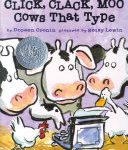
Click, clack, moo: Cows that type

written by Doreen Cronin, illustrated by Betsy Lewin

Farmer Brown’s cows have found a typewriter in their barn, so they start typing out what they’d like the farmer to change about how the farm works. When he refuses to meet their demands, the cows go on strike.

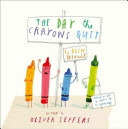
The day the crayons quit

written by Drew Daywalt, illustrated by Oliver Jeffers

Duncan opens his box of crayons and finds…only letters! The crayons are fed up, and they’ve all quit. What can Duncan do to make them all happy, so he can get back to colouring?
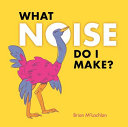
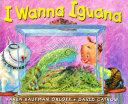
 I wanna iguana

written by Karen Kaufman Orloff, illustrated by David Catrow

Alex wants an iguana. His mother doesn’t think that’s such a great idea. The two write an increasingly dramatic (and funny) series of notes back and forth explaining their positions on the issue.

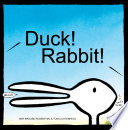
Duck! Rabbit!

written by Amy Krouse Rosenthal, illustrated by Tom Lichtenheld

Sometimes it’s hard to give up your side of an argument – especially when it’s over the age-old illusion of whether this picture is a duck or a rabbit.

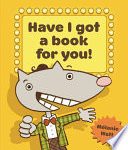
Have I got a book for you!

by Mélanie Watt

Al Foxword wants to sell you a book. A great book – not one of those books that leave you bored and uninspired. Not convinced? Just let Al persuade you…

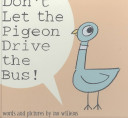
Don’t let the pigeon drive the bus!

by Mo Willems

When the bus driver needs to take a break, a pigeon volunteers to take over. But can he persuade you that he can do it?

Non-Fiction Related to or Demonstrating Persuasive Writing

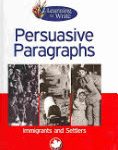
Persuasive paragraphs: Immigrants and settlers

by Frances Purslow

Grades: 3-7

For more books in the “Learning to Write” series, click here.

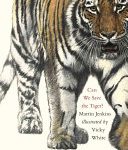
Can we save the tiger?

written by Martin Jenkins, illustrated by Vicky White

Grades: K-3

The tiger is just one of thousands of animals — including the ground iguana, the white-rumped vulture, and the partula snail — currently in danger of becoming extinct. This book looks at the ways human behaviour can either threaten or conserve the amazing animals that share our planet.


Finding More Resources

To find more resources in this area, try the following:

  • Search using the General tab on the UBC Library website to look for material in all UBC Library branches.
  • Search using “Search Education Resources” box in the left hand bar on the Education Library website to limit your results to materials in the Education Library.
  • Use specific search terms to narrow your results, such as “persuasive texts”, “English language – composition and exercises”, “persuasion (rhetoric) – study and teaching”, or “composition (language arts)”.
  • To find lesson plans, include “lesson plans”, “lesson planning”, or “activity programs” in your search terms.

For more help with searching, please visit the Library Service Desk or e-mail ed.lib@ubc.ca.

Categories
English

Narrative Texts

Listed below are selected teacher resources, picture books, and non-fiction related to narrative genre texts.

Teacher Resources Related to Narrative Texts

Guiding readers and writers, grades 3-6: Teaching Comprehension, Genre, and Content Literacy

by Irene C. Fountas and Gay Su Pinnell

Grades: 3-6

The authors explore six essential components of a literacy program: breakthrough to literacy, independent reading, guided reading, literature study, teaching for comprehension and word analysis, and the reading and writing connection.

Genre study: teaching with fiction and non-fiction books, grades K-8+

by Irene C. Fountas and Gay Su Pinnell

Grades: K-8

This book uses an inquiry approach to engage students in exploring texts so that they can notice and name the characteristics of each genre and construct a working definition that guides their thinking of reading and writing.

Wordtamer: Activities to inspire creative thinking and learning

by Judy Waite

Grades: K-12

Drawing on the author’s experiences of writing for children, this book considers how teachers and students can incorporate authors’ techniques into their own work to improve creative writing. It provides suggestions on how to set up and run writing lessons and workshops that connect with the school curriculum and engage all student writers. (E-book only)

Narrative, literacy and other skills: Studies in intervention

edited by Edy Veneziano and Ageliki Nicolopoulou

Grades: K-8

This volume brings together research focusing on two key issues in the development of children’s narrative skills: the issue of the interrelatedness between narrative skills and literacy, language and socio-cognitive development; and the issue of how early interactional experiences, particular contextual settings and specific intervention procedures, can help children promote their narrative skills. (E-book only)

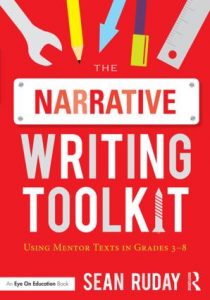
The narrative writing toolkit: Using mentor texts in grades 3-8

by Sean Ruday

Grades: 3-8

The author demonstrates how to teach elementary and middle school students to analyze the qualities of effective narratives through mentor texts, and then help them think of those qualities as tools to improve their own writing. The end goal is to make narrative writing an interactive, student-driven exercise in which students pursue their own writing projects. (E-book only)

Learning to write with purpose: Effective instruction in grades 4-8

by Karen Kuelthau Allan et al.

Grades: 4-8

Communicating ideas and information is what makes writing meaningful, yet many students write without considering the aims of their writing or the needs of their readers. This book shares techniques to promote the skills and strategies need to write and revise effectively in a range of genres, including persuasive, expository and procedural writing; narratives; and poetry.

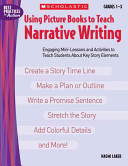
Using picture books to teach narrative writing: Engaging mini-lessons and activities to teach students about key story elements

by Naomi Laker

Grades: 1-3

This book shows how students can learn how to write personal narratives, using picture books as models. After being immersed in read-alouds that focus on key story elements—character, plot, setting, movement through time, and change—students create their own story time lines, write promise sentences, stretch their stories, and more.

100 writing lessons: Narrative, descriptive, expository, persuasive

by Tara McCarthy

Grades: 4-8

This collection of quick writing lessons and activities will help teachers to find exactly what they need for teaching writing, whether it’s a lesson on using exact words, writing an essay, developing a plot, or organizing a report. The author shares dozens of ideas for teaching students the persuasive, narrative, descriptive, and expository writing skills they need.

Narrative writing: Learning a new model for teaching

by George Hillocks Jr.

Grades: 9-12

This book demonstrates how focusing classroom activities on producing content, rather than form, boosts students’ engagement and makes them active learners. The author shows how “at-risk” kids’ competencies increase significantly as they are taught how to complete important writing tasks such as incorporating detail and figurative language, creating dialogue, expressing inner thoughts, portraying people and action, and more.

Picture Books Demonstrating Narrative

Shin-chi’s canoe

written by Nicola I. Campbell, illustrated by Kim LaFave

Forced to use only people’s English names and not speak to his siblings at school, Shin-chi holds fast to the canoe given to him by his father, hopeful that things will then improve for his family and the people he loves. (Also available in French.)

The harmonica

written by Tony Johnston, illustrated by Ron Mazellan

Categories
English

Poetry

Listed below are selected teacher resources, picture books, poetry for older readers, and non-fiction related to poetry.

Teacher Resources

Learning to write with purpose: Effective instruction in grades 4-8

by Karen Kuelthau Allan et al.

Grades: 4-8

Communicating ideas and information is what makes writing meaningful, yet many students write without considering the aims of their writing or the needs of their readers. This book shares techniques to promote the skills and strategies need to write and revise effectively in a range of genres, including persuasive, expository and procedural writing; narratives; and poetry.

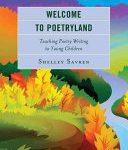
Welcome to Poetryland: Teaching poetry writing to young children

by Shelly Savren

Grades: K-6

The author begins each chapter in this book with a student quote and an original poem, followed by stories of working with that particular group. She provides 38 lesson plans, complete with introductions of poetic concepts, model poems by professionals, open-ended writing assignments, methods for sharing and critiquing, and one or two student poems. Designed for use in a classroom, this book also features 23 additional poetry workshop ideas.

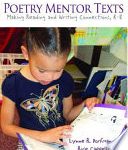
Poetry mentor texts: Making reading and writing connections, K-8

by Lynne R. Dorfman and Rose Cappelli

Grades: K-8

This book explores a variety of poetic forms, including poems that inspire response, list poems, acrostic poems, persona poems, and poems for two voices. Each of these poetic forms has its own chapter featuring five poems with applications for both reading and writing classrooms. Reading connections present skills and strategies to help students build fluency, vocabulary, comprehension, phonemic awareness, and phonics. Writing connections help students discover their own voices and grow as poets and wordsmiths.

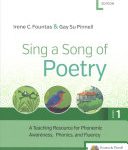
Sing a song of poetry: A teaching resource for phonemic awareness, phonics, and fluency, Grade 2

by Irene C. Fountas and Gay Su Pinnell

Grades: 2

The 225 poems in this book immerse students in rich, rhythmical language, providing age appropriate opportunities to enjoy language through shared reading, stimulate oral language development, connect words, and much more.

Poetry – From reading to writing: A classroom guide for ages 7-11

by Robert Hull

Grades: 2-6

The author uses poems from a range of authors to show how creative readings of poems can spark a child’s imagination and lead to original writing. Students are encouraged to write different forms of poetry, including rhyming and non-rhyming poems, haiku, free verse, narrative poems, and more. (E-book only)

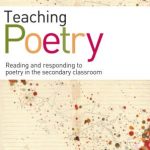
Teaching poetry: Reading and responding to poetry in the secondary classroom

by Amanda Naylor and Audrey B. Wood

Grades: 9-12

This guide helps teachers support pupils as they access, understand, discuss and enjoy classic and contemporary poetry. The authors provide an introduction to the major ideas and theory about teaching poetry, cover the key genres and periods through both well-known and less-well-known poems, and illustrate good practice for every approach covered through case studies of theory and ideas in action in the classroom. (E-book only)

The poetry experience: Choosing and using poetry in the classroom

by Sheree Fitch and Larry Swartz

Grades: K-12

This book explores all aspects of poetry — from guidelines and an overview of poetic forms to the Top Ten lists of various poetry favorites. Handy reproducible masters are also provided which include a poetry timetable, ten questions to ask about any poem, an observation checklist for teachers, and a personal poetry inventory for students. The authors – poets themselves – focus on both reading and writing poetry, and on experiencing poetry both on the page and read aloud.

Power & poetry: Best practices for high school classrooms

by Jim Mahoney and Jerry Matovcik

Grades: 9-12

The authors discard the scary parts of teaching poems – the symbolism and the technical language – and instead focus on poetry as a natural expression of individual curiosity, emotion, and observation. The book includes ideas for weaving poetry into lesson planning, including instructional suggestions for helping students understand poems and generate content through journaling; studying and writing poems intertextually; and creating prompts that engage student poets.

Let’s poem: The essential guide to teaching poetry in a high-stakes, multimodal world

by Mark Dressman

Grades: 7-12

This guide presents multiple approaches to teaching poetry at the middle and high school levels. The author explores how to preserve the fun of poetry while also developing critical writing and analysis skills, how to introduce students to the basic formal elements of classic and contemporary poetry, and how to expand their repertoires through the use of digital technology and the Internet.

Picture Books

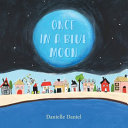
Once in a blue moon

by Danielle Daniel

Each of these short poems describes an experience that turns an ordinary day into a special one, like seeing a double rainbow or a shooting star, or even just a family of ducks waddling across the road.

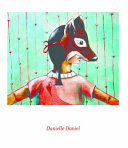
Sometimes I feel like a fox

by Danielle Daniel

In this introduction to the Anishinaabe tradition of totem animals, young children explain why they identify with different creatures such as a deer, beaver or moose. Illustrations show the children wearing masks representing their chosen animal, while the few lines of text on each page work as a series of simple poems throughout the book. Also available in French.

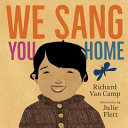
We sang you home,

written by Richard van Camp, illustrated by Julie Flett

In this lyrical board book, gentle rhythmic text captures the wonder new parents feel as they welcome baby into the world, in a celebration of the bond between parent and child.

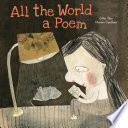
All the world a poem

written by Gilles Tibo, illustrated by Manon Gauthier, translated by Erin Woods

In this book, poems bloom in fields, fly on the wings of birds, and float on the foam of the sea. They are written in the dark of night, in the light of happiness, and in the warmth of the writer’s heart. Rhymed or unrhymed, regular or irregular, the verses bring not just poems but the very concept of poetry to the level of a child, making them accessible to all.

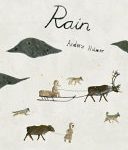
Rain

by Anders Holmer

This haiku collection describes a series of short vignettes, each of them taking place in a different kind of rain, from thunderstorms to falling flower petals. The poems–some serious, some gently humorous–depict scenes from all over the globe: a horse struggling to plow a field, a father changing a tire while his children play, and two friends making up after a fight.

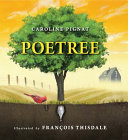
Poetree

written by Caroline Pignat, illustrated by François Thisdale

The poem is both about the yearly cycle in the life of a tree and an intriguing poetic concoction. The initial letters of each line in each stanza spell out a word that pertains to that tree’s life cycle – it’s a kids’ acrostic.

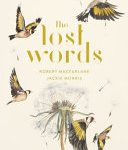
The lost words: A spell book

written by Robert Macfarlane, illustrated by Jackie Morris

In 2007, when a new edition of the Oxford Junior Dictionary was published, a sharp-eyed reader soon noticed that around forty common words concerning nature had been dropped. The list of included acorn, dandelion, fern, heron, otter, and willow. The authors set out to make a “spell book” that conjure back twenty of these lost words, and the beings they name, through poems.

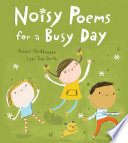
Noisy poems for a busy day

written by Robert Heidbreder, illustrated by Lori Joy Smith

From sunup to bedtime, this collection of 30 lively short poems follows young children throughout their day, celebrating all of the seemingly small, but potentially special, moments they experience. Each poem is easy to remember, rhythmic and action-filled, and reflects a child’s-eye view of both the activity and how it makes them feel.

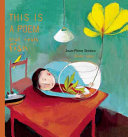
This is a poem that heals fish

written by Jean-Pierre Siméon, illustrated by Olivier Tallec, trranslated by Claudia Zoe Bedrick

After his mother, hurrying to her tuba lesson, tells him that a poem will cure his pet fish’s boredom, a little boy tries to find out what a poem is by asking friends, neighbors, and other members of his family. Playful, funny, and lyrical, this is a wonderful read-aloud book for children to share, discuss and be inspired by.

Poetry for Older Readers

For every one

by Jason Reynolds

Originally performed at the Kennedy Center for the unveiling of the Martin Luther King Jr. Memorial, this stirring and inspirational poem is Jason Reynolds’s rallying cry to the dreamers of the world. It is for every one. For every one person. For every one dream. But especially for every one kid. The kids who dream of being better than they are – of doing more than they almost dare to dream.

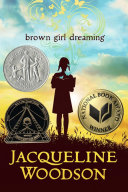
Brown girl dreaming

by Jacqueline Woodson

In vivid poems, Woodson shares what it was like to grow up as an African American in the 1960s and 1970s, living with the remnants of Jim Crow and her growing awareness of the Civil Rights movement. Woodson’s eloquent poetry also reflects the joy of finding her voice through writing stories, despite the fact that she struggled with reading as a child.

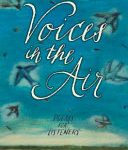
Voices in the air: Poems for listeners

by Naomi Shihab Nye

The nearly 100 poems here were written by Naomi Shihab Nye in honour of the artists, writers, poets, historical figures, and ordinary people from past and present who have inspired her. Full of words of encouragement, solace, and hope, this collection offers a message of peace and empathy. Includes short informational bios about the influential figures behind each poem, and an introduction by the poet.

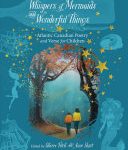
Whispers of mermaids and wonderful things: Children’s poetry and verse from Atlantic Canada

edited by Sheree Fitch and Anne Hunt, illustrated by Lloyd Fitzgerald

Spanning centuries of work from Milton Acorn to Kathleen Winter, and with a broad thematic scope–from soft lullabies to silly, jiggly lyrics, poignant meditations on nature, loss, and love–over 100 poems from Atlantic Canada are sure to delight and young readers everywhere.

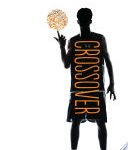
The crossover

by Kwame Alexander

14-year-old twins Josh and Jordan Bell are basketball stars, but their dad’s failing health is taking a toll on their family. Josh relates the highs and lows of his family’s journey in a series of connected poems.

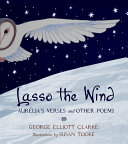
Lasso the wind: Aurélia’s verses and other poems

written by George Elliott Clarke, illustrated by Susan Tooke

This is is the first collection of children’s poetry by renowned Canadian poet and playwright George Elliott Clarke, the former Parliamentary Poet Laureate. By turns absurd, witty, playful, and profound, Clarke’s poems speak to the vivid wonder, the bright joys, and the secret pains of growing up in this world.

Voices visible: The BCTELA student writing journal, by various authors

These volumes collect poems from young writers from around British Columbia.

Non-Fiction

You can write cool poems

by Jennifer Fandel

Grades: 1-3

Through examples and exercises, this book shows how young writers can make readers smile, give them goosebumps or the giggles, or even make them cry, all through poetry.

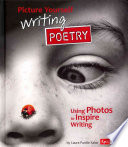
Picture yourself writing poetry: Using photos to inspire writing

by Laura Purdie Salas

Grades: 3-6

Poetry is more than rhyming words on a page. A poem is crafted by carefully selecting each word and rhythm. But how does a poet get started? Finding inspiration is as easy as looking at a picture.

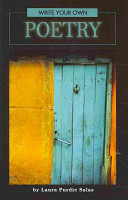
Write your own poetry

by Laura Purdie Salas

Grades: 4-7

You can write about anything in poetry. Whether you want to write poems that make people laugh out loud, gasp in surprise, or see things in a new way, this book is for you. Conquer the blank page and express your thoughts, feelings, and observations through poetry.


Finding More Resources

To find more resources in this area, try the following:

  • Search using the General tab on the UBC Library website to look for material in all UBC Library branches.
  • Search using “Search Education Resources” box in the left hand bar on the Education Library website to limit your results to materials in the Education Library.
  • Use specific search terms to narrow your results, such as “poetry–authorship”, “poetry–study and teaching”, “English language — composition and exercises”, “creative writing”, or “children’s poetry”.
  • To find lesson plans, include “lesson plans”, “lesson planning”, or “activity programs” in your search terms.

For more help with searching, please visit the Library Service Desk or e-mail ed.lib@ubc.ca.
Categories
English Language Arts

Teaching English Language Arts

Listed below are selected teacher resources for teaching English language arts.

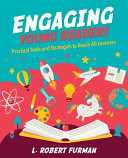
Engaging young readers: Practical tools and strategies to reach all learners,

by L. Robert Furman

Grades: K-4

Beginner-level guide focusing on developmental reading strategies for elementary students at all stages and exploring how technology can be used to improve the skills of a wide range of readers, including beginning readers, struggling readers, reluctant readers, enriched readers and English Language Learners.

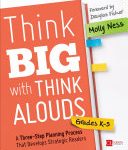
Think big with think alouds, grades K-5: A three-step planning process that develops strategic readers

by Molly Ness

Grades: K-5

The author presents five strategies that can help student become better readers: asking questions, making inferences, synthesizing, understanding the author’s purpose, and monitoring and clarifying.

The reading strategies book: Your everything guide to developing skilled readers

by Jennifer Serravallo

Grades: K-6

This book presents a wide range of techniques to allow teachers to develop individual goals for every reader, give students step-by-step instructions for reading with skill, guide readers using prompts aligned with a strategy, adjust instruction to meet individual needs, and more.

The writing strategies book: Your everything guide to developing skilled writers with 300 strategies

by Jennifer Serravallo

Grades: K-6

From the author of The reading strategies book, this book presents a wide range of techniques to allow teachers to develop individual goals for every writer, give students step-by-step instructions for writing with skill and craft, coach writers using prompts aligned with a strategy, present mentor texts that support a genre and strategy, and more.

Reading power: Teaching students to think while they read

by Adrienne Gear

Grades: K-6

This book presents five thinking strategies that children can employ during their reading: connecting, questioning, visualizing, inferring, and transforming.

Writing power: Teaching writing strategies that engage thinking

by Adrienne Gear

Grades: K-6

The author examines how developing an awareness of readers’ thinking can influence and affect a student’s ability to write. A range of effective writing techniques are outlined and reinforced throughout the book, with suggested “anchor books” for each lesson.

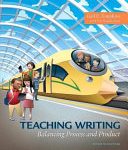
Teaching writing: Balancing process and product

by Gail E. Tompkins and Pat Daniel Jones

Grades: K-8

The authors present an overview of the strategies that writers use, the writing genres, and the writer’s craft, along with techniques for improving the quality of students’ writing. Classroom artifacts, mini-lessons, and day-to-day teaching strategies are integrated throughout the text.

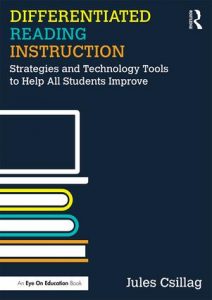
Differentiated reading instruction: Strategies and technology tools to help all students improve

by Jules Csillag

Grades: K-12

This book explores how reading instruction can be differentiated using a range of technological tools, including text-to-speech programs, videos, interactive annotation tools, dictation software, and more.

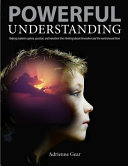
Powerful understanding: Helping students explore, question, and transform their thinking about themselves and the world around them

by Adrienne Gear

Grades: K-12

This book explores ways to build social emotional skills and help students make connections, question what they read, and reflect on their learning as they develop into stronger readers and learners. Strategic and critical thinking strategies revolve around core anchor books that help integrate thinking into all aspects of teaching and learning: from social responsibility, to immigration, to life cycles.

Pulling together: Integrating inquiry, assessment, and instruction in today’s English classroom

by Leyton Schnellert et al.

Grades: K-12

This book explores working together with students to develop and explore essential ideas and practices, including responsive teaching and assessment, reading as a personalized and meaningful experience, and critical literacy.

Cultivating genius: an equity framework for culturally and historically responsive literacy

by Gholdy Muhammad

Grades: K-12

This book examines culturally responsive practices, interventions, and supports for educators that can be utilized in school settings. “In CultivatingGenius, Dr. Gholdy E. Muhammad presents a four-layered equity framework–one that is grounded in history and restores excellence in literacy education.

Challenging stories: Canadian literature for social justice in the classroom

edited by Anne Burke, Ingrid Johnston, and Angela Ward

Grades: K-12

This edited collection highlights the value of contemporary Canadian literature for addressing issues of social justice in elementary, middle school, and high school classrooms. The collection describes how a group of teachers selected Canadian social justice literature and developed curriculum around this literature.

Teaching tough topics: how do I use children’s literature to build a deeper understanding of social justice, equity, and diversity?

by Larry Swartz

Grades: K-12

Teaching Tough Topics shows teachers how to lead students to become caring citizens as they read and respond to quality children’s literature. It focuses on topics that can be challenging or sensitive, yet are significant in order to build understanding of social justice, diversity, and equity.

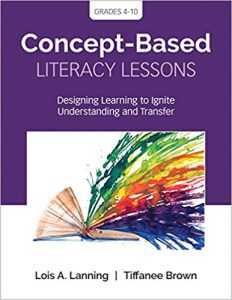
Concept-based Literacy Lessons cover artConcept-based literacy lessons: Designing learning to ignite understanding and transfer

by Lois A. Lanning & Tiffanee Brown

Grades: 4-10

For literacy teachers looking for practical ways to implement a Curriculum and Instruction Model that’s more inquiry-driven and idea-centered, look no further than this book. This resource helps bridge the divide between conceptual curriculum and actionable practice, and provides practical support for teachers implementing Concept-Based literacy lessons.

The flexible ELA classroom: Practical tools for differentiated instruction in grades 4-8

by Amber Chandler

Grades: 4-8

This book describes a range of strategies for use in the ELA classroom, including using choice boards and menus to teach vocabulary, reading, and presentation skills; grouping students strategically to maximize learning outcomes and encourage collaboration; making vocabulary learning interesting and memorable with visual aids, tiered lists, and personalized word studies; designing Project Based Learning lessons to unleash students’ creativity; and assessing students’ progress without the use of one-size-fits-all testing.

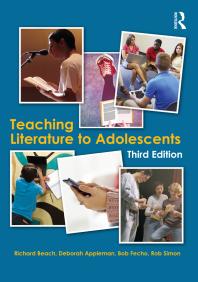
Teaching literature to adolescents

by Richard Beach, Deborah Appleman, Bob Fecho, and Rob Simon

Grades: 6-12

How do I teach what my students are reading? How do I help students understand what they are reading? How do I create opportunities to talk and write about texts? This questions and more are addressed in this practical guide to teaching literature to middle school and high school students. Available in print and as an eBook.

Socialjusticeliteracies in the Englishclassroom: teaching practice in action

by Ashley S. Boyd; foreword by Deborah Appleman

Grades: 6-college

This timely book focuses on different social justice pedagogies and how they can work within standards and district mandates in a variety of English language arts classrooms. With detailed analysis and authentic classroom vignettes, the author explores how teachers cultivate relationships for equity, utilize transformative language practices, demonstrate critical caring, and develop students’ critical literacies with traditional and critical content.

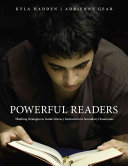
Powerful readers: Thinking strategies to guide literacy instruction in secondary classrooms

by Kyla Hadden and Adrienne Gear

Grades: 9-12

This book demonstrates that instruction in the key strategies of connecting, visualizing, questioning, inferring, determining importance, and transforming can help students develop their reading skills and get more out of their work with fiction and nonfiction. Includes step-by-step lessons for introducing and using the strategies, connections to literary devices, and reading lists for each strategy.

Secondary starters and plenaries: English

by Johnnie Young

Grades: 9-12

This book provides English teachers with 50 suggestions for embedding and extending learning in the classroom: from individual to whole-class activities, and from the energetic to the sedate. Each starter and plenary contains an ‘ideas generator’, making it easily adaptable for the whole ability range of a class.

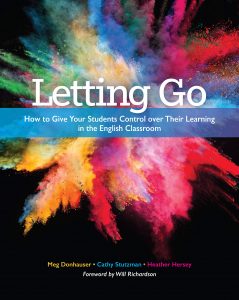
Letting go: How to give your students control over their learning in the English classroom

by Meg Donhauser, Cathy Stutzman, and Heather Hersey

Grades: 10-12

This book explores an inquiry-based approach which allows students to differentiate their learning, giving them the space to choose texts, develop questions, and practice skills based on their individual needs.


Finding More Resources

To find more resources in this area, try the following:

  • Search using the General tab on the UBC Library website to look for material in all UBC Library branches.
  • Search using “Search Education Resources” box in the left hand bar on the Education Library website to limit your results to physical materials in the Education Library.
  • Use specific search terms, such as “English”, “English language arts”, “English language”, “equitable”, “diversity”, or “supportive”.
  • To find lesson plans, include “lesson plans”, “lesson planning”, or “activity programs” in your search terms.

For more help with searching, please visit the Library Service Desk or e-mail ed.lib@ubc.ca.
Spam prevention powered by Akismet