Categories
Social Studies

Rights, Roles, and Responsibilities

Listed below are selected teacher resources, picture books, fiction, and non-fiction related to rights, roles, and responsibilities.

Teacher Resources
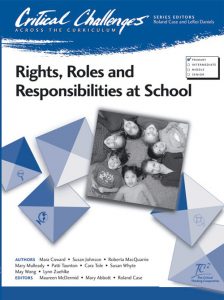
Rights, roles and responsibilities at school: A unit exploring the responsibilities of various school roles, including students’ own responsibilities, in helping to meet other students’ needs

by various authors and the BC Ministry of Education

Grades: K-3

The nine critical thinking challenges in this unit explore the responsibilities of various school roles, including students’ own responsibilities, particularly in the school and classroom environment. For more in the “Critical challenges across the curriculum series”, click here.
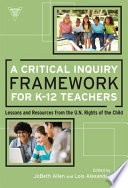
A critical inquiry framework for K-12 teachers: Lessons and resources from the U.N. Rights of the Child

edited by JoBeth Allen and Lois Alexander

Grades: K-12

Provides ideas to guide pedagogy and a curriculum model for helping students connect with issues in their lives while meeting standards. Illustrates how teachers used a human rights framework to engage students in critical inquiry of relevant social issues, such as immigration rights, religious tolerance, racial equality, countering the effects of poverty, and respect for people with disabilities. Chapters highlight lively classroom and community action projects.
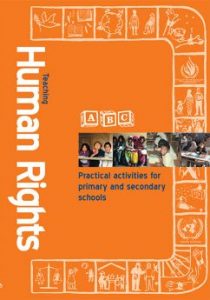
ABC teaching human rights: Practical activities for primary and secondary schools

by Ohchr

Grades: K-12

Offers practical advice to teachers and other educators who want to foster human rights awareness and action among primary and secondary students, including suggestions for developing learning activities.
Educating for human rights and global citizenship

edited by Ali A. Abdi and Lynette Shultz (eBook)

Grades: K-12

While human rights violations continue to affect millions across the world, there are also ongoing contestations regarding citizenship. In response to these and related issues, the contributors to this book critique both historical and current practices and suggest several pragmatic options, highlighting the role of education in attaining these noble yet unachieved objectives.
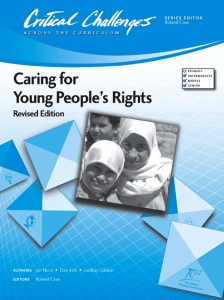
Caring for young people’s rights

by Jan Nicol, Dan Kirk, and Lindsay Gibson

Grades: 7-12

This resource fosters understanding of the nature and range of basic human rights and appreciation of the importance of protecting these rights. Human rights are personalized through real-life profiles of young people in a variety of developing countries. Includes comprehensive lesson plans on evaluating and securing the rights of young people. For more in the “Critical challenges across the curriculum series”, click here.

Picture Books
The thundermaker

written and illustrated by Alan Syliboy

Grades: K-4

Little Thunder learns the importance of responsibility as his father teaches him, and then passes on, the role of Thundermaker.
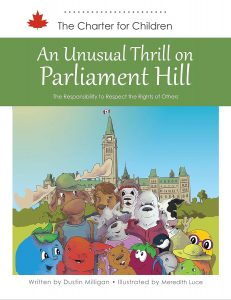
An unusual thrill on Parliament Hill: The responsibility to respect the rights of others

written by Dustin Milligan, illustrated by Meredith Luce

A raccoon named Arahkun travels all the way to Ottawa, along with a group of young Canadians, to tour Parliament Hill. Things get out of control along the way. Offers children a basic understanding of the Canadian Charter of Rights and Freedoms. For more in the “Charter for children series”, click here.
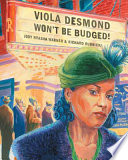
Viola Desmond won’t be budged!

written by Jody Nyasha Warner, illustrated by Richard Rudnicki

Grades: K-4

In Nova Scotia, in 1946, an usher in a movie theatre told Viola Desmond to move from her main floor seat up to the balcony. She refused. This nonfiction bookchronicles the life of the Canadian civil rights pioneer. See also Meet Viola Desmond.
We are all born free: The Universal Declaration of Human Rights in pictures

by Amnesty International

Grades: 1-4

A book of the Universal Declaration of Human Rights, each accompanied a different artists’ illustration.
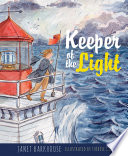
Keeper of the light

written by Janet Barkhouse, illustrated by Thérèse Cilia

Grades: 3-8

Following her father’s death, eleven-year-old Sara goes to work for the Mosher family helping clean, maintain and keep the light. When a storm approaches Sara is left alone with the great responsibility of keeping the light for the seafarers.

Fiction
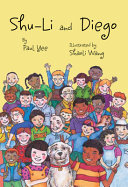
Shu-Li and Digeo

written by Paul Yee, illustrated by Shaoli Wang

Grades: 2-4

Shu-Li and her friend Diego take on the responsibility of caring for the neighbour’s dog while he’s in the hospital, but the dog slips out of his collar. Shu-Li and Diego have to figure out how to take responsibility for their actions and tell the truth.
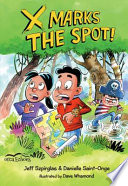
X marks the spot

written by Jeff Szpirglas and Danielle Saint-Onge, illustrated by Dave Whamond

Grades: 2-4

Leo loves to make maps and experiment with new ways of getting around the schoolyard but he sometimes gets sidetracked which can lead to getting in trouble. When Leo’s teacher, Mr. Chang, announces he’ll be giving out an award for responsibility, Leo is determined to redeem himself. The upcoming class field trip to the woods seems like the perfect opportunity but when two of Leo’s classmates wander out of bounds, Leo is faced with a tough decision.
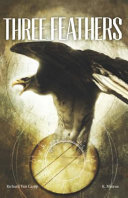
Three feathers

written by Richard Van Camp, illustrated by K. Mateus

Grades: 10-12

Three young men have vandalized their community and are sent by its Elders to live nine months on the land as part of the circle sentencing process. There, the young men learn to take responsibility for their actions and acquire the humility required to return home. But, when they do return, will they be forgiven for what they’ve done? For more in the “Debwe” series, click here.

Non-fiction
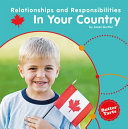
Relationships and responsibilities: In your country

by Janet Gurtler

Grades: 1-3

This book explores what it means to be a citizen of Canada, as well as the responsibilities that come with that citizenship.
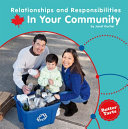
Relationships and responsibilities: In your community

by Janet Gurtler

Grades: 1-3

This book explores what it means to be part of a community, as well as the responsibilities that come with that membership.
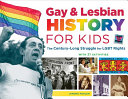
Gay and lesbian history for kids: The century-long struggle for LGBT rights

with 21 activities, by Jerome Pohlen

Grades: 5-8

Each chapter discusses an era in the struggle for LGBT civil rights from the 1920s to today. The history is told through personal stories and firsthand accounts of the movement’s key events, such as the Stonewall Inn uprising and the AIDS crisis and some of its key figures. Also includes 21 activities based on the content of the book. See also LGBTQ Rights.
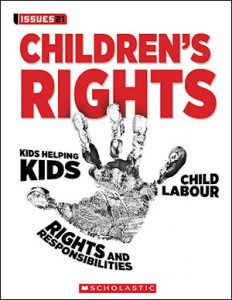
Children’s rights

by Robyn Michaud-Turgeon and Michael F. Stewart

Grades: 6-9

Part of the Issues 21 series, which examines contemporary issues in society in order to develop students’ skills in the areas of critical thinking, creativity, communication, collaboration, ethical citizenship and activism. Includes 6 student books and a teacher’s guide.
Discrimination

by Tom Henderson

Grades: 6-9

Part of the Issues 21 series, which examines contemporary issues in society in order to develop students’ skills in the areas of critical thinking, creativity, communication, collaboration, ethical citizenship and activism. Includes 6 student books and a teacher’s guide.

Freedom vs. security

by Craig Harding and Glyn Hughes

Grades: 6-9

Part of the Issues 21 series, which examines contemporary issues in society in order to develop students’ skills in the areas of critical thinking, creativity, communication, collaboration, ethical citizenship and activism. Includes 6 student books and a teacher’s guide.
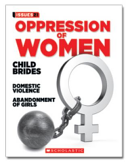
Oppression of women

by Ruby Lee

Grades: 6-9

Part of the Issues 21 series, which examines contemporary issues in society in order to develop students’ skills in the areas of critical thinking, creativity, communication, collaboration, ethical citizenship and activism. Includes 6 student books and a teacher’s guide.
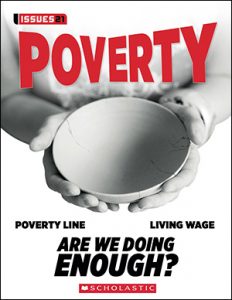
Poverty

by Craig Harding and Glyn Hughes

Grades: 6-9

This book explores what the causes of poverty are, and how we can work together to make a difference. Part of the Issues 21 series. Includes 6 student books and a teacher’s guide.


Finding More Resources

To find more resources in this area, try the following:

  • Search using the General tab on the UBC Library website to look for material in all UBC Library branches.
  • Search using “Search Education Resources” box in the left hand bar on the Education Library website to limit your results to materials in the Education Library.
  • Use specific search terms to narrow your results, such as “Gay rights”, “Children’s rights”, “Human rights–Study and teaching”, “Responsibility–Juvenile fiction”
  • To find lesson plans, include “lesson plans”, “lesson planning”, or “activity programs” in your search terms.

For more help with searching, please visit the Library Service Desk or e-mail ed.lib@ubc.ca.

Categories
Social Studies

Media Literacy and Media Studies

Listed below are selected teacher resources, picture books, fiction, and non-fiction related to media literacy and media studies.

Teacher Resources

Media education for a digital generation

edited by Julie Frechette and Rob Williams

Grades: 6-12

This book argues that the goals for comprehensive and critical digital literacy require grasping the means through which communication is created, deployed, used, and shared, regardless of which tools or platforms are used for meaning making and social interaction. Drawing upon the intersecting matrices of digital literacy and media literacy, the volume provides a framework for developing critical digital literacies by exploring the necessary skills and competencies for engaging students as citizens of the digital world. (E-book only)

Media literacy education in action: Theoretical and pedagogical perspectives

edited by Belinha S. DeAbreu and Paul Mihailidis

Grades: K-12

Featuring a mix of perspectives, this book explores the divergent ways in which media literacy is connected to educational communities and academic areas in both local and global contexts. The volume is structured around seven themes: Media Literacy: Past and Present; Digital Media and Learning; Global Perspectives; Public Spaces; Civic Activism; Policy and Digital Citizenship; and Future Connections. (E-book only)

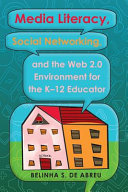
Media literacy, social networking, and the Web 2.0 environment for the K-12 educator

by Belinha S. DeAbreu

Grades: K-12

This book uses the theme of media literacy as a lens through which to view and discuss social networking and Web 2.0 environments. There is ongoing and positive research on the participatory culture created by youth who are heavily involved in the new digital technologies, yet schools tend to avoid these mediums for fear of the unknown. Can students learn within this context? This book posits that indeed they can, using media literacy as a way to provide a framework for these mediated environments.

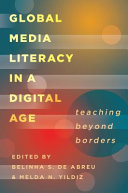
Global media literacy in a digital age: Teaching beyond borders

edited by Belinha S. DeAbreu and Melda N. Yildiz

Grades: K-12

How do we connect with one another? How do the media portray different cultures and beliefs? What messages are often omitted from media? How do we connect what we see in the worldwide media to the classroom? This book, divided into four parts, serves to answer many of these questions. This resource provides a look at how media literacy education has become a global and interconnected dialogue brought about by the evolution of technology.

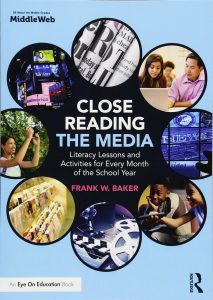
Close reading the media: Literacy lessons and activities for every month of the school year

by Frank W. Baker

Grades: 6-9

This book will help teachers work with middle school students to become savvy consumers of the TV, print, and online media bombarding them every day. Students will learn to think critically about photos, advertisements, and other media and consider the intended purposes and messages. Topics include helping students detect fake news, unraveling the messages in TV advertising, and looking at truth vs propaganda in political ads and debates. (E-book only)

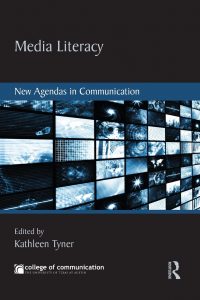
Media literacy: New agendas in education

edited by Kathleen Tyner

Grades: K-12

This volume explores how educators can leverage student proficiency with new literacies for learning in formal and informal educational environments. It also investigates critical literacy practices that can best respond to the proliferation of new media in society, and what sorts of media education are needed to deal with the rapid influx of intellectual and communication resources. (E-book only)

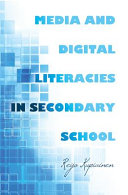
Media and digital literacies in secondary school

by Reijo Kupiainen

Grades: 9-12

Young people bring their own media and literacy practices to the school as an important part of an identity, taste, and social life. This book highlights youth’s media production practices, from photography and video making to fan fiction writing and online role-playing, and shows how these practices make a dialog between informal and formal learning and that teachers have an important part in collaborative relationships with pupils when teachers encourage and motivate pupils and help them to understand media phenomena.

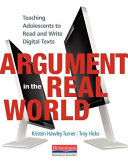
Argument in the real world: Teaching adolescents to read and write using digital texts

by Kristin Hawley Turner and Troy Hicks

Grades: 9-12

Digital texts influence what students buy, who they vote for, and what they believe about themselves and their world. In this book, the authors draw from real world texts and samples of student work to share insights and practical strategies in teaching students the logic of argument, whether those arguments are streaming in through a Twitter feed, a viral videos, or internet memes.

Fiction

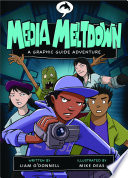
Media meltdown: A graphic guide adventure

written by Liam O’Donnell, illustrated by Mike Deas

Grades: 4-8

When Karl Reed, Owner of Oasis Developments, tries to force the sale of a local fruit farm — through whatever means necessary — Pema, Bounce and Jagroop decide to expose him through the media. Little do they realize that when it comes to the news and the advertisers who make it possible, the truth is not always part of the story and nothing can be taken at face value.

Non-fiction

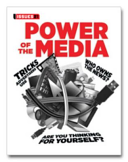
Power of the media

by Brooke Moore and Tara Smith

Grades: 6-9

Part of the Issues 21 series, which examines contemporary issues in society in order to develop students’ skills in the areas of critical thinking, creativity, communication, collaboration, ethical citizenship and activism. Includes 6 student books and a teacher’s guide.

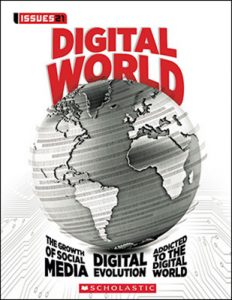
Digital world

by Glen Downey

Grades: 6-9

This book explores how to evaluate the effect of digital technologies on the way we think and interact. Part of the Issues 21 series. Includes 6 student books and a teacher’s guide.

Choosing news: What gets reported and why

by Barb Palser

Grades: 5-8

More news sources are available to us than ever before. But who decides what is news? Learn to identify good news sources and watch for slant. Don’t be fooled! Make sure your sources tell the real story. Part of the Exploring media literacy series.

Advertising attack

by Laura J. Hensley

Grades: 5-8

From simple signs to risky stunts, advertising takes many forms. Sometimes the message is confusing; sometimes it’s unforgettable. This book explores, the strategies, techniques, and tricks companies use to influence what we buy.

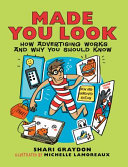
Made you look: How advertising works and why you should know

written by Shari Graydon, illustrated by Michelle Lamoreaux

Grades: 5-8

From the earliest roots of advertising to the undercover marketers of the 21st century, the authors shows where ads come from, how they work, and why kids need to be informed. Bursting with real-life examples, thought-provoking questions, and plenty of tips to empower young consumers, this book is every kid’s ultimate guide to the advertising universe.


Finding More Resources

To find more resources in this area, try the following:

  • Search using the General tab on the UBC Library website to look for material in all UBC Library branches.
  • Search using “Search Education Resources” box in the left hand bar on the Education Library website to limit your results to materials in the Education Library.
  • Use specific search terms to narrow your results, such as “digital media”, “social media”, “effect of technological innovations on popular culture”, “media literacy – study and teaching”, or “mass media in education”.
  • To find lesson plans, include “lesson plans”, “lesson planning”, or “activity programs” in your search terms.

For more help with searching, please visit the Library Service Desk or e-mail ed.lib@ubc.ca.
Categories
Social Studies

Landforms and Natural Resources

Listed below are selected teacher resources, picture books, and non-fiction related to landforms and natural resources.

Teacher Resources

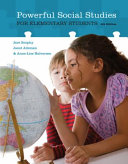
Powerful social studies for elementary students

by Jere Brohpy, Janet Alleman, and Anne-Lise Halvorsen

Grades: K-6

This book combines theory and research with examples from classroom practice, and outlines ways to select content and teach history, geography, and social sciences meaningfully in the elementary classroom.

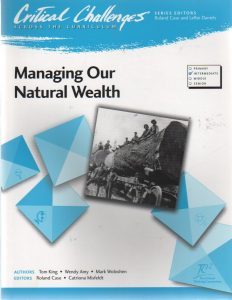
Managing our natural wealth: A unit on natural resources with a focus on forestry, fishing, and mining in British Columbia

by Tom King, Wendy Amy, and Mark Woloshen

Grades: 5-7

Through a variety of critical thinking challenges, students learn about Canada’s natural resources and then focus on problems and solutions related to forestry, fishing and mining in British Columbia. For more resources in the “Critical challenges across the curriculum series”, click here.

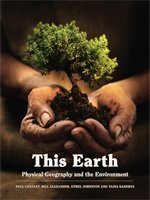
This earth: Physical geography and the environment

by Paul Vazant and others

Grades: 10-12

A case-driven text that focuses on physical geography and human interaction and covers the origin of Earth, continental shifts, water and air pollution and human impacts, and taking responsibility for the planet. Also includes teaching notes, lesson plans, and assessment rubrics.

Picture Books

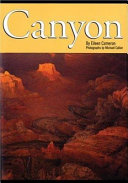
Canyon

written by Eileen Cameron, photographed by Michael Collier

Grades: K-3

Colourful photographs of landscapes are accompanied by poetry which traces water’s journey from the sky, down the mountains, in the rivers, and finally forming a canyon.

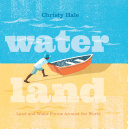
Water land: Land and water forms around the world

written and illustrated by Christy Hale

Die-cut pages identify and contrast types of water bodies and their corresponding land masses to help young readers understand how connected the earth and the water really are.

Non-fiction

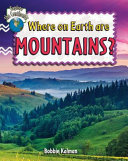
Where on earth are mountains?

by Bobbie Kalman

Grades: 1-2

Discusses how mountains form and explores different mountain ranges around the world. For more books from the “Explore the continents” series, click here.

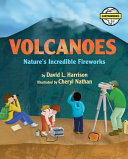
Volcanoes: Nature’s incredible fireworks

by Natalie Hyde

Grades: 1-3

Shows how volcanoes are created and why they erupt. Includes an introduction to magma, lava, colliding plates that cause earthquakes, and other natural phenomena. For more books from the “Earthworks” series, click here.

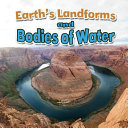
Earth’s landforms and bodies of water

by Pamela Hickman

Grades: 1-3

Explains how Earth is covered by landforms and bodies of water, how they develop, and why they change. Covers landforms such as mountains, valleys, and sand dunes, as well as waterways such as oceans, rivers, and ponds. For more books in the “Earth’s processes close-up” series, click here.

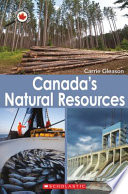
Canada’s natural resources

by Carrie Gleason

Grades: 1-4

Explores Canada’s diverse environments and the natural resources they provide. Divided into five sections, forests; oceans, rivers and lakes; land and soil; rocks and minerals; and energy resources. For more books in the “Canada close up” series, click here.

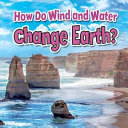
How do wind and water change Earth?

by Natalie Hyde

Grades: 2-3

Explains how landforms can be changed by weathering and erosion in both the short and long term.

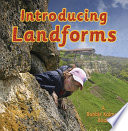
Introducing landforms

by Bobbie Kalman and Kelley MacAulay

Grades: 2-4

Provides an introduction to why the land on Earth has different shapes in different places. Photographs, illustrations, and text covers continents, mountains, valleys, plains, and caves, as well as the forests, animals, and water that may be found on each landform.

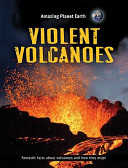
Violent volcanoes

by Terry Jennings

Grades: 3-6

Introduces volcanoes, explaining how they are formed, why they erupt, and the different shapes of volcano cones, along with descriptions of some of the most famous volcanic eruptions of the twentieth century. For more books in the “Amazing planet earth” series, click here.

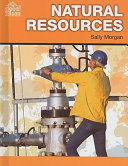
Natural resources

by Sally Morgan

Grades: 5-8

Presents a global look at where Earth’s natural resources come from and how they are traded between countries, including the benefits and drawbacks of globalization in this area.


Finding More Resources

To find more resources in this area, try the following:

  • Search using the General tab on the UBC Library website to look for material in all UBC Library branches.
  • Search using “Search Education Resources” box in the left hand bar on the Education Library website to limit your results to materials in the Education Library.
  • Use specific search terms to narrow your results, such as “Natural Resources”, “Natural Resources–Juvenile literature.”, Landforms, “Landforms–Juvenile literature.”
  • To find lesson plans, include “lesson plans”, “lesson planning”, or “activity programs” in your search terms.

For more help with searching, please visit the Library Service Desk or e-mail ed.lib@ubc.ca.
Categories
Social Studies

History of British Columbia

Listed below are selected teacher resources, picture books, fiction, and non-fiction related to the history of British Columbia.

Teacher Resources

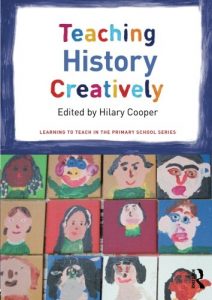
Teaching history creatively

edited by Hilary Cooper

Grades: K-12

This book introduces teachers to a range of available approaches to historical inquiry which involve creative, active and effective learning. Topics include the link between history education and creativity, investigating sources, using archives, using drama to explore events, and more. (E-book only.)

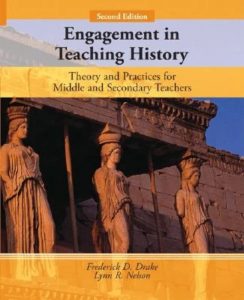
Engagement in teaching history: Theory and practice for middle and secondary teachers

by Frederick D. Drake and Lynn R. Nelson

Grades: 7-12

This book presents key elements of history instruction, including the use of primary sources and narratives, involving students in the historical inquiry through classroom discussions, teaching toward chronological thinking, and the use of historical documents.

Picture Books

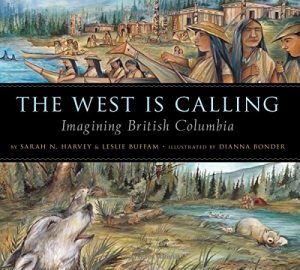
The west is calling: Imagining British Columbia

written by Sarah N. Harvey & Leslie Buffam, illustrated by Dianna Bonder

Grades: K-7

150 years of British Columbia’s history told through haiku and colourful images.

Fiction

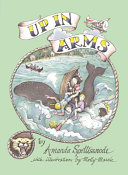
Up in arms

written by Amanda Spottiswoode, illustrated by Molly March

Grades: 3-8

During the Second World War Sophie, Molly, Mark, Harriet, Leticia, and Posy are sent to live with their eccentric uncle, Captain Gunn on the BC coast. The group embarks on adventures, stopping in Hesquiat Harbour, Estevan Point Lighthouse, Cape Scott, and Alert Bay and meet real-life historical figures such as Cougar Annie and aviator Jim Spilsbury along the way.

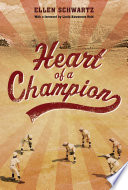
Heart of a champion

by Ellen Schwartz

Grades: 4-6

Kenny (Kenji in Japanese) wants nothing more than to play on the Asahi baseball team with his brother Mickey (Mitsuo). But when Japan attacks Pearl Harbor in 1941, everything for Kenny and his family spirals out of control: schools are closed, businesses are confiscated, fathers are arrested and sent to work camps in the BC interior and mothers and children are relocated to internment camps. Kenny fights to uplift people’s spirits and maintain his love of baseball despite seemingly insurmountable challenges.

Non-fiction

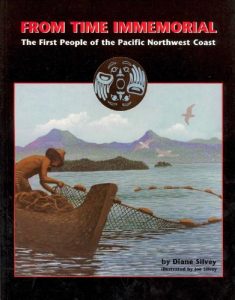
From time immemorial: The first people of the Pacific Northwest coast

written by Diane Silvey, illustrated by Joe Silvey

Grades: 3-8

From Time Immemorial provides an honest and up-to-date survey of the history of the coastal First Nations from pre-contact to the present. Includes a broad overview of traditional ways common to a large number of diverse groups. A teacher’s guide is also available for this book.

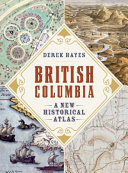
British Columbia: A new historical atlas

by Derek Hayes

Grades: 8-12

A large collection of maps related to British Columbia’s history, including the maps of Indigenous peoples, fur traders, gold seekers, and railway builders. Also includes relevant photographs and historical documents.

British Columbia Reconsidered: Essays on women

edited by Gillian Creese and Veronica Strong-Boag

Grades: 11-12

A comprehensive set of essays detailing the lives and contributions of women in British Columbia’s history.

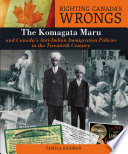
The Komagata Maru and Canada’s anti-Indian immigration policies in the twentieth century

by Pamela Hickman

Grades: 6-12

This book explores the 1914 incident in which the Canadian government refused to allow over 300 immigrants who came to Canada by ship – on the Komagata Maru – to stay in this country. Part of the Righting Canada’s wrongs series.

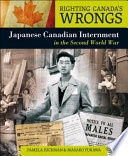
Japanese Canadian internment in the Second World War

by Pamela Hickman and Masako Fukawa

Grades: 6-12

This book uses first-person narrative from five Japanese Canadians who were youths at the time their families were forced to move to the camps to describe the experience of internment. Also includes photographs and historical documents. Part of the Righting Canada’s wrongs series.


Finding More Resources

To find more resources in this area, try the following:

  • Search using the General tab on the UBC Library website to look for material in all UBC Library branches.
  • Search using “Search Education Resources” box in the left hand bar on the Education Library website to limit your results to materials in the Education Library.
  • Use specific search terms to narrow your results, such as “British Columbia–History”, “Frontier and pioneer life–British Columbia”, “British Columbia–Juvenile fiction”
  • To find lesson plans, include “lesson plans”, “lesson planning”, or “activity programs” in your search terms.

For more help with searching, please visit the Library Service Desk or e-mail ed.lib@ubc.ca.
Categories
Social Studies

Government

Listed below are selected teacher resources, picture books, and non-fiction related to government.

Teacher Resources

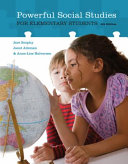
Powerful social studies for elementary students

by Jere Brophy, Janet Alleman, and Anne-Lise Halvorsen

Grades: K-6

This book combines theory and research with examples from classroom practice, and outlines ways to select content and teach history, geography, and social sciences meaningfully in the elementary classroom. Includes specific content on civics and government.

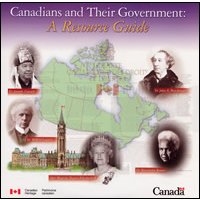
Canadians and their government: A resource guide

by Canadian Heritage

Grades: 6-12

Gives a comprehensive and concise explanation of how Canada has developed, and continues to develop, as a democratic country. Includes activities to help youth become familiar with, think critically about and engage themselves in Canada’s democratic system of government. Also available online and in French.

Picture Books

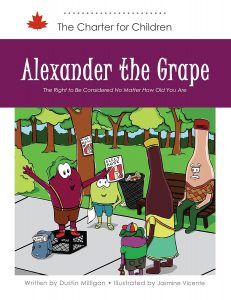
Alexander the grape: The right to be considered no matter how old you are

written by Dustin Milligan, illustrated by Jasmine Vicente

Although dreams of the exciting things that await him when he is older – like becoming a bottle of grape juice and travelling to far off lands! With an election underway, he becomes immersed in local politics— campaigning to lower the age necessary to become grape juice. This book explores the right to be considered regardless of age. For more in the “Charter for Children” series, click here.

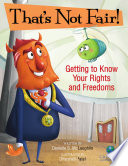
 That’s not fair!: Getting to know your rights and freedoms

written by Danielle S. McLaughlin, illustrated by Dharmali Patel

A collection of stories illustrating civil liberties. Mayor Moe and the councillors of the City often need to come up with new laws to keep things ticking along smoothly. But what happens when they don’t agree about the solution to a problem? In each story the councillors are presented with a problem, and the group then makes a decision to address the problem with a new law, only to discover later there were unintended consequences in each instance.

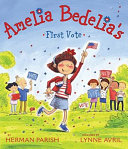
Amelia Bedelia’s first vote

written by Herman Parish, illustrated by Lynne Avril

Letting an elementary school vote on school rules? It probably won’t end well, but Amelia Bedelia’s first foray into the democratic process is a clever way to engage kids in a discussion of elections. Kids will learn about absentee ballots, run-offs, and the power of persuasion. See also Amelia Bedelia 4 mayor.

Non-fiction

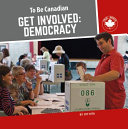
Get involved: Democracy

by Joy Kita

Grades: 3-6

Discusses Canada’s democratic process and the important role of Canadian citizens. Part of the To Be Canadian series.

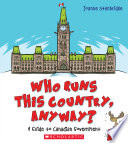
Who runs this country anyway? A guide to Canadian government

by Joanne Stanbridge

Grades: 3-7

Covers core concepts of Canadian government including the structure of government, the role of the monarch, the Constitution, Canadian Charter of Rights and Freedoms, referendums, by-elections, and everything students need to know about Parliament. Includes text, photos, and illustrations.

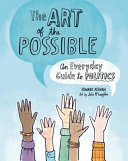
Art of the possible: An everyday guide to politics

written by Edward Keenan, art by Julie McLaughling

Grades: 5-9

An introduction to politics, and why we need them. Includes topics such as why we form societies, the basic types of governments, the power of public opinion, methods of rhetoric, and the reasons why politicians ‘lie’. Each chapter covers a single topic and includes relevant case studies.

Government of Canada Series

by various authors

Grades: 6-8

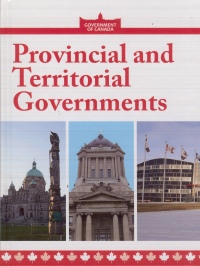
The four books in this series – Federal Government, Municipal Government, Provincial and Territorial Governments, and the Rights and Responsibilities of Canadian Citizens – provide readers with a detailed look at the country’s systems of government.

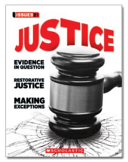
Justice

by Charles Boocock

Grades: 6-9

Part of the Issues 21 series, which examines contemporary issues in society in order to develop students’ skills in the areas of critical thinking, creativity, communication, collaboration, ethical citizenship and activism. Includes 6 student books and a teacher’s guide.

Systems of government series

by various authors

Grades: 6-9

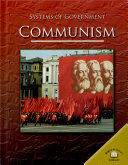
The four books in this series – Communism, Dictatorship, Monarchy, and Democracy – look at different systems of government and discusses their origins, history and practical application in the world.


Finding More Resources

To find more resources in this area, try the following:

  • Search using the General tab on the UBC Library website to look for material in all UBC Library branches.
  • Search using “Search Education Resources” box in the left hand bar on the Education Library website to limit your results to materials in the Education Library.
  • Use specific search terms to narrow your results, such as “Canada–Politics and government–Juvenile literature.”, “Civics–Juvenile fiction.”, “Politics, practical–fiction”, “Political science”
  • To find lesson plans, include “lesson plans”, “lesson planning”, or “activity programs” in your search terms.

For more help with searching, please visit the Library Service Desk or e-mail ed.lib@ubc.ca.
Categories
Social Studies

Communities

Listed below are selected teacher resources, picture books, and non-fiction related to communities.

Teacher Resources

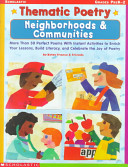
Neighborhoods & Communities: More Than 30 Perfect Poems with Instant Activities to Enrich Your Lessons, Build Literacy, and Celebrate the Joy of Poetry

by Betsy Franco and friends

Grades: K-2

Collection of easy to read poems that celebrate the places and faces that make up a community including, neighborhood helpers, the firehouse, the grocery store, cars and trucks, and homes. Includes literacy-building activities and cross-curricular projects.

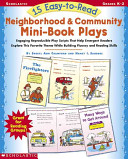
 15 easy-to-read neighborhood & community mini-book plays

by Sheryl Ann Crawford and Nancy l. Sanders

Grades: K-2

Every class will have fun developing reading skills, fluency, and confidence as they read these delightful mini-book plays. Titles include We Bring the Mail, Many Ways to Get Around, Fire Fighters, Follow the Map, Good Neighbors Help, and many more! Rhyme, repetition, predictable text, and irresistible illustrations help make these perfect read-aloud plays for beginning readers.

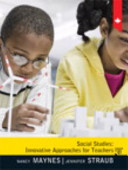
Social studies: Innovative approaches for teachers

by Nancy A. Maynes and Jennifer M. Straub

Grades: K-6

The authors focus on two important approaches to teaching social studies: the value and flexibility of social studies as a broad medium for teaching a range of skills and concepts, including literacy and numeracy; and the human aspect of social studies, in its relation to people and their activities, challenges, and choices. Includes a chapter on using the community as a resource.

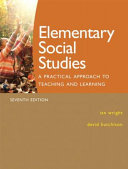
Elementary social studies: A practical approach to teaching and learning

by Ian Wright and David Hutchinson

Grades: K-7

Activities based text that emphasizes the need to be involved in social studies teaching and learning to offer effective instruction. Focuses on the process of teaching, and includes relevant information about emerging technologies, media literacy and environmental education.

2016 Census teacher’s kit: Teacher’s guide

by Statistics Canada

Grades: 5-6

Four detailed activities which emphasize the value of collecting census data in a variety of subjects. Activity 2 “Our class, our community” specifically touches upon how data can be used to understand and serve community needs. eBook only.

Picture Books

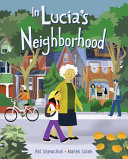
In Lucia’s neighbourhood

written by Pat Shewchuk, illustrated by Marek Colek

Grades: K-2

Inspired by the work of urban studies writer and activist Jane Jacobs, seven-year-old Lucia takes readers on a daylong tour of her own bustling city neighborhood, commenting on all the people and their activities that she encounters along the way.

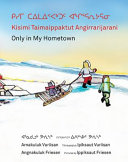
 Kisimi Taimaippaktut Angirrarijarani/Only in My Hometown

written by Angnakuluk Friesen, illustrated by Ippiksaut Friesen, translated by Jean Kusugak

The northern lights shine, women gather to eat raw caribou meat and everyone could be family in this ode to small-town life in Nunavut, written in English and Inuktitut. Sisters Angnakuluk Friesen and Ippiksaut Friesen collaborate on this story about what it’s like to grow up in an Inuit community in Nunavut. With strong social studies curriculum connections, Only in My Hometown introduces young readers to life in the Canadian North, as well as the Inuit language and culture.

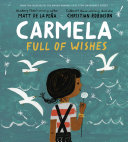
Carmela full of wishes

written by Matt de la Peña, illustrated by Christian Robinson

Carmela wakes up on her birthday and is finally old enough to join her big brother as he does the family errands. The two travel through their neighbourhood, past the crowded bus stop, the fenced-off repair shop, and the panadería, until they arrive at the Laundromat, where Carmela finds a lone dandelion growing in the pavement. Follow along as Carmela tries to think of the perfect birthday wish while exploring her community.

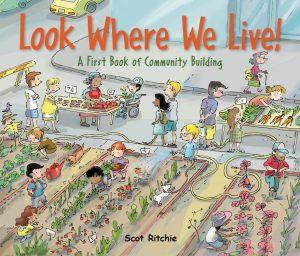
Look where we live! A first book of community building

written and illustrated by Scot Ritchie

In this book, five young friends — Nick, Yulee, Pedro, Sally and Martin — spend the day traveling around their neighborhood and participating in activities designed to raise money for their local library. Along the way, they learn about the people and places that make up their community and what it means to be a part of one.

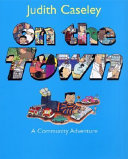
On the town: A community adventure

written by Judith Caseley

Grades: K-2

Charlie’s homework was to explore the people and places in his community. “What is my community?” he asked his mother. So they took a walk to find out. Charlie and his mother take a walk that can be taken by anyone with a keen sense of fun — and open eyes and an inquiring mind.

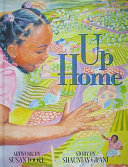
Up home

written by Shauntay Grant, illustrated by Susan Tooke

A heartwarming portrayal of the Nova Scotian community of Preston past and present, including real models from the community. Grant’s memories of growing up reflect a magical place where landscape, food, history and, most of all, people come together in a community filled with love and beauty. A powerful story with positive images of one of Nova Scotia’s most important black communities.

Non-fiction

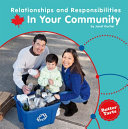
In your community

by Janet Gurtler

Grades: K-1

Explores what it means to be part of a community as well as the responsibility that brings. Part of the Relationships and Responsibilities series.

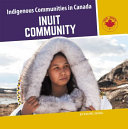
Indigenous Communities in Canada

series, by various authors

Grades: 2-4

The thirteen books in this series – Inuit Community, Mi’kmaq Community, Mohawk Nation, Nakota Community, Nisga’a Nation, Odawa Community, Nuu-chah-nulth, Tlingit Nation, Dene First Nations, Haida Nation, Salish Community, Métis Community, and Cree Community, – discuss the history, language, and cultural practices of different Indigenous communities across Canada, both in the past and in current times.

Life in a forestry community

by Lizann Flatt

Grades: 3-4

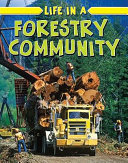
People who work in sawmills, logging camps, and in the forestry industry live in small towns close to the forests. This books follows the daily lives of families living in Mackenzie, British Columbia and shows life is changing as the town`s main industry changes. Part of the Learn About Rural Life Series.

Community Ties

part of the Take Action for Reconciliation series

Grades: 3-8

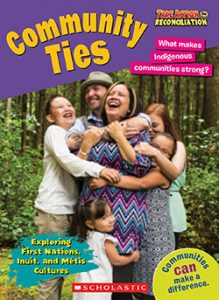
Created by Indigenous educators and advisors from across Canada, these inquiry-based books explore what makes First Nations, Inuit, and Métis communities strong. Includes 16 student books and a teacher’s guide.


Finding More Resources

To find more resources in this area, try the following:

  • Search using the General tab on the UBC Library website to look for material in all UBC Library branches.
  • Search using “Search Education Resources” box in the left hand bar on the Education Library website to limit your results to materials in the Education Library.
  • Use specific search terms to narrow your results, such as, “Communities–Juvenile literature.”, “Community Life–Juvenile Literature.”, “Community life–Fiction.”, “Neighborhoods–Juvenile Literature.”, “Neighborhoods–Fiction.”
  • To find lesson plans, include “lesson plans”, “lesson planning”, or “activity programs” in your search terms.

For more help with searching, please visit the Library Service Desk or e-mail ed.lib@ubc.ca.
Categories
Social Studies

Ancient Civilizations

Listed below are selected teacher resources and non-fiction related to ancient civilizations.

Teacher Resources

 Legacies of Ancient Egypt : A unit celebrating the wonders of ancient Egypt and their enduring connections with the modern world

by David Scott

Grades: 4-9

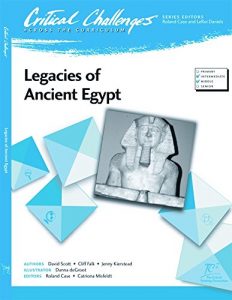
A unit on Ancient Egypt, including comprehensive lesson plans, and its links to present day. For more in the “Critical challenges across the curriculum series”, click here.

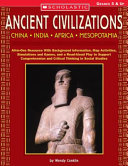
Ancient civilizations: China, India, Africa, Mesopotamia

by Wendy Conklin

Grades: 5-12

This book provides lessons and activities to allow students to explore various aspects of different ancient cultures, such as planning travel through different regions, acting out plays, practicing calligraphy, playing board games, and more.

Non-Fiction

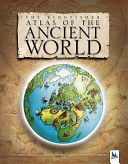
 The Kingfisher atlas of the ancient world

by Simon Adams, illustrated by Katherine Baxter

Grades: K-4

This atlas has 17 maps of the ancient world, from 10,000 BC to 1000 AD. Each map shows the major sites from a particular civilization or group of civilizations, with information on the people, customs, and cultural and architectural artifacts.

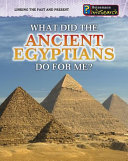
 What did the ancient Egyptians do for me?

by Patrick Catel

Grades: 3-6

This book covers many aspects of ancient Egyptian life, including art, architecture, medicine, government, and work life. For more books in the “Linking the past and present” series, click here.

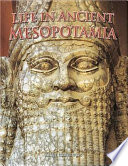
 Life in Ancient Mesopotamia

by Shilpa Mehta-Jones

Grades: 3-6

This book describes the lives of ancient Sumerians, Babylonians, and Assyrians. Lawmakers such as Hammurabi, the architectural inventiveness of ziggurats and the Hanging Gardens of Babylon, and the invention of cuneiform writing are also featured. For more books in the “Peoples of the ancient world” series, click here.

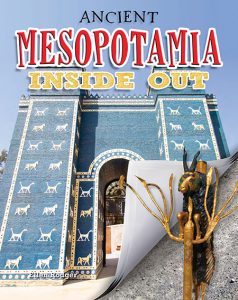
 Ancient worlds inside out series

by various authors

Grades: 4-6

A series of four books which use artifacts to explore the culture and achievements of ancient Egypt, Maya, China, and Mesopotamia.

Stories from ancient civilizations: Greece

written by Shahrukh Husain, illustrated by Bee Wiley

Grades: 4-6

An anthology of Greek mythology, including background information related to the myths and characters, a glossary, and index. For more books in the “Stories from ancient civilizations” series, click here.

The ancient Romans

by Allison Lassieur

Grades: 4-8

Illustrates many aspects of Roman life, including the government, religion, the life of the working class, the role of women, and more. For more books in the “People of the ancient world” series, click here.

Tools of the Ancient Romans: A kid’s guide to the history & science of life in Ancient Rome

by Rachel Dickinson

Grades: 5-8

Explores the history and science of ancient Rome, teaching about Roman innovations and ideas of government, science, religion, sport, and warfare, and how they have shaped world history and our own world view. See also Tools of the Ancient Greeks.

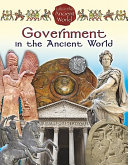
Government in the ancient world

by Paul Challen, Shipa Mehta-Jones, and Lynn Peppas

Grades: 5-8

Provides snapshots of several types of government in the ancient world, including Chinese dynasties, Greek democracy, the Mesopotamian justice system, and more. For more books in the “Life in the ancient world” series, click here.

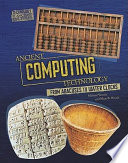
Ancient computing technology: From abacuses to water clocks

by Michael Woods and Mary B. Woods

Grades: 6-9

Describes the mathematical technology used by ancient societies, covering techniques used for counting, measurements, weights, time, and calculations, including the ancient civilizations of China, Greece, Rome, India, and the Middle East.


Finding More Resources

To find more resources in this area, try the following:

  • Search using the General tab on the UBC Library website to look for material in all UBC Library branches.
  • Search using “Search Education Resources” box in the left hand bar on the Education Library website to limit your results to materials in the Education Library.
  • Use specific search terms to narrow your results, such as “History, Ancient–Study and teaching”, “Ancient Civilizations”, “Civilization, Ancient–Juvenile literature”, “Civilization, Ancient–Study and teaching (Elementary)”
  • To find lesson plans, include “lesson plans”, “lesson planning”, or “activity programs” in your search terms.

For more help with searching, please visit the Library Service Desk or e-mail ed.lib@ubc.ca.
Categories
Assessment

Student Self-Assessment and Peer Feedback

Listed below are selected teacher resources related to student self-assessment and peer feedback.

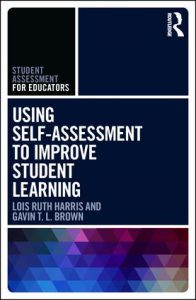
Using self-assessment to improve student learning

by Lois R. Harris and Gavin T. L. Brown

Grades: K-12.

This book synthesizes research on self-assessment and translates it into actionable guidelines and principles for pre-service and in-service teachers and for school leaders, teacher educators, and researchers.The authors explore self-assessment’s complexities and substantial promise to strategically move students toward self-regulated learning and internalized goals. (E-book only.)

Self-assessment and goal setting

by Kathleen Gregory, Caren Cameron, and Anne Davies

Grades: K-12

The authors describe ways for teachers to create more involved students by including them in the assessment of their own work. The book provides ten self-assessment activities for students and details how to introduce the purpose of the activities to students, implement the activities, and provide different opportunities for practice. How to make goal setting a logical extension of self-assessment is also explored. Part of the Knowing what counts series.

The chameleonic learner: Learning and self-assessment in context

by Roseanna Bourke

Grades: 6-9

What do you say to a young person who tells you her brain is an eighth full? Or to the one who says he only knows he has learned something when he receives a stamp or a sticker? This book is about how learners conceptualize learning, how they self-assess their own learning and why context matters. It shows how, just as a chameleon changes colour, learners change and adapt their approach to learning depending on the situation.

Student self-assessment: A powerful process for helping students revise their writing

by Graham Foster

Grades: K-12

This book focuses on students’ self-assessment of their written work, including the type of criteria that can be used for assessment in different genres of writing. The author also explores the links between self-assessment in writing and self-assessment in other areas of the curriculum.

Beyond testing: Seven assessments of students and schools more effective than standardized tests

by Deborah Meier and Matthew Knoester

Grades: K-12

This book focuses on a range of non-traditional ways in which teachers (and others) can assess students and school programs, including a chapter dedicated to student self-assessment.

Becoming reflective students and teachers: With portfolios and authentic assessment

by Scott G. Paris and Linda R. Ayres

Grades: K-6

The authors encourage teachers and parents to reflect on their own ideas about education and to encourage greater self-assessment by students through deeper engagement with meaningful learning in classrooms. They describe a variety of possible activities to provoke students’ review of their own work, analyses of their motivation, appraisal of their learning strategies, and collaboration with others.

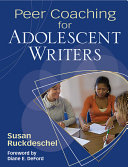
Peer coaching for adolescent writers

by Susan Ruckdeschel

Grades: 8-12

This book shows teachers how to teach students to articulate a purpose for their writing, formulate questions for feedback, provide constructive comments to their peers, and incorporate the critiques of their peers into their writing. It offers clear, step-by-step tips for implementing the peer coaching process, as well as ideas for using peer coaching across content areas.

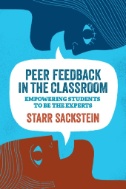
Peer feedback in the classroom

by Starr Sackstein

Grades: 7-12

Peer feedback gives students control over their learning, and increases their engagement and self-awareness as learners. This book will help teachers establish a respectful, student-led learning environment that supports risk taking and honest sharing, and teach students to be adept peer strategists who can pinpoint areas of needed growth and move forward with specific strategies for improvement. (E-book only)

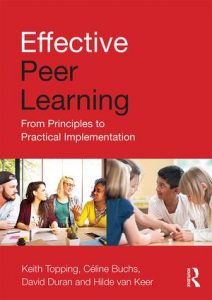
Effective peer learning: From principles to practical implementation

by Keith Topping et al.

Grades: K-12

Peer learning allows a positive use of differences between pupils, turning them into learning opportunities. This book will help practitioners establish well-structured and effective peer learning projects using a variety of methods. It introduces and defines cooperative learning (mutual peer interaction) and peer tutoring (directional peer interaction) – outlining general organizational principles that will help practitioners implement peer learning in either of these forms. (E-book only)

Peer response in second language writing classrooms

by Jun Liu and Jette G. Hansen

Grades: 6-12

The authors present a comprehensive survey of the research on peer response in second language writing instruction. They provide teachers with practical guidelines for making peer response effective in the classroom and offer a theoretical grounding on the purposes and importance of peer review, or feedback, as it relates to current writing instruction pedagogy.

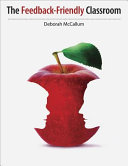
The feedback-friendly classroom: How to equip students to give, receive, and seek quality feedback that will support their social, academic, and developmental needs

by Deborah McCallum

Grades: K-6

This book explores using feedback to help students become better learners, examines the crucial use of verbal and nonverbal language to engage and guide students, and shows strategies and activities to establish and promote effective feedback within the classroom. It explores all types of feedback: from teacher to student, between students, and from student to teacher.


Finding More Resources

To find more resources in this area, try the following:

  • Search using the General tab on the UBC Library website to look for material in all UBC Library branches.
  • Search using “Search Education Resources” box in the left hand bar on the Education Library website to limit your results to materials in the Education Library.
  • Use specific search terms to narrow your results, such as “self-assessment”, “Students–Self-rating of”, “peer feedback”, “peer teaching”, or “peer coaching”.
  • To find lesson plans, include “lesson plans”, “lesson planning”, or “activity programs” in your search terms.

For more help with searching, please visit the Library Service Desk or e-mail ed.lib@ubc.ca.
Categories
Assessment

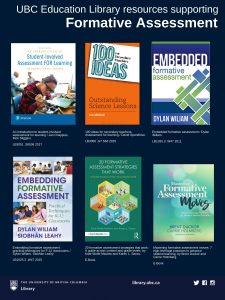
Formative Assessment

Listed below are selected resources for teachers related to formative assessment.

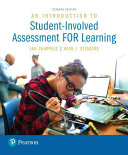
An introduction to student-involved assessment for learning

by Jan Chappuis and Richard J. Stiggins

Grades: K-12

This book is intended to help teachers establish clear learning targets as the basis for instruction and assessment, select assessment methods that align with those targets, select and/or create high-quality assessments that accurately measure student progress to the learning targets, clearly communicate assessment results to learners for both formative and summative purposes, and involve students in the assessment process to develop their capabilities to be self-directed learners.

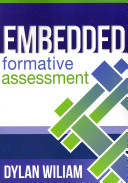
Embedded formative assessment

by Dylan Wiliam

Grades: K-12

The author introduces five strategies are introduced building formative assessment into the classroom: clarifying, sharing and understanding learning intentions and success criteria; engineering discussions and activities that elicit evidence of learning; providing feedback that moves learners forward; activating students as learning resources for each other; and activating students as owners of their own learning.

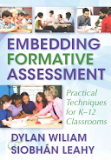
Embedding formative assessment: Practical techniques for F-12 classrooms,

by Dylan Wiliam and Siobhan Leahy

Grades: K-12

Building on the five strategies for formative assessment described in Embedded formative assessment, the authors provide an overview of each strategy and a number of practical formative assessment techniques for implementing the strategies in the classroom. Along with guidance on when and how to use the specific techniques, they provide tips, cautions and enhancements to sustain formative assessment. A student reflection form, peer observation form and self-reflection checklist accompany each strategy.

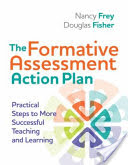
The formative assessment action plan: Practical steps to more successful teaching and learning

by Nancy Frey and Douglas Fisher

Grades: K-12

The book describes a four-step approach to implementing formative assessment in the classroom: ensuring that students understand the purpose of an assignment, task, or lesson, including how they will be assessed; checking for understanding to guide instruction and determine if students are making progress toward their goals; providing feedback to students; and building on that feedback to facilitate student achievement.

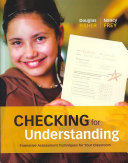
Checking for understanding: Formative assessment techniques for your classroom

by Douglas Fisher and Nancy Frey

Grades: K-12

The authors present five formative assessment techniques that can be used to check for understanding: oral language strategies that close the gap between what students need to know and what they already know; using writing to check for understanding in any subject; student response techniques that increase participation and engagement; projects and performances that are easily integrated into daily classroom practice; and test items that help plan further instruction.

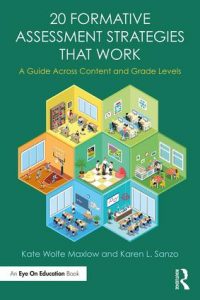
20 formative assessment strategies that work: A guide across content and grade levels

by Kate Wolfe Maxlow and Karen L. Sanzo

Grades: K-12

The authors present a range of formative assessment strategies and ways to implement them, using activities involving collaboration, movement, and/or selecting and supplying responses. (E-book)

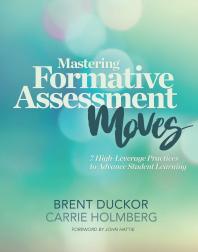
Mastering formative assessment moves: 7 high-leverage practices to advance student learning

by Brent Duckor and Carrie Holmberg

Grades: K-12

The authors present seven strategies that can be used as part of formative assessment: priming (building on background knowledge), posing (asking questions), pausing (waiting after questions), probing (deepening discussions), bouncing (sampling student responses), tagging (recording student responses), and binning (interpreting student responses). (E-book)

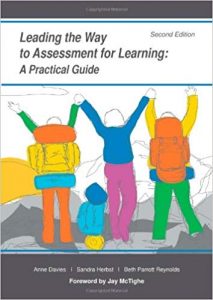
Leading the way to assessment for learning: A practical guide

by Anne Davies, Sandra Herbst, and Beth Parrott Reynolds

Grades: K-12

This book presents a number of strategies for formative assessment, including describing success, beginning with the end in mind, involving students in instruction, and using assessment to guide instruction.

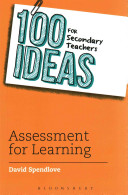
100 ideas for secondary teachers: Assessment for learning

by David Spendlove

Grades: 9-12

The author suggests that assessment for learning (AfL) can help to increase student autonomy and ensure progress is taking place for every student. Key topics covered are questioning and dialogue, written and verbal feedback, and improving behaviour using AfL strategies and explaining its importance to parents.

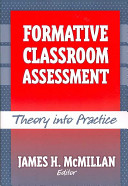
Formative classroom assessment: Theory into practice

edited by James H. McMillan

Grades: K-12

The essays in this book present a state-of-the-art review of formative assessment in the classroom. Experts examine what is currently known about formative assessment and its application to teaching, balancing theory and research with practical applications.

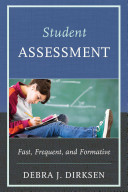
Student assessment: Fast, frequent, and formative

by Debra J. Dirksen

Grades: K-12

Just as video games often have a ‘reset button’, this book suggests that formative assessment can be used in the classroom as a virtual ‘reset button’ for student learning. A range of formative assessment strategies and techniques are discussed, such as the use of graphic organizers, quick writes, and journaling.


Finding More Resources

To find more resources in this area, try the following:

  • Search using the General tab on the UBC Library website to look for material in all UBC Library branches.
  • Search using “Search Education Resources” box in the left-hand bar on the Education Library website to limit your results to physical materials in the Education Library.
  • Use specific search terms, such as “formative assessment”, “formative assessment techniques”, or “educational tests and measurements”.
  • To find lesson plans, include “lesson plans”, “lesson planning”, or “activity programs” in your search terms.

PDF Booklist

For more help with searching, please visit the Library Service Desk or e-mail ed.lib@ubc.ca.
Categories
Assessment

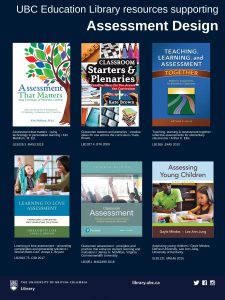
Assessment Design

Listed below are selected resources for teachers related to assessment design.

Assessment: Evidence-based teaching for enquiring teachersCover of "Assessment", by Chris Atherton

by Chris Atherton

Grades: K-12

Provides a critical overview of assessment, taking an evidence-based approach, with balanced and reflective consideration given to arguments around various approaches to assessment in schools. Offers practical advice on how to implement such evidence-based models reflectively evaluating their success.

Assessment that matters: Using technology to personalize learning

by Kim Meldrum

Grades: K-12

This book provides readers with an understanding of the role that technology as a tool for learning must play in the education of today’s students. It details three types of assessment that richly inform teacher practice: assessment as learning, assessment for learning, and assessment of learning.

Classroom starters and plenaries: Creative ideas for use across the curriculum

by Kate J. Brown

Grades: K-12

The author presents a variety of techniques for kickstarting students’ demonstrations of what they’ve learned, including “in your own words” activities, physical activities, games and game shows, and more.

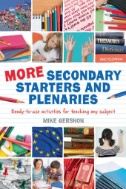
More secondary starters and plenaries: Creative activities, ready-to-use in any subject

by Mike Gershon

Grades: 9-12

This book includes 50 starters and 50 plenaries which have been crafted to fit with the structure of teaching, rather than specific content. The activities are organized into useful divisions such as Assessment for Learning, Concepts, and Learning Objectives, and each includes a brief rationale for the activity.

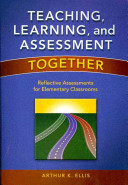
Teaching, learning and assessment together: Reflective assessments for elementary classrooms

by Arthur K. Ellis

Grades: K-6

The author presents strategies for the elementary classroom which engage students in activity and reflection, and which allow for the integration of teaching, learning and assessment. Strategies include such things as “the week in review”, “I can teach”, “letting questions percolate”, and more.

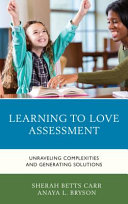
Learning to love assessment: Unraveling complexities and generating solutions

by Sherah Betts Carr and Anaya L. Bryson

Grades: K-12

The authors offer concrete techniques for educators at all levels to cultivate and implement over 50 effective classroom assessment strategies, including formative, student peer and self-assessment; data dialogues, technological tools, and PBL3 (problem, project and performance-based) assessments.

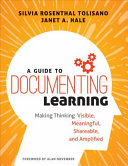
 A guide to documenting learning: Making thinking visible, meaningful, shareable, and amplified

by Silvia Rosenthal Tolisano and Janet A. Hale

Grades: K-12

This book helps educators explore what learning is by presenting ways in which they can look for, capture, reflect on, and share learning to foster meaningful and active student engagement.

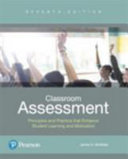
Classroom assessment: Principles and practice that enhance student learning and motivation

by James H. McMillan

Grades: K-12

The new edition of this book emphasizes formative assessment, and includes in-depth coverage of self-assessment; the impact of standards-based accountability testing, 21st-century knowledge, dispositions and skills; technology-enhanced items; and assessment of culturally diverse students.

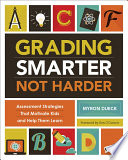
Grading smarter, not harder: Assessment strategies that motivate kids and help them learn

by Myron Dueck

Grades: K-12

The author offers strategies for ensuring that grades measure what students know without punishing them for factors outside their control; examining the fairness and effectiveness of grading homework assignments; designing and distributing unit plans that make assessment criteria clear to students; and creating a flexible and modular retesting system so that students can improve their scores on individual sections of important tests.

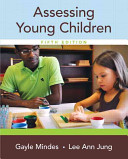
Assessing young children

by Gayle Mindes and Lee Ann Jung

Grades: K-3

This book addresses a broad range of assessment issues in early childhood and discusses how to deliver an effective educational program for all young children It prepares teachers to assess young children in a variety of settings, including inclusive environments, and also discusses working with children from diverse cultural backgrounds.

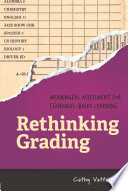
Rethinking grading: Meaningful assessment for standards-based learning,

by Cathy Vatterott

Grades: K-12

The author examines and debunks traditional practices and policies of grading in K-12 schools, offering a new paradigm for standards-based grading that focuses on student mastery of content and gives concrete examples from elementary, middle, and high schools. (Also available online.)

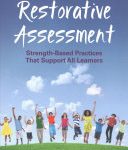
Restorative assessment: Strengths-based practices that support all learners,

by Laura M. Greenstein

Grades: K-12

Unlike ordinary testing, restorative assessments offer students multiple ways to demonstrate their learning, which promotes equity and reduces conflict. This book provides real-world examples of restorative assessment in practice, research on personalized learning and assessment, and practical strategies for implementation.

Cripping labor-based grading for more equity in literacy courses,

by Asao B. Inoue

Grades: Higher education

This book offers an expanded and compassionate discussion of labor-based grading, a practice that involves negotiating a set of classroom agreements with all of the students in a course to determine how much labor will be expected of students and how it will be accounted for or identified to earn particular final course grades. Inoue focuses his exploration of labor-based grading by asking, “How can labor-based grading evolve so that it addresses the concerns around inequitable access to or expectations of labor that students with disabilities, neurodivergencies, illnesses, or limited time in the semester may face?”

Note: you may find the subject heading “educational tests and measurements” to be useful in finding additional materials.


Finding More Resources

To find more resources in this area, try the following:

  • Search using the General tab on the UBC Library website to look for material in all UBC Library branches.
  • Search using “Search Education Resources” box in the left hand bar on the Education Library website to limit your results to physical materials in the Education Library.
  • Use specific search terms, such as “assessment design”, “educational tests and measurements”, “educational evaluation”, or “grading and marking (students)”.
  • To find lesson plans, include “lesson plans”, “lesson planning”, or “activity programs” in your search terms.

PDF Booklist

For more help with searching, please visit the Library Service Desk or e-mail ed.lib@ubc.ca.
Spam prevention powered by Akismet