Categories
Sciences Seasons and Celebrations

Seasons

Listed below are selected teacher resources, picture books, and non-fiction related to the seasons.

Teacher Resources
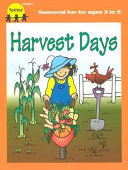
Harvest days: Celebrating fall with rhymes, songs, projects, games, and snacks

written and compiled by Durby Peterson, illustrated by Marion Hopping Ekberg

Grades: K-1

Contains a variety of hands-on projects and movement games appropriate to the fall season.
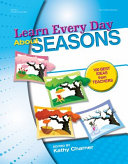
Learn every day about seasons: 100 best ideas from teachers

edited by Kathy Charner, illustrated by Deb Johnson

Grades: K-1

Numerous activities which explore seasonal changes. Each activity includes learning objectives, related vocabulary, related children’s books, materials needed, instructions for the activity, and an assessment component.
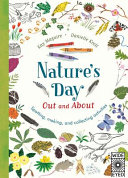
Nature’s day out and about: Spotting, making, and collecting activities

written by Kay Mcguire, illustrated by Danielle Kroll

Grades: K-3

An activity book for all four seasons. Sow seeds in spring, go pond dipping in summer, collect leaves in fall, and make an ice sculpture when it’s cold in winter. With lots of spotting collecting, making, and coloring activities, this book is the perfect way to connect with nature, whatever the season.
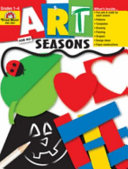
Art for all seasons

written by Joy Evans and Jo Ellen Moore, illustrated by Jo Larsen

Grades: 1-4

Art project ideas that correspond with the four seasons, and the weather and holidays associated with each.
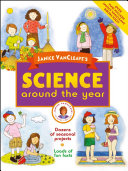
Science around the year

by Janice VanCleave

Grades: 3-7

Presents experiments and activities in such fields as astronomy, biology, chemistry, earth science, and physics that are related to one of the four seasons.

Picture Books
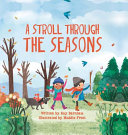
A stroll through the seasons

written by Kay Barnham, illustrated by Maddie Frost

Grades: K-3

Follow the wonderful changes that each season brings! From bright spring blossoms to dazzling summer sunshine, vibrant autumn leaves, and sparkling winter snow. Look and Wonder is a fresh, bold, and bright narrative nonfiction series introducing children to the natural world.
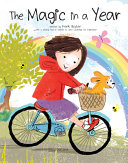
The magic in a year

written by Frank Boylan, illustrated by Sally Garland

Grades: K-3

A young child shares why each month is special, from the winter chill in January and the spring breeze in March to the heat in July and colored leaves in September.
Dakelh series

written by Cecilia John

Grades: K-2

Come north to Saik’uz (sigh-kuz) located within the Dakelh (dah-kay-lth) Territory and see the changes through summer, fall, winter, and spring. Part of the Strong Stories series which focuses on different First Nation territories from across Canada and the United States. A triple-language resource written in Carrier, English and French. Pronunciation guides for each book in the series are available here.
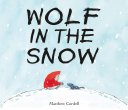
Wolf in the snow

by Matthew Cordell

Grades: PreK-K

When a wolf cub and a little girl are both lost in a snowstorm, they must help each other to find their way home.
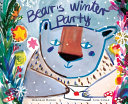
Bear’s winter party

written by Deborah Hodge, illustrated by Lisa Cinar

Grades: K-2

Bear loves his forest home, but sometimes he gets lonely. It’s hard being the biggest animal around. As the days grow shorter and autumn turns to winter, Bear springs into action and comes up with a festive plan to make friends with all the other forest creatures.
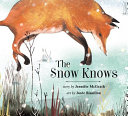
The snow knows

written by Jennifer McGrath, illustrated by Josée Bisaillon

A lyrical prose poem which celebrates the joys of winter, wilderness, and animals of all kinds. With whimsical hide-and-seek illustrations, readers will love following footprints and catching a glimpse of an owl’s wing or pheasant’s feathers, suggesting what appears on the following page.
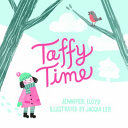
Taffy time

written by Jennifer Lloyd, illustrated by Jacqui Lee

Grades: K-4

Spring has arrived at Sugar Hill Farm. Big sister Audrey is busy helping Dad as he makes maple syrup. Younger sister Kate also wants to contribute but it seems that she is just too little. Will she find a way to do her part?
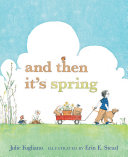
And then it’s spring

written by Julie Fogliano, illustrated by Erin E. Stead

Grades: K-2

Simple text reveals the anticipation of a boy who, having planted seeds while everything around is brown, fears that something has gone wrong until, at last, the world turns green.
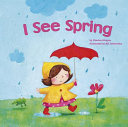
I see spring

written by Charles Ghigna, illustrated by Ag Jatkowska

Grades: K-2

Illustrations and easy-to-read, rhyming text show what makes spring special, from raindrops and robins to bluebells and butterflies.
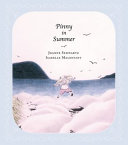
Pinny in summer

written by Joanne Schwartz, illustrated by Isabelle Malenfant

Grades: K-2

On a long, lazy summer day, Pinny searches for a wishing rock, watches the clouds and picks wild blueberries with her friends, feeds a seagull and bakes a cake. This engaging story reveals the joy to be found in nature and an unstructured life.
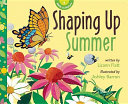
Shaping up summer

written by Lizann Flatt, illustrated by Ashley Barron

Grades: 1-3

As young readers journey into the natural world, they discover that numbers, patterns, shapes, and much more! These can be found in everyday plants and animals. What if animals and plants knew math, just like us? Would spiders draw pictures in their webs? Would narwhals sort blocks of ice by shape? For more in the Math in Nature series, click here.
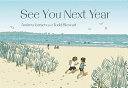
See you next year

written by Andrew Larsen, illustrated by Todd Stewart

Grades: K-2

Summer vacations can be magical. Especially when you go back to the same place every year. A place where nothing ever changes and where each long, lazy day unfolds just as it did the year before. See You Next Year is the story of one such place. Only this year, something does change. And sometimes, change turns out to be a good thing.
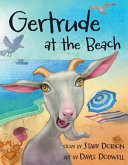
Gertrude at the beach

written by Starr Dobson, illustrated by Dayle Dodwell

Grades: 3-8

Everyone’s favourite goat, Gertrude Allawishes, is back! School is out for the summer, and Starr and her family, even Gertrude, are heading to the cottage. Starr’s mom is worried Gertrude will get into trouble. But it isn’t long before Gertrude proves she is one loyal goat and saves the day!
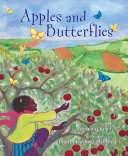
Apples and butterflies

written by Shauntay Grant ; illustrations by Tamara Thiébaux-Heikalo

Grades: K-3

Apples and Butterflies is a gentle, lyrical poem about a family’s autumn vacation and shows Prince Edward Island in a light we don’t often see—the bright blue and orange light of fall.
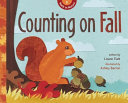
Counting on fall

written by Lizann Flatt, illustrated by Ashley Barron

Grades: 1-3

What if animals and plants knew math, just like you? Would leaves fall in patterns? Would whales enter a race? Nature in the fall comes to life to help children grasp concepts of number sense and numeration.
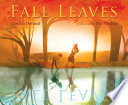
Fall leaves

written by Loretta Holland, illustrated by Elly MacKay

Grades: K-2

This poetic picture book puts autumn on display and captures the spirit of change that stays long after fall leaves. The book shows the secrets of this busy and beautiful time of year as the natural world makes way for winter.
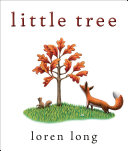
Little tree

written and illustrated by Loren Long

Grades: K-3

Little Tree is very happy in the forest, where he is surrounded by other little trees and his leaves keep him cool in the heat of summer, but when autumn comes and the other trees drop their leaves, Little Tree cannot be persuaded to let his go, even after they wither and turn brown.

Non-Fiction
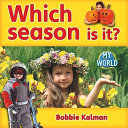
Which season is it?

by Bobbie Kalman

Grades: K-1

Which season is it when it snows; when flowers grow; when leaves fall; when it is very hot? This simple book features children’s descriptions of the weather and activities that make each season fun for them.
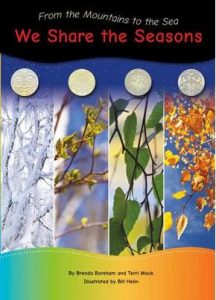
We share the seasons

by Brenda Boreham and Terri Mack, illustrated by Bill Helin

Grades: 1-4

This book is about the changing seasons in and along a riverbank, from the mountains to the sea. You will see many plants and animals that live along a riverbank. They grow and change just as we do. From the Mountains to the Sea: We Share the Seasons covers all of your Aboriginal Learning Standards in both science and social studies within the new BC curriculum. For more in the From the Mountains to the Sea series, click here.
How do we know it is winter?

by Molly Aloian

Grades: K-3

Discover the characteristics of winter: the changes in temperature, water, and light, and their effects on animals, plants, and people.
Why do geese fly south in the winter? A book about migration

by Kathy Allen

Grades: 1-3

A brief explanation of migration, including what it is, why and how animals migrate, and how people affect migration.
Snowy science: 25 cool experiments

written by Shar Levine and Leslie Johnstone, illustrated by Patricia Storms

Grades: 2-6

Science is fun all year round! Kids can try these simple experiments inside, inspired by the freezing weather outside. Learn to make ice cream, create an indoor avalanche and pick up an ice cube with just a piece of string. Also included are fun facts about icebergs, frost, “orange” snow, and more.
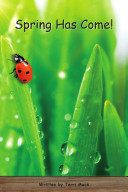
Spring has come!

by Terri Mack

Grades: K-1

Spring is the season between winter and summer. The months of spring are March, April and May. What are some activities that you and your family do during the spring months?Part of Strong Nations’ Strong Readers leveled reading series which is full of science, numeracy, social responsibility, language arts and oral language teachings. The entire series is interconnected and follows the cultural values of frog, bear, eagle and raven throughout. For more in the series, click here.
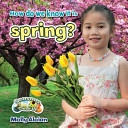
How do we know it is spring?

by Molly Aloian

Grades: K-3

Explore some of the changes that come when spring arrives, like warmer temperatures, budding plants and flowers, and the appearance of baby animals.
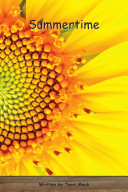
Summertime

written by Terri Mack

Grades: K-1

Summer is the season between spring and fall. The months of summer are June, July and August. What are some activities that you and your family do during the summer months? Part of Strong Nations’ Strong Readers leveled reading series which is full of science, numeracy, social responsibility, language arts and oral language teachings. The entire series is interconnected and follows the cultural values of frog, bear, eagle and raven throughout. For more in the series, click here.
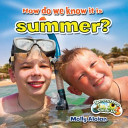
How do we know it is summer?

by Molly Aloian

Grades: K-3

Discover the characteristics that make summer unique: the warmest temperatures of the year, the changes in water and plants, and the effects on people and animals.
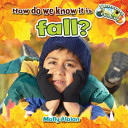
How do we know it is fall?

by Molly Aloian

Grades: K-3

Fall is the most appropriately named season. From cooler temperatures and fewer daylight hours to colourful leaves and warmer clothing, young readers will discover the many signs of the fall season.
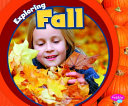
Exploring fall

by Terri DeGezelle

Grades: K-3

Find out why seasons happen, and see how fall brings changes for plants, animals, water weather, and people.


Finding More Resources

To find more resources in this area, try the following:

  • Search using the General tab on the UBC Library website to look for material in all UBC Library branches.
  • Search using “Search Education Resources” box in the left hand bar on the Education Library website to limit your results to materials in the Education Library.
  • Use specific search terms to narrow your results, such as:
    • Seasons: “Seasons–Juvenile literature”, “Seasons–Poetry”, “Seasons–Juvenile fiction”.
    • Winter: “winter–juvenile literature” or “seasons–juvenile literature”, “snow–juvenile fiction”
    • Spring: “spring–juvenile literature”, “seasons–juvenile literature”, “spring–fiction”
    • Summer: “summer–juvenile literature”, “summer–fiction”, “seasons–juvenile literature”
    • Fall: “autumn–fiction”, “autumn–juvenile literature”, “seasons–juvenile literature”
  • To find lesson plans, include “lesson plans”, “lesson planning”, or “activity programs” in your search terms.

For more help with searching, please visit the Library Service Desk or e-mail ed.lib@ubc.ca.

Categories
Accessibility Diversity and Diverse Learners Community Celebrations English French Inclusive Classroom Indigenous Literature and Education Seasonal Seasonal Materials Seasons and Celebrations Uncategorized Winter Celebrations

Livres bilingues et multilingues français et autochtones – French & Indigenous Bilingual and Multilingual Books

Listed below are selected resources for bilingual and multilingual learners in French/English/Spanish/Halq’eméylem(Sts’ailes)/ᓀᐦᐃᔭᐍᐏᐣ-Plains Cree/Omaškêkowak-Swampy Cree/X̱aad Kil-Haida(Old Massett)/X̱aayda Kil-Haida(Skidegate)/Cree/Carrier(Athapascan)/Inuktitut/Inuktitut Syllabics/Mi’kmaq relating to Science and Social Studies subjects.

Vous trouverez ci-dessous une sélection de ressources pour les apprenants bilingues et multilingues en français/anglais/espagnol/halq’eméylem(sts’ailes)/ᓀᐦᐃᔭᐍᐏᐣ-plains cree/omaškêkowak-swampy cree/xaad kil-haida(old massett)/xaayda kil-haida(skidegate)/cree/carrier(athapascan)/inuktitut/inuktitut roman syllabics/mi’kmaq concernant les sciences et les études sociales.

Livre en carton (Board Books)

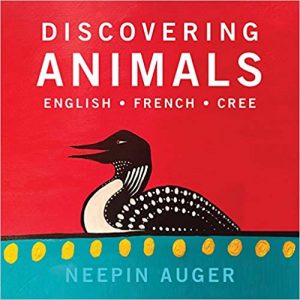
Discovering Animals

Les langues(Languages):Cree, French and English

de Neepin Auger

Niveau scolaire (Grade level): Préscolaire – Kindergarten (PreK-K)

The third book in the Discovering Series of books that uses colourful illustrations along with English, French and Cree translations to teach the basics of recognition and naming of animals.

Le troisième livre de la série Discovering utilise des illustrations colorées et des traductions en anglais, en français et en cri pour enseigner les bases de la reconnaissance et de la dénomination des animaux.

Discovering Words

Les langues(Languages):Cree, French and English

de Neepin Auger

Niveau scolaire (Grade level): Préscolaire – Kindergarten (PreK-K)

An updated edition in the Discovering Series that covers a variety of words and fun discovery for multilingual, bilingual and interested readers and learners. Accompanied by brightly coloured images and early education level concepts familiar to everyone.

Une édition mise à jour de la série Discovering qui couvre une variété de mots et de découvertes amusantes pour les lecteurs et apprenants multilingues, bilingues et intéressés. Accompagnée d’images aux couleurs vives et de concepts d’éducation précoce familiers à tous.

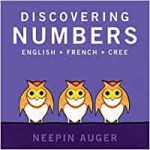
Discovering Numbers,

Les langues(Languages):Cree, French and English

de Neepin Auger

Niveau scolaire (Grade level): Préscolaire – Kindergarten (PreK-K)

An updated edition by Neepin Auger that includes more numbers and new illustrations that covers the basics of counting in English, French and Cree. A playful and bold series of books meant to educate and entertain preschoolers, parents, and teachers alike.

Une édition mise à jour par Neepin Auger qui comprend plus de chiffres et de nouvelles illustrations qui couvrent les bases du comptage en anglais, en français et en cri. Une série de livres ludiques et audacieux destinés à éduquer et à divertir les enfants d’âge préscolaire, les parents et les enseignants.

Lecteurs faciles (Easy Readers)

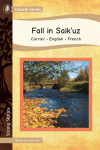
Strong Stories Dakelh: Fall in Saik’uz,

Les langues(Languages):Carrier (Athapascan), French and English

de Cecilia John

Niveau scolaire (Grade level): 1 – 3

Come north to Saik’uz (sigh-kuz) located within the Dakelh (dah-kay-lth) Territory and see the leaves turn colour in fall! What is something that you love about fall?

Venez au nord de Saik’uz (sigh-kuz), dans le territoire de Dakelh (dah-kay-lth), et voyez les feuilles se colorer à l’automne! Qu’est-ce que vous aimez dans l’automne?

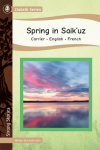
Strong Stories Dakelh: Spring in Saik’uz,

Les langues(Languages):Carrier (Athapascan), French and English

de Cecilia John

Niveau scolaire (Grade level): 1 – 3

Come north to Saik’uz (sigh-kuz) located within the Dakelh (dah-kay-lth) Territory and see the trees bud and the birds come back! What is something that you love about spring?

Venez au nord de Saik’uz (sigh-kuz), dans le territoire de Dakelh (dah-kay-lth), et voyez les arbres bourgeonner et les oiseaux revenir! Qu’est-ce que vous aimez dans le printemps?

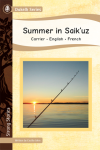
Strong Stories Dakelh: Summer in Saik’uz,

Les langues(Languages):Carrier (Athapascan), French and English

de Cecilia John

Niveau scolaire (Grade level): 1 – 3

Come north to Saik’uz (sigh-kuz) located within the Dakelh (dah-kay-lth) Territory and see the berries and animals! What is something that you love about summer?

Venez au nord à Saik’uz (sigh-kuz) situé dans le territoire Dakelh (dah-kay-lth) et voyez les baies et les animaux! Qu’est-ce que tu aimes dans l’été?

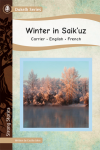
Strong Stories Dakelh: Winter in Saik’uz,

Les langues(Languages):Carrier (Athapascan), French and English

de Cecilia John

Niveau scolaire (Grade level): 1 – 3

What are some of the ways people in the North enjoy winter? This non-fiction book teaches children that even though the days are cold and dark in a Nunavut winter, there are a lot outdoor activities to enjoy, such as snowmobiling, ice fishing, and dogsledding. 

Comment les habitants du Nord profitent-ils de l’hiver? Ce livre de non-fiction apprend aux enfants que même si les journées sont froides et sombres pendant l’hiver au Nunavut, il y a beaucoup d’activités de plein air à pratiquer, comme la motoneige, la pêche sur glace et le traîneau à chiens.

Les livres d’images (Picture Books)

Indigenous Storybooks Canada,

Les langues(Languages):French, English, Spanish, Halq’eméylem(Sts’ailes), ᓀᐦᐃᔭᐍᐏᐣ-Plains Cree, Omaškêkowak-Swampy Cree, X̱aad Kil-Haida(Old Massett), and X̱aayda Kil-Haida(Skidegate)

Niveau scolaire (Grade level): Préscolaire – 6 (PreK-6)

Indigenous Storybooks is a resource designed specifically for children, families, community members, and educators. Inspired by the open-licensed stories from Little Cree Books, this project aims to make the text, images, and audio of stories available in Indigenous languages as well as English, French, and the most widely spoken immigrant and refugee languages of Canada.

Indigenous Storybooks est une ressource conçue spécifiquement pour les enfants, les familles, les membres de la communauté et les éducateurs. Inspiré par les histoires sous licence libre de Little Cree Books, ce projet vise à rendre le texte, les images et le son des histoires disponibles dans les langues autochtones ainsi qu’en anglais, en français et dans les langues d’immigrants et de réfugiés les plus parlées au Canada.

Comment la rivière Petitcodiac devint boueuse / Ta’n tel-kisi-siskuapua’qsepp Petikotiak sipu / How the Petitcodiac River became muddy

Les langues(Languages): French, Mi’kmaq, English

de Marguerite Maillet

Cette légende mi’kmaq explique à sa façon quelques-uns des mystères de la rivière Petitcodiac. Autrefois, la rivière était claire, limpide et regorgeait de poissons. Une Anguille géante, attirée par cette nourriture abondante, s’élança dans la rivière, détruisant tout sur son passage. Appelé à l’aide, Glooskap promit de donner des pouvoirs magiques à celui qui irait combattre le monstre. Seul un petit Homard se porta volontaire…

This Mi’kmaq legend explains in its own way some of the mysteries surrounding the Petitcodiac River. In the past, the river was crystal-clear and full of fish. A giant eel was attracted by such abundant food. She rushed into the river, causing rampage along its shores. Asked for help, Gloosecap offered to give great powers to anyone who would fight the monster. The only one who volunteered was a small lobster…

Tihtiyas et Jean / Tihtiyas naka Jean / Tihtiyas and Jean

Les langues(Languages): French, Passamaquoddy, English

de Nathalie Gagnon

Un jour, Tihtiyas, une jeune Passamaquoddy âgée de 12 ans, voit sur la mer un oiseau immense qui approche des côtes. Quelle n’est pas sa surprise de constater qu’il s’agit d’un bateau ! À travers le regard de Tihtiyas, on assiste à la grande aventure de l’arrivée, de l’installation et du premier hiver des Français à l’île Muttoneguis (Sainte-Croix). Parmi eux se trouve un jeune garçon âgé de 12 ans qui se liera d’amitié avec Tihtiyas.

One day, Tihtiyas, a twelve-year old Passamaquoddy girl, sees a huge bird approaching the shore. As the bird comes nearer, she realises it is a boat! Through Tihtiyas’s eyes, we take part in the great adventure of the French as they prepare for and spend their first winter on Muttoneguis Island (Saint Croix). Among them is a twelve-year-old boy, with whom Tihtiyas will make friends.

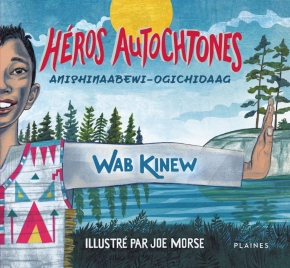
Héros autochtones/Anishinaabewi-Ogichidaag,

Les langues(Languages):Anishinaabe and French

texte de (writer) Wab Kinew; illustrations de (illustrator) Joe Morse

Niveau scolaire (Grade level): Kindergarten – 5

Souhaitant faire connaitre aux jeunes de tous les horizons ses héros autochtones, Wab Kinew a composé des textes inspirants mettant en vedette des héros autochtones du Canada et des États-Unis. Malgré leur expérience unique, tous ont ceci en commun : la confiance en soi et un lien avec le territoire.

Daa _Galang sding : _Xaayda_Ga Giiahl_Galang ga = The two brothers : a Haida story = Les deux frères : un récit haïda

Les langues(Languages): Haida, English and French

de Diane Brown: illustrations by Gwaii Edenshaw and Jaalen Edenshaw

The Two Brothers presents a wonderful opportunity for Canadian children of all ages to learn about Haida culture through colourful illustrations and text translated by a Haida author who has been instrumental in the protection of the Haida language. For almost a century, the world-famous Raven Totem Pole stood in downtown Jasper. After being repatriated to its original home on HaidaGwaii in 2010, it was replaced by the Two Brothers Totem Pole. Beautifully illustrated by Gwaai and Jaalen Edenshaw, the Haida artists who carved the new totem pole, this book tells the story of the Two Brothers, of a journey long ago from the west coast islands of HaidaGwaii to the Canadian Rockies, and of an unusual connection between two very different places.

L’écho du Nord / Listening North.

Les langues(Languages):Inuktitut & French

texte d’Emily Novalinga ; illustrations de Claude Thivierge

Cette histoire s’adresse aux enfants et aux adultes. Elle parle de l’importance de prendre soin de notre santé, de prendre le temps de bien entendre et de bien écouter : écouter les autres, écouter la nature, s’écouter soi-même. Quand nous sommes ouverts à toutes les choses merveilleuses qui nous entourent, nous nous sentons bien, nous prenons les bonnes décisions et notre vie est plus saine et plus heureuse. Plus que tout, notre vie est notre musique

Le cadeau de l’esturgeon

Les langues(Languages): French and Algonquin

texte de Stéphanie Déziel ; illustrations de Christine Sioui Wawanoloath

Album souple au cours duquel on narre comment Anwatan (16 ans) apprend à pêcher l’esturgeon au collet en compagnie de son grand-père, après avoir fait la rencontre magique d’un de ses énormes poissons d’eau douce qui l’emmène gentiment sur son dos pour lui faire découvrir, en un bref voyage dans le temps, les anciennes pratiques traditionnelles de son peuple entourant la pêche, la cuisson, la consommation et la célébration de ce cadeau de la nature dont il faut modérer la capture pour en protéger l’espèce.

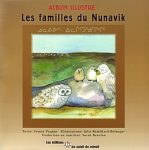
Les families des Nunavik,

Les langues(Languages):Inuktitut and French

texte de(titiraqtuq/writer) France Paquin; illustrations de(titiqtugaqtuq/illustrator) Julie Rémillard-Bélanger; traduction en inuttitut de Sarah Beaulne.

Niveau scolaire (Grade level): Préscolaire – 6 (PreK-6)

Présentation élémentaire des principaux spécimens de la faune arctique, du lemming à l’homme, excluant la faune aquatique. — De gentilles aquarelles. Peu d’informations. Un point marquant, le texte dans les deux langues.

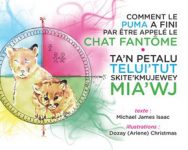
Comment le puma a fini par être appelé le chat fantôme,

Les langues(Languages):Mi’kmaq and French

texte de Michael James Isaac ; illustrations de Dozey (Arlene) Christmas ; traduction en mi’kmaq de Yolanda Denny ; traduction en français du ministère de l’Éducation et du Développement de la petite enfance de la Nouvelle-Écosse.

Niveau scolaire (Grade level): 1 – 6

Pris entre deux mondes, le puma a du mal à trouver un lieu où il est à sa place. En tant que chat fantôme, le puma vit comme il le devrait: dans la forêt, mais sans ses amis.

Misinsit miawe’k tapu’kl wskitqamu’kl, Ajik alme’si wejitoq ta’n tett tleyawit. Skite’kmujewey Mia’wj mimajit ta’n tel nenk — kisoqe’k pasik mu eymu’kk witapk.

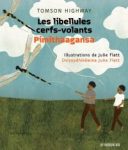
Pimithaagansa/Les libellules cerfs-volant,

Les langues(Languages):Cree and French

texte de Tomson Highway; illustrations de Julie Flett

Niveau scolaire (Grade level): 1 – 3

Taansi ka-itooteetay keespin iga meetawagaana kee-ayaa-in a-tie-igamigook oochi? Kapagawa-teetay naa? Maw weethawow Joe igwa ooseem’sa Cody. Maw m’tanaw-gaach. Ooseetaawuk taapoo-poogoo oomeetawaa-ganawaawa weethawow tipitoot, igwa kapee meetaweewuk, kapee m’choogee taawuk. Mamaskaach, chee-i?

Que ferais-tu n’avais aucun jouet, aucun jeu et aucun appareil electronique avec lesquels t’amuser? Est-ce que tu trouverais le temps long? Les freres Joe et Cody font tout sauf s’eenuyer. Ils inventent, creent et suivent leurs reves et ne s’ennuient jamais. Il suffit d’imaginer!

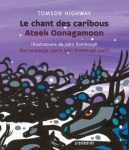
Ateek Oonagamoon/Caribou Song,

Les langues(Languages):Cree and English

texte de Tomson Highway; illustrations de John Rombough

Niveau scolaire (Grade level): 1 – 4

Joe and Cody are young Cree brothers who follow the caribou all year long, tucked into their dog sled with Mama and Papa. To entice the wandering herds, Joe plays his accordion and Cody dances, whirling like a young caribou. They are so busy playing and dancing, they don’t hear the rumble of the caribou. Bursting from the forest, ten thousand animals fill the meadow. Joe is engulfed; he can barely see Cody a few yards away. Their parents seem to have disappeared.

Joe et Cody suivent les caribous toute l’année en traîneau avec leurs parents. Joe joue de l’accordéon et Cody danse pour attirer les caribous errants. Mais lorsque des milliers de caribous répondent à leur appel, ce qui devrait être un moment de terreur se transforme en quelque chose de mystique et de magique quand les garçons ouvrent leurs bras et leur coeur pour embrasser l’esprit du caribou.

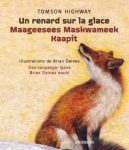
Maageesees Maskwameek/Un renard sur la glace,[Online Only]

Les langues(Languages):Cree and French

texte de Tomson Highway; illustrations de Brian Deines

Niveau scolaire (Grade level): 1 – 3

Joe et Cody pêchent sur la glace avec leurs parents par un après-midi d’hiver glacial. Cody aide Papa à pêcher, tandis que maman et Joe somnolent dans le traîneau. Soudain, les chiens repèrent un renard à la fourrure aussi brillante que des flammes et s’élancent à sa poursuite, entraînant maman et Joe dans une course folle.

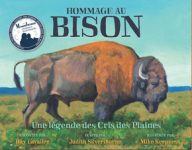
Hommage au Bison,

Les langues(Languages):Cree and French

texte de Judith Silverthorne; illustrations de Mike Keepness; traduction de Martine Noël-Maw; raconté par Ray Lavalee

Niveau scolaire (Grade level): 4 – 7

Cette légende ancestrale relate la façon dont le bison est devenu un animal sacré pour les Cris. Je vais m’offrir à eux, dit le Bison. Je vais leur permettre d’utiliser toutes les parties de mon corps, car elles se valent toutes. À travers le Créateur, le bison s’est offert en cadeau au peuple cri des Plaines pour lui procurer protection, nourriture, guérison et bien d’autres choses utiles à sa survie.

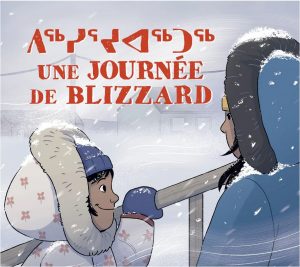
Une journeé de blizzard/ᐱᖅᓯᕐᔪᐊᖅᑐᖅ,

Les langues(Languages):Inuktitut and French

titiraqtuq(writer) Julia Ogina & Emily Jackson; titiqtugaqtuq(illustrator) Amiel Sandland

Niveau scolaire (Grade level): Préscolaire – Kindergarten (PreK-K)

Niaqualuk et Haugaaq vivent à Cambridge Bay, au Nunavut. Un gros blizzard s’annonce ! Haugaaq aimerait pouvoir jouer plus souvent à l’extérieur, mais Niaqualuk est excitée à l’idée de jouer à l’intérieur. Voyez ce que les sœurs font toute la journée pendant que le blizzard hurle à l’extérieur.

Niaqualuk and Haugaaq live in Cambridge Bay, Nunavut. There is a big blizzard coming! Haugaaq wishes she could play outside more, but Niaqualuk is excited about playing inside. See what fun things the sisters do all day as the blizzard howls outside.

Kepmite’taqney Ktapekiaqn/Le chant d’honneur/The Honour Song,

Les langues(Languages):Mi’kmaq, French and English

texte de Gregory Paul; illustrations de Loretta Gould; traduction de Barbara Sylliboy & Hélène Devarennes

Niveau scolaire (Grade level): 3 – 8

Lors de nombreux évènements officiels ou cérémonies spirituelles chez les Premières Nations du pays, un chant est entonné par les participants. Ce chant a vu le jour dans le coeur et la tête de George Paul, un Mi’kmaw de Metepenagiag, après un parcours ardu. Cet album illustré raconte la naissance de ce chant et l’importance qu’il revêt pour les Premières Nations.

At many official events or spiritual Ceremonies among First Nations across the country, a song is sung by the participants. This song was born in the heart and mind of George Paul, a Mi’kmaw from Metepenagiag, after an arduous journey. This illustrated album tells the story of the birth of this song and its importance to First Nations.


Trouver d’autres ressources

Voici quelques conseils pour trouver d’autres ressources dans ce domaine :

  • Sur la page principale du site de la bibliothèque de l’UBC, utilisez la boîte de recherche générale pour rechercher des matériaux à travers toutes les succursales de la bibliothèque de l’UBC.
  • Pour limiter vos résultats aux matériels disponibles à la Bibliothèque de l’éducation, visitez le site web de la Bibliothèque de l’éducation et effectuez une recherche à l’aide de la case “Search Education Resources” située dans la bande à gauche de l’écran.
  • Remarque : les ressources étant principalement cataloguées en anglais, les termes ci-dessous donnent généralement plus de résultats que les recherches effectuées en français. Vous pouvez filtrer votre liste de résultats par langue dans la barre latérale de gauche.
  • Utilisez des termes de recherche spécifiques, tels que
    • “bilingual”, “english and cree”, “mi’kmaq”, ou “inuktitut” AND “french and cree”
  • Pour trouver des plans de cours, incluez “lesson plans”, “lesson planning”, or “activity programs” dans vos termes de recherche.

Finding More Resources

To find more resources in this area, try the following:

  • Search using the General tab on the UBC Library website to look for material in all UBC Library branches.
  • Search using “Search Education Resources” box in the left hand bar on the Education Library website to limit your results to physical materials in the Education Library.
  • Use specific search terms, such as
    • “bilingual”, “english and cree”, “mi’kmaq”, or “inuktitut” AND “french and cree”
  • To find lesson plans, include “lesson plans”, “lesson planning”, or “activity programs” in your search terms.
Categories
Community Celebrations Inclusive Classroom Planning for Teaching and Learning Seasonal Seasonal Materials Seasons and Celebrations

Seeds and Gardening

Listed below are selected teacher resources, picture books, fiction, and non-fiction related to seeds and gardening.

Teacher Resources

Every Nursery Needs a Garden

by Ann Watts

Grades: Preschool-6

A garden can be a magical place for young children and offers them rich and engaging learning experiences as they interact with a variety of plants and wildlife throughout the year. This book guides you through the process of creating a garden, however small, for young children. It looks at the impact a garden area can have on children’s overall development and the benefits of using natural materials as learning tools.

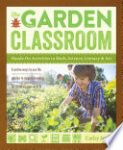
The Garden Classroom : Hands-on Activities in Math, Science, Literacy, and Art

by Cathy James

Grades: Preschool-6

Every garden offers children a rich, sensory playground, full of interesting things to discover and learn about. There’s a whole lot of science happening right before their eyes. The garden can also be a place to develop math and literacy skills, as the outdoors offers up plenty of invitations to weave learning into everyday gardening. The garden classroom is a place where plants grow, and where children grow too.

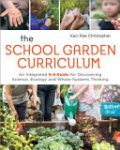
School Garden Curriculum: An Integrated K-8 Guide for Discovering Science, Ecology, and Whole-Systems Thinking

by Kaci Rae Christopher

Grades: K-8

The School Garden Curriculum offers a unique and comprehensive framework, enabling students to grow their knowledge throughout the school year and build on it from kindergarten to eighth grade. From seasonal garden activities to inquiry projects and science-skill building, children will develop organic gardening solutions, a positive land ethic, systems thinking, and instincts for ecological stewardship.

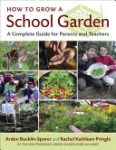
How to Grow a School Garden: A Complete Guide for Parents and Teachers

by Arden Bucklin-Sporer and Rachel Kathleen Pringle

Grades: K-8

Today both schools and parents have a unique opportunity—and an increasing responsibility—to cultivate an awareness of our finite resources, to reinforce values of environmental stewardship, to help students understand concepts of nutrition and health, and to connect children to the natural world.

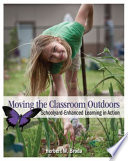
Moving the Classroom Outdoors: Schoolyard-enhanced Learning in Action

by Herbert W. Broda

Grades: K-8

Designed to provide teachers and administrators with a range of practical suggestions for making the schoolyard a varied and viable learning resource, Moving the Classroom Outdoors presents concrete examples of how urban, suburban, and rural schools have enhanced the school site as a teaching tool.

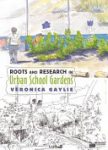
Roots and Research in Urban School Gardens

by Veronica Gaylie

Grades: K-12

Through a comprehensive history of school garden practice rooted in Eastern industrial cities, to case studies from four Pacific Rim regions, this book examines the practice and culture of the urban school garden as a central symbol for environmental learning. As poetically described by students, teachers, and community members in both historical and contemporary gardens, the story of the urban school garden inspires a new narrative in connecting learners to the land.

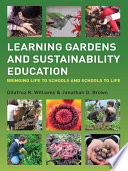
Learning Gardens and Sustainability Education: Bringing Life to Schools and Schools to Life

by Dilafruz R. Williams and Jonathan D. Brown

Offering a fresh approach to bringing life to schools and schools to life, this book goes beyond touting the benefits of learning gardens to survey them as a whole-systems design solution with potential to address myriad interrelated social, ecological, and educational issues.

Picture Books

My Baba’s Garden

by Jordan Scott & Sydney Smith

Grade Level: Preschool-2

A young boy spends his mornings with his beloved Baba, his grandmother. She doesn’t speak much English, but they connect through gestures, gardening, eating, and walking to school together. Marked by memories of wartime scarcity, Baba cherishes food, and the boy learns to do the same. Eventually, Baba needs to move in with the boy and his parents, and he has the chance to care for her as she’s always cared for him.

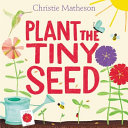
Plant the Tiny Seed

by Christie Matheson

Grade Level: Preschool-3

Beautiful collage-and-watercolor art follows the seed through its entire life cycle, as it grows into a zinnia in a garden full of buzzing bees, curious hummingbirds, and colourful butterflies. Children engage with the book as they wiggle their fingers to water the seeds, clap to make the sun shine after rain, and shoo away a hungry snail.

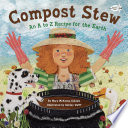
Compost Stew: An A to Z Recipe for the Earth

by Mary McKenna Siddals ; illustrated by Ashley Wolff

Grade Level: Preschool-3

Kids everywhere are seeking knowledge about the environment and climate change. Not only is composting becoming more common in households and residential gardens, but many school gardens feature compost piles, too. But how do you start a compost pile? What’s safe to include? Perfect for an Earth Day focus or year-round reference, this inviting book provides all the answers for kids and families looking for simple, child-friendly ways to help the planet.

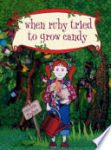
When Ruby Tried to Grow Candy

by Valorie Fisher

Grade Level: Preschool-3

Ruby Louise Hawthorne can’t believe her eyes. Right there, in Miss Wysterious’s garden, teacups are growing on trees, shoes are sprouting like weeds, and eggbeaters are jangling from branches. So maybe Ruby should listen when Miss Wysterious tells her all the important rules of gardening–like watering and weeding and labelling what you plant. That way, when Ruby plants her jellybeans, they really just might grow.

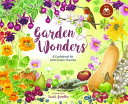
Garden Wonders: A Guidebook for Little Green Thumbs

by Sarah Grindler

Grade Level: K-2

Whether you have a big backyard or pots on a balcony, you can grow just about anything if you have healthy soil, plenty of water, and bright sunlight. The newest book in the Little Explorers series takes young readers through every step to creating their own garden: from collecting nutrient-rich soil and choosing the right time of day to water your plants, to identifying helpful critters from unwanted pests. Featuring new vocabulary words like “germinate,” “fertilizer,” and “pollinator,” and encouraging a microscopic look at nature, this is the perfect book for curious little gardeners.

One Little Lot: The 1-2-3s of an Urban Garden

by Diane C. Mullen; illustrated by Oriol Vidal

Grade Level: K-3

Count all the ways (one to ten) an urban community unites to clean up an abandoned lot. From building planter boxes to pulling weeds to planting seeds, everyone works together to transform the lot into a bountiful vegetable garden. As the garden grows, strangers become friends, eventually sharing in a special feast with the harvest they grew.

Jayden’s Impossible Garden

by Mélina Mangal; illustrated by Ken Daley

Grade Level: K-4

Amidst all the buildings, people, and traffic in his neighborhood, Jayden sees nature everywhere: the squirrels scrounging, the cardinals calling, and the dandelions growing. But Mama doesn’t believe there’s nature in the city. So Jayden sets out to help Mama see what he sees. With the help of his friend Mr. Curtis, Jayden plants the seeds of a community garden and brings together his neighbors–and Mama–to show them the magic of nature in the middle of the city.

Omar, the Bees and Me

by Helen Mortimer & Katie Cottle

After Omar shares his mum’s honey cake and stories of his grandpa’s beekeeping for show-and-tell, the class decides to support local bees by leading their community in planting wildflowers. As Maisie and Omar’s friendship grows, so too do the flowers. By summer, their neighbourhood has become a bee corridor and the class has honey to share. Teaching resources are available through Owlet Press.

Non-Fiction

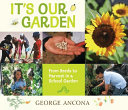
It’s Our Garden: From Seeds to Harvest in a School Garden

by George Ancona

Grades: Preschool-3

At an elementary school in Santa Fe, the bell rings for recess and kids fly out the door to check what’s happening in their garden. As the seasons turn, everyone has a part to play in making the garden flourish. From choosing and planting seeds in the spring to releasing butterflies in the summer to harvesting in the fall to protecting the beds for the winter.

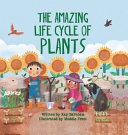
The Amazing Life Cycle of Plants

written by Kay Barnham; illustrated by Maddie Frost

Grades: Preschool-3

How do plants grow? Explore the journey from seed to sapling and beyond. Children have lots of questions about the world around them, and this book helps them discover many amazing and wonderful scientific facts about nature.

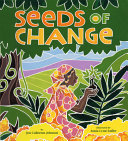
Seeds of Change: Planting a Path to Peace

written by Jen Cullerton Johnson; illustrated by Sonia Lynn Sadler

Grades: 1-6.

A biography of Kenyan Nobel Peace Prize winner and environmentalist Wangari Maathai, a female scientist who made a stand in the face of opposition to women’s rights and her own Greenbelt Movement, an effort to restore Kenya’s ecosystem by planting millions of trees.

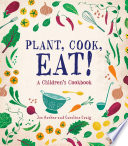
Plant, Cook, Eat!: A Children’s Cookbook

by Joe Archer and Caroline Craig

Grades: 2-5.

For beginners and green-thumbed foodies, this unusually all-inclusive garden-to-kitchen cookbook is part lesson in gardening and part collection of healthy, delicious, kid-friendly recipes.

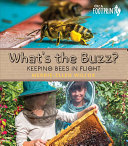
What’s the Buzz? Keeping Bees in Flight

by Marie-Ellen Wilcox

Grades: 5-7

What’s the Buzz? Celebrates bees and encourages readers to do their part to keep the hives alive. This book belongs to the Orca Footprints series for middle readers, which answers children’s questions about the state of the natural world, resource sustainability, and how to be global citizens. See also the Orca Footprints Guide, which includes ideas on how to present and use these books.


Finding More Resources

To find more resources in this area, try the following:

  • Search using the General tab on the UBC Library website to look for material in all UBC Library branches.
  • Search using “Search Education Resources” box in the left hand bar on the Education Library website to limit your results to materials in the Education Library.
  • Use specific search terms to narrow your results, such as “garden”, “seeds”, “plants”, or “school garden”.
  • To find lesson plans, include “lesson plans”, “lesson planning”, or “activity programs” in your search terms.

For more help with searching, please visit the Library Service Desk or e-mail ed.lib@ubc.ca.
Categories
Accessibility Diversity and Diverse Learners Community Celebrations Seasons and Celebrations

Asian Heritage Month

May is Asian Heritage Month in Canada. Celebrate with these picture books by Asian Canadian authors and/or illustrators:

Picture Books

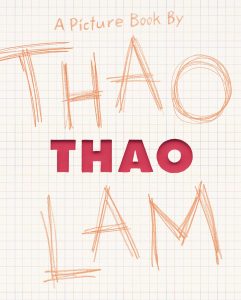
“Thao” seems like a simple enough name. Only four letters–all of them belonging to many other names! And yet Thao had been called everything from “Tail” to “Theo” to “Towel.” At one point, completely fed up, she decided it was time to try another name. Something “easy.” Something like “Jennifer.” But trying to be someone else only works for so long. And eventually “Jennifer” is swayed back to being herself when she opens her lunchbox and finds her mother has packed her Gȯi cuõn (also known as Vietnamese spring rolls)! Thao’s favourite! Her name is pronounced “Tow” like the English word “how.” While simple on the surface, this story of cultural assimilation and celebration of cultural pride runs deep. It is a personal one for Thao. And it will strike a chord with readers who have struggled to fit within a mainstream mold–then realized it was just more comfortable to be themselves. Visually, this book will also be a personal reflection of Thao in that she will be incorporating childhood photos into her usual cut-paper collage style! She has also opted to minimize the number of illustrations and instead play with type and typography as a way to highlight her name–and the many variations of it that appear in the book!

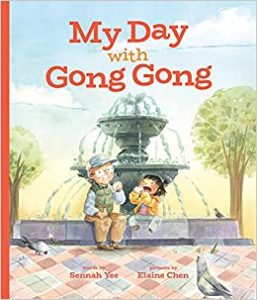
My Day With Gong Gong words by Sennah Yee; pictures by Elaine Chen

A day in Chinatown takes an unexpected turn when a bored little girl makes a connection with her grandpa. May isn’t having fun on her trip through Chinatown with her grandfather. Gong Gong doesn’t speak much English, and May can’t understand Chinese. She’s hungry, and bored with Gong Gong’s errands. Plus, it seems like Gong Gong’s friends are making fun of her! But just when May can’t take any more, Gong Gong surprises her with a gift that reveals he’s been paying more attention than she thought. With lighthearted, expressive illustrations by Elaine Chen, this charming debut expertly captures life in the city and shows how small, shared moments of patience and care–and a dumpling or two–can help a child and grandparent bridge the generational and cultural gaps between them. A glossary at the end of the book features translations of the Chinese words from the story into Chinese characters and English.

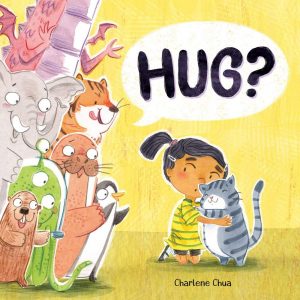
Hug? by Charlene Chua

A little girl finds herself giving hug after hug until, all of a sudden, she’s had enough!

How many hugs is too many? After coughing up a hairball, a girl’s cat doesn’t feel well. She gives her cat a hug, which makes the cat feel much better. A dog notices and asks for a hug, too. And then some ducks come along. And a skunk . . . and a bear — and a porcupine! One animal after another asks the girl for a hug until she’s simply had enough. How much more of this can she take? Sometimes a hug is just what you need. And sometimes, it’s just NOT!

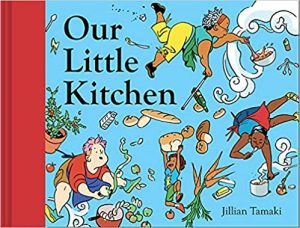
Our little kitchen by Jillian Tamaki

Tie on your apron! Roll up your sleeves!
Pans are out, oven is hot, the kitchen’s all ready!
Where do we start?

In this lively, rousing picture book from Caldecott Honoree Jillian Tamaki, a crew of resourceful neighbors comes together to prepare a meal for their community. With a garden full of produce, a joyfully chaotic kitchen, and a friendly meal shared at the table, Our Little Kitchen is a celebration of full bellies and looking out for one another. Bonus materials include recipes and an author’s note about the volunteering experience that inspired the book.

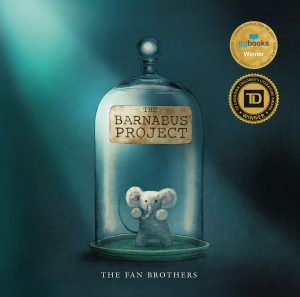
The Barnabus Project by Terry, Eric & Devin Fan

In a world built for Perfect Pets, Barnabus is a Failed Project, half mouse, half elephant, kept out of sight until his dreams of freedom lead him and his misfit friends on a perilous adventure. A stunning picture book from international bestsellers The Fan Brothers, joined by their brother Devin Fan.

Deep underground beneath Perfect Pets, where children can buy genetically engineered “perfect” creatures, there is a secret lab. Barnabus and his friends live in this lab, but none of them is perfect. They are all Failed Projects. Barnabus has never been outside his tiny bell jar, yet he dreams of one day seeing the world above ground that his pal Pip the cockroach has told him about: a world with green hills and trees, and buildings that reach all the way to the sky, lit with their own stars. But Barnabus may have to reach the outside world sooner than he thought, because the Green Rubber Suits are about to recycle all Failed Projects . . . and Barnabus doesn’t want to be made into a fluffier pet with bigger eyes. He just wants to be himself. So he decides it’s time for he and the others to escape. With his little trunk and a lot of cooperation and courage, Barnabus sets out to find freedom — and a place where he and his friends can finally be accepted for who they are.

This suspenseful, poignant, and magical story about following your dreams and finding where you truly belong will draw readers into a surreal, lushly detailed world in which perfection really means being true to yourself and your friends.

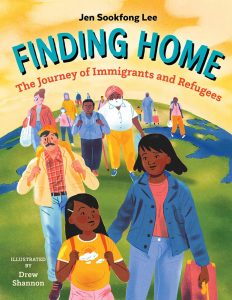
Finding Home: The Journey of Immigrants and Refugees by Jen Sookfong Lee; illustrated by Drew Shannon.

What drives people to search for new homes? From war zones to politics, there are many reasons why people have always searched for a place to call home. In Finding Home: The Journey of Immigrants and Refugees we discover how human migration has shaped our world. We explore its origins and the current issues facing immigrants and refugees today, and we hear the first-hand stories of people who have moved across the globe looking for safety, security, and happiness. Author Jen Sookfong Lee shares her personal experience of growing up as the child of immigrants and gives a human face to the realities of being an immigrant or refugee today.

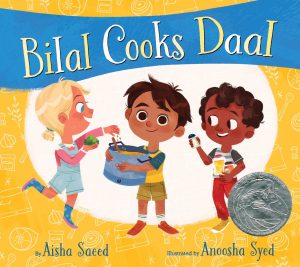
Bilal Cooks Daal by Aisha Saeed; illustrated by Anoosha Syed (Illustrator is Pakistani-Canadian)

Six-year-old Bilal is excited to help his dad make his favorite food of all-time: daal! The slow-cooked lentil dish from South Asia requires lots of ingredients and a whole lot of waiting. Bilal wants to introduce his friends to daal. They’ve never tried it! As the day goes on, the daal continues to simmer, and more kids join Bilal and his family, waiting to try the tasty dish. And as time passes, Bilal begins to wonder: Will his friends like it as much as he does?

This debut picture book by Aisha Saeed, with charming illustrations by Anoosha Syed, uses food as a means of bringing a community together to share in each other’s family traditions.

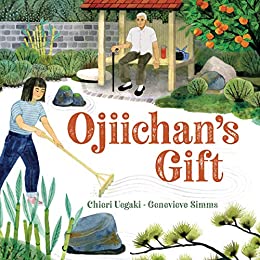
Ojiichan’s gift by Chieri Uegaki; illustrated by Genevieve Simms

A heartwarming story about the relationship between a girl and her grandfather.

When Mayumi was born, her grandfather built her a garden. It had no flowers or vegetables in it. Instead, Ojiichan made it out of stones: “big ones, little ones, and ones in-between.” Every summer, Mayumi visits her grandfather in Japan, and they tend the garden together. Raking the gravel is her favorite part. But then one summer, everything changes. Ojiichan has grown too old to care for his home and the garden. He has to move. Can Mayumi find a way to keep the memory of their garden alive?

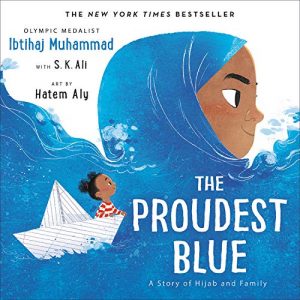
The Proudest Blue: A Story of Hijab and Family by Ibtihaj Muhammad; with S. K. Ali; art by Hatem Aly
(co-author S.K. Ali is Indian-Canadian)

A powerful, vibrantly illustrated story about the first day of school–and two sisters on one’s first day of hijab–by Olympic medalist and social justice activist Ibtihaj Muhammad.

With her new backpack and light-up shoes, Faizah knows the first day of school is going to be special. It’s the start of a brand new year and, best of all, it’s her older sister Asiya’s first day of hijab–a hijab of beautiful blue fabric, like the ocean waving to the sky. But not everyone sees hijab as beautiful, and in the face of hurtful, confusing words, Faizah will find new ways to be strong.

Paired with Hatem Aly’s beautiful, whimsical art, Olympic medalist Ibtihaj Muhammad and Morris Award finalist S.K. Ali bring readers an uplifting, universal story of new experiences, the unbreakable bond between siblings, and of being proud of who you are.

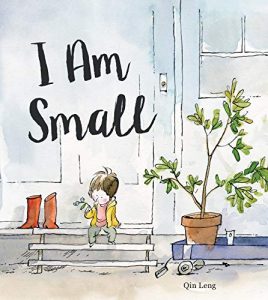
I Am Small by Qin Leng

With beautifully composed watercolor illustrations, Qin Leng recalls her own childhood in this story about a little girl who has always been the smallest: smallest of the family, smallest in school, smallest in a crowd. The girl faces her own set of challenges, but her loving parents and an unexpected visitor might change her perception for good.

A very big story about a very small girl. Mimi is so much littler than everyone, –I might as well be called Mini,” she says. Everyone is taller than her, even the family dog! Though there are advantages ã like fitting into the best hiding places ã to Mimi, being small is the worst. But then one day, a surprise shows up at home. A very little surprise. And Mimi begins to realize that being little is just a matter of perspective. The perfect book for any child trying to find their place in the world.

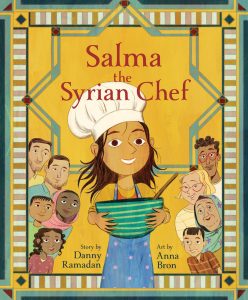
Salma the Syrian chef story by Danny Ramadan; art by Anna Bron

Newcomer Salma and friends cook up a heartwarming dish to cheer up Mama. All Salma wants is to make her mama smile again. Between English classes, job interviews, and missing Papa back in Syria, Mama always seems busy or sad. A homemade Syrian meal might cheer her up, but Salma doesn’t know the recipe, or what to call the vegetables in English, or where to find the right spices! Luckily, the staff and other newcomers at the Welcome Center are happy to lend a hand–and a sprinkle of sumac. With creativity, determination, and charm, Salma brings her new friends together to show Mama that even though things aren’t perfect, there is cause for hope and celebration.

Syrian culture is beautifully represented through the meal Salma prepares and Anna Bron’s vibrant illustrations, while the diverse cast of characters speaks to the power of cultivating community in challenging circumstances.

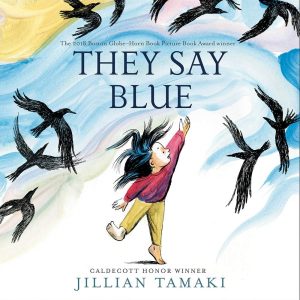
They say blue by Jillian Tamaki

In captivating paintings full of movement and transformation, Tamaki follows a young girl through a year or a day as she examines the colors in the world around her. Egg yolks are sunny orange as expected, yet water cupped in her hands isn’t blue like they say. But maybe a blue whale is blue. She doesn’t know, she hasn’t seen one. Playful and philosophical, They Say Blue is a book about color as well as perspective, about the things we can see and the things we can only wonder at.

This first picture book from celebrated illustrator Jillian Tamaki will find equal appreciation among kids and collectors.

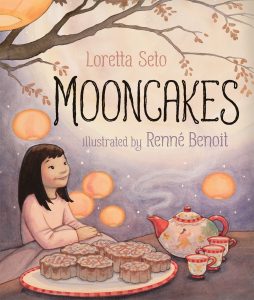
Mooncakes by Loretta Seto; illustrated by Renné Benoit

Mooncakes is the lyrical story of a young girl who shares the special celebration of the Chinese Moon Festival with her parents. As they eat mooncakes, drink tea and watch the night sky together, Mama and Baba tell ancient tales of a magical tree that can never be cut down, the Jade Rabbit who came to live on the moon and one brave woman’s journey to eternal life. With a gentle focus on the importance of family, Mooncakes is a perfect book for parent and child to read together, while its educational aspect makes it ideal for school libraries that wish to provide an insight into a unique cultural holiday.

Categories
Seasons and Celebrations

Community Celebrations

Listed below are selected teacher resources, picture books, and non-fiction related to different community celebrations throughout the year.

Teacher Resources

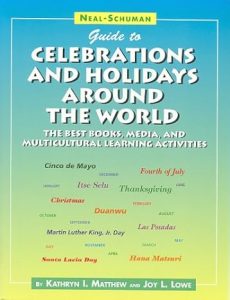
Guide to Celebrations and Holidays Around the World

by Kathryn I. Matthew and Joy L. Lowe

Grades: K-6

This handbook contains materials, insights and suggestions for teaching children about holidays celebrated around the world, including Ramadan, Rosh Hashanah, Diwali, and more.

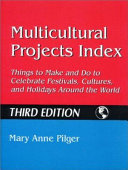
Multicultural projects index: Things to make and do to celebrate festivals, cultures, and holidays around the world

by Mary Anne Pilger

Grades: K-12

Created by a librarian, this guide lists a variety of books related to the world’s festivals, cultures, and holidays. Searchable by subject or by author.

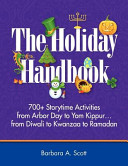
The holiday handbook: 700+ storytime activities from Arbor Day to Yom Kippur…from Diwali to Kwanzaa to Ramadan

by Barbara A. Scott

Grades: K-3

Includes activities and information for over 30 holidays, including historical context, lists of relevant materials, finger plays, songs, and crafts.

Picture Books

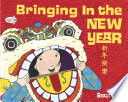
Bringing in the New Year

written and illustrated by Grace Lin

Grades: K-2

Bringing in the New Year tells the tale of a Chinese American family as they prepare for the Lunar New Year. Each family member lends a hand as they sweep out the dust of the old year, hang decorations, and make dumplings. Then it’s time to celebrate!

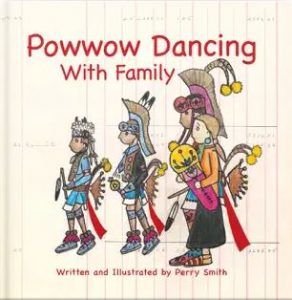
Powwow dancing with family

written and illustrated by Perry Smith

Grades: 1-3

Drumming, singing, and dancing are all part of being at a Powwow. Perry and his family travel all over North America to participate in these family and community gatherings. Join Perry’s two boys as they share their treasured memories of being at Powwows with their family and learning how to dance. Includes a section on what is a Powwow? Powwow Regalia and Powwow Dances.

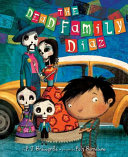
The dead family Diaz

written by P.J. Bracegirdle, pictures by Poly Bernatene

Grades: 1-4

Angelito Diaz is afraid of walking among the Living on the Day of the Dead, especially with his older sister, Estrellita, teasing him, but once in the Land of the Living, he quickly makes a new friend.

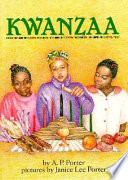
Kwanzaa

written by A.P. Porter, pictures by Janice Lee Porter

Grades: K-2

Filled with colorful illustrations, this book describes the African-American holiday of Kwanzaa, including its creation in 1966, its seven principles, and its symbolism.

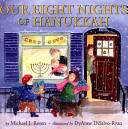
Our eight nights of Hanukkah

written by Michael J. Rosen, illustrated by DyAnne DiSalvo-Ryan

Grades: K-3

A child describes how one family celebrates Hanukkah, including polishing the silver menorah, lighting the candles, having a special family dinner, and sharing gifts.

Non-Fiction

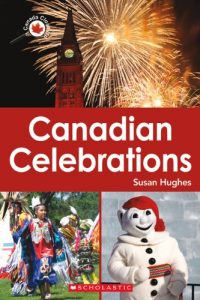
Canadian celebrations

by Susan Hughes

Grades: 1-3

It’s clear that Canada has a lot to celebrate: from First Nations powwows and potlatches, through the traditional festivities of the early settlers, up to the way we now mark birthdays and public holidays. Five brightly illustrated chapters cover National Aboriginal Day, Thanksgiving, Celebrate Canada (including Canada Day, Saint Jean-Baptiste Day, and Canadian Muticulturalism Day), the Calgary Stampede, and the Quebec Carnival. Part of the Canada close up series.

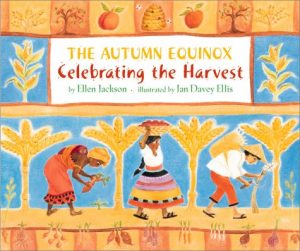
The autumn equinox: Celebrating the harvest

written by Ellen Jackson, illustrated by Jan Davey Elli

Grades: 3-5

Discusses the significance of some of the harvest festivals around the world and describes how they are celebrated.

New Year celebrations in different places

by Robin Jonson

Grades: K-3

Introduces readers to New Year celebrations around the world including Songkran, Chinese New Year, Rosh Hashanah, and Diwali. Part of the Learning about our global community series.

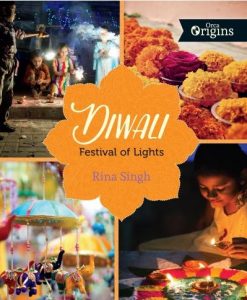
Orca Origins series

by various authors

Grades: 3-6

A nonfiction series for young readers exploring cultural celebrations throughout the world. Includes books on Diwali, Ramadan, Chinese New Year, Passover, Birthdays, and Christmas. A Teacher Guide for the series is also available.

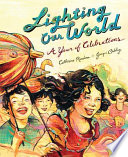
Lighting our world: A year of celebrations

written by Catherine Rondina, illustrated by Jacqui Oakley

Grades: 2-5

Throughout the year and around the globe, people use light — candles, bonfires, lanterns and fireworks — to celebrate special occasions. This richly illustrated book is an illuminating tour of the world’s brightest and warmest festivities.


Finding More Resources

To find more resources in this area, try the following:

  • Search using the General tab on the UBC Library website to look for material in all UBC Library branches.
  • Search using “Search Education Resources” box in the left hand bar on the Education Library website to limit your results to materials in the Education Library.
  • Use specific search terms to narrow your results, such as “Holidays–Juvenile literature”, “Festivals–Juvenile literature”. Can also insert specific holidays or celebrations, such as “Chinese New Year–Juvenile fiction”.
  • To find lesson plans, include “lesson plans”, “lesson planning”, or “activity programs” in your search terms.

For more help with searching, please visit the Library Service Desk or e-mail ed.lib@ubc.ca.
Spam prevention powered by Akismet