Categories
Accessibility Diversity and Diverse Learners

Climate Justice

Listed below are selected resources for teachers, picture books, fiction, and non-fiction related to climate justice.

Teacher Resources

Teaching when the world is on fire: authentic classroom advice, from climate justice to Black Lives Matter

edited by Lisa Delpit

Is it okay to discuss politics in class? What are constructive ways to help young people process the daily news coverage of sexual assault? How can educators engage students around Black Lives Matter? Climate change? Confederate statue controversies? Immigration? Hate speech? In this book, Delpit turns to a host of crucial issues facing teachers in these tumultuous times.

Teaching as activism: equity meets environmentalism

edited by Peggy Tripp and Linda Muzzin

Weaving together concerns about environmental and social justice, this book brings together constructive demands for change and theoretical debate. The goals are to question the legacies of colonialism, capitalism, and globalization and create a more inclusive interdisciplinary education.

Critical education and sociomaterial practice: narration, place, and the social

by Marcia McKenzie & Andrew Bieler

In turning to the sociomaterial contexts of learning, this book underscores how social and environmental issues are necessarily linked, such as in the production of food deserts in cities or in the pollution of the drinking water in Indigenous communities through oil development.

Education and climate change: living and learning in interesting times

edited by Fumiyo Kagawa and David Selby

There is widespread consensus in the international scientific community that climate change is happening and that abrupt and irreversible impacts are already in motion. In this volume, contributors review and reflect upon social learning from and within their field of educational expertise in response to the concerns over climate change.

Who are you without colonialism?: pedagogies of liberation

by Clelia O. Rodríguez & Josephine Gabi

This is not a conventional book because the seed comes from the depth of the volcanic cauldron that awaits silently underneath the Lake Ilopango, the umbilical cord of our Humanity and yours. It is a scream, it is an offering, it is pain and it is love. It is a collective offering to those who are responding to a call of Liberation based on Indigenous Principles to protect and defend the land beyond theories, beyond rhetorical and metaphorical questions. This is a tiny-tiny glimpse into Lak’ech.

Picture Books

Nibi’s water song

written by Sunshine Tenasco; illustrated by Chief Lady Bird

Niveau scolaire (Grade level): Preschool-1

Nibi is an Anishinaabe girl on the search for clean water to drink. Though she is faced with repeated obstacles, Nibi’s joyful and determined energy become a catalyst for change and action as her community, and in widening circles, the country and government rally around her to make clean drinking water available for all.

We are water protectors

written by Carole Lindstrom; illustrated by Michaela Goade

Niveau scolaire (Grade level): K-7

Inspired by the many Indigenous-led movements across North America, this book issues an urgent rallying cry to safeguard the Earth’s water from harm and corruption. Water is the first medicine. It affects and connects us all . . . When a black snake threatens to destroy the Earth / And poison her people’s water, one young water protector / Takes a stand to defend Earth’s most sacred resource.
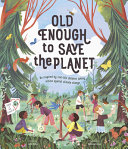
Old enough to save the planet

written by Loll Kirby; illustrated by Adelina Lirius

Niveau scolaire (Grade level): 1-5

Meet 12 young activists from around the world who are speaking out and taking action against climate change. Learn about the work they do and the challenges they face, and discover how the future of our planet starts with each and every one of us.
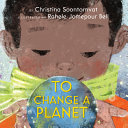
To change a planet

written by Christina Soontornvat; illustrated by Rahele Jomepour Bell

Niveau scolaire (Grade level): 2-3

This book demonstrates the importance of caring for our planet, and how our individual and collective actions multiplied together can make the world better. The illustrations invite readers to spot and follow the same characters through their daily lives and ultimately to the famous climate march on Washington.

Fiction

Thirst

by Varsha Bajaj

Niveau scolaire (Grade level): 2-7

Minni lives in the poorest part of Mumbai, where access to water is limited to a few hours a day and the communal taps have long lines. Lately, though, even that access is threatened by severe water shortages and thieves who are stealing this precious commodity—an act that Minni accidentally witnesses one night. Meanwhile, in the high-rise building where she just started to work, she discovers that water streams out of every faucet and there’s even a rooftop swimming pool. What Minni also discovers there is one of the water mafia bosses. Now she must decide whether to expose him and risk her job and maybe her life. How did something as simple as access to water get so complicated?

Same sun here

by Silas House and Neela Vaswani

Niveau scolaire (Grade level): 3-8

A twelve-year-old Indian immigrant in New York City and a Kentucky coal miner’s son become pen pals, and eventually best friends, through a series of revealing letters exploring such topics as environmental activism, immigration, and racism.
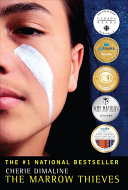
The marrow thieves

by Cherie Dimaline

Niveau scolaire (Grade level): 9-12

Humanity has nearly destroyed its world through global warming, but now an even greater evil lurks. The Indigenous people of North America are being hunted and harvested for their bone marrow, which carries the key to recovering something the rest of the population has lost: the ability to dream. In this dark world, Frenchie and his companions struggle to survive as they make their way up north to the old lands. For now, survival means staying hidden – but what they don’t know is that one of them holds the secret to defeating the marrow thieves.

Amazona

written by Canizales; translated from Spanish by Sofía Huitrón Martínez

Niveau scolaire (Grade level): 10-12

Andrea, a young Indigenous Colombian woman, has returned to the land she calls home. Only nineteen years old, she comes to mourn her lost child, carrying a box in her arms. And she comes with another mission. Andrea has hidden a camera upon herself. If she can capture evidence of the illegal mining that displaced her family, it will mark the first step toward reclaiming their land.

Non-Fiction

How to change everything: the young human’s guide to protecting the planet and each other

by Naomi Klein; with Rebecca Stefoff

Niveau scolaire (Grade level): 4-12

Full of empowering stories of young leaders all over the world, this information-packed book from award-winning journalist and one of the foremost voices for climate justice, Naomi Klein, offers young readers a comprehensive look at the state of the climate today and how we got here, while also providing the tools they need to join this fight to protect and reshape the planet they will inherit.

Saving earth: climate change and the fight for our future

by Olugbemisola Rhuday-Perkovich; pictures by Tim Foley; introduction by Nathaniel Rich

Niveau scolaire (Grade level): 4-6

A timely and important illustrated nonfiction guide for middle grade readers about the history of our fight against climate change, and how young people today can rise to action.

Chasing bats and tracking rats: urban ecology, community science, and how we share our cities

written by Cylita Guy; illustrations by Cornelia Li

Niveau scolaire (Grade level): 4-7

Featuring the work of a diverse group of eleven scientists–herself included!–Dr. Cylita Guy shows how studying urban wildlife can help us make cities around the world healthier for all of their inhabitants. In the process, Guy reveals how social injustices like racism can affect not only how scientists study city wildlife, but also where urban critters are likelier to thrive.

All the feelings under the sun: how to deal with climate change

written by Leslie Davenport; illustrated by Jessica Smith

Niveau scolaire (Grade level): 7-9

With this book, kids will get an expert understanding of the science behind climate crisis, plus engage with lots of do-able self-guided activities, journaling prompts, and useful resources. Readers will also hear about other kids around the world who have made a difference that just may inspire them to practice eco-justice and combat global climate injustice themselves, by putting their own eco-values into action.

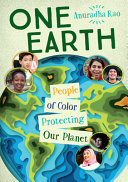
One Earth: people of color protecting our planet

by Anuradha Rao

Niveau scolaire (Grade level): 7-12

This nonfiction book for middle readers profiles twenty environmental activists of colour from around the world. Their individual stories show that the intersection of environment and ethnicity is an asset, not an obstacle, to helping the planet. Illustrated with photos of each of the people profiled.
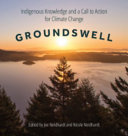
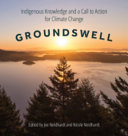
Groundswell: Indigenous knowledge and a call to action for climate change

edited by Joe Neidhardt & Nicole Neidhardt

Niveau scolaire (Grade level): 11-12

This book offers a collection of stirring and passionate essays from both Indigenous and non-Indigenous writers that eloquently present a compelling message about how traditional Indigenous knowledge and practices can and must be used to address climate change. The chapters interconnect, taking us from radical thinking to the gentleness of breath, and demonstrate that we are all in this together—everyone must understand what needs to be accomplished and participate in the care of Mother Earth.


Trouver d’autres ressources

Voici quelques conseils pour trouver d’autres ressources dans ce domaine :

  • Sur la page principale du site de la bibliothèque de l’UBC, utilisez la boîte de recherche générale pour rechercher des matériaux à travers toutes les succursales de la bibliothèque de l’UBC.
  • Pour limiter vos résultats aux matériels disponibles à la Bibliothèque de l’éducation, visitez le site web de la Bibliothèque de l’éducation et effectuez une recherche à l’aide de la case “Search Education Resources” située dans la bande à gauche de l’écran.
  • Remarque : les ressources étant principalement cataloguées en anglais, les termes ci-dessous donnent généralement plus de résultats que les recherches effectuées en français. Vous pouvez filtrer votre liste de résultats par langue dans la barre latérale de gauche.
  • Utilisez des termes de recherche spécifiques, tels que
    • “climate justice”, “environmental justice”, “climate change”, “environmentalism”, or “climate AND juvenile literature”
  • Pour trouver des plans de cours, incluez “lesson plans”, “lesson planning”, or “activity programs” dans vos termes de recherche.

Finding More Resources

To find more resources in this area, try the following:

  • Search using the General tab on the UBC Library website to look for material in all UBC Library branches.
  • Search using “Search Education Resources” box in the left hand bar on the Education Library website to limit your results to physical materials in the Education Library.
  • Use specific search terms, such as
    • “climate justice”, “environmental justice”, “climate change”, “environmentalism”, or “climate AND juvenile literature”
  • To find lesson plans, include “lesson plans”, “lesson planning”, or “activity programs” in your search terms.
Categories
French Inclusive Classroom Social Studies

Études sociales en français – French Social Studies

Listed below are selected resources for French learners relating to social studies.

Vous trouverez ci-dessous une sélection de ressources pour les apprenants de français dans le domaine des études sociales.

Les livres d’images (Picture Books)

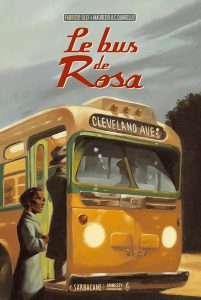
Le bus de Rosa

de Fabrizio Silei et Maurizio A.C. Quarello

Niveau scolaire (Grade level): 2 – 5

Assis dans un vieux bus, le grand-père de Ben lui raconte la ségrégation raciale dans l’Amérique de sa jeunesse : à l’école, dans les bars, dans le bus. Il lui raconte aussi comment, le 1er décembre 1955, une femme, Rosa Parks, refusa de céder sa place dans le bus à un Blanc, lançant le mouvement pour les droits civiques des Noirs aux États-Unis. Une histoire que le grand-père connaît bien : il se trouvait lui aussi dans le bus, ce jour-là. Assis à côté de Rosa. Mais il n’a pas eu son courage…

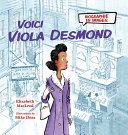
Voici Viola Desmond

de Elizabeth Mcleod

Niveau scolaire (Grade level): 3 – 6

Par un jour pluvieux de novembre 1946, Viola Davis, de passage à Glasgow en Nouvelle-Écosse, décide d’aller au cinéma. Elle s’installe dans la section officieusement réservée aux Blancs, mais l’ouvreuse lui demande de changer de place. Viola refuse, car elle sait que c’est à cause de la couleur de sa peau. La police l’emmène de force. Viola est emprisonnée, jugée et déclarée coupable. Cela ne l’empêche pas, avec l’aide de ses partisans, de continuer à se battre pour la justice sociale.

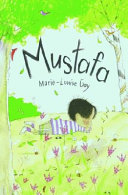
Mustafa

de Marie-Louise Gay

Niveau scolaire (Grade level): 2 – 5

Mustafa et sa famille ont voyagé très longtemps avant d’arriver dans leur nouveau pays. Certains soirs, Mustafa rêve du pays qu’il a quitté, le pays d’avant. Des rêves remplis de fumée, de feu et de grands bruits. Tous les jours, Mustafa se rend au parc. Il voit des fleurs pareilles à des langues de dragon, des insectes rouges à points noirs, un caillou moucheté. Et aussi des enfants qui ne lui prêtent pas attention. Est-il devenu invisible? Peut-être pas aux yeux de la fille-au-chat.

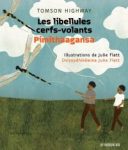
Pimithaagansa/Les libellules cerfs-volant,

Les langues(Languages):Cree and French

texte de Tomson Highway; illustrations de Julie Flett

Niveau scolaire (Grade level): 1 – 3

Taansi ka-itooteetay keespin iga meetawagaana kee-ayaa-in a-tie-igamigook oochi? Kapagawa-teetay naa? Maw weethawow Joe igwa ooseem’sa Cody. Maw m’tanaw-gaach. Ooseetaawuk taapoo-poogoo oomeetawaa-ganawaawa weethawow tipitoot, igwa kapee meetaweewuk, kapee m’choogee taawuk. Mamaskaach, chee-i?

Que ferais-tu n’avais aucun jouet, aucun jeu et aucun appareil electronique avec lesquels t’amuser? Est-ce que tu trouverais le temps long? Les freres Joe et Cody font tout sauf s’eenuyer. Ils inventent, creent et suivent leurs reves et ne s’ennuient jamais. Il suffit d’imaginer!

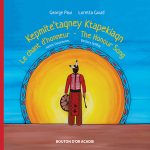
Kepmite’taqney Ktapekiaqn/Le chant d’honneur/The Honour Song,

Les langues(Languages):Mi’kmaq, French and English

texte de Gregory Paul; illustrations de Loretta Gould; traduction de Barbara Sylliboy & Hélène Devarennes

Niveau scolaire (Grade level): 3 – 8

Lors de nombreux évènements officiels ou cérémonies spirituelles chez les Premières Nations du pays, un chant est entonné par les participants. Ce chant a vu le jour dans le coeur et la tête de George Paul, un Mi’kmaw de Metepenagiag, après un parcours ardu. Cet album illustré raconte la naissance de ce chant et l’importance qu’il revêt pour les Premières Nations.

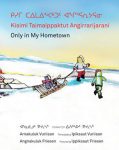
Kisimi Taimaippaktut Angirrarijarani/ᑭᓯᒥ ᑕᐃᒪᐃᑉᐸᒃᑐᑦ ᐊᖏᕐᕋᕆᔭᕋᓂ/Only in My Hometown,

Les langues(Languages):Inuktitut, Inuktitut Roman Orthography and English

titiraqtuq(writer) Ipiksaut Vuriisan(Arnakuluk Vuriisan);titiqtugaqtuq(illustrator) Ippiksaut Friesen(Angnakuluk Friesen)

Niveau scolaire (Grade level): Kindergarten – 2 (K-2)

Qanuippa piruqsabluni mikijumi nunalingmi ukiuqtaqtumi? Nukariik Arnakuluk Vuriisan ammalu Ipiksaut Vuriisan uqaqatigiiktuuk tagvuuna unipkaaliakkut nutaraublutik qanuiqattalaurmangaarmiik Inuit nunaqutingaani Nunavumi. Aqsarniquakkaujumi arnaillu katillutik mikigaqtuqpaklutik, ammalu Inuit tamarmik qatanngutigiigunnaqlutik.

Comment se passe l’enfance dans une petite ville du Nord ? Les sœurs Angnakuluk Friesen et Ippiksaut Friesen collaborent à ce récit de leur enfance dans une communauté inuite du Nunavut, où brillent les aurores boréales, où les femmes se réunissent pour manger de la viande de caribou crue et où tout le monde peut faire partie de la famille.

Discovering People,

Les langues(Languages):Cree, French and English

de Neepin Auger

Niveau scolaire (Grade level): Préscolaire – Kindergarten (PreK-K)

Le quatrième livre de la série À la découverte qui présente vingt-deux mots de base en anglais, en français et en cri qui se rapportent aux gens de la maison et à ceux qui existent dans la communauté autour de votre enfant.

La culture et la diversité

de Marie Murray

Niveau scolaire (Grade level): 2 – 5

Votre maison… À quoi ressemble-t-elle? Avec quels matériaux a-t-elle été construite? Alors que votre aménagement intérieur peut vous sembler tout à fait normal, mais il ne l’est pas nécessairement pour une personne issue d’une culture différente. Ce splendide documentaire aidera les jeunes lecteurs à en savoir plus sur la diversité culturelle et ses richesses.

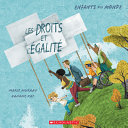
Les droits et l’égalité

de Marie Murray

Niveau scolaire (Grade level): 2 – 5

Comment s’assurer que chaque être humain est traité avec équité et qu’il possède tout ce dont il a besoin pour vivre? La réponse peut sembler difficile, mais si on prend le temps d’étudier les droits de la personne, cela devient plus facile! Chacun d’entre nous a le droit de vivre dans un environnement où ses droits sont honorés et respectés .Êtes-vous prêts à découvrir ce que cela implique? Cet album informatif et d’actualité explique les droits de la personne et tout ce qu’ils englobent de façon simple et claire. Il comprend également un glossaire ainsi que des recommandations de livres et de sites Web pour faire davantage de recherches sur ce sujet important.

Lecteurs faciles (Easy Readers)

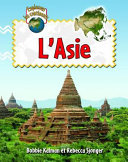
 L’Asie

de Bobbie Kalman

Niveau scolaire (Grade level): 1 – 3

Ce livre facile à lire présente aux enfants la diversité du continent asiatique, le plus grand continent de la Terre. Des photographies en couleurs et des cartes détaillées mettent en évidence les principales régions, les étendues d’eau, les reliefs, les forêts, les steppes et les déserts de l’Asie.


Trouver d’autres ressources

Voici quelques conseils pour trouver d’autres ressources dans ce domaine :

  • Sur la page principale du site de la bibliothèque de l’UBC, utilisez la boîte de recherche générale pour rechercher des matériaux à travers toutes les succursales de la bibliothèque de l’UBC.
  • Pour limiter vos résultats aux matériels disponibles à la Bibliothèque de l’éducation, visitez le site web de la Bibliothèque de l’éducation et effectuez une recherche à l’aide de la case “Search Education Resources” située dans la bande à gauche de l’écran.
  • Remarque : les ressources étant principalement cataloguées en anglais, les termes ci-dessous donnent généralement plus de résultats que les recherches effectuées en français. Vous pouvez filtrer votre liste de résultats par langue dans la barre latérale de gauche.
  • Utilisez des termes de recherche spécifiques, tels que
    • “media literacy”, “social studies–study and teaching”, “mapping”, “immigrant”, etc.
  • Pour trouver des plans de cours, incluez “lesson plans”, “lesson planning”, or “activity programs” dans vos termes de recherche.

Finding More Resources

To find more resources in this area, try the following:

  • Search using the General tab on the UBC Library website to look for material in all UBC Library branches.
  • Search using “Search Education Resources” box in the left hand bar on the Education Library website to limit your results to physical materials in the Education Library.
  • Use specific search terms, such as
    • “media literacy”, “social studies–study and teaching”, “mapping”, “immigrant”, etc.
  • To find lesson plans, include “lesson plans”, “lesson planning”, or “activity programs” in your search terms.
Categories
Applied Design Skills and Technology

Computational Thinking

Listed below are selected teacher resources, picture books, fiction, and non-fiction related to computational thinking.

Teacher Resources

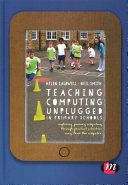
Teaching computing unplugged in primary schools: Exploring primary computing through practical activities away from the computer

by Helen Caldwell and Neil Smith

Grades: K-6

Computing is about more than computers. Children can learn to analyze problems and computational terms and apply computational thinking to solve problems without turning on a computer. This book provides lesson examples and everyday activities to help teachers and students explore computing concepts such as abstraction, logic, algorithms and data representation.

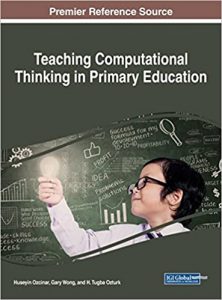
Teaching computational thinking in primary education

edited by Huseyin Ozcinar, Gary Wong, and H. Tugba Ozturk 

Grades: K-6

This book explores the latest research on teaching computational thinking in primary education, emphasizing the importance of building computational thinking skills early on. Includes discussions of multifaceted skillsets, coding, programming methods, and digital games. eBook only.

Introducing computing: A guide for teachers

edited by Lawrence Williams

Grades: K-7

This book offers practical information, advice, and examples to help non-experts introduce computing as early as age 5. Includes key concepts of computing and computational thinking, ways to integrate computing across different disciplines, links to the curriculum, and how to use technology to develop higher thinking skills. eBook only.

Creating the coding generation in primary schools: A practical guide for cross-curricular teaching

edited by Steve Humble

Grades: K-7

A comprehensive overview of coding in the elementary class which provides the what, why, and how of coding in the classroom. Includes sections on what is coding?, teaching computational thinking, gender bias in coding, teaching with Minecraft, and more. eBook only.

Creative coding: lessons and strategies to teach computer science across the 6-8 curriculum

by Josh Caldwell

Grades: 6-8

Many students now start middle school with some foundational knowledge of computer science and coding. This new set of creative skills empowers students to express themselves in powerful ways, but students still need opportunities and support to develop and hone those skills. This book helps classroom teachers in several core content areas develop activities and projects to encourage computational thinking and coding skills, and to build bridges between those skills and practice.

Teaching computing in secondary schools: A practical handbook

by William Lau

Grades: 8-12

A comprehensive guide to teaching computing in secondary schools which emphasizes the benefits of hands on learning opportunities that allow students to think, build, and create. Includes content on lesson planning, developing assessment tools, meeting the needs of students with diverse needs and abilities, and how to develop students’ computational thinking. eBook only.

Picture Books

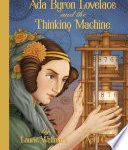
Ada Byron Lovelace and the thinking machine

written by Laurie Wallmark, illustrated by April Chu

Ada Lovelace, the daughter of the famous romantic poet Lord Byron, develops her creativity through science and math. When she meets Charles Babbage, the inventor of the first mechanical computer, Ada understands the machine better than anyone else and writes the world’s first computer program in order to demonstrate its capabilities.

Fiction

Hello Ruby: Adventures in coding

by Linda Liukas

Grades: K-3

Meet Ruby, a small girl with a huge imagination, and the determination to solve any puzzle. As Ruby stomps around her world making new friends, including the Wise Snow Leopard, the Friendly Foxes, and the Messy Robots, kids are introduced to the fundamentals of computational thinking, like how to break big problems into small ones, create step-by-step plans, and look for patterns. These basic concepts at the core of coding and programming are reinforced through exercises and activities that encourage exploration and creativity.

Sasha Savvy loves to code

written by Sasha Ariel Alston, illustrated by Vanessa Brantley-Newton

Grades: 2-5

Sasha isn’t looking forward to Coding Camp, she’s worried it will be boring and doesn’t think she’s very good with computers. Sasha’s mom, who is a Software Developer, helps her build her confidence and prepares Sasha to tackle any bugs that may arise. This book will help students build confidence related to computational thinking and serve as a reminder that everyone can code.

Non-Fiction

How coding works

by Ben Hubbard

Grades: K-3

Learn about some of the key areas of coding, including what programs, codes, and algorithms are; what coding is like; how coding languages are different, and how one becomes a programmer.

Coding, bugs, and fixes

written by Heather Lyons and Elizabeth Tweedale, illustrated by Alex Westgate.

Grades: K-3

How do computers know what you want them to do? They receive instructions called code with the specific steps needed to perform a task. Learn how to create codes, what happens when instructions are out of order, and how mistakes are fixed. For more in the Kids get coding series, click here.

A world of programming

written by Heather Lyons and Elizabeth Tweedale, illustrated by Alex Westgate

Grades: K-3

Learn about programming and computer basics, including types of information, file size, and bits using real-world examples and fun illustrations. Also includes activities for both online and offline to solidify learning. For more in the Kids get coding series, click here.

Coding projects in Scratch

by Jon Woodcock

Grades: 3-7

This book provides step-by-step instructions for students to create their own artwork, animations, sounds, and more in Scratch, a free and fun programming language. Introduces students to the basics of coding while promoting problem solving and collaboration. See also, Coding Games in Scratch and Coding in Scratch: Projects Workbook.

Computing and coding in the real world

by Clive Gifford

Grades: 4-6

This book uses everyday objects, such as scanners at the grocery store or street lights, to show students how computing and coding is used in the real world. Also helps to acquaint students with the rules of coding which they can apply in future projects. For more in the Get connected to digital literacy series, click here.

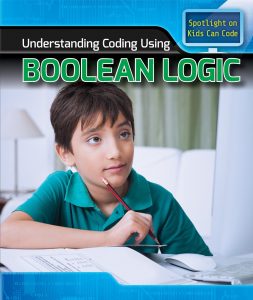
Understanding coding using Boolean logic

by Patricia Harris

Grades: 4-7

George Boole, for whom Boolean logic is named, developed the idea of expressing any idea as a mathematical or logical statement. Today, Boolean logic is foundational to computer programs and computer hardware, but it is also important in our everyday thinking. This guide includes an overview of logic gates and a review of differences between computer logic and human logic. For more in the Spotlight on kids can code series, click here.

How to code in 10 easy lessons

by Sean McManus

Grades: 6-8

This book starts by asking the question, “What is coding?” and shows what coding skills are. Then readers get to see how to use Scratch coding software to write simple code, use loops, and debug, to create a webpage, and even make a computer game. Includes easy-to-follow instructions and step-by-step graphics.

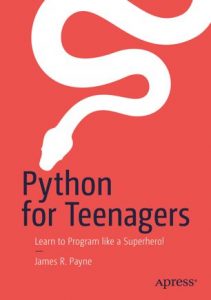
Python for teenagers: Learn to program like a superhero!

by James R. Payne

Grades: 7-12

This books is specifically designed for teens, introducing them to Python with examples and activities that are age and interest appropriate. Covers Python basics and teaches teens how to build websites, fix bugs and errors, and create their own games. eBook only.


Finding More Resources

To find more resources in this area, try the following:

  • Search using the General tab on the UBC Library website to look for material in all UBC Library branches.
  • Search using “Search Education Resources” box in the left hand bar on the Education Library website to limit your results to materials in the Education Library.
  • Use specific search terms to narrow your results, such as “Computer programming — Juvenile literature”, “Computer science–Study and teaching”.
  • To find lesson plans, include “lesson plans”, “lesson planning”, or “activity programs” in your search terms.

For more help with searching, please visit the Library Service Desk or e-mail ed.lib@ubc.ca.

Categories
Sciences

Scientific Thinking

Listed below are selected teacher resources, picture books, fiction, and non-fiction related to scientific thinking.

Teacher Resources

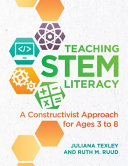
Teaching STEM literacy: A constructivist approach for ages 3-8

by Juliana Texley and Ruth M. Ruud

Grades: K-3

This book uses the 5E framework (engagement, exploration, explanation, elaboration, and evaluation) to cultivate children’s skills of observation, questioning, and data collection by combining discovery, problem solving, and engineering solutions to authentic questions that young children might ask.

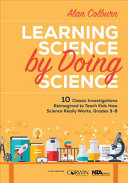
Learning science by doing science: 10 classic investigations reimagined to teach kids how science really works

by Alan Colburn

Grades: 3-8

Using fun hands-on experiments this book teaches students how to think and act like scientists. Includes “big ideas” for each experiment, tips for adjusting experiments for different grades, strategies for facilitating discussions, and suggestions for managing safe experiments.

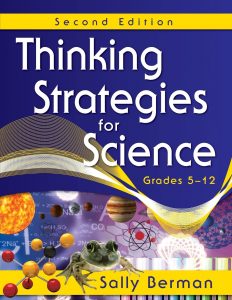
Thinking strategies for science, grades 5-12

by Sally Berman

Grades: 5-12

This book walks through the key areas of scientific thinking students will need to develop to become successful in science, including gathering, processing, analyzing, and applying information. Includes a range of activities, and also provides support for teachers to create their own activities.

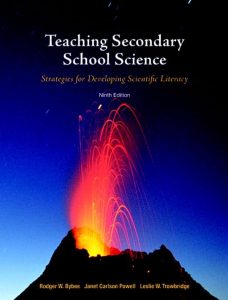
Teaching secondary school science: Strategies for developing scientific literacy

by Rodger W. Bybee et al.

Grades: 6-12

The authors offer teaching guidance and strategies for physical, biological, and earth science courses for middle school, junior high, and high school. The book discusses the connection between science and society, including how technological development is driven by societal needs. Includes sections on historical perspectives and contemporary trends, goals and objectives, curriculum perspectives, planning for instruction and assessment, and understanding and working with students.

Picture Books

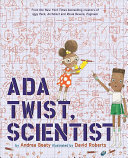
Ada Twist, Scientist

written by Andrea Beaty, illustrated by David Roberts

Grades: K-2

Ada is curious; she spends almost all her time asking questions about why things are the way they are. Her family supports her – at least, until the day she looks for the source of a horrible smell.

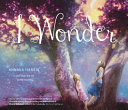
I wonder

written by Annaka Harris, illustrated by John Rowe

Grades: K-2

While Eva and her mother take a walk one day Eva is full of questions. Eva asks about gravity, life cycles, the universe, and how and why they all work. Eva’s mother encourages her to wonder, develop her curiosity, and accept that we don’t always know why.

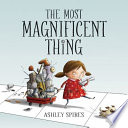
The most magnificent thing

by Ashley Spires

Grades: K-2

A little girl and her dog set out to make the most magnificent thing. When it doesn’t turn out the way they expect, they step back and think about what they need to do next.

Fiction

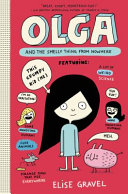
Olga and the smelly thing from nowhere

by Elise Gravel

Grades: 4-7

After discovering a smelly creature in her garbage can that she names after herself, Olga befriends and studies the eccentric Olgamus using the scientific method, the practices of Jane Goodall, and other scientific concepts.

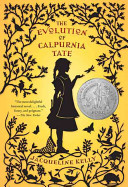
The evolution of Calpurnia Tate

by Jacqueline Kelly

Grades: 6-8

It’s 1899 in Texas and Calpurnia Tate is wondering why the yellow grasshoppers in her backyard are so much bigger than the green ones. With the help of her cranky grandfather Calpurnia develops her love for studying the natural world, but others have strong ideas about how Calpurnia should be spending her time. This book showcases a young girl’s curiosity and love for science and the challenges that girls who acted outside gender norms faced in the late 19th century.

Non-Fiction

The Science Sleuths series

by various authors

Grades: K-3

These books introduce young readers to a variety of key concepts in scientific thinking, including measuring, modelling, predicting, proving, and more.

The observologist: A handbook for mounting very small scientific expeditions

by Giselle Clarkson

Grades: 2-9

A highly illustrated, playful field guide for budding natural scientists and curious observers of the world right under our noses. Observology is the study of looking.

Citizen scientists: Be a part of scientific discovery from your own backyard

written by Loree Griffin Burns, photographs by Ellen Harasimowicz

Grades: 4-6

This book explores how kids can be scientists in their own backyard, local park, or baseball field. Includes photographs and useful tips which will encourage kids to get out, explore, and think about how they can contribute to ongoing scientific discovery. See also Get into citizen science.

Analyze this! Understanding the scientific method

by Susan Glass

Grades: 4-6

How did Walter Reed solve the mystery of yellow fever? Will balls of different masses fall at the same speed? Is your cat right-pawed or left-pawed? The world around us is full of interesting questions; this book gives students tools to find the answers. Students will discover how the scientific method has changed our lives, and will learn how to plan, design, and conduct their own investigations.

Calling all minds: How to think and create like an inventor

by Temple Grandin, with Betsy Lerner

Grades: 4-6

Grandin, renowned scientist and inventor, explores how looking at the world differently can lead to incredible scientific discoveries and inventions. Includes discussions of scientific thinking and process related to specific inventions, activity ideas, personal anecdotes from Grandin, and more.

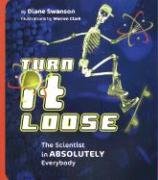
Turn it loose: The scientist in absolutely everybody

by Diane Swanson, illustrated by Warren Clark

Grades: 5-8

Turn it Loose uses profiles of famous archeologists, astronomers, inventors, and more, to showcase how natural curiosity at a young age is the beginning of scientific thinking later in life. Encourages students to develop their curiosity and look at the world like a scientist.

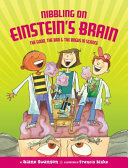
Nibbling on Einstein’s brain: The good, the bad & the bogus in science

written by Diane Swanson, illustrated by Francis Blake

Grades: 5-9

Through fun, and often strange, examples this book illustrates the many ways in which science can go wrong and how to critically evaluate scientific studies and experiments. Includes discussions of “good” science, how to think like a scientist, why we have to think critically about scientific results, and more.


Finding More Resources

To find more resources in this area, try the following:

  • Search using the General tab on the UBC Library website to look for material in all UBC Library branches.
  • Search using “Search Education Resources” box in the left hand bar on the Education Library website to limit your results to materials in the Education Library.
  • Use specific search terms to narrow your results, such as “Science–Study and teaching”,  “Science–methodology”, “Scientists–Juvenile fiction”, “Scientific apparatus and instruments”.
  • To find lesson plans, include “lesson plans”, “lesson planning”, or “activity programs” in your search terms.
For more help with searching, please visit the Library Service Desk or e-mail ed.lib@ubc.ca.

Categories
Sciences

Environmental Science and Sustainability

Listed below are selected teacher resources, picture books, fiction, and non-fiction related to environmental science and sustainability.

Teacher Resources

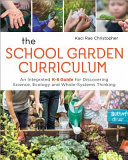
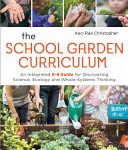
The school garden curriculum: An integrated K-8 guide for discovering science, ecology, and whole-systems thinking

by Kaci Rae Christopher

Grades: K-8

The author offers a comprehensive framework enabling students to grow their knowledge throughout the school year and build on it from kindergarten to grade eight. From seasonal garden activities to inquiry projects and science-skill building, children will develop organic gardening solutions, a positive land ethic, systems thinking, and instincts for ecological stewardship.

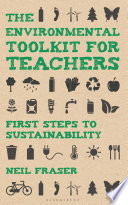
The environmental toolkit for sustainability: First steps to sustainability

written by Neil Fraser, illustrated by Hanna Forsgren

Grades: K-12

This guide shows ways to reduce your school’s ecological footprint, and create and embed a sustainability ethos. Whether you are a teacher eager to make your classroom a more eco-friendly environment or a head teacher who wants to set up a whole school project, there are practical strategies and activities in this book for you. This book includes 75 eco-projects and lessons that cover how to manage litter, waste and energy efficiently in a time saving, cost effective manner, as well as how to get students involved in the projects.

Sense & sustainability: Educating for a low-carbon world

by Ken Webster et al.

Grades: K-12

This book makes the case for a practical education for sustainability based on exploring and testing frameworks. The authors suggest that education contributes most to the future of our young people when it opens up discussion on how sustainable can be aspirational, talking about “better and better” rather than “less and less”. Comes with online materials and resources for continuing professional development.

Think green, take action: Books and activities for kids

written by Daniel A. Kriesberg, illustrated by Kathleen A. Price

Grades: 3-7

This book combines a wide variety of techniques to help students understand environmental issues and gain the skills needed to take action. The children’s literature and classroom activities suggested here cover three major environmental issues: endangered species, resource depletion, and pollution. After students have a grasp of the causes of these environmental problems, the final chapter presents ways to take easy action that can create ripples of change across the world.

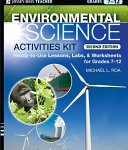
Environmental science activities kit: Ready-to-use lessons, labs and worksheets for grades 7-12

by Michael L. Roa

Grades: 7-12

This book includes more than 35 lessons for middle and high school science teachers on the most compelling and relevant environmental topics, such as global warming, food and water production, alternative energy sources, endangered species, land-use issues, and many more.

Understanding climate change: Grades 7-12

by Laura Tucker and Lois Sherwood

Grades: 7-12

A nine-session module which includes engaging lessons and activities to help students understand climate change. Includes sections on addressing misconceptions surrounding climate change, evaluating information, understanding the science, and creating solutions.

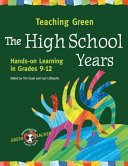
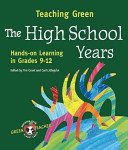
Teaching green, the high school years: Hands-on learning in grades 9-12

edited by Tim Grant and Gail Littlejohn

Grades: 9-12

This book offers fifty teaching strategies that promote learning about natural systems and foster critical thinking about environmental issues, both local and global. Readers learn how best to apply systems thinking, teach about controversial issues, and use a step-by-step approach to creative problem-solving in environmental projects. Also provided are instructions for measuring the ecological footprint of a high school, creating an indoor “living system” that cleans water, monitoring air quality with lichens, and using green technologies to help green school campuses.

Picture Books

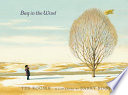
Bag in the wind

written by Ted Kooser, illustrated by Barry Root

Grades: K-3

When a plastic bag is uprooted from a landfill, it begins a journey on the wind that leads to its being used and re-used by many people.

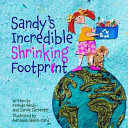
Sandy’s incredible shrinking footprint

written by Femida Handy and Carole Carpenter, illustrated by Adrianna Steele-Card

Grades: K-3

Sandy and her dog Pepper are upset when they find garbage on the beach they love. With the help of the Garbage Lady, they start to learn about everyone’s ecological footprint.

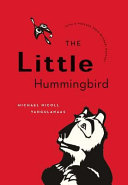
The little hummingbird

by Michael Nicholl Yahgulanaas

Grades: K-3

When the forest is on fire and all of the other animals are frozen with fear, a tiny hummingbird finds the courage to try to save their home.

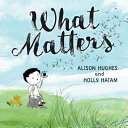
What matters

written by Allison Hughes, illustrated by Holly Hatam

Grades: K-2

When one small boy picks up one small piece of litter, that one small act has big ripples through nature’s connections.

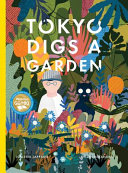
Tokyo digs a garden

written by Jon-Erik Lappano, illustrated by Kellen Hatanaka

Grades: K-2

Tokyo’s small house is increasingly surrounded by skyscrapers and highways. But when an old woman gives him seeds to plant, Tokyo discovers that the big city can become wild again.

Fiction

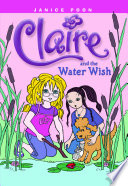
Claire and the water wish

by Janice Poon

Grades: 2-5

Claire and her friends Jet and Sky team up to try to find the polluters who’ve been making the water in a local lake undrinkable.

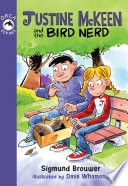
Justine McKeen and the bird nerd

written by Sigmund Brouwer, illustrated by Dave Whamond

Grades: 2-5

When a small bird is injured after flying into a school window, the students are shocked and upset. But they are even more shocked when school bully Jimmy Blatzo rescues the bird and nurses it back to health. When the students discover that the problem isn’t just at their school, young green activist Justine McKeen convinces Jimmy to talk to town council about the issue.

Non-Fiction

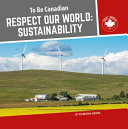
Respect our world: Sustainability

by Ramona Heikel

Grades: 3-6

Discusses efforts by Canadians to preserve water quality, conserve wildlife, clean up pollution and use sustainable energy sources. Part of the To Be Canadian series.

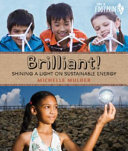
Brilliant! Shining a light on sustainable energy

by Michelle Mulder

Grades: 3-7

Did you know that cars can run on french fry grease, or that kids in Mexico help light up their houses by playing soccer? This book is full of examples of unusual (and often peculiar) power sources, and encourages kids to look around for sustainable ways to light up the world. Part of the Orca footprints series.

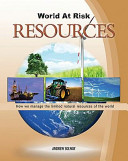
Resources

by Andrew Solway

Grades: 4-7

Discusses how we manage the limited natural resources of the world. Part of the World At Risk series

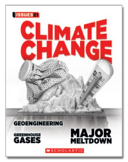
Climate change

by Douglas Fraser

Grades: 6-9

Part of the Issues 21 series, which examines contemporary issues in society in order to develop students’ skills in the areas of critical thinking, creativity, communication, collaboration, ethical citizenship and activism. Includes 6 student books and a teacher’s guide.

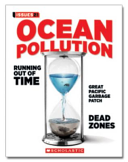
Ocean pollution

by Erika Boas

Grades: 6-9

Part of the Issues 21 series, which examines contemporary issues in society in order to develop students’ skills in the areas of critical thinking, creativity, communication, collaboration, ethical citizenship and activism. Includes 6 student books and a teacher’s guide.

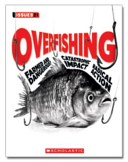
Overfishing

by Jeffrey D. Wilhelm

Grades: 6-9

Part of the Issues 21 series, which examines contemporary issues in society in order to develop students’ skills in the areas of critical thinking, creativity, communication, collaboration, ethical citizenship and activism. Includes 6 student books and a teacher’s guide.

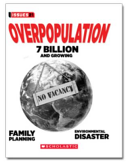
Overpopulation

by Brian Arleth

Grades: 6-9

Part of the Issues 21 series, which examines contemporary issues in society in order to develop students’ skills in the areas of critical thinking, creativity, communication, collaboration, ethical citizenship and activism. Includes 6 student books and a teacher’s guide.

One earth: People of color protecting our planet

by Anuradha Rao

Grades: 7-10

This nonfiction book profiles twenty environmental activists of colour from around the world. Their individual stories show that the intersection of environment and ethnicity is an asset, not an obstacle, to helping the planet. Illustrated with photos of each of the people profiled.

Groundswell: Indigenous knowledge and a call to action for climate change

edited by Joe Neidhardt and Nicole Neidhardt

Grades: 10-12

This collection of essays from both Indigenous and non-Indigenous writers presents a compelling message about how traditional Indigenous knowledge and practices can – and must – be used to address climate change.

Further Reading

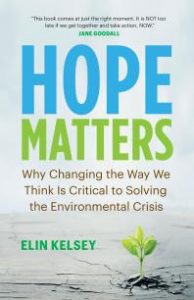
Hope Matters: Why Changing the Way We Think Is Critical to Solving the Environmental Crisis

by Elin Kelsey

Explores “evidence-based hope” in relation to climate change. Provides a framework for how to address eco-anxiety, setting a foundation for how we might approach climate change education in the classroom.

Hope in the Dark: Untold Histories, Wild Possibilities

by Rebecca Solnit

Solnit also makes a case for hope and committing to action. She focuses on recognizing the victories, small and large, that have been achieved and bringing attention to the far-reaching impact those victories have and still could provide.

The Nutmeg’s Curse: Parables for a Planet in Crisis

by Amitav Ghosh

Discusses the intersection of colonialism and climate change. Diving into the history of the familiar nutmeg spice, Ghosh reveals how trade and conquest set the stage for our current predicament.

Zen and the Art of Saving the Planet

by Thich Nhat Hanh

Explores the ways in which meditation and mindfulness can lead to climate action. Discusses how we can shape our mind, and therefore influence our actions, reactions and well-being in every day life.


Finding More Resources

To find more resources in this area, try the following:

  • Search using the General tab on the UBC Library website to look for material in all UBC Library branches.
  • Search using “Search Education Resources” box in the left hand bar on the Education Library website to limit your results to materials in the Education Library.
  • Use specific search terms to narrow your results, such as “environmentalism”, “environmental science”, “environmental studies”, “environmental education”, “sustainability”, or “conservation of natural resources”.
  • To find lesson plans, include “lesson plans”, “lesson planning”, or “activity programs” in your search terms.
For more help with searching, please visit the Library Service Desk or e-mail ed.lib@ubc.ca.

Categories
Sciences

Energy

Listed below are selected teacher resources, picture books, fiction, and non-fiction related to energy.

Teacher Resources

Hands-on Science: An Inquiry Approach – Properties of Energy for Grades K-2

by Jennifer Lawson

Grades: K-2

This book covers how to teach about the properties of energy in alignment with the current BC curriculum. Uses the Know-Do-Understand model, First Peoples Principles of Learning, and an inquiry approach. Part of the Hands-on Science series.

Hands-on physical science activities for grades K-6

by Marvin N. Tolman

Grades: K-6

This book’s activities follow the discovery/inquiry approach and encourage students to analyze, synthesize, and infer based on their own hands-on experiences. Topics include the nature of matter, energy, light, sound, simple machines, magnetism, static electricity, and current electricity.

Explaining primary science

by Paul Chambers and Nicholas Souter

Grades: K-6

The authors cover all the major areas of science relevant for beginning primary/elementary school teachers, explaining key concepts from the ground up. Topics include forces, matter, energy, biodiversity and ecosystems, water, light, sound, and more.

Making physics fun: Key concepts, classroom activities, & everyday examples, grades K-8

by Robert Prigo

Grades: K-8

The author provides fun and engaging activities using safe, available materials that educators can easily incorporate into lesson plans. Extensive examples, sample inquiry questions, and ideas for initiating units are available for teachers to pick and choose from to meet student needs. This resource addresses specific areas of physical science, including motion and force, waves and sound, light and electromagnetic waves, and more.

Teaching and learning of energy in K-12 education

edited by Robert F. Chen et al.

Grades: K-12

Energy is one of the most important ideas in all of science and it is useful for predicting and explaining phenomena within every scientific discipline. Teaching energy as a crosscutting concept can equip a new generation of scientists and engineers to think about the latest cross-disciplinary problems, and it requires a new approach to the idea of energy. This book examines the latest challenges of K-12 teaching about energy, including how a comprehensive understanding of energy can be developed. eBook only

The big ideas in physics and how to teach them: Teaching physics 11-18

by Ben Rogers

Grades: 7-12

Each chapter of this book provides the historical narrative behind a Big Idea, explaining its significance, the key figures behind it, and its place in scientific history. Accompanied by detailed ready-to-use lesson plans and classroom activities, the book contains not only a thorough explanation of physics, but also the applied pedagogy to ensure its effective translation to students in the classroom. Each of the five big ideas in physics are covered in detail: electricity, forces, energy, particles, and the universe. eBook only

Picture Books

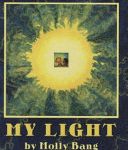
My light

by Molly Bang

The sun itself narrates an explanation of light and energy in which the generation of electricity can be traced back to it. Tiny yellow dots represent the sun’s power as it streams from light, water, wind, and electricity. Endnotes are used to illuminate everything from dark matter to atoms to pollution.

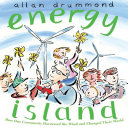
Energy Island: How one community harnessed the wind and changed their world

by Allan Drummond

Hold onto your hats! It’s windy on the Danish island of Samsø. At a time when most countries are producing ever-increasing amounts of CO2, the rather ordinary citizens of Samsø accomplished something extraordinary: in just ten years they reduced their carbon emissions by 140% and became almost completely energy independent. With a little hard work and a big idea, anyone can make a huge step towards energy conservation.

Fiction

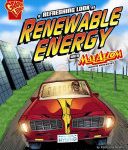
 A refreshing look at renewable energy with Max Axiom, super scientist,

written by Katherine Krohn, illustrated by Cynthia Martin and Barbara Schulz

Grades: 3-9

Charge up with Max Axiom as he explores the globe to understand renewable energy. Learn about all kinds of renewable energy sources and the benefits of using them. Max helps young readers understand how renewable energy could change our lives and take care of our world. Part of the Graphic Library series.

Non-Fiction

Energy

by Amy Farrell-Morneau

Grades: 6-9

Part of the Issues 21 series, which examines contemporary issues in society in order to develop students’ skills in the areas of critical thinking, creativity, communication, collaboration, ethical citizenship and activism. Includes 6 student books and a teacher’s guide.

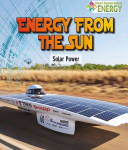
Energy from the sun: Solar power

by James Bow

Grades: 5-8

The endless and enormous power of the sun provides life to all organisms on Earth, from the smallest plant to the largest animal. This awesome power is being used today to provide a rich and abundant source of energy in many parts of the world, and to operate machinery and heat and light buildings. Discover how the sun is powering our planet, the technology used to harness it, and what the future of solar power could be. Part of the Next generation energy series.

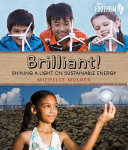
Brilliant! Shining a light on sustainable energy

by Michelle Mulder

Grades: 3-7

Did you know that cars can run on french fry grease, or that kids in Mexico help light up their houses by playing soccer? This book is full of examples of unusual (and often peculiar) power sources, and encourages kids to look around for sustainable ways to light up the world. Part of the Orca footprints series.

Energy engineering and powering the future

by Jonathan Nixon

Grades: 5-9

Readers will learn how energy engineers help make sure that our energy demands are met in a number of different ways. Real-life examples and a design challenge help students understand key concepts related to the engineering process, and how energy engineers will play a vital role in our future.

Power up! A visual exploration of energy

written by Shaker Paleja, illustrated by Glenda Tse

Grades: 4-7

It’s impossible to imagine our lives without energy, but how often do we really think about where it comes from? This book illustrates cool facts about energy use with colorful infographics, including charts, diagrams, and maps. Topics include the pros and cons of the top energy sources, like fossil fuels, nuclear energy, and hydropower; information on hot issues like oil sands, fracking, and greenhouse gases; and discussions of where energy of the future will come from.


Finding More Resources

To find more resources in this area, try the following:

  • Search using the General tab on the UBC Library website to look for material in all UBC Library branches.
  • Search using “Search Education Resources” box in the left hand bar on the Education Library website to limit your results to materials in the Education Library.
  • Use specific search terms to narrow your results, such as “renewable energy sources–juvenile literature”, “physics–study and teaching”, “inclusion”, “equitable”, “diversity”, or “supportive”.
  • To find lesson plans, include “lesson plans”, “lesson planning”, or “activity programs” in your search terms.
For more help with searching, please visit the Library Service Desk or e-mail ed.lib@ubc.ca.

Categories
Sciences

Earth Sciences

Listed below are selected teacher resources, picture books, and non-fiction related to earth sciences.

Teacher Resources

Land, Water, and Sky for Grades K-2: An Inquiry Approach

by Jennifer Lawson

Grades: K-2

This book covers how to teach about land, water, and sky in alignment with the current BC curriculum. Uses the Know-Do-Understand model, First Peoples Principles of Learning, and an inquiry approach. Part of the Hands-on Science series.

Problem-based learning in the earth and space science classroom

by Tom J. McConnell, Joyce Parker, and Janet Eberhardt

Grades: K-12

This resource presents tips and techniques for problem-based learning in four content areas: Earth’s landforms and water, the rock cycle and plate tectonics, weather, and astronomy.

Hands-on earth science activities for grades K-6

by Marvin N. Tolman

Grades: K-6

This book’s activities follow the discovery/inquiry approach and encourage students to analyze, synthesize, and infer based on their own hands-on experiences. Topics covered include air, water, weather, the earth, ecology, above the earth, beyond the earth, and current electricity.

This earth: Physical geography and the environment

by Paul Vazant and others

Grades: 10-12

A case-driven text that focuses on physical geography and human interaction and covers the origin of Earth, continental shifts, water and air pollution and human impacts, and taking responsibility for the planet. Also includes teaching notes, lesson plans, and assessment rubrics.

Jumpstart! Geography: Engaging activities for ages 7-12

by Mark Jones and Sarah Whitehouse

Grades: 2-6

This collection of simple to use and fun activities will jumpstart pupils’ understanding of the geographical skills of inquiry, outdoor learning, understanding graphic representations, and communication. Pupils will develop their knowledge and understanding of people, places and issues through being encouraged to ‘think geographically’ about the world they live in. Includes activities related to continents and oceans, and physical features such as rivers, forests, deserts, and coastlines. (E-book only)

Picture Books

A stroll through the seasons

written by Kay Barnham, illustrated by Maddie Frost

Grades: K-3

Follow the changes that each season brings: from spring blossoms, to summer sunshine, to autumn leaves, to winter snow.

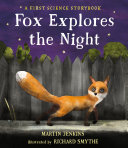
Fox explores the night

written by Martin Jenkins, illustrated by Richard Smythe

Grades: 1-3

Follow Fox as she makes her way through city streets and learns about sunlight, moonlight, electric light, and darkness

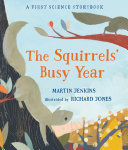
The squirrels’ busy year

written by Martin Jenkins, illustrated by Richard Jones

Grades: 1-4

In the winter, when it’s cold, the squirrels dig up acorns to eat. But what will they eat in the spring, when it’s warm again?

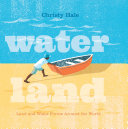
Water land: Land and water forms around the world

written and illustrated by Christy Hale

Grades: 3-5

Die-cut pages identify and contrast types of water bodies and their corresponding land masses to help young readers understand how connected the earth and the water really are.

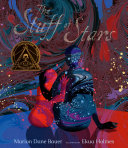
The stuff of stars

written by Marion Dane Bauer, illustrated by Ekua Holmes

Grades: K-3

Before the universe was formed, before time and space existed, there was nothing. But then … BANG! Stars caught fire and burned so long that they exploded, flinging stardust everywhere. And the ash of those stars turned into planets, into our Earth, and into us.

Non-Fiction

Look at the weather

by Britta Teckentrup, translated by Shelley Tanaka

Grades: K-6

Through four chapters–sun, rain, ice and snow, and extreme weather–this book explores different weather phenomena, from rainbows and sunsets to clouds, frost, and rainstorms.

Earth mysteries revealed

by James Bow

Grades: 3-6

This book explains how our planet is put together and answers the questions to mysteries such as: why is the only life we know of found on Earth; how did this warm and wet planet form from a cloud of ice and dust; was the Moon once a part of Earth’s rocks; why is it night all winter in the Arctic; why are sunsets orange; and was there really an ancient city that was destroyed by a volcano and tsunami? Part of the Mysteries revealed series.

Earth’s landforms and bodies of water

by Natalie Hyde

Grades: 1-3

Explains how Earth is covered by landforms and bodies of water, how they develop, and why they change. Covers landforms such as mountains, valleys, and sand dunes, as well as waterways such as oceans, rivers, and ponds. Part of the Earth’s processes close-up series.

Experiments in earth science and weather with toys and everyday stuff

by Emily Sohn

Grades: K-3

Engaging experiments using simple toys and everyday stuff teach curious young minds all about earth science. Readers can take an up-close look at how tornadoes develop, why wind is sometimes cold, how the water cycle works, and much more.

Planet Earth

by Jon Richards and Ed Simkins

Grades: 1-6

From tectonic plates and meteorites to erupting volcanoes, the atmosphere, and the world’s longest rivers, this book explores planet Earth using a wide variety of icons, graphics, and pictograms.

Fault lines: Understanding the power of earthquakes

by Johanna Wagstaffe

Grades: 4-8

Earthquakes are a terrifying yet fascinating force of nature. Seismologist Johanna Wagstaffe takes you through her own journey of understanding the earth beneath our feet. Along the way you’ll learn the science behind what makes the earth rumble and hear from kids around the world who have experienced the wonder, and terror, of an earthquake.

Rocks, minerals & gems

by Sean Callery and Miranda Smith, illustrated by Gary Ombler

Grades: 3-7

Readers will learn about hundreds of rocks, minerals, crystals, and gems that were forged by the most powerful events in prehistory. Explore what specimens look like and how they’re used today. Find out all about star stones and cat’s eyes, megagems, and phantom quartz. Discover which rocks fluoresce, which mineral once poisoned an emperor, and which gems are the rarest in the world.

When Planet Earth was new

written by James Gladstone, illustrated by Katherine Diemert

Grades: K-3

It has taken billions of years for Earth to become the planet it is today. This book looks back to the very beginning, giving a poetic yet scientific overview of how the planet has changed over time: from hot lava to the formation of oceans to the evolution of living things in water and on land.

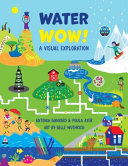
Water wow! An infographic exploration

written by Antonia Bayard and Paula Ayer, illustrated by Belle Wuthrich

Grades: 4-7

Where did water come from before it got to Earth? Why is the water you drink the same stuff that was around when dinosaurs were alive? If water can’t be created or destroyed, how can we run out? How does climate change affect water and vice versa? How are water access and girls’ education worldwide connected? Find out the answers to these and many more questions through infographics.

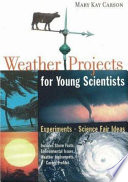
Weather projects for young scientists: Experiments and science fair ideas

by Mary Kay Carson

Grades: 4-7

From the everyday phenomena of wind and clouds to the awesome, destructive power of lightning, tornadoes, and hurricanes, children can explore weather in detail with this science activity book. More than 40 weather projects are included, such as building a model of the water cycle, creating a tornado in a bottle, calculating dew point, reading a weather map, building weather-measuring instruments, and more.


Finding More Resources

To find more resources in this area, try the following:

  • Search using the General tab on the UBC Library website to look for material in all UBC Library branches.
  • Search using “Search Education Resources” box in the left hand bar on the Education Library website to limit your results to materials in the Education Library.
  • Use specific search terms to narrow your results, such as “earth science”, “earth (planet) — juvenile literature”, “physical geography”, “weather”, or “science–study and teaching.
  • To find lesson plans, include “lesson plans”, “lesson planning”, or “activity programs” in your search terms.
For more help with searching, please visit the Library Service Desk or e-mail ed.lib@ubc.ca.

Categories
Sciences

Biodiversity and Biomes

Listed below are selected teacher resources, picture books, and non-fiction related to biodiversity and biomes.

Teacher Resources

The school garden curriculum: An integrated K-8 guide for discovering science, ecology, and whole-systems thinking

by Kaci Rae Christopher

Grades: K-8

The author offers a comprehensive framework enabling students to grow their knowledge throughout the school year and build on it from kindergarten to grade eight. From seasonal garden activities to inquiry projects and science-skill building, children will develop organic gardening solutions, a positive land ethic, systems thinking, and instincts for ecological stewardship.

Explaining primary science

by Paul Chambers and Nicholas Souter

Grades: K-6

The authors cover all the major areas of science relevant for beginning primary/elementary school teachers, explaining key concepts from the ground up. Topics include forces, matter, energy, biodiversity and ecosystems, water, light, sound, and more.

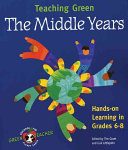
Teaching green: The middle years

edited by Tim Grant and Gail Littlejohn

Grades: 6-8

Offers a wide range of hands-on activities to get middle school students thinking about the environment and the world around them. Includes sections on wetlands, rainforests, habitat fragmentation, food systems, protected areas, and more.

 Environmental science activities kit: Ready-to-use lessons, labs and worksheets for grades 7-12

by Michael L. Roa

Grades: 7-12

This book includes more than 35 lessons for middle and high school science teachers on the most compelling and relevant environmental topics, such as global warming, food and water production, alternative energy sources, endangered species, land-use issues, and many more.

Teaching green, the high school years: Hands-on learning in grades 9-12

edited by Tim Grant and Gail Littlejohn

Grades: 9-12

This book offers fifty teaching strategies that promote learning about natural systems and foster critical thinking about environmental issues, both local and global. Readers learn how best to apply systems thinking, teach about controversial issues, and use a step-by-step approach to creative problem-solving in environmental projects. Includes several chapters related to ecosystems and biomes.

Picture Books

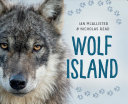
Wolf Island

by Ian McAllister and Nicholas Read

When wolves disappear from an island in the Great Bear Rainforest, the ecosystem is thrown out of whack. Too many deer graze on the plants, leaving not enough food for the other animals. When a lone wolf swims from the mainland to the island, the ecosystem starts to change again.

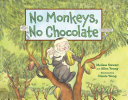
No monkeys, no chocolate

written by Melissa Stewart and Allen Young, illustrated by Nicole Wong

Chocolate comes from cocoa beans, which grow on cocoa trees in tropical rain forests. But those trees couldn’t survive without the help of a menagerie of rain forest critters. Monkeys, a pollen-sucking midge, an aphid-munching anole lizard, brain-eating coffin fly maggots: they all pitch in to help the cocoa tree survive.

Carl and the meaning of life

by Deborah Freedman

Carl the earthworm spends his days happily tunneling in the soil until a field mouse asks him a simple question that stops him short: “Why?” Carl’s quest takes him on an adventure to meet all the animals of the forest, each of whom seems to know exactly what they were put on this earth to do, unlike Carl. Will Carl find his purposes?

Non-Fiction

Can we save the tiger?

written by Martin Jenkins, illustrated by Vicky White

Grades: K-3

The tiger is just one of thousands of animals — including the ground iguana, the white-rumped vulture, and the partula snail — currently in danger of becoming extinct. This book looks at the ways human behaviour can either threaten or conserve the amazing animals that share our planet.

What are Earth’s biomes?

by Bobbie Kalman

Grades: 2-3

Earth has six major types of environments with different climates and containing complex communities of plants and animals that have adapted to the special conditions in each. These types of environments are called biomes. This book explains what biomes are and explores the importance of conserving them and the life forms that inhabit them.

Tree of life: The incredible biodiversity of life on earth

written by Rochelle Strauss, illustrated by Margo Thompson

Grades: 3-7

If every known species on Earth were a leaf on a tree, that tree would have 1,750,000 leaves. Since humans count for just one leaf on the tree, we have a lot to learn about the millions of other forms of life with which we share the world. This book shows how living things are classified into five kingdoms, and how each has much to tell us about all aspects of life on our planet. Part of the CitizenKid series.

Planet Ark: Preserving Earth’s biodiversity

written by Adrienne Mason, illustrated by Margo Thompson

Grades: 3-7

For billions of years, life on Earth has been evolving. The resulting rich biodiversity is the foundation of life on our planet. Notable features of Earth’s unique biodiversity are described, with a focus on the delicate and threatened interdependencies between species, habitats, climate and more. Part of the CitizenKid series.

You are the earth: Know your world so you can make it better

written by David Suzuki and Kathy Vanderlinden, illustrated by Wallace Edwards and Talent Pun

Grades: 4-6

This collection of fascinating facts and fables, colorful cartoons, and dynamic illustrations explains how everything on Earth is connected.The book discusses environmental issues and new technologies, and offers many activities. Sidebars offer extra facts, tips, and real-life examples of things other budding ecologists have done to make the world a better place.

Who needs a swamp? A wetland ecosystem

by Karen Patkau

Grades: 2-5

Swamps are often seen as a dangerous and useless. They are often drained to create farmland or to reduce diseases. But such measures can be disastrous. This book explores wetlands and their importance in the food chain and in preserving our soil and clean water. Part of Karen Patkau’s Ecosystems series.

Ecosystems

by Debra J. Housel

Grades: 4-6

Plants and animals interact with each other to form an ecosystem. The ecosystems are found all over the world, in areas called biomes. The biomes have different climates, which in turn determine what kind of plant and animal life make up the ecosystem. Biomes and ecosystems are a part of Earth’s delicate balance.

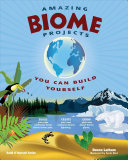
Amazing biome projects you can build yourself

written by Donna Latham, illustrated by Farah Rivzi

Grades: 4-7

From wandering through forests and sizzling in deserts to shivering in the tundra and plunging beneath the seas to explore coral reefs, children can explore each unique climate zone as well as the native flora and fauna’s skills for survival. In each biome, those who use science in their jobs are highlighted, whether at the site of a disastrous oil spill or an archaeological mastodon dig. Projects and activities include making lightning, building an erupting volcano, testing air quality, and creating a tornado in a bottle.

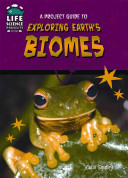
Exploring Earth’s biomes

by Claire O’Neal

Grades: 4-8

Have you ever wondered how plants survive in the desert? Or what happens to worms in the winter? Or where you fit in a food web? Throughout Earth’s six major biomes–tundra, taiga, rain forest, temperate deciduous forest, grassland, and desert–plants and animals use special strategies to cope with challenges in their environment.

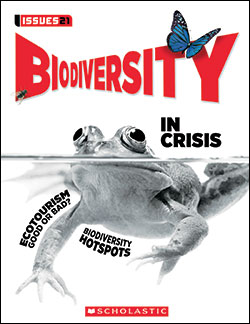
Biodiversity

by Sandy Szeto

Grades: 6-9

Part of the Issues 21 series, which examines contemporary issues in society in order to develop students’ skills in the areas of critical thinking, creativity, communication, collaboration, ethical citizenship and activism. Includes 6 student books and a teacher’s guide.


Finding More Resources

To find more resources in this area, try the following:

  • Search using the General tab on the UBC Library website to look for material in all UBC Library branches.
  • Search using “Search Education Resources” box in the left hand bar on the Education Library website to limit your results to materials in the Education Library.
  • Use specific search terms to narrow your results, such as “biodiversity”, “wildlife conservation”, “environmental education”, “biotic communities”, or “extinction (biology)”.
  • To find lesson plans, include “lesson plans”, “lesson planning”, or “activity programs” in your search terms.
For more help with searching, please visit the Library Service Desk or e-mail ed.lib@ubc.ca.

Categories
Mathematics

Patterning and Algebra

Listed below are selected teacher resources, picture books, and non-fiction related to patterning and algebra.

Teacher Resources

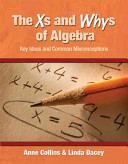
The Xs and whys of algebra: Key ideas and misconceptions

by Anne Collins and Linda Dacey

Grades: 7-9

This flipchart emphasizes five essential algebraic concepts: using variables meaningfully; using multiple representations for expressions; connecting algebra with number; connecting algebra with geometry; and manipulating symbols with understanding. The thirty research-based modules are designed to engage all students in mathematical learning that develops conceptual understanding, addresses common misconceptions, and builds key ideas essential to future learning.

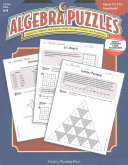
Algebra puzzles: Build pre-algebra and algebra skills through puzzles and problems

by Hank Garcia

Grades: 7-9

The author uses games, puzzles, and other problem-solving activities to give students fresh, new ways of exploring learned concepts. While reviewing essential concepts and vocabulary for pre-algebra and algebra, the book helps students visualize and think more deeply about these abstract ideas.

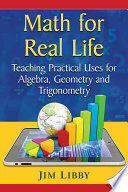
Math for real life: Teaching practical uses for algebra, geometry and trigonometry

by Jim Libby

Grades: 7-12

This book presents hundreds of practical applications for mathematics—from baseball statistics to the theory of relativity—that can be understood by anyone with a knowledge of high school algebra, geometry and trigonometry. It will help teachers to answer the inevitable question “When are we ever going to use this?”

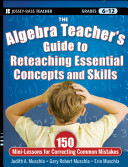
The algebra teacher’s guide to reteaching essential concepts and skills: 150 minilessons for correcting common mistakes

by Judith A. Muschla et al.

Grades: 6-12

In simple terms, the authors outline 150 classroom-tested lessons, focused on those concepts often most difficult to understand, in terms that are designed to help all students unravel the mysteries of algebra. Also included are reproducible worksheets that will assist teachers in reviewing and reinforcing algebra concepts and key skills.

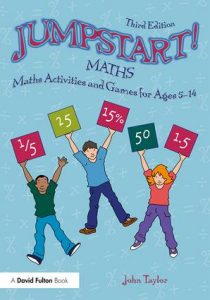
Jumpstart! Maths: Maths activities and games for ages 5-14

by John Taylor

Grades: K-8

The author presents a collection of simple-to-use, multi-sensory games and activities which will jumpstart students’ understanding of mathematics in action. It will help students to explore and learn math both through technology and without, in an atmosphere of fun, mutual support and tolerance. Topics include number and place value, fractions, ratios, algebra, measurement, geometry, and more. (E-book only)

Connecting arithmetic to algebra: Strategies for building algebraic thinking in the elementary grades

by Susan Jo Russell et al.

Grades: K-6

This book explores how elementary school teachers can better prepare their students for algebra. The authors describe how elementary teachers can shape their instruction so that students learn to notice and describe consistencies across problems, articulate generalizations about the behavior of the operations, and develop mathematical arguments based on representations to explain why such generalizations are or are not true. All of these form the basis of strategies used in algebra.

Algebra and the elementary classroom: Transforming thinking, transforming practice

by Maria L. Blanton

Grades: K-6

This book demonstrates how prepare students for formal algebra instruction by introducing algebraic thinking through familiar arithmetical contexts; helping students think about, represent, and build arguments for their mathematical ideas; exploring mathematical structures and functional relationships, and asking students to make algebraic connections across the curriculum.

Drying salmon: Journeys into proportional and pre-algebraic thinking

by Barbara L. Adams and Jerry Lipka

Grades: 6-7

This module explores pre-algebraic and proportional thinking using the unique system of body measures that a Yup’ik elder used when hanging her salmon to dry. Students transform their own measurements into mathematical symbols as a way to investigate variables, relationships, proportions and algebraic thinking. Part of the Math in a cultural context series.

Bridging the gap between arithmetic and algebra

edited by Bradley S. Witzel

Grades: K-12

The abstractness of algebra and missing precursor understandings may be overwhelming to many students, and their teachers. This book responds to this need for instruction and interventions that go beyond typical math lesson plans. Providing a review of evidence-based practices, this book is an essential reference for teachers when teaching mathematics to students who struggle with the critical concepts and skills necessary for success in algebra.

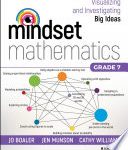
Mindset mathematics: Visualizing and investigating big ideas, grade 7

by Jo Boaler et al.

Grades: 7

The most challenging parts of teaching mathematics are engaging students and helping them understand the connections between mathematics concepts. The authors designed this book around the principle of active student engagement, with tasks that reflect the latest brain science on learning. Open, creative, and visual math tasks have been shown to improve student test scores, and more importantly change their relationship with mathematics and start believing in their own potential.

Picture Books

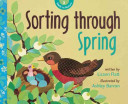
Sorting through spring

written by Lizann Flatt, illustrated by Ashley Barron

What if animals and plants knew math, just like us? Would flowers bloom in patterns? Would raindrops fall in rhythm? Would birds balance evenly on branches? In this book, nature comes to life to help children grasp concepts of patterning, sorting, data management, and probability.

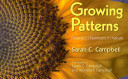
Growing patterns: Fibonacci numbers in nature

written by Sarah C. Campbell, illustrated by Sarah C. Campbell and Richard P. Campbell

What’s the biggest mathematical mystery in nature? Fibonacci numbers! The pattern creeps up in the most unexpected places. It’s clear that math holds secrets to nature and that nature holds secret numbers.

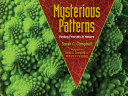
Mysterious patterns: Finding fractals in nature

written by Sarah C. Campbell, illustrated by Sarah C. Campbell and Richard P. Campbell

Nature’s repeating patterns, better known as fractals, are beautiful, universal, and explain much about how things grow. This book is an introduction to fractals through examples that can be seen in parks, rivers, and our very own backyards.

A-b-a-b-a: A book of pattern play

written by Brian P. Cleary, illustrated by Brian Gable

The pictures and rhyming text in this book provide simple examples of repeating sequences of shapes, colours, objects, and more, helping readers learn how to find patterns in the world around them.

The rabbit problem

by Emily Gravett

In Fibonacci’s Field, Lonely and Chalk Rabbit meet, snuggle together, and then spend a year trying to cope with their ever-increasing brood and the seasonal changes that bring a new challenge each month. By the end of the book, you’ll know how 1+1 can add up to 288.

Rabbits, rabbits everywhere

written by Ann McCallum, illustrated by Gideon Kendall

Rapidly multiplying rabbits are taking over the village of Chee, and soon there are so many that even the Pied Piper cannot get rid of them. A girl named Amanda discovers a pattern that leads to a way to make the rabbits leave.

Wild Fibonacci

written by Joy N. Hulme, illustrated by Carol Schwartz

Count the petals on a flower or the peas in a peapod. The numbers are all part of the Fibonacci sequence. In this book, readers will discover this mysterious code in a special shape called an equiangular spiral, which appears throughout nature. A sundial shell curves to fit the spiral; so does a parrot’s beak, a hawk’s talon, and even our own human teeth.

Non-Fiction

Our school garden: Patterns

by Rann Roberts

Grades: 2-5

The students in this book are learning about gardens. One grade is planting a pizza garden, and another grade is planting a storybook garden. Although they are planting different things, they will all use patterns in their planning. With photos, math charts and diagrams, and informational text features, students will learn about practical, real-world applications of math skills as they learn about mathematical patterns and build their STEM skills.

Real world algebra: Understanding the power of mathematics

by Edward Zaccaro

Grades: 5-9

Just as English can be translated into other languages, word problems can be “translated” into the math language of algebra and easily solved. This book explains this process in an easy to understand format using cartoons and drawings, making self-learning easy for both the student and any teacher who never did quite understand algebra. Includes chapters on algebra and money, algebra and geometry, algebra and physics, algebra and levers and many more.

Emmy Noether: The mother of modern algebra

by M. B. W. Tent

Grades: 8-12

This book, written primarily for the young adult reader, tells the life story of Emmy Noether, the most important female mathematician of our time. Because no one expected her to grow into an important scientist, the records of her early life are sketchy. After all, it was assumed that she would grow up to be a wife and mother. Instead, she was a genius who chose a distinctive path. (E-book only)


Finding More Resources

To find more resources in this area, try the following:

  • Search using the General tab on the UBC Library website to look for material in all UBC Library branches.
  • Search using “Search Education Resources” box in the left hand bar on the Education Library website to limit your results to materials in the Education Library.
  • Use specific search terms to narrow your results, such as “mathematics – study and teaching”, “mathematical ability – testing”, “algebra – study and teaching”, or “mathematics – juvenile literature”.
  • To find lesson plans, include “lesson plans”, “lesson planning”, or “activity programs” in your search terms.
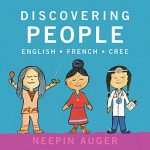
For more help with searching, please visit the Library Service Desk or e-mail ed.lib@ubc.ca.

Categories
Mathematics

Number Sense and Numeration

Listed below are selected teacher resources, picture books, and non-fiction related to number sense and numeration.

Teacher Resources

Teaching number sense, kindergarten

by Chris Confer

Grades: K-1

Number sense encompasses a wide range of skills, including being able to make estimates and to think and reason flexibly. In these lessons, children investigate number relationships, practice problem solving using landmark numbers, and explore ways to count, compose, and decompose numbers.

Number sense routines: Building numerical literacy every day in grades K-3

by Jessica F. Shumway

Grades: K-3

Just like athletes and musicians, mathematical thinkers and problem solvers can benefit from daily warm-up exercises. The author has developed a series of routines designed to help young students internalize and deepen their facility with numbers. The daily use of these quick five-, ten-, or fifteen-minute experiences at the beginning of math class will help build students’ number sense.

Young mathematicians at work: Constructing number sense, addition, and subtraction

by Catherine Twomey Fostnot and Maarten Dolk

Grades: K-3

This book provides a new look at the teaching of computation. It moves beyond debates about algorithms to argue for deep number sense and the development of a repertoire of strategies based on landmark numbers and operations. Sample minilessons on the use of the open number line model are provided to show teachers how to support the development of efficient computation.

Developing number sense: Progression in the middle years

by Julia Anghileri

Grades: 4-7

What is number sense? How do children develop number sense? What are the most effective teaching methods and resources? How can research findings inform classroom practice? This book will help teachers answer these questions, and more. The author focuses on the connections that help to develop understanding, such as how counting underpins many calculating methods and the way mental working and informal jotting can support problem solving.

Number sense and number nonsense: Understanding the challenges of learning math

by Nancy Krasa and Sara Shunkwiler

Grades: K-8

This book brings math difficulties into clear focus, helping educators get inside students’ heads so they can devise the best way to help children learn. Readers will gain a research-based understanding of what it means when students struggle with understanding relative values, comprehending spatial configurations, reading and writing numerals or other symbols, mastering arithmetic facts or algorithms, and more.

Daily routines to jump-start math class, middle school: Engage students, improve number sense, and practice reasoning

by John J. SanGiovanni and Eric Milou

Grades: 6-8

The authors give a year’s worth of daily instructional material for use in each class period to promote student reasoning and number sense, foster and shore up students’ conceptual understanding, and engage students in mathematical discourse and reasoning.

Daily routines to jump-start math class, high school: Engage students, improve number sense, and practice reasoning

by Eric Milou and John J. SanGiovanni

Grades: 9-12

Kickstart your class with five daily 5–10 minute routines, all of which include content-specific examples, extensions, and variations for high school mathematics. These routine help students to frequently revisit essential mathematical concepts, engage in mental mathematics, and move learning beyond “correctness” by valuing mistakes and discourse and encouraging a growth mindset.

Jumpstart! Maths: Maths activities and games for ages 5-14

by John Taylor

Grades: K-8

The author presents a collection of simple-to-use, multi-sensory games and activities which will jumpstart students’ understanding of mathematics in action. It will help students to explore and learn math both through technology and without, in an atmosphere of fun, mutual support and tolerance. Topics include number and place value, fractions, ratios, algebra, measurement, geometry, and more. (E-book only)

Extending children’s mathematics: Fractions and decimals

by Susan B. Empson and Linda Levi

Grades: K-8

This book lays a foundation for understanding fractions and decimals in ways that build conceptual learning. Three themes are showcased: building meaning for fractions and decimals through discussing and solving word problems; the progression of strategies for solving fraction word problems and equations from direct modeling through relational thinking; and designing instruction that capitalizes on students’ relational thinking strategies to integrate algebra into teaching and learning fractions.

The four roles of the numerate learner: Effective teaching and assessment strategies to help students think differently about mathematics

by Mary Fiore and Maria Luisa Lebar

Grades: K-6

This book introduces a numeracy framework–sense maker, skill user, thought communicator, and critical interpreter–that supports an integrated approach to math instruction. It considers the mathematical practices students need to learn to construct number knowledge, become mathematicians, and simply “do math”. The goal is to provide a new way of thinking and learning where learners engage in critical thinking about numeracy and act on their knowledge. (Also available online)

Picture Books

The Wing Wing brothers math spectacular!

by Ethan Long

Wilber, Wendell, Willy, Walter, and Woody really know how to put on a show – and their slapstick routine is also a math lesson. They introduce the concepts greater than, less than, and equal to as well as addition and subtraction.

Counting on fall

written by Lizann Flatt, illustrated by Ashley Barron

What if animals and plants knew math, just like you? Would leaves fall in patterns? Would whales enter a race? Nature in the fall comes to life to help children grasp concepts of number sense and numeration.

Missing math: A number mystery

by Loreen Leedy

What happens when one day, all the numbers in town suddenly disappear? No one can count, use the phone, or find out what time it is. No one can use their computers, money, or rulers. Can the town detective solve the mystery?

 A place for Zero: A math adventure

written by Angelina Sparagna LoPresti, illustrated by Phyllis Hornung

Having nothing to bring to the game of Addemup, Zero cannot play with the rest of the players in Digitaria and so must come up with a clever plan that will let him play despite his numeric shortcomings.

1+1=5: and other unlikely additions

written by David LaRochelle, illustrated by Brenda Sexton

Is the answer to 1+1 always 2? Not when you add 1 goat + 1 unicorn and get 3 horns, or 1 set of twins and 1 set of triplets and get 5 babies, or 1 ant and 1 spider and get 14 legs!

Spaghetti and meatballs for all: A mathematical story

written by Marilyn Burns, illustrated by Deborah Tilley

Mr. and Mrs. Comfort have arranged tables and chairs to seat 32 people at their family reunion. But the guests have their own ideas for seating. How will the family make room for everyone?

Lucky beans

written by Becky Birtha, illustrated by Nicole Tadgell

During the Great Depression, Marshall uses the lessons he’s learned in arithmetic class and guidance from his mother to figure out how many beans are in a jar in order to win her a new sewing machine in a contest.

The Rockheads

written by Harriet Ziefert, illustrated by Todd McKie

Increasing numbers of rock-headed characters enjoy a variety of activities, each specific to the number on the page. Four rockheads play in a quartet, five make a basketball team, and nine play on a baseball team.

If you were a fraction

written by Trisha Speed Shaskan, illustrated by Francesca Carabelli

What would you be like if you were a fraction? You’d be part of a set. You could be divided more than once. What else would you be if you were a fraction? (Part of the Math fun series)

Non-Fiction

The My path to math series

Grades: K-3. This series of 22 books addresses topics such as addition, subtraction, rounding, math words and symbols, and more.

Piece = part = portion: Fractions = decimals = percents

written by Scott Gifford, illustrated by Shmuel Thaler

Grades: K-6

Just as hola and bonjour mean “hello”, fractions, decimals, and percents describe the same thing in slightly different ways in the language of math. The photographs in this book will illustrate for students the ways in which these concepts all come back to the same basic idea.


Finding More Resources

To find more resources in this area, try the following:

  • Search using the General tab on the UBC Library website to look for material in all UBC Library branches.
  • Search using “Search Education Resources” box in the left hand bar on the Education Library website to limit your results to materials in the Education Library.
  • Use specific search terms to narrow your results, such as “numeration–study and teaching”, “mathematics–study and teaching”, or “number sense”.
  • To find lesson plans, include “lesson plans”, “lesson planning”, or “activity programs” in your search terms.
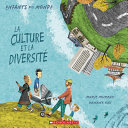
For more help with searching, please visit the Library Service Desk or e-mail ed.lib@ubc.ca.

Spam prevention powered by Akismet