Categories
Applied Design Skills and Technology Planning for Teaching and Learning Sciences

Making and Makerspaces

Listed below are selected teacher resources, picture books, fiction, and non-fiction related to making and makerspaces.

Teacher Resources
Design, Make, Play: Growing the Next Generation of STEM Innovators,

by Margaret Honey & David E. Kanter

Grades: K-12.

Aligned with the National Research Council’s new Framework for Science Education, with an explicit focus on engineering, design, and integration across disciplines. Design, Make, Play explores real world examples of innovative programs taking place in a variety of settings, landscapes, and communities; kindling children’s motivation and curiosity about STEM fields. [eBook only]
Re-making the Library Makerspace: Critical Theories, Reflections, and Practices,

by Maggie Melo & Jennifer T. Nichols

Grades: K-12.

A critical literature review and look at the Maker Movement. Critical discussion on limitations and challenges emerging from this brand of ‘maker culture’ and emphasizing the crucial work that is being done to cultivate anti-oppressive, inclusive and equitable making environments.
Safer Makerspaces, Fab Labs, and STEM Labs: A Collaborative Guide!,

by Kenneth Russell Roy & Tyler S. Love

Grades: K-12.

An essential guide on safer hands-on STEM for instructors and students. The latest information on how to design and maintain safe makerspaces, Fab Labs and STEM labs in formal and informal educational settings. Details federal safety standards, negligence, tort law, and duty of care for easier understanding and implementation.
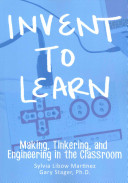
Invent to learn: Making, Tinkering, and Engineering in the Classroom,

by Sylvia Libow Martinez and Gary Stager

Grades: K-12.

Children are natural tinkerers, and the maker movement overlaps with both their natural inclinations and the power of learning by doing. This book helps educators bring the opportunities of the maker movement to every classroom. Even without expensive hardware, the classroom can become a makerspace where students and teachers learn together through direct experience with an assortment of high and low-tech materials.
Make Space: How to Set the Stage for Creative Collaboration,

by Scott Doorley

Grades: K-12.

A guidebook on intentionally manipulating spaces to encourage creativity and provide collaborative environments to students. Within the book are sections pertaining to Tools, Situations, Insights, Space Studies, and Design Templates intended to bring innovation to institutions and schools alike.
The Kickstart Guide to Making Great Makerspaces,

by Laura Fleming

Grades: K-12.

A resource to help educators plan and create a makerspace learning environment that students need, want, deserve, and value. With a workbook style to ensure educators will be ready to implement a personalized plan for their classroom, school, or district after they are done reading.
Worlds of Making: Best Practices for Establishing a Makerspace for Your School,

by Laura Fleming

Grades: K-12.

This book explores the knowledge, planning and practices to take into account when starting a school makerspace, including background on the maker movement, planning and setting up the space, creating a maker culture in the school, and showcasing students’ work from the makerspace.
STEM, STEAM, Make, Dream: Reimagining the Culture of Science, Technology, Engineering, and Mathematics,

by Christopher Emdin

Grades: K-12.

An exploration and reinventing of STEM by making it more accessible and inclusive than it has been previously. With a critical look at its beginnings and use for marginalizing many children, demystifying the field itself, and combining real-world stories, observations, and research to nurture creativity in all children.

Makerspaces in School,

by Lacy Brejcha

Grades: K-12.

Providing field-tested and research-based knowledge in a step-by-step guide for serving educators and students in the creation and maintenance of dedicated makerspaces. A promotion of innovative thinking and enabling the educator to finish with a plan on how to create a Makerspace in their classroom, school, or district. [eBook only]
STEM-Rich Maker Learning: Designing for Equity With Youth of Color,

by Angela Calabrese Barton & Edna Tan

Grades: 8-12.

In recent years, maker-centered learning has emerged in schools and other spaces as a promising new phase of STEM education reform. With a sharp focus on equity, the authors investigate community-based STEM making programs to determine whether, and how, they can address the educational needs of youth of color. The book features examples that show how youth of color from low-income backgrounds innovate and make usable artifacts to improve their lives and their communities.
Making and Tinkering With STEM: Solving Design Challenges With Young Children,

by Cate Heroman

Grades: Preschool-3.

A practical, hands-on resource containing 25 engineering design challenges and a list of 100 picture books that encourage STEM-rich learning. There are suggestions for the creation of the makerspace environment and a planning template to create your own design challenges with a focus on engaging children with books, guidance, and ideas to cultivate problem-solving skills and creative thinking.

Picture Books
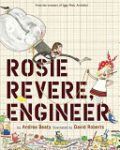
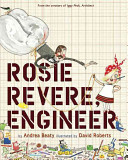
Rosie Revere, Engineer,

written by Andrea Beaty, illustrated by David Roberts

Grade Level: K-2.

Rosie seems quiet during the day, but at night she’s a brilliant inventor of gizmos and gadgets. When her great-great-aunt Rose comes for a visit and mentions her one unfinished goal—to fly—Rosie sets to work building a contraption to make her aunt’s dream come true. When her contraption only hovers for a moment and then crashes, Rosie deems the invention a failure – but was it really?
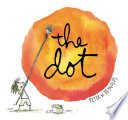
The dot,

by Peter H. Reynolds

Grade Level: K-4.

Vashti is glued to her chair in front of a blank piece of paper. Words of encouragement from her teacher invite expression but Vashti doesn’t believe herself to be an artist or that she has the ability to draw. To prove her point she jabs the paper in anger but doesn’t realize that in this moment is when Vashti’s journey of surprise and self-discovery starts.
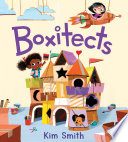
Boxitects,

by Kim Smith

Grade Level: Preschool-2.

Meg is a boxitect. Creative, brilliant, and with a passion for building things out of cardboard boxes to impress her classmates at Maker School. But then a new kid named Simone joins, who appears to be good at everything and worst of all is also a boxitect. Will they be able to set aside their rivalry and create together?
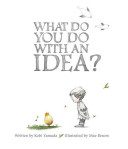
What do you do with an idea?,

written by Kobi Yamada, illustrated by Mae Besom

Grade Level: Preschool-3.

A boy has an idea which makes him uncomfortable at first, but he discovers it is magical and that, no matter what other people say, he should give it his attention.
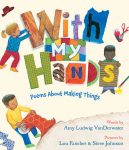
With My Hands: Poems About Making Things,

written by Amy Ludwig VanDerwater, illustrated by Lou Fancher and Steve Johnson

Grade Level: Preschool-3.

Building, baking, folding, drawing, shaping: making something with your own hands is a special, personal experience. Taking an idea from your imagination and turning it into something real is satisfying and makes the maker proud.

Fiction
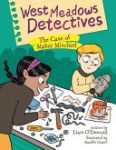
The Case of Maker Mischief,

written by Liam O’Donnell, illustrated by Aurélie Grand

Grades: 1-5.

Jordan and Danielle had been working on a robot for weeks for the upcoming Maker Faire Robot Maze Challenge. When the robot is stolen, Myron and his partner Hajrah pin down two suspects: Sarah “Smasher” McGintley, the school bully, and Lionel Amar, another robot builder who was caught with Jordan and Danielle’s plans. But after investigating the case further, they find out the thief is someone entirely unexpected.
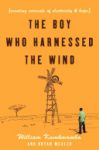
The Boy who Harnessed the Wind,

by William Kamkwamba & Bryan Mealer

Grades: 9-12.

A story of innovation and intrigue where a drought hit William Kamkwamba’s village in Malawi, destroying all the season’s crops. With nothing to eat and sell, William turned towards the science books in his village library for a solution.

Non-Fiction
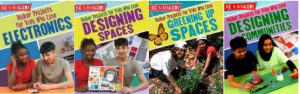
The Be a Maker! series has 16 books for students in grades 4-6 with various making-related interests, including photography, animation, electronics, fashion, and more.
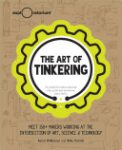
The Art of Tinkering: Meet 150+ Makers Working at the Intersection of Art, Science & Technology,

by Karen Wilkinson & Mike Petrich

Grades: 10-12.

A collection of exhibits, artwork, and projects to celebrate a whole new way of learning through creation, collaboration, and problem-solving. Artists spaces are featured showing the process and inviting the readers into them to inspire and discover glimpses of today’s maker scene.
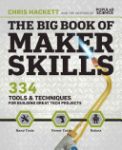
The big book of maker skills: Tools & techniques for building great tech projects,

by Chris Hackett and the editors of Popular Science

Grades: 10-12.

This tip-packed guide will help take students and teachers take do-it-yourself projects to the next level: from basic wood- and metalworking skills to plugged-in fun with power tools, and from cutting-edge electronics play to 3-D printing wizardry.


Finding More Resources

To find more resources in this area, try the following:

  • Search using the General tab on the UBC Library website to look for material in all UBC Library branches.
  • Search using “Search Education Resources” box in the left hand bar on the Education Library website to limit your results to materials in the Education Library.
  • Use specific search terms to narrow your results, such as “makerspaces”, “do-it-yourself work”, “maker movement”, or “maker movement in education”.
  • To find lesson plans, include “lesson plans”, “lesson planning”, or “activity programs” in your search terms.

For more help with searching, please visit the Library Service Desk or e-mail ed.lib@ubc.ca.
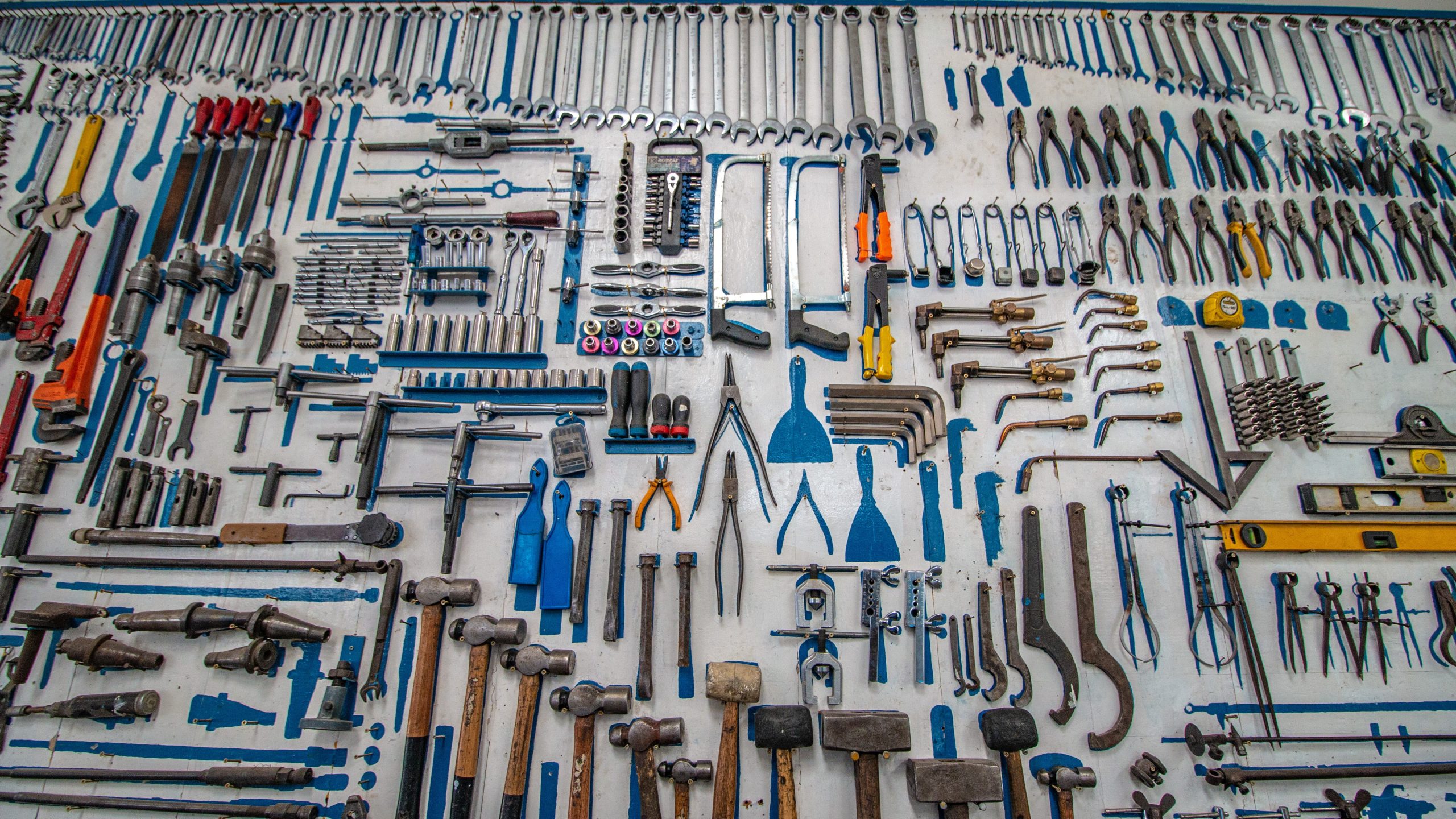
Categories
Applied Design Skills and Technology

Teaching Applied Design, Skills and Technology

Listed below are selected teacher resources for teaching Applied Design, Skills and Technology.

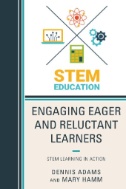
Engaging eager and reluctant learners: STEM learning in action

by Dennis Adams and Mary Hamm

Grades: K-7.

A research based approach to fostering an environment that helps all students excel in STEM and in the classroom more broadly. Focuses on collaborative learning, differentiation, and diversity in STEM instruction and the real world applicability of STEM today.

The really useful primary design and technology book

by Elizabeth Flinn and Sarah Patel

Grades: K-6

Offers practical tools, strategies, lesson plans, and how-to guides for teaching various aspects of design and technology, including cooking and nutrition, textiles and design, IT control and monitoring, electronic systems, and more. eBook only. For more in The really useful series, click here.

Teaching design and technology creatively

Clare Benson and Suzanne Lawson

Grades: K-7

Through practical ideas, real-life scenarios, and creative lesson plan ideas, this book stresses the importance of design and technology education (D&T) in the elementary classroom. Covers topics such as understanding and utilizing the link between D&T and creativity, developing a D&T skillset early, embedding D&T in the curriculum, making cross curricular connections, D&T outside the classroom, and more. eBook only.

STEM and ICT Education in Intelligent Environments

by Hideyuki Kanematsu and Dana M. Barry

Grades: K-7

This book explores the intersection of STEM and ICT and how to integrate the two seamlessly. Includes simple hands on activity outlines and their relevance to each subject area, as well as digital activity ideas. eBook only.

Primary design and technology for the future: Creativity, culture and citizenship

by Alan Howe, Dan Davies, and Ron Ritchie

Grades: K-7

This book explores the cross-curricular nature of ADST and its connection to creativity, culture, and citizenship in the classroom. Includes examples of best practices in the book that have been successfully implemented. eBook only.

Invent to learn: Making, tinkering, and engineering in the classroom

by Sylvia Libow Martinez and Gary Stager

Grades: K-12

Children are natural tinkerers, and the maker movement overlaps with both their natural inclinations and the power of learning by doing. This book helps educators bring the opportunities of the maker movement to every classroom. Even without expensive hardware, the classroom can become a makerspace where students and teachers learn together through direct experience with an assortment of high and low-tech materials.

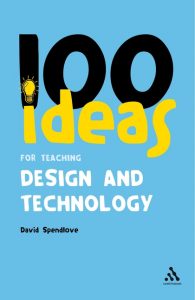
100 ideas for teaching design and technology

by David Spendlove

Grades: K-12

This book provides practical ideas to implement, but also encourages teachers to consider the place of design and technology education in schools and society today. Each idea has been tried and tested by practicing teachers. For more in the Continuum one hundreds series, click here.

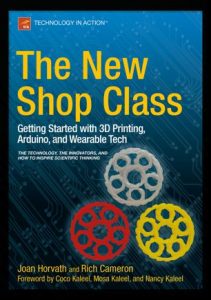
The new shop class: Getting started with 3D printing, Arduino, and wearable tech

by Joan Horvath and Rich Cameron

Grades: K-12

This book explores the connection between making, hacking, science, and engineering, and the benefits of hands-on technology instruction. Covers topics such as 3D printing, drones, cosplay, female makers and scientists, circuits and programming, open source, makerspaces, and more. eBook only.

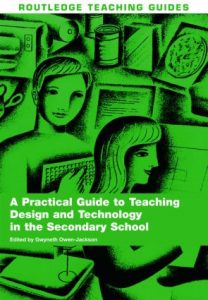
A practical guide to teaching design and technology in the secondary school

by Gwyneth Owen-Jackson

Grades: 8-12

This book covers various areas of Design and Technology education, including culinary arts, textiles, and ICT. Also includes ideas for cross-curricular learning, planning D&T lessons, assessment, and professional development. eBook only.

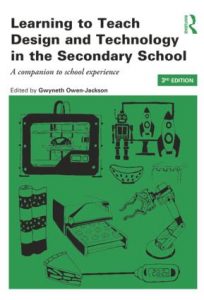
Learning to teach design and technology in the secondary school

by Gwyneth Owen-Jackson

Grades: 8-12

After providing a history of design and technology education, this book delves into the specifics of teaching food, textiles, materials, graphics, and design technologies, including the planning, delivery, assessment, and reflection of these subjects. It culminates with a discussion of cross curricular connections, values, and professional development. eBook only.

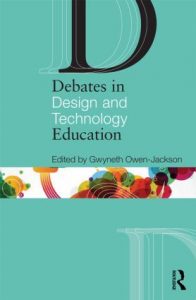
Debates in design and technology education

by Gwyneth Owen-Jackson

Grades: 8-12

What is the purpose of design and technology? Is it a vocational or academic subject? What knowledge and skills do teachers really need? What is the future for design and technology? These questions and more are explored throughout this text, which challenges teachers to critically reflect on design and technology education and its future.


Finding More Resources

To find more resources in this area, try the following:

  • Search using the General tab on the UBC Library website to look for material in all UBC Library branches.
  • Search using “Search Education Resources” box in the left hand bar on the Education Library website to limit your results to materials in the Education Library.
  • Use specific search terms to narrow your results, such as “Technology–Study and teaching”, “Design–Study and teaching”, “Information technology–Study and teaching”
  • To find lesson plans, include “lesson plans”, “lesson planning”, or “activity programs” in your search terms.

For more help with searching, please visit the Library Service Desk or e-mail ed.lib@ubc.ca.
Categories
Applied Design Skills and Technology

Technology Education

Listed below are selected teacher resources, picture books, and non-fiction related to technology education.

Teacher Resources

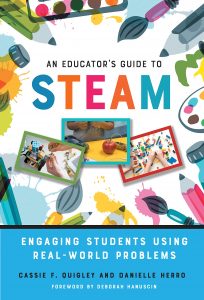
An educator’s guide to STEAM: Engaging students using real-world problems

by Cassie F. Quigley and Danielle Herro

Grades: K-8

A comprehensive look at the difference between STEM and STEAM, and the value of arts integration alongside science, technology, engineering, and math. Includes sections on conceptualizing STEAM, developing STEAM classrooms, assessing STEAM learning, how to make STEAM relevant to students, as well as specific strategies and classroom examples to utilize.

100 ideas for teaching design and technology
by David Spendlove

Grades: K-12.

This book provides practical ideas to implement, but also encourages teachers to consider the place of design and technology education in schools and society today. For more in the Continuum one hundreds series, click here.

The new shop class: Getting started with 3D printing, Arduino, and wearable tech
by Joan Horvath and Rich Cameron

Grades: K-12

This book explores the connection between making, hacking, science, and engineering, and the benefits of hands-on technology instruction. Covers topics such as 3D printing, drones, cosplay, female makers and scientists, circuits and programming, open source, makerspaces, and more. eBook only.

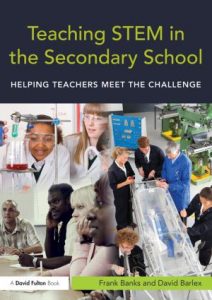
Grades: 8-12

How can we reach across subjects to create STEM curriculum? What’s the value of STEM in today’s world? How can we reach all students with STEM? These are some of the questions being explored in this text, which takes a practical approach to exploring the necessity of STEM and how to effectively teach it. Includes a specific chapter on “teaching design & technology in the light of STEM”. eBook only.

Picture Books

Rosie Revere, engineer

written by Andrea Beaty, illustrated by David Roberts

Rosie seems quiet during the day, but at night she’s a brilliant inventor of gizmos and gadgets. When her great-great-aunt Rose comes for a visit and mentions her one unfinished goal—to fly—Rosie sets to work building a contraption to make her aunt’s dream come true. When her contraption only hovers for a moment and then crashes, Rosie deems the invention a failure – but was it really? See also, Rosie Revere’s Big Project Book for Bold Engineers.

Inuksiutiit [Inuit tools]

by Inhabit Media Inc.

This counting book showcases the tools that are essential to life in the Arctic, including sleds, kayaks, the ulu, and a stone cooking lamp. Book contains Inuktitut and English.

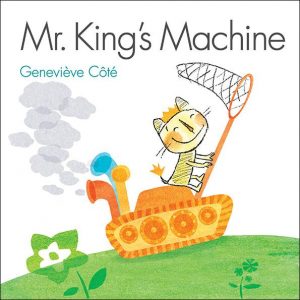
Mr. King’s machine

by Geneviève Côté

Mr. Kings loves collecting pretty things and building machines. So, one day he decides to build a Caterpillar-Catcher. Mr. King doesn’t realize the machine is filling up the air with smoke and his friends aren’t happy about it. This picture book introduces students to design, invention, and the need to consider the impact of our creations.

Whose tools are these?: A look at tools workers use–big, sharp, and smooth
written by Sharon Katz Cooper, illustrated by Amy Bailey Muehlenhardt

Explores the tools that workers use, whether big, sharp, or smooth, to get the job done!

Non-Fiction

Car science

by Richard Hammond

Grades: 2-6

This book is divided into four sections which explore the invention of vehicles, how modern vehicles work, the physics of vehicles, and what the future of vehicles might look like. This book blends science, design, and mechanics, appealing to a wide range of students.

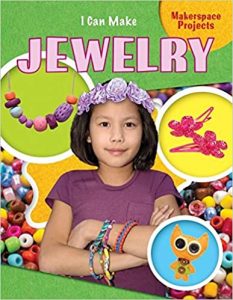
I can make jewelry

by Emily Reid

Grades: 3-6

Provides step-by-step instructions to make various kinds of jewelry, including necklaces, bracelets, and headbands. For more in the Makerspace projects series, click here.

Cool woodworking projects: Fun & creative workshop activities

by Rebecca Felix

Grades: 3-6.

This book offers a basic introduction to woodworking for kids, including safety considerations, materials needed, and fun project ideas like a mini skateboard. Each activity includes step-by-step instructions and photographs. See also Maker Projects for Kids who Love Woodworking.

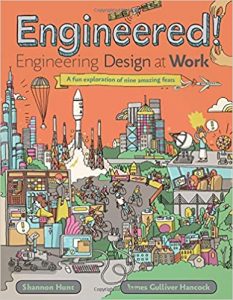
Engineered!: Engineering design at work
written by Shannon Hunt, illustrated by James Gulliver Hancock

Grades: 3-7

Using real-life examples from different fields of engineering, such as civil, mechanical, and environmental, this book introduces students to the engineering design process and the skills it takes to be a great engineer. See also, the Be an Engineer! Designing to solve problems series.

Be a maker! series

by various authors

Grades: 4-6

This series has 15 books on various making-related topics, including robotics, paper engineering, graphic design, woodworking, and more.

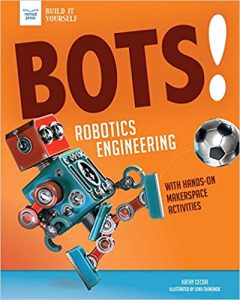
Bots!: Robotic engineering with hands-on makerspace activities

written by Kathy Ceceri, illustrated by Lena Chandhok

Grades: 4-6

This book offers a variety of hands-on activities, most of which can be done with materials found around the classroom or home, that encourage students to invent and explore. Also provides a look at interesting aspects of robots and technology, such as robots throughout history and the ethical implications of artificial intelligence. See also Robotics Engineering and Our Automated World.

The big book of maker skills: Tools & techniques for building great tech projects

by Chris Hackett and the editors of Popular Science

Grades: 10-12

This tip-packed guide will help students and teachers take do-it-yourself projects to the next level: from basic wood- and metalworking skills to plugged-in fun with power tools, and from cutting-edge electronics play to 3-D printing wizardry.

Make: magazine 

Grades: 11-12

A magazine all about making and makers. Each issue includes project ideas with instructions on topics such as robots, drones, 3D printing, craft, and more based around a theme such as climate change or space.


Finding More Resources

To find more resources in this area, try the following:

  • Search using the General tab on the UBC Library website to look for material in all UBC Library branches.
  • Search using “Search Education Resources” box in the left hand bar on the Education Library website to limit your results to materials in the Education Library.
  • Use specific search terms to narrow your results, such as “Engineering–Juvenile literature”, “Woodwork–Juvenile literature”, “Technology–Study and teaching”.
  • To find lesson plans, include “lesson plans”, “lesson planning”, or “activity programs” in your search terms.

For more help with searching, please visit the Library Service Desk or e-mail ed.lib@ubc.ca.

Categories
Applied Design Skills and Technology

Information and Communications Technology

Listed below are selected teacher resources, picture books, and non-fiction related to information and communications technology.

Teacher Resources

The really useful ICT book: A practical guide to using technology across the primary curriculum
by Jill Jesson and Graham Peacock

Grades: K-6

This book provides an easy to follow guide for both using and teaching ICT in the classroom. Emphasizes the use of ICT as a way to encourage teacher and student creativity to enhance existing lessons and develop new ones. Available in print and as an eBook. For more in the Really useful series, click here.

Brilliant ideas for using ICT in the inclusive classroom
by Sally McKeown and Angela McGlashon

Grades: K-7.

This book illustrates how ICT can be used to engage all learners and create inclusive classrooms. Takes a practical approach, using 50 case studies to illustrate how to incorporate technology into the classroom in a meaningful way for all students. eBook only.

Improving students’ web use and information literacy: A guide for teachers and teacher librarians
by James E. Herring

Grades: K-12

This book focuses on how teachers and teacher librarians can assist students in becoming literate and critical web users. Includes chapters on using technology in the classroom, finding and evaluating information on the web, information literacy, the future of ICT in schools, and more. eBook only.

Creative coding: lessons and strategies to teach computer science across the 6-8 curriculum

by Josh Caldwell

Grades: 6-8

Many students now start middle school with some foundational knowledge of computer science and coding. This new set of creative skills empowers students to express themselves in powerful ways, but students still need opportunities and support to develop and hone those skills. This book helps classroom teachers in several core content areas develop activities and projects to encourage computational thinking and coding skills, and to build bridges between those skills and practice.

Grades: 8-12

This book provides useful information on utilizing and teaching ICT both in the classroom and school-wide. Includes discussions of assessment in ICT, specific hardware and software, teaching in a Virtual Learning Environment, incorporating social networking and mobile technologies in the classroom, and more. eBook only.

Teaching computing in secondary schools: A practical handbook
by William Lau

Grades: 8-12

A comprehensive guide to teaching computing in secondary schools which emphasizes the benefits of hands on learning opportunities that allow students to think, build, and create. Includes content on lesson planning, developing assessment tools, meeting the needs of students with diverse needs and abilities, and how to develop students’ computational thinking. eBook only.

Picture Books

The Tweedles go online,

written by Monica Kulling, illustrated by Marie Lafrance

Some of the Tweedles are excited to get a telephone, or as they call it “go online”, but others are weary. This tale grapples with the challenges of changing technologies, and their positives and negatives, in a fun and all too familiar way.

Non-Fiction

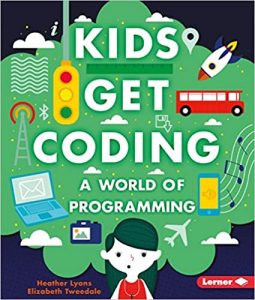
A world of programming

written by Heather Lyons and Elizabeth Tweedale, illustrated by Alex Westgate

Grades: K-3

Learn about programming and computer basics, including types of information, file size, and bits using real-world examples and fun illustrations. Also includes activities for both online and offline to solidify learning. For more in the Kids get coding series, click here.

Communication inventions: The talk of the town
by Alexander Offord

Grades 3-6

This book provides a timeline of communication and the inventions that have shifted the ways in which we communicate. Discusses both digital and analog forms of communication, including the telegraph, text messages, mail, email, and more. For more in the Inventions that shaped the modern world series, click here.

Innovations in communication

by Cynthia O’Brien

Grades: 4-6

Covers changes in communication technologies throughout history, including profiles of the inventors, scientists, and engineers who pioneered these technologies. Also encourages students to consider how communication technologies may change going forward and how they can contribute to these changes.

How to code in 10 easy lessons

by Sean McManus

Grades: 6-8

This book starts by asking the question, “What is coding?” and shows what coding skills are. Then readers get to see how to use Scratch coding software to write simple code, use loops, and debug, to create a webpage, and even make a computer game. Includes easy-to-follow instructions and step-by-step graphics.

Digital world

by Glen Downey

Grades: 6-9

Part of the Issues 21 series, which examines contemporary issues in society in order to develop students’ skills in the areas of critical thinking, creativity, communication, collaboration, ethical citizenship and activism. Digital World explores how technology has changed the way we communicate and interact with others. Includes 6 student books and a teacher’s guide.

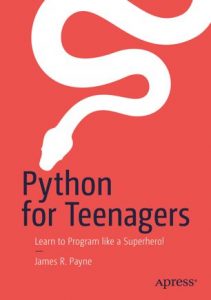
Python for teenagers: Learn to program like a superhero!
by James R. Payne

Grades: 7-12

This books is specifically designed for teens, introducing them to Python with examples and activities that are age and interest appropriate. Covers Python basics and teaches teens how to build websites, fix bugs and errors, and create their own games. eBook only.


Finding More Resources

To find more resources in this area, try the following:

  • Search using the General tab on the UBC Library website to look for material in all UBC Library branches.
  • Search using “Search Education Resources” box in the left hand bar on the Education Library website to limit your results to materials in the Education Library.
  • Use specific search terms to narrow your results, such as “Educational technology”, “Information technology–Study and teaching”, “Computers–Juvenile literature”.
  • To find lesson plans, include “lesson plans”, “lesson planning”, or “activity programs” in your search terms.

For more help with searching, please visit the Library Service Desk or e-mail ed.lib@ubc.ca.

Categories
Applied Design Skills and Technology

Home Economics and Culinary Arts

Listed below are selected teacher resources, picture books, and non-fiction related to home economics and culinary arts.

Teacher Resources

Inspiring learning through cooking

by Suzie Strutt

Grades: K-3

Cooking provides children with a wealth of opportunities to discover new materials and processes; develop their physical and social skills; and lead their own learning. Helping teachers and practitioners make the most of the valuable learning opportunities that cooking offers, this book provides all the information, support and inspiration needed to successfully introduce cooking into the early grades. eBook only.

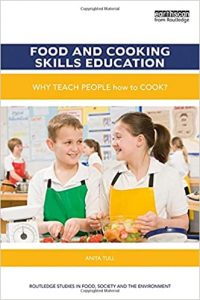
Food and cooking skills education: Why teach people how to cook?

by Anita Tull

Grades: K-12

This book explores food and cooking skills education in schools in England and Wales, detailing the historical and contemporary significance, challenges, and opportunities in the subject and how to move forward. eBook only.

Family & consumer sciences: 30 lesson plans: Family, foods, textiles, by Learning ZoneXpress

Grade: 8

This book contains lesson plans and worksheets on basic life skills such as budgeting, housing, nutrition, consumer decision making, cooking, and textile skills. Also includes teaching tips and techniques.

Picture Books

When royals wore ruffles: A funny and fashionable alphabet!

written by Chesley McLaren and Pamela Jaber, illustrated by Chesley McClaren

A little girl goes back in time and meets a cast of characters wearing the latest trends. In B, we see Bustles, in H there’s sky-high hats (and hair!) and, in S, well, you won’t believe the shoes. And when the girl finishes her stylish trip—with Y for You and Your own Zany style—she puts on a fashion show for the people she’s met.

See what we eat!

by Scot Ritchie

Yulee and her friends Nick, Pedro, Sally and Martin are taking a trip to her aunt’s farm to pick apples and make an apple crisp for a potluck harvest dinner. But first, Aunt Sara gives the friends a tour of the whole farm, where they learn what it means to eat balanced meals, why eating local food matters and all that goes into getting food from farm to table. Who knew there was so much to learn about what we eat?

Non-Fiction

What we wear: Dressing up around the world

by Maya Ajmera, Elise Hofer Derstine, and Cynthia Pon

Grades: K-3

What we wear can identify who we are: what team we play for or cheer for, where we go to school, how we worship, or how we represent our heritage. Whether it’s a piper in a tartan plaid, a cowpoke in a cowboy hat, or a novice in ceremonial face paint, children everywhere wear different clothes and accessories for different reasons. But one thing they all have in common is that they are all unique and beautiful.

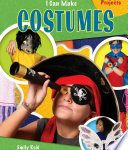
 I can make costumes

by Emily Reid

Grades: 3-6

Creating handmade costumes is fun, and it’s also easy when the process is broken down into steps that are easy to follow. Readers are able to follow along with accessible, step-by-step instructions as they make a pirate, a fairy, an alien, a superhero, and more. Photographs of the necessary steps help visual learners successfully complete each project. An introduction to basic sewing and decorating techniques is included.

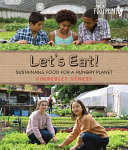
Let’s eat! Sustainable food for a hungry planet

by Kimberley Veness

Grades: 3-7

This book uncovers the secret lives of our groceries, exploring alternative–and sometimes strange–farm technology and touring gardens up high on corporate rooftops and down low in military-style bunkers beneath city streets. Packed with interesting and sometimes startling facts on agriculture around the world, readers will learn everything from the size of the biggest farm in the world to how many pesticides are in a single grape to which insect people prefer to eat.

The antiracist kitchen: 21 stories (and recipes)

edited by Nadia L. Hohn; illustrated by Roza Nozari; photos by Rebecca Wellman

Grades: 4-7

The Antiracist Kitchen: 21 Stories (and Recipes) is a celebration of food, family, activism and resistance in the face of racism. In this anthology featuring stories and recipes from 21 diverse and award-winning North American children’s authors, the authors share the role of food in their lives and how it has helped fight discrimination, reclaim culture and celebrate people with different backgrounds.

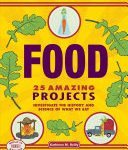
Food: 25 amazing projects

written by Kathleen M. Reilly, illustrated by Farah Rivzi

Grades: 4-7

The projects in this book gives students “food for thought” as they dive into exciting projects about the history, science, and cultural importance of food. Learn about about all aspects of food in daily life: how vegetarians balance their diet, how some cultures rose and fell based on a single food source, the route from farm to market, how eating locally makes an impact, and much more.

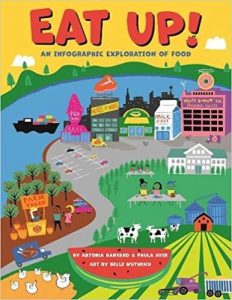
Eat up! An infographic exploration of food

written by Antonia Bayard and Paula Ayer, illustrated by Belle Wuthrich

Grades: 4-7

Through visually engaging infographics, this book explores many of the big questions about food, including who grows our food, where does our meat and fish come from, what the difference is between a hybrid and a genetically-modified crop, how much farmland there is in the world, what kinds of “extreme foods” are out there, and many more.

Learn to speak fashion

written by Laura deCarufel, illustrated by Jeff Kulak

Grades: 4-7

Not only can fashion be fun, silly, impulsive, and even inexpensive – it can also be a really rewarding avenue of self-expression for everyone. This book gets to the heart of what makes clothing so much more than what we put on our bodies. Topics include understanding how to dress every part of the body and how to make your own pair of pants, to learning how to harness your design ideas with an inspiration board or hold a fashion show in your backyard.

Starting from scratch: What you should know about food and cooking,

written by Sarah Elton, illustrated by Jeff Kulak

Grades: 5-12

This book demystifies food and cooking by boiling it down to the basics. Kids will be able to make sense of recipes, measure and substitute ingredients, and stock a pantry, but they’ll also discover that food is more than just a prepackaged meal. Includes several tasty recipes.

Foodprints: The story of what we eat

written by Paula Ayer, illustrated by Ira Olenina

Grades: 5-12

The everyday choices we make when it comes to food don’t just have an effect on us: they also affect other people and the planet. This book enables readers to get the big picture about food production, marketing, and its role in society. Readers will discover how our food system evolved from hunter gatherers to online ordering; how mega-farms and factories came to produce the bulk of our current food supply; how to work through confusing nutrition advice and advertising; and more.

Food industry

by Erika Boas, Fiona Luray Wilhelm, and Jeffrey D. Wilhelm

Grades: 6-9

Part of the Issues 21 series, which examines contemporary issues in society in order to develop students’ skills in the areas of critical thinking, creativity, communication, collaboration, ethical citizenship and activism. Includes 6 student books and a teacher’s guide.

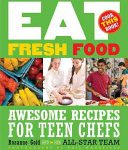
Eat fresh food: Awesome recipes for teen chefs

written by Rozanne Gold, photographs by Phil Mansfield

Grades: 7-12

Along with an All-Star Team of teen chefs who love to cook and love to eat good food, Gold has created more than 80 mouth-watering recipes, attuned to the seasons, refined for the kinds of food teens want to eat. With plenty of snacks, smoothies, school lunches, burgers, fabulous pizza, desserts, and more, each delicious bite is made with the freshest, best-for-you ingredients you can find.

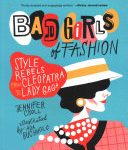
Bad girls of fashion: Style rebels from Cleopatra to Lady Gaga

written by Jennifer Croll, illustrated by Ada Buchholc

Grades: 7-12

This book explores the lives of ten famous women who have used clothing to make a statement, change perceptions, break rules, attract power, or express their individuality. Included are Cleopatra, Marie Antoinette, Coco Chanel, Marlene Dietrich, Madonna, Lady Gaga, and more. Readers will learn not only about changing fashion styles through history, but about changing historical attitudes toward women, and the links between fashion and art, film, music, politics, and feminism.

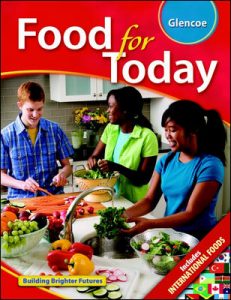
 Food for today

by the McGraw-Hill Education Team

Grades: 10-12

A comprehensive foods textbook, including sections on the food supply, food science and technology, safety and storage, equipping a kitchen, reading recipes, and foods from around the world.

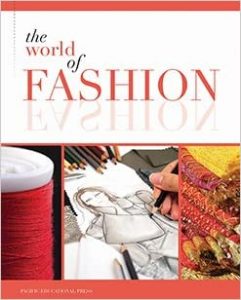
The world of fashion

written by Anne Brennan, Alison Harrigton McCabe, and Susan J. Smith

Grades: 10-12

Offers a look into the Canadian and global fashion industry, including manufacturing, design, marketing, consumer behaviour, and more. Develops inquiry and research skills by providing real-world examples for students to explore. See also, Clothing: Fashion, fabrics and construction

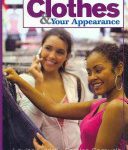
Clothes & your appearance

by Louise A. Liddell and Carolee S. Samuels

Grades: 10-12

This book is designed to help students understand the role clothing plays in their lives, how to make the best decisions regarding the selection and care of clothing, and how to construct apparel. In addition, students learn about textiles and design, the textiles and apparel industry, the many career opportunities in the textiles and apparel field, and how to develop the skills needed for success on the job.


Finding More Resources

To find more resources in this area, try the following:

  • Search using the General tab on the UBC Library website to look for material in all UBC Library branches.
  • Search using “Search Education Resources” box in the left hand bar on the Education Library website to limit your results to materials in the Education Library.
  • Use specific search terms to narrow your results, such as “cooking–juvenile literature”, “cooking–study and teaching”, “food supply–juvenile literature”, or “clothing and dress–study and teaching”.
  • To find lesson plans, include “lesson plans”, “lesson planning”, or “activity programs” in your search terms.

For more help with searching, please visit the Library Service Desk or e-mail ed.lib@ubc.ca.

Categories
Applied Design Skills and Technology

Computational Thinking

Listed below are selected teacher resources, picture books, fiction, and non-fiction related to computational thinking.

Teacher Resources

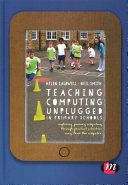
Teaching computing unplugged in primary schools: Exploring primary computing through practical activities away from the computer

by Helen Caldwell and Neil Smith

Grades: K-6

Computing is about more than computers. Children can learn to analyze problems and computational terms and apply computational thinking to solve problems without turning on a computer. This book provides lesson examples and everyday activities to help teachers and students explore computing concepts such as abstraction, logic, algorithms and data representation.

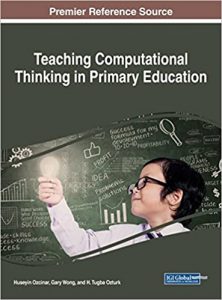
Teaching computational thinking in primary education

edited by Huseyin Ozcinar, Gary Wong, and H. Tugba Ozturk 

Grades: K-6

This book explores the latest research on teaching computational thinking in primary education, emphasizing the importance of building computational thinking skills early on. Includes discussions of multifaceted skillsets, coding, programming methods, and digital games. eBook only.

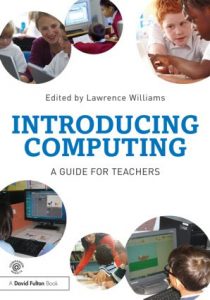
Introducing computing: A guide for teachers

edited by Lawrence Williams

Grades: K-7

This book offers practical information, advice, and examples to help non-experts introduce computing as early as age 5. Includes key concepts of computing and computational thinking, ways to integrate computing across different disciplines, links to the curriculum, and how to use technology to develop higher thinking skills. eBook only.

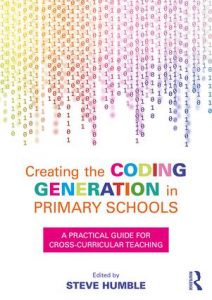
Creating the coding generation in primary schools: A practical guide for cross-curricular teaching

edited by Steve Humble

Grades: K-7

A comprehensive overview of coding in the elementary class which provides the what, why, and how of coding in the classroom. Includes sections on what is coding?, teaching computational thinking, gender bias in coding, teaching with Minecraft, and more. eBook only.

Creative coding: lessons and strategies to teach computer science across the 6-8 curriculum

by Josh Caldwell

Grades: 6-8

Many students now start middle school with some foundational knowledge of computer science and coding. This new set of creative skills empowers students to express themselves in powerful ways, but students still need opportunities and support to develop and hone those skills. This book helps classroom teachers in several core content areas develop activities and projects to encourage computational thinking and coding skills, and to build bridges between those skills and practice.

Teaching computing in secondary schools: A practical handbook

by William Lau

Grades: 8-12

A comprehensive guide to teaching computing in secondary schools which emphasizes the benefits of hands on learning opportunities that allow students to think, build, and create. Includes content on lesson planning, developing assessment tools, meeting the needs of students with diverse needs and abilities, and how to develop students’ computational thinking. eBook only.

Picture Books

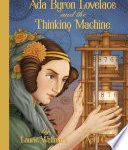
Ada Byron Lovelace and the thinking machine

written by Laurie Wallmark, illustrated by April Chu

Ada Lovelace, the daughter of the famous romantic poet Lord Byron, develops her creativity through science and math. When she meets Charles Babbage, the inventor of the first mechanical computer, Ada understands the machine better than anyone else and writes the world’s first computer program in order to demonstrate its capabilities.

Fiction

Hello Ruby: Adventures in coding

by Linda Liukas

Grades: K-3

Meet Ruby, a small girl with a huge imagination, and the determination to solve any puzzle. As Ruby stomps around her world making new friends, including the Wise Snow Leopard, the Friendly Foxes, and the Messy Robots, kids are introduced to the fundamentals of computational thinking, like how to break big problems into small ones, create step-by-step plans, and look for patterns. These basic concepts at the core of coding and programming are reinforced through exercises and activities that encourage exploration and creativity.

Sasha Savvy loves to code

written by Sasha Ariel Alston, illustrated by Vanessa Brantley-Newton

Grades: 2-5

Sasha isn’t looking forward to Coding Camp, she’s worried it will be boring and doesn’t think she’s very good with computers. Sasha’s mom, who is a Software Developer, helps her build her confidence and prepares Sasha to tackle any bugs that may arise. This book will help students build confidence related to computational thinking and serve as a reminder that everyone can code.

Non-Fiction

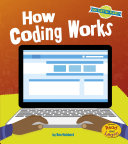
How coding works

by Ben Hubbard

Grades: K-3

Learn about some of the key areas of coding, including what programs, codes, and algorithms are; what coding is like; how coding languages are different, and how one becomes a programmer.

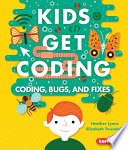
Coding, bugs, and fixes

written by Heather Lyons and Elizabeth Tweedale, illustrated by Alex Westgate.

Grades: K-3

How do computers know what you want them to do? They receive instructions called code with the specific steps needed to perform a task. Learn how to create codes, what happens when instructions are out of order, and how mistakes are fixed. For more in the Kids get coding series, click here.

A world of programming

written by Heather Lyons and Elizabeth Tweedale, illustrated by Alex Westgate

Grades: K-3

Learn about programming and computer basics, including types of information, file size, and bits using real-world examples and fun illustrations. Also includes activities for both online and offline to solidify learning. For more in the Kids get coding series, click here.

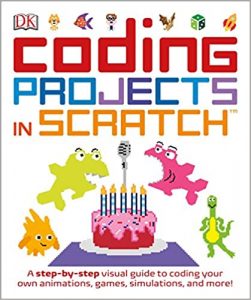
Coding projects in Scratch

by Jon Woodcock

Grades: 3-7

This book provides step-by-step instructions for students to create their own artwork, animations, sounds, and more in Scratch, a free and fun programming language. Introduces students to the basics of coding while promoting problem solving and collaboration. See also, Coding Games in Scratch and Coding in Scratch: Projects Workbook.

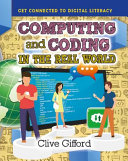
Computing and coding in the real world

by Clive Gifford

Grades: 4-6

This book uses everyday objects, such as scanners at the grocery store or street lights, to show students how computing and coding is used in the real world. Also helps to acquaint students with the rules of coding which they can apply in future projects. For more in the Get connected to digital literacy series, click here.

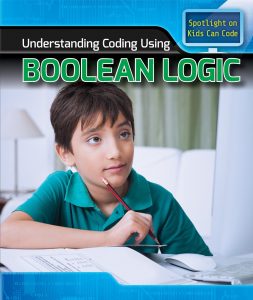
Understanding coding using Boolean logic

by Patricia Harris

Grades: 4-7

George Boole, for whom Boolean logic is named, developed the idea of expressing any idea as a mathematical or logical statement. Today, Boolean logic is foundational to computer programs and computer hardware, but it is also important in our everyday thinking. This guide includes an overview of logic gates and a review of differences between computer logic and human logic. For more in the Spotlight on kids can code series, click here.

How to code in 10 easy lessons

by Sean McManus

Grades: 6-8

This book starts by asking the question, “What is coding?” and shows what coding skills are. Then readers get to see how to use Scratch coding software to write simple code, use loops, and debug, to create a webpage, and even make a computer game. Includes easy-to-follow instructions and step-by-step graphics.

Python for teenagers: Learn to program like a superhero!
by James R. Payne

Grades: 7-12

This books is specifically designed for teens, introducing them to Python with examples and activities that are age and interest appropriate. Covers Python basics and teaches teens how to build websites, fix bugs and errors, and create their own games. eBook only.


Finding More Resources

To find more resources in this area, try the following:

  • Search using the General tab on the UBC Library website to look for material in all UBC Library branches.
  • Search using “Search Education Resources” box in the left hand bar on the Education Library website to limit your results to materials in the Education Library.
  • Use specific search terms to narrow your results, such as “Computer programming — Juvenile literature”, “Computer science–Study and teaching”.
  • To find lesson plans, include “lesson plans”, “lesson planning”, or “activity programs” in your search terms.

For more help with searching, please visit the Library Service Desk or e-mail ed.lib@ubc.ca.

Categories
Applied Design Skills and Technology

Business Education

Listed below are selected teacher resources, picture books, and non-fiction related to business education.

Teacher Resources

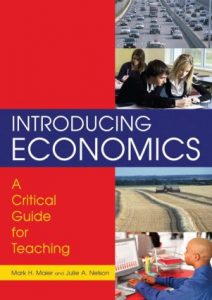
Introducing economics: A critical guide for teaching
by Mark H. Maier and Julie Nelson

Grades: 9-12

A comprehensive and practical guide that covers the how and why of teaching economics to secondary students. This book focuses on making economics relevant to students by covering real-life topics such as, economics and the environment, the distribution of income and wealth, discrimination, labor unions, globalization, the power of corporations, and more. eBook only.

Grades: 9-12

This book explores subject-specific pedagogy for business, economics, and enterprise education. Includes relevant case studies, reflective questions to guide practice, assessment tools, strategies for differentiation and more. eBook only.

Innovative instructional strategies in business education

edited by Diane J. Fisher

Grades: 10-12

Each chapter tackles a different topic and provides suggestions on how to create innovative, relevant, and engaging business education for students. Topics covered include, utilizing social media, integrating community service in business education, redefining assessment, reimagining finance and accounting, ethics in business, and more. For more in the National Business Education Association yearbook series, click here.

Teaching entrepreneurship: A practice-based approach
by Heidi M. Neck, Patricia G. Greene, and Candida G. Brush

Grades: 11-12

This books takes a practice-based approach to teaching entrepreneurship, focusing specifically on the practices of play, empathy, creation, experimentation, and reflection. Each practice is accompanied by a chapter of exercises that allow students to apply these concepts to case studies and activities.

Picture Books

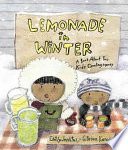
Lemonade in winter: A book about two kids counting money

written by Emily Jenkins, illustrated by G. Brian Karas

A lemonade stand in winter? Yes, that’s exactly what Pauline and John-John intend to have, selling lemonade and limeade–and also lemon-limeade. With a catchy refrain (Lemon lemon LIME, Lemon LIMEADE! Lemon lemon LIME, Lemon LEMONADE!), they try to attract customers as Pauline adds up their earnings.

Non-Fiction

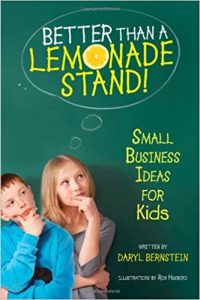
Better than a lemonade stand!: Small business ideas for kids
written by Daryl Bernstein, illustrations by Rob Husberg

Grades: 4-8.

Provides over 50 simple business ideas for kids that they can execute independently. Encourages kids to get creative and apply concepts such as marketing, financial management, and networking in a fun and interactive way.

Your start-up starts now! A guide to entrepreneurship series

various authors

Grades: 5-8

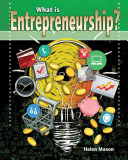
A series of books which explore the traits, skills, and values that are integral to entrepreneurship, as well as the steps to take to start your own business in different fields of entrepreneurship. Titles in the series include: What is Entrepreneurship?, What is Social Entrepreneurship?, What is Environmental Entrepreneurship?, and What is Digital Entrepreneurship?

Consumer culture

by Craig Harding and Glyn Hughes

Grades: 6-9

Part of the Issues 21 series, which examines contemporary issues in society in order to develop students’ skills in the areas of critical thinking, creativity, communication, collaboration, ethical citizenship and activism. Includes 6 student books and a teacher’s guide.

The accounting game: Basic accounting fresh from the lemonade stand

Darrell Mullis and Judith Orloff

Grades: 10-12

This book makes accounting and the related concepts accessible by using the familiar scenario of running a lemonade stand. Students will be introduced to concepts such as assets, liabilities, inventory, notes payable, and more, and given the chance to apply these concepts through activities and worksheets.


Finding More Resources

To find more resources in this area, try the following:

  • Search using the General tab on the UBC Library website to look for material in all UBC Library branches.
  • Search using “Search Education Resources” box in the left hand bar on the Education Library website to limit your results to materials in the Education Library.
  • Use specific search terms to narrow your results, such as “Entrepreneurship–Juvenile literature”, “Business education”, “Business education–Study and teaching”.
  • To find lesson plans, include “lesson plans”, “lesson planning”, or “activity programs” in your search terms.

For more help with searching, please visit the Library Service Desk or e-mail ed.lib@ubc.ca.

Spam prevention powered by Akismet