Categories
Accessibility Diversity and Diverse Learners Inclusive Classroom Language Arts Spanish

Bilingual and Multilingual Picture Books: Spanish

Listed below are bilingual language picture books in Spanish and English, and multilingual books which include Spanish.

Bilingual books
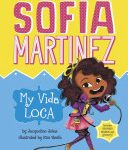
My Vida Loca

by Jacqueline Jules; illustrated by Kim Smith

Even the most basic chores can be fun when Sofia is involved! From washing a car to cooking with grandma, this smart and funny 7-year-old knows how to make every moment count. Follow Sofia through three every day adventures in this early chapter book and find out why Sofia has such a crazy life! Includes Spanish words and glossary.
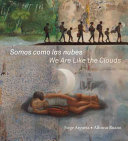
Somos Como las Nubes: We Are Like the Clouds

by Jorge Argueta; pictures by Alfonso Ruano; translated by Elisa Amado

Why are young people leaving their country to walk to the United States to seek a new, safe home? Over 100,000 such children have left Central America. This book of poetry helps us to understand why and what it is like to be them.

¿Por qué los jóvenes que salen de su país para caminar a los Estados Unidos para buscar un hogar nuevo y seguro? Más de 100.000 niños han salido de Centroamérica. Este libro de poesía nos ayuda a entender por qué y cómo es ser ellos.
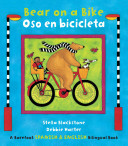
Bear on a Bike: Oso en Bicicleta

by Stella Blackstone and Debbie Harter; translated by Maria Pérez

Follows Bear as he rides a bicycle to the market, a wagon to the prairie, and even a carriage to a castle. Features various modes of transportation for kids who love things that go. Text is in English with parallel Spanish translation.
Migrant

by José Manuel Mateo and Javier Martínez Pedro; translated from Spanish into English by Emmy Smith Ready

A Mexican boy tells of his journey to the U.S. with his family. They must face many dangers to cross the border, only to experience the uncertainty felt by all undocumented immigrants. Originally published in Spanish  under the title Migrar.
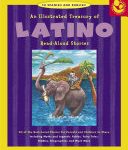
An Illustrated Treasury of Latino Read-Aloud Stories: the World’s Best-Loved Stories for Parent and Child to Share

edited by Maite Suarez-Rivas; translated into Spanish by Alma Mora; illustrated by Ana López Escrivá and others

An Illustrated Treasury of Latino Read-Aloud Stories is a complete collection of time-honored tales from the Latino storytelling tradition. Included are 40 classic myths, legends, fables, and fairy tales, as well as riddles, history, biographies, and modern-day stories.
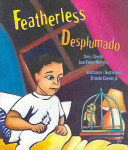
Featherless

by Juan Felipe Herrera; illustrations by Ernesto Cuevas

Although Tomasito’s spina bifida keeps him in a wheelchair, where he often feels as confined as his flightless and featherless pet bird, he discovers that he can feel free when he is on the soccer field.

Este hermoso libro bilingüe español/inglés tiene como protagonista a Tomasito, un niño con espina bífida y a su mascota, un ave que no tiene plumas. Cuando Tomasito ve por primera vez al pájaro desplumado siente mucho desprecio, pero es gracias a su padre y a su amiga Marlena que el niño aprende a quererlo tal cual es.

My Diary from Here to There

by Amada Irma Pérez; illustration by Maya Christina Gonzalez

One night young Amada overhears her parents whisper of moving from Mexico to Los Angeles where greater opportunity awaits. As she and her family journey north, Amada records in her diary her fears, hopes, and dreams for their lives in the United States. Amada learns that with her family’s love and a belief in herself, she can make any journey and triumph over any change — here, there, anywhere.
Oloyou

by Teresa Cárdenas; pictures by Margarita Sada; translated by Elisa Amado

Oloyou the Cat, the very first creature that the God-child creates, is also the very first friend. God-child and Oloyou play together for hours on end, until one day the cat falls into the void and lands in the dark, featureless, sea kingdom of ferocious Okún Aró. Oloyou is terribly lonely until he meets Aró’s mermaid daughter and falls madly in love. Infuriated, the father flings the pair into the heavens, where they become an everlasting part of the night sky.
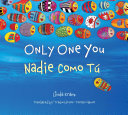
Only One You: Nadie Como Tú

by Linda Kranz

Little fish Adri promises to remember his parents’ words of wisdom about how to live his life, such as “Find your own way. You don’t have to follow the crowd” and “Make wishes on the stars in the nighttime sky.”
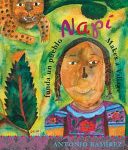
Napí Funda un Pueblo

by Antonio Ramírez; pictures by Domi; translated by Elisa Amado

The government is building a dam, forcing the Mazateca people to make a new village for themselves on inhospitable land. Nap recounts what she remembers of this time Ñ traveling upriver to the place where they will resettle, the frighteningly beautiful jaguar she sees by the spring, the fierce fires that clear the land for farming, how her father has to walk all day to a far-off town so that he can buy food for the family. But what stands out in her mind very strongly is the misfortune that occurs when her father is kicked by a horse, which she first envisions in a vivid dream. It is Nap who hastens back to the village to fetch her mother and uncles, her rapidity ensuring her father’s survival.
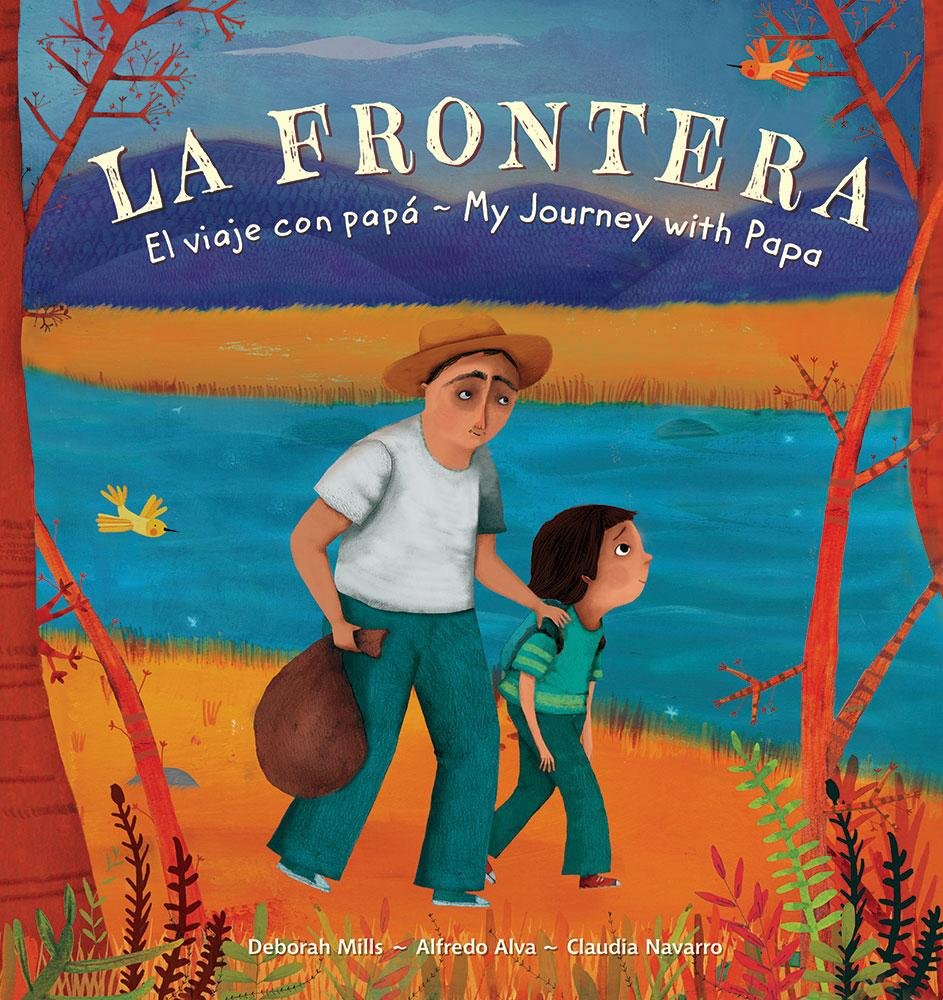
La Frontera: El Viaje Con Papa / My Journey with Papa : Mills, Deborah, Alva, Alfredo, Navarro, Claudia: Books - Amazon

La Frontera: El viaje con papá ~ My Journey with Papa

by Deborah Mills and Alfredo Alva; pictures by Claudia Navarro

Alfredo y su papá deben cruzar la frontera en un viaje difícil de México a los Estados Unidos. ¿Encontrarán el nuevo hogar que están buscando en el otro lado? Basándose en hechos reales, esta historia cobra vida gracias a la ilustradora Mexicana Claudia Navarro, y está repleta de notas al final del texto para iniciar conversaciones sobre inmigración.

Join a young boy and his father on a daring journey from Mexico to Texas to find a new life. They’ll need all the resilience and courage they can muster to safely cross the border – la frontera – and to make a home for themselves in a new land.

Multilingual Books
Don’t Move! = Ne bouge pas! = ¡No te muevas!

by Anne-Sophie Tilly; Julien Chung; traducido por Yanitzia Canetti

Don’t Move! is the companion book to Hurry Up, where simple one word pages and bold illustrations help multilingual and bilingual children learn common and uncommon animal names in English, French, and Spanish.

Hurry Up! = Dépêche-toi! = ¡Apúrate!

by Anne-Sophie Tilly; Julien Chung; traducido por Yanitzia Canetti

With only one word per page, simple, bold illustrations, and a surprise ending this book can be used to expose toddlers to the names of animals in English, French, and Spanish. Those featured include common ones like lion or monkey, but there are also ones that may be new to children, like iguana or pink flamingo.

Finding More Resources

To find more Dual-Language (Bilingual) Picture books, try the following:

  • Search using the General tab on the UBC Library website to look for material in all UBC Library branches.
  • Open Summon Advanced Search
  • Choose Subject Terms from the drop down menu and type “bilingual”
  • On the next line, choose AND and find Subject Terms from the drop down menu again and type “fiction”
  • Click Search
  • To limit your results to materials in the Education Library, use “Search Education Resources” box in the left hand bar on the Education Library website and search for “bilingual” AND “fiction”
  • For bilingual books in Spanish and English use the subject heading Spanish language materials–Bilingual.

For more help with searching, please visit the Library Service Desk or e-mail ed.lib@ubc.ca.

Categories
Inquiry-Based Learning

Inquiry-Based Learning: Picture Books

Below are selected picture books which can be used to introduce students to Inquiry-Based Learning.

What do you do with an idea?

written by Kobi Yamada, illustrated by Mae Besom

A boy has an idea which makes him uncomfortable at first, but he discovers it is magical and that, no matter what other people say, he should give it his attention.

Ada Twist, Scientist

written by Andrea Beaty, illustrated by David Roberts

Ada is curious; she spends almost all her time asking questions about why things are the way they are. Her family supports her – at least, until the day she looks for the source of a horrible smell.

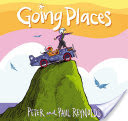
Going Places

by Peter H. Reynolds and Paul A. Reynolds

Maya is following her own set of rules for this year’s Oak Hill School go-kart race.

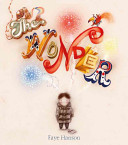
The Wonder

by Faye Hanson

A little boy is constantly being told to get his head out of the clouds; when his daydreams finally come out, he creates something wonderful he can share with everyone.

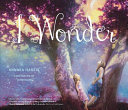
 I Wonder

by Annaka Harris, illustrated by John Rowe

On a walk with her mother, a little girl discovers that it’s okay to say “I don’t know”, and that sometimes even adults don’t know the answers to questions.

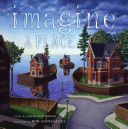
Imagine a place

by Sarah L. Thomson, illustrated by Rob Gonsalves

Imagining can take a person anywhere they’d like to go, whether it’s real or not.

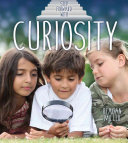
Step forward with curiosity

by Shannon Welbourn

Curiosity can help people to discover amazing new places, inventions, and ideas.

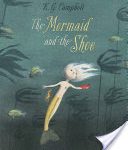
The mermaid and the shoe

by K. G. Campbell

Minnow seems to only be good at asking questions; when she finds a strange object, her questions take her to a wondrous new place.

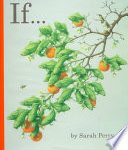
If…

by Sarah Perry

What if frogs ate rainbows? What if cats could fly? What if worms had wheels? When you start to ask unusual questions, you just might find interesting and unexpected answers.

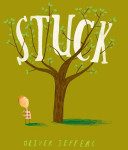
Stuck

by Oliver Jeffers

Floyd’s kite is stuck in a tree. It shouldn’t be too hard to get it out if he throws his shoe at it…or maybe an orangutan…or how about his front door? What might finally get it out?

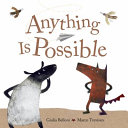
Anything is possible

written by Giulia Belloni, illustrated by Marco Trevisan, translated by William Anselmi

A sheep dreams of building a flying machine. Her friend the wolf thinks it will never work. But when they start working together on the project, amazing things happen.


Finding More Resources

To find more resources in this area, try the following:

  • Search using the General tab on the UBC Library website to look for material in all UBC Library branches.
  • Search using “Search Education Resources” box in the left hand bar on the Education Library website to limit your results to materials in the Education Library.
  • Use specific search terms to narrow your results, such as “inquiry based learning”, “inquiry-based learning”, or “inquiry”.
  • To find picture books, include “children’s books”, “juvenile literature”, “juvenile fiction” or “picture books” in your search terms.
  • To find lesson plans, include “lesson plans”, “lesson planning”, or “activity programs” in your search terms.

For more help with searching, please visit the Library Service Desk or e-mail ed.lib@ubc.ca.
Categories
Sciences

Teaching Science Disciplines

Listed below are selected teacher resources for teaching the Science disciplines.

Teacher Resources

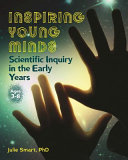
Inspiring young minds: Scientific inquiry in the early years

by Julie Smart

Grades: K-3

This book provides a concrete guide to using research-based principles of inquiry to help children explore their world, using case studies to focus on the teacher’s interaction with children.

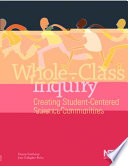
Whole-class inquiry: Creating student-centered science communities

by Dennis Smithenry and Joan Gallager-Bolos

Grades: 7-12

The authors present ideas, techniques and resources for implementing whole-class inquiry in the middle and high school science classroom.

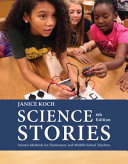
Science stories: Science methods for elementary and middle school teachers

by Janice Koch

Grades: K-8

Through narratives about science teaching and learning in real-world classrooms, this text demonstrates learning, important content, and strategies in action. Koch’s approach guides teachers in discovering and exploring their scientific selves, enabling them to learn from students’ experiences and become effective scientific explorers in their own classrooms.

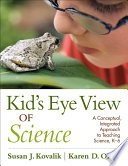
Kid’s eye view of science: A conceptual, integrated approach to teaching science, K-6

by Susan J. Kovalik and Karen D. Olsen

Grades: K-6

The authors demonstrate how to teach science conceptually through the lens of “big ideas” such as change, interdependence, and adaptation. The book includes charts, graphics, forms, and summaries that help teachers translate abstract concepts into concrete lessons; a comprehensive discussion of brain research, including helpful tips to assimilate 10 body-brain-compatible elements into the classroom; and practical hands-on guidance for enriching science programs and improving student outcomes.

Formative assessment for secondary science teachers

by Erin Marie Furtak

Grades: 7-12

The author demonstrates how to create and implement formative assessments in all science content areas – physics/physical science, life science/biology, earth and space science, and chemistry – in middle and high school science classrooms. Five types of formative assessments are discussed: big idea questions, concept maps, evidence-to-explanation, predict-observe-explain, and multiple choice.

The really useful book of science experiments: 100 easy ideas for primary school teachers

by Tracy-ann Aston

Grades: K-6

This book provides simple-to-do science experiments that can be carried out by any teacher in a primary school classroom with minimal or no specialist equipment needed. Each experiment is accompanied by a subject knowledge guide, as well as suggestions for how to adapt each experiment to increase or decrease the challenge. (E-book)

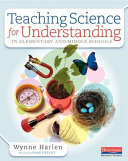
Teaching science for understanding in elementary and middle schools

by Wynne Harlen

Grades: K-8

This book explores how to build on the ideas students already have to cultivate the thinking and skills necessary for developing an understanding of scientific aspects of the world, including investigating and drawing conclusions from data through analyzing, interpreting, and explaining.

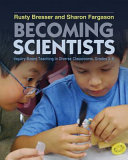
Becoming scientists: Inquiry-based teaching in diverse classrooms, grades 3-5

by Rusty Bresser and Sharon Fargason.

Grades: 3-5

Using examples from classrooms where teachers practice inquiry science and engage students in science and engineering practices, the authors show teachers how to build on students’ varied experiences, background knowledge, and readiness; respond to the needs of students with varying levels of English language proficiency; manage a diverse classroom during inquiry science exploration; and facilitate science discussions.

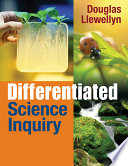
Differentiated science inquiry

by Douglas Llewellyn

Grades: K-8

The author gives teachers standards-based strategies for differentiating inquiry-based science instruction to more effectively meet the needs of all students. This book takes the concept of inquiry-based science education to a deeper level with the author’s unique model, including fresh ideas for engaging students and practical tools for differentiating inquiry instruction.

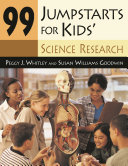
99 jumpstarts for kids’ science research

by Peggy J. Whitley and Susan Williams Goodwin

Grades: 4-8

The authors’ pathfinder approach aids students in the research process, helping them define important terms, offer beginning questions to help narrow their topic, furnish source ideas, and engage in fun activities to explore each topic.

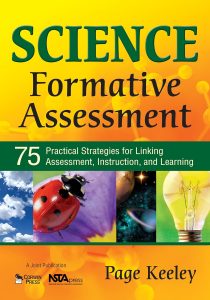
Science formative assessment: 75 practical strategies for linking assessment, instruction, and learning

by Page Keeley

Grades: K-12

This book presents 75 specific formative assessment classroom techniques (FACTs) to help K–12 science teachers determine students’ understanding of key scientific concepts.

Scaffolding science inquiry through lesson design

by Michael Klentschy and Laurie Thompson

Grades: K-8

The authors explore the approach taken in the El Centro, California school district to create a well-designed, inquiry-based science curriculum, which raised student achievement in K-8 science across the district.

100 ideas for secondary teachers: Outstanding science lessons

by Ian McDaid

Grades: 9-12

This book presents 100 practical ideas and activities for science teachers to use in their daily lessons, as well as teaching and planning strategies for those lessons.

Arguing from evidence in middle school science: 24 activities for productive talk and deeper learning

by Jonathan Osborne, Brian M. Donovan, J. Bryan Henderson, et al.

Grades: 5-8

The authors share strategies and activities to help engage students in arguments about competing data sets, opposing scientific ideas, applying evidence to support specific claims, and more. The activities are drawn from the physical sciences, life sciences, and earth and space sciences.


Finding More Resources

To find more resources in this area, try the following:

  • Search using the General tab on the UBC Library website to look for material in all UBC Library branches.
  • Search using “Search Education Resources” box in the left hand bar on the Education Library website to limit your results to physical materials in the Education Library.
  • Use specific search terms to narrow your results, such as “science – study and teaching”, “creative ability in science”, “science – examinations, questions”, etc.
  • To find lesson plans, include “lesson plans”, “lesson planning”, or “activity programs” in your search terms.

For more help with searching, please visit the Library Service Desk or e-mail ed.lib@ubc.ca.
Categories
Inquiry-Based Learning

Inquiry-Based Learning: Middle Years and Secondary Grades

Listed below are selected resources for teachers related to using Inquiry-Based Learning in grades 7-12.

Guided inquiry design in action: Middle school

by Leslie K. Maniotes, LaDawna Harrington, and Patrice Lambusta

Grades: 7-8

This guide offers ready-to-use templates and models for implementing Guided Inquiry Design (GID) in the middle school learning environment, with each supplied lesson laid out according to the session plan templates from GID and a thorough description of the ideal inquiry process from beginning to end. Intended to be used alongside Guided Inquiry Design.

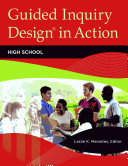
Guided inquiry design in action: High school

edited by Leslie K. Maniotes

Grades: 9-12

This book explains the nuances of GID in the high school context. It also addresses background research, explains guided inquiry and the information search process, and shows how GID serves to heighten student engagement at the high school level by going beyond fact-finding to foster deeper understanding and knowledge creation. Intended to be used alongside Guided Inquiry Design.

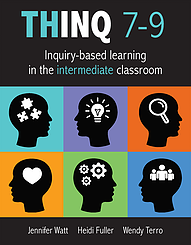
THINQ 7-9: Inquiry-based learning in the intermediate classroom

by Jennifer Watt, Heidi Fuller, and Wendy Terro

Grades: 7-9

This book applies the ideas of inquiry-based learning to the specific needs and characteristics of intermediate learners, teachers and classrooms.

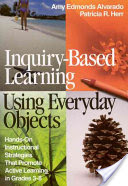
Inquiry-based learning using everyday objects: Hands-on instructional strategies that promote active learning in grades 3-8

by Amy Edmonds Alvarado and Patricia R. Herr

Grades: 3-8

This book explores the concept of using everyday objects as a process initiated both by students and teachers, encouraging growth in student observation, inquisitiveness, and reflection in learning.

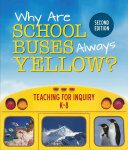
Why are school buses always yellow? Teaching for inquiry, K-8

by John F. Barell

Grades: K-8

The author shares simple yet systematic ways to develop authentic student inquiry that fosters deep learning. This new edition features updates based on the latest research around inquiry-based teaching; examples for grades K–8 across subject areas; and an emphasis on critical thinking about technologies.

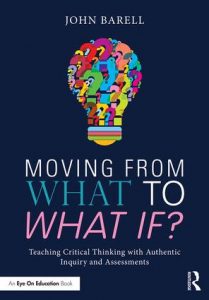
Moving from what to what if?: Teaching critical thinking with authentic inquiry and assessments

by John Barell

Grades: 7-12

This book outlines how teachers can challenge students to grapple with complex problems and engage more meaningfully with information across the content areas, rather than rely solely on rote memorization and standardized testing to measure academic success. (E-book only)

Authentic learning in the digital age: Engaging students through inquiry

by Larissa Pahomov

Grades: 7-12

The author outlines a framework for learning structured around five core values: inquiry, research, collaboration, presentation, and reflection. For each value, she presents a step-by-step outline for how to implement the value, with examples from teachers in all subject areas; solutions to possible challenges and roadblocks that teachers may experience; and anecdotes from students, offering their perspectives on how they experienced the value in the classroom and after graduation.

A guided inquiry approach to high school research

by Randell K. Schmidt

Grades: 9-12

This book provides a holistic approach to guided inquiry that guides students step-by-step through the cognitive, affective, and social processes involved, including building critical study skills, time management strategies, collaboration techniques, and communication and presentation skills.

The power of questioning: Opening up the world of student inquiry

by Starr Sackstein

Grades: 9-12

Teaching and learning cannot happen without questions, but in the age of Google, teaching needs to change and students need to be reconnected with their early childhood curiosity. This book helps teachers to make students partners in their own learning. (E-book only.)

Inspiring curiosity: A librarian’s guide to inquiry-based learning

by Colette Cassinelli

Grades: 9-12

This book provides strategies for using memorable events to activate students’ natural curiosity and activities for generating essential questions for exploration. Includes ideas and resources to help librarians (and teachers!) be more effective in research and inquiry; tips for developing search strategies and for locating and curating resources; and ideas on evaluating sources and celebrating students’ inquiry beyond the traditional research paper.

Science as inquiry in the secondary setting

edited by Julie Luft, Randy L. Bell, and Julie Gess-Newsome

Grades: 7-12

In 11 concise chapters, leading researchers raise and resolve such key questions as: What is inquiry? What does inquiry look like in specific classes, such as the earth science lab or the chemistry lab? What are the basic features of inquiry instruction? How do you assess science as inquiry?

Whole-class inquiry: Creating student-centered science communities

by Dennis Smithenry and Joan A. Gallager-Bolos

Grades: 9-12

The authors describe their experiences in implementing a student-led, multi-day, project-based whole-class inquiry model in the science classroom. Students consult with one another, make decisions for themselves, and carry out their own investigations to solve the complex problems posed to them.


Finding More Resources

To find more resources in this area, try the following:

  • Search using the General tab on the UBC Library website to look for material in all UBC Library branches.
  • Search using “Search Education Resources” box in the left hand bar on the Education Library website to limit your results to materials in the Education Library.
  • Use specific search terms to narrow your results, such as “inquiry based learning”, “inquiry-based learning”, or “inquiry”.
  • To find lesson plans, include “lesson plans”, “lesson planning”, or “activity programs” in your search terms.

For more help with searching, please visit the Library Service Desk or e-mail ed.lib@ubc.ca.
Categories
Inquiry-Based Learning

Inquiry-Based Learning: Elementary

Listed below are selected resources for teachers, related to using Inquiry-Based Learning in the elementary grades (K-6).

Guided inquiry design in action: Elementary school

by Leslie K. Maniotes

Grades: K-6

Intended to be used alongside Guided Inquiry Design, lessons are laid out using the session plan templates from that book. Included in these lesson plans are lessons created by educators for increased student interaction that enhance the elementary educator’s ability to instruct younger students using the GID process.

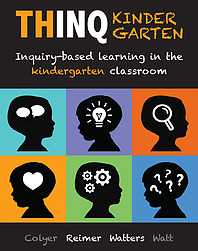
THINQ Kindergarten: Inquiry-based learning in the kindergarten classroom

by Joan Reimer and Debbie Watters

Grades: Kindergarten

THINQ Kindergarten examines the role of educators and learners in an inquiry-based kindergarten environment.

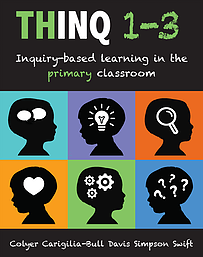
THINQ 1-3: Inquiry-based learning in the primary classroom

by Jill Colyer et al.

Grades: 1-3

THINQ 1-3 examines the role of educators and learners in an inquiry-based primary classroom.

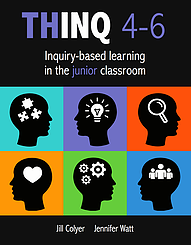
THINQ 4-6: Inquiry-based learning in the junior classroom

by Jill Colyer and Jennifer Watt

Grades: 4-6

THINQ 4-6 applies the ideas of inquiry-based learning to the specific needs and characteristics of junior learners, teachers and classrooms.

Inquiry-based early learning environments: Creating, supporting and collaborating

by Susan Stacey

Grades: K-3

This book examines inquiry in all its facets, including environments that support relationships, create a culture of risk-taking in our thinking, support teachers as well as children, include families, and use documentation as a way of thinking about the work of inquiry-based learning.

Inspiring young minds: Scientific inquiry in the early years

by Julie Smart

Grades: K-3

This book provides a concrete guide to using research-based principles of inquiry to help children explore their world, using case studies to focus on the teacher’s interaction with children.

The curious classroom: 10 structures for teaching with student-directed inquiry

by Harvey “Smokey” Daniels, with Sketchnotes by Tanny McGregor

Grades: K-6

This book provides research-based suggestions that help cover the curriculum by connecting what kids wonder about to what teachers have to teach them. It shares 10 structures, 34 models from teachers, examples of students work, and specific suggestions for assessment and grading.

Inquiry mindset: Nurturing the dreams, wonders, & curiosities of our youngest learners

by Trevor MacKenzie with Rebecca Bathurst-Hunt

Grades: K-3

This book provides teachers with suggestions on how to harness the wonderings and curiosities of students and leverage them into learning opportunities, and how to cultivate an inquiry mindset in both themselves and their students.

Dive into inquiry: Amplify learning and empower student voice

by Trevor MacKenzie

Grades: K-6

This book gives readers a strong understanding of the types of student inquiry and proposes a framework that best prepares both educators and learners for sharing the unpacking of curriculum in the classroom, as they work together towards co-constructing a strong free inquiry unit.

Choice time: how to deepen learning through inquiry and play, preK-2

by Renée Dinnerstein

Grades: K-2

This book describes how to create choice-time centers that promote inquiry-based, guided play in the classroom, including blueprints for six proven choice-time centers, with variations; a guide to arranging classroom space to maximize play’s value and support the child’s growing independence; scheduling suggestions for different grade levels; and ideas to connect centers to the curriculum, giving children greater agency in designing and planning centers.

Inquiry-based learning using everyday objects: Hands-on instructional strategies that promote active learning in grades 3-8

by Amy Edmonds Alvarado and Patricia R. Herr

Grades: 3-8

This book explores the concept of using everyday objects as a process initiated both by students and teachers, encouraging growth in student observation, inquisitiveness, and reflection in learning.

Ways to learn through inquiry: Guiding children to deeper understanding

by Jo Fahey

Grades: K-6

This work demonstrates how inquiry can look and sound in the early years of the International Baccalaureate Primary Years Programme (PYP), helping teachers recognize, guide, and deepen their students’ wonderings in valuable ways.

A year of inquiry: A collection for elementary educators

edited by Linda Froschauer

Grades: K-5

The 36 articles in this collection provide guidance on ways to move students towards doing science and away from lectures, memorization, and cookbook labs.

Why are school buses always yellow? Teaching for inquiry, K-8

by John F. Barell

Grades: K-8

The author shares simple yet systematic ways to develop authentic student inquiry that fosters deep learning. This new edition features updates based on the latest research around inquiry-based teaching; examples for grades K–8 across subject areas; and an emphasis on critical thinking about technologies.


Finding More Resources

To find more resources in this area, try the following:

  • Search using the General tab on the UBC Library website to look for material in all UBC Library branches.
  • Search using “Search Education Resources” box in the left hand bar on the Education Library website to limit your results to physical materials in the Education Library.
  • Use specific search terms, such as “inquiry-based learning” or “inquiry”.
  • To find lesson plans, include “lesson plans”, “lesson planning”, or “activity programs” in your search terms.

For more help with searching, please visit the Library Service Desk or e-mail ed.lib@ubc.ca.
Categories
Inquiry-Based Learning

Inquiry-Based Learning: All Grades

Listed below are selected resources for teachers related to Inquiry-Based Learning at all grade levels.

Guided inquiry: Learning in the 21st century

by Carol C. Kulhthau, Leslie K. Maniotes, and Ann K. Caspari.

Grades: K-12

This book presents an introduction to Guided Inquiry, providing a starting point for considering and planning an inquiry-based learning program.

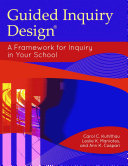
Guided inquiry design: A framework for inquiry for your school

by Carol C. Kulhthau, Leslie K. Maniotes, and Ann K. Caspari.

Grades: K-12

The companion book to ‘Guided inquiry: Learning in the 21st century’. Provides an overview of the Guided Inquiry design framework and details the eight phases in the Guided Inquiry design process, providing examples at all levels.

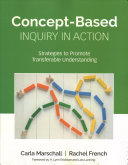
Concept-based inquiry in action: strategies to promote transferable understanding

by Carla Marschall and Rachel French

Grades: K-12

This book provides teachers with tools and resources to organize and focus student learning around concepts and conceptual relationships that support the transfer of understanding, and helps them to implement teaching strategies that support the realization of inquiry-based learning for understanding.

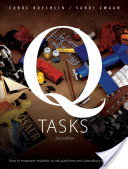
Q tasks: How to empower students to ask questions and care about the answers (2nd edition)

by Carol Koechlin and Sandi Zwaan

Grades: K-12

The original ‘Q Tasks’ showed teachers how to give students the tools they need to develop their own questions and build critical thinking and inquiry skills. The second edition continues to nurture and advance these crucial skills, and also offers Q-task extensions that introduce digital components that facilitate collaboration. Also available as an e-resource.

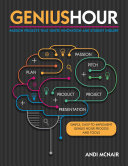
Genius hour: Passion projects that ignite innovation and student inquiry

by Andi McNair

Grades: K-12

This book provides educators with the tools to implement genius hour, or passion projects, in the classroom. Presented through a six-step strategy, teachers will utilize the six P’s–passion, pitch, plan, project, product, and presentation–as a map for students to follow as they create, design, and carry out projects.

 The Genius Hour guidebook: Fostering passion, wonder, and inquiry in the classroom

by Denise Krebs and Gallit Zvi

Grades: K-12

Genius Hour is a time when students can develop their own inquiry-based projects around their passions and take ownership of their work. This book provides suggestions for teachers to help students develop inquiry questions based on their interests, conduct research to learn more about their topic, create presentations to share their work, and present their finished product for assessment.

Cultivating curiosity in K-12 classrooms: How to promote and sustain deep learning

by Wendy L. Ostroff

Grades: K-12

This book describes how teachers can create a structured, student-centered environment that allows for openness and surprise, in which inquiry guides authentic learning. Ostroff shows how to foster student curiosity through exploration, novelty, and play; questioning and critical thinking; and experimenting and problem-solving.

Love the questions: Reclaiming research with curiosity and passion

by Cathy Fraser

Grades: K-12

This book provides suggestions on how to honour students’ passions, interests, and specific questions; embrace inquiry, curiosity, and exploration; teach students to frame relevant questions throughout the research process; develop projects that include surveys, experiments, and interviews; work with school librarians as educational partners for teachers and students; and assess skills, not memorization.

Comprehension and collaboration: inquiry circles for curiosity, engagement and understanding

by Stephanie Harvey and Harvey “Smokey” Daniels

Grades: K-12

This book presents research in comprehension, collaboration, and inquiry, and gives practical suggestions on connections to inquiry structures such as makers, design thinking, genius hour, and capstone projects, as well as tips on common questions about management and accountability.

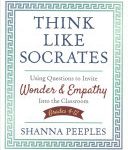
Think like Socrates: Using questions to invite wonder and empathy into the classroom, grades 4-12

by Shanna Peeples

Grades: 4-12

This resource provides questions paired with sample texts; step-by-step lessons for generating and using students’ questions; lesson extensions for English language learners, special education students, and gifted and talented students; and writing suggestions, in-class debate questions, and scoring rubrics.

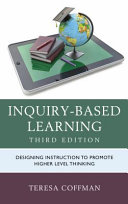
Inquiry-based learning: Designing instruction to promote higher level thinking

by Teresa Coffman

Grades: K-12

This third edition text explores realistic approaches and encourages reflective practice through the creation of instruction around a variety of curricular topics, to include digital citizenship, information literacy, social media, telecollaborative activities, problem-based learning, blended learning, and authentic assessments. Emphasis is placed on developing 21st-century skills within a thinking curriculum.

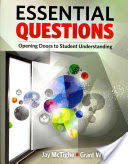
Essential questions: Opening doors to student understanding

by Jay McTighe and Grant P. Wiggins.

Grades: K-12

The creators of the “Understanding by design” framework present ways to incorporate inquiry-based learning into the classroom.

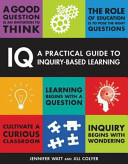
IQ: A practical guide to inquiry-based learning

by Jennifer Watt and Jill Colyer

Grades: K-12

This highly visual and accessible resource explains the inquiry process and offers practical suggestions and tools for successfully implementing inquiry-based learning in the classroom.

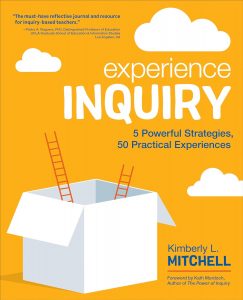
Experience inquiry: 5 powerful strategies, 50 practical experiences

by Kimberly L. Mitchell

Grades: K-12

This resource offers practical examples of what inquiry looks like in the classroom; fifty practical inquiry experiences that can be used individually, with students, or in small groups of teachers; and opportunities for reflection throughout the book, including self-surveys, templates, and tools.

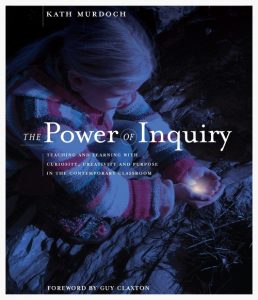
The power of inquiry

by Kath Murdoch

Grades: K-12

This resource is a guide to the implementation of quality inquiry practices in the contemporary classroom. Organized around ten essential questions, each chapter provides both a theoretical and a practical overview of the elements that combine to create learning environments rich in purpose and passion.


Finding More Resources

To find more resources in this area, try the following:

  • Search using the General tab on the UBC Library website to look for material in all UBC Library branches.
  • Search using “Search Education Resources” box in the left hand bar on the Education Library website to limit your results to physical materials in the Education Library.
  • Use specific search terms, such as “inquiry based learning”, “inquiry-based learning”, or “inquiry”.
  • To find lesson plans, include “lesson plans”, “lesson planning”, or “activity programs” in your search terms.

PDF Booklist

For more help with searching, please visit the Library Service Desk or e-mail ed.lib@ubc.ca.
Spam prevention powered by Akismet