Categories
French Sciences

La science en français – French Science

Listed below are selected resources for French learners relating to science.

Vous trouverez ci-dessous une sélection de ressources scientifiques pour les apprenants de français.

Ressources pour les enseignantes (Teacher Resources)
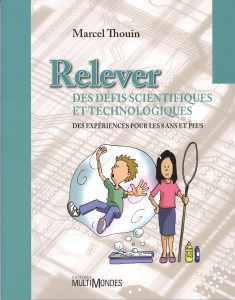
Relever des défis scientifiques et technologiques : des expériences pour les 8 ans et plus

de Marcel Thouin

Niveau scolaire (Grade level): 3 – 8

Les expériences du présent ouvrage de recettes par le fait qu’elles sont des activités de résolution de problème qui permettent une véritable expérimentation par les jeunes. Ces défis, visent à faire évoluer leurs conceptions non scientifiques fréquentes, comportent tous plusieurs solutions ou approches possibles et impliquent une plus grande créativité et une plus grande initiative que de simples activités de manipulation. Ces modules portent sur la structure de la matière, les forces et les mouvements, la chaleur et la pression, le magnétisme et l’électricité, la lumière et le son, les produits chimiques, les planètes et les étoiles, la Terre et l’atmosphère, les champignons et les végétaux, les micro-organismes et les animaux, le corps humain, l’environnement, les techniques de la construction, les techniques du mouvement, les techniques de la lumière, du son et des communications ainsi que les techniques de l’alimentation et du vêtement.

Manuels scolaires (Textbooks)
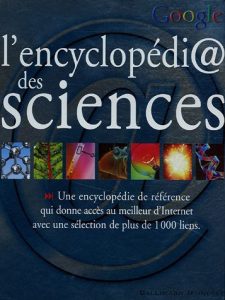
l’encyclopedi@ de sciences

de Fran Baines

Niveau scolaire (Grade level): 6 – 8

En plus de 150 doubles pages thématiques réparties sous 8 rubriques (matière et matériaux, forces et énergie, électricité et magnétisme, l’espace, la Terre, les plantes, les animaux et le corps humain), cette encyclopédie abondamment illustrée de photographies, schémas et dessins propose une initiation fort bien structurée au monde des sciences.
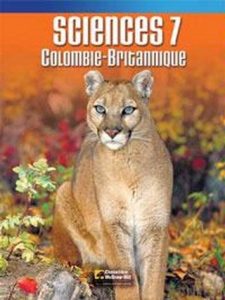
Sciences 7, Colombie-Britannique

de Adrienne Mason, et. al.

Niveau scolaire (Grade level): 7

Les manuels présentent des photographies, des contextes, des modèles de comportement et des carrières propres à cette province. De plus, ils offrent un contenu autochtone original. La présentation est adaptée à l’âge des élèves et favorise ainsi l’acquisition de compétences scientifiques. Une grande variété d’activités pratiques stimulantes, des éléments visuels attrayants ainsi que des liens Internet font de ces manuels des outils pratiques et efficaces.
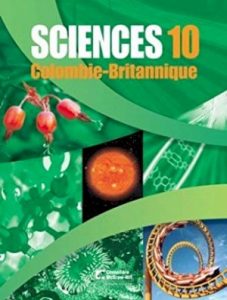
Sciences 10, Colombie-Britanique

de Lionel Sandner, et. al.

Niveau scolaire (Grade level): 10

Une grande variété d’activités pratiques stimulantes, des éléments visuels attrayants ainsi que des liens Internet font de ces manuels des outils pratiques et efficaces. Ce livre couvre des sujets tels que la génétique et l’hérédité, les réactions chimiques, la transformation de l’énergie et la formation de l’univers.

Non-fiction
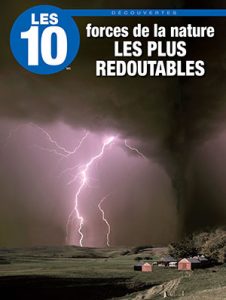
Les 10 forces de la nature les plus redoutables

de Jeffrey D. Wilhelm

Niveau scolaire (Grade level): 5 – 8

De nombreuses forces de la nature frappent la Terre. Des forces telles que les seismes, les ouragans et les eruptions volcaniques, entre autres, sont si puissantes qu’elles font trembler le sol et en modifient la surface. Certaines forces peuvent engloutir des pates de maisons et meme des villages. D’autres peuvent assecher le sol. Et d’autres encore peuvent inonder de vastes regions ou consumer des forets entieres. Nous te presentons ici les 10 forces de la nature qui, selon nous, sont les plus redoutables.
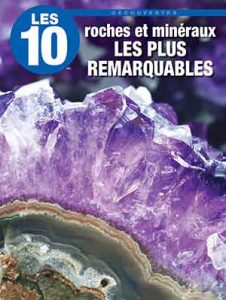
Les 10 roches et mineraux les plus remarquables

de Jeffrey D. Wilhelm

Niveau scolaire (Grade level): 5 – 8

Peux-tu imaginer un monde sans roches ni minereaux? La vie y serait presque impossible puisque les roches et les mineraux entrent dans la composition de tant d’objets que nous utilisons chaque jour. Sans les roches et les mineraux, nous n’aurions ni voitures, ni routes, ni ordinateurs. Sans compter que de petites quantites de nombreux mineraux sont essentielles a notre sante. Dans ce livre, nous te presentons les 10 roches et mineraux qui, selon nous, sont les plus remarquables.
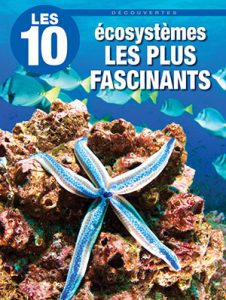
Les 10 ecosystemes les plus fascinants

de Jeffrey D. Wilhelm

Niveau scolaire (Grade level): 5 – 8

Un ecosysteme est une communaute d’organismes vivants. Ces organismes interagissent avec les elements non biologiques de leur milieu, tels que le sol, la lumiere solaire et l’eau. Chaque aspect d’un ecosysteme joue un role essentiel dans la survie de ce dernier. Tous ses elements sont interdependants. Les animaux et les plantes qui vivent dans l’ecosysteme dependent les uns des autres pour leur survie. Ils dependent aussi de leur milieu. Dans ce livre, nous te presentons les 10 ecosystemes que nous jugeons les plus fascinants.
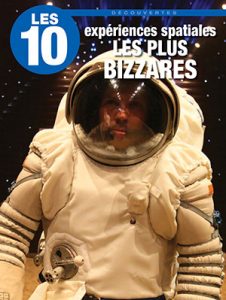
Les 10 experiences spatiales les plus bizarres

de Jeffrey D. Wilhelm

Niveau scolaire (Grade level): 5 – 8

Pense a ce que tu fais les jours, comme jouer a un jeu, manger un sandwich ou te brosser les dents. Maintenant, imagine ce que ce serait de faire ces activites dans l’espace, sans gravite. Pourrais-tu les faire de la meme facon? Si non, pourrais-tu trouver d’autres facons de t’y prendre? Dans ce livre, nous tes presentons les 10 experiences spatiales qui, a notre avis, ont ete les plus bizarres.

Les livres d’images (Picture Books)

Protéger la Terre

texte de (writer) Louise Spilsbury; illustrations de (illustrator) Hanane Kai

Niveau scolaire (Grade level): Kindergarten – 6

La planète bleue. Gaia. Terra. Voici quelques-uns des surnoms de notre belle planète. Malgré ces nombreuses appellations, il n’y a qu’une seule Terre. Des minuscules insectes que l’on rencontre en forêt aux énormes baleines nageant dans l’océan, elle apporte à tous ses habitants les ressources nécessaires à la vie. Mais notre planète est en danger, et nous devons la sauver! Dans cet album informatif et d’actualité, les jeunes lecteurs seront fascinés par l’abondance de faits captivants sur notre planète. Grâce à un glossaire et à des suggestions de lecture, les enfants, les enseignants et les parents pourront tous en apprendre davantage sur le réchauffement climatique.


Trouver d’autres ressources

Voici quelques conseils pour trouver d’autres ressources dans ce domaine :

  • Sur la page principale du site de la bibliothèque de l’UBC, utilisez la boîte de recherche générale pour rechercher des matériaux à travers toutes les succursales de la bibliothèque de l’UBC.
  • Pour limiter vos résultats aux matériels disponibles à la Bibliothèque de l’éducation, visitez le site web de la Bibliothèque de l’éducation et effectuez une recherche à l’aide de la case “Search Education Resources” située dans la bande à gauche de l’écran.
  • Remarque : les ressources étant principalement cataloguées en anglais, les termes ci-dessous donnent généralement plus de résultats que les recherches effectuées en français. Vous pouvez filtrer votre liste de résultats par langue dans la barre latérale de gauche.
  • Utilisez des termes de recherche spécifiques, tels que
    • “scientific thinking”, “water cycle”, “geology”, “energy”, “biomes”, “science-study and teaching”, etc.
  • Pour trouver des plans de cours, incluez “lesson plans”, “lesson planning”, or “activity programs” dans vos termes de recherche.

Finding More Resources

To find more resources in this area, try the following:

  • Search using the General tab on the UBC Library website to look for material in all UBC Library branches.
  • Search using “Search Education Resources” box in the left hand bar on the Education Library website to limit your results to physical materials in the Education Library.
  • Use specific search terms, such as
    • “scientific thinking”, “water cycle”, “geology”, “energy”, “biomes”, “science-study and teaching”, etc.
  • To find lesson plans, include “lesson plans”, “lesson planning”, or “activity programs” in your search terms.
Categories
Sciences

Forces and Motion

Listed below are selected teacher resources, picture books, fiction, and non-fiction related to forces and motion.

Teacher Resources

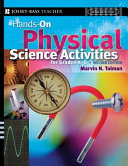
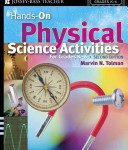
Hands-on physical science activities for grades K-6

by Marvin N. Tolman

Grades: K-6

This book’s activities follow the discovery/inquiry approach and encourage students to analyze, synthesize, and infer based on their own hands-on experiences. Topics include the nature of matter, energy, light, sound, simple machines, magnetism, static electricity, and current electricity.

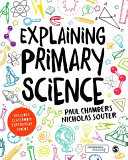
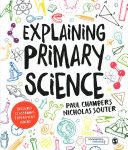
Explaining primary science

by Paul Chambers and Nicholas Souter

Grades: K-6

The authors cover all the major areas of science relevant for beginning primary/elementary school teachers, explaining key concepts from the ground up. Topics include forces, matter, energy, biodiversity and ecosystems, water, light, sound, and more.

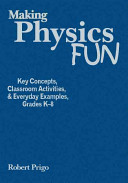
Making physics fun: Key concepts, classroom activities, & everyday examples, grades K-8

by Robert Prigo

Grades: K-8

The author provides fun and engaging activities using safe, available materials that educators can easily incorporate into lesson plans. Extensive examples, sample inquiry questions, and ideas for initiating units are available for teachers to pick and choose from to meet student needs. This resource addresses specific areas of physical science, including motion and force, waves and sound, light and electromagnetic waves, and more.

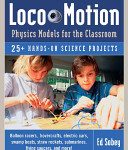
Loco-motion: Physics models for the classroom

by Ed Sobey

Grades: 5-8

This activity book contains  instructions and guidelines for building physics models that fly through the air, drive on the ground, or paddle through water. Each model is presented in a specific educational context, so teachers can instruct with hands-on experimentation. Students will explore science concepts such as gravity, air pressure, kinetic energy, Newton’s laws, electrical circuitry, buoyancy, and inertia.

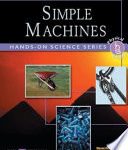
Simple machines

by Steven Souza and Joseph Shortell

Grades: 7-12

This book allows students to investigate force and motion through 17 activities that explore the mechanical advantage of the six types of simple machines: inclined planes, pulleys, gears, screws, levers and the wheel. The concepts of force, work and power are also explored.

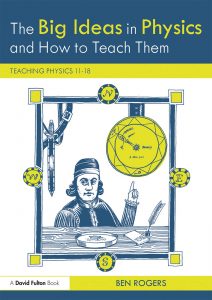
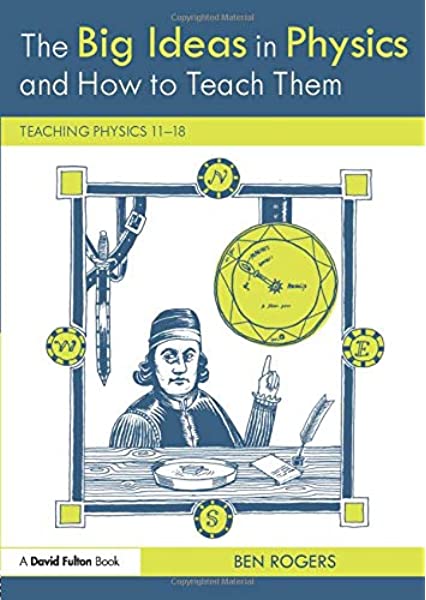
The big ideas in physics and how to teach them: Teaching physics 11-18

by Ben Rogers

Grades: 7-12

Each chapter of this book provides the historical narrative behind a Big Idea, explaining its significance, the key figures behind it, and its place in scientific history. Accompanied by detailed ready-to-use lesson plans and classroom activities, the book contains not only a thorough explanation of physics, but also the applied pedagogy to ensure its effective translation to students in the classroom. Each of the five big ideas in physics are covered in detail: electricity, forces, energy, particles, and the universe. (E-book only.)

Picture Books

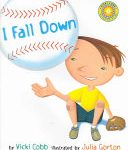
 I fall down

written by Vicky Cobb, illustrated by Julia Gorton

What happens when you trip or when you drop a ball? When something falls, which way does it fall? Down, down, down! Explore the force of gravity through this book.

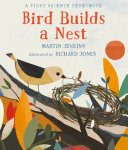
Bird builds a nest

written by Martin Jenkins, illustrated by Richard Jones

Follow Bird as she spends the day building her nest, making sure that everything is in the right place to hold it together. Using a falling twig as an example, this book provides an introduction to physical forcers for early readers.

Fiction

 A crash course in forces and motion with Max Axiom, super scientist,

written by Emily Sohn, illustrated by Steve Erwin and Charles Barnett III

Grades: 3-9

Zoom along as Max Axiom rides his way through a lesson in speed, acceleration, inertia, friction, and gravity. Young readers will discover the complex forces that keep the world running. Part of the Graphic Library series.

Non-Fiction

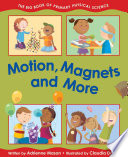
Motion, magnets and more: The big book of primary physical science,

written by Adrienne Mason, illustrated by Claudia Dávila

Grades: K-6

Where do the bubbles come from in a piece of cake? Why do triangles make a structure stronger? And how come magnets don’t stick to the wall? This introduction to the physical sciences gives young readers an easy-to-understand overview of such concepts as materials, forces, structures, solids, liquids and gases.

What is motion?

by Natalie Hyde

Grades: K-3

This book explores how objects are moved by a change in energy. Simple activities show young readers how energy is changed by applying a force, either by coming in contact with an object or by a force that does not touch it physically, like gravity.

Changing direction

by Natalie Hyde

Grades: K-3

This book explains how forces can change the direction of an object in motion. Simple explanations and activities help children understand the science behind forces.

Pushing and pulling

by Natalie Hyde

Grades: K-3

This book explains how a force, such as a push or a pull, can put an object in motion. Simple activities show how a force can move an object that is not moving or stop one that is moving.

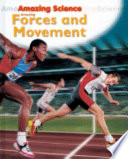
Amazing forces and movement

by Sally Hewitt

Grades: 3-6

This new book introduces children to the concepts of push and pull, friction, and gravity, as well as how our own muscles use force to push us along. Examples include a huge magnet that attracts or pulls iron, wind pushing a water wheel to make it turn, and a skydiver’s parachute slowing down the pull of gravity toward the ground.

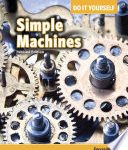
Simple machines: Forces in motion

by Buffy Silverman

Grades: 3-6

How did the Ancient Egyptians build the pyramids? What is an Archimedes’ screw? Which wedge do you use every time you eat? This book helps you answer these questions and more through experiments and activities. Part of the Do it yourself series.

What are Newton’s laws of motion?

by Denyse O’Leary

Grades: 5-8

This book examines how Sir Isaac Newton developed three basic laws that explain the way in which objects move. Readers will learn how Newton expanded on the work of other great scientists to make his important discovery, as well as how Newton’s laws have influenced modern science and technology in areas such as sports and transportation. Part of the Shaping modern science series.

Forces and motion

by Casey Rand.

Grades: 5-8

This book explores questions such as how friction helps you ride a bicycle, how submarines keep from sinking, and what equilibrium is. Part of the Sci-Hi series, which presents middle-school science topics in a format appropriate for less skilled readers.


Finding More Resources

To find more resources in this area, try the following:

  • Search using the General tab on the UBC Library website to look for material in all UBC Library branches.
  • Search using “Search Education Resources” box in the left hand bar on the Education Library website to limit your results to materials in the Education Library.
  • Use specific search terms to narrow your results, such as “force and energy–juvenile literature”, “motion–juvenile literature”, or “physics–study and teaching”.
  • To find lesson plans, include “lesson plans”, “lesson planning”, or “activity programs” in your search terms.

For more help with searching, please visit the Library Service Desk or e-mail ed.lib@ubc.ca.

Categories
Sciences

Teaching Science Disciplines

Listed below are selected teacher resources for teaching the Science disciplines.

Teacher Resources

Inspiring young minds: Scientific inquiry in the early years

by Julie Smart

Grades: K-3

This book provides a concrete guide to using research-based principles of inquiry to help children explore their world, using case studies to focus on the teacher’s interaction with children.

Whole-class inquiry: Creating student-centered science communities

by Dennis Smithenry and Joan Gallager-Bolos

Grades: 7-12

The authors present ideas, techniques and resources for implementing whole-class inquiry in the middle and high school science classroom.

Science stories: Science methods for elementary and middle school teachers

by Janice Koch

Grades: K-8

Through narratives about science teaching and learning in real-world classrooms, this text demonstrates learning, important content, and strategies in action. Koch’s approach guides teachers in discovering and exploring their scientific selves, enabling them to learn from students’ experiences and become effective scientific explorers in their own classrooms.

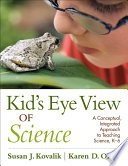
Kid’s eye view of science: A conceptual, integrated approach to teaching science, K-6

by Susan J. Kovalik and Karen D. Olsen

Grades: K-6

The authors demonstrate how to teach science conceptually through the lens of “big ideas” such as change, interdependence, and adaptation. The book includes charts, graphics, forms, and summaries that help teachers translate abstract concepts into concrete lessons; a comprehensive discussion of brain research, including helpful tips to assimilate 10 body-brain-compatible elements into the classroom; and practical hands-on guidance for enriching science programs and improving student outcomes.

Formative assessment for secondary science teachers

by Erin Marie Furtak

Grades: 7-12

The author demonstrates how to create and implement formative assessments in all science content areas – physics/physical science, life science/biology, earth and space science, and chemistry – in middle and high school science classrooms. Five types of formative assessments are discussed: big idea questions, concept maps, evidence-to-explanation, predict-observe-explain, and multiple choice.

The really useful book of science experiments: 100 easy ideas for primary school teachers

by Tracy-ann Aston

Grades: K-6

This book provides simple-to-do science experiments that can be carried out by any teacher in a primary school classroom with minimal or no specialist equipment needed. Each experiment is accompanied by a subject knowledge guide, as well as suggestions for how to adapt each experiment to increase or decrease the challenge. (E-book)

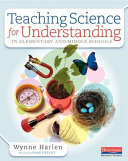
Teaching science for understanding in elementary and middle schools

by Wynne Harlen

Grades: K-8

This book explores how to build on the ideas students already have to cultivate the thinking and skills necessary for developing an understanding of scientific aspects of the world, including investigating and drawing conclusions from data through analyzing, interpreting, and explaining.

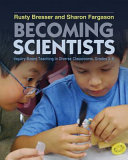
Becoming scientists: Inquiry-based teaching in diverse classrooms, grades 3-5

by Rusty Bresser and Sharon Fargason.

Grades: 3-5

Using examples from classrooms where teachers practice inquiry science and engage students in science and engineering practices, the authors show teachers how to build on students’ varied experiences, background knowledge, and readiness; respond to the needs of students with varying levels of English language proficiency; manage a diverse classroom during inquiry science exploration; and facilitate science discussions.

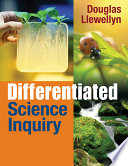
Differentiated science inquiry

by Douglas Llewellyn

Grades: K-8

The author gives teachers standards-based strategies for differentiating inquiry-based science instruction to more effectively meet the needs of all students. This book takes the concept of inquiry-based science education to a deeper level with the author’s unique model, including fresh ideas for engaging students and practical tools for differentiating inquiry instruction.

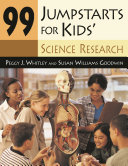
99 jumpstarts for kids’ science research

by Peggy J. Whitley and Susan Williams Goodwin

Grades: 4-8

The authors’ pathfinder approach aids students in the research process, helping them define important terms, offer beginning questions to help narrow their topic, furnish source ideas, and engage in fun activities to explore each topic.

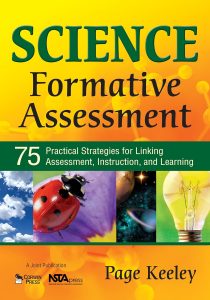
Science formative assessment: 75 practical strategies for linking assessment, instruction, and learning

by Page Keeley

Grades: K-12

This book presents 75 specific formative assessment classroom techniques (FACTs) to help K–12 science teachers determine students’ understanding of key scientific concepts.

Scaffolding science inquiry through lesson design

by Michael Klentschy and Laurie Thompson

Grades: K-8

The authors explore the approach taken in the El Centro, California school district to create a well-designed, inquiry-based science curriculum, which raised student achievement in K-8 science across the district.

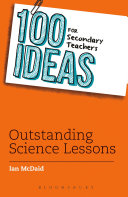
100 ideas for secondary teachers: Outstanding science lessons

by Ian McDaid

Grades: 9-12

This book presents 100 practical ideas and activities for science teachers to use in their daily lessons, as well as teaching and planning strategies for those lessons.

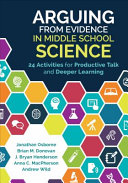
Arguing from evidence in middle school science: 24 activities for productive talk and deeper learning

by Jonathan Osborne, Brian M. Donovan, J. Bryan Henderson, et al.

Grades: 5-8

The authors share strategies and activities to help engage students in arguments about competing data sets, opposing scientific ideas, applying evidence to support specific claims, and more. The activities are drawn from the physical sciences, life sciences, and earth and space sciences.


Finding More Resources

To find more resources in this area, try the following:

  • Search using the General tab on the UBC Library website to look for material in all UBC Library branches.
  • Search using “Search Education Resources” box in the left hand bar on the Education Library website to limit your results to physical materials in the Education Library.
  • Use specific search terms to narrow your results, such as “science – study and teaching”, “creative ability in science”, “science – examinations, questions”, etc.
  • To find lesson plans, include “lesson plans”, “lesson planning”, or “activity programs” in your search terms.
For more help with searching, please visit the Library Service Desk or e-mail ed.lib@ubc.ca.

Categories
Sciences

The Water Cycle

Listed below are selected teacher resources, picture books, and non-fiction related to the water cycle. You may also find useful resources on our Earth Sciences booklist.

Teacher Resources

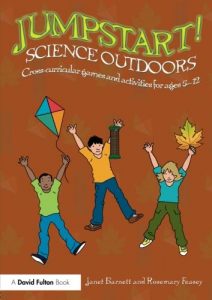
Jumpstart! Science outdoors: Cross-curricular games and activities for ages 5-12

by Janet Barrett and Rosemary Feasey

Grades: K-6

This collection of engaging and simple-to-use activities will jumpstart students’ understanding of science by taking teaching and learning outdoors and linking it to a specific area of the curriculum. A wealth of practical activities in the book cover all areas from identifying, classifying and grouping to pattern seeking, making observations and comparative and fair testing. Includes a section on the water cycle. (E-book only)

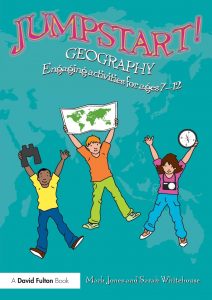
Jumpstart! Geography: Engaging activities for ages 7-12

by Mark Jones and Sarah Whitehouse

Grades: 2-6

This collection of simple to use and fun activities will jumpstart pupils’ understanding of the geographical skills of inquiry, outdoor learning, understanding graphic representations, and communication. Pupils will develop their knowledge and understanding of people, places and issues through being encouraged to ‘think geographically’ about the world they live in.  Chapter 4 contains activities related to the water cycle. (E-book only)

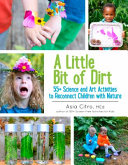
A little bit of dirt: 55+ science and art activities to reconnect children with nature

by Asia Citro

Grades: K-6

Through activities such as investigating the health of local streams, making acrylic sunprints with leaves and flowers, running an experiment with backyard birds, or concocting nature potions, this book suggests a range of ways to foster children’s connection with nature. Includes activities related to the water cycle.

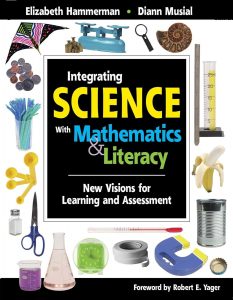
Integrating science with mathematics and literacy: New visions for learning and assessment

by Elizabeth Hammerman and Diann Musial

Grades: 3-9

Defining new visions for science, mathematics, and language arts education, the authors provide a clearly articulated set of performance assessments, allowing teachers to assess students’ knowledge and abilities through investigation, problem solving, inventiveness, and inquiry. Chapter 8 focuses on the water cycle.

Picture Books

The great big water cycle adventure

written by Kay Barnham, illustrated by Maddie Frost

Grades: K-3

Follow the amazing journey water takes, from rivers and oceans, to raindrops, to rain, and back to the beginning again.

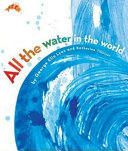
All the water in the world

written by George Ella Lyon, illustrated by Katherine Tillotson

Grades: 1-3

Water comes from many places – taps, wells, rain, lakes, and more. But where does it go? This book illustrates the flow of this great world’s life story.

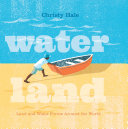
Water land: Land and water forms around the world

written and illustrated by Christy Hale

Grades: 3-5

Die-cut pages identify and contrast types of water bodies and their corresponding land masses to help young readers understand how connected the earth and the water really are.

Non-Fiction

The water cycle

by Frances Purslow

Grades: 2-3

This book introduces the cycle of water on the Earth’s surface and discusses why water is so important to life on the planet. Includes information about how water molecules move, access to fresh water, water pollution, and more. Part of the Water science series.

What’s so fresh about fresh water?

by Ellen Lawrence

Grades: 2-6

Earth is covered in water, yet just a tiny amount of that liquid is actually fresh water. Readers will learn about where liquid fresh water can be found on Earth’s surface, the differences between fresh water and salt water, why water is essential for life on Earth, and what we can do to protect it.

Saving water: The water cycle

by Buffy Silverman

Grades: 3-6

How much water should you drink in a day? Where does rain go? How does water shape the land? Explore the answers to these questions and more through experiments and activities, and learn more about the world around us. Part of the Do it yourself series.

Water wow! An infographic exploration

written by Antonia Bayard and Paula Ayer, illustrated by Belle Wuthrich

Grades: 4-7

Where did water come from before it got to Earth? Why is the water you drink the same stuff that was around when dinosaurs were alive? If water can’t be created or destroyed, how can we run out? How does climate change affect water and vice versa? How are water access and girls’ education worldwide connected? Find out the answers to these and many more questions through infographics.

Earth’s water cycle

by Diane Dakers

Grades: 4-6

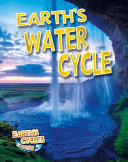
Water can be found in different forms all around us. This book explains how the Earth’s supply of water moves from bodies of water, to the atmosphere, and to land in a process called the water cycle. The author explains such processes as transpiration, evaporation, condensation, and precipitation, as well as the important roles of sunlight and gravity in the water cycle.

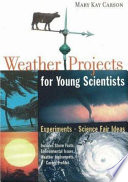
Weather projects for young scientists: Experiments and science fair ideas

by Mary Kay Carson

Grades: 4-7

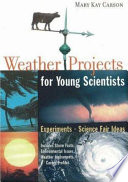
From the everyday phenomena of wind and clouds to the awesome, destructive power of lightning, tornadoes, and hurricanes, children can explore weather in detail with this science activity book. More than 40 weather projects are included, such as building a model of the water cycle, creating a tornado in a bottle, calculating dew point, reading a weather map, building weather-measuring instruments, and more.

One well: The story of water on earth

written by Rochelle Strauss, illustrated by Rosemary Wells

Grades: 3-7

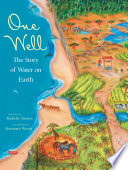
All water is connected. Every raindrop, lake, underground river and glacier is part of a single global well. Water has the power to change everything: a single splash can sprout a seed, quench a thirst, provide a habitat, generate energy and sustain life. How we treat the water in the well will affect every species on the planet, now and for years to come.


Finding More Resources

To find more resources in this area, try the following:

  • Search using the General tab on the UBC Library website to look for material in all UBC Library branches.
  • Search using “Search Education Resources” box in the left hand bar on the Education Library website to limit your results to materials in the Education Library.
  • Use specific search terms to narrow your results, such as “water–juvenile literature”, “hydrologic cycle–juvenile literature”, “weather”, or “science–study and teaching”.
  • To find lesson plans, include “lesson plans”, “lesson planning”, or “activity programs” in your search terms.
For more help with searching, please visit the Library Service Desk or e-mail ed.lib@ubc.ca.

Categories
Sciences

Scientific Thinking

Listed below are selected teacher resources, picture books, fiction, and non-fiction related to scientific thinking.

Teacher Resources

Teaching STEM literacy: A constructivist approach for ages 3-8

by Juliana Texley and Ruth M. Ruud

Grades: K-3

This book uses the 5E framework (engagement, exploration, explanation, elaboration, and evaluation) to cultivate children’s skills of observation, questioning, and data collection by combining discovery, problem solving, and engineering solutions to authentic questions that young children might ask.

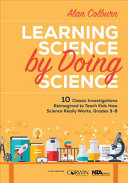
Learning science by doing science: 10 classic investigations reimagined to teach kids how science really works

by Alan Colburn

Grades: 3-8

Using fun hands-on experiments this book teaches students how to think and act like scientists. Includes “big ideas” for each experiment, tips for adjusting experiments for different grades, strategies for facilitating discussions, and suggestions for managing safe experiments.

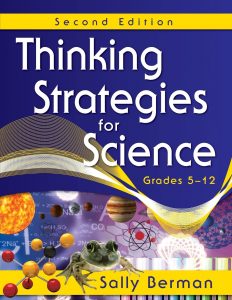
Thinking strategies for science, grades 5-12

by Sally Berman

Grades: 5-12

This book walks through the key areas of scientific thinking students will need to develop to become successful in science, including gathering, processing, analyzing, and applying information. Includes a range of activities, and also provides support for teachers to create their own activities.

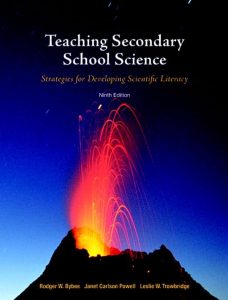
Teaching secondary school science: Strategies for developing scientific literacy

by Rodger W. Bybee et al.

Grades: 6-12

The authors offer teaching guidance and strategies for physical, biological, and earth science courses for middle school, junior high, and high school. The book discusses the connection between science and society, including how technological development is driven by societal needs. Includes sections on historical perspectives and contemporary trends, goals and objectives, curriculum perspectives, planning for instruction and assessment, and understanding and working with students.

Picture Books

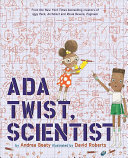
Ada Twist, Scientist

written by Andrea Beaty, illustrated by David Roberts

Grades: K-2

Ada is curious; she spends almost all her time asking questions about why things are the way they are. Her family supports her – at least, until the day she looks for the source of a horrible smell.

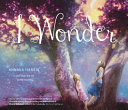
I wonder

written by Annaka Harris, illustrated by John Rowe

Grades: K-2

While Eva and her mother take a walk one day Eva is full of questions. Eva asks about gravity, life cycles, the universe, and how and why they all work. Eva’s mother encourages her to wonder, develop her curiosity, and accept that we don’t always know why.

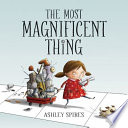
The most magnificent thing

by Ashley Spires

Grades: K-2

A little girl and her dog set out to make the most magnificent thing. When it doesn’t turn out the way they expect, they step back and think about what they need to do next.

Fiction

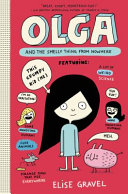
Olga and the smelly thing from nowhere

by Elise Gravel

Grades: 4-7

After discovering a smelly creature in her garbage can that she names after herself, Olga befriends and studies the eccentric Olgamus using the scientific method, the practices of Jane Goodall, and other scientific concepts.

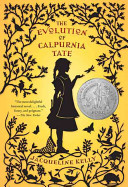
The evolution of Calpurnia Tate

by Jacqueline Kelly

Grades: 6-8

It’s 1899 in Texas and Calpurnia Tate is wondering why the yellow grasshoppers in her backyard are so much bigger than the green ones. With the help of her cranky grandfather Calpurnia develops her love for studying the natural world, but others have strong ideas about how Calpurnia should be spending her time. This book showcases a young girl’s curiosity and love for science and the challenges that girls who acted outside gender norms faced in the late 19th century.

Non-Fiction

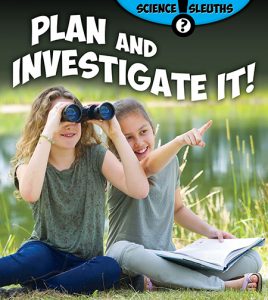
The Science Sleuths series

by various authors

Grades: K-3

These books introduce young readers to a variety of key concepts in scientific thinking, including measuring, modelling, predicting, proving, and more.

The observologist: A handbook for mounting very small scientific expeditions

by Giselle Clarkson

Grades: 2-9

A highly illustrated, playful field guide for budding natural scientists and curious observers of the world right under our noses. Observology is the study of looking.

Citizen scientists: Be a part of scientific discovery from your own backyard

written by Loree Griffin Burns, photographs by Ellen Harasimowicz

Grades: 4-6

This book explores how kids can be scientists in their own backyard, local park, or baseball field. Includes photographs and useful tips which will encourage kids to get out, explore, and think about how they can contribute to ongoing scientific discovery. See also Get into citizen science.

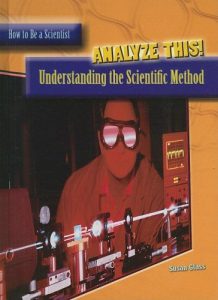
Analyze this! Understanding the scientific method

by Susan Glass

Grades: 4-6

How did Walter Reed solve the mystery of yellow fever? Will balls of different masses fall at the same speed? Is your cat right-pawed or left-pawed? The world around us is full of interesting questions; this book gives students tools to find the answers. Students will discover how the scientific method has changed our lives, and will learn how to plan, design, and conduct their own investigations.

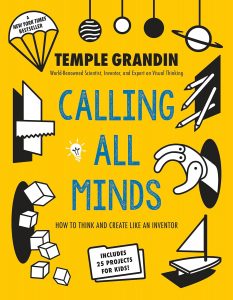
Calling all minds: How to think and create like an inventor

by Temple Grandin, with Betsy Lerner

Grades: 4-6

Grandin, renowned scientist and inventor, explores how looking at the world differently can lead to incredible scientific discoveries and inventions. Includes discussions of scientific thinking and process related to specific inventions, activity ideas, personal anecdotes from Grandin, and more.

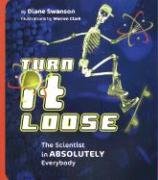
Turn it loose: The scientist in absolutely everybody

by Diane Swanson, illustrated by Warren Clark

Grades: 5-8

Turn it Loose uses profiles of famous archeologists, astronomers, inventors, and more, to showcase how natural curiosity at a young age is the beginning of scientific thinking later in life. Encourages students to develop their curiosity and look at the world like a scientist.

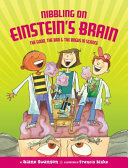
Nibbling on Einstein’s brain: The good, the bad & the bogus in science

written by Diane Swanson, illustrated by Francis Blake

Grades: 5-9

Through fun, and often strange, examples this book illustrates the many ways in which science can go wrong and how to critically evaluate scientific studies and experiments. Includes discussions of “good” science, how to think like a scientist, why we have to think critically about scientific results, and more.


Finding More Resources

To find more resources in this area, try the following:

  • Search using the General tab on the UBC Library website to look for material in all UBC Library branches.
  • Search using “Search Education Resources” box in the left hand bar on the Education Library website to limit your results to materials in the Education Library.
  • Use specific search terms to narrow your results, such as “Science–Study and teaching”,  “Science–methodology”, “Scientists–Juvenile fiction”, “Scientific apparatus and instruments”.
  • To find lesson plans, include “lesson plans”, “lesson planning”, or “activity programs” in your search terms.
For more help with searching, please visit the Library Service Desk or e-mail ed.lib@ubc.ca.

Categories
Sciences

Matter

Listed below are selected teacher resources, picture books, fiction, and non-fiction related to matter.

Teacher Resources

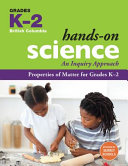
Properties of Matter for Grades K-2: An Inquiry Approach

by Jennifer Lawson

Grades: K-2

This book covers how to teach about matter in alignment with the current BC curriculum. Uses the Know-Do-Understand model, First Peoples Principles of Learning, and an inquiry approach. Part of the Hands-on Science series.

Hands-on physical science activities for grades K-6

by Marvin N. Tolman

Grades: K-6

This book’s activities follow the discovery/inquiry approach and encourage students to analyze, synthesize, and infer based on their own hands-on experiences. Topics include the nature of matter, energy, light, sound, simple machines, magnetism, static electricity, and current electricity.

Explaining primary science

by Paul Chambers and Nicholas Souter

Grades: K-6

The authors cover all the major areas of science relevant for beginning primary/elementary school teachers, explaining key concepts from the ground up. Topics include forces, matter, energy, biodiversity and ecosystems, water, light, sound, and more.

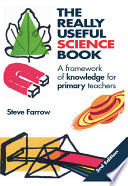
The really useful science book: Framework of knowledge for primary teachers

by Steve Farrow

Grades: K-6

A practical guide to science in the primary classroom which includes key ideas, related science concepts, and everyday activities to solidify concepts. The book is broken into three sections, life and living processes, materials and their properties, and physical processes, and is especially useful for non-specialists. Also available as an eBook, here.

Concepts of matter in science education

edited by Georgios Tsaparlis and Hannah Sevian

Grades: K-12

This text provides a science education perspective on the teaching and learning of particulate and structural concepts of matter from Pre-K through higher education, with reviews and analyses of current literature as well as previously unpublished research. eBook only.

The big ideas in physics and how to teach them: Teaching physics 11-18

by Ben Rogers

Grades: 7-12

Each chapter of this book provides the historical narrative behind a Big Idea, explaining its significance, the key figures behind it, and its place in scientific history. Accompanied by detailed ready-to-use lesson plans and classroom activities, the book contains not only a thorough explanation of physics, but also the applied pedagogy to ensure its effective translation to students in the classroom. Each of the five big ideas in physics are covered in detail: electricity, forces, energy, particles, and the universe. eBook only

Picture Books

Joe-Joe the wizard brews up solids, liquids and gases

written by Eric Braun, illustrated by Robin Boyden

Grades: K-3

Joe-Joe the student wizard has a problem: he tried to turn his homework into chocolate bars but instead transformed it into syrup! What can he do to set matter(s) right?

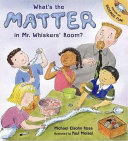
What’s the matter in Mr. Whisker’s room?

written by Michael Elsohn Ross, illustrated by Paul Meisel

Grades: K-3

Follow Mr. Whisker and his students as use their sense to make observations and draw conclusions at seven stations all about matter. Includes activities and instructions at the back.

Non-Fiction

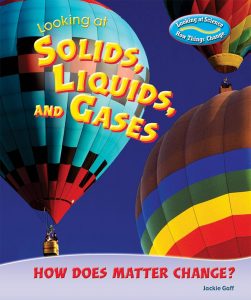
Looking at solids, liquids and gases: How does matter change?

by Jackie Gaff

Grades: 2-4

This book explores the different states of matter and how factors such as temperature and pressure can change solids to liquids to gases and back again. Explains freezing, melting, evaporation, and condensation.

Motion, magnets and more: The big book of primary physical science

written by Adrienne Mason, illustrated by Claudia Dávila

Grades: K-6

Where do the bubbles come from in a piece of cake? Why do triangles make a structure stronger? And how come magnets don’t stick to the wall? This introduction to the physical sciences gives young readers an easy-to-understand overview of such concepts as materials, forces, structures, solids, liquids and gases.

Amazing materials

by Sally Hewitt

Grades: 3-6

This book introduces children to the concepts of solid, liquid, and gas, as well as to the different kinds of materials that things are made from. Photographs help show how things can change shape, which materials are natural and which are man-made, and which kind of materials can be recycled and why.

Atoms and molecules

by Molly Aloian

Grades: 4-6

What is matter made of? Young readers will be amazed to learn about the tiny particles that make up everything from this book to their very own bodies. Topics include the discovery of the atom, the parts of an atom, how atoms combine to form molecules, and how atoms relate to elements and the periodic table.

Properties of matter

by Aaron Carr and Lesley Evans Ogden

Grades: 4-6

What’s the matter? Almost everything we can see and touch around us is matter, that’s what! This book explores some of matter’s amazing properties that are studied in the physical sciences.

States of matter

by Lynette Brent

Grades: 4-6

This book will give readers a deeper understanding of the different states of matter. Topics include understanding matter, mass, volume, and density; differences between solids, liquids, and gases; how matter passes from one state to another; and properties of matter, such as hardness and viscosity.


Finding More Resources

To find more resources in this area, try the following:

  • Search using the General tab on the UBC Library website to look for material in all UBC Library branches.
  • Search using “Search Education Resources” box in the left hand bar on the Education Library website to limit your results to materials in the Education Library.
  • Use specific search terms to narrow your results, such as “matter–properties–juvenile literature”, “inclusion”, “equitable”, “diversity”, or “supportive”.
  • To find lesson plans, include “lesson plans”, “lesson planning”, or “activity programs” in your search terms.
For more help with searching, please visit the Library Service Desk or e-mail ed.lib@ubc.ca.

Categories
Sciences

Life Sciences

Listed below are selected teacher resources, picture books, and non-fiction related to life sciences.

Teacher Resources

Living Things for Grades K-2: An Inquiry Approach

by Jennifer Lawson

Grades: K-2

This book covers how to teach about land, water, and sky in alignment with the current BC curriculum. Uses the Know-Do-Understand model, First Peoples Principles of Learning, and an inquiry approach. Part of the Hands-on Science series.

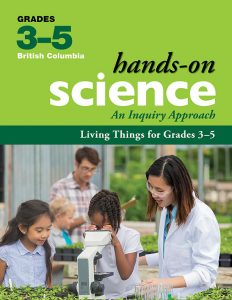
Living Things for Grades 3-5: An Inquiry Approach

by Jennifer Lawson

Grades: 3-5

This book covers how to teach about living things in alignment with the current BC curriculum. Uses the Know-Do-Understand model, First Peoples Principles of Learning, and an inquiry approach. Part of the Hands-on Science series.

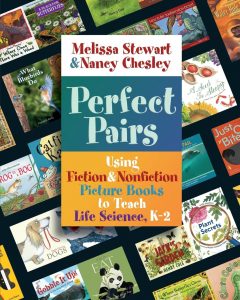
Perfect pairs: Using fiction and nonfiction books to teach life science, K-2

by Melissa Stewart and Nancy Chesley

Grades: K-2

Children can’t follow a lion as it stalks a gazelle, visit the exotic kapok tree in a rain forest, or swim alongside the underwater life in a pond. But they can explore a whole world of animals, plants, and ecosystems through the pages of science-themed picture books. Each of the lessons in this book is built around a pair of books that introduces a critical life science concept and guides students through an inquiry-based investigative process to explore that idea.

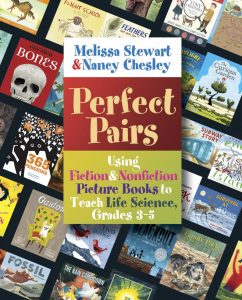
Perfect pairs: Using fiction and nonfiction books to teach life science, grades 3-5

by Melissa Stewart and Nancy Chesley

Grades: 3-5

The follow-up to the previous title for older elementary students.

Hands-on life science activities for grades K-6

by Marvin N. Tolman

Grades: K-6

This book offers activities that help teach students thinking and reasoning skills along with basic life science concepts and facts. The activities follow the discovery/inquiry approach and encourage students to analyze, synthesize, and infer based on their own hands-on experiences.

A little bit of dirt: 55+ science and art activities to reconnect children with nature

by Asia Citro

Grades: K-6

Through activities such as investigating the health of local streams, making acrylic sunprints with leaves and flowers, running an experiment with backyard birds, or concocting nature potions, this book suggests a range of ways to foster children’s connection with nature.

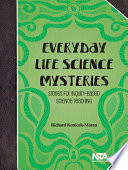
Everyday life science mysteries: Stories for inquiry-based science teaching

by Richard Konicek-Moran

Grades: K-8

How do tiny bugs get into oatmeal? What makes children look like–or different from–their parents? Where do rotten apples go after they fall off the tree? By presenting everyday mysteries like these, the 20 open-ended stories in this book will motivate students to carry out hands-on science investigations and actually care about the results.

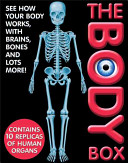
The body box: see how your body works, with brains, bones, and lots more!

by Anita Ganeri

Grades: 2-6

A kidney, a brain, a heart, an eyeball, and a plastic skeleton with removable parts are assembled in this kit, along with a book describing the human body in 14 two-page spreads.

Picture Books

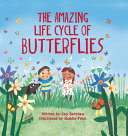
The amazing life cycle of butterflies

written by Kay Barnham, illustrated by Maddie Frost

Grades: K-3

Two children discover the incredible life cycle of butterflies, from caterpillar to chrysalis to adult.

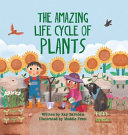
The amazing life cycle of plants

written by Kay Barnham, illustrated by Maddie Frost

Grades: K-3

Children explore the life cycle of plants, from seed to shoot to full-grown plant.

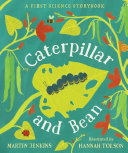
Caterpillar and bean

written by Martin Jenkins, illustrated by Hannah Tolson

Grades: 1-4

A newly-sprouted plant has a newly-hatched caterpillar on one of its leaves. Together they grow and grow throughout the year.

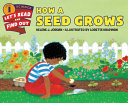
How a seed grows

written by Helene J. Jordan, illustrated by Loretta Krupinski

Grades: K-3

How does a tiny seed grow into a flower, or a bush, or a tree? Explore and find out.

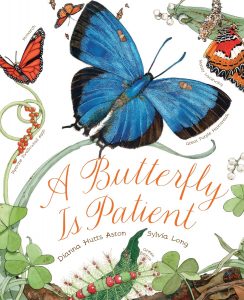
A butterfly is patient

written by Diana Hutts Aston, illustrated by Sylvia Long

Grades: K-3

From the world’s tiniest butterfly (Western Pygmy Blue) to the largest (Queen Alexandra’s Birdwing), and throughout their complex life cycle, an incredible variety of butterflies are shown and described here in all of their magnificence.

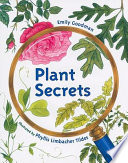
Plant secrets

written by Emily Goodman, illustrated by Phyllis Limbacher Tildes

Grades: K-3

Plants come in all shapes and sizes, but they go through the same stages as they grow. Using four common plants, young readers learn about a plant’s life cycles: from seed to plant to flower to fruit and back again.

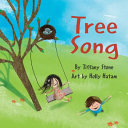
Tree song

written by Tiffany Stone, illustrated by Holly Hatam

Grades: K-3

Follow the life cycle of a tree as it grows from seedling to mature tree, and finally gives way to a new sapling. The tree provides a canopy for a summer picnic, a home for animals, and a perfect place to hang a swing. When old age fells the tree, it leaves an acorn from which a new tree will grow.

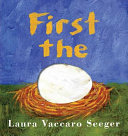
First the egg

by Laura Vaccaro Seeger

Grades: K-3

Which came first: the chicken or the egg? Simple die-cuts magically present transformation– from seed to flower, tadpole to frog, caterpillar to butterfly. Seed becomes flower, paint becomes picture, word becomes story–and the commonplace becomes extraordinary.

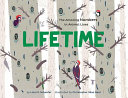
Lifetime: The amazing numbers in animal lives

written by Lola M. Schaefer, illustrated by Christopher Silas Neal

Grades: K-3

In one lifetime, a caribou will shed 10 sets of antlers, a woodpecker will drill 30 roosting holes, a giraffe will wear 200 spots, and a seahorse will birth 1,000 babies. Count each one and many more while learning about the wondrous things that can happen in just one animal’s lifetime.

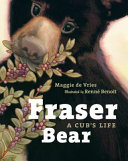
Fraser bear: A cub’s life

written by Maggie de Vries, illustrated by Renné Benoit

Grades: K-4

Follows a black bear cub’s life in the Pacific Northwest from his birth to his first salmon catch at the Fraser River, uniting the cycles of bear and fish. A map and further information about bears and salmon are included.

Non-Fiction

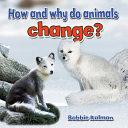
How and why do animals change?

by Bobbie Kalman

Grades: K-3

This book compares and contrasts the different characteristics of animals as they change and grow from babies to adults, as well as through the seasons.

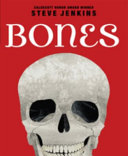
Bones: Skeletons and how they work

by Steve Jenkins

Grades: 1-5

In this visually driven volume, kids come face-to-face with some head-to-toe boney comparisons, many of them shown at actual size. Here you’ll find the differences between a man’s hand and that of a spider monkey; the great weight of an elephant’s leg, paired with the feather-light femur of a stork; and rib-tickling info about snakes and sloths.

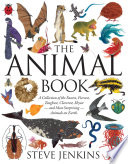
The animal book: a collection of the fastest, fiercest, toughest, cleverest, shyest–and most surprising–animals on earth

by Steve Jenkins

Grades: 1-5

Animals smooth and spiky, fast and slow, hop and waddle through the two hundred plus pages of this book. Sections such as “Animal Senses,” “Animal Extremes,” and “The Story of Life” burst with fascinating facts and infographics. Includes more than 300 animals, an animal index, a glossary, and a bibliography.

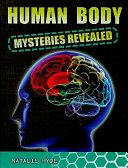
Human body mysteries revealed

by Natalie Hyde

Grades: 3-6

This book explains how our bodies work and throws light on how the brain controls the body with electricity; why we get tired after running fast; how our body knows when to feel sleepy; and whether humans will one day be able to clone themselves. Part of the Mysteries revealed series.

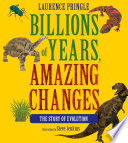
Billions of years, amazing changes: The story of evolution

written by Laurence Pringle, illustrated by Steve Jenkins

Grades: 3-7

Ever since Charles Darwin revealed his landmark ideas about evolution in 1859, new findings have confirmed, expanded, and refined his concepts. Field biology, genetics, geology, paleontology, and medicine all add to the impressive structure of evidence. More than fifty photographs capture natural marvels, including fossils, life forms, and geological wonders.


Finding More Resources

To find more resources in this area, try the following:

  • Search using the General tab on the UBC Library website to look for material in all UBC Library branches.
  • Search using “Search Education Resources” box in the left hand bar on the Education Library website to limit your results to materials in the Education Library.
  • Use specific search terms to narrow your results, such as “life sciences–study and teaching”, “nature–juvenile literature”, “children and the environment”, “nature study–activity programs”, “plants–juvenile literature”, or “animals–juvenile literature”.
  • To find lesson plans, include “lesson plans”, “lesson planning”, or “activity programs” in your search terms.
For more help with searching, please visit the Library Service Desk or e-mail ed.lib@ubc.ca.

Categories
Sciences

Environmental Science and Sustainability

Listed below are selected teacher resources, picture books, fiction, and non-fiction related to environmental science and sustainability.

Teacher Resources

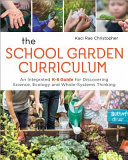
The school garden curriculum: An integrated K-8 guide for discovering science, ecology, and whole-systems thinking

by Kaci Rae Christopher

Grades: K-8

The author offers a comprehensive framework enabling students to grow their knowledge throughout the school year and build on it from kindergarten to grade eight. From seasonal garden activities to inquiry projects and science-skill building, children will develop organic gardening solutions, a positive land ethic, systems thinking, and instincts for ecological stewardship.

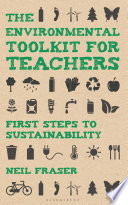
The environmental toolkit for sustainability: First steps to sustainability

written by Neil Fraser, illustrated by Hanna Forsgren

Grades: K-12

This guide shows ways to reduce your school’s ecological footprint, and create and embed a sustainability ethos. Whether you are a teacher eager to make your classroom a more eco-friendly environment or a head teacher who wants to set up a whole school project, there are practical strategies and activities in this book for you. This book includes 75 eco-projects and lessons that cover how to manage litter, waste and energy efficiently in a time saving, cost effective manner, as well as how to get students involved in the projects.

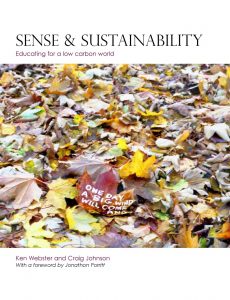
Sense & sustainability: Educating for a low-carbon world

by Ken Webster et al.

Grades: K-12

This book makes the case for a practical education for sustainability based on exploring and testing frameworks. The authors suggest that education contributes most to the future of our young people when it opens up discussion on how sustainable can be aspirational, talking about “better and better” rather than “less and less”. Comes with online materials and resources for continuing professional development.

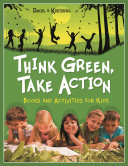
Think green, take action: Books and activities for kids

written by Daniel A. Kriesberg, illustrated by Kathleen A. Price

Grades: 3-7

This book combines a wide variety of techniques to help students understand environmental issues and gain the skills needed to take action. The children’s literature and classroom activities suggested here cover three major environmental issues: endangered species, resource depletion, and pollution. After students have a grasp of the causes of these environmental problems, the final chapter presents ways to take easy action that can create ripples of change across the world.

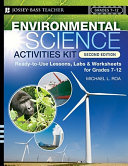
Environmental science activities kit: Ready-to-use lessons, labs and worksheets for grades 7-12

by Michael L. Roa

Grades: 7-12

This book includes more than 35 lessons for middle and high school science teachers on the most compelling and relevant environmental topics, such as global warming, food and water production, alternative energy sources, endangered species, land-use issues, and many more.

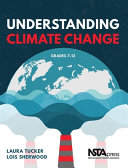
Understanding climate change: Grades 7-12

by Laura Tucker and Lois Sherwood

Grades: 7-12

A nine-session module which includes engaging lessons and activities to help students understand climate change. Includes sections on addressing misconceptions surrounding climate change, evaluating information, understanding the science, and creating solutions.

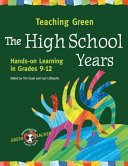
Teaching green, the high school years: Hands-on learning in grades 9-12

edited by Tim Grant and Gail Littlejohn

Grades: 9-12

This book offers fifty teaching strategies that promote learning about natural systems and foster critical thinking about environmental issues, both local and global. Readers learn how best to apply systems thinking, teach about controversial issues, and use a step-by-step approach to creative problem-solving in environmental projects. Also provided are instructions for measuring the ecological footprint of a high school, creating an indoor “living system” that cleans water, monitoring air quality with lichens, and using green technologies to help green school campuses.

Picture Books

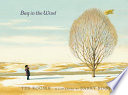
Bag in the wind

written by Ted Kooser, illustrated by Barry Root

Grades: K-3

When a plastic bag is uprooted from a landfill, it begins a journey on the wind that leads to its being used and re-used by many people.

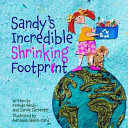
Sandy’s incredible shrinking footprint

written by Femida Handy and Carole Carpenter, illustrated by Adrianna Steele-Card

Grades: K-3

Sandy and her dog Pepper are upset when they find garbage on the beach they love. With the help of the Garbage Lady, they start to learn about everyone’s ecological footprint.

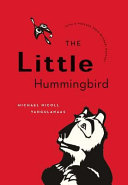
The little hummingbird

by Michael Nicholl Yahgulanaas

Grades: K-3

When the forest is on fire and all of the other animals are frozen with fear, a tiny hummingbird finds the courage to try to save their home.

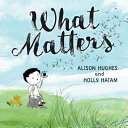
What matters

written by Allison Hughes, illustrated by Holly Hatam

Grades: K-2

When one small boy picks up one small piece of litter, that one small act has big ripples through nature’s connections.

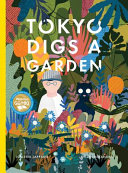
Tokyo digs a garden

written by Jon-Erik Lappano, illustrated by Kellen Hatanaka

Grades: K-2

Tokyo’s small house is increasingly surrounded by skyscrapers and highways. But when an old woman gives him seeds to plant, Tokyo discovers that the big city can become wild again.

Fiction

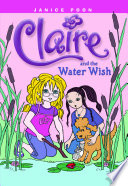
Claire and the water wish

by Janice Poon

Grades: 2-5

Claire and her friends Jet and Sky team up to try to find the polluters who’ve been making the water in a local lake undrinkable.

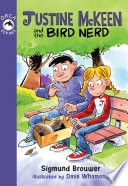
Justine McKeen and the bird nerd

written by Sigmund Brouwer, illustrated by Dave Whamond

Grades: 2-5

When a small bird is injured after flying into a school window, the students are shocked and upset. But they are even more shocked when school bully Jimmy Blatzo rescues the bird and nurses it back to health. When the students discover that the problem isn’t just at their school, young green activist Justine McKeen convinces Jimmy to talk to town council about the issue.

Non-Fiction

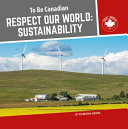
Respect our world: Sustainability

by Ramona Heikel

Grades: 3-6

Discusses efforts by Canadians to preserve water quality, conserve wildlife, clean up pollution and use sustainable energy sources. Part of the To Be Canadian series.

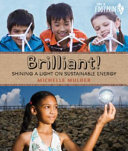
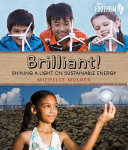
Brilliant! Shining a light on sustainable energy

by Michelle Mulder

Grades: 3-7

Did you know that cars can run on french fry grease, or that kids in Mexico help light up their houses by playing soccer? This book is full of examples of unusual (and often peculiar) power sources, and encourages kids to look around for sustainable ways to light up the world. Part of the Orca footprints series.

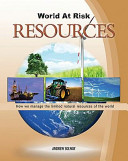
Resources

by Andrew Solway

Grades: 4-7

Discusses how we manage the limited natural resources of the world. Part of the World At Risk series

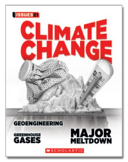
Climate change

by Douglas Fraser

Grades: 6-9

Part of the Issues 21 series, which examines contemporary issues in society in order to develop students’ skills in the areas of critical thinking, creativity, communication, collaboration, ethical citizenship and activism. Includes 6 student books and a teacher’s guide.

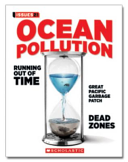
Ocean pollution

by Erika Boas

Grades: 6-9

Part of the Issues 21 series, which examines contemporary issues in society in order to develop students’ skills in the areas of critical thinking, creativity, communication, collaboration, ethical citizenship and activism. Includes 6 student books and a teacher’s guide.

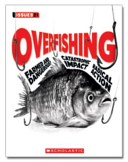
Overfishing

by Jeffrey D. Wilhelm

Grades: 6-9

Part of the Issues 21 series, which examines contemporary issues in society in order to develop students’ skills in the areas of critical thinking, creativity, communication, collaboration, ethical citizenship and activism. Includes 6 student books and a teacher’s guide.

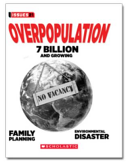
Overpopulation

by Brian Arleth

Grades: 6-9

Part of the Issues 21 series, which examines contemporary issues in society in order to develop students’ skills in the areas of critical thinking, creativity, communication, collaboration, ethical citizenship and activism. Includes 6 student books and a teacher’s guide.

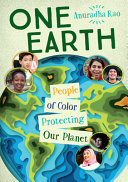
One earth: People of color protecting our planet

by Anuradha Rao

Grades: 7-10

This nonfiction book profiles twenty environmental activists of colour from around the world. Their individual stories show that the intersection of environment and ethnicity is an asset, not an obstacle, to helping the planet. Illustrated with photos of each of the people profiled.

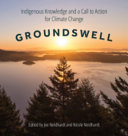
Groundswell: Indigenous knowledge and a call to action for climate change

edited by Joe Neidhardt and Nicole Neidhardt

Grades: 10-12

This collection of essays from both Indigenous and non-Indigenous writers presents a compelling message about how traditional Indigenous knowledge and practices can – and must – be used to address climate change.

Further Reading

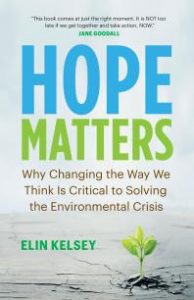
Hope Matters: Why Changing the Way We Think Is Critical to Solving the Environmental Crisis

by Elin Kelsey

Explores “evidence-based hope” in relation to climate change. Provides a framework for how to address eco-anxiety, setting a foundation for how we might approach climate change education in the classroom.

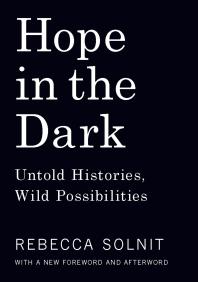
Hope in the Dark: Untold Histories, Wild Possibilities

by Rebecca Solnit

Solnit also makes a case for hope and committing to action. She focuses on recognizing the victories, small and large, that have been achieved and bringing attention to the far-reaching impact those victories have and still could provide.

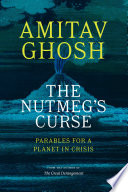
The Nutmeg’s Curse: Parables for a Planet in Crisis

by Amitav Ghosh

Discusses the intersection of colonialism and climate change. Diving into the history of the familiar nutmeg spice, Ghosh reveals how trade and conquest set the stage for our current predicament.

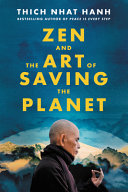
Zen and the Art of Saving the Planet

by Thich Nhat Hanh

Explores the ways in which meditation and mindfulness can lead to climate action. Discusses how we can shape our mind, and therefore influence our actions, reactions and well-being in every day life.


Finding More Resources

To find more resources in this area, try the following:

  • Search using the General tab on the UBC Library website to look for material in all UBC Library branches.
  • Search using “Search Education Resources” box in the left hand bar on the Education Library website to limit your results to materials in the Education Library.
  • Use specific search terms to narrow your results, such as “environmentalism”, “environmental science”, “environmental studies”, “environmental education”, “sustainability”, or “conservation of natural resources”.
  • To find lesson plans, include “lesson plans”, “lesson planning”, or “activity programs” in your search terms.
For more help with searching, please visit the Library Service Desk or e-mail ed.lib@ubc.ca.

Categories
Sciences

Energy

Listed below are selected teacher resources, picture books, fiction, and non-fiction related to energy.

Teacher Resources

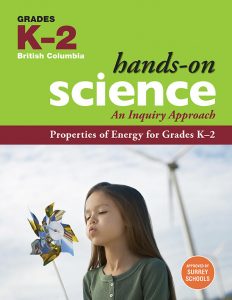
Hands-on Science: An Inquiry Approach – Properties of Energy for Grades K-2

by Jennifer Lawson

Grades: K-2

This book covers how to teach about the properties of energy in alignment with the current BC curriculum. Uses the Know-Do-Understand model, First Peoples Principles of Learning, and an inquiry approach. Part of the Hands-on Science series.

Hands-on physical science activities for grades K-6

by Marvin N. Tolman

Grades: K-6

This book’s activities follow the discovery/inquiry approach and encourage students to analyze, synthesize, and infer based on their own hands-on experiences. Topics include the nature of matter, energy, light, sound, simple machines, magnetism, static electricity, and current electricity.

Explaining primary science

by Paul Chambers and Nicholas Souter

Grades: K-6

The authors cover all the major areas of science relevant for beginning primary/elementary school teachers, explaining key concepts from the ground up. Topics include forces, matter, energy, biodiversity and ecosystems, water, light, sound, and more.

Making physics fun: Key concepts, classroom activities, & everyday examples, grades K-8

by Robert Prigo

Grades: K-8

The author provides fun and engaging activities using safe, available materials that educators can easily incorporate into lesson plans. Extensive examples, sample inquiry questions, and ideas for initiating units are available for teachers to pick and choose from to meet student needs. This resource addresses specific areas of physical science, including motion and force, waves and sound, light and electromagnetic waves, and more.

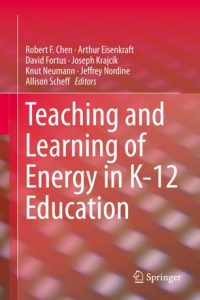
Teaching and learning of energy in K-12 education

edited by Robert F. Chen et al.

Grades: K-12

Energy is one of the most important ideas in all of science and it is useful for predicting and explaining phenomena within every scientific discipline. Teaching energy as a crosscutting concept can equip a new generation of scientists and engineers to think about the latest cross-disciplinary problems, and it requires a new approach to the idea of energy. This book examines the latest challenges of K-12 teaching about energy, including how a comprehensive understanding of energy can be developed. eBook only

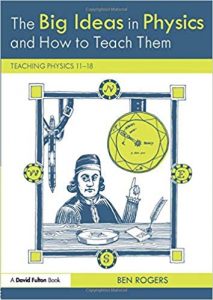
The big ideas in physics and how to teach them: Teaching physics 11-18

by Ben Rogers

Grades: 7-12

Each chapter of this book provides the historical narrative behind a Big Idea, explaining its significance, the key figures behind it, and its place in scientific history. Accompanied by detailed ready-to-use lesson plans and classroom activities, the book contains not only a thorough explanation of physics, but also the applied pedagogy to ensure its effective translation to students in the classroom. Each of the five big ideas in physics are covered in detail: electricity, forces, energy, particles, and the universe. eBook only

Picture Books

My light

by Molly Bang

The sun itself narrates an explanation of light and energy in which the generation of electricity can be traced back to it. Tiny yellow dots represent the sun’s power as it streams from light, water, wind, and electricity. Endnotes are used to illuminate everything from dark matter to atoms to pollution.

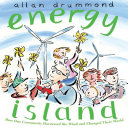
Energy Island: How one community harnessed the wind and changed their world

by Allan Drummond

Hold onto your hats! It’s windy on the Danish island of Samsø. At a time when most countries are producing ever-increasing amounts of CO2, the rather ordinary citizens of Samsø accomplished something extraordinary: in just ten years they reduced their carbon emissions by 140% and became almost completely energy independent. With a little hard work and a big idea, anyone can make a huge step towards energy conservation.

Fiction

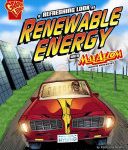
 A refreshing look at renewable energy with Max Axiom, super scientist,

written by Katherine Krohn, illustrated by Cynthia Martin and Barbara Schulz

Grades: 3-9

Charge up with Max Axiom as he explores the globe to understand renewable energy. Learn about all kinds of renewable energy sources and the benefits of using them. Max helps young readers understand how renewable energy could change our lives and take care of our world. Part of the Graphic Library series.

Non-Fiction

Energy

by Amy Farrell-Morneau

Grades: 6-9

Part of the Issues 21 series, which examines contemporary issues in society in order to develop students’ skills in the areas of critical thinking, creativity, communication, collaboration, ethical citizenship and activism. Includes 6 student books and a teacher’s guide.

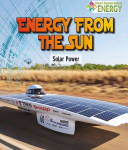
Energy from the sun: Solar power

by James Bow

Grades: 5-8

The endless and enormous power of the sun provides life to all organisms on Earth, from the smallest plant to the largest animal. This awesome power is being used today to provide a rich and abundant source of energy in many parts of the world, and to operate machinery and heat and light buildings. Discover how the sun is powering our planet, the technology used to harness it, and what the future of solar power could be. Part of the Next generation energy series.

Brilliant! Shining a light on sustainable energy

by Michelle Mulder

Grades: 3-7

Did you know that cars can run on french fry grease, or that kids in Mexico help light up their houses by playing soccer? This book is full of examples of unusual (and often peculiar) power sources, and encourages kids to look around for sustainable ways to light up the world. Part of the Orca footprints series.

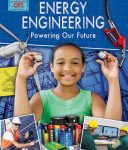
Energy engineering and powering the future

by Jonathan Nixon

Grades: 5-9

Readers will learn how energy engineers help make sure that our energy demands are met in a number of different ways. Real-life examples and a design challenge help students understand key concepts related to the engineering process, and how energy engineers will play a vital role in our future.

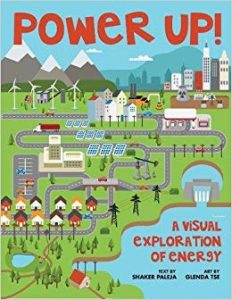
Power up! A visual exploration of energy

written by Shaker Paleja, illustrated by Glenda Tse

Grades: 4-7

It’s impossible to imagine our lives without energy, but how often do we really think about where it comes from? This book illustrates cool facts about energy use with colorful infographics, including charts, diagrams, and maps. Topics include the pros and cons of the top energy sources, like fossil fuels, nuclear energy, and hydropower; information on hot issues like oil sands, fracking, and greenhouse gases; and discussions of where energy of the future will come from.


Finding More Resources

To find more resources in this area, try the following:

  • Search using the General tab on the UBC Library website to look for material in all UBC Library branches.
  • Search using “Search Education Resources” box in the left hand bar on the Education Library website to limit your results to materials in the Education Library.
  • Use specific search terms to narrow your results, such as “renewable energy sources–juvenile literature”, “physics–study and teaching”, “inclusion”, “equitable”, “diversity”, or “supportive”.
  • To find lesson plans, include “lesson plans”, “lesson planning”, or “activity programs” in your search terms.
For more help with searching, please visit the Library Service Desk or e-mail ed.lib@ubc.ca.

Categories
Sciences

Earth Sciences

Listed below are selected teacher resources, picture books, and non-fiction related to earth sciences.

Teacher Resources

Land, Water, and Sky for Grades K-2: An Inquiry Approach

by Jennifer Lawson

Grades: K-2

This book covers how to teach about land, water, and sky in alignment with the current BC curriculum. Uses the Know-Do-Understand model, First Peoples Principles of Learning, and an inquiry approach. Part of the Hands-on Science series.

Problem-based learning in the earth and space science classroom

by Tom J. McConnell, Joyce Parker, and Janet Eberhardt

Grades: K-12

This resource presents tips and techniques for problem-based learning in four content areas: Earth’s landforms and water, the rock cycle and plate tectonics, weather, and astronomy.

Hands-on earth science activities for grades K-6

by Marvin N. Tolman

Grades: K-6

This book’s activities follow the discovery/inquiry approach and encourage students to analyze, synthesize, and infer based on their own hands-on experiences. Topics covered include air, water, weather, the earth, ecology, above the earth, beyond the earth, and current electricity.

This earth: Physical geography and the environment

by Paul Vazant and others

Grades: 10-12

A case-driven text that focuses on physical geography and human interaction and covers the origin of Earth, continental shifts, water and air pollution and human impacts, and taking responsibility for the planet. Also includes teaching notes, lesson plans, and assessment rubrics.

Jumpstart! Geography: Engaging activities for ages 7-12

by Mark Jones and Sarah Whitehouse

Grades: 2-6

This collection of simple to use and fun activities will jumpstart pupils’ understanding of the geographical skills of inquiry, outdoor learning, understanding graphic representations, and communication. Pupils will develop their knowledge and understanding of people, places and issues through being encouraged to ‘think geographically’ about the world they live in. Includes activities related to continents and oceans, and physical features such as rivers, forests, deserts, and coastlines. (E-book only)

Picture Books

A stroll through the seasons

written by Kay Barnham, illustrated by Maddie Frost

Grades: K-3

Follow the changes that each season brings: from spring blossoms, to summer sunshine, to autumn leaves, to winter snow.

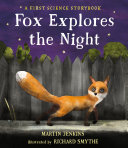
Fox explores the night

written by Martin Jenkins, illustrated by Richard Smythe

Grades: 1-3

Follow Fox as she makes her way through city streets and learns about sunlight, moonlight, electric light, and darkness

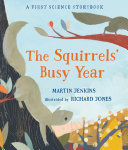
The squirrels’ busy year

written by Martin Jenkins, illustrated by Richard Jones

Grades: 1-4

In the winter, when it’s cold, the squirrels dig up acorns to eat. But what will they eat in the spring, when it’s warm again?

Water land: Land and water forms around the world

written and illustrated by Christy Hale

Grades: 3-5

Die-cut pages identify and contrast types of water bodies and their corresponding land masses to help young readers understand how connected the earth and the water really are.

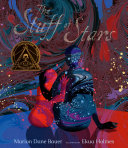
The stuff of stars

written by Marion Dane Bauer, illustrated by Ekua Holmes

Grades: K-3

Before the universe was formed, before time and space existed, there was nothing. But then … BANG! Stars caught fire and burned so long that they exploded, flinging stardust everywhere. And the ash of those stars turned into planets, into our Earth, and into us.

Non-Fiction

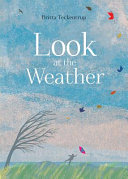
Look at the weather

by Britta Teckentrup, translated by Shelley Tanaka

Grades: K-6

Through four chapters–sun, rain, ice and snow, and extreme weather–this book explores different weather phenomena, from rainbows and sunsets to clouds, frost, and rainstorms.

Earth mysteries revealed

by James Bow

Grades: 3-6

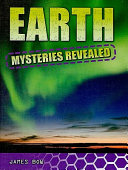
This book explains how our planet is put together and answers the questions to mysteries such as: why is the only life we know of found on Earth; how did this warm and wet planet form from a cloud of ice and dust; was the Moon once a part of Earth’s rocks; why is it night all winter in the Arctic; why are sunsets orange; and was there really an ancient city that was destroyed by a volcano and tsunami? Part of the Mysteries revealed series.

Earth’s landforms and bodies of water

by Natalie Hyde

Grades: 1-3

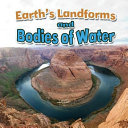
Explains how Earth is covered by landforms and bodies of water, how they develop, and why they change. Covers landforms such as mountains, valleys, and sand dunes, as well as waterways such as oceans, rivers, and ponds. Part of the Earth’s processes close-up series.

Experiments in earth science and weather with toys and everyday stuff

by Emily Sohn

Grades: K-3

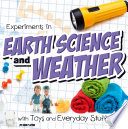
Engaging experiments using simple toys and everyday stuff teach curious young minds all about earth science. Readers can take an up-close look at how tornadoes develop, why wind is sometimes cold, how the water cycle works, and much more.

Planet Earth

by Jon Richards and Ed Simkins

Grades: 1-6

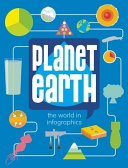
From tectonic plates and meteorites to erupting volcanoes, the atmosphere, and the world’s longest rivers, this book explores planet Earth using a wide variety of icons, graphics, and pictograms.

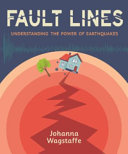
Fault lines: Understanding the power of earthquakes

by Johanna Wagstaffe

Grades: 4-8

Earthquakes are a terrifying yet fascinating force of nature. Seismologist Johanna Wagstaffe takes you through her own journey of understanding the earth beneath our feet. Along the way you’ll learn the science behind what makes the earth rumble and hear from kids around the world who have experienced the wonder, and terror, of an earthquake.

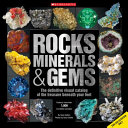
Rocks, minerals & gems

by Sean Callery and Miranda Smith, illustrated by Gary Ombler

Grades: 3-7

Readers will learn about hundreds of rocks, minerals, crystals, and gems that were forged by the most powerful events in prehistory. Explore what specimens look like and how they’re used today. Find out all about star stones and cat’s eyes, megagems, and phantom quartz. Discover which rocks fluoresce, which mineral once poisoned an emperor, and which gems are the rarest in the world.

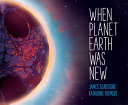
When Planet Earth was new

written by James Gladstone, illustrated by Katherine Diemert

Grades: K-3

It has taken billions of years for Earth to become the planet it is today. This book looks back to the very beginning, giving a poetic yet scientific overview of how the planet has changed over time: from hot lava to the formation of oceans to the evolution of living things in water and on land.

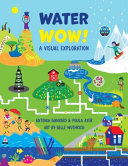
Water wow! An infographic exploration

written by Antonia Bayard and Paula Ayer, illustrated by Belle Wuthrich

Grades: 4-7

Where did water come from before it got to Earth? Why is the water you drink the same stuff that was around when dinosaurs were alive? If water can’t be created or destroyed, how can we run out? How does climate change affect water and vice versa? How are water access and girls’ education worldwide connected? Find out the answers to these and many more questions through infographics.

Weather projects for young scientists: Experiments and science fair ideas

by Mary Kay Carson

Grades: 4-7

From the everyday phenomena of wind and clouds to the awesome, destructive power of lightning, tornadoes, and hurricanes, children can explore weather in detail with this science activity book. More than 40 weather projects are included, such as building a model of the water cycle, creating a tornado in a bottle, calculating dew point, reading a weather map, building weather-measuring instruments, and more.


Finding More Resources

To find more resources in this area, try the following:

  • Search using the General tab on the UBC Library website to look for material in all UBC Library branches.
  • Search using “Search Education Resources” box in the left hand bar on the Education Library website to limit your results to materials in the Education Library.
  • Use specific search terms to narrow your results, such as “earth science”, “earth (planet) — juvenile literature”, “physical geography”, “weather”, or “science–study and teaching.
  • To find lesson plans, include “lesson plans”, “lesson planning”, or “activity programs” in your search terms.
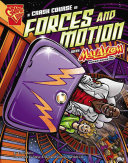
For more help with searching, please visit the Library Service Desk or e-mail ed.lib@ubc.ca.
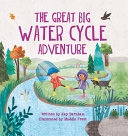
Spam prevention powered by Akismet