Categories
Accessibility Diversity and Diverse Learners French Inclusive Classroom Indigenous Literature and Education Language Arts

Livres d’images autochtones en français – French Indigenous Picture Books

Below are a number of picture books by Indigenous writers and illustrators that are primarily in French.

Vous trouverez ci-dessous un certain nombre de livres d’images d’auteurs et d’illustrateurs autochtones, principalement en français.
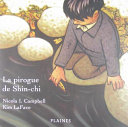
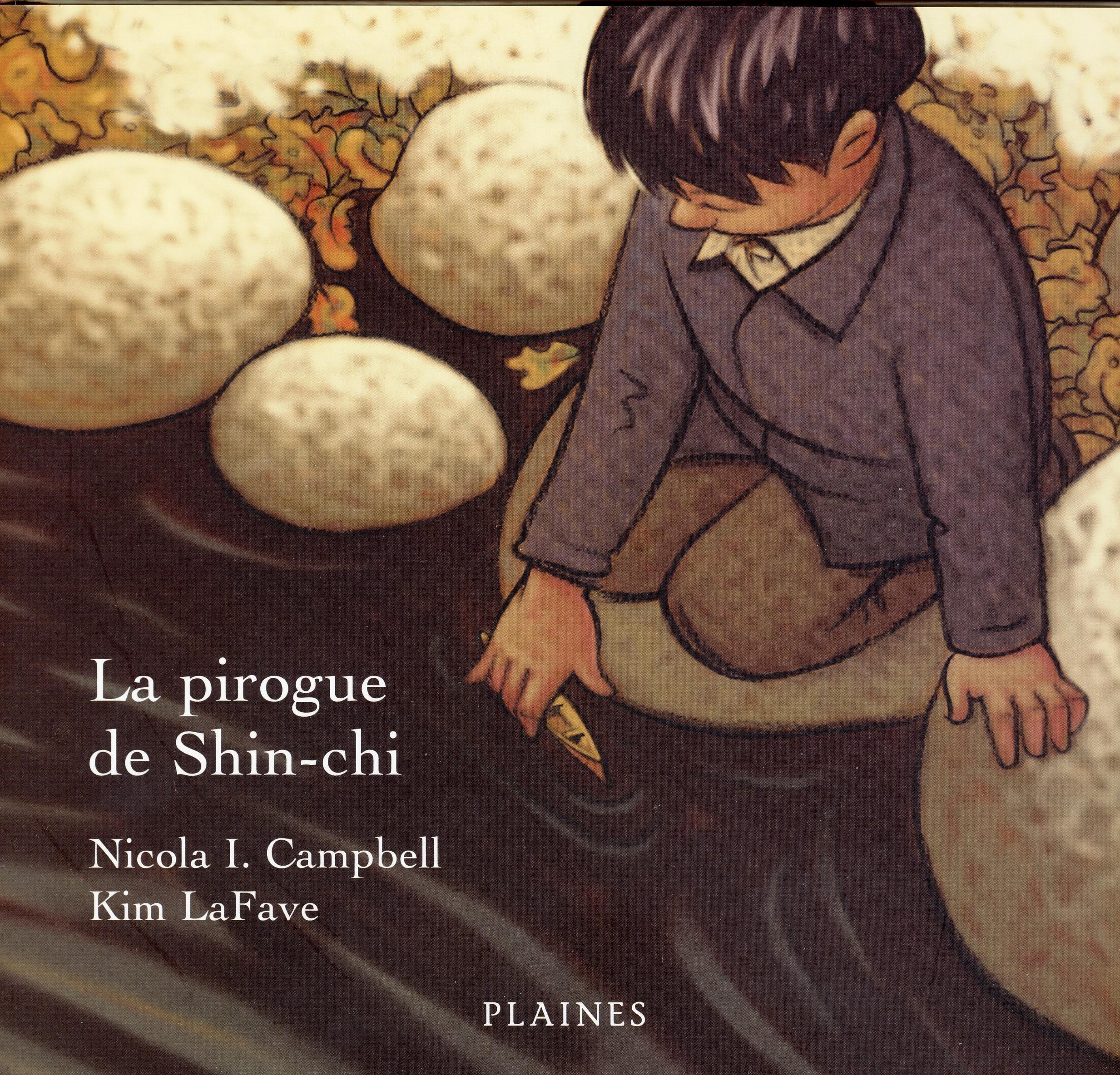
La pirogue de Shin-chi,

texte de Nicola I. Campbell, illustrations de Kim La Faye, traduction de Diane Lavoie

Niveau scolaire (Grade level): 2 – 10

Shi-shi-etko s’apprête à retourner au pensionnat indien pour une deuxième année, cette fois-ci accompagnée de son petit frère de six ans, Shin-chi. Elle lui remet une pirogue de cèdre miniature, cadeau symbolique de leur père qui représente tout ce dont Shin-chi doit se souvenir et garder secret.
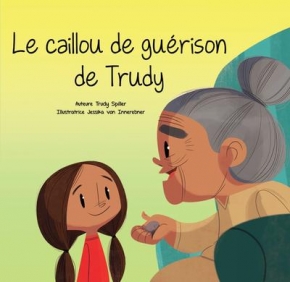
Le caillou de guérison de Trudy,

texte de Trudy Spiller; illustrations de Jessika von Innerebner.

Niveau scolaire (Grade level): Préscolaire – 1 (PreK-1)

Trudy Spiller est membre de la Nation Gitxsan de la Colombie-Britannique et appartient à la maison de Gwininitxw du clan du loup. Lugaganowals, le nom traditionnel de Trudy, signifie « une grenouille qui prend toujours appui ou qui donne toujours ». Trudy aide les familles à grandir et à se nourrir en partageant ses connaissances de la médecine, de la nourriture, de l’habillement et des pratiques autochtones.
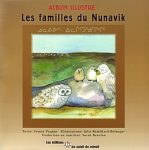
Les families du Nunavik,

texte de(titiraqtuq/writer) France Paquin; illustrations de(titiqtugaqtuq/illustrator) Julie Rémillard-Bélanger; traduction en inuttitut de Sarah Beaulne.

Niveau scolaire (Grade level): 1 – 3

Présentation élémentaire des principaux spécimens de la faune arctique, du lemming à l’homme, excluant la faune aquatique. — De gentilles aquarelles. Peu d’informations. Un point marquant, le texte dans les deux langues.
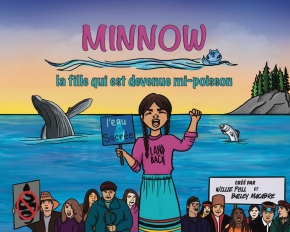
 Minnow: la fille qui est devenue mi-poisson

texte de (writer) Willie Poll; illustrations de (illustrator) Bailey Macabre.

Niveau scolaire (Grade level): 1 – 5

“Minnow, une jeune autochtone, protectrice des eaux, entreprend un voyage sous l’eau où elle en apprend de notre famille qui vit dans l’océan. Quand elle retourne à la surface, elle rassemble sa communauté pour aider à apporter des changements. Cette histoire est racontée en rimes lyriques et aide les enfants à mieux respecter les gens qui protègent les eaux et les terres autochtones, l’environnement et le monde qui les entoure. Elle aide à faire découvrir l’activisme aux enfants tôt dans leur vie.”
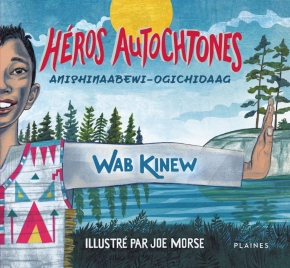
Héros autochtones/Anishinaabewi-Ogichidaag,

Les langues(Languages):Anishinaabe and French

texte de (writer) Wab Kinew; illustrations de (illustrator) Joe Morse

Niveau scolaire (Grade level): Kindergarten – 5

Souhaitant faire connaitre aux jeunes de tous les horizons ses héros autochtones, Wab Kinew a composé des textes inspirants mettant en vedette des héros autochtones du Canada et des États-Unis. Malgré leur expérience unique, tous ont ceci en commun : la confiance en soi et un lien avec le territoire.
L’histoire du chandail orange,

texte de Phyllis Webstad, illustrations de Brock Nicol, traduction de Textualis

Niveau scolaire (Grade level): 2 – 5

Lorsque Phyllis Webstad (née Jack) a eu six ans, elle est allée au pensionnat pour la première fois. Pour sa première journée d’école, elle portait un chandail orange tout neuf que sa grand-mère lui avait acheté. À son arrivée à l’école, on le lui a enlevé, pour ne jamais le lui redonner. Voici la vraie histoire de Phyllis et de son chandail orange.
Pimithaagansa/Les libellules cerfs-volant,

texte de Tomson Highway; illustrations de Julie Flett

Niveau scolaire (Grade level): 1 – 3

Que ferais-tu n’avais aucun jouet, aucun jeu et aucun appareil electronique avec lesquels t’amuser? Est-ce que tu trouverais le temps long? Les freres Joe et Cody font tout sauf s’eenuyer. Ils inventent, creent et suivent leurs reves et ne s’ennuient jamais. Il suffit d’imaginer!
Les mots volés,

texte de Melanie Florence, illustrations de Gabrielle Grimard, texte français de Isabelle Allard

Niveau scolaire (Grade level): 1 – 4

Curieuse d’en savoir davantage sur ses origines, une petite fille demande à son grand-père de prononcer un mot en langue crie. Celui-ci est attristé lorsqu’il réalise qu’il l’a oublié, conséquence de nombreuses années passées en école résidentielle. Il lui dit qu’il a «perdu les mots»; lors de son passage là-bas, et elle décide donc de l’aider à les retrouver.
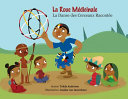
La roue médicinale : la danse des cerceaux racontée,

texte de Teddy Anderson, illustrations de Jessika von Innerebner

Niveau scolaire (Grade level): Kindergarten – 3

La danse des cerceaux et la roue médicinale sont de puissants symboles d’unité, de coopération et d’harmonie. Lors de ses représentations aux quatre coins de la planète, Teddy Anderson présente ces symboles comme des prismes au travers desquels jeunes et moins jeunes peuvent examiner le passé et prévoir l’avenir.
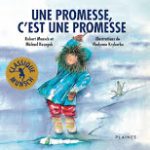
Une promesse, c’est une promesse,

texte de Robert Munsch et Michael Kusugak, illustrations de Vladyana Kryorka, texte français de Carole Freynet-Gagné

Niveau scolaire (Grade level): Kindergarten – 3

La petite Allashua ne croit pas en l’existence des Qallupilluits, ces créatures similaires aux trolls qui, aux dires de sa maman, capturent les enfants qui s’approchent seuls des crevasses de glace. La voilà donc qui décide d’outrepasser la promesse qu’elle a faite à ses parents en allant pêcher seule au bord de l’océan. Quelques instants plus tard, elle est capturée par les Qallupilluits, qui l’entraînent dans leur royaume, sous les glaces océanes.


Trouver d’autres ressources

Voici quelques conseils pour trouver d’autres ressources dans ce domaine :

  • Sur la page principale du site de la bibliothèque de l’UBC, utilisez la boîte de recherche générale pour rechercher des matériaux à travers toutes les succursales de la bibliothèque de l’UBC.
  • Pour limiter vos résultats aux matériels disponibles à la Bibliothèque de l’éducation, visitez le site web de la Bibliothèque de l’éducation et effectuez une recherche à l’aide de la case “Search Education Resources” située dans la bande à gauche de l’écran.
  • Remarque : les ressources étant principalement cataloguées en anglais, les termes ci-dessous donnent généralement plus de résultats que les recherches effectuées en français. Vous pouvez filtrer votre liste de résultats par langue dans la barre latérale de gauche.
  • Utilisez des termes de recherche spécifiques, tels que
    • “pensionnat indien”, “First Nations”, “Indigenous”, “Aboriginal”, “Indians of North America”, “Musqueam” (or any nation).
  • Pour trouver des plans de cours, incluez “lesson plans”, “lesson planning”, or “activity programs” dans vos termes de recherche.

Finding More Resources

To find more resources in this area, try the following:

  • Search using the General tab on the UBC Library website to look for material in all UBC Library branches.
  • Search using “Search Education Resources” box in the left hand bar on the Education Library website to limit your results to physical materials in the Education Library.
  • Use specific search terms, such as
    • “pensionnat indien”, “First Nations”, “Indigenous”, “Aboriginal”, “Indians of North America”, “Musqueam” (or any nation).
  • To find lesson plans, include “lesson plans”, “lesson planning”, or “activity programs” in your search terms.

For more help with searching, please visit the Library Service Desk or e-mail ed.lib@ubc.ca.
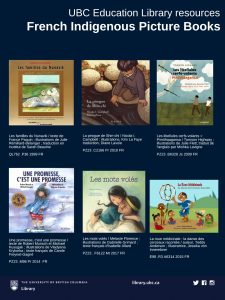
PDF Booklist

Categories
Language Arts

Wordless Picture Books

Below are selected wordless picture books which can be used in the ELA classroom.

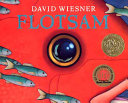
Flotsam

by David Wiesner

On a trip to the beach, a science-minded boy makes a discovery that sparks his imagination like never before.

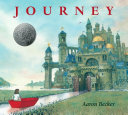
The Journey Trilogy

by Aaron Becker

These three books – JourneyQuest, and Return – follow the adventures of a young girl who draws a door in her wall with a marker. She meets a strange boy, has to rescue a king and a kingdom, and eventually finds her way back home.

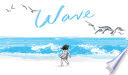
Wave

by Suzy Lee

A little girl is nervous during her first visit to the beach, but she gradually loses her fear of the roaring waves.

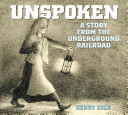
Unspoken: A story from the Underground Railroad

by Henry Cole

When a farm girl discovers a runaway slave hiding in the barn, she is at once startled and frightened. But the stranger’s fearful eyes weigh upon her conscience, and she must make a difficult choice. Will she have the courage to help him?

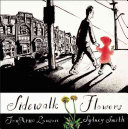
Sidewalk flowers

story by JonArno Lawson, illustrated by Sydney Smith

A little girl collects wildflowers while on a walk with her distracted father. Each flower becomes a gift, and whether the gift is noticed or ignored, both giver and recipient are transformed by their encounter.

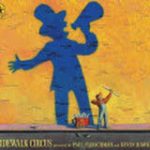
Sidewalk circus

story by Paul Fleischman, illustrated by Kevin Hawkes

A young girl watches as the everyday activities across the street from her bus stop – like putting up posters, washing windows, or climbing a ladder – become a circus.

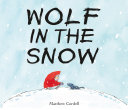
Wolf in the snow

by Matthew Cordell

When a wolf cub and little girl are both lost in a snowstorm, they must help each other to find their way home.

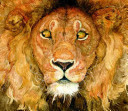
The lion and the mouse

by Jerry Pinkney

After a ferocious lion in the Serengeti plains spares a cowering mouse that he’d planned to eat, the mouse later comes to his rescue, freeing him from a poacher’s trap.

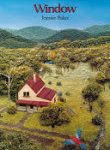
Window

by Jeannie Baker

The events and changes in a young boy’s life and in his environment, from babyhood to grownup, are shown through wordless scenes observed from the window of his room.

The red book

by Barbara Lehman

This book is about a book: a magical red book without any words. It crosses oceans and continents to deliver one girl into a new world of possibility, where a friend she’s never met is waiting.

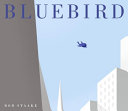
Bluebird

by Bob Staake

Follow the journey of a bluebird who becomes friends with a lonely and bullied young boy, and ultimately saves the boy’s life.


Finding More Resources

To find more resources in this area, try the following:

  • Search using the General tab on the UBC Library website to look for material in all UBC Library branches.
  • Search using “Search Education Resources” box in the left hand bar on the Education Library website to limit your results to physical materials in the Education Library.
  • Use specific search terms, such as “stories without words” or “stories without words – juvenile fiction”.
  • To find lesson plans, include “lesson plans”, “lesson planning”, or “activity programs” in your search terms.

For more help with searching, please visit the Library Service Desk or e-mail ed.lib@ubc.ca.

Categories
English Language Arts Planning for Teaching and Learning

Literature Circles

Listed below are selected teacher resources related to literature circles. Note that “literature circles,” “book clubs,” and “reading groups” are sometimes used synonymously; if you are searching for additional materials, you may wish to use those terms as well.

Teacher Resources

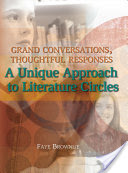
Grand conversations, thoughtful responses: A unique approach to literature circles

by Faye Brownlie (eBook)

Grades: 6-9

In Brownlie’s approach to Literature Circles, no roles are used and no limits are set on the amount students read. Students choose their books from an appropriate pre-arranged set, engage in meaningful conversations about their books with their peers, keep response journals, and work biweekly on a whole-class comprehension strategy.

Literature circles: The way to go and how to get there,

by Brooke Morris and Deborah Perlenfein

Includes detailed strategies for implementing, managing, organizing, and assessing literature circles.

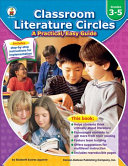
Classroom literature circles: A practical, easy guide, grades 3-5

by Elizabeth Suarez Aguerre

Grades: 3-5

This book features tips for setting up groups, choosing literature, finding enough books, and teaching students how to be active participants in the literature circle process. It also includes reproducible role sheets which are adjusted for different learning levels, as well as advice about literature circles and classroom management.

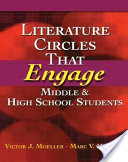
Literature circles that engage middle and high school students

by Victor J. Moeller and Marc V. Moeller

Grades: 7-12

This book demonstrates how to prepare your students to lead their own active, focused discussion in small groups, including reading actively for comprehension; interpreting and evaluating texts; asking good questions; and leading discussion groups.

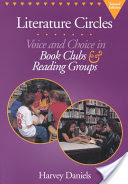
Literature circles: voice and choice in book clubs and reading groups

by Harvey Daniels

Grades: K-12

This book provides strategies, structures, tools, and stories for teachers to launch and manage literature circles effectively. Includes four different models for preparing students for literature circles;dozens of variations on the basic version of student-led bookclubs; models and procedures for primary, intermediate, and high school grades; and ideas for using literature circles with nonfiction texts across the curriculum.

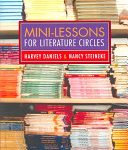
Mini-lessons for literature circles

by Harvey Daniels and Nancy Steineke

Grades: 6-12

Each of these forty-five short, focused, and practical mini-lessons includes actual classroom language, and is formatted to help teachers with managing time and materials, giving answers to students, and avoiding predictable problems.

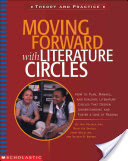
Moving forward with literature circles: how to plan, manage, and evaluate literature circles that deepen understanding and foster a love of reading

by Jeni Pollack Day et al.

Grades: K-6

This guide to managing literature circles includes guidelines, mini-lessons, booklists, checklists, and discussion suggestions.

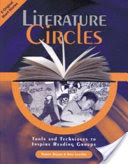
Literature circles: Tools and techniques to inspire reading groups

by Warren Rogers and Dave Leochko

Grades: 5-8

This book guides teachers in developing and maintaining literature circles in their intermediate classrooms. Features in the book are: six original, reproducible short stories; theory and practice of literature circles; easy-to-use handouts for role definitions; mini-lessons to help teach communication skills and to help groups work effectively; and more.

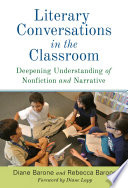
Literary conversations in the classroom: Deepening understanding of nonfiction and narrative

by Diane Barone and Rebecca Barone

Grades: 3-8

This book demonstrates how high-level conversations centered on fiction and nonfiction can promote students’ understanding. The authors explore how to use literary conversations in small, heterogeneous groups to address multiple expectations within classrooms, such as close reading, vocabulary, background knowledge, literal and inferential comprehension, and responses to multimodal interpretation, nonfiction text features, and graphic organizers.


Finding More Resources

To find more resources in this area, try the following:

  • Search using the General tab on the UBC Library website to look for material in all UBC Library branches.
  • Search using “Search Education Resources” box in the left hand bar on the Education Library website to limit your results to physical materials in the Education Library.
  • Use specific search terms, such as “literature circle” or “literature–study and teaching”.
  • To find lesson plans, include “lesson plans”, “lesson planning”, or “activity programs” in your search terms.

For more help with searching, please visit the Library Service Desk or e-mail ed.lib@ubc.ca.
Categories
English Language Arts Planning for Teaching and Learning

Read-Alouds

Listed below are selected teacher resources for selecting and presenting read-aloud books, as well as several picture books which are good for read-aloud time.

Teacher Resources

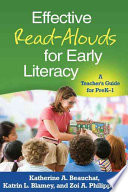
Effective read-alouds for early literacy: A teacher’s guide for preK-1

by Katherine Beauchat et al.

Grades: K-1

This guide provides effective strategies for selecting books and using read-alouds to develop children’s oral language, vocabulary, concepts of print, alphabet knowledge, phonological awareness, and comprehension. The authors take teachers step by step through planning and setting goals for read-alouds, as well as reflecting on each lesson to inform future instruction.

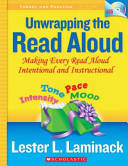
Unwrapping the read aloud: Making every read aloud intentional and instructional

by Lester L. Laminack

Grades: K-5

The author suggests that the read aloud for students can be one of the most potent instructional moments of the school day, but thoughtful planning is required. Intentional read alouds require purposely selecting texts and times with the intent to inspire students to read and write, invest in students’ language and understandings, and instruct across the curriculum.

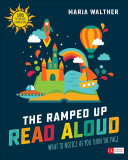
The ramped-up read aloud: What to notice as you turn the page

by Maria Walther

Grades: K-3

The author shares two-page read aloud plans for 101 picture books to help teachers consider what to notice, say, and wonder in order to bolster students’ literacy. The intention is to spark instructional conversations around each book’s cover illustration, enriching vocabulary words, literary language, and the ideas and themes vital to young learners.

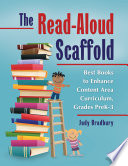
The read-aloud scaffold: Best books to enhance content area curriculum, grades preK-3

by Judy Bradbury

Grades: K-3

One easy way to provide content area instruction to very young readers is by scaffolding beneficial learning subjects within memorable read-aloud activities. This book offers teachers and librarians over 700 content area connections through carefully selected children’s trade books, including both fiction and non-fiction titles.

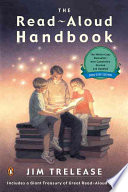
The read-aloud handbook

by Jim Trelease

Grades: K-12

The sixth edition of this work imparts the benefits, rewards, and importance of reading aloud to children of a new generation. Supported by both anecdotes and the latest research, the author offers techniques and strategies—and the reasoning behind them—for helping children discover the pleasures of reading and setting them on the road to becoming lifelong readers.

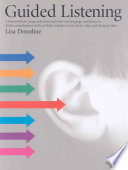
Guided listening: A framework for using read-aloud and other oral language experiences to build comprehension skills and help students record, share, value, and interpret ideas

by Lisa Donohue

Grades: K-6

This book illustrates how teachers can champion purposeful listening and help students better understand their language strengths and needs. It offers a practical framework that shows the value of recording and sharing the ideas of others; provides opportunities to identify the norms and conventions associated with oral language; and frees students to listen more attentively, organize their responses, and watch for the subtle cues that are an important part of listening.

Picture Books

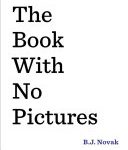
The book with no pictures

by B. J. Novak

It’s true – this is a picture book with no pictures. But the reader has to say every silly word that’s on the page, no matter what…even if it’s “BLUURF”.

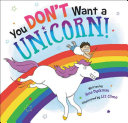
You don’t want a unicorn!

written by Ame Dyckman, illustrated by Liz Climo

When a little boy throws a coin into a wishing well and asks for a pet unicorn, he has no idea what kind of trouble he’s in for. Unicorns make the absolutely worst pets: they shed, they make a big mess, and they poke holes in your ceiling!

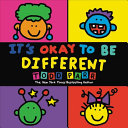
It’s okay to be different

by Todd Parr

It’s okay to need some help. It’s okay to be a different colour. It’s okay to talk about your feelings. Todd Parr shows lots of ways in which it’s okay to be different – you can probably think of even more. (For more books by Todd Parr, click here.)

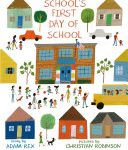
School’s first day of school

written by Adam Rex, illustrated by Christian Robinson

Everyone gets a little nervous on the first day of school – including the school! What will the children do once they come? Will they like the school? Will they be nice to him?

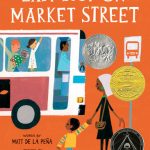
Last stop on Market Street

written by Matt de la Peña, illustrated by Christian Robinson

Every Sunday after church, CJ and his grandma ride the bus across town. But today, CJ wonders why they don’t own a car like his friend Colby, and why doesn’t he have an iPod like the boys on the bus. Each question is met with an encouraging answer from his grandma.

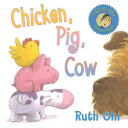
Chicken, pig, cow

by Ruth Ohi

Pig, Chicken and Cow think their barn home is perfect. The only thing that isn’t perfect is Dog, whose drool makes it feel as if it’s raining in the barn. One day, Pig and Chicken decide to go exploring, leaving Cow behind. When Dog tips the barn over, Pig and Chick must make a daring rescue.

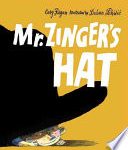
Mr. Zinger’s hat

written by Cary Fagan, illustrated by Dušan Petričić

When Leo is playing ball in the courtyard, he runs into Mr. Zinger, a man with a hat who makes up stories. Together, they build a new story, with Mr. Zinger providing most of the plot while Leo fills in the details.

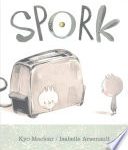
Spork

written by Kyo Maclear, illustrated by Isabelle Arsenault

His mum is a spoon. His dad is a fork. And Spork is a bit of both of them. He never gets chosen to be at the table at mealtimes until one day a very messy … thing arrives in the kitchen who has never heard of cutlery customs.

The raven and the loon

written by Rachel and Sean Qitsualik-Tinsley, illustrated by Kim Smith

In the time before animals were as they are today, Raven and Loon were both white. Raven spent his days swooping through the sky trying to fight off boredom, while Loon spent her days in her iglu sewing. One day, too bored to even fly, Raven visited Loon and suggested a sewing game that would give their feathers some much-needed colour.


Finding More Resources

To find more resources in this area, try the following:

  • Search using the General tab on the UBC Library website to look for material in all UBC Library branches.
  • Search using “Search Education Resources” box in the left hand bar on the Education Library website to limit your results to materials in the Education Library.
  • Use specific search terms to narrow your results, such as “oral reading”, “reading (elementary)”, or “children — books and reading”.
  • To find lesson plans, include “lesson plans”, “lesson planning”, or “activity programs” in your search terms.

For more help with searching, please visit the Library Service Desk or e-mail ed.lib@ubc.ca.
Categories
English Planning for Teaching and Learning

Phonemic and Phonological Awareness

Listed below are selected teacher resources and picture books related to phonemic and phonological awareness.

Teacher Resources

Phonemic awareness: A step by step approach for success in early reading

by Idalia Rodriguez Perez

Grades: K-3

This guide presents phonemic awareness as one of the most sophisticated branches of phonological awareness through interactive activities that allows children to succeed in learning the sounds represented by the letters of the alphabet.

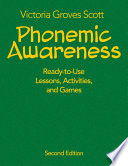
Phonemic awareness : Ready-to-use lessons, activities, and games

by Victoria Groves Scott

Grades: K-6

The second edition of this book contains an updated collection of 48 lessons for children in Grades K-3, or students in Grades 4-6 who have difficulty reading. The activities are sequenced around particular phonemes or sounds, but can be organized or sequenced according to skills such as identification, blending, rhyming, segmentation, deletion, or manipulation.

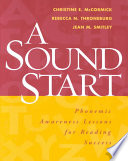
A sound start: Phonemic awareness lessons for reading success

by Christine E. McCormick et al.

Grades: K-3

The authors present three sets of phonemic awareness lessons, complete with scripted directions and reproducible learning materials and assessment tools. Included are developmentally sequenced lessons for the whole class and small groups, more intensive lessons for children struggling with phonemic awareness, and class lessons on the consonant phonemes.

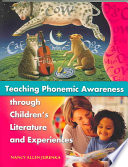
Teaching phonemic awareness through children’s literature and experiences

by Nancy Allen Jurenka

Grades: K-2

This book provides educators with creative strategies for integrating word study with children’s picture books. Each lesson includes a read-aloud book description, literacy experience activity, direct instruction, follow-up activities, recommended poem, and related reading. The lessons build skills in phonemic awareness, morphemic analysis, letter identification, rhyming, and sight words.

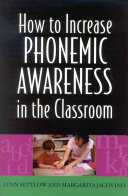
How to increase phonemic awareness in the classroom

by Lynn Settlow and Margarita Jacovino

Grades: K-3

The authors offer a quick and easy informal assessment measure for teachers to pinpoint their students’ instructional needs; classroom activities that are brief, fun, and easy to implement; and literature-based activities to build phonemic awareness through nursery rhymes, poetry, and children’s books. Each chapter features one level of the phonemic awareness developmental continuum along with three types of activities.

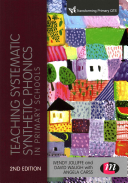
Teaching systematic synthetic phonics in primary schools

by Wendy Jolliffe and David Waugh with Angela Carss

Grades: K-3

The first part of this book discusses essential subject knowledge for teachers in the areas of discriminating sounds and phonemes, grapheme-phoneme correspondences, and moving from phonics to spelling. The second part discusses effective pedagogical techniques for teaching phonics, with phonemics in mind.

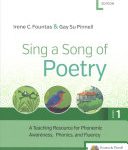
Sing a song of poetry: A teaching resource for phonemic awareness, phonics, and fluency, Grade 2

by Irene C. Fountas and Gay Su Pinnell

Grades: 2

The 225 poems in this book immerse students in rich, rhythmical language, providing age appropriate opportunities to enjoy language through shared reading, stimulate oral language development, connect words, and much more.

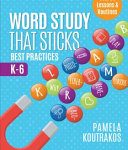
Word study that sticks: Best practices, K-6

by Pamela K. Koutrakos

Grades: K-6

The author discusses how to implement best practices in word study in the classroom, including how to set up the physical classroom and launch routines, and how to instill curiosity and a self-starting attitude in learners about word study. The book covers all facets of words study, including phonemic awareness, phonics, meaning, spelling, and high-frequency word work.

Phonological skills and learning to read

by Usha Goswami and Peter Bryant

Grades: K-6

This new edition of a classic work brings together the latest research in the link between phonological skills and reading. The authors describe three causal factors which can account for children’s reading and spelling development: pre-school phonological knowledge of rhyme and alliteration, the impact of alphabetic instruction on knowledge about phonemes, and links between early spelling and later reading. (E-book only)

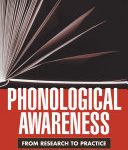
Phonological awareness: From research to practice

by Gail T. Gillon

Grades: K-12

This book provides a comprehensive review of knowledge about phonological awareness, together with practical guidance for helping children acquire needed skills. The author synthesizes findings on the development of phonological awareness; its role in literacy learning; and how it can be enhanced in children at risk for reading difficulties and those with reading disorders or speech or language impairments. Methods and activities are described for working with preschoolers to adolescents, including those with special learning needs.

Picture Books

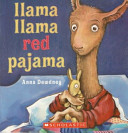
Llama, llama red pajama

by Anna Dewdney

At bedtime, a little llama worries after his mother puts him to bed and goes downstairs. When will she come back?

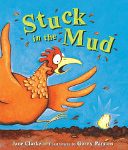
Stuck in the mud

written by Jane Clarke, illustrated by Garry Parsons

When one of Hen’s chicks gets stuck in the mud, the other farm animals come to help. How many farmyard friends will it take to get Chick out?

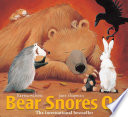
Bear snores on

written by Karma Wilson, illustrated by Jane Chapman

One by one, different animals and birds find their way into Bear’s cave to warm up. But even after the tea has been brewed and the corn has been popped, Bear just snores on…

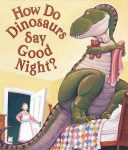
How do dinosaurs say good night?

written by Jane Yolen, illustrated by Mark Teague

Mother and child think about the different ways a dinosaur can say goodnight, from slamming his tail and pouting to giving a big hug and kiss.

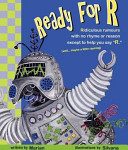
Ready for R: Ridiculous rumors with no rhyme or reason except to help you say “R”

written by Marian MacDougall, illustrated by Silvana Bevilacqua

Ready for R includes colour-coded R-word lists, fun and easy teaching tips, and with silly stories that will make students want to keep practicing. Ready for R is designed to spark speech, language and literacy development, inspire story-telling and encourage ESL students.

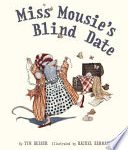
Miss Mousie’s blind date

written by Tim Beiser, illustrated by Rachel Berman

A story told in rhyme about Miss Mousie’s preparations for her date with Mole. What will he think when he sees her – in fact, will he even see her?

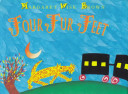
Four fur feet

written by Margaret Wise Brown, illustrated by Woodleigh Marx Hubbard

A furry little creature wanders the world, taking in all the fascinating sights and sounds. Round and round he goes, as a rhythmic text describes what he sees and hears along the way.


Finding More Resources

To find more resources in this area, try the following:

  • Search using the General tab on the UBC Library website to look for material in all UBC Library branches.
  • Search using “Search Education Resources” box in the left hand bar on the Education Library website to limit your results to materials in the Education Library.
  • Use specific search terms to narrow your results, such as “reading – phonetic method”, “English language – phonemics – study and teaching”, or “stories in rhyme”.
  • To find lesson plans, include “lesson plans”, “lesson planning”, or “activity programs” in your search terms.

For more help with searching, please visit the Library Service Desk or e-mail ed.lib@ubc.ca.
Categories
Language Arts

Picture Books in Rhyme

Listed below are selected picture books in rhyme.

Picture Books

The alphabet thief

written by Bill Richardson, illustrated by Roxanna Bikadoroff

These zany rhymes tell the story of peculiar thief who steals one letter of the alphabet each night, creating a topsy-turvy world as she goes. It seems that no one can stop her, until the Zs finally send her to sleep so that all the other letters can scamper back to where they belong.

Tree song

written by Tiffany Stone, illustrated by Holly Hatam

Follow the life cycle of a tree as it grows from seedling to mature tree, and finally gives way to a new sapling. The tree provides a canopy for a summer picnic, a home for animals, and a perfect place to hang a swing. When old age fells the tree, it leaves an acorn from which a new tree will grow.

The garden crew

by Carolyn Harris

A group of characters come together to save their most prized possession: their garden. They come in all shapes, sizes, colours, and abilities. In the beginning, they are full of doubt about themselves, but by working together as a team, they accomplish something amazing.

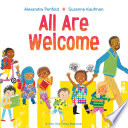
All are welcome

written by Alexandra Penfold, illustrated by Suzanne Kaufman

Follow a group of children through a day in their school, where everyone is welcomed with open arms. A school where kids in patkas, hijabs, and yarmulkes play side-by-side with friends in baseball caps. A school where students grow and learn from each other’s traditions and the whole community gathers to celebrate the Lunar New Year.

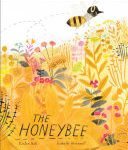
The honeybee

written by Kirsten Hall, illustrated by Isabelle Arsenault

This rhyming celebration of the honeybee follows the endangered insects through the year as they forage for pollen and nectar, communicate with others at their hive, and make honey.

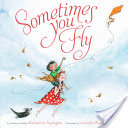
Sometimes you fly

written by Katherine Applegate, illustrated by Jennifer Black Reinhardt

This rhyming book celebrates the achievements of childhood, from first birthdays to graduation, and reminds readers that learning from mistakes makes success sweeter.

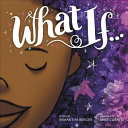
What if…

written by Samantha Berger, illustrated by Mike Curato

What if there were no pencils or paper to draw with? What would you do then? One little girl imagines all the ways she can express herself, from sculpting and building to singing and dreaming.

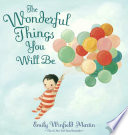
The wonderful things you will be

by Emily Winfield Martin

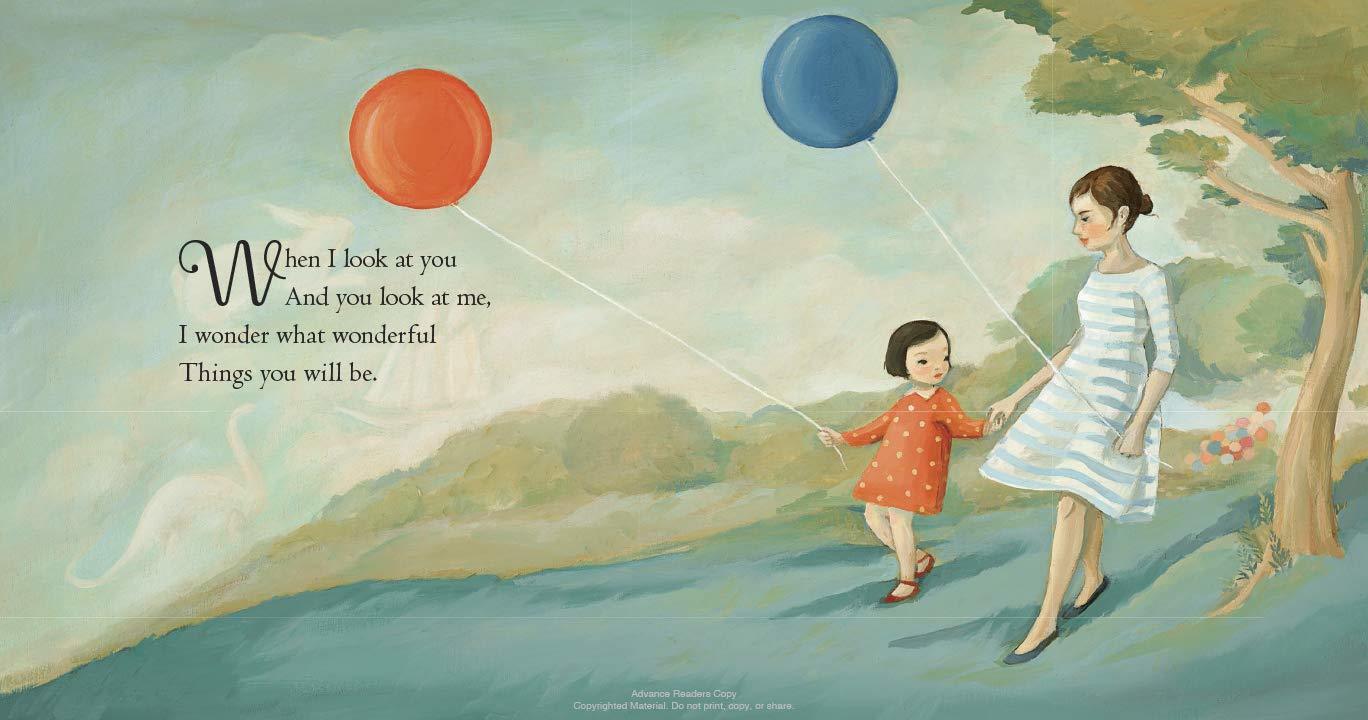
Simple, rhyming text reveals a parent’s musings about what a child will become, knowing that the child’s kindness, cleverness, and boldness will shine through no matter what, as will the love they share.

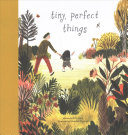
Tiny perfect things

written by M. H. Clark, illustrated by Madeline Kloepper


Finding More Resources

To find more resources in this area, try the following:

  • Search using the General tab on the UBC Library website to look for material in all UBC Library branches.
  • Search using “Search Education Resources” box in the left hand bar on the Education Library website to limit your results to materials in the Education Library.
  • Use specific search terms to narrow your results, such as “stories in rhyme” or “stories in rhyme–juvenile fiction”.
  • To find lesson plans, include “lesson plans”, “lesson planning”, or “activity programs” in your search terms.

For more help with searching, please visit the Library Service Desk or e-mail ed.lib@ubc.ca.
Categories
English Language Arts Planning for Teaching and Learning

Figurative Language

Listed below are selected teacher resources, picture books, and non-fiction related to figurative language.

Teacher Resources

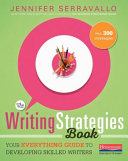
The writing strategies book: Your everything guide to developing skilled writers with 300 strategies

by Jennifer Serravallo

Grades: K-6

From the author of The reading strategies book, this book presents a wide range of techniques to allow teachers to develop individual goals for every writer, give students step-by-step instructions for writing with skill and craft, coach writers using prompts aligned with a strategy, present mentor texts that support a genre and strategy, and more. Goal 7 includes discussion of figurative language.

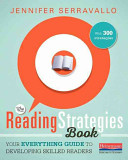
The reading strategies book: Your everything guide to developing skilled readers

by Jennifer Serravallo

Grades: K-6

This book presents a wide range of techniques to allow teachers to develop individual goals for every reader, give students step-by-step instructions for reading with skill, guide readers using prompts aligned with a strategy, adjust instruction to meet individual needs, and more. Goal 11 includes discussion of figurative language.

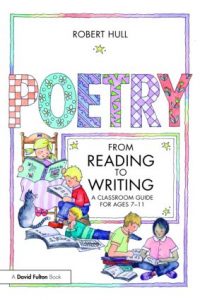
Poetry – From reading to writing: A classroom guide for ages 7-11

by Robert Hull

Grades: 2-6

The author uses poems from a range of authors to show how creative readings of poems can spark a child’s imagination and lead to original writing. Students are encouraged to write different forms of poetry, including rhyming and non-rhyming poems, haiku, free verse, narrative poems, and more. Chapter 7 includes discussion of figurative language. (E-book only)

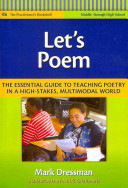
Let’s poem: The essential guide to teaching poetry in a high-stakes, multimodal world

by Mark Dressman

Grades: 7-12

This guide presents multiple approaches to teaching poetry at the middle and high school levels. The author explores how to preserve the fun of poetry while also developing critical writing and analysis skills, how to introduce students to the basic formal elements of classic and contemporary poetry, and how to expand their repertoires through the use of digital technology and the Internet. The chapter on “Skin Poetry” discusses figurative language.

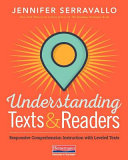
Understanding texts and readers: Responsive comprehension instruction with leveled texts

by Jennifer Serravallo

Grades: K-6

The author examines a number of areas of text comprehension, including how plot and setting, character, vocabulary and figurative language, and themes and ideas change as fiction become more complex; as well as how the complexity of main idea, key details, vocabulary, and text features increases in nonfiction texts.

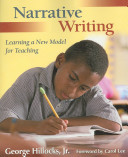
Narrative writing: Learning a new model for teaching

by George Hillocks Jr.

Grades: 9-12

This book demonstrates how focusing classroom activities on producing content, rather than form, boosts students’ engagement and makes them active learners. The author shows how “at-risk” kids’ competencies increase significantly as they are taught how to complete important writing tasks such as incorporating detail and figurative language, creating dialogue, expressing inner thoughts, portraying people and action, and more.

Picture Books

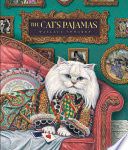
The cat’s pajamas

by Wallace Edwards

This book depicts 26 idioms, bringing new meaning to familiar sayings and tickling your funny bone with a surreal illustration on each page. To ensure you get the hang of it, each expression is used in a sentence and explained at the back of the book.

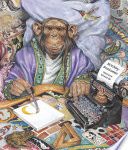
Monkey business

by Wallace Edwards

From a fish opening a “can of worms” to a tap-dancing octopus putting his “best foot forward,” these familiar idioms are re-imagined in hilarious and unexpected ways. The idioms are used in a sentence that accompanies each illustration, and the meaning of each one is explained at the end of the book.

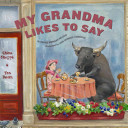
My grandma likes to say

written by Denise Brennan-Nelson, illustrated by Jane Monroe Donovan

Thousands of proverbs and idioms can be found in the English language – like “a horse of a different colour” and “a bull in a tea shop”. Derived from many different sources, these expressions are a link to history and culture, and can be an instructive tool in language education.

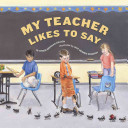
My teacher likes to say

written by Denise Brennan-Nelson, illustrated by Jane Monroe Donovan

Students often hear maxims and sayings on a regular basis in the classroom. From “Do you have ants in your pants?” to “Stick together!” and “Great minds think alike,” readers will be intrigued by the history of these adages, told in poetry form as well as expository text, and amused by the illustrations, depicting these sayings as a child might imagine them.

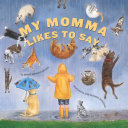
My momma likes to say

written by Denise Brennan-Nelson, illustrated by Jane Monroe Donovan

Parents say strange things sometimes – what does it REALLY mean when your mom says “Hold your horses”, “I have eyes in the back of my head”, or “Money doesn’t grow on trees”?

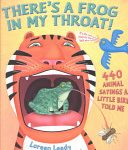
There’s a frog in my throat: 440 animal sayings a little bird told me,

written by Loreen Leedy and Pat Street, illustrated by Loreen Leedy

This book goes hog-wild with this collection of animal sayings. From lucky ducks to odd ducks to sitting ducks to just plain quacks, this book presents a wealth of sayings alongside fun-filled art bursting with color and energy. Each expression is clearly explained so no reader feels like a silly goose.

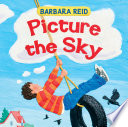
Picture the sky

by Barbara Reid

Wherever we may be, we share the same sky. But every hour, every day, every season, whether in the city or the forest, it is different. The sky tells many stories: in the weather, in the clouds, in the stars, in the imagination. This book envisions the sky above and around us in all its moods.

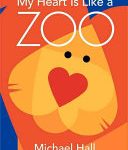
My heart is like a zoo

by Michael Hall

A heart can be hopeful, or silly, or happy. A heart can be rugged, or snappy, or lonely. A heart holds every different feeling, and for each one, the author an animal out of heart shapes, from “eager as a beaver” to “angry as a bear” to “thoughtful as an owl.”

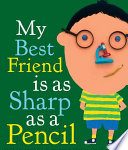
My best friend is sharp as a pencil: And other funny classroom portraits

by Hanoch Piven

Categories
English

Procedural Texts

Listed below are selected teacher resources, picture books, fiction, and non-fiction related to procedural texts.

Teacher Resources

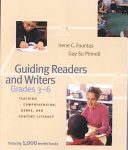
Guiding readers and writers, grades 3-6: Teaching Comprehension, Genre, and Content Literacy

by Irene C. Fountas and Gay Su Pinnell

Grades: 3-6

The authors explore six essential components of a literacy program: breakthrough to literacy, independent reading, guided reading, literature study, teaching for comprehension and word analysis, and the reading and writing connection.

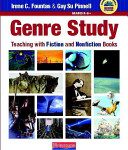
Genre study: teaching with fiction and non-fiction books, grades K-8+

by Irene C. Fountas and Gay Su Pinnell

Grades: K-8

This book uses an inquiry approach to engage students in exploring texts so that they can notice and name the characteristics of each genre and construct a working definition that guides their thinking of reading and writing.

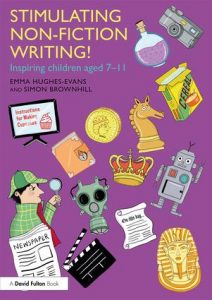
Stimulating non-fiction writing!: Inspiring children aged 7-11

by Emma Hughes-Evans and Simon Brownhill

Grades: 2-6

This book offers ways to engage children in non-fiction writing, giving teachers the confidence and practical advice that they need to support children in producing quality non-fiction texts in the classroom. Types of texts explored include instructions, persuasive texts, reports, and correspondence. (E-book only)

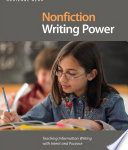
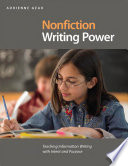
Nonfiction writing power: Teaching information writing with intent and purpose

by Adrienne Gear

Grades: K-6

This book is designed to help teachers develop a writing program that will enable their students to harness all of their nonfiction writing powers: to describe, to instruct, to compare, to persuade, to explain, and to report. It illustrates ways to encourage students to write because they have something to say, and to recognize that writing well means considering intent and purpose, and choosing the best form of expression.

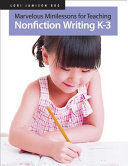
Marvelous minilessons for teaching: Nonfiction writing K-3

by Lori Jamison Rog

Grades: K-3

This book shows that even the youngest writers can consider audience and purpose as they use nonfiction writing to document their ideas and share those ideas with others. Forty minilessons offer strategies for writing informational, persuasive and procedural text. Each lesson starts with a learning goal and follows an “I do, We do, You do” format.

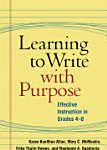
Learning to write with purpose: Effective instruction in grades 4-8

by Karen Kuelthau Allan et al.

Grades: 4-8

Communicating ideas and information is what makes writing meaningful, yet many students write without considering the aims of their writing or the needs of their readers. This book shares techniques to promote the skills and strategies need to write and revise effectively in a range of genres, including persuasive, expository and procedural writing; narratives; and poetry.

Picture Books Related to Procedural Texts

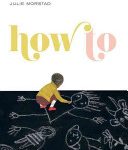
How to

by Julie Morstad

This imaginative ‘how to’ book explores whimsical ways of doing a host of different tasks, including ‘how to wonder’, ‘how to see the breeze’, and ‘how to be brave’.

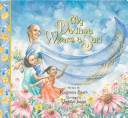
My dadima wears a sari

written by Kashmira Sheth, illustrated by Yoshiko Jaeggi

Rupa wonders why her grandmother always wears a sari, rather than other clothes. When her grandmother tells her all the things a sari can do – like being an umbrella in a rainstorm or a pouch for shells collected at the beach – Rupa thinks she’d like to wear one too. Includes instructions on wrapping a sari.

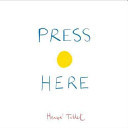
Press here

by Hervé Tullet, translated by Christopher Franceschelli

Press the yellow dot on the cover of this book, follow the instructions within, and embark upon a magical journey! Each page of this book instructs the reader to press the dots, shake the pages, tilt the book, and see what happens next.

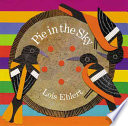
Pie in the sky

by Lois Ehlert

A father and child wait through the seasons for the cherries on their tree to be ripe, so they can make a cherry pie together. Includes a cherry pie recipe.

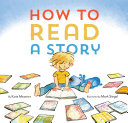
How to read a story,

written by Kate Messner, illustrated by Mark Siegel

It’s easy to read a story: just follow the steps. Step one: find a story. Step two: find a buddy. Step three: find a reading spot. Step four: read!

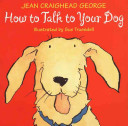
How to talk to your dog

written by Jean Craighead George, illustrated by Sue Truesdell

How do you say hello and good-bye in dog talk? Most importantly, how do you tell your dog that you’re the boss and have him or her adore you? Learn what different tail positions and facial expressions mean — and much more!

Non-Fiction Books Related to or Demonstrating Procedural Texts

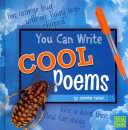
You can write cool poems

by Jennifer Fandel

Grades: 1-3

Through examples and exercises, this book shows how young writers can make readers smile, give them goosebumps or the giggles, or even make them cry, all through poetry.

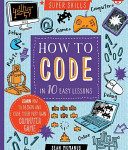
How to code in 10 easy lessons

by Sean McManus

Grades: 6-8

This book starts by asking the question, “What is coding?” and shows what coding skills are. Then readers get to see how to use Scratch coding software to write simple code, use loops, and debug, to create a webpage, and even make a computer game. Includes easy-to-follow instructions and step-by-step graphics.

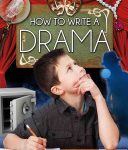
How to write a drama

by Megan Kopp

Grades: 3-6

A drama is a story that is experienced by an audience as a performance. Readers will explore acts, dialogue, stage direction, and other elements that define this genre. Mentor texts and writing prompts guide readers as they compose their own dramas. Part of the Text styles series.

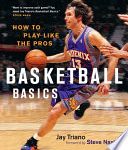
Basketball basics: How to play like the pros

written by Jay Triano, foreword by Steve Nash

Grades: 4-8

Focusing on the core areas – Conditioning, Offense, Defense, Rebounds, and Plays That Make a Difference – Triano provides step-by-step instructions for everything from balance and stretching to dribbling and passing, from shooting to catching to lay-ups and free throws. The book includes instructional photos on every page, as well as full-color action photos of international and NBA stars.

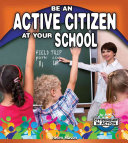
Be an active citizen at your school

by Helen Mason

Grades: K-3

Young readers will discover ways to practice democratic principles in their schools and classrooms. Accessible, child-centered examples demonstrate key skills and practices including active listening, consensus-building, and voting procedures. Readers will also learn ways to clearly communicate their own points of view while showing respect for others’ perspectives.

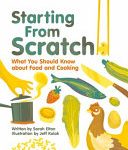
Starting from scratch: What you should know about food and cooking,

written by Sarah Elton, illustrated by Jeff Kulak

Grades: 5-12

This book demystifies food and cooking by boiling it down to the basics. Kids will be able to make sense of recipes, measure and substitute ingredients, and stock a pantry, but they’ll also discover that food is more than just a prepackaged meal. Includes several tasty recipes.

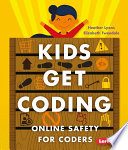
Online safety for coders

written by Heather Lyons and Elizabeth Tweedale, illustrated by Alex Westgate

Grades: K-3

How can you stay safe while surfing the Internet? You need to be an Internet superhero! The internet is an exciting world, but there are things you should be careful of as well. Find out how information is used online and how Internet superheroes protect their identities. Then use the link in this book to try fun activities that will boost your superhero skills.

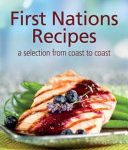
First Nations recipes: A selection from coast to coast

by Greg Lepine

Grades: 7-12

The recipes in this book feature ingredients at the foundation of Aboriginal culture, such as salmon, venison, bison, fiddleheads, wild rice and berries, and include brief descriptions of their historic relationship with that food. First Nations cuisine draws on millennia of evolution and deserves a lifetime of study. The recipes here represent a selection of favourites from various cultures across the country, and combine historic and currently available ingredients to reflect a contemporary, modern taste.


Finding More Resources

To find more resources in this area, try the following:

  • Search using the General tab on the UBC Library website to look for material in all UBC Library branches.
  • Search using “Search Education Resources” box in the left hand bar on the Education Library website to limit your results to materials in the Education Library.
  • Use specific search terms to narrow your results, such as “English language–composition and exercises–study and teaching” or “composition (language arts)”. Or, search for books with things like “how to” or “recipes” in their titles.
  • To find lesson plans, include “lesson plans”, “lesson planning”, or “activity programs” in your search terms.

For more help with searching, please visit the Library Service Desk or e-mail ed.lib@ubc.ca.
Categories
English

Expository Texts

Listed below are selected teacher resources, picture books, and non-fiction related to or demonstrating expository texts and writing.

Teacher Resources

Guiding readers and writers, grades 3-6: Teaching Comprehension, Genre, and Content Literacy

by Irene C. Fountas and Gay Su Pinnell

Grades: 3-6

The authors explore six essential components of a literacy program: breakthrough to literacy, independent reading, guided reading, literature study, teaching for comprehension and word analysis, and the reading and writing connection.

Genre study: teaching with fiction and non-fiction books, grades K-8+

by Irene C. Fountas and Gay Su Pinnell

Grades: K-8

This book uses an inquiry approach to engage students in exploring texts so that they can notice and name the characteristics of each genre and construct a working definition that guides their thinking of reading and writing.

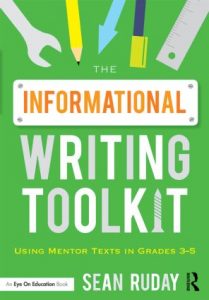
The informational writing toolkit: Using mentor texts in grades 3-5

by Sean Ruday

Grades: 3-5

The author demonstrates how to help students analyze the qualities of effective informational texts using mentor texts, and then help students think of those qualities as tools to improve their own writing. The book covers all aspects of informational writing, including introducing and developing a topic; grouping related information together; adding features that aid comprehension; linking ideas; and using precise language and domain-specific vocabulary. (E-book only)

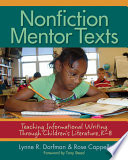
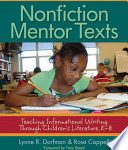
Nonfiction mentor texts: Teaching informational writing through children’s literature, K-8

by Lynne R. Dorfman and Rose Cappelli

Grades: K-8

The authors identifying a wide range of mentor texts and show how these models illustrate the key features of good writing.The book guides teachers through a variety of projects, samples, and classroom anecdotes that demonstrate how teachers can help students become more effective writers of good nonfiction.

Stimulating non-fiction writing!: Inspiring children aged 7-11

by Emma Hughes-Evans and Simon Brownhill

Grades: 2-6

This book offers ways to engage children in non-fiction writing, giving teachers the confidence and practical advice that they need to support children in producing quality non-fiction texts in the classroom. Types of texts explored include instructions, persuasive texts, reports, and correspondence. (E-book only)

Nonfiction writing power: Teaching information writing with intent and purpose

by Adrienne Gear

Grades: K-6

This book is designed to help teachers develop a writing program that will enable their students to harness all of their nonfiction writing powers: to describe, to instruct, to compare, to persuade, to explain, and to report. It illustrates ways to encourage students to write because they have something to say, and to recognize that writing well means considering intent and purpose, and choosing the best form of expression.

Marvelous minilessons for teaching: Nonfiction writing K-3

by Lori Jamison Rog

Grades: K-3

This book shows that even the youngest writers can consider audience and purpose as they use nonfiction writing to document their ideas and share those ideas with others. Forty minilessons offer strategies for writing informational, persuasive and procedural text. Each lesson starts with a learning goal and follows an “I do, We do, You do” format.

Learning to write with purpose: Effective instruction in grades 4-8

by Karen Kuelthau Allan et al.

Grades: 4-8

Communicating ideas and information is what makes writing meaningful, yet many students write without considering the aims of their writing or the needs of their readers. This book shares techniques to promote the skills and strategies need to write and revise effectively in a range of genres, including persuasive, expository and procedural writing; narratives; and poetry.

Beyond the five-paragraph essay

by Kimberley Hill Campbell and Kristi Latimer

Grades: 9-12

The authors demonstrate how to create a program that encourages thoughtful writing in response to literature. They provide numerous strategies that stimulate student thinking, value unique insight, and encourage lively, personal writing, including close reading, low-stakes writing options, a focus on process, and the use of model texts.

The story of my thinking: Expository writing activities for 13 teaching situations

by Gretchen S. Bernabei and Dorothy P. Hall

Grades: 7-12

The authors offer options for teaching expository writing that more realistically match the way readers actually think and writers actually write. Their goal is to help teachers take their students through the various stages of the writing process – from generating ideas to publication – in a way that helps them produce vibrant nonfiction with voice and conviction.

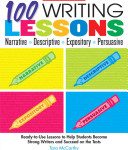
100 writing lessons: Narrative, descriptive, expository, persuasive

by Tara McCarthy

Grades: 4-8

This collection of quick writing lessons and activities will help teachers to find exactly what they need for teaching writing, whether it’s a lesson on using exact words, writing an essay, developing a plot, or organizing a report. The author shares dozens of ideas for teaching students the persuasive, narrative, descriptive, and expository writing skills they need.

Picture Books Demonstrating Expository Writing

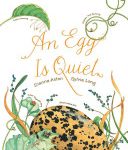
An egg is quiet

written by Diana Hutts Aston, illustrated by Sylvia Long

From tiny hummingbird eggs to giant ostrich eggs, oval ladybug eggs to tubular dogfish eggs, gooey frog eggs to fossilized dinosaur eggs, this book demonstrates the incredible variety of eggs and celebrates their beauty and wonder.

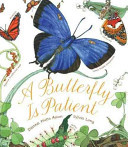
 A butterfly is patient

written by Diana Hutts Aston, illustrated by Sylvia Long

From the world’s tiniest butterfly (Western Pygmy Blue) to the largest (Queen Alexandra’s Birdwing), and throughout their complex life cycle, an incredible variety of butterflies are shown and described here in all of their magnificence.

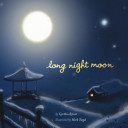
Long night moon

written by Cynthia Rylant, illustrated by Mark Siegel

The 12 full moons throughout the year are given names inspired by Indigenous American traditions, each reflecting the time of year and the seasons in which they are seen.

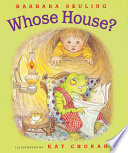
Whose house?

written by Barbara Seuling, illustrated by Kay Chorao

A young boy explores the homes of many different animals before deciding that his own house is the best home for him.

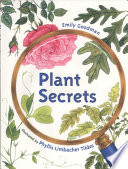
Plant secrets

written by Emily Goodman, illustrated by Phyllis Limbacher Tildes

Plants come in all shapes and sizes, but they go through the same stages as they grow. Using four common plants, young readers learn about a plant’s life cycles: from seed to plant to flower to fruit and back again.

Fiction showing Expository Writing

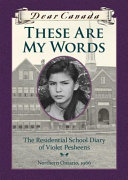
These are my words: The residential school diary of Violet Pesheens

by Ruby Slipperjack

Violet is struggling to adjust to her new life at residential school. She misses her Grandma; she has run-ins with Cree girls; at her “white” school, everyone just stares; and everything she brought has been taken from her, including her name-she is now just a number. But worst of all, she has a fear. A fear of forgetting the things she treasures most, and a fear of forgetting who she was. Her notebook is the one place she can record all of her worries, and heartbreaks, and memories. (Also available in French.)

Non-Fiction Related to or Demonstrating Expository Writing

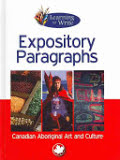
Expository paragraphs: Canadian Aboriginal art and culture,

by Frances Purslow

Grades: 3-7

For more books in the “Learning to Write” series, click here.

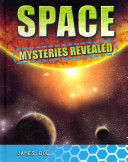
Space mysteries revealed

by James Bow

Grades: 3-6

This book explores and begins to explain many space-related questions, like “How did the universe all begin and where might it end?”, “Will we ever travel in time?”, “What would happen if you were sucked into a black hole?”, and “How can you drive on the Moon?” Part of the Mysteries revealed series.

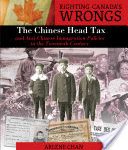
The Chinese head tax and anti-Chinese immigration policies in the twentieth century

by Arlene Chan

Grades: 6-12

Through historical photographs, documents, and first-person narratives from Chinese Canadians who experienced the Head Tax or who were children of Head Tax payers, this book offers a full account of the injustice of this period in Canadian history. Part of the Righting Canada’s wrongs series.

How does GPS work?

by Leon Gray

Grades: 4-6

When taking a road trip today, some sort of GPS device is essential. It may be built into the car’s dashboard, or perhaps it’s just an app on a smartphone. But GPS is used for more than just finding your way! Readers will be fascinated by its many uses, such as catching criminals, predicting earthquakes, and creating maps.

Tomboy: a graphic memoir

by Liz Prince

Grades: 7-12

A memoir told anecdotally, Tomboy follows author and zine artist Liz Prince through her early childhood into adulthood and explores her ever-evolving struggles and wishes regarding what it means to “be a girl.” It’s about refusing gender boundaries, yet unwittingly embracing gender stereotypes at the same time, and realizing later in life that you can be just as much of a girl in jeans and a T-shirt as you can in a pink tutu.

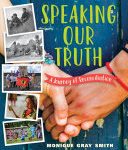
Speaking our truth: a journey of reconciliation

by Monique Gray Smith

Grades: 4-8

Guided by acclaimed Indigenous author Monique Gray Smith, readers will learn about the lives of residential school survivors and listen to allies who are putting the findings of the Truth and Reconciliation Commission into action. (Teacher’s guide also available.)


Finding More Resources

To find more resources in this area, try the following:

  • Search using the General tab on the UBC Library website to look for material in all UBC Library branches.
  • Search using “Search Education Resources” box in the left hand bar on the Education Library website to limit your results to materials in the Education Library.
  • Use specific search terms to narrow your results, such as “expository texts”, “English language – composition and exercises”, “exposition (rhetoric) – study and teaching”, “report writing – study and teaching”, or “composition (language arts)”.
  • To find lesson plans, include “lesson plans”, “lesson planning”, or “activity programs” in your search terms.

For more help with searching, please visit the Library Service Desk or e-mail ed.lib@ubc.ca.
Categories
English

Persuasive Texts

Listed below are selected teacher resources, picture books, fiction, and non-fiction related to persuasive texts.

Teacher Resources

Guiding readers and writers, grades 3-6: Teaching Comprehension, Genre, and Content Literacy

by Irene C. Fountas and Gay Su Pinnell

Grades: 3-6

The authors explore six essential components of a literacy program: breakthrough to literacy, independent reading, guided reading, literature study, teaching for comprehension and word analysis, and the reading and writing connection.

Genre study: teaching with fiction and non-fiction books, grades K-8+

by Irene C. Fountas and Gay Su Pinnell

Grades: K-8

This book uses an inquiry approach to engage students in exploring texts so that they can notice and name the characteristics of each genre and construct a working definition that guides their thinking of reading and writing.

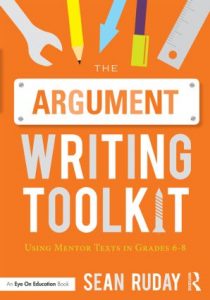
The argument writing toolkit: Using mentor texts in grades 6-8

by Sean Ruday

Grades: 6-8

The author explores how teach students to analyze the qualities of effective arguments using mentor texts, and then use those qualities as tools to improve their own writing. The book describes how to introduce high-interest topics to students to get them engaged in argument writing; teach students to look at multiple sides of an issue and critically evaluate evidence to construct informed, defensible arguments; and make argument writing an interactive, student-driven exercise. (E-book only)

Stimulating non-fiction writing!: Inspiring children aged 7-11

by Emma Hughes-Evans and Simon Brownhill

Grades: 2-6

This book offers ways to engage children in non-fiction writing, giving teachers the confidence and practical advice that they need to support children in producing quality non-fiction texts in the classroom. Types of texts explored include instructions, persuasive texts, reports, and correspondence. (E-book only)

Nonfiction writing power: Teaching information writing with intent and purpose

by Adrienne Gear

Grades: K-6

This book is designed to help teachers develop a writing program that will enable their students to harness all of their nonfiction writing powers: to describe, to instruct, to compare, to persuade, to explain, and to report. It illustrates ways to encourage students to write because they have something to say, and to recognize that writing well means considering intent and purpose, and choosing the best form of expression.

Marvelous minilessons for teaching: Nonfiction writing K-3

by Lori Jamison Rog

Grades: K-3

This book shows that even the youngest writers can consider audience and purpose as they use nonfiction writing to document their ideas and share those ideas with others. Forty minilessons offer strategies for writing informational, persuasive and procedural text. Each lesson starts with a learning goal and follows an “I do, We do, You do” format.

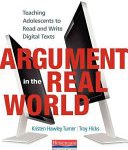
Argument in the real world: Teaching adolescents to read and write using digital texts

by Kristin Hawley Turner and Troy Hicks

Grades: 9-12

Digital texts influence what students buy, who they vote for, and what they believe about themselves and their world. In this book, the authors draw from real world texts and samples of student work to share insights and practical strategies in teaching students the logic of argument, whether those arguments are streaming in through a Twitter feed, a viral videos, or internet memes.

Nonfiction mentor texts: Teaching informational writing through children’s literature, K-8

by Lynne R. Dorfman and Rose Cappelli

Grades: K-8

The authors identifying a wide range of mentor texts and show how these models illustrate the key features of good writing.The book guides teachers through a variety of projects, samples, and classroom anecdotes that demonstrate how teachers can help students become more effective writers of good nonfiction.

Learning to write with purpose: Effective instruction in grades 4-8

by Karen Kuelthau Allan et al.

Grades: 4-8

Communicating ideas and information is what makes writing meaningful, yet many students write without considering the aims of their writing or the needs of their readers. This book shares techniques to promote the skills and strategies need to write and revise effectively in a range of genres, including persuasive, expository and procedural writing; narratives; and poetry.

100 writing lessons: Narrative, descriptive, expository, persuasive

by Tara McCarthy

Grades: 4-8

This collection of quick writing lessons and activities will help teachers to find exactly what they need for teaching writing, whether it’s a lesson on using exact words, writing an essay, developing a plot, or organizing a report. The author shares dozens of ideas for teaching students the persuasive, narrative, descriptive, and expository writing skills they need.

Picture Books Demonstrating Persuasive Writing

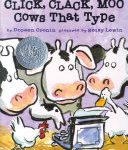
Click, clack, moo: Cows that type

written by Doreen Cronin, illustrated by Betsy Lewin

Farmer Brown’s cows have found a typewriter in their barn, so they start typing out what they’d like the farmer to change about how the farm works. When he refuses to meet their demands, the cows go on strike.

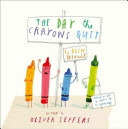
The day the crayons quit

written by Drew Daywalt, illustrated by Oliver Jeffers

Duncan opens his box of crayons and finds…only letters! The crayons are fed up, and they’ve all quit. What can Duncan do to make them all happy, so he can get back to colouring?

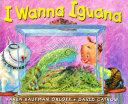
 I wanna iguana

written by Karen Kaufman Orloff, illustrated by David Catrow

Alex wants an iguana. His mother doesn’t think that’s such a great idea. The two write an increasingly dramatic (and funny) series of notes back and forth explaining their positions on the issue.

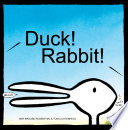
Duck! Rabbit!

written by Amy Krouse Rosenthal, illustrated by Tom Lichtenheld

Sometimes it’s hard to give up your side of an argument – especially when it’s over the age-old illusion of whether this picture is a duck or a rabbit.

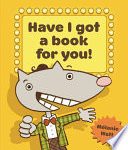
Have I got a book for you!

by Mélanie Watt

Al Foxword wants to sell you a book. A great book – not one of those books that leave you bored and uninspired. Not convinced? Just let Al persuade you…

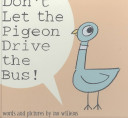
Don’t let the pigeon drive the bus!

by Mo Willems

When the bus driver needs to take a break, a pigeon volunteers to take over. But can he persuade you that he can do it?

Non-Fiction Related to or Demonstrating Persuasive Writing

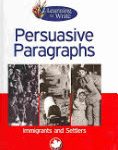
Persuasive paragraphs: Immigrants and settlers

by Frances Purslow

Grades: 3-7

For more books in the “Learning to Write” series, click here.

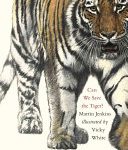
Can we save the tiger?

written by Martin Jenkins, illustrated by Vicky White

Grades: K-3

The tiger is just one of thousands of animals — including the ground iguana, the white-rumped vulture, and the partula snail — currently in danger of becoming extinct. This book looks at the ways human behaviour can either threaten or conserve the amazing animals that share our planet.


Finding More Resources

To find more resources in this area, try the following:

  • Search using the General tab on the UBC Library website to look for material in all UBC Library branches.
  • Search using “Search Education Resources” box in the left hand bar on the Education Library website to limit your results to materials in the Education Library.
  • Use specific search terms to narrow your results, such as “persuasive texts”, “English language – composition and exercises”, “persuasion (rhetoric) – study and teaching”, or “composition (language arts)”.
  • To find lesson plans, include “lesson plans”, “lesson planning”, or “activity programs” in your search terms.

For more help with searching, please visit the Library Service Desk or e-mail ed.lib@ubc.ca.
Spam prevention powered by Akismet