Categories
Accessibility Diversity and Diverse Learners Core Competencies Electronic Resources English Inclusive Classroom

Disabilities Representations in Picturebooks

Listed below are selected books and read aloud links of those materials, to give a variety of ways to experience stories of diverse representations of disabilities in children’s literature.

Vous trouverez ci-dessous une sélection de livres et de liens de lecture à haute voix de ces documents, afin de vous permettre de découvrir diverses représentations des handicaps dans la littérature pour enfants.

Picturebooks

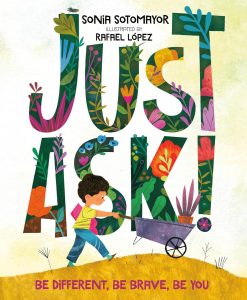
Just ask!: be different, be brave, be you,

by Sonia Sotomayor; illustrated by Rafael López

Niveau scolaire (Grade level): Préscolaire – 3 (PreK-3)

Using her own experience as a child who was diagnosed with diabetes, Justice Sotomayor writes about children with all sorts of challenges–and looks at the special powers those kids have as well. As the kids work together to build a community garden, asking questions of each other along the way, this book encourages readers to do the same: When we come across someone who is different from us but we’re not sure why, all we have to do is Just Ask.

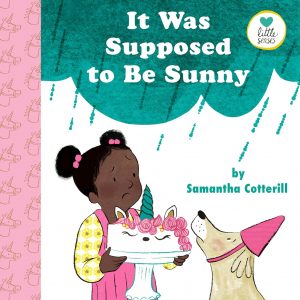
It was supposed to be sunny,

by Samantha Cotterill

Niveau scolaire (Grade level): Préscolaire – 2 (PreK-2)

Laila’s birthday party, perfectly planned with her autism in mind, goes awry due to a change in weather and an accident with her cake, but with the help of her mom and her service dog, Laila knows she can handle this

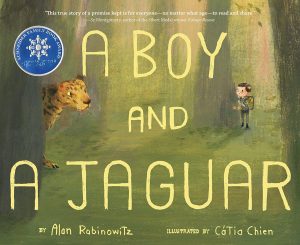
A boy and a jaguar,

by Alan Rabinowitz; illustrated by Cátia Chien

Niveau scolaire (Grade level): Préscolaire – 2 (PreK-2)

The renowned cat conservationist reflects on his early childhood struggles with a speech disorder, describing how he only spoke fluently when he was communicating with animals and how he resolved at a young age to find his voice to be their advocate.

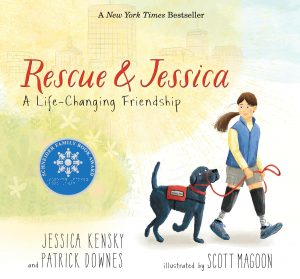
Rescue & Jessica: a life-changing friendship,

by Jessica Kensky and Patrick Downes; illustrated by Scott Magoon

Niveau scolaire (Grade level): K – 4

Rescue thought he’d grow up to be a Seeing Eye dog — it’s the family business, after all. When he gets the news that he’s better suited to being a service dog, he’s worried that he’s not up to the task. Then he meets Jessica, a girl whose life is turning out differently than the way she’d imagined it, too.

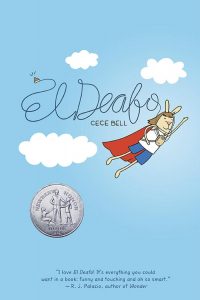
El Deafo,

by Cece Bell; colour by David Lasky

Niveau scolaire (Grade level): 2 – 7

Starting at a new school is scary, especially with a giant hearing aid strapped to your chest! At her old school, everyone in Cece’s class was deaf. Here, she’s different. She’s sure the kids are staring at the Phonic Ear, the powerful aid that will help her hear her teacher. Too bad it also seems certain to repel potential friends.

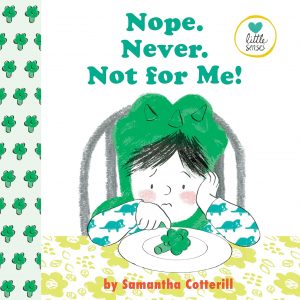
Nope. Never. Not for me!,

by Samantha Cotterill

Niveau scolaire (Grade level): Préscolaire – 2

A young child refuses to try a bite of broccoli–that is, until her mom guides her through a careful exploration of the new food. First she looks, then she sniffs, then touches, and finally takes one tiny bite. What do you know? Broccoli isn’t so overwhelming after all!

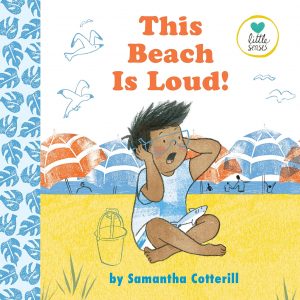
This Beach is Loud!,

by Samantha Cotterill

Niveau scolaire (Grade level): Préscolaire – 2

Going to the beach is exciting. But it can also be busy. And loud. Sand can feel hot or itchy or sticky…and it gets everywhere! A sensitive boy gets overwhelmed by all the sights, sounds, and sensations at the beach. Luckily, this kiddo’s dad has a trick up his sleeve to help his son face these unexpected obstacles.

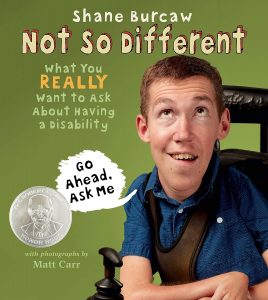
Not so different: what you really want to ask about having a disability,

by Shane Burcaw; with photographs by Matt Carr

Niveau scolaire (Grade level): K – 4

A picture book answering the questions young children ask Shane Burcaw about his wheelchair and life with Spinal Muscular Atrophy with equal parts optimism, humor, and empathy.

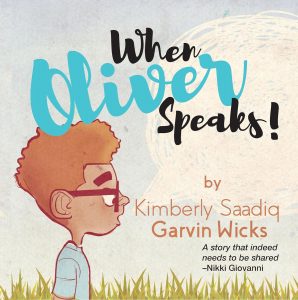
When Oliver Speaks,

by Kimberly Garvin, Saadiq Wicks; design and illustration by ATH Arts Worldwide; editor: Hamishe Randall; illustration & layout: Anthony Tyrone Howard

Niveau scolaire (Grade level): K – 3

A heartfelt story about a young boy who struggles to overcome his stutter while finding the courage to accept it, When Oliver Speaks is the story of an underdog who learns to rise. The story comes from a place of personal experience in that co-author Saadiq is a person who stutters and has done so for as long as he could speak.

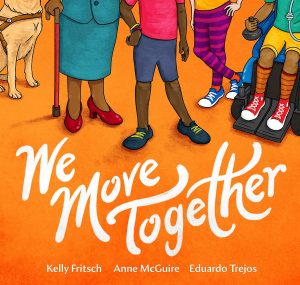
We move together,

by Kelly Fritsch, Anne McGuire; illustrated by Eduardo Trejos

Niveau scolaire (Grade level): K – 4

A bold and colorful exploration of all the ways that people navigate through the spaces around them, and a celebration of the relationships we build along the way. We Move Together follows a mixed-ability group of kids as they creatively negotiate everyday barriers, and find joy and connection in disability culture and community.

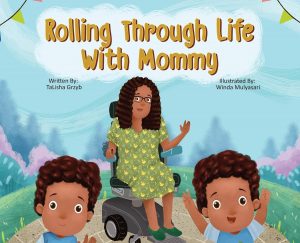
Rolling through life with Mommy,

by Talisha Grzyb; illustrated by Winda Mulyasari

Niveau scolaire (Grade level): Préscolaire – 1

There are millions of parents but not all of them have a story like Mommy TaLisha. Her three sons take us on an adventure of a day in the life of a wheelchair-bound mother. It shows a new perspective of a struggle many endure but now in the eyes of their children.

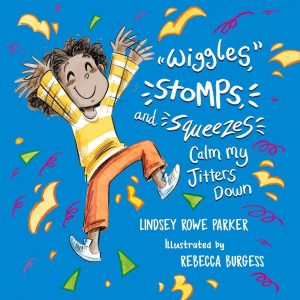
Wiggles, stomps, and squeezes calm my jitters down,

by Lindsey Rowe Parker; illustrated by Rebecca Burgess

Niveau scolaire (Grade level): K – 2

The vibration in her feet when she runs, the tap-tap-tap of her fork on the table at mealtime, the trickle of cool water running over her hands — these are the things that calm her jitters down. This book is for anyone who has ever felt the need for a wiggle, stomp, or squeeze!

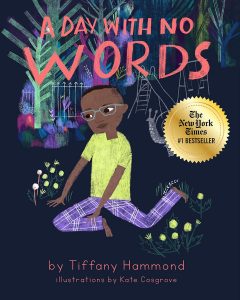
A day with no words,

by Tiffany Hammond; illustrations by Kate Cosgrove

Niveau scolaire (Grade level): K – 5

Young children will learn what life can look like for an autistic child who uses nonverbal communication by following a mother and child on a day where they use a tablet to communicate with others.


Trouver d’autres ressources

Voici quelques conseils pour trouver d’autres ressources dans ce domaine :

  • Sur la page principale du site de la bibliothèque de l’UBC, utilisez la boîte de recherche générale pour rechercher des matériaux à travers toutes les succursales de la bibliothèque de l’UBC.
  • Pour limiter vos résultats aux matériels disponibles à la Bibliothèque de l’éducation, visitez le site web de la Bibliothèque de l’éducation et effectuez une recherche à l’aide de la case “Search Education Resources” située dans la bande à gauche de l’écran.
  • Remarque : les ressources étant principalement cataloguées en anglais, les termes ci-dessous donnent généralement plus de résultats que les recherches effectuées en français. Vous pouvez filtrer votre liste de résultats par langue dans la barre latérale de gauche.
  • Utilisez des termes de recherche spécifiques, tels que
    • “people with disabilities”, “individual differences”, “senses and sensation”, “sensitivity” AND “picture books for children” AND “ emotions”, ou “children with disabilities”.
  • Pour trouver des plans de cours, incluez “lesson plans”, “lesson planning”, or “activity programs” dans vos termes de recherche.

Finding More Resources

To find more resources in this area, try the following:

  • Search using the General tab on the UBC Library website to look for material in all UBC Library branches.
  • Search using “Search Education Resources” box in the left hand bar on the Education Library website to limit your results to physical materials in the Education Library.
  • Use specific search terms, such as
    • “people with disabilities”, “individual differences”, “senses and sensation”, “sensitivity” AND “picture books for children” AND “ emotions”, and “children with disabilities”.
  • To find lesson plans, include “lesson plans”, “lesson planning”, or “activity programs” in your search terms.
Categories
Accessibility Diversity and Diverse Learners Community Celebrations English French Inclusive Classroom Indigenous Literature and Education Seasonal Seasonal Materials Seasons and Celebrations Uncategorized Winter Celebrations

Livres bilingues et multilingues français et autochtones – French & Indigenous Bilingual and Multilingual Books

Listed below are selected resources for bilingual and multilingual learners in French/English/Spanish/Halq’eméylem(Sts’ailes)/ᓀᐦᐃᔭᐍᐏᐣ-Plains Cree/Omaškêkowak-Swampy Cree/X̱aad Kil-Haida(Old Massett)/X̱aayda Kil-Haida(Skidegate)/Cree/Carrier(Athapascan)/Inuktitut/Inuktitut Syllabics/Mi’kmaq relating to Science and Social Studies subjects.

Vous trouverez ci-dessous une sélection de ressources pour les apprenants bilingues et multilingues en français/anglais/espagnol/halq’eméylem(sts’ailes)/ᓀᐦᐃᔭᐍᐏᐣ-plains cree/omaškêkowak-swampy cree/xaad kil-haida(old massett)/xaayda kil-haida(skidegate)/cree/carrier(athapascan)/inuktitut/inuktitut roman syllabics/mi’kmaq concernant les sciences et les études sociales.

Livre en carton (Board Books)
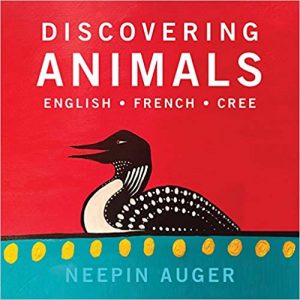
Discovering Animals

Les langues(Languages):Cree, French and English

de Neepin Auger

Niveau scolaire (Grade level): Préscolaire – Kindergarten (PreK-K)

The third book in the Discovering Series of books that uses colourful illustrations along with English, French and Cree translations to teach the basics of recognition and naming of animals.

Le troisième livre de la série Discovering utilise des illustrations colorées et des traductions en anglais, en français et en cri pour enseigner les bases de la reconnaissance et de la dénomination des animaux.
Discovering Words

Les langues(Languages):Cree, French and English

de Neepin Auger

Niveau scolaire (Grade level): Préscolaire – Kindergarten (PreK-K)

An updated edition in the Discovering Series that covers a variety of words and fun discovery for multilingual, bilingual and interested readers and learners. Accompanied by brightly coloured images and early education level concepts familiar to everyone.

Une édition mise à jour de la série Discovering qui couvre une variété de mots et de découvertes amusantes pour les lecteurs et apprenants multilingues, bilingues et intéressés. Accompagnée d’images aux couleurs vives et de concepts d’éducation précoce familiers à tous.
Discovering Numbers,

Les langues(Languages):Cree, French and English

de Neepin Auger

Niveau scolaire (Grade level): Préscolaire – Kindergarten (PreK-K)

An updated edition by Neepin Auger that includes more numbers and new illustrations that covers the basics of counting in English, French and Cree. A playful and bold series of books meant to educate and entertain preschoolers, parents, and teachers alike.

Une édition mise à jour par Neepin Auger qui comprend plus de chiffres et de nouvelles illustrations qui couvrent les bases du comptage en anglais, en français et en cri. Une série de livres ludiques et audacieux destinés à éduquer et à divertir les enfants d’âge préscolaire, les parents et les enseignants.

Lecteurs faciles (Easy Readers)
Strong Stories Dakelh: Fall in Saik’uz,

Les langues(Languages):Carrier (Athapascan), French and English

de Cecilia John

Niveau scolaire (Grade level): 1 – 3

Come north to Saik’uz (sigh-kuz) located within the Dakelh (dah-kay-lth) Territory and see the leaves turn colour in fall! What is something that you love about fall?

Venez au nord de Saik’uz (sigh-kuz), dans le territoire de Dakelh (dah-kay-lth), et voyez les feuilles se colorer à l’automne! Qu’est-ce que vous aimez dans l’automne?
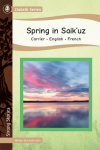
Strong Stories Dakelh: Spring in Saik’uz,

Les langues(Languages):Carrier (Athapascan), French and English

de Cecilia John

Niveau scolaire (Grade level): 1 – 3

Come north to Saik’uz (sigh-kuz) located within the Dakelh (dah-kay-lth) Territory and see the trees bud and the birds come back! What is something that you love about spring?

Venez au nord de Saik’uz (sigh-kuz), dans le territoire de Dakelh (dah-kay-lth), et voyez les arbres bourgeonner et les oiseaux revenir! Qu’est-ce que vous aimez dans le printemps?
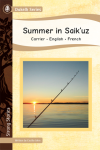
Strong Stories Dakelh: Summer in Saik’uz,

Les langues(Languages):Carrier (Athapascan), French and English

de Cecilia John

Niveau scolaire (Grade level): 1 – 3

Come north to Saik’uz (sigh-kuz) located within the Dakelh (dah-kay-lth) Territory and see the berries and animals! What is something that you love about summer?

Venez au nord à Saik’uz (sigh-kuz) situé dans le territoire Dakelh (dah-kay-lth) et voyez les baies et les animaux! Qu’est-ce que tu aimes dans l’été?
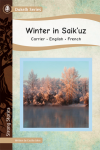
Strong Stories Dakelh: Winter in Saik’uz,

Les langues(Languages):Carrier (Athapascan), French and English

de Cecilia John

Niveau scolaire (Grade level): 1 – 3

What are some of the ways people in the North enjoy winter? This non-fiction book teaches children that even though the days are cold and dark in a Nunavut winter, there are a lot outdoor activities to enjoy, such as snowmobiling, ice fishing, and dogsledding. 

Comment les habitants du Nord profitent-ils de l’hiver? Ce livre de non-fiction apprend aux enfants que même si les journées sont froides et sombres pendant l’hiver au Nunavut, il y a beaucoup d’activités de plein air à pratiquer, comme la motoneige, la pêche sur glace et le traîneau à chiens.

Les livres d’images (Picture Books)
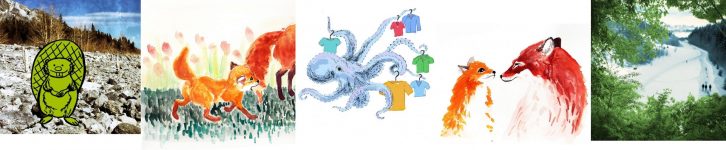
Indigenous Storybooks Canada,

Les langues(Languages):French, English, Spanish, Halq’eméylem(Sts’ailes), ᓀᐦᐃᔭᐍᐏᐣ-Plains Cree, Omaškêkowak-Swampy Cree, X̱aad Kil-Haida(Old Massett), and X̱aayda Kil-Haida(Skidegate)

Niveau scolaire (Grade level): Préscolaire – 6 (PreK-6)

Indigenous Storybooks is a resource designed specifically for children, families, community members, and educators. Inspired by the open-licensed stories from Little Cree Books, this project aims to make the text, images, and audio of stories available in Indigenous languages as well as English, French, and the most widely spoken immigrant and refugee languages of Canada.

Indigenous Storybooks est une ressource conçue spécifiquement pour les enfants, les familles, les membres de la communauté et les éducateurs. Inspiré par les histoires sous licence libre de Little Cree Books, ce projet vise à rendre le texte, les images et le son des histoires disponibles dans les langues autochtones ainsi qu’en anglais, en français et dans les langues d’immigrants et de réfugiés les plus parlées au Canada.

Comment la rivière Petitcodiac devint boueuse / Ta’n tel-kisi-siskuapua’qsepp Petikotiak sipu / How the Petitcodiac River became muddy

Les langues(Languages): French, Mi’kmaq, English

de Marguerite Maillet

Cette légende mi’kmaq explique à sa façon quelques-uns des mystères de la rivière Petitcodiac. Autrefois, la rivière était claire, limpide et regorgeait de poissons. Une Anguille géante, attirée par cette nourriture abondante, s’élança dans la rivière, détruisant tout sur son passage. Appelé à l’aide, Glooskap promit de donner des pouvoirs magiques à celui qui irait combattre le monstre. Seul un petit Homard se porta volontaire…

This Mi’kmaq legend explains in its own way some of the mysteries surrounding the Petitcodiac River. In the past, the river was crystal-clear and full of fish. A giant eel was attracted by such abundant food. She rushed into the river, causing rampage along its shores. Asked for help, Gloosecap offered to give great powers to anyone who would fight the monster. The only one who volunteered was a small lobster…

Tihtiyas et Jean / Tihtiyas naka Jean / Tihtiyas and Jean

Les langues(Languages): French, Passamaquoddy, English

de Nathalie Gagnon

Un jour, Tihtiyas, une jeune Passamaquoddy âgée de 12 ans, voit sur la mer un oiseau immense qui approche des côtes. Quelle n’est pas sa surprise de constater qu’il s’agit d’un bateau ! À travers le regard de Tihtiyas, on assiste à la grande aventure de l’arrivée, de l’installation et du premier hiver des Français à l’île Muttoneguis (Sainte-Croix). Parmi eux se trouve un jeune garçon âgé de 12 ans qui se liera d’amitié avec Tihtiyas.

One day, Tihtiyas, a twelve-year old Passamaquoddy girl, sees a huge bird approaching the shore. As the bird comes nearer, she realises it is a boat! Through Tihtiyas’s eyes, we take part in the great adventure of the French as they prepare for and spend their first winter on Muttoneguis Island (Saint Croix). Among them is a twelve-year-old boy, with whom Tihtiyas will make friends.
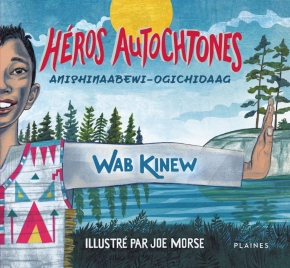
Héros autochtones/Anishinaabewi-Ogichidaag,

Les langues(Languages):Anishinaabe and French

texte de (writer) Wab Kinew; illustrations de (illustrator) Joe Morse

Niveau scolaire (Grade level): Kindergarten – 5

Souhaitant faire connaitre aux jeunes de tous les horizons ses héros autochtones, Wab Kinew a composé des textes inspirants mettant en vedette des héros autochtones du Canada et des États-Unis. Malgré leur expérience unique, tous ont ceci en commun : la confiance en soi et un lien avec le territoire.

Daa _Galang sding : _Xaayda_Ga Giiahl_Galang ga = The two brothers : a Haida story = Les deux frères : un récit haïda

Les langues(Languages): Haida, English and French

de Diane Brown: illustrations by Gwaii Edenshaw and Jaalen Edenshaw

The Two Brothers presents a wonderful opportunity for Canadian children of all ages to learn about Haida culture through colourful illustrations and text translated by a Haida author who has been instrumental in the protection of the Haida language. For almost a century, the world-famous Raven Totem Pole stood in downtown Jasper. After being repatriated to its original home on HaidaGwaii in 2010, it was replaced by the Two Brothers Totem Pole. Beautifully illustrated by Gwaai and Jaalen Edenshaw, the Haida artists who carved the new totem pole, this book tells the story of the Two Brothers, of a journey long ago from the west coast islands of HaidaGwaii to the Canadian Rockies, and of an unusual connection between two very different places.

L’écho du Nord / Listening North.

Les langues(Languages):Inuktitut & French

texte d’Emily Novalinga ; illustrations de Claude Thivierge

Cette histoire s’adresse aux enfants et aux adultes. Elle parle de l’importance de prendre soin de notre santé, de prendre le temps de bien entendre et de bien écouter : écouter les autres, écouter la nature, s’écouter soi-même. Quand nous sommes ouverts à toutes les choses merveilleuses qui nous entourent, nous nous sentons bien, nous prenons les bonnes décisions et notre vie est plus saine et plus heureuse. Plus que tout, notre vie est notre musique

Le cadeau de l’esturgeon

Les langues(Languages): French and Algonquin

texte de Stéphanie Déziel ; illustrations de Christine Sioui Wawanoloath

Album souple au cours duquel on narre comment Anwatan (16 ans) apprend à pêcher l’esturgeon au collet en compagnie de son grand-père, après avoir fait la rencontre magique d’un de ses énormes poissons d’eau douce qui l’emmène gentiment sur son dos pour lui faire découvrir, en un bref voyage dans le temps, les anciennes pratiques traditionnelles de son peuple entourant la pêche, la cuisson, la consommation et la célébration de ce cadeau de la nature dont il faut modérer la capture pour en protéger l’espèce.
Les families des Nunavik,

Les langues(Languages):Inuktitut and French

texte de(titiraqtuq/writer) France Paquin; illustrations de(titiqtugaqtuq/illustrator) Julie Rémillard-Bélanger; traduction en inuttitut de Sarah Beaulne.

Niveau scolaire (Grade level): Préscolaire – 6 (PreK-6)

Présentation élémentaire des principaux spécimens de la faune arctique, du lemming à l’homme, excluant la faune aquatique. — De gentilles aquarelles. Peu d’informations. Un point marquant, le texte dans les deux langues.
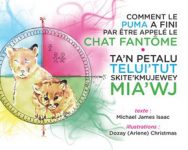
Comment le puma a fini par être appelé le chat fantôme,

Les langues(Languages):Mi’kmaq and French

texte de Michael James Isaac ; illustrations de Dozey (Arlene) Christmas ; traduction en mi’kmaq de Yolanda Denny ; traduction en français du ministère de l’Éducation et du Développement de la petite enfance de la Nouvelle-Écosse.

Niveau scolaire (Grade level): 1 – 6

Pris entre deux mondes, le puma a du mal à trouver un lieu où il est à sa place. En tant que chat fantôme, le puma vit comme il le devrait: dans la forêt, mais sans ses amis.

Misinsit miawe’k tapu’kl wskitqamu’kl, Ajik alme’si wejitoq ta’n tett tleyawit. Skite’kmujewey Mia’wj mimajit ta’n tel nenk — kisoqe’k pasik mu eymu’kk witapk.
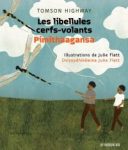
Pimithaagansa/Les libellules cerfs-volant,

Les langues(Languages):Cree and French

texte de Tomson Highway; illustrations de Julie Flett

Niveau scolaire (Grade level): 1 – 3

Taansi ka-itooteetay keespin iga meetawagaana kee-ayaa-in a-tie-igamigook oochi? Kapagawa-teetay naa? Maw weethawow Joe igwa ooseem’sa Cody. Maw m’tanaw-gaach. Ooseetaawuk taapoo-poogoo oomeetawaa-ganawaawa weethawow tipitoot, igwa kapee meetaweewuk, kapee m’choogee taawuk. Mamaskaach, chee-i?

Que ferais-tu n’avais aucun jouet, aucun jeu et aucun appareil electronique avec lesquels t’amuser? Est-ce que tu trouverais le temps long? Les freres Joe et Cody font tout sauf s’eenuyer. Ils inventent, creent et suivent leurs reves et ne s’ennuient jamais. Il suffit d’imaginer!
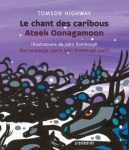
Ateek Oonagamoon/Caribou Song,

Les langues(Languages):Cree and English

texte de Tomson Highway; illustrations de John Rombough

Niveau scolaire (Grade level): 1 – 4

Joe and Cody are young Cree brothers who follow the caribou all year long, tucked into their dog sled with Mama and Papa. To entice the wandering herds, Joe plays his accordion and Cody dances, whirling like a young caribou. They are so busy playing and dancing, they don’t hear the rumble of the caribou. Bursting from the forest, ten thousand animals fill the meadow. Joe is engulfed; he can barely see Cody a few yards away. Their parents seem to have disappeared.

Joe et Cody suivent les caribous toute l’année en traîneau avec leurs parents. Joe joue de l’accordéon et Cody danse pour attirer les caribous errants. Mais lorsque des milliers de caribous répondent à leur appel, ce qui devrait être un moment de terreur se transforme en quelque chose de mystique et de magique quand les garçons ouvrent leurs bras et leur coeur pour embrasser l’esprit du caribou.
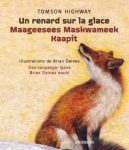
Maageesees Maskwameek/Un renard sur la glace,[Online Only]

Les langues(Languages):Cree and French

texte de Tomson Highway; illustrations de Brian Deines

Niveau scolaire (Grade level): 1 – 3

Joe et Cody pêchent sur la glace avec leurs parents par un après-midi d’hiver glacial. Cody aide Papa à pêcher, tandis que maman et Joe somnolent dans le traîneau. Soudain, les chiens repèrent un renard à la fourrure aussi brillante que des flammes et s’élancent à sa poursuite, entraînant maman et Joe dans une course folle.
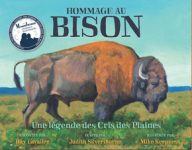
Hommage au Bison,

Les langues(Languages):Cree and French

texte de Judith Silverthorne; illustrations de Mike Keepness; traduction de Martine Noël-Maw; raconté par Ray Lavalee

Niveau scolaire (Grade level): 4 – 7

Cette légende ancestrale relate la façon dont le bison est devenu un animal sacré pour les Cris. Je vais m’offrir à eux, dit le Bison. Je vais leur permettre d’utiliser toutes les parties de mon corps, car elles se valent toutes. À travers le Créateur, le bison s’est offert en cadeau au peuple cri des Plaines pour lui procurer protection, nourriture, guérison et bien d’autres choses utiles à sa survie.
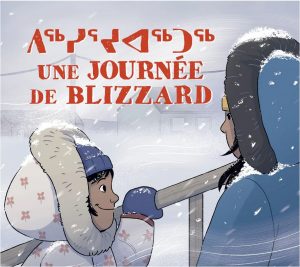
Une journeé de blizzard/ᐱᖅᓯᕐᔪᐊᖅᑐᖅ,

Les langues(Languages):Inuktitut and French

titiraqtuq(writer) Julia Ogina & Emily Jackson; titiqtugaqtuq(illustrator) Amiel Sandland

Niveau scolaire (Grade level): Préscolaire – Kindergarten (PreK-K)

Niaqualuk et Haugaaq vivent à Cambridge Bay, au Nunavut. Un gros blizzard s’annonce ! Haugaaq aimerait pouvoir jouer plus souvent à l’extérieur, mais Niaqualuk est excitée à l’idée de jouer à l’intérieur. Voyez ce que les sœurs font toute la journée pendant que le blizzard hurle à l’extérieur.

Niaqualuk and Haugaaq live in Cambridge Bay, Nunavut. There is a big blizzard coming! Haugaaq wishes she could play outside more, but Niaqualuk is excited about playing inside. See what fun things the sisters do all day as the blizzard howls outside.
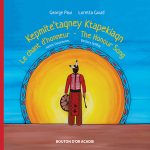
Kepmite’taqney Ktapekiaqn/Le chant d’honneur/The Honour Song,

Les langues(Languages):Mi’kmaq, French and English

texte de Gregory Paul; illustrations de Loretta Gould; traduction de Barbara Sylliboy & Hélène Devarennes

Niveau scolaire (Grade level): 3 – 8

Lors de nombreux évènements officiels ou cérémonies spirituelles chez les Premières Nations du pays, un chant est entonné par les participants. Ce chant a vu le jour dans le coeur et la tête de George Paul, un Mi’kmaw de Metepenagiag, après un parcours ardu. Cet album illustré raconte la naissance de ce chant et l’importance qu’il revêt pour les Premières Nations.

At many official events or spiritual Ceremonies among First Nations across the country, a song is sung by the participants. This song was born in the heart and mind of George Paul, a Mi’kmaw from Metepenagiag, after an arduous journey. This illustrated album tells the story of the birth of this song and its importance to First Nations.


Trouver d’autres ressources

Voici quelques conseils pour trouver d’autres ressources dans ce domaine :

  • Sur la page principale du site de la bibliothèque de l’UBC, utilisez la boîte de recherche générale pour rechercher des matériaux à travers toutes les succursales de la bibliothèque de l’UBC.
  • Pour limiter vos résultats aux matériels disponibles à la Bibliothèque de l’éducation, visitez le site web de la Bibliothèque de l’éducation et effectuez une recherche à l’aide de la case “Search Education Resources” située dans la bande à gauche de l’écran.
  • Remarque : les ressources étant principalement cataloguées en anglais, les termes ci-dessous donnent généralement plus de résultats que les recherches effectuées en français. Vous pouvez filtrer votre liste de résultats par langue dans la barre latérale de gauche.
  • Utilisez des termes de recherche spécifiques, tels que
    • “bilingual”, “english and cree”, “mi’kmaq”, ou “inuktitut” AND “french and cree”
  • Pour trouver des plans de cours, incluez “lesson plans”, “lesson planning”, or “activity programs” dans vos termes de recherche.

Finding More Resources

To find more resources in this area, try the following:

  • Search using the General tab on the UBC Library website to look for material in all UBC Library branches.
  • Search using “Search Education Resources” box in the left hand bar on the Education Library website to limit your results to physical materials in the Education Library.
  • Use specific search terms, such as
    • “bilingual”, “english and cree”, “mi’kmaq”, or “inuktitut” AND “french and cree”
  • To find lesson plans, include “lesson plans”, “lesson planning”, or “activity programs” in your search terms.
Categories
Accessibility Diversity and Diverse Learners English French Language Arts Uncategorized

Accessible Hi-lo Books in French & English – Livres Hi-lo accessibles en français et en anglais

Vous trouverez ci-dessous une sélection de ressources pédagogiques pour l’enseignement du français et de l’anglais, avec des livres Hi-lo faciles à lire, c’est-à-dire des livres à fort intérêt, à faible niveau de lecture ou à faible vocabulaire.

Pour apprendre comment effectuer une recherche de ressources supplémentaires, veuillez consulter la section « Trouver d’autres ressources » au bas de la page.

Below is a selection of teacher resources for teaching French & English, with easy-to-read Hi-lo books that are high interest-low reading level or low vocabulary books.

To learn how to search for more resources, please see the “Finding More Resources” section at the bottom of the page.

Hi-Lo Reading Books – Livres de lecture Hi-Lo

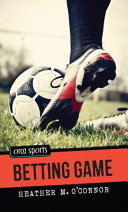
Betting Game

by Heather M. O’Connor.

Interest age: 9-12 by Orca Sports

Jack’s a star player on an elite soccer team along with his brother, Alex. When a bookie introduces Jack to illegal betting, Jack goes down a slippery slope and is forced to choose between the National Championship and a gut-kicking ten grand. But can he betray his brother, his team, and himself?

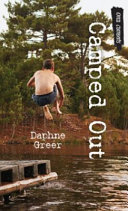
Camped Out

by Daphne Greer.

Interest age: 9-12 by Orca Currents

As the sequel to Maxed Out, Max really wants to go to summer camp to get a break from his autistic brother Duncan and his mom’s new boyfriend. When his mom finally lets him, he can only go with one catch: he has to bring Duncan with him.

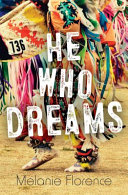
He Who Dreams

by Melanie Florence.

Interest age: 12+ by Orca Limelights

When John witnesses a powerful performance at the powwow, he wants to become a dancer more than anything… but that means John must find a way to balance and embrace both the Irish and Cree sides of his heritage.

Vive le poulet!

by Mahtab Narsimhan; traduit de l’anglais par Rachel Martinez.

Interest age: 9-12 by Orca Currents

Mais elle ne se sent plus vraiment comme une étrangère. Elle aime sa nouvelle école et elle a enfin une amie. Par contre, quand sa mère se propose pour cuisiner pour la fête-bénéfice annuelle de l’école, Shivani est sûre qu’elle deviendra la risée de tout le monde. Qu’est-ce qui arrivera si sa mère décide de préparer un de ses « plats qui puent » ? Shivani adore la cuisine indienne, mais pas question d’en manger devant ses amis.

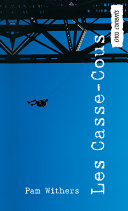
Les casse-cous

by Pam Withers

Interest age: 9-12 by Orca Currents

Les Casse-Cous doivent fair sept coups d’audace avant que leur rivaux, les Sauvages, n’en fassent autant. Avant un accident où il a perdu l’usage de sa jambe gauche, Kip était le leader des Casse-Cous. Il a maintenant de la difficulté à réussir les coups et il soupconne que les autres membres veulent l’exclure du club. À mesure que les coups deviennent plus difficiles, les Casse-Cous tentent de convaincre Kip qu’il ne sera peut-être pas à la hauteur. Kip refuse d’abandonner même s’il sait que ses amis ont probablement raison.

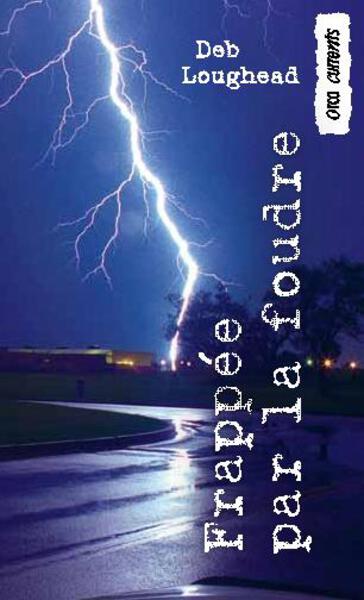
Frappée par la foudre

by Deb Loughead

Interest age: 9-12 by Orca Currents

La vie de Claire a besoin d’un changement radical. Elle coule en math, sa mère déprimée ne veut pas se lever du sofa et le gars de ses rêves est avec sa rivale Lucy. Au moment où Claire fait le souhait d’une vie meilleure, la foudre frappe. Bientôt sa vie se transforme et Claire obtient tout ce qu’elle a souhaité. Elle se demande bientôt si le prix à payer pour cette chance n’est pas trop élevé.

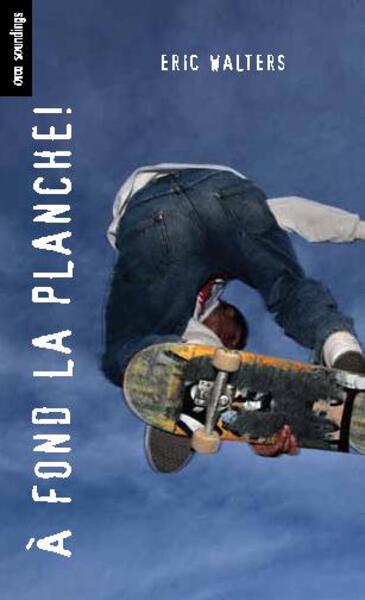
A fond la Planche!

by Eric Walters

Interest age: 12+ by Orca Soundings

Pour Phillip, le skate, c’est toute sa vie. L’école est simplement un intermède entre les séances de skate où il essaie des sauts difficiles et déjoue les gardiens de sécurité. Lorsque son meilleur ami Wally et lui rencontrent un skater professionnel qui fait des vidéos pour son site Web, Phillip pense qu’ils peuvent faire la même chose, et faire de l’argent en même temps. Lorsque leur site Web devient populaire, et leur rapporte de l’argent, ils se sentent obligés de faire des cascades de plus en plus dangereuses.

Jungle Jitters

by Lisa Dalrymple.

Interest age: 9-12 by Orca Currents

Even though he’s secretly terrified of deep water, Tate wants to shake his boring reputation, so he agrees to travel with his class up the Amazon River to help build a village school, only to find that there are even scarier things than anacondas lurking in the jungles of South America…

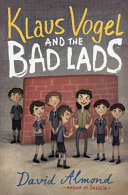
Klaus Vogel and the Bad Lands

by David Almond.

Interest age: not specified by Barrington Stoke Teen. Dyslexia-friendly

When a German refugee moves to a small English town in the aftermath of World War II, he is an outsider. The gang decide to take Klaus under their wing, but their increasingly hateful pranks cause Klaus to question their actions. This short novel has spaced out text on cream-coloured paper and some illustrations.

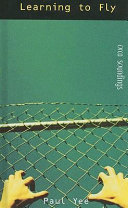
Learning to Fly

by Paul Yee.

Interest age: 12+ by Orca Soundings

Jason is an outsider. A recent immigrant from China, he lives in a close-minded Ontario town with his mother and younger brother. Holding on to his friendship with an Indigenous boy, also an outsider, Jason finds he needs to fight to belong and to find a new home.

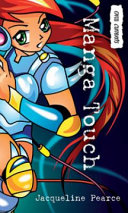
Manga Touch

by Jacqueline Pearce.

Interest age: 9-12 by Orca Currents

Dana is certain she will be less of an outsider on her school trip to Japan, home of manga and anime. But fitting in with a foreign culture is harder than she thought and as she learns to make some friends, some people make every effort to remind her that she’s still an outsider.

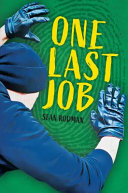
One Last Job

by Sean Rodman.

Interest age: 12+ by Orca Anchor. Dyslexia-friendly

Michael has to look after his grandfather, a retired burglar with a lifetime of criminal knowledge. When a thief steals a necklace with great sentimental value, the unlikely pair team up, combining old-school planning and modern tech to track down the necklace—and try to steal it back.

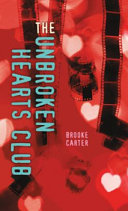
The Unbroken Hearts Club

by Brooke Carter.

Interest age: 12+ by Orca Soundings

After her mom died of Huntington’s disease, Logan’s dad hosts a bereavement group in their basement. Logan agrees to help her dad out with these sad “Broken Hearts Club” meetings, unaware of the effect the group will have on her as she struggles to find meaning in her life.

Wicket Season

by Gabrielle Prendergast.

Interest age: 10-13 by Lorimer Sports Series

In Winnipeg, Harry was a cricket star. But when he moves to Toronto’s Little Jamaica to stay with his grandfather, Harry is suddenly just another West Indian kid who loves cricket. Harry soon realizes that being a part of a bigger community can be more rewarding than standing out on your own.

Resource Guides

Orca Publishers offers free teacher guides with book summaries, author biographies, and literacy activities to connect the text and themes of each book with the school curriculum. Resource guides are also available online or in print for books published up to 2010 by searching Orca Resource Guide on our Library website.

Livres bilingues et lecteurs faciles pour les élèves
Bilingual and Easy Reader Books for Students

Bilingual and Multilingual Picture Books: French – Livres bilingues et multilingues : français

Easy and Level Readers – Lecteurs faciles (français)


Trouver d’autres ressources

Voici quelques conseils pour trouver d’autres ressources dans ce domaine :

  • Pour trouver des matériaux à travers toutes les bibliothèques de l’UBC et en ligne, aller sur le site principal de la bibliothèque de l’UBC et utilisez la boîte de recherche générale.
  • Pour limiter vos résultats aux matériels disponibles à la Bibliothèque de l’éducation, visitez le site web de la Bibliothèque de l’éducation et effectuez une recherche à l’aide de la case “Search Education Resources” située dans la bande à gauche de l’écran.
  • Remarque : Parce que les ressources sont principalement cataloguées en anglais dans le système de l’UBC, ces termes de recherche donnent généralement plus de résultats que les recherches effectuées en français. Vous pouvez filtrer votre liste de résultats par langue dans la barre latérale de gauche.
  • Utilisez des termes de recherche spécifiques, tels que
    • “high interest accessible”, “Orca Currents”, “Orca Limelights”, “Orca Sports”, “Orca Soundings”, or “Orca Anchor”, or “Orca Soundings”, or “Orca Anchor”AND French
    • “FLL” or “FSL”
  • Pour trouver des plans de cours, incluez “lesson plans”, “lesson planning”, ou “activity programs” dans vos termes de recherche.

Finding More Resources

To find more resources in this area, try the following:

  • To find materials across all UBC Library branches and online content, go to the UBC Library website and use the General tab to search.
  • To find physical materials in the Education Library, go to the Education Library website and use the Search Education Resources box on the left to search.
  • Use specific search terms, such as:
    • “high interest accessible”, “Orca Currents”, “Orca Limelights”, “Orca Sports”, “Orca Soundings”, or “Orca Anchor”, or “Orca Soundings”, or “Orca Anchor”AND French
    • “FLL” or “FSL”
  • To find lesson plans, include “lesson plans”, “lesson planning”, or “activity programs” in your search terms.
Categories
Electronic Resources English French Language Arts Planning for Teaching and Learning Spanish

Open Access Electronic Resources

Below is a list of resources that are available online and are free to access for everyone.

Global Storybooks

Grades: K-4. This global project provides free access to illustrated and interactive stories from around the world. Includes access to Storybooks Canada and Indigenous Storybooks

Classic Books: Read.gov (Library of Congress)

Grades: K-5. Over 50 classic children’s books available for free online. Books in the collection include Peter Rabbit, Cinderella, Jack and the Beanstalk, and more.

Unite for Literacy

Grades: K-5. A large selection of digital picture books which include narration. Narration is available in numerous languages including English, French, Tagalog, Arabic, Spanish, Mandarin, Hindi, Russian, and more.

Scholastic Learn at Home

Grades: K-9. Scholastic has prepared five learning journeys a week for students. Each learning journey is based on a specific theme and includes a video of a story to watch, a book to read, and relevant activities. New learning journeys will be released weekly. See also, Scholastic’s Things to Do portal which has a variety of games, quizzes, activities, videos, discussion guides, and more.

UBC Geering Up Engineering Outreach

Grades: K-12. UBC Geering Up Engineering Outreach is a non-profit organization organized and operated by UBC students that aims to promote science, engineering, and technology to youth across British Columbia. Their new online learning site has resources for families and teachers, including live-stream daily activities, online events on Saturdays, weekly homework club, virtual workshops, one on one online teaching support, and more.

Keep Learning 

Grades: K-12. This website was created by the BC Ministry of Education to offer parents and caregivers resources to support students’ learning at home. The site includes tips and tricks, activity ideas with curriculum connections, daily activity ideas, additional resources, and more.

Lit2Go
Grades: 8-12+. A large collection of free audiobooks which includes short stories, poetry, and full length novels.

Categories
English Language Arts Planning for Teaching and Learning

Literature Circles

Listed below are selected teacher resources related to literature circles. Note that “literature circles,” “book clubs,” and “reading groups” are sometimes used synonymously; if you are searching for additional materials, you may wish to use those terms as well.
Teacher Resources

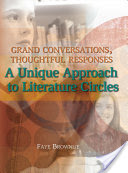
Grand conversations, thoughtful responses: A unique approach to literature circles

by Faye Brownlie (eBook)

Grades: 6-9

In Brownlie’s approach to Literature Circles, no roles are used and no limits are set on the amount students read. Students choose their books from an appropriate pre-arranged set, engage in meaningful conversations about their books with their peers, keep response journals, and work biweekly on a whole-class comprehension strategy.

Literature circles: The way to go and how to get there,

by Brooke Morris and Deborah Perlenfein

Includes detailed strategies for implementing, managing, organizing, and assessing literature circles.

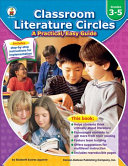
Classroom literature circles: A practical, easy guide, grades 3-5

by Elizabeth Suarez Aguerre

Grades: 3-5

This book features tips for setting up groups, choosing literature, finding enough books, and teaching students how to be active participants in the literature circle process. It also includes reproducible role sheets which are adjusted for different learning levels, as well as advice about literature circles and classroom management.

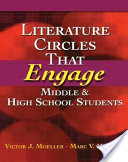
Literature circles that engage middle and high school students

by Victor J. Moeller and Marc V. Moeller

Grades: 7-12

This book demonstrates how to prepare your students to lead their own active, focused discussion in small groups, including reading actively for comprehension; interpreting and evaluating texts; asking good questions; and leading discussion groups.

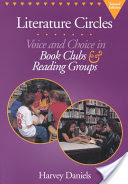
Literature circles: voice and choice in book clubs and reading groups

by Harvey Daniels

Grades: K-12

This book provides strategies, structures, tools, and stories for teachers to launch and manage literature circles effectively. Includes four different models for preparing students for literature circles;dozens of variations on the basic version of student-led bookclubs; models and procedures for primary, intermediate, and high school grades; and ideas for using literature circles with nonfiction texts across the curriculum.

Mini-lessons for literature circles

by Harvey Daniels and Nancy Steineke

Grades: 6-12

Each of these forty-five short, focused, and practical mini-lessons includes actual classroom language, and is formatted to help teachers with managing time and materials, giving answers to students, and avoiding predictable problems.

Moving forward with literature circles: how to plan, manage, and evaluate literature circles that deepen understanding and foster a love of reading

by Jeni Pollack Day et al.

Grades: K-6

This guide to managing literature circles includes guidelines, mini-lessons, booklists, checklists, and discussion suggestions.

Literature circles: Tools and techniques to inspire reading groups

by Warren Rogers and Dave Leochko

Grades: 5-8

This book guides teachers in developing and maintaining literature circles in their intermediate classrooms. Features in the book are: six original, reproducible short stories; theory and practice of literature circles; easy-to-use handouts for role definitions; mini-lessons to help teach communication skills and to help groups work effectively; and more.

Literary conversations in the classroom: Deepening understanding of nonfiction and narrative

by Diane Barone and Rebecca Barone

Grades: 3-8

This book demonstrates how high-level conversations centered on fiction and nonfiction can promote students’ understanding. The authors explore how to use literary conversations in small, heterogeneous groups to address multiple expectations within classrooms, such as close reading, vocabulary, background knowledge, literal and inferential comprehension, and responses to multimodal interpretation, nonfiction text features, and graphic organizers.


Finding More Resources

To find more resources in this area, try the following:

  • Search using the General tab on the UBC Library website to look for material in all UBC Library branches.
  • Search using “Search Education Resources” box in the left hand bar on the Education Library website to limit your results to physical materials in the Education Library.
  • Use specific search terms, such as “literature circle” or “literature–study and teaching”.
  • To find lesson plans, include “lesson plans”, “lesson planning”, or “activity programs” in your search terms.

For more help with searching, please visit the Library Service Desk or e-mail ed.lib@ubc.ca.

Categories
English Language Arts Planning for Teaching and Learning

Read-Alouds

Listed below are selected teacher resources for selecting and presenting read-aloud books, as well as several picture books which are good for read-aloud time.

Teacher Resources

Effective read-alouds for early literacy: A teacher’s guide for preK-1

by Katherine Beauchat et al.

Grades: K-1

This guide provides effective strategies for selecting books and using read-alouds to develop children’s oral language, vocabulary, concepts of print, alphabet knowledge, phonological awareness, and comprehension. The authors take teachers step by step through planning and setting goals for read-alouds, as well as reflecting on each lesson to inform future instruction.

Unwrapping the read aloud: Making every read aloud intentional and instructional

by Lester L. Laminack

Grades: K-5

The author suggests that the read aloud for students can be one of the most potent instructional moments of the school day, but thoughtful planning is required. Intentional read alouds require purposely selecting texts and times with the intent to inspire students to read and write, invest in students’ language and understandings, and instruct across the curriculum.

The ramped-up read aloud: What to notice as you turn the page

by Maria Walther

Grades: K-3

The author shares two-page read aloud plans for 101 picture books to help teachers consider what to notice, say, and wonder in order to bolster students’ literacy. The intention is to spark instructional conversations around each book’s cover illustration, enriching vocabulary words, literary language, and the ideas and themes vital to young learners.

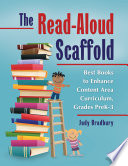
The read-aloud scaffold: Best books to enhance content area curriculum, grades preK-3

by Judy Bradbury

Grades: K-3

One easy way to provide content area instruction to very young readers is by scaffolding beneficial learning subjects within memorable read-aloud activities. This book offers teachers and librarians over 700 content area connections through carefully selected children’s trade books, including both fiction and non-fiction titles.

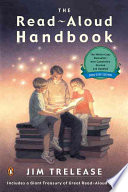
The read-aloud handbook

by Jim Trelease

Grades: K-12

The sixth edition of this work imparts the benefits, rewards, and importance of reading aloud to children of a new generation. Supported by both anecdotes and the latest research, the author offers techniques and strategies—and the reasoning behind them—for helping children discover the pleasures of reading and setting them on the road to becoming lifelong readers.

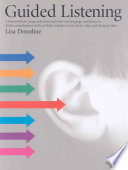
Guided listening: A framework for using read-aloud and other oral language experiences to build comprehension skills and help students record, share, value, and interpret ideas

by Lisa Donohue

Grades: K-6

This book illustrates how teachers can champion purposeful listening and help students better understand their language strengths and needs. It offers a practical framework that shows the value of recording and sharing the ideas of others; provides opportunities to identify the norms and conventions associated with oral language; and frees students to listen more attentively, organize their responses, and watch for the subtle cues that are an important part of listening.

Picture Books

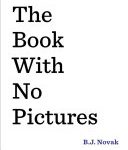
The book with no pictures

by B. J. Novak

It’s true – this is a picture book with no pictures. But the reader has to say every silly word that’s on the page, no matter what…even if it’s “BLUURF”.

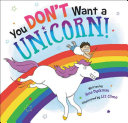
You don’t want a unicorn!

written by Ame Dyckman, illustrated by Liz Climo

When a little boy throws a coin into a wishing well and asks for a pet unicorn, he has no idea what kind of trouble he’s in for. Unicorns make the absolutely worst pets: they shed, they make a big mess, and they poke holes in your ceiling!

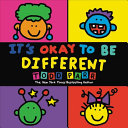
It’s okay to be different

by Todd Parr

It’s okay to need some help. It’s okay to be a different colour. It’s okay to talk about your feelings. Todd Parr shows lots of ways in which it’s okay to be different – you can probably think of even more. (For more books by Todd Parr, click here.)

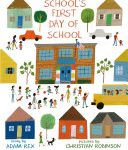
School’s first day of school

written by Adam Rex, illustrated by Christian Robinson

Everyone gets a little nervous on the first day of school – including the school! What will the children do once they come? Will they like the school? Will they be nice to him?

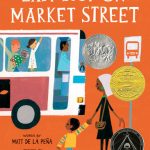
Last stop on Market Street

written by Matt de la Peña, illustrated by Christian Robinson

Every Sunday after church, CJ and his grandma ride the bus across town. But today, CJ wonders why they don’t own a car like his friend Colby, and why doesn’t he have an iPod like the boys on the bus. Each question is met with an encouraging answer from his grandma.

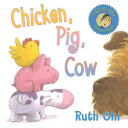
Chicken, pig, cow

by Ruth Ohi

Pig, Chicken and Cow think their barn home is perfect. The only thing that isn’t perfect is Dog, whose drool makes it feel as if it’s raining in the barn. One day, Pig and Chicken decide to go exploring, leaving Cow behind. When Dog tips the barn over, Pig and Chick must make a daring rescue.

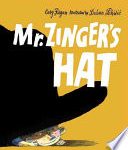
Mr. Zinger’s hat

written by Cary Fagan, illustrated by Dušan Petričić

When Leo is playing ball in the courtyard, he runs into Mr. Zinger, a man with a hat who makes up stories. Together, they build a new story, with Mr. Zinger providing most of the plot while Leo fills in the details.

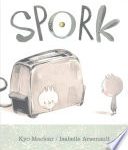
Spork

written by Kyo Maclear, illustrated by Isabelle Arsenault

His mum is a spoon. His dad is a fork. And Spork is a bit of both of them. He never gets chosen to be at the table at mealtimes until one day a very messy … thing arrives in the kitchen who has never heard of cutlery customs.

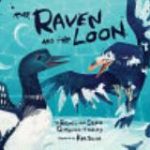
The raven and the loon

written by Rachel and Sean Qitsualik-Tinsley, illustrated by Kim Smith

In the time before animals were as they are today, Raven and Loon were both white. Raven spent his days swooping through the sky trying to fight off boredom, while Loon spent her days in her iglu sewing. One day, too bored to even fly, Raven visited Loon and suggested a sewing game that would give their feathers some much-needed colour.


Finding More Resources

To find more resources in this area, try the following:

  • Search using the General tab on the UBC Library website to look for material in all UBC Library branches.
  • Search using “Search Education Resources” box in the left hand bar on the Education Library website to limit your results to materials in the Education Library.
  • Use specific search terms to narrow your results, such as “oral reading”, “reading (elementary)”, or “children — books and reading”.
  • To find lesson plans, include “lesson plans”, “lesson planning”, or “activity programs” in your search terms.

For more help with searching, please visit the Library Service Desk or e-mail ed.lib@ubc.ca.

Categories
English Planning for Teaching and Learning

Phonemic and Phonological Awareness

Listed below are selected teacher resources and picture books related to phonemic and phonological awareness.

Teacher Resources

Phonemic awareness: A step by step approach for success in early reading

by Idalia Rodriguez Perez

Grades: K-3

This guide presents phonemic awareness as one of the most sophisticated branches of phonological awareness through interactive activities that allows children to succeed in learning the sounds represented by the letters of the alphabet.

Phonemic awareness : Ready-to-use lessons, activities, and games

by Victoria Groves Scott

Grades: K-6

The second edition of this book contains an updated collection of 48 lessons for children in Grades K-3, or students in Grades 4-6 who have difficulty reading. The activities are sequenced around particular phonemes or sounds, but can be organized or sequenced according to skills such as identification, blending, rhyming, segmentation, deletion, or manipulation.

A sound start: Phonemic awareness lessons for reading success

by Christine E. McCormick et al.

Grades: K-3

The authors present three sets of phonemic awareness lessons, complete with scripted directions and reproducible learning materials and assessment tools. Included are developmentally sequenced lessons for the whole class and small groups, more intensive lessons for children struggling with phonemic awareness, and class lessons on the consonant phonemes.

Teaching phonemic awareness through children’s literature and experiences

by Nancy Allen Jurenka

Grades: K-2

This book provides educators with creative strategies for integrating word study with children’s picture books. Each lesson includes a read-aloud book description, literacy experience activity, direct instruction, follow-up activities, recommended poem, and related reading. The lessons build skills in phonemic awareness, morphemic analysis, letter identification, rhyming, and sight words.

How to increase phonemic awareness in the classroom

by Lynn Settlow and Margarita Jacovino

Grades: K-3

The authors offer a quick and easy informal assessment measure for teachers to pinpoint their students’ instructional needs; classroom activities that are brief, fun, and easy to implement; and literature-based activities to build phonemic awareness through nursery rhymes, poetry, and children’s books. Each chapter features one level of the phonemic awareness developmental continuum along with three types of activities.

Teaching systematic synthetic phonics in primary schools

by Wendy Jolliffe and David Waugh with Angela Carss

Grades: K-3

The first part of this book discusses essential subject knowledge for teachers in the areas of discriminating sounds and phonemes, grapheme-phoneme correspondences, and moving from phonics to spelling. The second part discusses effective pedagogical techniques for teaching phonics, with phonemics in mind.

Sing a song of poetry: A teaching resource for phonemic awareness, phonics, and fluency, Grade 2

by Irene C. Fountas and Gay Su Pinnell

Grades: 2

The 225 poems in this book immerse students in rich, rhythmical language, providing age appropriate opportunities to enjoy language through shared reading, stimulate oral language development, connect words, and much more.

Word study that sticks: Best practices, K-6

by Pamela K. Koutrakos

Grades: K-6

The author discusses how to implement best practices in word study in the classroom, including how to set up the physical classroom and launch routines, and how to instill curiosity and a self-starting attitude in learners about word study. The book covers all facets of words study, including phonemic awareness, phonics, meaning, spelling, and high-frequency word work.

Phonological skills and learning to read

by Usha Goswami and Peter Bryant

Grades: K-6

This new edition of a classic work brings together the latest research in the link between phonological skills and reading. The authors describe three causal factors which can account for children’s reading and spelling development: pre-school phonological knowledge of rhyme and alliteration, the impact of alphabetic instruction on knowledge about phonemes, and links between early spelling and later reading. (E-book only)

Phonological awareness: From research to practice

by Gail T. Gillon

Grades: K-12

This book provides a comprehensive review of knowledge about phonological awareness, together with practical guidance for helping children acquire needed skills. The author synthesizes findings on the development of phonological awareness; its role in literacy learning; and how it can be enhanced in children at risk for reading difficulties and those with reading disorders or speech or language impairments. Methods and activities are described for working with preschoolers to adolescents, including those with special learning needs.

Picture Books

Llama, llama red pajama

by Anna Dewdney

At bedtime, a little llama worries after his mother puts him to bed and goes downstairs. When will she come back?

Stuck in the mud

written by Jane Clarke, illustrated by Garry Parsons

When one of Hen’s chicks gets stuck in the mud, the other farm animals come to help. How many farmyard friends will it take to get Chick out?

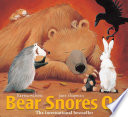
Bear snores on

written by Karma Wilson, illustrated by Jane Chapman

One by one, different animals and birds find their way into Bear’s cave to warm up. But even after the tea has been brewed and the corn has been popped, Bear just snores on…

How do dinosaurs say good night?

written by Jane Yolen, illustrated by Mark Teague

Mother and child think about the different ways a dinosaur can say goodnight, from slamming his tail and pouting to giving a big hug and kiss.

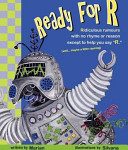
Ready for R: Ridiculous rumors with no rhyme or reason except to help you say “R”

written by Marian MacDougall, illustrated by Silvana Bevilacqua

Ready for R includes colour-coded R-word lists, fun and easy teaching tips, and with silly stories that will make students want to keep practicing. Ready for R is designed to spark speech, language and literacy development, inspire story-telling and encourage ESL students.

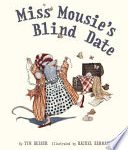
Miss Mousie’s blind date

written by Tim Beiser, illustrated by Rachel Berman

A story told in rhyme about Miss Mousie’s preparations for her date with Mole. What will he think when he sees her – in fact, will he even see her?

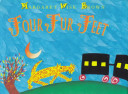
Four fur feet

written by Margaret Wise Brown, illustrated by Woodleigh Marx Hubbard

A furry little creature wanders the world, taking in all the fascinating sights and sounds. Round and round he goes, as a rhythmic text describes what he sees and hears along the way.


Finding More Resources

To find more resources in this area, try the following:

  • Search using the General tab on the UBC Library website to look for material in all UBC Library branches.
  • Search using “Search Education Resources” box in the left hand bar on the Education Library website to limit your results to materials in the Education Library.
  • Use specific search terms to narrow your results, such as “reading – phonetic method”, “English language – phonemics – study and teaching”, or “stories in rhyme”.
  • To find lesson plans, include “lesson plans”, “lesson planning”, or “activity programs” in your search terms.

For more help with searching, please visit the Library Service Desk or e-mail ed.lib@ubc.ca.

Categories
English Language Arts Planning for Teaching and Learning

Figurative Language

Listed below are selected teacher resources, picture books, and non-fiction related to figurative language.

Teacher Resources

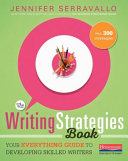
The writing strategies book: Your everything guide to developing skilled writers with 300 strategies

by Jennifer Serravallo

Grades: K-6

From the author of The reading strategies book, this book presents a wide range of techniques to allow teachers to develop individual goals for every writer, give students step-by-step instructions for writing with skill and craft, coach writers using prompts aligned with a strategy, present mentor texts that support a genre and strategy, and more. Goal 7 includes discussion of figurative language.

The reading strategies book: Your everything guide to developing skilled readers

by Jennifer Serravallo

Grades: K-6

This book presents a wide range of techniques to allow teachers to develop individual goals for every reader, give students step-by-step instructions for reading with skill, guide readers using prompts aligned with a strategy, adjust instruction to meet individual needs, and more. Goal 11 includes discussion of figurative language.

Poetry – From reading to writing: A classroom guide for ages 7-11

by Robert Hull

Grades: 2-6

The author uses poems from a range of authors to show how creative readings of poems can spark a child’s imagination and lead to original writing. Students are encouraged to write different forms of poetry, including rhyming and non-rhyming poems, haiku, free verse, narrative poems, and more. Chapter 7 includes discussion of figurative language. (E-book only)

Let’s poem: The essential guide to teaching poetry in a high-stakes, multimodal world

by Mark Dressman

Grades: 7-12

This guide presents multiple approaches to teaching poetry at the middle and high school levels. The author explores how to preserve the fun of poetry while also developing critical writing and analysis skills, how to introduce students to the basic formal elements of classic and contemporary poetry, and how to expand their repertoires through the use of digital technology and the Internet. The chapter on “Skin Poetry” discusses figurative language.

Understanding texts and readers: Responsive comprehension instruction with leveled texts

by Jennifer Serravallo

Grades: K-6

The author examines a number of areas of text comprehension, including how plot and setting, character, vocabulary and figurative language, and themes and ideas change as fiction become more complex; as well as how the complexity of main idea, key details, vocabulary, and text features increases in nonfiction texts.

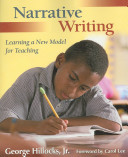
Narrative writing: Learning a new model for teaching

by George Hillocks Jr.

Grades: 9-12

This book demonstrates how focusing classroom activities on producing content, rather than form, boosts students’ engagement and makes them active learners. The author shows how “at-risk” kids’ competencies increase significantly as they are taught how to complete important writing tasks such as incorporating detail and figurative language, creating dialogue, expressing inner thoughts, portraying people and action, and more.

Picture Books

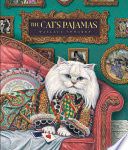
The cat’s pajamas

by Wallace Edwards

This book depicts 26 idioms, bringing new meaning to familiar sayings and tickling your funny bone with a surreal illustration on each page. To ensure you get the hang of it, each expression is used in a sentence and explained at the back of the book.

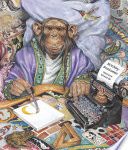
Monkey business

by Wallace Edwards

From a fish opening a “can of worms” to a tap-dancing octopus putting his “best foot forward,” these familiar idioms are re-imagined in hilarious and unexpected ways. The idioms are used in a sentence that accompanies each illustration, and the meaning of each one is explained at the end of the book.

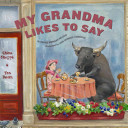
My grandma likes to say

written by Denise Brennan-Nelson, illustrated by Jane Monroe Donovan

Thousands of proverbs and idioms can be found in the English language – like “a horse of a different colour” and “a bull in a tea shop”. Derived from many different sources, these expressions are a link to history and culture, and can be an instructive tool in language education.

My teacher likes to say

written by Denise Brennan-Nelson, illustrated by Jane Monroe Donovan

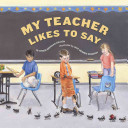
Students often hear maxims and sayings on a regular basis in the classroom. From “Do you have ants in your pants?” to “Stick together!” and “Great minds think alike,” readers will be intrigued by the history of these adages, told in poetry form as well as expository text, and amused by the illustrations, depicting these sayings as a child might imagine them.

My momma likes to say

written by Denise Brennan-Nelson, illustrated by Jane Monroe Donovan

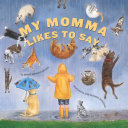
Parents say strange things sometimes – what does it REALLY mean when your mom says “Hold your horses”, “I have eyes in the back of my head”, or “Money doesn’t grow on trees”?

There’s a frog in my throat: 440 animal sayings a little bird told me,

written by Loreen Leedy and Pat Street, illustrated by Loreen Leedy

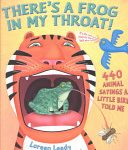
This book goes hog-wild with this collection of animal sayings. From lucky ducks to odd ducks to sitting ducks to just plain quacks, this book presents a wealth of sayings alongside fun-filled art bursting with color and energy. Each expression is clearly explained so no reader feels like a silly goose.

Picture the sky

by Barbara Reid

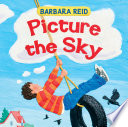
Wherever we may be, we share the same sky. But every hour, every day, every season, whether in the city or the forest, it is different. The sky tells many stories: in the weather, in the clouds, in the stars, in the imagination. This book envisions the sky above and around us in all its moods.

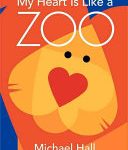
My heart is like a zoo

by Michael Hall

A heart can be hopeful, or silly, or happy. A heart can be rugged, or snappy, or lonely. A heart holds every different feeling, and for each one, the author an animal out of heart shapes, from “eager as a beaver” to “angry as a bear” to “thoughtful as an owl.”

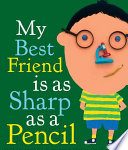
My best friend is sharp as a pencil: And other funny classroom portraits

by Hanoch Piven

Categories
English

Procedural Texts

Listed below are selected teacher resources, picture books, fiction, and non-fiction related to procedural texts.

Teacher Resources

Guiding readers and writers, grades 3-6: Teaching Comprehension, Genre, and Content Literacy

by Irene C. Fountas and Gay Su Pinnell

Grades: 3-6

The authors explore six essential components of a literacy program: breakthrough to literacy, independent reading, guided reading, literature study, teaching for comprehension and word analysis, and the reading and writing connection.

Genre study: teaching with fiction and non-fiction books, grades K-8+

by Irene C. Fountas and Gay Su Pinnell

Grades: K-8

This book uses an inquiry approach to engage students in exploring texts so that they can notice and name the characteristics of each genre and construct a working definition that guides their thinking of reading and writing.

Stimulating non-fiction writing!: Inspiring children aged 7-11

by Emma Hughes-Evans and Simon Brownhill

Grades: 2-6

This book offers ways to engage children in non-fiction writing, giving teachers the confidence and practical advice that they need to support children in producing quality non-fiction texts in the classroom. Types of texts explored include instructions, persuasive texts, reports, and correspondence. (E-book only)

Nonfiction writing power: Teaching information writing with intent and purpose

by Adrienne Gear

Grades: K-6

This book is designed to help teachers develop a writing program that will enable their students to harness all of their nonfiction writing powers: to describe, to instruct, to compare, to persuade, to explain, and to report. It illustrates ways to encourage students to write because they have something to say, and to recognize that writing well means considering intent and purpose, and choosing the best form of expression.

Marvelous minilessons for teaching: Nonfiction writing K-3

by Lori Jamison Rog

Grades: K-3

This book shows that even the youngest writers can consider audience and purpose as they use nonfiction writing to document their ideas and share those ideas with others. Forty minilessons offer strategies for writing informational, persuasive and procedural text. Each lesson starts with a learning goal and follows an “I do, We do, You do” format.

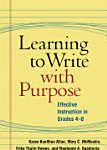
Learning to write with purpose: Effective instruction in grades 4-8

by Karen Kuelthau Allan et al.

Grades: 4-8

Communicating ideas and information is what makes writing meaningful, yet many students write without considering the aims of their writing or the needs of their readers. This book shares techniques to promote the skills and strategies need to write and revise effectively in a range of genres, including persuasive, expository and procedural writing; narratives; and poetry.

Picture Books Related to Procedural Texts

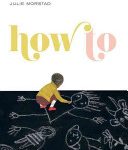
How to

by Julie Morstad

This imaginative ‘how to’ book explores whimsical ways of doing a host of different tasks, including ‘how to wonder’, ‘how to see the breeze’, and ‘how to be brave’.

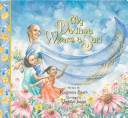
My dadima wears a sari

written by Kashmira Sheth, illustrated by Yoshiko Jaeggi

Rupa wonders why her grandmother always wears a sari, rather than other clothes. When her grandmother tells her all the things a sari can do – like being an umbrella in a rainstorm or a pouch for shells collected at the beach – Rupa thinks she’d like to wear one too. Includes instructions on wrapping a sari.

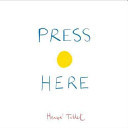
Press here

by Hervé Tullet, translated by Christopher Franceschelli

Press the yellow dot on the cover of this book, follow the instructions within, and embark upon a magical journey! Each page of this book instructs the reader to press the dots, shake the pages, tilt the book, and see what happens next.

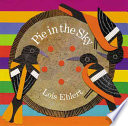
Pie in the sky

by Lois Ehlert

A father and child wait through the seasons for the cherries on their tree to be ripe, so they can make a cherry pie together. Includes a cherry pie recipe.

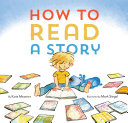
How to read a story,

written by Kate Messner, illustrated by Mark Siegel

It’s easy to read a story: just follow the steps. Step one: find a story. Step two: find a buddy. Step three: find a reading spot. Step four: read!

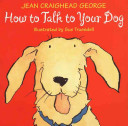
How to talk to your dog

written by Jean Craighead George, illustrated by Sue Truesdell

How do you say hello and good-bye in dog talk? Most importantly, how do you tell your dog that you’re the boss and have him or her adore you? Learn what different tail positions and facial expressions mean — and much more!

Non-Fiction Books Related to or Demonstrating Procedural Texts

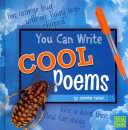
You can write cool poems

by Jennifer Fandel

Grades: 1-3

Through examples and exercises, this book shows how young writers can make readers smile, give them goosebumps or the giggles, or even make them cry, all through poetry.

How to code in 10 easy lessons

by Sean McManus

Grades: 6-8

This book starts by asking the question, “What is coding?” and shows what coding skills are. Then readers get to see how to use Scratch coding software to write simple code, use loops, and debug, to create a webpage, and even make a computer game. Includes easy-to-follow instructions and step-by-step graphics.

How to write a drama

by Megan Kopp

Grades: 3-6

A drama is a story that is experienced by an audience as a performance. Readers will explore acts, dialogue, stage direction, and other elements that define this genre. Mentor texts and writing prompts guide readers as they compose their own dramas. Part of the Text styles series.

Basketball basics: How to play like the pros

written by Jay Triano, foreword by Steve Nash

Grades: 4-8

Focusing on the core areas – Conditioning, Offense, Defense, Rebounds, and Plays That Make a Difference – Triano provides step-by-step instructions for everything from balance and stretching to dribbling and passing, from shooting to catching to lay-ups and free throws. The book includes instructional photos on every page, as well as full-color action photos of international and NBA stars.

Be an active citizen at your school

by Helen Mason

Grades: K-3

Young readers will discover ways to practice democratic principles in their schools and classrooms. Accessible, child-centered examples demonstrate key skills and practices including active listening, consensus-building, and voting procedures. Readers will also learn ways to clearly communicate their own points of view while showing respect for others’ perspectives.

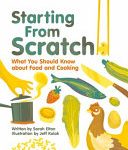
Starting from scratch: What you should know about food and cooking,

written by Sarah Elton, illustrated by Jeff Kulak

Grades: 5-12

This book demystifies food and cooking by boiling it down to the basics. Kids will be able to make sense of recipes, measure and substitute ingredients, and stock a pantry, but they’ll also discover that food is more than just a prepackaged meal. Includes several tasty recipes.

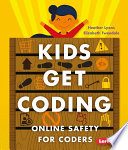
Online safety for coders

written by Heather Lyons and Elizabeth Tweedale, illustrated by Alex Westgate

Grades: K-3

How can you stay safe while surfing the Internet? You need to be an Internet superhero! The internet is an exciting world, but there are things you should be careful of as well. Find out how information is used online and how Internet superheroes protect their identities. Then use the link in this book to try fun activities that will boost your superhero skills.

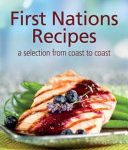
First Nations recipes: A selection from coast to coast

by Greg Lepine

Grades: 7-12

The recipes in this book feature ingredients at the foundation of Aboriginal culture, such as salmon, venison, bison, fiddleheads, wild rice and berries, and include brief descriptions of their historic relationship with that food. First Nations cuisine draws on millennia of evolution and deserves a lifetime of study. The recipes here represent a selection of favourites from various cultures across the country, and combine historic and currently available ingredients to reflect a contemporary, modern taste.


Finding More Resources

To find more resources in this area, try the following:

  • Search using the General tab on the UBC Library website to look for material in all UBC Library branches.
  • Search using “Search Education Resources” box in the left hand bar on the Education Library website to limit your results to materials in the Education Library.
  • Use specific search terms to narrow your results, such as “English language–composition and exercises–study and teaching” or “composition (language arts)”. Or, search for books with things like “how to” or “recipes” in their titles.
  • To find lesson plans, include “lesson plans”, “lesson planning”, or “activity programs” in your search terms.

For more help with searching, please visit the Library Service Desk or e-mail ed.lib@ubc.ca.

Categories
English

Expository Texts

Listed below are selected teacher resources, picture books, and non-fiction related to or demonstrating expository texts and writing.

Teacher Resources

Guiding readers and writers, grades 3-6: Teaching Comprehension, Genre, and Content Literacy

by Irene C. Fountas and Gay Su Pinnell

Grades: 3-6

The authors explore six essential components of a literacy program: breakthrough to literacy, independent reading, guided reading, literature study, teaching for comprehension and word analysis, and the reading and writing connection.

Genre study: teaching with fiction and non-fiction books, grades K-8+

by Irene C. Fountas and Gay Su Pinnell

Grades: K-8

This book uses an inquiry approach to engage students in exploring texts so that they can notice and name the characteristics of each genre and construct a working definition that guides their thinking of reading and writing.

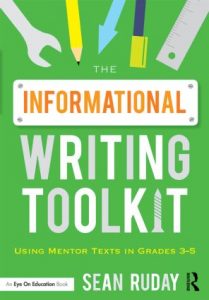
The informational writing toolkit: Using mentor texts in grades 3-5

by Sean Ruday

Grades: 3-5

The author demonstrates how to help students analyze the qualities of effective informational texts using mentor texts, and then help students think of those qualities as tools to improve their own writing. The book covers all aspects of informational writing, including introducing and developing a topic; grouping related information together; adding features that aid comprehension; linking ideas; and using precise language and domain-specific vocabulary. (E-book only)

Nonfiction mentor texts: Teaching informational writing through children’s literature, K-8

by Lynne R. Dorfman and Rose Cappelli

Grades: K-8

The authors identifying a wide range of mentor texts and show how these models illustrate the key features of good writing.The book guides teachers through a variety of projects, samples, and classroom anecdotes that demonstrate how teachers can help students become more effective writers of good nonfiction.

Stimulating non-fiction writing!: Inspiring children aged 7-11

by Emma Hughes-Evans and Simon Brownhill

Grades: 2-6

This book offers ways to engage children in non-fiction writing, giving teachers the confidence and practical advice that they need to support children in producing quality non-fiction texts in the classroom. Types of texts explored include instructions, persuasive texts, reports, and correspondence. (E-book only)

Nonfiction writing power: Teaching information writing with intent and purpose

by Adrienne Gear

Grades: K-6

This book is designed to help teachers develop a writing program that will enable their students to harness all of their nonfiction writing powers: to describe, to instruct, to compare, to persuade, to explain, and to report. It illustrates ways to encourage students to write because they have something to say, and to recognize that writing well means considering intent and purpose, and choosing the best form of expression.

Marvelous minilessons for teaching: Nonfiction writing K-3

by Lori Jamison Rog

Grades: K-3

This book shows that even the youngest writers can consider audience and purpose as they use nonfiction writing to document their ideas and share those ideas with others. Forty minilessons offer strategies for writing informational, persuasive and procedural text. Each lesson starts with a learning goal and follows an “I do, We do, You do” format.

Learning to write with purpose: Effective instruction in grades 4-8

by Karen Kuelthau Allan et al.

Grades: 4-8

Communicating ideas and information is what makes writing meaningful, yet many students write without considering the aims of their writing or the needs of their readers. This book shares techniques to promote the skills and strategies need to write and revise effectively in a range of genres, including persuasive, expository and procedural writing; narratives; and poetry.

Beyond the five-paragraph essay

by Kimberley Hill Campbell and Kristi Latimer

Grades: 9-12

The authors demonstrate how to create a program that encourages thoughtful writing in response to literature. They provide numerous strategies that stimulate student thinking, value unique insight, and encourage lively, personal writing, including close reading, low-stakes writing options, a focus on process, and the use of model texts.

The story of my thinking: Expository writing activities for 13 teaching situations

by Gretchen S. Bernabei and Dorothy P. Hall

Grades: 7-12

The authors offer options for teaching expository writing that more realistically match the way readers actually think and writers actually write. Their goal is to help teachers take their students through the various stages of the writing process – from generating ideas to publication – in a way that helps them produce vibrant nonfiction with voice and conviction.

100 writing lessons: Narrative, descriptive, expository, persuasive

by Tara McCarthy

Grades: 4-8

This collection of quick writing lessons and activities will help teachers to find exactly what they need for teaching writing, whether it’s a lesson on using exact words, writing an essay, developing a plot, or organizing a report. The author shares dozens of ideas for teaching students the persuasive, narrative, descriptive, and expository writing skills they need.

Picture Books Demonstrating Expository Writing

An egg is quiet

written by Diana Hutts Aston, illustrated by Sylvia Long

From tiny hummingbird eggs to giant ostrich eggs, oval ladybug eggs to tubular dogfish eggs, gooey frog eggs to fossilized dinosaur eggs, this book demonstrates the incredible variety of eggs and celebrates their beauty and wonder.

 A butterfly is patient

written by Diana Hutts Aston, illustrated by Sylvia Long

From the world’s tiniest butterfly (Western Pygmy Blue) to the largest (Queen Alexandra’s Birdwing), and throughout their complex life cycle, an incredible variety of butterflies are shown and described here in all of their magnificence.

Long night moon

written by Cynthia Rylant, illustrated by Mark Siegel

The 12 full moons throughout the year are given names inspired by Indigenous American traditions, each reflecting the time of year and the seasons in which they are seen.

Whose house?

written by Barbara Seuling, illustrated by Kay Chorao

A young boy explores the homes of many different animals before deciding that his own house is the best home for him.

Plant secrets

written by Emily Goodman, illustrated by Phyllis Limbacher Tildes

Plants come in all shapes and sizes, but they go through the same stages as they grow. Using four common plants, young readers learn about a plant’s life cycles: from seed to plant to flower to fruit and back again.

Fiction showing Expository Writing

These are my words: The residential school diary of Violet Pesheens

by Ruby Slipperjack

Violet is struggling to adjust to her new life at residential school. She misses her Grandma; she has run-ins with Cree girls; at her “white” school, everyone just stares; and everything she brought has been taken from her, including her name-she is now just a number. But worst of all, she has a fear. A fear of forgetting the things she treasures most, and a fear of forgetting who she was. Her notebook is the one place she can record all of her worries, and heartbreaks, and memories. (Also available in French.)

Non-Fiction Related to or Demonstrating Expository Writing

Expository paragraphs: Canadian Aboriginal art and culture,

by Frances Purslow

Grades: 3-7

For more books in the “Learning to Write” series, click here.

Space mysteries revealed

by James Bow

Grades: 3-6

This book explores and begins to explain many space-related questions, like “How did the universe all begin and where might it end?”, “Will we ever travel in time?”, “What would happen if you were sucked into a black hole?”, and “How can you drive on the Moon?” Part of the Mysteries revealed series.

The Chinese head tax and anti-Chinese immigration policies in the twentieth century

by Arlene Chan

Grades: 6-12

Through historical photographs, documents, and first-person narratives from Chinese Canadians who experienced the Head Tax or who were children of Head Tax payers, this book offers a full account of the injustice of this period in Canadian history. Part of the Righting Canada’s wrongs series.

How does GPS work?

by Leon Gray

Grades: 4-6

When taking a road trip today, some sort of GPS device is essential. It may be built into the car’s dashboard, or perhaps it’s just an app on a smartphone. But GPS is used for more than just finding your way! Readers will be fascinated by its many uses, such as catching criminals, predicting earthquakes, and creating maps.

Tomboy: a graphic memoir

by Liz Prince

Grades: 7-12

A memoir told anecdotally, Tomboy follows author and zine artist Liz Prince through her early childhood into adulthood and explores her ever-evolving struggles and wishes regarding what it means to “be a girl.” It’s about refusing gender boundaries, yet unwittingly embracing gender stereotypes at the same time, and realizing later in life that you can be just as much of a girl in jeans and a T-shirt as you can in a pink tutu.

Speaking our truth: a journey of reconciliation

by Monique Gray Smith

Grades: 4-8

Guided by acclaimed Indigenous author Monique Gray Smith, readers will learn about the lives of residential school survivors and listen to allies who are putting the findings of the Truth and Reconciliation Commission into action. (Teacher’s guide also available.)


Finding More Resources

To find more resources in this area, try the following:

  • Search using the General tab on the UBC Library website to look for material in all UBC Library branches.
  • Search using “Search Education Resources” box in the left hand bar on the Education Library website to limit your results to materials in the Education Library.
  • Use specific search terms to narrow your results, such as “expository texts”, “English language – composition and exercises”, “exposition (rhetoric) – study and teaching”, “report writing – study and teaching”, or “composition (language arts)”.
  • To find lesson plans, include “lesson plans”, “lesson planning”, or “activity programs” in your search terms.

For more help with searching, please visit the Library Service Desk or e-mail ed.lib@ubc.ca.

Spam prevention powered by Akismet