Categories
Accessibility Diversity and Diverse Learners Community Celebrations English French Inclusive Classroom Indigenous Literature and Education Seasonal Seasonal Materials Seasons and Celebrations Uncategorized Winter Celebrations

Livres bilingues et multilingues français et autochtones – French & Indigenous Bilingual and Multilingual Books

Listed below are selected resources for bilingual and multilingual learners in French/English/Spanish/Halq’eméylem(Sts’ailes)/ᓀᐦᐃᔭᐍᐏᐣ-Plains Cree/Omaškêkowak-Swampy Cree/X̱aad Kil-Haida(Old Massett)/X̱aayda Kil-Haida(Skidegate)/Cree/Carrier(Athapascan)/Inuktitut/Inuktitut Syllabics/Mi’kmaq relating to Science and Social Studies subjects.

Vous trouverez ci-dessous une sélection de ressources pour les apprenants bilingues et multilingues en français/anglais/espagnol/halq’eméylem(sts’ailes)/ᓀᐦᐃᔭᐍᐏᐣ-plains cree/omaškêkowak-swampy cree/xaad kil-haida(old massett)/xaayda kil-haida(skidegate)/cree/carrier(athapascan)/inuktitut/inuktitut roman syllabics/mi’kmaq concernant les sciences et les études sociales.

Livre en carton (Board Books)
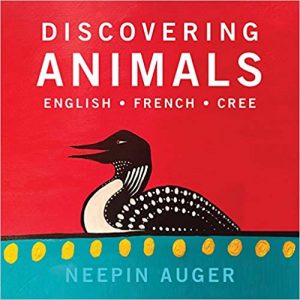
Discovering Animals

Les langues(Languages):Cree, French and English

de Neepin Auger

Niveau scolaire (Grade level): Préscolaire – Kindergarten (PreK-K)

The third book in the Discovering Series of books that uses colourful illustrations along with English, French and Cree translations to teach the basics of recognition and naming of animals.

Le troisième livre de la série Discovering utilise des illustrations colorées et des traductions en anglais, en français et en cri pour enseigner les bases de la reconnaissance et de la dénomination des animaux.
Discovering Words

Les langues(Languages):Cree, French and English

de Neepin Auger

Niveau scolaire (Grade level): Préscolaire – Kindergarten (PreK-K)

An updated edition in the Discovering Series that covers a variety of words and fun discovery for multilingual, bilingual and interested readers and learners. Accompanied by brightly coloured images and early education level concepts familiar to everyone.

Une édition mise à jour de la série Discovering qui couvre une variété de mots et de découvertes amusantes pour les lecteurs et apprenants multilingues, bilingues et intéressés. Accompagnée d’images aux couleurs vives et de concepts d’éducation précoce familiers à tous.
Discovering Numbers,

Les langues(Languages):Cree, French and English

de Neepin Auger

Niveau scolaire (Grade level): Préscolaire – Kindergarten (PreK-K)

An updated edition by Neepin Auger that includes more numbers and new illustrations that covers the basics of counting in English, French and Cree. A playful and bold series of books meant to educate and entertain preschoolers, parents, and teachers alike.

Une édition mise à jour par Neepin Auger qui comprend plus de chiffres et de nouvelles illustrations qui couvrent les bases du comptage en anglais, en français et en cri. Une série de livres ludiques et audacieux destinés à éduquer et à divertir les enfants d’âge préscolaire, les parents et les enseignants.

Lecteurs faciles (Easy Readers)
Strong Stories Dakelh: Fall in Saik’uz,

Les langues(Languages):Carrier (Athapascan), French and English

de Cecilia John

Niveau scolaire (Grade level): 1 – 3

Come north to Saik’uz (sigh-kuz) located within the Dakelh (dah-kay-lth) Territory and see the leaves turn colour in fall! What is something that you love about fall?

Venez au nord de Saik’uz (sigh-kuz), dans le territoire de Dakelh (dah-kay-lth), et voyez les feuilles se colorer à l’automne! Qu’est-ce que vous aimez dans l’automne?
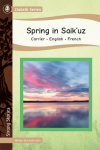
Strong Stories Dakelh: Spring in Saik’uz,

Les langues(Languages):Carrier (Athapascan), French and English

de Cecilia John

Niveau scolaire (Grade level): 1 – 3

Come north to Saik’uz (sigh-kuz) located within the Dakelh (dah-kay-lth) Territory and see the trees bud and the birds come back! What is something that you love about spring?

Venez au nord de Saik’uz (sigh-kuz), dans le territoire de Dakelh (dah-kay-lth), et voyez les arbres bourgeonner et les oiseaux revenir! Qu’est-ce que vous aimez dans le printemps?
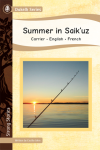
Strong Stories Dakelh: Summer in Saik’uz,

Les langues(Languages):Carrier (Athapascan), French and English

de Cecilia John

Niveau scolaire (Grade level): 1 – 3

Come north to Saik’uz (sigh-kuz) located within the Dakelh (dah-kay-lth) Territory and see the berries and animals! What is something that you love about summer?

Venez au nord à Saik’uz (sigh-kuz) situé dans le territoire Dakelh (dah-kay-lth) et voyez les baies et les animaux! Qu’est-ce que tu aimes dans l’été?
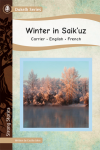
Strong Stories Dakelh: Winter in Saik’uz,

Les langues(Languages):Carrier (Athapascan), French and English

de Cecilia John

Niveau scolaire (Grade level): 1 – 3

What are some of the ways people in the North enjoy winter? This non-fiction book teaches children that even though the days are cold and dark in a Nunavut winter, there are a lot outdoor activities to enjoy, such as snowmobiling, ice fishing, and dogsledding. 

Comment les habitants du Nord profitent-ils de l’hiver? Ce livre de non-fiction apprend aux enfants que même si les journées sont froides et sombres pendant l’hiver au Nunavut, il y a beaucoup d’activités de plein air à pratiquer, comme la motoneige, la pêche sur glace et le traîneau à chiens.

Les livres d’images (Picture Books)
Indigenous Storybooks Canada,

Les langues(Languages):French, English, Spanish, Halq’eméylem(Sts’ailes), ᓀᐦᐃᔭᐍᐏᐣ-Plains Cree, Omaškêkowak-Swampy Cree, X̱aad Kil-Haida(Old Massett), and X̱aayda Kil-Haida(Skidegate)

Niveau scolaire (Grade level): Préscolaire – 6 (PreK-6)

Indigenous Storybooks is a resource designed specifically for children, families, community members, and educators. Inspired by the open-licensed stories from Little Cree Books, this project aims to make the text, images, and audio of stories available in Indigenous languages as well as English, French, and the most widely spoken immigrant and refugee languages of Canada.

Indigenous Storybooks est une ressource conçue spécifiquement pour les enfants, les familles, les membres de la communauté et les éducateurs. Inspiré par les histoires sous licence libre de Little Cree Books, ce projet vise à rendre le texte, les images et le son des histoires disponibles dans les langues autochtones ainsi qu’en anglais, en français et dans les langues d’immigrants et de réfugiés les plus parlées au Canada.

Comment la rivière Petitcodiac devint boueuse / Ta’n tel-kisi-siskuapua’qsepp Petikotiak sipu / How the Petitcodiac River became muddy

Les langues(Languages): French, Mi’kmaq, English

de Marguerite Maillet

Cette légende mi’kmaq explique à sa façon quelques-uns des mystères de la rivière Petitcodiac. Autrefois, la rivière était claire, limpide et regorgeait de poissons. Une Anguille géante, attirée par cette nourriture abondante, s’élança dans la rivière, détruisant tout sur son passage. Appelé à l’aide, Glooskap promit de donner des pouvoirs magiques à celui qui irait combattre le monstre. Seul un petit Homard se porta volontaire…

This Mi’kmaq legend explains in its own way some of the mysteries surrounding the Petitcodiac River. In the past, the river was crystal-clear and full of fish. A giant eel was attracted by such abundant food. She rushed into the river, causing rampage along its shores. Asked for help, Gloosecap offered to give great powers to anyone who would fight the monster. The only one who volunteered was a small lobster…

Tihtiyas et Jean / Tihtiyas naka Jean / Tihtiyas and Jean

Les langues(Languages): French, Passamaquoddy, English

de Nathalie Gagnon

Un jour, Tihtiyas, une jeune Passamaquoddy âgée de 12 ans, voit sur la mer un oiseau immense qui approche des côtes. Quelle n’est pas sa surprise de constater qu’il s’agit d’un bateau ! À travers le regard de Tihtiyas, on assiste à la grande aventure de l’arrivée, de l’installation et du premier hiver des Français à l’île Muttoneguis (Sainte-Croix). Parmi eux se trouve un jeune garçon âgé de 12 ans qui se liera d’amitié avec Tihtiyas.

One day, Tihtiyas, a twelve-year old Passamaquoddy girl, sees a huge bird approaching the shore. As the bird comes nearer, she realises it is a boat! Through Tihtiyas’s eyes, we take part in the great adventure of the French as they prepare for and spend their first winter on Muttoneguis Island (Saint Croix). Among them is a twelve-year-old boy, with whom Tihtiyas will make friends.
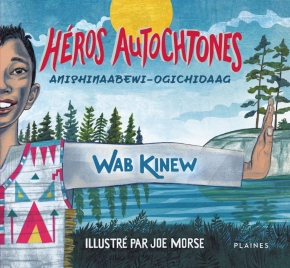
Héros autochtones/Anishinaabewi-Ogichidaag,

Les langues(Languages):Anishinaabe and French

texte de (writer) Wab Kinew; illustrations de (illustrator) Joe Morse

Niveau scolaire (Grade level): Kindergarten – 5

Souhaitant faire connaitre aux jeunes de tous les horizons ses héros autochtones, Wab Kinew a composé des textes inspirants mettant en vedette des héros autochtones du Canada et des États-Unis. Malgré leur expérience unique, tous ont ceci en commun : la confiance en soi et un lien avec le territoire.

Daa _Galang sding : _Xaayda_Ga Giiahl_Galang ga = The two brothers : a Haida story = Les deux frères : un récit haïda

Les langues(Languages): Haida, English and French

de Diane Brown: illustrations by Gwaii Edenshaw and Jaalen Edenshaw

The Two Brothers presents a wonderful opportunity for Canadian children of all ages to learn about Haida culture through colourful illustrations and text translated by a Haida author who has been instrumental in the protection of the Haida language. For almost a century, the world-famous Raven Totem Pole stood in downtown Jasper. After being repatriated to its original home on HaidaGwaii in 2010, it was replaced by the Two Brothers Totem Pole. Beautifully illustrated by Gwaai and Jaalen Edenshaw, the Haida artists who carved the new totem pole, this book tells the story of the Two Brothers, of a journey long ago from the west coast islands of HaidaGwaii to the Canadian Rockies, and of an unusual connection between two very different places.

L’écho du Nord / Listening North.

Les langues(Languages):Inuktitut & French

texte d’Emily Novalinga ; illustrations de Claude Thivierge

Cette histoire s’adresse aux enfants et aux adultes. Elle parle de l’importance de prendre soin de notre santé, de prendre le temps de bien entendre et de bien écouter : écouter les autres, écouter la nature, s’écouter soi-même. Quand nous sommes ouverts à toutes les choses merveilleuses qui nous entourent, nous nous sentons bien, nous prenons les bonnes décisions et notre vie est plus saine et plus heureuse. Plus que tout, notre vie est notre musique

Le cadeau de l’esturgeon

Les langues(Languages): French and Algonquin

texte de Stéphanie Déziel ; illustrations de Christine Sioui Wawanoloath

Album souple au cours duquel on narre comment Anwatan (16 ans) apprend à pêcher l’esturgeon au collet en compagnie de son grand-père, après avoir fait la rencontre magique d’un de ses énormes poissons d’eau douce qui l’emmène gentiment sur son dos pour lui faire découvrir, en un bref voyage dans le temps, les anciennes pratiques traditionnelles de son peuple entourant la pêche, la cuisson, la consommation et la célébration de ce cadeau de la nature dont il faut modérer la capture pour en protéger l’espèce.
Les families des Nunavik,

Les langues(Languages):Inuktitut and French

texte de(titiraqtuq/writer) France Paquin; illustrations de(titiqtugaqtuq/illustrator) Julie Rémillard-Bélanger; traduction en inuttitut de Sarah Beaulne.

Niveau scolaire (Grade level): Préscolaire – 6 (PreK-6)

Présentation élémentaire des principaux spécimens de la faune arctique, du lemming à l’homme, excluant la faune aquatique. — De gentilles aquarelles. Peu d’informations. Un point marquant, le texte dans les deux langues.
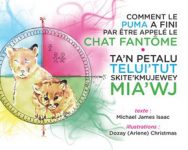
Comment le puma a fini par être appelé le chat fantôme,

Les langues(Languages):Mi’kmaq and French

texte de Michael James Isaac ; illustrations de Dozey (Arlene) Christmas ; traduction en mi’kmaq de Yolanda Denny ; traduction en français du ministère de l’Éducation et du Développement de la petite enfance de la Nouvelle-Écosse.

Niveau scolaire (Grade level): 1 – 6

Pris entre deux mondes, le puma a du mal à trouver un lieu où il est à sa place. En tant que chat fantôme, le puma vit comme il le devrait: dans la forêt, mais sans ses amis.

Misinsit miawe’k tapu’kl wskitqamu’kl, Ajik alme’si wejitoq ta’n tett tleyawit. Skite’kmujewey Mia’wj mimajit ta’n tel nenk — kisoqe’k pasik mu eymu’kk witapk.
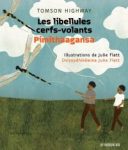
Pimithaagansa/Les libellules cerfs-volant,

Les langues(Languages):Cree and French

texte de Tomson Highway; illustrations de Julie Flett

Niveau scolaire (Grade level): 1 – 3

Taansi ka-itooteetay keespin iga meetawagaana kee-ayaa-in a-tie-igamigook oochi? Kapagawa-teetay naa? Maw weethawow Joe igwa ooseem’sa Cody. Maw m’tanaw-gaach. Ooseetaawuk taapoo-poogoo oomeetawaa-ganawaawa weethawow tipitoot, igwa kapee meetaweewuk, kapee m’choogee taawuk. Mamaskaach, chee-i?

Que ferais-tu n’avais aucun jouet, aucun jeu et aucun appareil electronique avec lesquels t’amuser? Est-ce que tu trouverais le temps long? Les freres Joe et Cody font tout sauf s’eenuyer. Ils inventent, creent et suivent leurs reves et ne s’ennuient jamais. Il suffit d’imaginer!
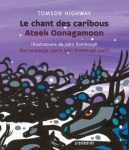
Ateek Oonagamoon/Caribou Song,

Les langues(Languages):Cree and English

texte de Tomson Highway; illustrations de John Rombough

Niveau scolaire (Grade level): 1 – 4

Joe and Cody are young Cree brothers who follow the caribou all year long, tucked into their dog sled with Mama and Papa. To entice the wandering herds, Joe plays his accordion and Cody dances, whirling like a young caribou. They are so busy playing and dancing, they don’t hear the rumble of the caribou. Bursting from the forest, ten thousand animals fill the meadow. Joe is engulfed; he can barely see Cody a few yards away. Their parents seem to have disappeared.

Joe et Cody suivent les caribous toute l’année en traîneau avec leurs parents. Joe joue de l’accordéon et Cody danse pour attirer les caribous errants. Mais lorsque des milliers de caribous répondent à leur appel, ce qui devrait être un moment de terreur se transforme en quelque chose de mystique et de magique quand les garçons ouvrent leurs bras et leur coeur pour embrasser l’esprit du caribou.
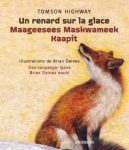
Maageesees Maskwameek/Un renard sur la glace,[Online Only]

Les langues(Languages):Cree and French

texte de Tomson Highway; illustrations de Brian Deines

Niveau scolaire (Grade level): 1 – 3

Joe et Cody pêchent sur la glace avec leurs parents par un après-midi d’hiver glacial. Cody aide Papa à pêcher, tandis que maman et Joe somnolent dans le traîneau. Soudain, les chiens repèrent un renard à la fourrure aussi brillante que des flammes et s’élancent à sa poursuite, entraînant maman et Joe dans une course folle.
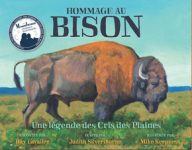
Hommage au Bison,

Les langues(Languages):Cree and French

texte de Judith Silverthorne; illustrations de Mike Keepness; traduction de Martine Noël-Maw; raconté par Ray Lavalee

Niveau scolaire (Grade level): 4 – 7

Cette légende ancestrale relate la façon dont le bison est devenu un animal sacré pour les Cris. Je vais m’offrir à eux, dit le Bison. Je vais leur permettre d’utiliser toutes les parties de mon corps, car elles se valent toutes. À travers le Créateur, le bison s’est offert en cadeau au peuple cri des Plaines pour lui procurer protection, nourriture, guérison et bien d’autres choses utiles à sa survie.
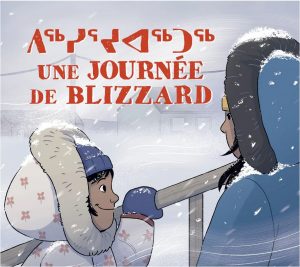
Une journeé de blizzard/ᐱᖅᓯᕐᔪᐊᖅᑐᖅ,

Les langues(Languages):Inuktitut and French

titiraqtuq(writer) Julia Ogina & Emily Jackson; titiqtugaqtuq(illustrator) Amiel Sandland

Niveau scolaire (Grade level): Préscolaire – Kindergarten (PreK-K)

Niaqualuk et Haugaaq vivent à Cambridge Bay, au Nunavut. Un gros blizzard s’annonce ! Haugaaq aimerait pouvoir jouer plus souvent à l’extérieur, mais Niaqualuk est excitée à l’idée de jouer à l’intérieur. Voyez ce que les sœurs font toute la journée pendant que le blizzard hurle à l’extérieur.

Niaqualuk and Haugaaq live in Cambridge Bay, Nunavut. There is a big blizzard coming! Haugaaq wishes she could play outside more, but Niaqualuk is excited about playing inside. See what fun things the sisters do all day as the blizzard howls outside.
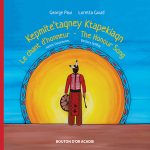
Kepmite’taqney Ktapekiaqn/Le chant d’honneur/The Honour Song,

Les langues(Languages):Mi’kmaq, French and English

texte de Gregory Paul; illustrations de Loretta Gould; traduction de Barbara Sylliboy & Hélène Devarennes

Niveau scolaire (Grade level): 3 – 8

Lors de nombreux évènements officiels ou cérémonies spirituelles chez les Premières Nations du pays, un chant est entonné par les participants. Ce chant a vu le jour dans le coeur et la tête de George Paul, un Mi’kmaw de Metepenagiag, après un parcours ardu. Cet album illustré raconte la naissance de ce chant et l’importance qu’il revêt pour les Premières Nations.

At many official events or spiritual Ceremonies among First Nations across the country, a song is sung by the participants. This song was born in the heart and mind of George Paul, a Mi’kmaw from Metepenagiag, after an arduous journey. This illustrated album tells the story of the birth of this song and its importance to First Nations.


Trouver d’autres ressources

Voici quelques conseils pour trouver d’autres ressources dans ce domaine :

  • Sur la page principale du site de la bibliothèque de l’UBC, utilisez la boîte de recherche générale pour rechercher des matériaux à travers toutes les succursales de la bibliothèque de l’UBC.
  • Pour limiter vos résultats aux matériels disponibles à la Bibliothèque de l’éducation, visitez le site web de la Bibliothèque de l’éducation et effectuez une recherche à l’aide de la case “Search Education Resources” située dans la bande à gauche de l’écran.
  • Remarque : les ressources étant principalement cataloguées en anglais, les termes ci-dessous donnent généralement plus de résultats que les recherches effectuées en français. Vous pouvez filtrer votre liste de résultats par langue dans la barre latérale de gauche.
  • Utilisez des termes de recherche spécifiques, tels que
    • “bilingual”, “english and cree”, “mi’kmaq”, ou “inuktitut” AND “french and cree”
  • Pour trouver des plans de cours, incluez “lesson plans”, “lesson planning”, or “activity programs” dans vos termes de recherche.

Finding More Resources

To find more resources in this area, try the following:

  • Search using the General tab on the UBC Library website to look for material in all UBC Library branches.
  • Search using “Search Education Resources” box in the left hand bar on the Education Library website to limit your results to physical materials in the Education Library.
  • Use specific search terms, such as
    • “bilingual”, “english and cree”, “mi’kmaq”, or “inuktitut” AND “french and cree”
  • To find lesson plans, include “lesson plans”, “lesson planning”, or “activity programs” in your search terms.
Categories
Indigenous Literature and Education

Truth and Reconciliation in Education

Listed below are selected teacher resources and non-fiction related to incorporating principles of truth and reconciliation with Indigenous peoples into the classroom.

Vous trouverez ci-dessous une sélection de ressources pour enseignants et d’ouvrages non romanesques relatifs à l’intégration des principes de vérité et de réconciliation avec les peuples autochtones dans la salle de classe.

Teacher Resources (Ressources pour les enseignants)

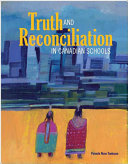
Truth and reconciliation in Canadian schools,

by Pamela Rose Toulouse

Niveau scolaire (Grade level): Kindergarten – 12 (K-12)

This book provides current information, personal insights, authentic resources, interactive strategies and lesson plans that support Indigenous and non-Indigenous learners in the classroom. Toulouse presents a culturally relevant and holistic approach that facilitates relationship building and promotes ways to engage in reconciliation activities.

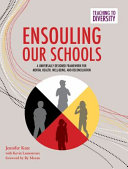
Ensouling our schools: A universally designed framework for mental health, well-being, and reconciliation,

by Jennifer Katz, Kevin Lamoureux & Ry Moran

Niveau scolaire (Grade level): Kindergarten – 12 (K-12)

The authors share methods of creating schools that engender mental, spiritual, and emotional health while developing intellectual thought and critical analysis, as well as Indigenous approaches to mental and spiritual health that benefit all students and address the Truth and Reconciliation Commission Calls to Action.

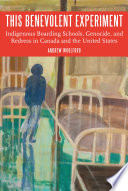
This benevolent experiment: indigenous boarding schools, genocide, and redress in Canada and the United States,

by Andrew Woolford

Niveau scolaire (Grade level): Kindergarten – 12 (K-12)

This Benevolent Experiment offers a multilayered, comparative analysis of Indigenous boarding schools in the United States and Canada. Because of differing historical, political, and structural influences, the two countries have arrived at two very different responses to the harms caused by assimilative education.

Truth and reconciliation through education: stories of decolonizing practices,

by Yvonne Poitras Pratt and Sulyn Bodnaresko

Niveau scolaire (Grade level): Kindergarten – 12 (K-12)

Educators have a special role in furthering truth and reconciliation in education, but many struggle to understand exactly what that means and how to accomplish it. There is no step-by-step guide to getting it right. Educators can only meaningfully accomplish truth and reconciliation in education by seeking out truth and reconciliation through education: an ongoing process of amplifying Indigenous voices and experiences, allowing oneself to be changed by them, and being guided by this learning both personally and professionally.

Ministry of Education report on actions taken to support Truth and Reconciliation Commission of Canada’s calls to action,

by the BC Ministry of Education

Niveau scolaire (Grade level): Préscolaire – Kindergarten (PreK-K)

A brief report on the BC Ministry of Education’s efforts to implement several calls to action regarding truth and reconciliation in education. (Online only)

The residential school system in Canada: Understanding the past, seeking reconciliation, building hope for tomorrow,

by Government of Northwest Territories, Government of Nunavut, and the Legacy of Hope Foundation

Niveau scolaire (Grade level): 10

A teacher guide with twelve activities, each of which helps students examine and develop an understanding of aspects of the history and legacy of the residential school system and participate in the journey towards reconciliation.

 Beyond 94,

by the CBC Indigenous Unit

Niveau scolaire (Grade level): 9 – 12

CBC’s Beyond 94 is an immersive, interactive and comprehensive website that monitors the progress of the Truth and Reconciliation Commission’s 94 Calls to Action. Beyond 94 highlights concrete suggestions, resources and examples of what reconciliation is, and how Indigenous and non‐Indigenous Canadians can work together on the path of reconciliation. Includes short documentaries available through Curio and a comprehensive teacher’s guide.

Non-Fiction

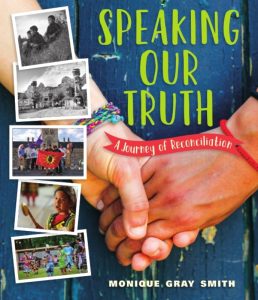
Speaking our truth: A journey of reconciliation,

by Monique Gray Smith

Niveau scolaire (Grade level): 4 – 8

Guided by acclaimed Indigenous author Monique Gray Smith, readers will learn about the lives of residential school survivors and listen to allies who are putting the findings of the Truth and Reconciliation Commission into action. (Teacher’s guide also available.)

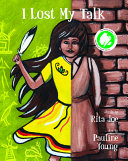
I lost my talk,

by Rita Joe; art by Pauline Young

Niveau scolaire (Grade level): PreK-12

An often quoted piece in this era of truth and reconciliation, Joe’s powerful words explore and celebrate the survival of Mi’kmaw culture and language despite its attempted eradication. A companion book to the simultaneously published I’m Finding My Talk by Rebecca Thomas, I Lost My Talk is a necessary reminder of a dark chapter in Canada’s history, a powerful reading experience, and an effective teaching tool for young readers of all cultures and backgrounds.

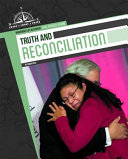
Truth and reconciliation,

by Simon Rose

Niveau scolaire (Grade level): 4 – 6

Explores the impact of residential schools on the Indigenous people of Canada as well as efforts by the Canadian government to mend the damaged relationships caused by these schools. Part of the Indigenous Life in Canada series.

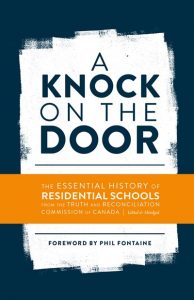
A knock on the door: The essential history of residential schools from the Truth and Reconciliation Commission of Canada,

by the National Centre for Truth and Reconciliation

Niveau scolaire (Grade level): 9 – 12

Explores a range of areas studied by the TRC, including the history of residential schools, the students’ experiences, the schools’ legacy, and reconciliation and calls to action. (E-book only)

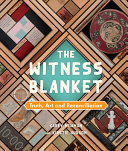
The Witness Blanket: truth, art and reconciliation,

by Carey Newman and Kirstie Hudson

Niveau scolaire (Grade level): 8 – 12

The Blanket is a living work of art–a collection of hundreds of objects from those schools. It includes everything from photos, bricks, hockey skates, graduation certificates, dolls and piano keys to braids of hair. Behind every piece is a story. And behind every story is a residential school Survivor, including Carey’s father. This book is a collection of truths about what happened at those schools, but it’s also a beacon of hope and a step on the journey toward reconciliation.

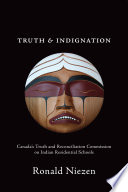
Truth and indignation: Canada’s Truth and Reconciliation Commission on Indian residential schools,

by Ronald Niezen

Niveau scolaire (Grade level): 10 – 12

Using interviews with survivors and oblate priests and nuns, as well as testimonies, texts, and visual materials produced by the Commission, Niezen raises some very important questions: What makes Canada’s TRC different than others around the world? What kinds of narratives are emerging and what do they mean for reconciliation, justice, and conceptions of traumatic memory? And what happens to the ultimate goal of reconciliation when a large part of the testimony–that of nuns, priests, and government officials–is scarcely evident?

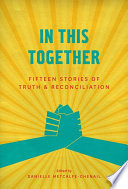
In this together: Fifteen stories of truth & reconciliation,

edited by Danielle Metcalfe-Chenail

Niveau scolaire (Grade level): 10 – 12

Reflective and personal pieces from both Indigenous and non-Indigenous journalists, writers, academics, visual artists, filmmakers, city planners, and lawyers, all of whom share their personal light-bulb moments regarding when and how they grappled with the harsh reality of colonization in Canada, and its harmful legacy. This book acts as a call for all Canadians to make reconciliation and decolonization a priority. (eBook edition)

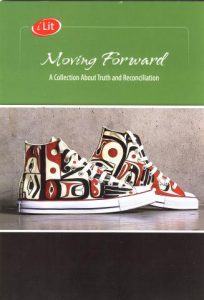
Moving Forward: A collection about truth and reconciliation,

by Tracey MacDonald

Niveau scolaire (Grade level): 10 – 12

This collection includes short stories, poems, essays, and art created by First Nations, Inuit, and Métis authors and artists on the topics of truth and reconciliation as they relate to residential schools. Each selection includes before, during, and after questions and activities that support English Language Arts grades 10 to 12 curricula from across the country. (Teacher’s Resource also available)

Original reports from the Truth and Reconciliation Commission of Canada

Honouring the truth, reconciling for the future: Summary of the final report of the Truth and Reconciliation Commission of Canada,

Niveau scolaire (Grade level): 10 – 12

A summary of the final report of the Truth and Reconciliation Commission (TRC) of Canada. Includes a summary of the commission’s activities, a detailed account of the history and legacy of residential schools, the challenges of reconciliation, and 94 calls to action.

Survivors speak: A report of the Truth and Reconciliation Commission of Canada,

de Cecilia John

Niveau scolaire (Grade level): 10 – 12

As part of its work, the Truth and Reconciliation Commission of Canada provided former students—the Survivors of residential schools—with an opportunity to provide a statement on their experience of residential schooling. This is a volume of excerpts from those statements that was published as part of the Commission’s final report.


Trouver d’autres ressources

Voici quelques conseils pour trouver d’autres ressources dans ce domaine :

  • Sur la page principale du site de la bibliothèque de l’UBC, utilisez la boîte de recherche générale pour rechercher des matériaux à travers toutes les succursales de la bibliothèque de l’UBC.
  • Pour limiter vos résultats aux matériels disponibles à la Bibliothèque de l’éducation, visitez le site web de la Bibliothèque de l’éducation et effectuez une recherche à l’aide de la case “Search Education Resources” située dans la bande à gauche de l’écran.
  • Remarque : les ressources étant principalement cataloguées en anglais, les termes ci-dessous donnent généralement plus de résultats que les recherches effectuées en français. Vous pouvez filtrer votre liste de résultats par langue dans la barre latérale de gauche.
  • Utilisez des termes de recherche spécifiques, tels que
    • “Truth and Reconciliation Commission of Canada”, “Truth commissions — Canada”, “Indigenous peoples AND Canada AND Residential schools”, “Native peoples AND Canada AND Residential schools”, ou “Indigenous peoples AND Education AND Canada”
  • Pour trouver des plans de cours, incluez “lesson plans”, “lesson planning”, or “activity programs” dans vos termes de recherche.

Finding More Resources

To find more resources in this area, try the following:

  • Search using the General tab on the UBC Library website to look for material in all UBC Library branches.
  • Search using “Search Education Resources” box in the left hand bar on the Education Library website to limit your results to physical materials in the Education Library.
  • Use specific search terms, such as
    • “Truth and Reconciliation Commission of Canada”, “Truth commissions — Canada”, “Indigenous peoples AND Canada AND Residential schools”, “Native peoples AND Canada AND Residential schools”, or “Indigenous peoples AND Education AND Canada”
  • To find lesson plans, include “lesson plans”, “lesson planning”, or “activity programs” in your search terms.
Categories
Indigenous Literature and Education

Storytelling and Oral Traditions

Listed below are selected teacher resources, picture books, fiction, and non-fiction related to storytelling and oral traditions in Indigenous literature and education.

Vous trouverez ci-dessous une sélection de ressources pour enseignants, de livres d’images, d’ouvrages de fiction et d’ouvrages non romanesques liés aux contes et aux traditions orales dans la littérature et l’éducation indigènes.

Teacher Resources (Ressources pour les enseignants)

Braiding sweetgrass for young adults : indigenous wisdom, scientific knowledge, and the teachings of plants,

by Robin Wall Kimmerer; adapted by Monique Gray Smith; illustrations by Nicole Neidhardt

Niveau scolaire (Grade level): 7 – 12

Drawing from her experiences as an Indigenous scientist, botanist Robin Wall Kimmerer demonstrates how all living things—from strawberries and witch hazel to water lilies and lichen—provide us with gifts and lessons every day in her best-selling book Braiding Sweetgrass. Adapted for young adults by Monique Gray Smith, this new edition reinforces how wider ecological understanding stems from listening to the earth’s oldest teachers: the plants around us. Bringining Indigenous wisdom, scientific knowledge, and the lessons of plant life to a new generation.

Indigenous community: rekindling the teachings of the seventh fire,

by Gregory A. Cajete, Ph.D.; foreword by James Sa’ke’j Youngblood Henderson

Niveau scolaire (Grade level): 9 – 12

Indigenous Community explores how community is the foundation and lifeblood of Indigenous education as well as the path to sustainable ways of life. In the words of Greg Cajete, the author, What I want Indigenous readers to get is that, along with our efforts to revitalize culture and language, we must also revitalize and sustain our sense for community, because it is the context in which culture and language flourish.

Learning and teaching together : weaving indigenous ways of knowing into education,

by Michele T.D. Tanaka

Niveau scolaire (Grade level): Kindergarten – 12 (K-12)

Across Canada, teachers unfamiliar with Aboriginal approaches to learning are seeking ways to respectfully weave Aboriginal content into their lessons. It recounts how pre-service teachers immersed in a cross-cultural course in British Columbia began to practise Indigenous ways of knowing. Working alongside Indigenous wisdom keepers, they transformed earth fibres into a mural and, in the process, their own ideas about learning and teaching.

Indigenous storywork: Educating the heart, mind, body, and spirit,

by Jo-Ann Archibald

Niveau scolaire (Grade level): Kindergarten – 12 (K-12)

Builds on the seven principles of respect, responsibility, reciprocity, reverence, holism, interrelatedness, and synergy that form a framework for understanding the characteristics of stories, appreciating the process of storytelling, establishing a receptive learning context, and engaging in holistic meaning-making. Archibald worked closely with Elders and storytellers in order to develop ways of bringing storytelling into educational contexts. (eBook)

Culturally Relevant Aboriginal Education,

by Nicole Bell and Terrylynn Brant

Niveau scolaire (Grade level): Kindergarten – 12 (K-12)

Provides teacher candidates and in-service teachers with relevant information to help them integrate Aboriginal, First Nations, Métis, and Inuit content, customs, and traditions into the classroom, providing students with a broader perspective of Canada and its population. Includes a chapter on storytelling and Aboriginal pedagogy.

Braiding histories: Learning from Aboriginal peoples’ experiences and perspectives,

by Susan D. Dion

Niveau scolaire (Grade level): 10 – 12

Reflecting on the process of writing a series of stories, Dion takes up questions of (re)presenting the lived experiences of Aboriginal people in the service of pedagogy. Investigating what happened when the stories were taken up in history classrooms, she illustrates how our investments in particular identities structure how we hear and what we are “willing to know”. Will appeal to readers seeking a better understanding of colonialism and Aboriginal–non-Aboriginal relations. (eBook)

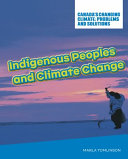
Indigenous peoples and climate change,

by Marla Tomlinson

Niveau scolaire (Grade level): Kindergarten – 12 (K-12)

Indigenous Peoples and Climate Change is part of the series on Canada’s Changing Climate: Problems and Solutions. This series investigates the impact of climate change on Canada’s peoples, place and lifestyle.

Picturebooks

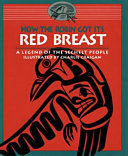
How the robin got its red breast: A legend of the Sechelt People,

by The Sechelt Nation and Donna Joe, illustrated by Charlie Craigan

Niveau scolaire (Grade level): Préscolaire – 3 (PreK-3)

These traditional teaching legends come straight from the oral traditions of the Sechelt Nation. Simple and beautifully presented cautionary tales which include some Shishalh language. See also Mayuk the grizzly bear: A legend of the Sechelt People

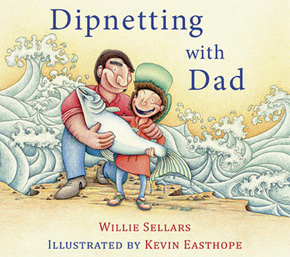
Dipnetting with dad,

by Willie Sellars; illustrated by Kevin Easthope

Niveau scolaire (Grade level): 1 – 3

Set in the beautiful landscape of the Cariboo Chilcotin region, Dipnetting with dad is a delightful and colourful story of a father teaching his son the Secwepemc method of fishing known as dipnetting. Together they visit the sweat lodge, mend the nets, select the best fishing spot and catch and pack their fish through rugged bush back to the family home for traditional preparation.

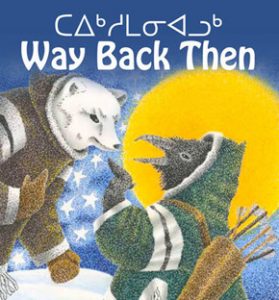
Taiksumanialuk / titiraqtat Niil Kuristavumut ; titiraujaqtat Jirmai Arnattaujurmut = Way back then,

by Neil Christopher; illustrated by Germaine Arnaktauyok

Niveau scolaire (Grade level): Préscolaire – Kindergarten

Kamik finally has his first sled, and he and Jake can finally begin exploring the tundra together. But Jake and Kamik are still inexperienced, and when a blizzard starts blowing in across the tundra, Jake has to rely on his knowledge to get home.

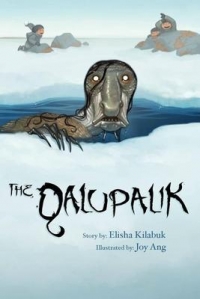
 The qalupalik,

by Elisha Kilabuk, illustrated by Joy Ang

Niveau scolaire (Grade level): 1 – 3

All Inuit know about Qallupilluit, strange creatures that live under the sea ice and carry away unsuspecting children on their backs. But when one bright young orphan strays too close to the ice, he soon learns that while Qallupilluit may be very scary, they are also easily tricked. The Qalupalik is the first installment in The Unikkaakuluit Series a new, beautifully illustrated children’s series based on the work of celebrated contemporary Inuit storytellers.

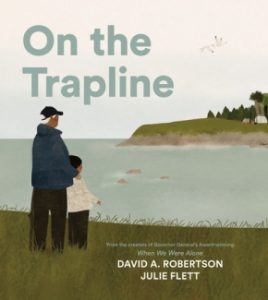
 On the trapline,

by David A. Robertson ; illustrated by Julie Flett

Niveau scolaire (Grade level): Préscolaire – 3 (PreK-3)

A boy and Moshom, his grandpa, take a trip together to visit a place of great meaning to Moshom. A trapline is where people hunt and live off the land, and it was where Moshom grew up. As they embark on their northern journey, the child repeatedly asks his grandfather, “Is this your trapline?” Along the way, the boy finds himself imagining what life was like two generations ago — a life that appears to be both different from and similar to his life now.

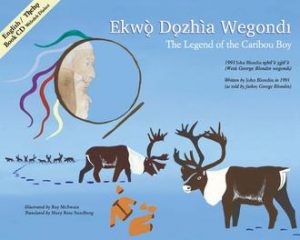
 Ekwǫ̀ dǫzhìa wegondi (The legend of the Caribou Boy),

by John Blondin in 1993, as told by father, George Blondin, illustrated by Ray McSwain, translated by Mary Rose Sundberg

Niveau scolaire (Grade level): 2 – 4

A young boy is having trouble sleeping at night. He is being called to fulfill his destiny, a destiny which lives on today in the traditions and culture of the Dene people and their relationship to the caribou and the land on which they live. Although Dogrib Elder George Blondin is being acknowledged as the author and storyteller, this legend originated in Dene oral tradition several generations ago.

Fiction

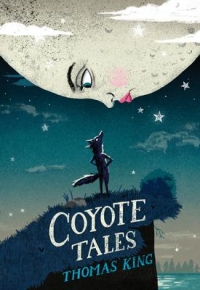
Coyote tales,

by Thomas King; illustrations by Byron Eggenschwiler

Niveau scolaire (Grade level): Kindergarten – 4

Two tales, set in a time “when animals and human beings still talked to each other,” display Thomas King’s cheeky humor and master storytelling skills. Freshly illustrated and reissued as an early chapter book, these stories are perfect for newly independent readers.

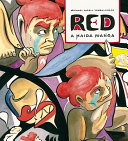
Red: A Haida manga

by Michael Nicoll Yahgulanaas

Niveau scolaire (Grade level): 7 – 12

Referencing a classic Haida oral narrative, this stunning full-colour graphic novel documents the powerful story of Red, a leader so blinded by revenge that he leads his community to the brink of war and destruction. Red blends traditional Haida imagery into a Japanese manga-styled story. Tragic and timeless, it is reminiscent of such classic stories as Oedipus Rex, Macbeth and King Lear. Also available as an eBook.

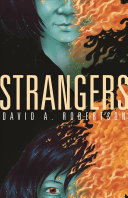
 Strangers: The Reckoner trilogoy, book 1,

by David A. Robertson

Niveau scolaire (Grade level): 9 – 12

With the aid of an unhelpful spirit, a disfigured ghost, and his two oldest friends, Cole tries to figure out his purpose, and unravel the mysteries he left behind a decade ago. Will he find the answers in time to save his community?This mystery-suspense novel incorporates elements of Indigenous storytelling using a modern lens. Coyote features prominently in this series, taking up the role of trickster.

Non-Fiction

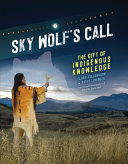
Sky Wolf’s call: the gift of Indigenous knowledge,

by Eldon Yellowhorn & Kathy Lowinger

Niveau scolaire (Grade level): 6 – 8

In Sky Wolf’s Call, award-winning author team of Eldon Yellowhorn and Kathy Lowinger reveal how Indigenous knowledge comes from centuries of practices, experiences, and ideas gathered by people who have a long history with the natural world. Indigenous knowledge is explored through the use of fire and water, the acquisition of food, the study of astronomy, and healing practices.

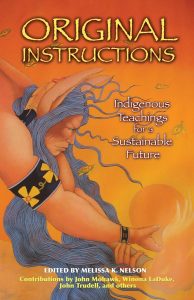
Original instructions: indigenous teachings for a sustainable future,

by Melissa K. Nelson

Niveau scolaire (Grade level): 11 – 12

For millennia the world’s indigenous peoples have acted as guardians of the web of life for the next seven generations. They’ve successfully managed complex reciprocal relationships between biological and cultural diversity. Awareness of indigenous knowledge is reemerging at the eleventh hour to help avert global ecological and social collapse. Indigenous cultural wisdom shows us how to live in peace–with the earth and one another.

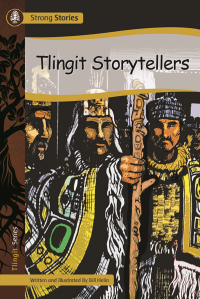
Tlingit storytellers,

by Bill Helin

Niveau scolaire (Grade level): 2 – 4

In this book, Bill Helin explains the importance of stories and storytellers to the culture and history of the Tlingit people. Often using animals of the forest and ocean as characters, the storytellers wove teachings of survival, respect, and family life into the fabric of their stories.

Oral traditions and storytelling,

by Anita Yasuda

Niveau scolaire (Grade level): 4 – 6

Explores the role of storytelling in Indigenous culture and how they are keeping their oral traditions alive for future generations. Part of the Indigenous Life in Canada series.

Living stories = godı weghàà ets’ eèda,

by Therese Zoe, Philip Zoe, and Mindy Willett, photographs by Tessa Macintosh

Niveau scolaire (Grade level): 4 – 7

In Living Stories, Therese Zoe translates the stories and traditional wisdom of Tlicho Elders Philip Zoe and Elizabeth Chocolate. Join Tlicho young people, Shelinda, Forest, and Bradley, as they learn about making dry-fish, bows and arrows, and birch-bark baskets; the practices of old-time healers; as well as the sacred stories that tell the history of the Tlicho people. Part of The Land is Our Storybook series.

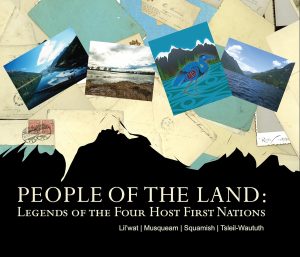
People of the land: Legends of the four host First Nations,

by Johnny Abraham and other contributors

Niveau scolaire (Grade level): 4 – 9

An anthology of the sacred legends of the four host First Nations, the Lil’wat, Musqueam, Squamish, and Tsleil-Waututh which have been passed down from generation to generation through the Elders and are integral to the teachings and oral traditions of First Nations people. These stories link people to the land and to each other and pass on traditional knowledge and history.

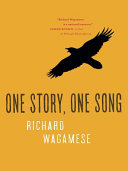
One story, one song,

by Richard Wagamese

Niveau scolaire (Grade level): 10 – 12

Focuses on stories: how they shape us, how they empower us, how they change our lives. Ancient and contemporary, cultural and spiritual, funny, and sad, the tales are grouped according to the four Ojibway storytelling principles: balance, harmony, knowledge, and intuition. (eBook)

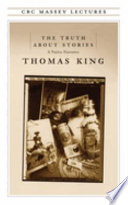
The truth about stories: A Native narrative,

by Thomas King

Niveau scolaire (Grade level): 10 – 12

Beginning with Native oral stories, King weaves his way through literature and history, religion and politics, popular culture and social protest, in an effort to make sense of North America’s relationship with its Aboriginal peoples.


Trouver d’autres ressources

Voici quelques conseils pour trouver d’autres ressources dans ce domaine :

  • Sur la page principale du site de la bibliothèque de l’UBC, utilisez la boîte de recherche générale pour rechercher des matériaux à travers toutes les succursales de la bibliothèque de l’UBC.
  • Pour limiter vos résultats aux matériels disponibles à la Bibliothèque de l’éducation, visitez le site web de la Bibliothèque de l’éducation et effectuez une recherche à l’aide de la case “Search Education Resources” située dans la bande à gauche de l’écran.
  • Remarque : les ressources étant principalement cataloguées en anglais, les termes ci-dessous donnent généralement plus de résultats que les recherches effectuées en français. Vous pouvez filtrer votre liste de résultats par langue dans la barre latérale de gauche.
  • Utilisez des termes de recherche spécifiques, tels que
    • “First Nations”, “Indigenous”, “Oral Tradition”, ou “Indigenous peoples AND Storytelling”
  • Pour trouver des plans de cours, incluez “lesson plans”, “lesson planning”, or “activity programs” dans vos termes de recherche.

Finding More Resources

To find more resources in this area, try the following:

  • Search using the General tab on the UBC Library website to look for material in all UBC Library branches.
  • Search using “Search Education Resources” box in the left hand bar on the Education Library website to limit your results to physical materials in the Education Library.
  • Use specific search terms, such as
    • “First Nations”, “Indigenous”, “Oral Tradition”, or “Indigenous peoples AND Storytelling”
  • To find lesson plans, include “lesson plans”, “lesson planning”, “juvenile fiction” or “activity programs” in your search terms.
Categories
Indigenous Literature and Education

Residential School History and Impact

Listed below are selected teacher resources, picture books, fiction, and non-fiction related to the history and impact of residential schools.

Vous trouverez ci-dessous une sélection de ressources pour les enseignants, de livres d’images, d’ouvrages de fiction et d’ouvrages non romanesques liés à l’histoire et à l’impact des pensionnats.

Teacher Resources (Ressources pour les enseignants)

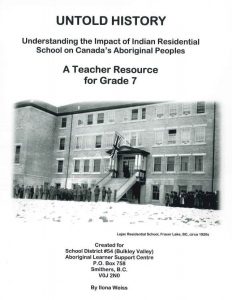
Untold history: understanding the impact of Indian residential school on Canada’s aboriginal peoples,

by Ilona Weiss; edited by Sharon Campbell

Niveau scolaire (Grade level): 7

Presented as a series of lessons created for students to better understand how residential schools impacted Indigenous peoples across Canada. Looking towards gaining compassion and empathy for experiences of the past as well as those that continue to affect Indigenous communities today.

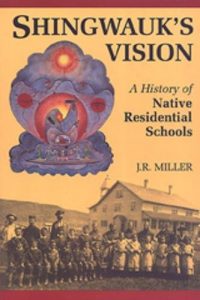
Shingwauk’s vision : history of Native residential schools,

by J.R. Miller

Niveau scolaire (Grade level): K – 12

Starting with the foundations of residential schooling in seventeenth-century New France, Miller traces the modern version of the institution that was created in the 1880s, and, finally, describes the phasing-out of the schools in the 1960s. He looks at instruction, work and recreation, care and abuse, and the growing resistance to the system on the part of students and their families. Based on extensive interviews as well as archival research, Miller’s history is particularly rich in Native accounts of the school system.

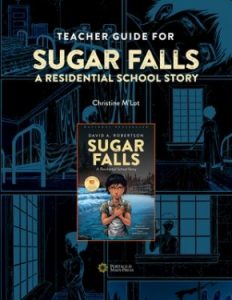
Teacher guide for Sugar Falls: learning about the history and legacy of residential schools,

by Christine M’Lot.

Niveau scolaire (Grade level): 9 – 12

Sugar Falls: A Residential School Story includes sensitive topics (e.g., abuse, trauma); therefore, it is most appropriate for grades 9–12. The activities in this guide are most appropriate for courses such as English Language Arts, Social Studies, History, Global or Contemporary Issues, as well as Current Topics in First Nations, Métis, and Inuit Studies. They could be adapted for use at the university or college level.

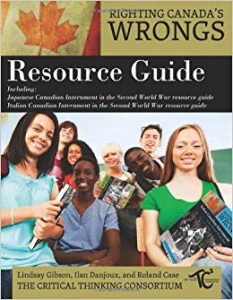
Book cover of Righting Canada's Wrongs Righting Canada’s Wrongs (Resource Guide),

by Lindsay Gibson, Llan Danjoux, and Roland Case

Niveau scolaire (Grade level): 9 – 12

Seven lessons that will engage students while they learn about some of the important events in Canada’s history that helped shape our current multicultural society. Includes support for teaching about Canada’s past treatment of ethnic minorities and how to approach the topic of racism.

The residential school system in Canada: Understanding the past, seeking reconciliation, building hope for tomorrow (Teacher’s guide),

from Northwest Territories. Department of Education, Culture and Employment, Legacy of Hope Foundation, & Nunavut. Department of Education.

Niveau scolaire (Grade level): 10

A teacher guide with twelve activities, each of which helps students examine and develop an understanding of aspects of the history and legacy of the residential school system and participate in the journey towards reconciliation.

Book cover Indian Residential Schools & Reconciliation,

by First Nations Educational Steering Committee (FNESC)

Niveau scolaire (Grade level): 5 & 10 – 12

Teacher resources which are meant to help students attain an understanding of the history of the relationship between Aboriginal and non-Aboriginal people over Canada’s history. The primary learning resources are published literature, enabling a cross-curricular approach employing both Language Arts and Social Studies learning standards.

FNESC Additional Resources: Indian Residential Schools and Reconciliation,

by First Nations Educational Steering Committee (FNESC)

Niveau scolaire (Grade level): Préscolaire –  12 (PreK-12)

A comprehensive list of resources related to “Indian Residential Schools and Reconciliation” prepared by the First Nations Education Steering Committee.

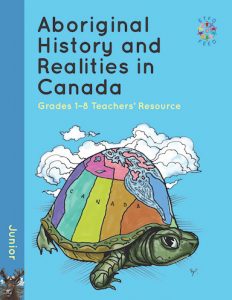
 Aboriginal history and realities in Canada (Teacher Resource),

by Beverly Papove and the Elementary Teachers’ Federation of Ontario

Niveau scolaire (Grade level): 1 – 8

A teachers’ resource for elementary teachers across Ontario to help them present a more accurate representation of both the traditional and the contemporary historical realities that have defined the relationship between First Nations and the dominant cultures of Canada.

Picturebooks

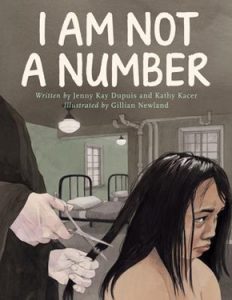
 I am not a number,

by Jenny Kay Dupuis & Kathy Kacer; illustrated by Gillian Newland

Niveau scolaire (Grade level): 2 – 6

When eight-year-old Irene is removed from her First Nations family to live in a residential school she is confused, frightened, and terribly homesick. She tries to remember who she is and where she came from, despite the efforts of the nuns in charge at the school who tell her that she is not to use her own name but instead use the number they have assigned to her.

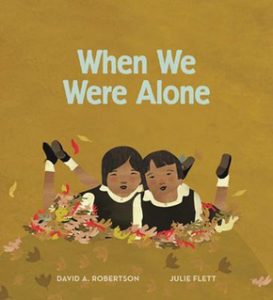
When we were alone,

by David Robertson, illustrated by Julie Flett

Niveau scolaire (Grade level): 1 – 12

When a young girl helps tend to her grandmother’s garden, she begins to notice things that make her curious. Why does her grandmother have long, braided hair and beautifully coloured clothing? Why does she speak another language and spend so much time with her family? As she asks her grandmother about these things, she is told about life in a residential school a long time ago, where all of these things were taken away.

Shi-shi-etko,

by Nicola I. Campbell, illustrated by Kim LaFave

Niveau scolaire (Grade level): 1 – 10

Shi-shi-etko just has four days until she will have to leave her family and everything she knows to attend residential school. She spends her last precious days at home treasuring and appreciating the beauty of her world: the dancing sunlight, the tall grass, each shiny rock, the tadpoles in the creek, her grandfather’s paddle song. Her mother, father, and grandmother, each in turn, share valuable teachings that they want her to remember.

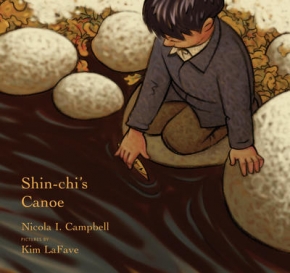
Shin-chi’s canoe,

by Nicola I. Campbell, illustrated by Kim LaFave

Niveau scolaire (Grade level): 1 – 10

A sequel to Shi-shi-etko. Forced to use only people’s English names and not speak to his siblings at school, Shin-chi holds fast to the canoe given to him by his father, hopeful that things will then improve for his family and the people he loves. (Also available in French.)

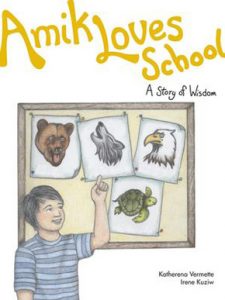
Amik loves school: A story of wisdom,

by Katharina Vermette, illustrated by Irene Kuziw

Niveau scolaire (Grade level): Préscolaire –  3 (PreK-3)

Amik tells Moshoom about his wonderful school. Then his grandfather tells him about the residential school he went to, so different from Amik’s school, so Amik has an idea…

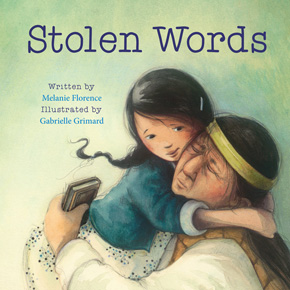
Stolen words,

by Melanie Florence, illustrated by Gabrielle Grimard

Niveau scolaire (Grade level): 1 – 4

When a little girl asks her grandfather how to say something in his language – Cree – he admits that his language was stolen from him when he was a boy. The little girl then sets out to help her grandfather find his language again. (Also available in French.)

Fiction

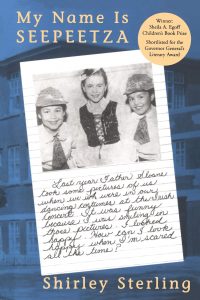
My name is Seepeetza,

by Shirley Sterling

Niveau scolaire (Grade level): 4 – 8

Her name was Seepeetza when she was at home with her family. But now that she’s living at the Indian residential school her name is Martha Stone, and everything else about her life has changed as well. Seepeetza finds bright spots, but most of all she looks forward to summers and holidays at home.

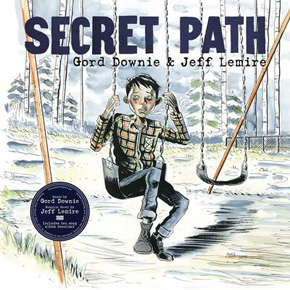
Secret path,

by Gord Downie & Jeff Lemire

Niveau scolaire (Grade level): 6 – 11

Secret Path is a ten song album by Gord Downie with a graphic novel by illustrator Jeff Lemire that tells the story of Chanie “Charlie” Wenjack, a twelve-year-old boy who died in flight from the Cecilia Jeffrey Indian Residential School fifty years ago.

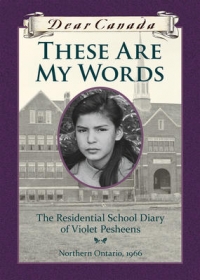
These are my words: The residential school diary of Violet Pesheens,

by Ruby Slipperjack

Niveau scolaire (Grade level): 5 – 7

Violet is struggling to adjust to her new life at residential school. She misses her Grandma; she has run-ins with Cree girls; at her “white” school, everyone just stares; and everything she brought has been taken from her, including her name-she is now just a number. But worst of all, she has a fear. A fear of forgetting the things she treasures most, and a fear of forgetting who she was. Her notebook is the one place she can record all of her worries, and heartbreaks, and memories. (Also available in French.)

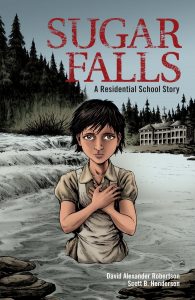
Sugar Falls: A residential school story,

by David Alexander Robertson, illustrated by Scott B. Henderson, original storyboards by Scott Keewatin Sanderson

Niveau scolaire (Grade level): 9 – 12

Abandoned as a young child, Betsy was soon adopted into a loving family. A few short years later, at the age of 8, everything changed. Betsy was taken away to a residential school. There she was forced to endure abuse and indignity, but Betsy recalled the words her father spoke to her at Sugar Falls — words that gave her the resilience, strength, and determination to survive.

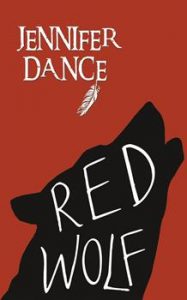
Red wolf,

by Jennifer Dance

Niveau scolaire (Grade level): 9 – 12

Starving and lonely, an orphaned timber wolf is befriended by a boy named Red Wolf. But under the Indian Act, Red Wolf is forced to attend a residential school far from the life he knows, and the wolf is alone once more. Courage, love and fate reunite the pair, and they embark on a perilous journey home.

Non-Fiction

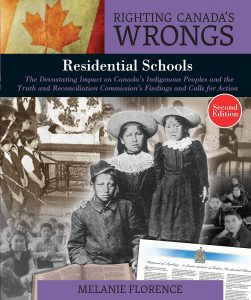
Residential schools: the devastating impact on Canada’s Indigenous Peoples and the Truth and Reconciliation Commission’s findings and calls for action,

by Melanie Florence

Niveau scolaire (Grade level): 4 – 6

Through historical photographs, documents, and first-person narratives from First Nations, Inuit, and Metis people who survived residential schools, this book offers an account of the injustice of this period in Canadian history, and documents how this official racism was confronted and finally acknowledged.

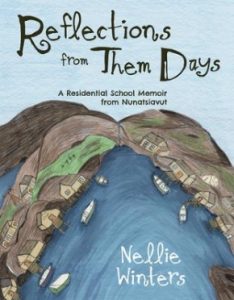
Reflections from them days: a residential school memoir from Nunatsiavut,

by Nellie Winters; transcribed and edited by Erica Oberndorfer; illustrated by Nellie Winters

Niveau scolaire (Grade level): 5 – 9

When Nellie Winters was 11 years old, she was sent to attend the Nain Boarding School, a residential school 400 kilometres from her home. In this memoir, she recalls life before residential school, her experiences at the school, and what it was like to come home.

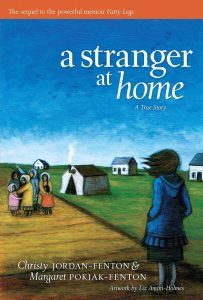
A stranger at home: A true story,

by Christy Jordan-Fenton and Margaret Pokiak-Fenton, artwork by Liz Amini-Holmes

Niveau scolaire (Grade level): 4 – 7

Traveling to be reunited with her family in the Arctic, 10-year-old Margaret Pokiak can hardly contain her excitement. It’s been two years since her parents delivered her to the school run by the dark-cloaked nuns and brothers. Coming ashore, Margaret spots her family, but her mother barely recognizes her, screaming, “Not my girl.” Margaret realizes she is now marked as an outsider. (Also available in French.)

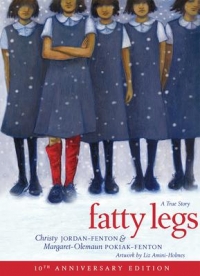
Fatty legs: A true story,

by Christy Jordan-Fenton and Margaret Pokiak-Fenton, artwork by Liz Amini-Holmes

Niveau scolaire (Grade level): 4 – 8

When she was very young, Margaret travelled with her father to Aklavik and was mesmerized by the vision of dark-cloaked nuns and pale-skinned priests. She begged her father to let her go to the outsiders’ school. But Margaret was unprepared for the oppression and pain she was to face during those difficult years.

A knock on the door: The essential history of residential schools from the Truth and Reconciliation Commission of Canada,

by the National Centre for Truth and Reconciliation

Niveau scolaire (Grade level): 9 – 12

Explores a range of areas studied by the TRC, including the history of residential schools, the students’ experiences, the schools’ legacy, and reconciliation and calls to action. (E-book only)

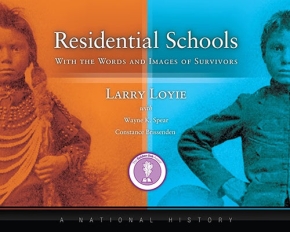
Residential schools: With the words and images of survivors,

by Larry Loyie, with Wayne K. Spear and Constance Brissenden

Niveau scolaire (Grade level): 9 – 12

Loyie, a residential school survivor, gathers memories of residential schools from over 70 former students and family members, along with over 125 images, including some from the collections of survivors. Includes a map of residential school locations, a key dates poster, and a glossary of terms.

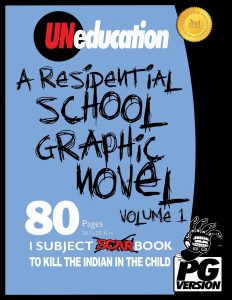
UNeducation,

by Jason EagleSpeaker

Niveau scolaire (Grade level): 8 – 10

A graphic novel chronicling of an Indigenous family’s government-sanctioned exploitation in the residential school system.

Original reports from the Truth and Reconciliation Commission of Canada

Honouring the truth, reconciling for the future: Summary of the final report of the Truth and Reconciliation Commission of Canada,

Niveau scolaire (Grade level): 10 – 12

A summary of the final report of the Truth and Reconciliation Commission (TRC) of Canada. Includes a summary of the commission’s activities, a detailed account of the history and legacy of residential schools, the challenges of reconciliation, and 94 calls to action.

Survivors speak: A report of the Truth and Reconciliation Commission of Canada,

de Cecilia John

Niveau scolaire (Grade level): 10 – 12

As part of its work, the Truth and Reconciliation Commission of Canada provided former students—the Survivors of residential schools—with an opportunity to provide a statement on their experience of residential schooling. This is a volume of excerpts from those statements that was published as part of the Commission’s final report.


Trouver d’autres ressources

Voici quelques conseils pour trouver d’autres ressources dans ce domaine :

  • Sur la page principale du site de la bibliothèque de l’UBC, utilisez la boîte de recherche générale pour rechercher des matériaux à travers toutes les succursales de la bibliothèque de l’UBC.
  • Pour limiter vos résultats aux matériels disponibles à la Bibliothèque de l’éducation, visitez le site web de la Bibliothèque de l’éducation et effectuez une recherche à l’aide de la case “Search Education Resources” située dans la bande à gauche de l’écran.
  • Remarque : les ressources étant principalement cataloguées en anglais, les termes ci-dessous donnent généralement plus de résultats que les recherches effectuées en français. Vous pouvez filtrer votre liste de résultats par langue dans la barre latérale de gauche.
  • Utilisez des termes de recherche spécifiques, tels que
    • “Off-reservation boarding schools AND Canada”, “Native peoples AND Cultural Assimilation AND Canada”, “Indigenous peoples AND Canada AND Residential schools”, “Native peoples AND Canada AND Residential schools”, ou “Indigenous peoples AND Education AND Canada”
  • Pour trouver des plans de cours, incluez “lesson plans”, “lesson planning”, or “activity programs” dans vos termes de recherche.

Finding More Resources

To find more resources in this area, try the following:

  • Search using the General tab on the UBC Library website to look for material in all UBC Library branches.
  • Search using “Search Education Resources” box in the left hand bar on the Education Library website to limit your results to physical materials in the Education Library.
  • Use specific search terms, such as
    • “Off-reservation boarding schools AND Canada”, “Native peoples AND Cultural Assimilation AND Canada”, “Indigenous peoples AND Canada AND Residential schools”, “Native peoples AND Canada AND Residential schools”, and “Indigenous peoples AND Education AND Canada”
  • To find lesson plans, include “lesson plans”, “lesson planning”, or “activity programs” in your search terms.
Categories
Indigenous Literature and Education

Picture Books by Indigenous Canadians

Listed below are selected picture books by Indigenous Canadians.

Vous trouverez ci-dessous une sélection de livres d’images écrits par des Canadiens autochtones.

Picturebooks

Dragonfly kites,

by Tomson Highway, illustrations by Julie Flett

Niveau scolaire (Grade level): 1 – 3

Dragonfly Kites refers to “kites” made by tying a string around the middles of dragonflies. Two Cree brothers in northern Manitoba fly these kites during the day, but at night fly themselves in their dreams.

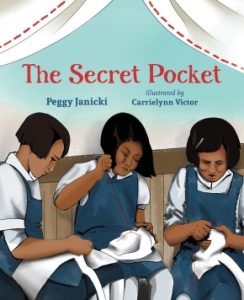
The secret pocket,

by Peggy Janicki; illustrated by Carrielynn Victor

Niveau scolaire (Grade level): 1 – 3

Based on the author’s mother’s experience at residential school, The Secret Pocket is a story of survival and resilience in the face of genocide and cruelty. But it’s also a celebration of quiet resistance to the injustice of residential schools and how the sewing skills passed down through generations of Indigenous women gave these girls a future, stitch by stitch.

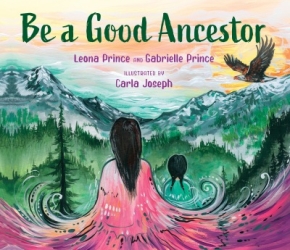
Be a good ancestor,

by Leona Prince & Gabrielle Prince; illustrated by Carla Joseph

Niveau scolaire (Grade level): Préscolaire –  1 (PreK-1)

Addressing environmental issues, animal welfare, self-esteem and self-respect, and the importance of community, the authors deliver a poignant and universal message in an accessible way: Be a good ancestor to the world around you.

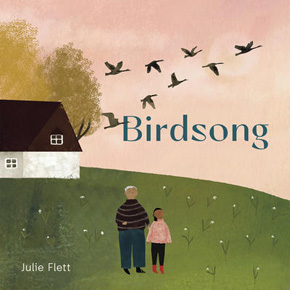
Birdsong,

by Julie Flett

Niveau scolaire (Grade level): Préscolaire –  3 (PreK-3)

When a young girl moves from the country to a small town, she feels lonely and out of place. But soon she meets an elderly woman next door, who shares her love of arts and crafts. Can the girl navigate the changing seasons and failing health of her new friend?

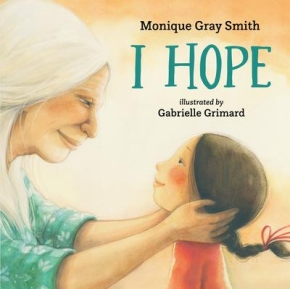
I hope,

by Monique Gray Smith; illustrated by Gabrielle Grimard

Niveau scolaire (Grade level): Préscolaire –  Kindergarten

The hopes we have for the children in our lives are endless. We want our young people to thrive and experience all that life has to offer, but we also feel protective of them.

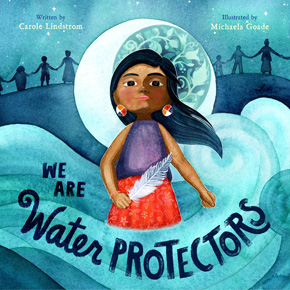
We are water protectors,

by Carole Lindstrom; illustrated by Michaela Goade

Niveau scolaire (Grade level): Préscolaire –  1 (PreK-1)

Inspired by the many Indigenous-led movements across North America, Carole Lindstrom’s bold and lyrical picture book We Are Water Protectors issues an urgent rallying cry to safeguarding the Earth’s water from harm and corruption.

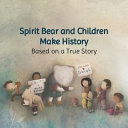
Spirit bear and children make history: Based on a true story,

by Cindy Blackstock and Eddy Robinson, illustrated by Amanda Strong

Niveau scolaire (Grade level): 1 – 6

When Spirit Bear’s mom tells him about an important human rights case happening in Ottawa, Ontario, he makes the long trip to go and watch, and to stand up for First Nations kids. And he isn’t the only one. Lots of children come too — to listen, and to show they care. Spirit Bear knows that children can change the world because he’s there to see it happen.

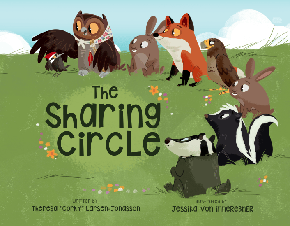
The sharing circle,

by Theresa “Corky” Larsen-Jonasson, illustrated by Jessika Von Innerebner

Niveau scolaire (Grade level): Préscolaire –  5 (PreK-5)

When two red foxes have an argument which breaks apart their community, a gentle buffalo decides to take a braid of sweetgrass to a local elder and asks her to help with a sharing circle for all the animals. Includes teacher’s guide.

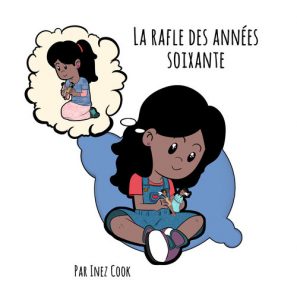
Sixties scoop,

by Inez Cook

Niveau scolaire (Grade level): K – 12

For decades “scooping up” (taking) indigenous children from their families for placement in foster homes or adoption, was commonplace. This is a story of one of those 20,000 children.

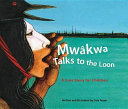
Mwâkwa talks to the loon: a Cree story for children,

by Dale Auger

Niveau scolaire (Grade level): 1 – 4

The timeless story of Kayas, a young Cree man who is blessed with the ability to hunt well and provide for his People. With the help of the Elders and the Beings that inhabit the water, young Kayas is taught to respect his abilities and to realize that in order to live a life of success, fulfillment and peace, we must always remember to cherish and respect the talents and skills we have been given. Includes Cree words and phrases, along with a glossary and Cree pronunciation guide.

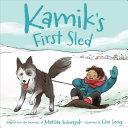
Kamik’s first sled,

by Matilda Sulurayok, illustrated by Qin Leng

Niveau scolaire (Grade level): K – 5

All Jake wants is to raise his puppy into a strong, fast sled dog, but Kamik is far from ready to pull a sled with a dog team. With some advice and a little help from his grandmother, Jake learns basic principles of how to begin training a dog to pull. Kamik finally has his first sled, and he and Jake can finally begin exploring the tundra together.

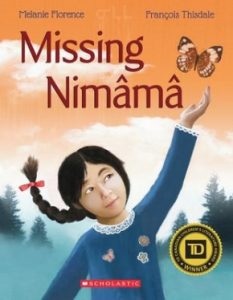
Missing Nimâmâ,

by Melanie Florence, illustrated by François Thisdale

Niveau scolaire (Grade level): 3 – 12

A young mother, one of the many missing Indigenous women, watches over her small daughter as she grows up without her nimama, experiencing important milestones – her first day of school, first dance, first date, wedding, first child – from afar. A free verse story of love, loss, and acceptance told in alternating voices. Missing Nimama shows the human side of a tragic set of circumstances.

When we were alone,

by David Robertson, illustrated by Julie Flett

Niveau scolaire (Grade level): 1 – 12

When a young girl helps tend to her grandmother’s garden, she begins to notice things that make her curious. Why does her grandmother have long, braided hair and beautifully coloured clothing? Why does she speak another language and spend so much time with her family? As she asks her grandmother about these things, she is told about life in a residential school a long time ago, where all of these things were taken away.

Shi-shi-etko,

by Nicola I. Campbell, illustrated by Kim LaFave

Niveau scolaire (Grade level): 1 – 10

Shi-shi-etko just has four days until she will have to leave her family and everything she knows to attend residential school. She spends her last precious days at home treasuring and appreciating the beauty of her world: the dancing sunlight, the tall grass, each shiny rock, the tadpoles in the creek, her grandfather’s paddle song. Her mother, father, and grandmother, each in turn, share valuable teachings that they want her to remember.

Shin-chi’s canoe,

by Nicola I. Campbell, illustrated by Kim LaFave

Niveau scolaire (Grade level): 1 – 10

A sequel to Shi-shi-etko. Forced to use only people’s English names and not speak to his siblings at school, Shin-chi holds fast to the canoe given to him by his father, hopeful that things will then improve for his family and the people he loves. (Also available in French.)

Amik loves school: A story of wisdom,

by Katharina Vermette, illustrated by Irene Kuziw

Niveau scolaire (Grade level): Préscolaire –  3 (PreK-3)

Amik tells Moshoom about his wonderful school. Then his grandfather tells him about the residential school he went to, so different from Amik’s school, so Amik has an idea…

Stolen words,

by Melanie Florence, illustrated by Gabrielle Grimard

Niveau scolaire (Grade level): 1 – 4

When a little girl asks her grandfather how to say something in his language – Cree – he admits that his language was stolen from him when he was a boy. The little girl then sets out to help her grandfather find his language again. (Also available in French.)

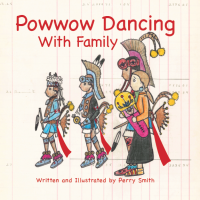
Powwow dancing with family,

by Perry Smith

Niveau scolaire (Grade level): K – 3

Drumming, singing, and dancing are all part of being at a Powwow. Perry and his family travel all over North America to participate in these family and community gatherings. Join Perry’s two boys as they share their treasured memories of being at Powwows with their family and learning how to dance.

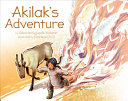
Akilak’s adventure,

by Deborah Kigjugalik Webster, illustrated by Charlene Chua

Niveau scolaire (Grade level): K – 2

When Akilak must travel a great distance to another camp to gather food, she’s not sure she will be able to make it. But with a little help from her grandmother’s spirit, and her own imagination to keep her entertained, Akilak manages to turn a long journey into an adventure.

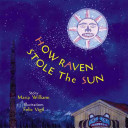
How Raven stole the sun,

by Maria Williams, illustrated by Felix Vigil

Niveau scolaire (Grade level): 1 – 4

A long time ago, Raven was pure white, like fresh snow in winter. This was so long ago that the only light came from campfires, because a greedy chief kept the stars, moon, and sun locked up in elaborately carved boxes. This engaging Tlingit story is brought to life in painterly illustrations that convey a sense of the traditional life of the Northwest Coast peoples.

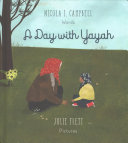
A day with Yayah,

by Nicola I. Campbell, illustrated by Julie Flett

Niveau scolaire (Grade level): Préscolaire –  2 (PreK-2)

On an outing in Nicola Valley, British Columbia, a Native American family forages for herbs and mushrooms while the grandmother passes down her language and knowledge to her young grandchildren.

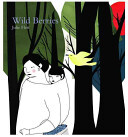
Wild berries = Pikaci-Mīnisa,

by Julie Flett, translated by Earl N. Cook

Niveau scolaire (Grade level): K – 2

Clarence and his grandmother pick wild blueberries and meet ant, spider, and fox in a beautiful woodland landscape.


Trouver d’autres ressources

Voici quelques conseils pour trouver d’autres ressources dans ce domaine :

  • Sur la page principale du site de la bibliothèque de l’UBC, utilisez la boîte de recherche générale pour rechercher des matériaux à travers toutes les succursales de la bibliothèque de l’UBC.
  • Pour limiter vos résultats aux matériels disponibles à la Bibliothèque de l’éducation, visitez le site web de la Bibliothèque de l’éducation et effectuez une recherche à l’aide de la case “Search Education Resources” située dans la bande à gauche de l’écran.
  • Remarque : les ressources étant principalement cataloguées en anglais, les termes ci-dessous donnent généralement plus de résultats que les recherches effectuées en français. Vous pouvez filtrer votre liste de résultats par langue dans la barre latérale de gauche.
  • Utilisez des termes de recherche spécifiques, tels que
    • “First nations”, “Indigenous”, “Aboriginal”, “Indians of North America”, ou “Musqueam (or any nation)”
  • Pour trouver des plans de cours, incluez “lesson plans”, “lesson planning”, or “activity programs” dans vos termes de recherche.

Finding More Resources

To find more resources in this area, try the following:

  • Search using the General tab on the UBC Library website to look for material in all UBC Library branches.
  • Search using “Search Education Resources” box in the left hand bar on the Education Library website to limit your results to physical materials in the Education Library.
  • Use specific search terms, such as
    • “First nations”, “Indigenous”, “Aboriginal”, “Indians of North America”, and “Musqueam (or any nation)”
  • To find lesson plans, include “lesson plans”, “lesson planning”, or “activity programs” in your search terms.
Categories
Indigenous Literature and Education

Novels and Graphic Novels by Indigenous Canadians

Listed below are selected novels and graphic novels by Indigenous Canadians.

Vous trouverez ci-dessous une sélection de romans et de romans graphiques écrits par des Canadiens autochtones.

Novels (romans)

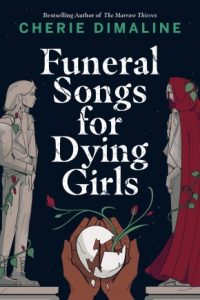
Funeral songs for dying girls,

by Cherie Dimaline

Niveau scolaire (Grade level): 9 – 12

Winifred has lived in the apartment above the cemetery office with her father, who works in the crematorium all her life, close to her mother’s grave. With her sixteenth birthday only days away, Winifred has settled into a lazy summer schedule, lugging her obese Chihuahua around the grounds in a squeaky red wagon to visit the neglected gravesides and nursing a serious crush on her best friend, Jack.

Calling for a blanket dance,

by Oscar Hokeah

Niveau scolaire (Grade level): 7 – 12

Told in a series of voices, Calling for a Blanket Dance takes us into the life of Ever Geimausaddle through the multigenerational perspectives of his family as they face myriad obstacles. His father’s injury at the hands of corrupt police, his mother’s struggle to hold on to her job and care for her husband, the constant resettlement of the family, and the legacy of centuries of injustice all intensify Ever’s bottled-up rage. Meanwhile, all of Ever’s relatives have ideas about who he is and who he should be.

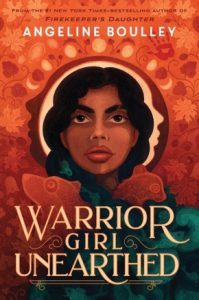
Warrior girl unearthed,

by Angeline Boulley

Niveau scolaire (Grade level): 9 – 12

Perry Firekeeper-Birch has always known who she is – the laidback twin, the troublemaker, the best fisher on Sugar Island. Her aspirations won’t ever take her far from home, and she wouldn’t have it any other way. But as the rising number of missing Indigenous women starts circling closer to home, as her family becomes embroiled in a high-profile murder investigation, and as greedy grave robbers seek to profit off of what belongs to her Anishinaabe tribe, Perry begins to question everything.

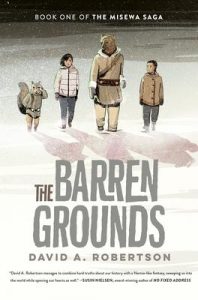
The barren grounds,

by David A. Robertson; interior illustrations by Natasha Donovan

Niveau scolaire (Grade level): 5 – 8

Morgan and Eli, two Indigenous children forced away from their families and communities, are brought together in a foster home in Winnipeg, Manitoba. They each feel disconnected, from their culture and each other, and struggle to fit in at school and at their new home — until they find a secret place, walled off in an unfinished attic bedroom.

Where I belong,

by Tara White

Niveau scolaire (Grade level): 5 – 9

This moving novel of self-discovery and redemption takes place during the Oka Crisis of the summer of 1990. Having been adopted as an infant, Carrie has always felt out of place, and recurring dreams keep warning that someone close to her will be badly hurt. When she finds out that her birth father is living in Kahnawake, Quebec, she goes there and finally finds a place she truly belongs.

Firekeeper’s daughter,

by Angeline Boulley

Niveau scolaire (Grade level): 9 – 12

Eighteen-year-old Daunis Fontaine has never quite fit in, both in her hometown and on the nearby Ojibwe reservation. She dreams of a fresh start at college, but when family tragedy strikes, Daunis puts her future on hold to look after her fragile mother. The only bright spot is meeting Jamie, the charming new recruit on her brother Levi’s hockey team. Yet even as Daunis falls for Jamie, she senses the dashing hockey star is hiding something.

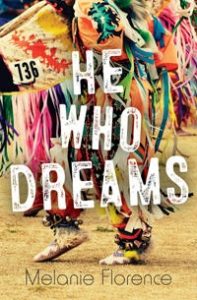
He who dreams,

by Melanie Florence

Niveau scolaire (Grade level): 7 – 9

When John discovers dancing, he finds himself facing ridicule from his soccer teammates and hostility from the dancers at the cultural center. To dance at the Pow Wow, he must learn to balance his responsibilities, confront his fears and embrace both the Irish and the Cree sides of his heritage. Also available as an eBook.

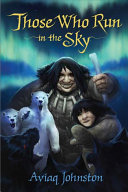
Those who run in the sky,

by Aviaq Johnston; illustrations by Toma Feizo Gas

Niveau scolaire (Grade level): 7 – 12

After a strange and violent blizzard leaves young shaman-in-training Pitu stranded on the sea ice–without his dog team or any weapons to defend himself–he soon realizes that he is no longer in the word that he once knew. The storm has carried him into the world of the spirits, a world populated by terrifying creatures. After stumbling upon a fellow shaman who has been trapped in the spirit world for many years, Pitu must master all of his shamanic powers to make his way back to the world of the living, to his family and to the girl that he loves.

Strangers,

by David A. Robertson

Niveau scolaire (Grade level): 7 – 12

When Cole Harper returns to Wounded Sky First Nation, he finds his community in chaos: a series of murders, a mysterious illness ravaging the population and reemerging questions about Cole’s role in the tragedy that drove him away ten years ago.

Tilly: A story of hope and resilience,

by Monique Gray Smith

Niveau scolaire (Grade level): 9 – 12

Tilly has always known she’s part Lakota on her dad’s side. She’s grown up with the traditional teachings of her grandma, relishing the life lessons of her beloved mentor. But it isn’t until an angry man shouts something on the street that Tilly realizes her mom is Aboriginal too–a Cree woman taken from her own parents as a baby. Now she must deal with her mother’s pain, as well as her own.

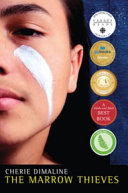
The marrow thieves,

by Cherie Dimaline

Niveau scolaire (Grade level): 8 – 12

Humanity has nearly destroyed its world through global warming, but now an even greater evil lurks. The indigenous people of North America are being hunted and harvested for their bone marrow, which carries the key to recovering something the rest of the population has lost: the ability to dream. In this dark world, Frenchie and his companions struggle to survive as they make their way up north to the old lands.

Graphic Novels (roman graphiques)

If I go missing,

by Brianna Jonnie & Nahanni Shingoose; art by Neal Shannacappo

Niveau scolaire (Grade level): 7 – 12

Combining graphic fiction and non-fiction, this young adult graphic novel serves as a window into one of the unique dangers of being an Indigenous teen in Canada today. The text of the book is derived from excerpts of a letter written to the Winnipeg Chief of Police by fourteen-year-old Brianna Jonnie. In her letter, Jonnie calls out the authorities for neglecting to immediately investigate missing Indigenous people and urges them to “not treat me as the Indigenous person I am proud to be,” if she were to be reported missing.

Surviving the city,

by Tasha Spillett; illustrated by Natasha Donovan

Niveau scolaire (Grade level): 7 – 12

Miikwan and Dez are best friends. Miikwan is Anishinaabe; Dez is Inninew. Together, the teens navigate the challenges of growing up in an urban landscape – they’re so close, they even completed their Berry Fast together. However, when Dez’s grandmother becomes too sick, Dez is told she can’t stay with her anymore. With the threat of a group home looming, Dez can’t bring herself to go home and disappears.

The scout :Tommy Prince,

by David Alexander Robertson; illustrated by Scott B. Henderson

Niveau scolaire (Grade level): 4 – 9

A search down a wooded path for a well-hit baseball turns into an encounter between Pamela and a veteran soldier standing in front of a monument. The statue commemorates the heroism of Sgt. Tommy Prince, the most decorated Aboriginal soldier in Canada. Pamela is curious, and the veteran is happy to regale her with the story of the expert marksman and tracker, renowned for his daring and bravery in World War II and the Korean War.

Amazona,

by Canizales; translated from Spanish by Sofía Huitrón Martínez

Niveau scolaire (Grade level): 9 – 12

Andrea, a young Indigenous Colombian woman, has returned to the land she calls home. Only nineteen years old, she comes to mourn her lost child, carrying a box in her arms. And she comes with another mission. Andrea has hidden a camera upon herself. If she can capture evidence of the illegal mining that displaced her family, it will mark the first step toward reclaiming their land.

The Chief Mistahimaskwa,

by David Alexander Robertson; illustrated by Scott B. Henderson

Niveau scolaire (Grade level): 4 – 6

On her way to school one day, Sarah is relieved to find the book she’d dropped the day before – shortly after an encounter with a bear. But when she opens it, the story within, about the Cree chief Mistahimaskwa, comes alive. It takes Sarah back to the Saskatchewan Plains of 1832, where the young boy who would become the great chief first learns the ways of his people, to the final days of his life. Part of the Tales from Big Spirit series.

A girl called Echo, Vol 1: Pemmican Wars,

by Katherena Vermette; illustrated by Scott B. Henderson; coloured by Donovan Yaciuk

Niveau scolaire (Grade level): 5 – 12

Echo Desjardins, a 13-year-old Métis girl adjusting to a new home and school, is struggling with loneliness while separated from her mother. Then an ordinary day in Mr. Bee’s history class turns extraordinary, and Echo’s life will never be the same. In the following weeks, Echo slips back and forth in time. She visits a Métis camp, travels the old fur-trade routes, and experiences the perilous and bygone era of the Pemmican Wars. Also available as an eBook.

Fire starters,

by Jen Storm; illustrated by Scott B. Henderson; coloured by Donovan Yaciuk

Niveau scolaire (Grade level): 6 – 9

Looking for a little mischief after finding an old flare gun, Ron and Ben suddenly find themselves in trouble when the local gas bar on Agamiing Reserve goes up in flames, and they are wrongly accused of arson by the sheriff’s son. As the investigation goes forward, community attitudes are revealed, and the truth slowly comes to light. Part of the Debwe Series, which features exceptional Indigenous writing from across Canada.

The outside circle,

by Patti LaBoucane-Benson; art by Kelly Mellings

Niveau scolaire (Grade level): 8 – 12

Pete, a young Indigenous gang member, is sent to jail for killing his mother’s boyfriend during a fight. While there, he realizes that he has become a negative influence on his younger brother and decides to turn his life around with the help of traditional Aboriginal healing circles and ceremonies.

Will I see?,

story by Iskwé and Erin Leslie; script by David Alexander Robertson; art by GMB Chomichuk

Niveau scolaire (Grade level): 9 – 12

May, a young teenage girl, traverses the city streets, finding keepsakes in different places along her journey. While May fights against a terrible reality, she learns that there is strength in the spirit of those that have passed. A story of tragedy and beauty, Will I See illuminates the issue of missing and murdered Indigenous women. Based on the story by Iskwé and Erin Leslie.

7 generations: A Plains Cree saga,

by David Alexander Robertson; illustrated by Scott B. Henderson

Niveau scolaire (Grade level): 7 – 12

Edwin is facing an uncertain future. Only by learning about his family’s past – as warriors, survivors of a smallpox epidemic, casualties of a residential school – will he be able to face the present and embrace the future. Part of the 7 Generations Series.


Trouver d’autres ressources

Voici quelques conseils pour trouver d’autres ressources dans ce domaine :

  • Sur la page principale du site de la bibliothèque de l’UBC, utilisez la boîte de recherche générale pour rechercher des matériaux à travers toutes les succursales de la bibliothèque de l’UBC.
  • Pour limiter vos résultats aux matériels disponibles à la Bibliothèque de l’éducation, visitez le site web de la Bibliothèque de l’éducation et effectuez une recherche à l’aide de la case “Search Education Resources” située dans la bande à gauche de l’écran.
  • Remarque : les ressources étant principalement cataloguées en anglais, les termes ci-dessous donnent généralement plus de résultats que les recherches effectuées en français. Vous pouvez filtrer votre liste de résultats par langue dans la barre latérale de gauche.
  • Utilisez des termes de recherche spécifiques, tels que
    • “First Nations”, “Graphic Novels”, “Juvenile Fiction”, “Indigenous, Aboriginal, Musqueam (or any nation)”, “Indigenous peoples AND Canada AND Residential schools AND Comic books, strips, etc.”, ou “Native peoples AND Canada AND Fiction”
  • Pour trouver des plans de cours, incluez “lesson plans”, “lesson planning”, or “activity programs” dans vos termes de recherche.

Finding More Resources

To find more resources in this area, try the following:

  • Search using the General tab on the UBC Library website to look for material in all UBC Library branches.
  • Search using “Search Education Resources” box in the left hand bar on the Education Library website to limit your results to physical materials in the Education Library.
  • Use specific search terms, such as
    • “First Nations”, “Graphic Novels”, “Juvenile Fiction”, “Indigenous, Aboriginal, Musqueam (or any nation)”, “Indigenous peoples AND Canada AND Residential schools AND Comic books, strips, etc.”, and “Native peoples AND Canada AND Fiction”
  • To find lesson plans, include “lesson plans”, “lesson planning”, or “activity programs” in your search terms.
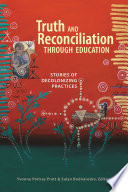
Categories
Indigenous Literature and Education

Integrating First Peoples’ Perspectives and Principles of Learning

Listed below are selected teacher resources and non-fiction related to integrating First Peoples’ perspectives and principles of learning into the classroom.

Vous trouverez ci-dessous une sélection de ressources pédagogiques et d’ouvrages non romanesques liés à l’intégration des perspectives et des principes d’apprentissage des Premiers Peuples dans la salle de classe.

Teacher Resources

In our own words: Bringing authentic First Peoples content to the K-3 classroom,

by the First Nations Education Steering Committee

Niveau scolaire (Grade level): Kindergarten – 3

This resource provides an array of ideas and suggestions that can be applied in whole or in part to incorporate First Peoples content into a K-3 classroom. By using this resource and remaining open to respectful dialogue and consultation with members of the local First Peoples communities, teachers will benefit their students and expand their own comfort with this material. Also available online. See also Authentic First Peoples resources: For use in K-7 classrooms.

Re-storying education : decolonizing your practice using a critical lens,

by Carolyn Roberts

Niveau scolaire (Grade level): Kindergarten – 12

Re-Storying Education is a process of dismantling old narratives taught in education and rebuilding new narratives that include all the voices that have created this place known as Canada today. This vital and timely book outlines how colonialism has shaped both the country and the public school system. Re-Storying Education uses an Indigenous lens, offering ways to put Indigenous education, history, and pedagogy into practice. It invites readers into an open dialogue in the pursuit of a more inclusive and just educational landscape.

Integrating Aboriginal perspectives into the school curriculum : purposes, possibilities, and challenges,

by Yatta Kanu

Niveau scolaire (Grade level): Kindergarten – 12

From improved critical thinking to increased self-esteem and school retention, teachers and students have noted many benefits to bringing Aboriginal viewpoints into public school classrooms. In Integrating Aboriginal Perspectives Into the School Curriculum, Yatta Kanu provides the first comprehensive study of how these frameworks can be effectively implemented to maximize Indigenous students’ engagement, learning, and academic achievement.

Natural curiosity 2nd edition: a resource for educators: the importance of Indigenous perspectives in children’s environmental inquiry,

by Doug Anderson, Lorraine Chiarotto, & Julie Comay

Niveau scolaire (Grade level): 1 – 6

The driving motivation for a second edition was the burning need, in the wake of strong and unequivocal recommendations by the Truth and Reconciliation Commission, to situate Indigenous perspectives into the heart of Canadian educational settings and curricula, most notably in connection with environmental issues. The Indigenous lens in this edition represents a cross-cultural encounter supporting what can become an ongoing dialogue and evolution of practice in environmental inquiry. Some important questions are raised that challenge us to think in very different ways about things as fundamental as the meaning of knowledge.

Strong body & mind yoga cards,

by Kathy Beliveau & Terri Mack; illustrated by Laura Timmermans & Bill Helin

Niveau scolaire (Grade level): Kindergarten – 7

Explores the connection to each other, animals, nature, spirit, and the body through yoga. Consists of two sets of cards which can be combined into different sequences. One set emphasizes yoga practice and the other focuses on reflective practice based on the Seven Sacred Teachings and Indigenous values.

Bridging cultures: Scientific and indigenous ways of knowing nature,

by Glen Aikenhead & Herman Michell

Niveau scolaire (Grade level): Kindergarten – 12

This book supports science teachers, teacher candidates, and science educators preparing to implement science curricula that recognize Indigenous knowledge as a foundational way to understand the physical world.

Potlatch as pedagogy: Learning through ceremony,

by Sara Florence Davidson & Robert Davidson

Niveau scolaire (Grade level): K – 12

Educator Sara Florence Davidson saw how the Haida tradition of the potlatch – which she learned from her father, renowned artist Robert Davidson – could be integrated into contemporary educational practices. In this book, father and daughter present a model for learning that is holistic, relational, practical, and continuous.

Learning and teaching together: Weaving indigenous ways of knowing into education,

by Michele T.D. Tanaka

Niveau scolaire (Grade level): K – 12

This book recounts how pre-service teachers immersed in a cross-cultural course in British Columbia began to practice Indigenous ways of knowing. Working alongside Indigenous wisdom keepers, they transformed earth fibres into a mural and, in the process, transformed their own ideas about learning and teaching.This book opens a path for teachers to nurture indigenist cross-cultural understanding in their classrooms.

Resurgence coverResurgence: Engaging with Indigenous Narratives and Cultural Expressions in and Beyond the Classroom,

by Christine M’Lot & Katya Ferguson

Niveau scolaire (Grade level): K – 12

In Resurgence, poetry, art, and narratives from Indigenous authors and educators guide teachers in incorporating Indigenous stories, knowledge, and pedagogies into the classroom. The book is organized into the following four sections: Resistance, Resilience, Restoring, and Reconnecting.

Decolonizing education: Nourishing the learning spirit,

by Marie Battiste

Niveau scolaire (Grade level): K – 12

The author argues that the preservation of Aboriginal knowledge is an Aboriginal right and a right preserved by the many treaties with First Nations. Current educational policies must undergo substantive reform. Central to this process is the rejection of the racism inherent to colonial systems of education, and the repositioning of Indigenous humanities, sciences, and languages as vital fields of knowledge.

Aboriginal worldviews and perspectives in the classroom: Moving forward,

by the BC Ministry of Education

Niveau scolaire (Grade level): K – 12

This resources is designed to answer a number of questions, including what is meant by Aboriginal education and by Aboriginal worldviews and perspectives; what is required of teachers and of the education system in order to provide appropriate and authentic teaching in line with the First Peoples Principles of Learning; and where teachers can turn for guidance and support in modifying their practice to incorporate new content and approaches. Online resource only. See also, Shared learnings: Integrating BC Aboriginal content K-10.

Culturally Relevant Aboriginal Education,

by Nicole Bell & Terrylynn Brant

Niveau scolaire (Grade level): K – 12

Provides teacher candidates and in-service teachers with relevant information to help them integrate Aboriginal, First Nations, Métis, and Inuit content, customs, and traditions into the classroom, providing students with a broader perspective of Canada and its population.

Learning, Knowing, Sharing: Celebrating Successes in K-12 Aboriginal Education in British Columbia,

by Jo-ann Archibald, Q’um Q’um Xiiem, & Jan Hare

Niveau scolaire (Grade level): K – 12

Published by the BC Principals’ & Vice-Principals’ Association and the UBC Faculty of Education, this book highlights practices in British Columbia relating to Aboriginal Education. Topics include Indigenous knowledge, Indigenous language revitalization, Aboriginal family and community engagement and partnerships, and more.

 Full circle: First Nations, Métis, Inuit ways of knowing,

by Ontario Secondary School Teachers’ Federation

Niveau scolaire (Grade level): 8 – 12

Lesson plans which encourage teachers to incorporate First Nations, Métis, and Inuit ways of knowing into the classroom in the four thematic areas of identity, health, Residential Schools, and land.

First Nations 101,

by Lynda Gray

Niveau scolaire (Grade level): 9 – 12

Overview of the diverse and complex lives of First Nations people with subjects including veterans, youth, urbanization, child welfare, appropriate questions to ask a First Nations person, feminism, the medicine wheel, Two-spirit (LGBTQ), residential schools, the land bridge theory, and language preservation.

Braiding sweetgrass for young adults: indigenous wisdom, scientific knowledge, and the teachings of plants,

by Robin Wall Kimmerer; adapted by Monique Gray Smith; illustrations by Nicole Neidhardt

Niveau scolaire (Grade level): 7 – 12

Botanist Robin Wall Kimmerer’s best-selling book Braiding Sweetgrass is adapted for a young adult audience by children’s author Monique Gray Smith, bringing Indigenous wisdom, scientific knowledge, and the lessons of plant life to a new generation.

Strength and struggle: Perspectives from First Nations, Inuit, and Métis peoples in Canada,

by educational advisors: Rachel A. Mishenene & Pamela Rose Toulouse; reviewers: Denise Augustine; [authors and artists: Joyce Atcheson & others]

Niveau scolaire (Grade level): 10 – 11

A rich array of short stories, poetry, music lyrics, graphic art, articles, essays, and other pieces that will have students laughing, crying, talking, and thinking. It is a true celebration of First Nations, Inuit and Métis writing and art. Part of McGraw-Hill Ryerson’s Lit Collection of supplementary student resources for high school English courses. Also includes an accompanying Teacher’s Resource here.


Trouver d’autres ressources

Voici quelques conseils pour trouver d’autres ressources dans ce domaine :

  • Sur la page principale du site de la bibliothèque de l’UBC, utilisez la boîte de recherche générale pour rechercher des matériaux à travers toutes les succursales de la bibliothèque de l’UBC.
  • Pour limiter vos résultats aux matériels disponibles à la Bibliothèque de l’éducation, visitez le site web de la Bibliothèque de l’éducation et effectuez une recherche à l’aide de la case “Search Education Resources” située dans la bande à gauche de l’écran.
  • Remarque : les ressources étant principalement cataloguées en anglais, les termes ci-dessous donnent généralement plus de résultats que les recherches effectuées en français. Vous pouvez filtrer votre liste de résultats par langue dans la barre latérale de gauche.
  • Utilisez des termes de recherche spécifiques, tels que
    • “indigenous peoples” AND “education” AND “canada”, “indigenous children” AND “education” AND “british columbia”, “indigenous peoples” AND “study and teaching” AND “canada”, ou “indigenous pedagogy”
  • Pour trouver des plans de cours, incluez “lesson plans”, “lesson planning”, or “activity programs” dans vos termes de recherche.

Finding More Resources

To find more resources in this area, try the following:

  • Search using the General tab on the UBC Library website to look for material in all UBC Library branches.
  • Search using “Search Education Resources” box in the left hand bar on the Education Library website to limit your results to physical materials in the Education Library.
  • Use specific search terms, such as
    • “indigenous peoples” AND “education” AND “canada”, “indigenous children” AND “education” AND “british columbia”, “indigenous peoples” AND “study and teaching” AND “canada”, and “indigenous pedagogy”
  • To find lesson plans, include “lesson plans”, “lesson planning”, or “activity programs” in your search terms.
Categories
Indigenous Literature and Education

Creation and Origin Stories

Listed below are selected teacher resources, picture books, and chapter books related to creation and origin stories in Indigenous literature and education.

Vous trouverez ci-dessous une sélection de ressources pour enseignants, de livres d’images et de livres à chapitres liés aux récits de création et d’origine dans la littérature et l’éducation indigènes.

Teacher Resources (Ressources pour les enseignants)

Culturally Relevant Aboriginal Education,

by Nicole Bell & Terrylynn Brant

Niveau scolaire (Grade level): K – 12

Provides teacher candidates and in-service teachers with relevant information to help them integrate Aboriginal, First Nations, Métis, and Inuit content, customs, and traditions into the classroom, providing students with a broader perspective of Canada and its population.

In our own words: Bringing authentic First Peoples content to the K-3 classroom,

by the First Nations Education Steering Committee

Niveau scolaire (Grade level): Kindergarten – 3

This resource provides an array of ideas and suggestions that can be applied in whole or in part to incorporate First Peoples content into a K-3 classroom. By using this resource and remaining open to respectful dialogue and consultation with members of the local First Peoples communities, teachers will benefit their students and expand their own comfort with this material. Also available online. See also Authentic First Peoples resources: For use in K-7 classrooms.

Picturebooks

Minegoo Mniku: the Mi’Kmaq Creation Story of Prince Edward Island,

retold and illustrated by Sandra L. Dodge; translated by Georgina Francis

Niveau scolaire (Grade level): Kindergarten – 3

A long time ago, the Great Spirit created all of the sky and stars but it wasn’t enough. He then made a beautiful place called Minegoo, a place so beautiful that he almost placed it amongst the stars. He decided that instead, he would place Minegoo in the most beautiful spot on earth. He summoned Kluskap and asked him to find this spot. After searching the whole world, Kluskap found the Shining Waters, the spot in the Gulf of St. Lawrence that would be home of the Mi’kmaq people created in his own image.

The origin of day and night,

by Paula Ikuutaq Rumbolt; illustrated by Lenny Lishchenko

Niveau scolaire (Grade level): 1 – 3

In very early times, there was no night or day and words spoken by chance could become real. When a hare and a fox meet and express their longing for light and darkness, their words are too powerful to be denied.

How we came to the fifth world : a creation story from ancient Mexico,

adapted by Harriet Rohmer & Mary Anchondo; revised by Harriet Rohmer & Rosalma Zubizarreta; illustrated by Graciela Carrillo

Niveau scolaire (Grade level): 3 – 4

An Aztec myth recounting the creation and destruction of the world by the deities of the four great elements. Retold and revised in both English and Spanish.

Creation story – Sky Woman,

by Michelle Corneau, illustrated by Monica Wysotski

Niveau scolaire (Grade level): 2 – 4

A long time ago, the world was just water – there was no land! Then a curious woman fell from the sky world and with the help of the birds and animals created a land to live on. This Kanyen’kehà:ka (Gan-yeh-ga-ha-ga) story is about the origin of the land where we live today. The Kanyen’kehà:ka is one of Six Nations that together are the Haudenosaunee. Part of the Kanyen’kehà:ka series.

Sukaq and the Raven,

by Roy Goose & Kerry McCluskey; illustrated by Soyeon Kim

Niveau scolaire (Grade level): Kindergarten – 2

Sukaq loves to drift off to sleep listening to his mother tell him stories. His favourite story is the tale of how a raven created the world. But this time, as his mother begins to tell the story and his eyelids become heavy, he is suddenly whisked away on the wings of the raven to ride along as the entire world is formed!

Cloudwalker,

by Roy Henry Vickers & Robert Budd; illustrated by Roy Henry Vickers

Niveau scolaire (Grade level): Préscolaire – 12 (PreK-12)

On British Columbia’s northwest coast lies the Sacred Headwaters–the source of three of British Columbia’s largest salmon-bearing rivers. These rivers are the source of life for all creatures in the area. But what gave life to the rivers themselves?

Raven brings the light,

by Roy Henry Vickers & Robert Budd; illustrated by Roy Henry Vickers

Niveau scolaire (Grade level): 3 – 7

In a time when darkness covered the land, a boy named Weget is born who is destined to bring the light. With the gift of a raven’s skin that allows him to fly as well as transform, Weget turns into a bird and journeys from Haida Gwaii into the sky. There he finds the Chief of the Heavens who keeps the light in a box. By transforming himself into a pine needle, clever Weget tricks the Chief and escapes with the daylight back down to Earth.

The blind boy & the loon,

by Alethea Arnaquq-Baril, illustrated by Alethea Arnaquq-Baril and Daniel Gies

Niveau scolaire (Grade level): Kindergarten – 6

A retelling of a traditional Inuit story that explains the origin of the narwhal, an arctic whale known for its distinctive spiral tusk, while cautioning listeners against the dangers of seeking revenge.

Chapter Books

The trail of Nenaboozhoo and other creation stories,

by Bomgiizhik (Isaac Murdoch) & Christi Belcourt

Niveau scolaire (Grade level): 8 – 12

This collection of oral stories presents legends of Nenaboozhoo along with other creation stories that tell of the adventures of numerous beloved animal spirits. The Trail of Nenaboozhoo is a book of art and storytelling that preserve the legends of the Anishinaabe people. Each story is accompanied by strikingly beautiful illustrations by revered Indigenous artists Isaac Murdoch and Christi Belcourt.

Kwulasulwut II : Salish creation stories,

by Ellen White; illustrations by Bill Cohen

Niveau scolaire (Grade level): K – 6

A traditional storyteller from the Coast Salish of British Columbia recounts four tales from the heritage of her people.
This is Ellen White’s sequel to Kwulasulwut: Stories from the Coast Salish. The new volume features four more freshly written and translated English versions of traditional Salish legends adapted for children.

Healer of the water monster,

by Brian Young

Niveau scolaire (Grade level): 3 – 7

When Nathan goes to visit his grandma, Nali, at her mobile summer home on the Navajo reservation, he knows he’s in for a pretty uneventful summer, with no electricity or cell service. Still, he loves spending time with Nali and with his uncle Jet, though it’s clear when Jet arrives that he brings his problems with him.

How things came to be: Inuit stories of creation,

by Rachel Qitsualik-Tinsley & Sean Qitsualik-Tinsley; illustrated by Emily Fiegenschuh & Patricia Ann Lewis-MacDougall

Niveau scolaire (Grade level): 2 – 4

Shares eight classic Inuit creation stories from the Baffin region. From the origins of day and night, thunder and lightning, and the sun and the moon to the creation of the first caribou and source of all the Arctic’s fearful storms, this book recounts traditional Inuit legends in a poetic and engaging style.

The legend of lightning & thunder,

by Paula Ikuutaq Rumbolt; illustrated by Jo Rioux

Niveau scolaire (Grade level): 2 – 4

Two siblings steal from their fellow villagers and in an attempt to escape punishment they escape to the sky as lightning and thunder. This illustrated traditional legend weaves together elements of an origin story and a traditional cautionary tale, giving young readers an accessible window into centuries-old Inuit mythology that is specific to the Kivalliq region of Nunavut.

How the moon came to be,

by Leah Marie Dorion

Niveau scolaire (Grade level): 4 – 6

A beautiful traditional Métis story about the creation of the moon. How did Mother Earth and Grandmother Moon come to be named as they are? Do you know why you have the name you were given? Part of the Strong Stories: Métis series.

Returning the Feathers: Five Gitxsan stories,

by M. Jane Smith; illustrated by Ken N. Mowatt

Niveau scolaire (Grade level): 3 – 6

Returning the Feathers includes four traditional stories: the origin of the Gitxsan people; how the blue jay and the mosquito came to live in northwestern BC; and the time when the porcupine first discharged its quills. The fifth in the anthology is an original story, inspired by the appearance of an egret at the author’s smokehouse. These stories serve to connect the author to her ancestors, and give readers a taste of the rich cultural heritage of the Gitxsan people.

People of the land: Legends of the four host First Nations,

by Johnny Abraham & other contributors

Niveau scolaire (Grade level): 4 – 9

An anthology of the sacred legends of the four host First Nations, the Lil’wat, Musqueam, Squamish and Tsleil-Waututh. Legends included range from creation stories to naming stories and are accompanied by maps and photographs of the four host First Nations. Also includes artwork representing the ancestral voices of the legends and paying tribute to each nation.


Trouver d’autres ressources

Voici quelques conseils pour trouver d’autres ressources dans ce domaine :

  • Sur la page principale du site de la bibliothèque de l’UBC, utilisez la boîte de recherche générale pour rechercher des matériaux à travers toutes les succursales de la bibliothèque de l’UBC.
  • Pour limiter vos résultats aux matériels disponibles à la Bibliothèque de l’éducation, visitez le site web de la Bibliothèque de l’éducation et effectuez une recherche à l’aide de la case “Search Education Resources” située dans la bande à gauche de l’écran.
  • Remarque : les ressources étant principalement cataloguées en anglais, les termes ci-dessous donnent généralement plus de résultats que les recherches effectuées en français. Vous pouvez filtrer votre liste de résultats par langue dans la barre latérale de gauche.
  • Utilisez des termes de recherche spécifiques, tels que
    • “first nations”, “indigenous”, “aboriginal”, “musqueam”, “legends”, ou “legends AND british columbia AND juvenile literature”
  • Pour trouver des plans de cours, incluez “lesson plans”, “lesson planning”, or “activity programs” dans vos termes de recherche.

Finding More Resources

To find more resources in this area, try the following:

  • Search using the General tab on the UBC Library website to look for material in all UBC Library branches.
  • Search using “Search Education Resources” box in the left hand bar on the Education Library website to limit your results to physical materials in the Education Library.
  • Use specific search terms, such as
    • “first nations”, “indigenous”, “aboriginal”, “musqueam”, “legends”, and “legends AND british columbia AND juvenile literature”
  • To find lesson plans, include “lesson plans”, “lesson planning”, or “activity programs” in your search terms.
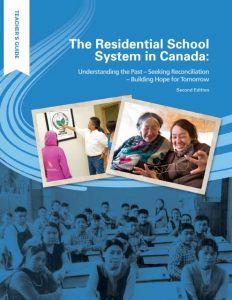
Categories
Indigenous Literature and Education

Connections to Land

Listed below are selected teacher resources, picture books, fiction, and non-fiction related to connections to land in Indigenous literature and education.

Vous trouverez ci-dessous une sélection de ressources pour enseignants, de livres d’images, d’ouvrages de fiction et d’ouvrages non romanesques en rapport avec les liens avec la terre dans la littérature et l’éducation autochtones.

Teacher Resources (Ressources pour les enseignants)

Aboriginal worldviews and perspectives in the classroom: Moving forward,

by the BC Ministry of Education

Niveau scolaire (Grade level): Kindergarten – 12

This resources is designed to answer a number of questions, including what is meant by Aboriginal education and by Aboriginal worldviews and perspectives; what is required of teachers and of the education system in order to provide appropriate and authentic teaching in line with the First Peoples Principles of Learning; and where teachers can turn for guidance and support in modifying their practice to incorporate new content and approaches. Specifically discusses connection to land as a characteristic of Aboriginal worldviews and perspectives and the need to incorporate this in the classroom. (eBook)

Bridging cultures: Scientific and indigenous ways of knowing nature,

by Glen Aikenhead and Herman Michell

Niveau scolaire (Grade level): Kindergarten – 12

This book supports science teachers, teacher candidates, and science educators preparing to implement science curricula that recognize Indigenous knowledge as a foundational way to understand the physical world.

Full circle: First Nations, Métis, Inuit ways of knowing,

by Ontario Secondary School Teachers’ Federation.

Niveau scolaire (Grade level): 8 – 12

Lesson plans which encourage teachers to incorporate First Nations, Métis, and Inuit ways of knowing into the classroom in the four thematic areas of identity, health, Residential Schools, and land. Includes lesson plans directly related to Indigenous peoples’ connection to land.

Picture Books (Les livres d’images)

When the trees crackle with cold: A Cree calendar,

by Bernice Johnson-Laxdal; illustrated by Miriam Körner

Niveau scolaire (Grade level):

The calming rhythm of the words echoes the rhythm of the land in this picture book about the moon calendar of the northern Cree. Highlights how we are all connected to the seasons and the cycle of nature. Written in English and northern Plains Cree y-dialect.

Dipnetting with dad,

by Willie Sellars; illustrated by Kevin Easthope

Niveau scolaire (Grade level):

Set in the Cariboo Chilcotin region, Dipnetting With Dad is a delightful and colourful story of a father teaching his son the Secwepemc method of fishing known as dipnetting. Together they visit the sweat lodge, mend the nets, select the best fishing spot and catch and pack their fish through rugged bush back to the family home for traditional preparation.

A day with Yayah,

by Nicola I. Campbell; illustrations by Julie Flett

Niveau scolaire (Grade level): Préscolaire – 2 (PreK-2)

A Day With Yayah is a story sharing the special relationship that is built when a child learns from their Elders. Set in the Okanagon, BC, a First Nations family goes on an outing to forage for herbs and mushrooms. Grandmother passes down her knowledge of plant life to her young grandchildren.

The water walker,

by Joanne Robertson

Niveau scolaire (Grade level): 1 – 4

The story of a determined Ojibwe Grandmother (Nokomis) Josephine Mandamin and her great love for Nibi (water). Nokomis walks to raise awareness of our need to protect Nibi for future generations, and for all life on the planet. By her example Josephine invites us all to take up our responsibility to protect our water, the giver of life, and to protect our planet for all generations.

Nipêhon (I wait),

by Caitlin Dale Nicholson & Leona Morin-Neilson

Niveau scolaire (Grade level): Préscolaire – 2 (PreK-2)

A young child, her grandmother and mother are going out to pick wild yarrow. As Grandmother gets ready, the child and her mom wait. Grandmother leads the way to the field of blossoms, where they can finally start to pick … only now they have to wait for Mom! The simple story, written in Cree and English and accompanied by rich acrylic illustrations, shows the patience, love and humor involved as three generations accommodate one another on a family outing.

Fiction

Relatives with roots: A story about Métis women’s connection to the land,

by Leah Marie Dorion; translated in Michif-Cree by Rita Flamand

Niveau scolaire (Grade level): 3 – 5

A Métis grandmother takes her granddaughter out onto the land to teach her about how to pick traditional medicines.The granddaughter learns about the Métis connection to the land and the traditional Métis beliefs and stories of plants as food and medicine. Text in English and Michif-Cree. Comes with CD of the book narrated in English Michif-Cree.

Non-Fiction

The sockeye mother,

by Hetxw’ms Gyetxw (Brett D. Huson); illustrated by Natasha Donovan

Niveau scolaire (Grade level): 2 – 3

To the Gitxsan people of Northwestern British Columbia, the sockeye salmon is more than just a source of food. Over its life cycle, it nourishes the very land and forests that the Skeena River runs through and where the Gitxsan make their home. The Sockeye Mother explores how the animals, water, soil, and seasons are all intertwined.

 Taking care of our Mother Earth,

by Celestine Aleck

Niveau scolaire (Grade level): 2 – 4

This book explains how each Coast Salish family played a traditional role in taking care of our Mother Earth. From controlled burning to ethical hunting and fishing practices, the Coast Salish people were, and still are, taught by their elders to respect Mother Earth.

 We Are The Land,

Niveau scolaire (Grade level): 3 – 8

Created by Indigenous educators and advisors from across Canada, these inquiry-based books explore how First Nations, Inuit, and Métis communities are connected to the land they live on. Includes 16 student books and a teacher’s guide. Part of the Take Action for Reconciliation series

Stewardship,

by Anita Yasuda

Niveau scolaire (Grade level): 4 – 6

From the past and into the future, this book reveals the role of Indigenous peoples in taking care of the land and using it responsibly. Part of the Indigenous Life in Canada series.

 A Stó:lō-Coast Salish historical atlas,

edited by Keith Thor Carlson with cultural advisor Albert Jules McHalsie & others

Niveau scolaire (Grade level): 9 – 12

Through words, archival photographs, and 86 full-color maps, the book details the mythic beginnings of the St :lo people and how white settlement turned their homeland into the bustling metropolis of Vancouver.

Everyday exposure: Indigenous mobilization and environmental justice in Canada’s chemical valley,

by Sarah Marie Wiebe

Niveau scolaire (Grade level): 11 – 12

Near the Ontario-Michigan border, Canada’s densest concentration of chemical manufacturing surrounds the Aamjiwnaang First Nation. This book reveals how the colonial legacy of inflicting harm on Indigenous bodies persists through a system that fails to adequately address health and ecological suffering in First Nations communities, including a failure to acknowledge and respect Indigenous connections to land and place. (eBook)


Trouver d’autres ressources

Voici quelques conseils pour trouver d’autres ressources dans ce domaine :

  • Sur la page principale du site de la bibliothèque de l’UBC, utilisez la boîte de recherche générale pour rechercher des matériaux à travers toutes les succursales de la bibliothèque de l’UBC.
  • Pour limiter vos résultats aux matériels disponibles à la Bibliothèque de l’éducation, visitez le site web de la Bibliothèque de l’éducation et effectuez une recherche à l’aide de la case “Search Education Resources” située dans la bande à gauche de l’écran.
  • Remarque : les ressources étant principalement cataloguées en anglais, les termes ci-dessous donnent généralement plus de résultats que les recherches effectuées en français. Vous pouvez filtrer votre liste de résultats par langue dans la barre latérale de gauche.
  • Utilisez des termes de recherche spécifiques, tels que
    • “traditional ecological knowledge”, “First Nations”, “Indigenous”, “Aboriginal”, “Musqueam”ou “Indigenous peoples AND Nature”
  • Pour trouver des plans de cours, incluez “lesson plans”, “lesson planning”, or “activity programs” dans vos termes de recherche.

Finding More Resources

To find more resources in this area, try the following:

  • Search using the General tab on the UBC Library website to look for material in all UBC Library branches.
  • Search using “Search Education Resources” box in the left hand bar on the Education Library website to limit your results to physical materials in the Education Library.
  • Use specific search terms, such as
    • “traditional ecological knowledge”, “First Nations”, “Indigenous”, “Aboriginal”, “Musqueam”or “Indigenous peoples AND Nature”
  • To find lesson plans, include “lesson plans”, “lesson planning”, “juvenile fiction” or “activity programs” in your search terms.
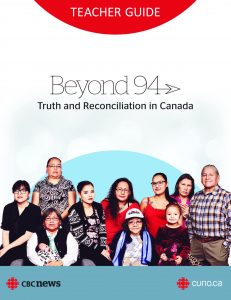
Spam prevention powered by Akismet