Categories
French Inclusive Classroom Social Studies

Études sociales en français – French Social Studies

Listed below are selected resources for French learners relating to social studies.

Vous trouverez ci-dessous une sélection de ressources pour les apprenants de français dans le domaine des études sociales.

Les livres d’images (Picture Books)
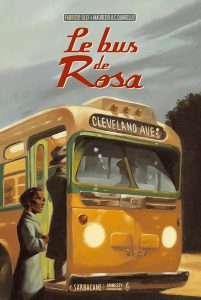
Le bus de Rosa

de Fabrizio Silei et Maurizio A.C. Quarello

Niveau scolaire (Grade level): 2 – 5

Assis dans un vieux bus, le grand-père de Ben lui raconte la ségrégation raciale dans l’Amérique de sa jeunesse : à l’école, dans les bars, dans le bus. Il lui raconte aussi comment, le 1er décembre 1955, une femme, Rosa Parks, refusa de céder sa place dans le bus à un Blanc, lançant le mouvement pour les droits civiques des Noirs aux États-Unis. Une histoire que le grand-père connaît bien : il se trouvait lui aussi dans le bus, ce jour-là. Assis à côté de Rosa. Mais il n’a pas eu son courage…
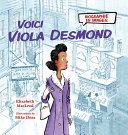
Voici Viola Desmond

de Elizabeth Mcleod

Niveau scolaire (Grade level): 3 – 6

Par un jour pluvieux de novembre 1946, Viola Davis, de passage à Glasgow en Nouvelle-Écosse, décide d’aller au cinéma. Elle s’installe dans la section officieusement réservée aux Blancs, mais l’ouvreuse lui demande de changer de place. Viola refuse, car elle sait que c’est à cause de la couleur de sa peau. La police l’emmène de force. Viola est emprisonnée, jugée et déclarée coupable. Cela ne l’empêche pas, avec l’aide de ses partisans, de continuer à se battre pour la justice sociale.
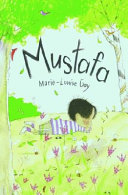
Mustafa

de Marie-Louise Gay

Niveau scolaire (Grade level): 2 – 5

Mustafa et sa famille ont voyagé très longtemps avant d’arriver dans leur nouveau pays. Certains soirs, Mustafa rêve du pays qu’il a quitté, le pays d’avant. Des rêves remplis de fumée, de feu et de grands bruits. Tous les jours, Mustafa se rend au parc. Il voit des fleurs pareilles à des langues de dragon, des insectes rouges à points noirs, un caillou moucheté. Et aussi des enfants qui ne lui prêtent pas attention. Est-il devenu invisible? Peut-être pas aux yeux de la fille-au-chat.
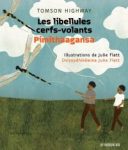
Pimithaagansa/Les libellules cerfs-volant,

Les langues(Languages):Cree and French

texte de Tomson Highway; illustrations de Julie Flett

Niveau scolaire (Grade level): 1 – 3

Taansi ka-itooteetay keespin iga meetawagaana kee-ayaa-in a-tie-igamigook oochi? Kapagawa-teetay naa? Maw weethawow Joe igwa ooseem’sa Cody. Maw m’tanaw-gaach. Ooseetaawuk taapoo-poogoo oomeetawaa-ganawaawa weethawow tipitoot, igwa kapee meetaweewuk, kapee m’choogee taawuk. Mamaskaach, chee-i?

Que ferais-tu n’avais aucun jouet, aucun jeu et aucun appareil electronique avec lesquels t’amuser? Est-ce que tu trouverais le temps long? Les freres Joe et Cody font tout sauf s’eenuyer. Ils inventent, creent et suivent leurs reves et ne s’ennuient jamais. Il suffit d’imaginer!
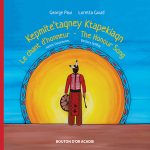
Kepmite’taqney Ktapekiaqn/Le chant d’honneur/The Honour Song,

Les langues(Languages):Mi’kmaq, French and English

texte de Gregory Paul; illustrations de Loretta Gould; traduction de Barbara Sylliboy & Hélène Devarennes

Niveau scolaire (Grade level): 3 – 8

Lors de nombreux évènements officiels ou cérémonies spirituelles chez les Premières Nations du pays, un chant est entonné par les participants. Ce chant a vu le jour dans le coeur et la tête de George Paul, un Mi’kmaw de Metepenagiag, après un parcours ardu. Cet album illustré raconte la naissance de ce chant et l’importance qu’il revêt pour les Premières Nations.
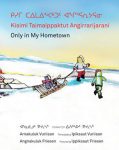
Kisimi Taimaippaktut Angirrarijarani/ᑭᓯᒥ ᑕᐃᒪᐃᑉᐸᒃᑐᑦ ᐊᖏᕐᕋᕆᔭᕋᓂ/Only in My Hometown,

Les langues(Languages):Inuktitut, Inuktitut Roman Orthography and English

titiraqtuq(writer) Ipiksaut Vuriisan(Arnakuluk Vuriisan);titiqtugaqtuq(illustrator) Ippiksaut Friesen(Angnakuluk Friesen)

Niveau scolaire (Grade level): Kindergarten – 2 (K-2)

Qanuippa piruqsabluni mikijumi nunalingmi ukiuqtaqtumi? Nukariik Arnakuluk Vuriisan ammalu Ipiksaut Vuriisan uqaqatigiiktuuk tagvuuna unipkaaliakkut nutaraublutik qanuiqattalaurmangaarmiik Inuit nunaqutingaani Nunavumi. Aqsarniquakkaujumi arnaillu katillutik mikigaqtuqpaklutik, ammalu Inuit tamarmik qatanngutigiigunnaqlutik.

Comment se passe l’enfance dans une petite ville du Nord ? Les sœurs Angnakuluk Friesen et Ippiksaut Friesen collaborent à ce récit de leur enfance dans une communauté inuite du Nunavut, où brillent les aurores boréales, où les femmes se réunissent pour manger de la viande de caribou crue et où tout le monde peut faire partie de la famille.
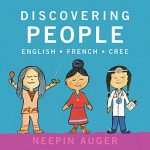
Discovering People,

Les langues(Languages):Cree, French and English

de Neepin Auger

Niveau scolaire (Grade level): Préscolaire – Kindergarten (PreK-K)

Le quatrième livre de la série À la découverte qui présente vingt-deux mots de base en anglais, en français et en cri qui se rapportent aux gens de la maison et à ceux qui existent dans la communauté autour de votre enfant.
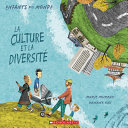
La culture et la diversité

de Marie Murray

Niveau scolaire (Grade level): 2 – 5

Votre maison… À quoi ressemble-t-elle? Avec quels matériaux a-t-elle été construite? Alors que votre aménagement intérieur peut vous sembler tout à fait normal, mais il ne l’est pas nécessairement pour une personne issue d’une culture différente. Ce splendide documentaire aidera les jeunes lecteurs à en savoir plus sur la diversité culturelle et ses richesses.
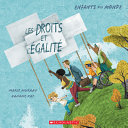
Les droits et l’égalité

de Marie Murray

Niveau scolaire (Grade level): 2 – 5

Comment s’assurer que chaque être humain est traité avec équité et qu’il possède tout ce dont il a besoin pour vivre? La réponse peut sembler difficile, mais si on prend le temps d’étudier les droits de la personne, cela devient plus facile! Chacun d’entre nous a le droit de vivre dans un environnement où ses droits sont honorés et respectés .Êtes-vous prêts à découvrir ce que cela implique? Cet album informatif et d’actualité explique les droits de la personne et tout ce qu’ils englobent de façon simple et claire. Il comprend également un glossaire ainsi que des recommandations de livres et de sites Web pour faire davantage de recherches sur ce sujet important.

Lecteurs faciles (Easy Readers)
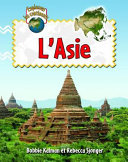
 L’Asie

de Bobbie Kalman

Niveau scolaire (Grade level): 1 – 3

Ce livre facile à lire présente aux enfants la diversité du continent asiatique, le plus grand continent de la Terre. Des photographies en couleurs et des cartes détaillées mettent en évidence les principales régions, les étendues d’eau, les reliefs, les forêts, les steppes et les déserts de l’Asie.


Trouver d’autres ressources

Voici quelques conseils pour trouver d’autres ressources dans ce domaine :

  • Sur la page principale du site de la bibliothèque de l’UBC, utilisez la boîte de recherche générale pour rechercher des matériaux à travers toutes les succursales de la bibliothèque de l’UBC.
  • Pour limiter vos résultats aux matériels disponibles à la Bibliothèque de l’éducation, visitez le site web de la Bibliothèque de l’éducation et effectuez une recherche à l’aide de la case “Search Education Resources” située dans la bande à gauche de l’écran.
  • Remarque : les ressources étant principalement cataloguées en anglais, les termes ci-dessous donnent généralement plus de résultats que les recherches effectuées en français. Vous pouvez filtrer votre liste de résultats par langue dans la barre latérale de gauche.
  • Utilisez des termes de recherche spécifiques, tels que
    • “media literacy”, “social studies–study and teaching”, “mapping”, “immigrant”, etc.
  • Pour trouver des plans de cours, incluez “lesson plans”, “lesson planning”, or “activity programs” dans vos termes de recherche.

Finding More Resources

To find more resources in this area, try the following:

  • Search using the General tab on the UBC Library website to look for material in all UBC Library branches.
  • Search using “Search Education Resources” box in the left hand bar on the Education Library website to limit your results to physical materials in the Education Library.
  • Use specific search terms, such as
    • “media literacy”, “social studies–study and teaching”, “mapping”, “immigrant”, etc.
  • To find lesson plans, include “lesson plans”, “lesson planning”, or “activity programs” in your search terms.
Categories
Accessibility Diversity and Diverse Learners Social Studies

Black History in North America

Listed below are teacher resources, fiction and non-fiction picture books, middle grade and young adult books relevant to Black History in Canada and the United States.

Teacher Resources

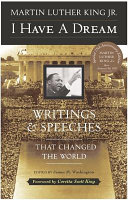
I Have a Dream: Writings and Speeches that Changed the World

by Martin Luther King, Jr.

Grades: 9-12

Martin Luther King’s twenty most memorable writings and speeches are presented in this concise and convenient book. The editor provides head notes for each selection that give a running history of the Civil Rights movement and related events.

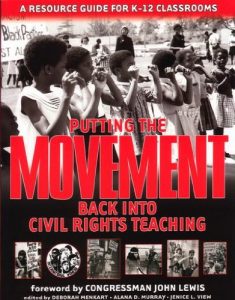
Putting the Movement Back Into Civil Rights Teaching: A Resource Guide for Classrooms and Communities

edited by Deborah Menkart, Alana D. Murray, & Janice L. View

A resource book that emphasizes the power of people through a diversity of stories, perspectives, essays, photographs, graphics, interviews, and interactive and interdisciplinary lessons. With sections on education, economic justice, citizenship, and culture, it connects the African-American Civil Rights Movement to Native American, Latina, Asian-American, gay rights, and international struggles; while highlighting the often-ignored roles of women in social justice movements.

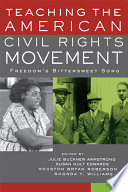
Teaching the American Civil Rights Movement: Freedom’s Bittersweet Song

edited by Julie Buckner Armstrong and others

This book offers perspectives on presenting the civil rights movement in different classroom contexts, strategies to make the movement come alive for students, and issues highlighting topics that students will find appealing. Including sample syllabi and detailed descriptions from courses that prove effective, this work will be useful for all instructors, both college and upper level high school, for courses in history, education, race, sociology, literature and political science.

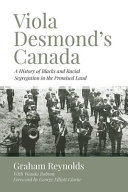
Viola Desmond’s Canada: A History of Blacks and Racial Segregation in the Promised Land

by Graham Reynolds with Wanda Robson

This book provides both general readers and students of Canadian history with a concise overview of the narrative of the Black experience in Canada, from slavery under French and British rule in the eighteenth century to the practice of racial segregation and the fight for racial equality in the twentieth century. Included are personal recollections by Wanda Robson, Viola Desmond’s youngest sister, together with important but previously unpublished documents and other primary sources in the history of Blacks in Canada.

Picture Books

 Africville

by Shauntay Grant

When a young girl visits the site of Africville, in Halifax, Nova Scotia, the stories she’s heard from her family come to mind. She imagines what the community was once like – the brightly painted houses nestled into the hillside, the field where boys played football, the pond where all the kids went rafting, the bountiful fishing, the huge bonfires.

 A Change of Heart

by Alice Walsh

Tragedy strikes the USS Truxtun one February night off the southeastern coast of Newfoundland, and Lanier is the lone black survivor of the terrible shipwreck. When he arrives onshore, the community’s kindness and humanity bring him back to health and change his outlook on life.

 Black Women Who Dared

by Naomi M. Moyer

Short biographies of ten Black women from Canada and the United States, ranging from 1793 to the present. Anti-slavery activists, business women, community organizers, and educators; they were, and are, leaders committed to uplifting their communities.

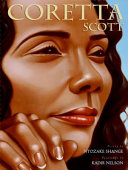
Coretta Scott

by Ntozake Shange

Poetry. The story of Coretta Scott and how she yearned for equality while experiencing the unfairness of segregation. She and Martin Luther King Jr. fight for change through nonviolent resistance. Beautifully detailed paintings coupled with poetic text honour the inspirational Coretta Scott.

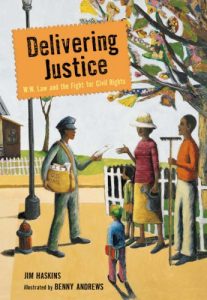
Delivering Justice: W.W. Law and the Fight for Civil Rights

by Jim Haskins

This book is about the life of W.W. Law whose efforts to register black voters and lead a successful business boycott resulted in Savannah, Georgia, being the first city in the south to end racial discrimination. Each section of text has a heading, which makes the story easier to follow along.

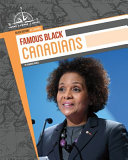
Famous Black Canadians

by Ramona Heikel

Grades: 4-8

This information book discusses the life and accomplishments of Black Canadians from Canada’s earliest days to the present, exploring the struggles that many early settlers faced, and the continuing struggle for equal treatment. It is a part of a series on Black History in Canada by Coast 2 Coast 2 Coast.

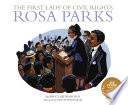
The First Lady of Civil Rights: Rosa Parks

by Bruce Bednarchuk

The illustrated song text tells the story of the African American woman Rosa Parks, who in 1955 refused to give up her bus seat and became “the first lady of civil rights.” Includes glossary, sheet music, CD, and activity questions.

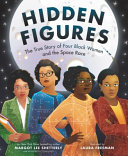
Hidden Figures: The True Story of Four Black Women and the Space Race

by Margot Lee Shetterly with Winifred Conkling

Four intelligent and persistent African American mathematicians, Katherine, Dorothy, Mary, and Christine, accomplished the math for NASA that would one day send the United States into space for the very first time.

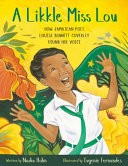
A Likkle Miss Lou: How Jamaican Poet Louise Bennett Coverley Found Her Voice

by Nadia L. Hohn

The story of Young Miss Lou who struggled to find her voice and eventually became an iconic poet and entertainment in Jamaica’s cultural legacy. Includes a brief biography of Miss Lou and a glossary to help readers less familiar with Jamaican Patois.

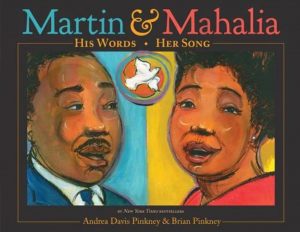
Martin & Mahalia: His Words, Her Song

by Andrew Davis Pinkney & Brian Pinkney

Explores the intersecting lives of civil rights leader Martin Luther King, Jr. and gospel singer Mahalia Jackson at the historic moment when their joined voices inspired landmark changes. Back matter includes further information, including a timeline and other resources.

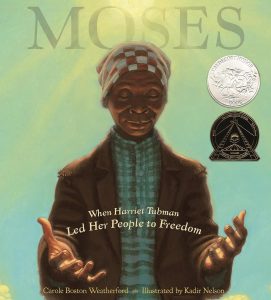
Moses: When Harriet Tubman Led Her People to Freedom

by Carole Boston Weatherford

Grades: K-3

Based on the spiritual journey of Harriet Tubman as she hears the voice of God guiding her north to freedom on that very first trip to escape the brutal practice of forced servitude.

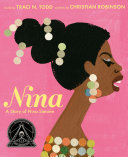
Nina: A Story of Nina Simone

by Traci N. Todd

This biography tells about the life of Nina Simone, an African American musician born in 1933 by the name of Eunice Kathleen Waymon. She became well recognized for her piano skills, but was discriminated for being Black. During the Civil Rights Movement, her music became iconic as she wrote songs of protest and fought for freedom with her lyrics.

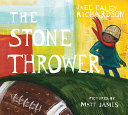
The Stone Thrower

by Jael Ealey Richardson

Describes the childhood of Chuck Ealey, who dreamed of becoming a football quarterback despite the prejudices he faced as an African American.

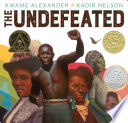
The Undefeated

by Kwame Alexander

Poetry. Originally performed for ESPN’s The Undefeated, this poem is a love letter to black life in the United States. It highlights the unspeakable trauma of slavery, the faith and fire of the civil rights movement, and the grit, passion, and perseverance of some of the world’s greatest heroes. Back matter provides historical context and additional detail for those wishing to learn more.

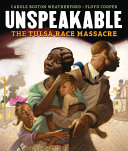
Unspeakable: The Tulsa Race Massacre

by Carole Boston Weatherford

On May 31 and June 1, 1921, an armed mob looted homes and businesses as Black families fled. The police did nothing to protect Greenwood, and as many as three hundred African Americans were killed, most buried in unmarked graves. Thousands were left homeless. No official investigation occurred until seventy-five years later. Unspeakable helps young readers understand the events of the Tulsa, Oklahoma race massacre, one of the worst incidents of racial violence in our nation’s history

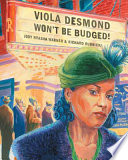
Viola Desmond Won’t Be Budged!

by Jody Nyasha Warner

In 1946 with racial segregation, Viola Desmond went to see a movie at the theatre when the Caucasian staff demanded her to move to the balcony, but Viola stood her ground on the main floor. The aftermath led to Viola’s unjust trial and other battles against racism, but her courage and persistence empowered many African Canadians to fight for their rights.

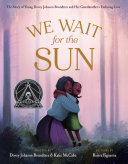
We Wait for the Sun

by Dovey Johnson Roundtree & Katie McCabe

Autobiography. The late Civil Rights attorney and activist shares a poignant moment from her childhood beside her wise grandmother, who taught Roundtree the values of self-worth, strength and justice that inspired the co-author’s boundary-breaking career.

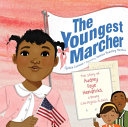
The Youngest Marcher: The Story of Audrey Faye Hendricks, a Young Civil Rights Activist

by Cynthia Levinson

Meet nine-year-old Audrey Faye Hendricks, the youngest known child to be arrested for a civil rights protest in Birmingham, Alabama, 1963. This inspirational story shows you’re never too little to make a difference.

Middle Grade and Young Adult Books

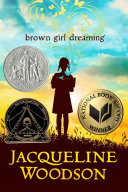
Brown Girl Dreaming

by Jacqueline Woodson

Grades: 6-8

Poetry. Raised in South Carolina and New York, Woodson always felt halfway home in each place. In vivid poems, she shares what it was like to grow up as an African American in the 1960s and 1970s, living with the remnants of Jim Crow and her growing awareness of the Civil Rights movement.

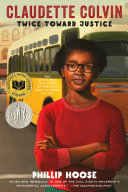
Claudette Colvin: Twice Toward Justice

by Phillip Hoose

Presents the life of the 15-year-old Alabama teenager, Claudette Colvin, who played an integral role in the Montgomery bus strike, once by refusing to give up a bus seat, and again, by becoming a plaintiff in the landmark civil rights case against the bus company. Interspersed with photographs and text features for an immersive and engaging read.

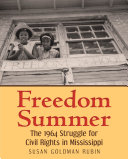
Freedom Summer: The 1964 Struggle for Civil Rights in Mississippi

by Susan Goldman Rubin

An account of the civil rights crusade in Mississippi 50 years ago that brought on shocking violence and the beginning of a new political order. Interspersed with photographs, the chapters follow the timeline of the events making the book easy to follow along.

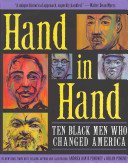
Hand in Hand: Ten Black Men Who Changed America

by Andrea Davis Pinkney & Brian Pinkney

Grades: 6-8

Presents the stories of ten African-American men from different eras in American history, organized chronologically to provide a scope from slavery to the modern day.

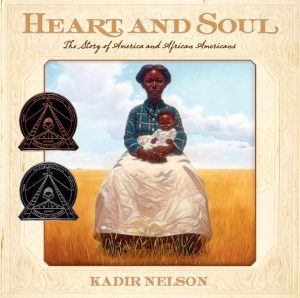
Heart and Soul: The Story of America and African Americans

by Kadir Nelson

A simple introduction to African-American history, from Revolutionary-era slavery up to the election of President Obama. This large book is adorned with awe-inspiring paintings on each page with easy-to-understand text.

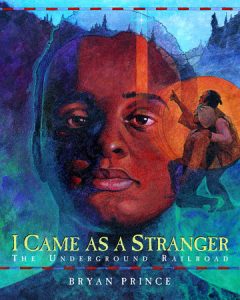
I Came As A Stranger: Underground Railroad

by Bryan Prince

A powerful history and a valuable guide to sites and communities that commemorate the courage and suffering of a time not so very long ago. Contains many black and white photographs, a timeline, and suggested further reading.

The Kids Book of Black Canadian History

by Rosemary Sadlier

This updated edition of Rosemary Sadlier’s bestselling and award-winning The Kids Book of Black Canadian History has been reimagined for a new generation of young readers and includes topics from Canada’s legacy of slavery to global impacts of the Black Lives Matter movement. A celebration of the incredible history, achievements and contributions of Black people and communities in Canada.

Martin Luther King Jr.

by Laurie Calkhoven

Biography for kids ages 8-12 about MLK – from his early family life and experiences in education, to his untimely death and the worldwide mourning and riots that followed. Filled with photographs, illustrations, definition boxes, information sidebars, fun facts, maps, inspiring quotes, and other nonfiction text features engaging for young learners.

The Mighty Miss Malone

by Christopher Paul Curtis

With love and determination befitting the “world’s greatest family,” twelve-year-old Deza Malone, her older brother Jimmie, and their parents endure tough times in Gary, Indiana, and later Flint, Michigan, during the Great Depression. An inspiring and engaging fictional story with a focus on family, poverty, and a great heroine.

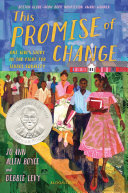
This Promise of Change: One Girl’s Story in the Fight for School Equality

by Jo Ann Allen Boyce and Debbie Levy

In 1956, 14-year-old Jo Ann Allen was one of twelve African-American students who broke the color barrier and integrated Clinton High School in Tennessee. This is the heartbreaking and relatable story of her four months thrust into the national spotlight and as a trailblazer in history. Based on original research and interviews and featuring back matter with archival materials and notes from the authors on the co-writing process.

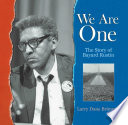
We Are One: The Story of Bayard Rustin

by Larry Dane Brimmer

Captures a story of passion, courage, and triumph through Bayard’s own words and archival photographs, and through spirituals and protest songs that Bayard often sang. The book contains large text, numerous images, and thorough information without being too dense.

We’ve Got a Job: The 1963 Birmingham Children’s March

by Cynthia Levinson

Discusses the events of the 4,000 African American students who marched to jail to secure their freedom in May 1963. Combining extensive research and in-depth interviews with protestors, the author recreates the events of the Birmingham’s Children’s March from a new and personal perspective, with large text and numerous images.


Finding more resources: 

To find more resources in this area, try the following:

  • Search using the General tab on the UBC Library website to look for material in all UBC Library branches.
  • Search using “Search Education Resources” box in the left hand bar on the Education Library website to limit your results to physical materials in the Education Library.
  • Use specific search terms to narrow your results, such as “Black Canadians” or Black history in Canada.
  • To find lesson plans, include “lesson plans”, “study and teaching”, or “activity programs” in your search terms.

For more help with searching, please visit the Library Service Desk or e-mail ed.lib@ubc.ca.

Categories
Accessibility Diversity and Diverse Learners Language Arts Planning for Teaching and Learning

Anti-racism

Listed below are teacher resources, picture books, fiction and non-fiction books that address anti-racism.

Teacher Resources

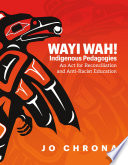
Wayi wah!: Indigenous pedagogies: an act for reconciliation and anti-racist education

by Jo Chrona

How can Indigenous knowledge systems inform our teaching practices and enhance education? How do we create an education system that embodies an anti-racist approach and equity for all learners? This powerful and engaging resource is for non-Indigenous educators who want to learn more, are new to these conversations, or want to deepen their learning.

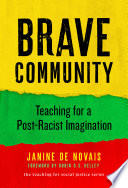
Brave community: teaching for a post-racist imagination

by Janine de Novais; foreword by Robin D.G. Kelley

At the core of the intractability of racism is the persistent cultivation of our collective ignorance of it. This book argues that this cultivated ignorance compels us to support a status quo that we abhor. We are stuck because we cannot imagine a world beyond racism. We are also stuck because engaging with issues of racism with others usually produces immense acrimony and little result. The author responds directly to this challenge by introducing Brave Community–a research-based and learner-tested method that leverages learning as a vehicle to increase the bravery and empathy that we need to both imagine and pursue a world beyond racism.

Start Here Start Now book cover Start Here, Start Now: A Guide to Antibias and Antiracist Work in Your School Community,

by Liz Kleinrock

For educators wanting to foster an antibias and antiracist classroom and school community, Start Here, Start Now discusses where and how to get started, addressing questions and challenges many educators have regarding the topic.

For white folks who teach in the hood and the rest of y’all too,

by Christopher Emdin

Combines real stories with research, theory, and practice to explain how teachers can build communities within the classroom using culturally relevant strategies. Emdin draws on his own experiences feeling invisible in the classroom, and offers a new perspective on teaching and learning in urban schools while challenging the traditional top-down pedagogy of urban education.

Textured teaching: a framework for culturally sustaining practices

by Lorena Escoto Germán

Textured Teaching is a framework for teaching and learning about texts, centered in love and social justice. The term social justice refers to a redistribution of resources, opportunities, wealth, and power that promotes equity. A teaching approach that strives for social justice, then, is one that openly addresses social injustices and functions in a way that leads students to reimagine an equitable redistribution.

Teachers of Color: resisting racism and reclaiming education

by Rita Kohli

Teachers of Color describes how racism serves as a continuous barrier against diversifying the teaching force and offers tools to support educators who identify as Black, Indigenous, or people of Color on both a systemic and interpersonal level. Based on in-depth interviews, digital narratives, and questionnaires, the book analyzes the toll of racism on their professional experiences and personal well-being, as well as their resistance and reimagination of schools.

We want to do more than survive: abolitionist teaching and the pursuit of educational freedom

by Bettina L. Love

Drawing on personal stories, research, and historical events, an esteemed educator offers a vision of educational justice inspired by the rebellious spirit and methods of abolitionists. Drawing on her life’s work of teaching and researching in urban schools, Bettina Love persuasively argues that educators must teach students about racial violence, oppression, and how to make sustainable change in their communities through radical civic initiatives and movements.

Educators on Diversity, Social Justice, and Schooling,

edited by Sonia E. Singer and Mary Jane Harkins

This book invites educators to reflect on school practices as a contextualised and social process, and to recognise the systemic and cultural impact of race, gender, class, sexuality and ability on the everyday lives of students.

The compassionate educator: understanding social issues and the ethics of care in Canadian schools

edited by Allyson Julé

The Compassionate Educator is an edited collection that explores the complexities that surround students’ lived realities and the variety of social issues that impact Canadian classrooms. Perhaps more urgently today than ever before, teachers in Canadian schools need to encounter current social issues from a place of deep understanding and compassion. Chapters focus on topics like mental health, Indigenous education, queer education, racism, youth radicalization, disability, religious responsiveness in schools, ensuring respect for ESL students, and teaching refugee students.

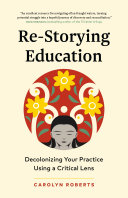
Re-storying education : decolonizing your practice using a critical lens

by Carolyn Roberts

Re-Storying Education is a process of dismantling old narratives taught in education and rebuilding new narratives that include all the voices that have created this place known as Canada today. This vital and timely book outlines how colonialism has shaped both the country and the public school system. Re-Storying Education uses an Indigenous lens, offering ways to put Indigenous education, history, and pedagogy into practice. It invites readers into an open dialogue in the pursuit of a more inclusive and just educational landscape.

Picture Books

Antiracist baby

by Ibram X. Kendi; illustrated by Ashley Lukashevsky

Niveau scolaire (Grade level): Baby-Preschool

Illustrations and rhyming text present nine steps Antiracist Baby can take to improve equity, such as opening our eyes to all skin colors and celebrating all our differences.

All because you matter

by Tami Charles; illustrated by Bryan Collier

Niveau scolaire (Grade level): Preschool-3

A lyrical, heart-lifting love letter to Black and Brown children everywhere reminds them how much they matter, that they have always mattered and they always will.

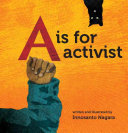
A is for Activist

by Innosanto Nagara

Niveau scolaire (Grade level): K-7

This is an ABC board book for families that are unapologetic about activism and social justice.

The proudest blue: a story of hijab and family

by Ibtihaj Muhammad with S. K. Ali ; illustrated by Hatem Aly

Niveau scolaire (Grade level): K-4

Faizah relates how she feels on the first day her sister, sixth-grader Asiya, wears a hijab to school.

When we were alone

by David Alexander Robertson; illustrated by Julie Flett

Niveau scolaire (Grade level): K-3

When a young girl helps tend to her grandmother’s garden, she begins to notice things that make her curious. Why does her grandmother have long, braided hair and beautifully colored clothing? Why does she speak another language and spend so much time with her family? As she asks her grandmother about these things, she is told about life in a residential school a long time ago, where all of these things were taken away. When We Were Alone is a story about a difficult time in history, and, ultimately, one of empowerment and strength.

Fiction

Amina’s voice

by Hena Khan

Niveau scolaire (Grade level): 4-9

A Pakistani-American Muslim girl struggles to stay true to her family’s vibrant culture while simultaneously blending in at school. After her local mosque is vandalized, she is devastated. Her friend Soojin is talking about changing her name. Does Amina need to become more “American” and hide who she really is?

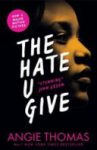
The Hate U Give,

by Angie Thomas

Niveau scolaire (Grade level): 8-Adult

When Starr witnesses the fatal shooting of her childhood best friend at the hands of a police officer, her world is shattered. Now she’s the only person who knows the truth of what happened, but speaking up could put herself and her community at risk. Inspired by the Black Lives Matter movement, this is the story about one girl’s struggle for justice.

We are not free

by Traci Chee

Niveau scolaire (Grade level): 8-12

For fourteen-year-old budding artist Minoru Ito, her two brothers, her friends, and the other members of the Japanese-American community in southern California, the three months since Pearl Harbor was attacked have become a waking nightmare: attacked, spat on, and abused with no way to retaliate–and now things are about to get worse, their lives forever changed by the mass incarcerations in the relocation camps.

Non-Fiction

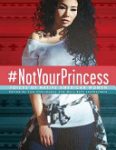
#NotYourPrincess,

edited by Lisa Charleyboy, Mary Beth and Leatherdale

Niveau scolaire (Grade level): 8-Adult

A collection of poems, essays, interviews, and art that combine to express the experience of being a Native woman.

We rise, we resist, we raise our voices

edited by Wade Hudson and Cheryl Willis Hudson; foreword by Ashley Bryan

Niveau scolaire (Grade level): 3-7

What do we tell our children when the world seems bleak, and prejudice and racism run rampant? With 96 lavishly designed pages of original art, poetry, and prose, fifty diverse creators lend voice and comfort to young activists.

This book is anti-racist

by Tiffany Jewell; illustrated by Aurélia Durand

Niveau scolaire (Grade level): 4-12

Learn about identities, true histories, and anti-racism work…This book is written so young people will feel empowered to stand up to the adults in their lives. This book will give them the language and ability to understand racism and a drive to undo it. 20 lessons on how to wake up, take action, and do the work.


Finding More Resources

To find more resources in this area, try the following:

  • Search using the General tab on the UBC Library website to look for material in all UBC Library branches.
  • Search using “Search Education Resources” box in the left hand bar on the Education Library website to limit your results to physical materials in the Education Library.
  • Use specific search terms to narrow your results, such as “race”, “anti-racism”, “racism”, “social justice,” “equity”, “diversity”, or “activism”.
  • You may combine  keywords relating to concepts of racial justice AND keywords about pedagogy, such as “pedagogy”, “teaching”, “education”, “primary school”, “secondary school”, “higher education”.
  • To find lesson plans, include “lesson plans”, “lesson planning”, “study and teaching”, or “activity programs” in your search terms.

For more help with searching, please visit the Library Service Desk or e-mail ed.lib@ubc.ca.

Categories
Social Studies

Maps and Mapping

Listed below are selected teacher resources, picture books, and non-fiction related to maps and mapping.

Teacher Resources

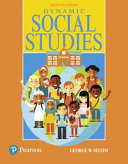
Dynamic social studies

by George W. Maxim

Grades: K-6

This book presents a range of effective ways to teach social studies to elementary school students, with the hope of inspiring them to become informed, rational, and culturally responsive citizens. It focuses on motivation, creativity, and the examples of experienced teachers to help readers breathe life into their social studies teaching. Includes multiple sections on maps and mapping specifically.

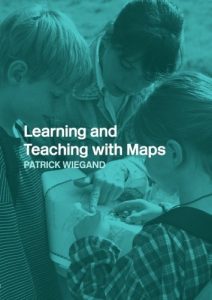
Learning and teaching with maps

by Patrick Wiegand

Grades: K-8

A comprehensive and authoritative account of how primary school children and teachers can use maps to enhance learning and deepen understanding of this essential skill. Includes all aspects of map use, such as reading and interpreting maps and using maps to find the way, covering maps of all scales, including globes and atlases. eBook

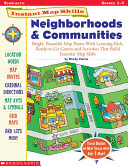
Instant map skills: Neighborhoods & Communities

by Wendy Vierow

Grades: 1-3

Includes a large wall map and accompanying activities to teach map skills such as cardinal directions, reading a map key, and following a route.

Picture Books

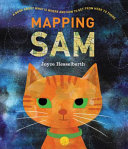
Mapping Sam

by Joyce Hesselberth

Grades: K-3

An adventurous cat named Sam explores her neighbourhood at night, with maps of all types revealing the spots she visits and different points of view.

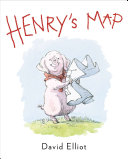
Henry’s Map

by David Elliot

Grades: K-3

Henry the pig makes a map to show where everything goes on the farm he lives in. But after he’s done, he and the other animals discover a problem!

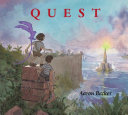
Quest

by Aaron Becker

Grades: K-3

Two children must follow a map given to them by a mysterious king to save both him and his kingdom from dark forces.

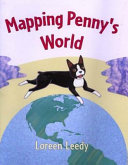
Mapping Penny’s world

by Loreen Leedy

Grades: K-3

When Lisa’s teacher tells the class that they can make a map of anywhere, Lisa decides to map all of her dog Penny’s favourite locations.

Non-fiction

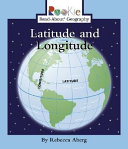
Rookie read-about geography: Map skills series

by various authors

Grades: K-1

The four books in this series – Latitude and Longitude, Map Keys, Looking at Maps and Globes, and Map Scales – each highlight a different aspect of map reading.

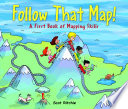
Follow that map! A first book of mapping skills

by Scot Ritchie

Grades: K-3

Using maps, learners can follow Sally as she searches for her missing cat and dog, and can try making a map of their own bedroom at the end of the book.

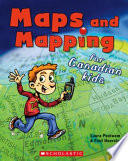
Maps and mapping for Canadian kids

by Laura Peetom & Paul Heersink

Grades: 1-4

Discusses concepts such as scale, symbols, and colour and how they relate to reading maps. Also touches on basic principles of navigation and how they’re used to explore and chart the world.

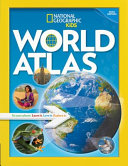
National Geographic Kids World Atlas

by National Geographic Society

Grades: 3-8

The 5th edition of this well-known atlas includes new features such as a thematic map on endangered species, a map about the region of Central Africa, and an expanded Antarctica section.

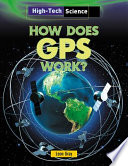
How does GPS work?

by Leon Gray

Grades: 4-6

When taking a road trip today, some sort of GPS device is essential. It may be built into the car’s dashboard, or perhaps it’s just an app on a smartphone. But GPS is used for more than just finding your way! Readers will be fascinated by its many uses, such as catching criminals, predicting earthquakes, and creating maps.

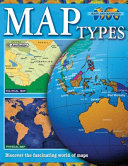
Map types

by Ann Becker

Grades: 4-8

This book explores what maps are, what kinds of maps there are – like road maps, topographical maps, and globe – and how maps are created and used. Part of the All over the map series.

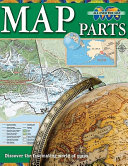
Map parts

by Kate Torpie

Grades: 4-8

This book examines the essential parts of maps through carefully chosen examples. Part of the All over the map series.

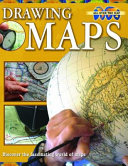
Drawing maps

by Kate Torpie

Grades: 4-8

The author demonstrates how maps are made at different scales and for a variety of purposes, and gives easy-to-follow instructions on how to draw maps. Part of the All over the map series.

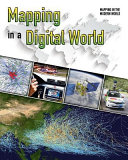
Mapping in a digital world

by James Bow

Grades: 4-8

This book explores how map making is changing due to new developments in technology: from satellite data, to videos from the internet, to computer game technology. Part of the Mapping in the modern world series.


Finding More Resources

To find more resources in this area, try the following:

  • Search using the General tab on the UBC Library website to look for material in all UBC Library branches.
  • Search using “Search Education Resources” box in the left hand bar on the Education Library website to limit your results to materials in the Education Library.
  • Use specific search terms to narrow your results, such as “Maps –Juvenile fiction”, “Maps–Juvenile literature”, “Atlases–Juvenile literature”, or “Map reading–Juvenile literature”.
  • To find lesson plans, include “lesson plans”, “lesson planning”, or “activity programs” in your search terms.

For more help with searching, please visit the Library Service Desk or e-mail ed.lib@ubc.ca.

Categories
Social Studies

Immigrant and Refugee Experiences

Listed below are selected teacher resources, picture books, fiction, and non-fiction related to immigrant and refugee experiences.

Teacher Resources

Supporting refugee children: Strategies for educators

by Jan Stewart

Grades: K-12

The psychosocial needs of war-affected children who migrate to other countries are difficult to identify, complicated to understand, and even more troubling to address. This book provides a holistic exploration of these challenges and offers practical advice for teachers, social workers, and counsellors, as well as suggestions for policy makers.

Voices from the margins: School experiences of refugee, migrant and indigenous children

edited by Eva Alerby and Jill Brown

Grades: K-12

This collection of studies provides a place for migrant, refugee and indigenous children to talk about their school experiences. Refugee children from the Sudan, Afghanistan and Somalia, indigenous children from Sweden, Australia, New Zealand and Vietnam, migrant children in Canada, Iceland and Hong Kong, and urban and rural children from Zanzibar all speak out through drawings, small group and individual discussion.

Global migration and education: Schools, children and families

edited by Leah Adams and Anna Kirova

Grades: K-12

The essays in this book are organized around five themes: Multiple Global Issues for Immigrant Children and the Schools They Attend; They Are Here: Newcomers in the Schools; Views and Voices of Immigrant Children; Far from Home With Fluctuating Hopes; and Searching for New Ways to Belong. (Also available online.)

Untapped skills: Realising the potential of immigrant students

by the Organization for Economic Cooperation and Development

Grades: K-12

This report explores a number of questions about the performance and socio-economic background of children of immigrants, including: Who are the children of immigrants? What do they know and what can they do? How do they differ from other students? Do they approach school and learning in a different way?

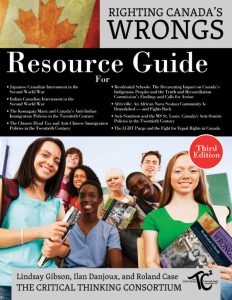
Righting Canada’s wrongs resource guide

by Lindsay Gibson, Ilan Danjoux, and Roland Case

Grades: 6-12

To be used with the books in the Righting Canada’s wrongs series, which explores the Canadian government’s actions against various ethnic groups throughout history, the subsequent fights for justice, and the eventual apologies and restitution.

Picture Books

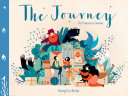
The Journey

by Francesca Sanna

A mother and her two children leave everything behind and set out to find a new home, in a journey filled with both fear of the unknown and great hope.

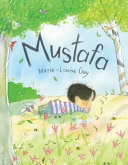
 Mustafa

written and illustrated by Marie-Louise Gay

Grades: K-3

Some nights Mustafa dreams of the country he used to live in. Dreams full of smoke and fire and loud noises. Mustafa’s mother and a new friend help him to feel a little more at home in this unfamiliar place.

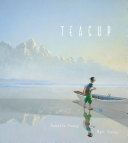
Teacup

written by Rebecca Young, illustrated by Matt Ottley

Grades: K-3

A boy travels across the sea in a rowboat to look for a new home, taking with him a teacup full of earth from the place where he grew up.

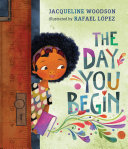
The Day You Begin

written by Jacqueline Woodson, illustrated by Rafael López

Grades: K-3

When Rigoberto, an immigrant from Venezuela, introduces himself, his classmates laugh – but Angelina understands what it’s like to be an outsider.

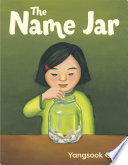
The Name Jar

by Yangsook Choi

Grades: K-2

Instead of introducing herself on the first day of school, Korean immigrant Unhei tells her class that she will choose an English name by the following week. Her classmates want to help her – but which name will she choose?

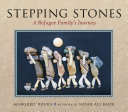
Stepping Stones: A Refugee Family’s Story

written by Margriet Ruurs, illustrated by Nizar Ali Badr

A young girl and her family are forced to flee their village to escape the Syrian civil war and make their way toward safety and freedom in Europe. In English and Arabic.

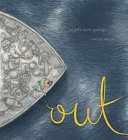
Out

written by Angela May George, illustrated by Owen Swan

Grades: K-3

A little girl and her mother flee their war-torn homeland, making a long and treacherous sea journey to find a new place to call home.

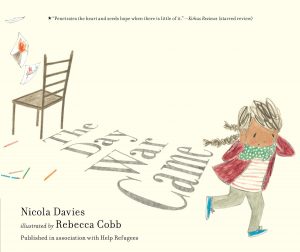
The day war came

written by Nicola Davies, illustrated by Rebecca Cobb

Grades: 1-4

Imagine war came to your town, turning it to rubble. Then imagine going on a long journey to find a new home, with no welcome at the end of the journey.

Fiction

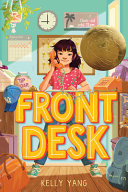
Front desk

by Kelly Yang

Grades: 3-7

Mia lives with her parents, who are immigrants, at the motel where they work. While Mia covers the front desk and tries to tell her mother she wants to become a writer, her parents are hiding newcomers who they let stay at the hotel for free. Mia has to juggle the demands of her work while striving for her dream.

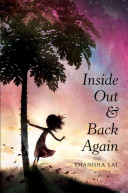
Inside Out and Back Again

by Thanhha Lai

Grades: 3-7

Ha, a young Vietnamese girl, chronicles the life-changing year of 1975, when she, her mother, and her brothers flee their home in Saigon and resettle in Alabama.

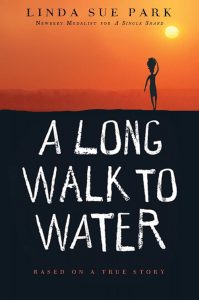
A Long Walk to Water

by Linda Sue Park

Grades: 5-7

When the Sudanese civil war reaches his village in 1985, eleven-year-old Salva becomes separated from his family and must walk with other Dinka tribe members through southern Sudan, Ethiopia, and Kenya in search of a safe haven.

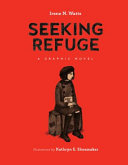
Seeking Refuge: a graphic novel

by Irene N. Watts, illustrated by Kathryn E. Shoemaker

Grades: 4-7

Marianne, a young Jewish girl, has made it out of Nazi Germany in the Kindertransport of 1938. Now in Wales in 1939, she moves from one unsuitable home to another, but her courage and resilience see her through.

Non-fiction

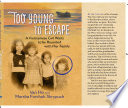
Too young to escape: A Vietnamese girl waits to be reunited with her family

by Van Ho and Marsha Forchuk Skrypuch

When her family flees from Vietnam to the West, Van is too young – and her grandmother is too old – to make the dangerous boat journey. While they wait for their family to send for them, they must endure many hardships.

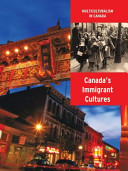
Canada’s immigrant cultures

by Barbara Samuels

Grades: 4-6

Canada is a country of many cultures, and all of these cultures have played important roles in establishing the county’s foundation. In this book, readers explore Canada’s rich cultural landscape, and learn about the impact that different cultural groups have had throughout Canada’s history, and continue to have today. Part of the Multiculturalism in Canada series.

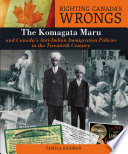
The Komagata Maru and Canada’s anti-Indian immigration policies in the twentieth century

by Pamela Hickman

Grades: 6-12

This book explores the 1914 incident in which the Canadian government refused to allow over 300 immigrants who came to Canada by ship – on the Komagata Maru – to stay in this country. Part of the Righting Canada’s wrongs series.

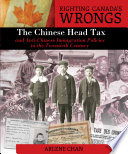
The Chinese head tax and anti-Chinese immigration policies in the twentieth century

by Arlene Chan

Grades: 6-12

Through historical photographs, documents, and first-person narratives from Chinese Canadians who experienced the Head Tax or who were children of Head Tax payers, this book offers a full account of the injustice of this period in Canadian history. Part of the Righting Canada’s wrongs series.

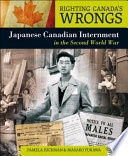
Japanese Canadian internment in the Second World War

by Pamela Hickman and Masako Fukawa

Grades: 6-12

This book uses first-person narrative from five Japanese Canadians who were youths at the time their families were forced to move to the camps to describe the experience of internment. Also includes photographs and historical documents. Part of the Righting Canada’s wrongs series.

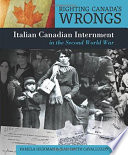
Italian Canadian internment in the Second World War

by Pamela Hickman and Jean Smith Cavalluzzo

Grades: 6-12

This book uses first-person narratives, historical photographs, paintings, and documents to describe Italian Canadians experience of internment. Part of the Righting Canada’s wrongs series.


Finding More Resources

To find more resources in this area, try the following:

  • Search using the General tab on the UBC Library website to look for material in all UBC Library branches.
  • Search using “Search Education Resources” box in the left-hand bar on the Education Library website to limit your results to physical materials in the Education Library.
  • Use specific search terms, such as “Refugees – Juvenile fiction”, “Refugee children – Education – Canada”, “Children of immigrants – Education”, or “Emigration and immigration”.
  • To find lesson plans, include “lesson plans”, “lesson planning”, or “activity programs” in your search terms.
PDF Booklist

For more help with searching, please visit the Library Service Desk or e-mail ed.lib@ubc.ca.

Categories
Social Studies

Teaching History and Social Studies

Listed below are selected teacher resources for teaching History and Social Studies.

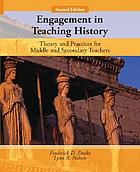
Engagement in teaching history: Theory and practice for middle and secondary teachers

by Frederick D. Drake and Lynn R. Nelson

Grades: 7-12

This book presents key elements of history instruction, including the use of primary sources and narratives, involving students in the historical inquiry through classroom discussions, teaching toward chronological thinking, and the use of historical documents.

Stirring up justice: Writing and reading to change the world

by Jessica Singer

Grades: 7-12

This book introduces a range of tools and strategies to improve students’ critical awareness, helping them to understand their world and become educated, engaged citizens.

Tools for teaching social studies: A how-to book of useful ideas and practical solutions

by Jim Parsons with Mariah Schroder

Grades: K-12

The authors present a number of teaching principles for use in social studies classes, including discovering one’s unique teaching style, connecting with one’s students, setting and achieving realistic goals, facilitating effective group work, and more.

Keywords in the social studies: Concepts and conversations

edited by Daniel G. Krutka, Annie McMahon Whitlock, and Mark Helmsing

Grades: K-12

Over fifty authors discuss complex and contested components of keywords in social studies – such as “indigenous”, “home”, “race”, and “community” – by way of offering diverse accounts that range from autobiographical narratives to historical genealogies, from critical implications of specific curriculum texts to offering vignettes of classroom teaching that deploy a keyword concept in practice.

Secondary starters and plenaries: History

by Mike Gershon

Grades: 9-12

The 25 starter ideas in this book will help to ensure that the first five minutes of any History class are motivating and energizing, while the 25 plenaries will students to reflect on and embed their learning at the end of the lesson.

The big six: Historical thinking concepts

by Peter Seixas and Tom Morton

Grades: K-12

The authors discuss six historical thinking concepts which students should become familiar with: historical significance, evidence, continuity and change, cause and consequence, historical perspectives, and the ethical dimension.

Teaching history creatively (2nd ed,)

edited by Hilary Cooper

Grades: K-12

This book introduces teachers to a range of available approaches to historical inquiry which involve creative, active and effective learning. Topics include the link between history education and creativity, investigating sources, using archives, using drama to explore events, and more. (E-book only.)

(Re)imagining elementary social studies: a controversial issues reader

edited by Sarah B. Shear, Christina M. Tschida, Elizabeth Bellows, Lisa Brown Buchanan, Elizabeth E. Saylor

Grades: Elementary

This reader stands out as a collection of approaches aimed specifically at teaching controversial issues in elementary social studies. This reader challenges social studies education (i.e., classrooms, teacher education programs, and research) to engage controversial issues–those topics that are politically, religiously, or are otherwise ideologically charged and make people, especially teachers, uncomfortable–in profound ways at the elementary level.

Powerful social studies for elementary students

by Jere Brophy, Janet Alleman, and Anne-Lise Halvorsen

Grades: K-6

This book combines theory and research with examples from classroom practice, and outlines ways to select content and teach history, geography, and social sciences meaningfully in the elementary classroom.

Social studies: Innovative approaches for teachers

by Nancy A. Maynes and Jennifer M. Straub

Grades: K-6

The authors focus on two important approaches to teaching social studies: the value and flexibility of social studies as a broad medium for teaching a range of skills and concepts, including literacy and numeracy; and the human aspect of social studies, in its relation to people and their activities, challenges, and choices.

Dynamic social studies

by George W. Maxim

Grades: K-6

This book presents a range of effective ways to teach social studies to elementary school students, with the hope of inspiring them to become informed, rational, and culturally responsive citizens. It focuses on motivation, creativity, and the examples of experienced teachers to help readers breathe life into their social studies teaching.


Finding More Resources

To find more resources in this area, try the following:

  • Search using the General tab on the UBC Library website to look for material in all UBC Library branches.
  • Search using “Search Education Resources” box in the left hand bar on the Education Library website to limit your results to physical materials in the Education Library.
  • Use specific search terms to narrow your results, such as “social studies”, “social sciences – study and teaching”, etc.
  • To find lesson plans, include “lesson plans”, “lesson planning”, or “activity programs” in your search terms.
For more help with searching, please visit the Library Service Desk or e-mail ed.lib@ubc.ca.

Categories
Indigenous Literature and Education

Truth and Reconciliation in Education

Listed below are selected teacher resources and non-fiction related to incorporating principles of truth and reconciliation with Indigenous peoples into the classroom.

Vous trouverez ci-dessous une sélection de ressources pour enseignants et d’ouvrages non romanesques relatifs à l’intégration des principes de vérité et de réconciliation avec les peuples autochtones dans la salle de classe.

Teacher Resources (Ressources pour les enseignants)

Truth and reconciliation in Canadian schools,

by Pamela Rose Toulouse

Niveau scolaire (Grade level): Kindergarten – 12 (K-12)

This book provides current information, personal insights, authentic resources, interactive strategies and lesson plans that support Indigenous and non-Indigenous learners in the classroom. Toulouse presents a culturally relevant and holistic approach that facilitates relationship building and promotes ways to engage in reconciliation activities.

Ensouling our schools: A universally designed framework for mental health, well-being, and reconciliation,

by Jennifer Katz, Kevin Lamoureux & Ry Moran

Niveau scolaire (Grade level): Kindergarten – 12 (K-12)

The authors share methods of creating schools that engender mental, spiritual, and emotional health while developing intellectual thought and critical analysis, as well as Indigenous approaches to mental and spiritual health that benefit all students and address the Truth and Reconciliation Commission Calls to Action.

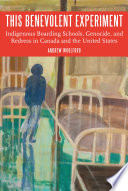
This benevolent experiment: indigenous boarding schools, genocide, and redress in Canada and the United States,

by Andrew Woolford

Niveau scolaire (Grade level): Kindergarten – 12 (K-12)

This Benevolent Experiment offers a multilayered, comparative analysis of Indigenous boarding schools in the United States and Canada. Because of differing historical, political, and structural influences, the two countries have arrived at two very different responses to the harms caused by assimilative education.

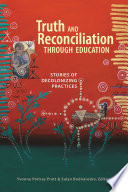
Truth and reconciliation through education: stories of decolonizing practices,

by Yvonne Poitras Pratt and Sulyn Bodnaresko

Niveau scolaire (Grade level): Kindergarten – 12 (K-12)

Educators have a special role in furthering truth and reconciliation in education, but many struggle to understand exactly what that means and how to accomplish it. There is no step-by-step guide to getting it right. Educators can only meaningfully accomplish truth and reconciliation in education by seeking out truth and reconciliation through education: an ongoing process of amplifying Indigenous voices and experiences, allowing oneself to be changed by them, and being guided by this learning both personally and professionally.

Ministry of Education report on actions taken to support Truth and Reconciliation Commission of Canada’s calls to action,

by the BC Ministry of Education

Niveau scolaire (Grade level): Préscolaire – Kindergarten (PreK-K)

A brief report on the BC Ministry of Education’s efforts to implement several calls to action regarding truth and reconciliation in education. (Online only)

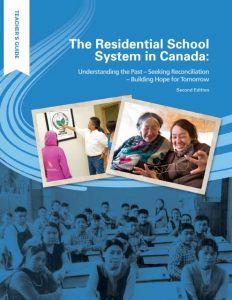
The residential school system in Canada: Understanding the past, seeking reconciliation, building hope for tomorrow,

by Government of Northwest Territories, Government of Nunavut, and the Legacy of Hope Foundation

Niveau scolaire (Grade level): 10

A teacher guide with twelve activities, each of which helps students examine and develop an understanding of aspects of the history and legacy of the residential school system and participate in the journey towards reconciliation.

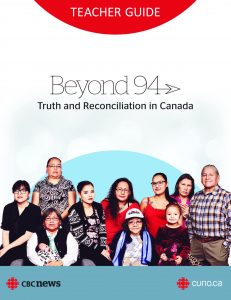
 Beyond 94,

by the CBC Indigenous Unit

Niveau scolaire (Grade level): 9 – 12

CBC’s Beyond 94 is an immersive, interactive and comprehensive website that monitors the progress of the Truth and Reconciliation Commission’s 94 Calls to Action. Beyond 94 highlights concrete suggestions, resources and examples of what reconciliation is, and how Indigenous and non‐Indigenous Canadians can work together on the path of reconciliation. Includes short documentaries available through Curio and a comprehensive teacher’s guide.

Non-Fiction

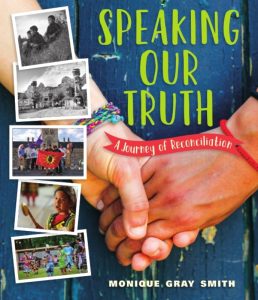
Speaking our truth: A journey of reconciliation,

by Monique Gray Smith

Niveau scolaire (Grade level): 4 – 8

Guided by acclaimed Indigenous author Monique Gray Smith, readers will learn about the lives of residential school survivors and listen to allies who are putting the findings of the Truth and Reconciliation Commission into action. (Teacher’s guide also available.)

I lost my talk,

by Rita Joe; art by Pauline Young

Niveau scolaire (Grade level): PreK-12

An often quoted piece in this era of truth and reconciliation, Joe’s powerful words explore and celebrate the survival of Mi’kmaw culture and language despite its attempted eradication. A companion book to the simultaneously published I’m Finding My Talk by Rebecca Thomas, I Lost My Talk is a necessary reminder of a dark chapter in Canada’s history, a powerful reading experience, and an effective teaching tool for young readers of all cultures and backgrounds.

Truth and reconciliation,

by Simon Rose

Niveau scolaire (Grade level): 4 – 6

Explores the impact of residential schools on the Indigenous people of Canada as well as efforts by the Canadian government to mend the damaged relationships caused by these schools. Part of the Indigenous Life in Canada series.

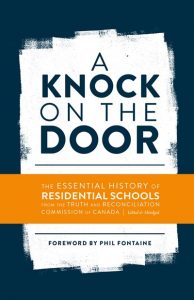
A knock on the door: The essential history of residential schools from the Truth and Reconciliation Commission of Canada,

by the National Centre for Truth and Reconciliation

Niveau scolaire (Grade level): 9 – 12

Explores a range of areas studied by the TRC, including the history of residential schools, the students’ experiences, the schools’ legacy, and reconciliation and calls to action. (E-book only)

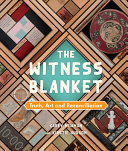
The Witness Blanket: truth, art and reconciliation,

by Carey Newman and Kirstie Hudson

Niveau scolaire (Grade level): 8 – 12

The Blanket is a living work of art–a collection of hundreds of objects from those schools. It includes everything from photos, bricks, hockey skates, graduation certificates, dolls and piano keys to braids of hair. Behind every piece is a story. And behind every story is a residential school Survivor, including Carey’s father. This book is a collection of truths about what happened at those schools, but it’s also a beacon of hope and a step on the journey toward reconciliation.

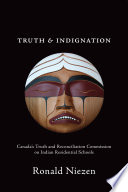
Truth and indignation: Canada’s Truth and Reconciliation Commission on Indian residential schools,

by Ronald Niezen

Niveau scolaire (Grade level): 10 – 12

Using interviews with survivors and oblate priests and nuns, as well as testimonies, texts, and visual materials produced by the Commission, Niezen raises some very important questions: What makes Canada’s TRC different than others around the world? What kinds of narratives are emerging and what do they mean for reconciliation, justice, and conceptions of traumatic memory? And what happens to the ultimate goal of reconciliation when a large part of the testimony–that of nuns, priests, and government officials–is scarcely evident?

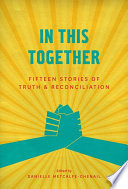
In this together: Fifteen stories of truth & reconciliation,

edited by Danielle Metcalfe-Chenail

Niveau scolaire (Grade level): 10 – 12

Reflective and personal pieces from both Indigenous and non-Indigenous journalists, writers, academics, visual artists, filmmakers, city planners, and lawyers, all of whom share their personal light-bulb moments regarding when and how they grappled with the harsh reality of colonization in Canada, and its harmful legacy. This book acts as a call for all Canadians to make reconciliation and decolonization a priority. (eBook edition)

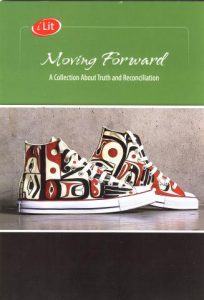
Moving Forward: A collection about truth and reconciliation,

by Tracey MacDonald

Niveau scolaire (Grade level): 10 – 12

This collection includes short stories, poems, essays, and art created by First Nations, Inuit, and Métis authors and artists on the topics of truth and reconciliation as they relate to residential schools. Each selection includes before, during, and after questions and activities that support English Language Arts grades 10 to 12 curricula from across the country. (Teacher’s Resource also available)

Original reports from the Truth and Reconciliation Commission of Canada

Honouring the truth, reconciling for the future: Summary of the final report of the Truth and Reconciliation Commission of Canada,

Niveau scolaire (Grade level): 10 – 12

A summary of the final report of the Truth and Reconciliation Commission (TRC) of Canada. Includes a summary of the commission’s activities, a detailed account of the history and legacy of residential schools, the challenges of reconciliation, and 94 calls to action.

Survivors speak: A report of the Truth and Reconciliation Commission of Canada,

de Cecilia John

Niveau scolaire (Grade level): 10 – 12

As part of its work, the Truth and Reconciliation Commission of Canada provided former students—the Survivors of residential schools—with an opportunity to provide a statement on their experience of residential schooling. This is a volume of excerpts from those statements that was published as part of the Commission’s final report.


Trouver d’autres ressources

Voici quelques conseils pour trouver d’autres ressources dans ce domaine :

  • Sur la page principale du site de la bibliothèque de l’UBC, utilisez la boîte de recherche générale pour rechercher des matériaux à travers toutes les succursales de la bibliothèque de l’UBC.
  • Pour limiter vos résultats aux matériels disponibles à la Bibliothèque de l’éducation, visitez le site web de la Bibliothèque de l’éducation et effectuez une recherche à l’aide de la case “Search Education Resources” située dans la bande à gauche de l’écran.
  • Remarque : les ressources étant principalement cataloguées en anglais, les termes ci-dessous donnent généralement plus de résultats que les recherches effectuées en français. Vous pouvez filtrer votre liste de résultats par langue dans la barre latérale de gauche.
  • Utilisez des termes de recherche spécifiques, tels que
    • “Truth and Reconciliation Commission of Canada”, “Truth commissions — Canada”, “Indigenous peoples AND Canada AND Residential schools”, “Native peoples AND Canada AND Residential schools”, ou “Indigenous peoples AND Education AND Canada”
  • Pour trouver des plans de cours, incluez “lesson plans”, “lesson planning”, or “activity programs” dans vos termes de recherche.

Finding More Resources

To find more resources in this area, try the following:

  • Search using the General tab on the UBC Library website to look for material in all UBC Library branches.
  • Search using “Search Education Resources” box in the left hand bar on the Education Library website to limit your results to physical materials in the Education Library.
  • Use specific search terms, such as
    • “Truth and Reconciliation Commission of Canada”, “Truth commissions — Canada”, “Indigenous peoples AND Canada AND Residential schools”, “Native peoples AND Canada AND Residential schools”, or “Indigenous peoples AND Education AND Canada”
  • To find lesson plans, include “lesson plans”, “lesson planning”, or “activity programs” in your search terms.
Categories
Indigenous Literature and Education

Residential School History and Impact

Listed below are selected teacher resources, picture books, fiction, and non-fiction related to the history and impact of residential schools.

Vous trouverez ci-dessous une sélection de ressources pour les enseignants, de livres d’images, d’ouvrages de fiction et d’ouvrages non romanesques liés à l’histoire et à l’impact des pensionnats.

Teacher Resources (Ressources pour les enseignants)

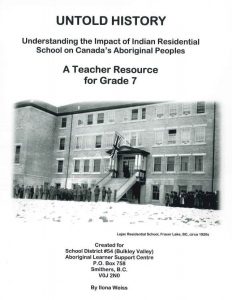
Untold history: understanding the impact of Indian residential school on Canada’s aboriginal peoples,

by Ilona Weiss; edited by Sharon Campbell

Niveau scolaire (Grade level): 7

Presented as a series of lessons created for students to better understand how residential schools impacted Indigenous peoples across Canada. Looking towards gaining compassion and empathy for experiences of the past as well as those that continue to affect Indigenous communities today.

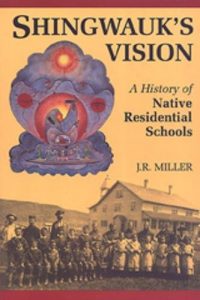
Shingwauk’s vision : history of Native residential schools,

by J.R. Miller

Niveau scolaire (Grade level): K – 12

Starting with the foundations of residential schooling in seventeenth-century New France, Miller traces the modern version of the institution that was created in the 1880s, and, finally, describes the phasing-out of the schools in the 1960s. He looks at instruction, work and recreation, care and abuse, and the growing resistance to the system on the part of students and their families. Based on extensive interviews as well as archival research, Miller’s history is particularly rich in Native accounts of the school system.

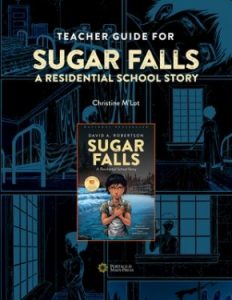
Teacher guide for Sugar Falls: learning about the history and legacy of residential schools,

by Christine M’Lot.

Niveau scolaire (Grade level): 9 – 12

Sugar Falls: A Residential School Story includes sensitive topics (e.g., abuse, trauma); therefore, it is most appropriate for grades 9–12. The activities in this guide are most appropriate for courses such as English Language Arts, Social Studies, History, Global or Contemporary Issues, as well as Current Topics in First Nations, Métis, and Inuit Studies. They could be adapted for use at the university or college level.

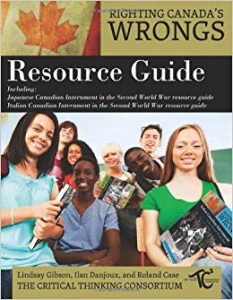
Book cover of Righting Canada's Wrongs Righting Canada’s Wrongs (Resource Guide),

by Lindsay Gibson, Llan Danjoux, and Roland Case

Niveau scolaire (Grade level): 9 – 12

Seven lessons that will engage students while they learn about some of the important events in Canada’s history that helped shape our current multicultural society. Includes support for teaching about Canada’s past treatment of ethnic minorities and how to approach the topic of racism.

The residential school system in Canada: Understanding the past, seeking reconciliation, building hope for tomorrow (Teacher’s guide),

from Northwest Territories. Department of Education, Culture and Employment, Legacy of Hope Foundation, & Nunavut. Department of Education.

Niveau scolaire (Grade level): 10

A teacher guide with twelve activities, each of which helps students examine and develop an understanding of aspects of the history and legacy of the residential school system and participate in the journey towards reconciliation.

Book cover Indian Residential Schools & Reconciliation,

by First Nations Educational Steering Committee (FNESC)

Niveau scolaire (Grade level): 5 & 10 – 12

Teacher resources which are meant to help students attain an understanding of the history of the relationship between Aboriginal and non-Aboriginal people over Canada’s history. The primary learning resources are published literature, enabling a cross-curricular approach employing both Language Arts and Social Studies learning standards.

FNESC Additional Resources: Indian Residential Schools and Reconciliation,

by First Nations Educational Steering Committee (FNESC)

Niveau scolaire (Grade level): Préscolaire –  12 (PreK-12)

A comprehensive list of resources related to “Indian Residential Schools and Reconciliation” prepared by the First Nations Education Steering Committee.

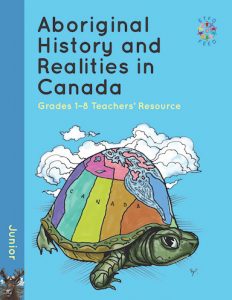
 Aboriginal history and realities in Canada (Teacher Resource),

by Beverly Papove and the Elementary Teachers’ Federation of Ontario

Niveau scolaire (Grade level): 1 – 8

A teachers’ resource for elementary teachers across Ontario to help them present a more accurate representation of both the traditional and the contemporary historical realities that have defined the relationship between First Nations and the dominant cultures of Canada.

Picturebooks

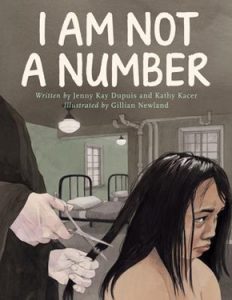
 I am not a number,

by Jenny Kay Dupuis & Kathy Kacer; illustrated by Gillian Newland

Niveau scolaire (Grade level): 2 – 6

When eight-year-old Irene is removed from her First Nations family to live in a residential school she is confused, frightened, and terribly homesick. She tries to remember who she is and where she came from, despite the efforts of the nuns in charge at the school who tell her that she is not to use her own name but instead use the number they have assigned to her.

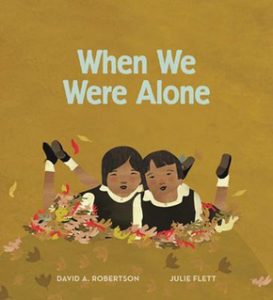
When we were alone,

by David Robertson, illustrated by Julie Flett

Niveau scolaire (Grade level): 1 – 12

When a young girl helps tend to her grandmother’s garden, she begins to notice things that make her curious. Why does her grandmother have long, braided hair and beautifully coloured clothing? Why does she speak another language and spend so much time with her family? As she asks her grandmother about these things, she is told about life in a residential school a long time ago, where all of these things were taken away.

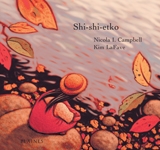
Shi-shi-etko,

by Nicola I. Campbell, illustrated by Kim LaFave

Niveau scolaire (Grade level): 1 – 10

Shi-shi-etko just has four days until she will have to leave her family and everything she knows to attend residential school. She spends her last precious days at home treasuring and appreciating the beauty of her world: the dancing sunlight, the tall grass, each shiny rock, the tadpoles in the creek, her grandfather’s paddle song. Her mother, father, and grandmother, each in turn, share valuable teachings that they want her to remember.

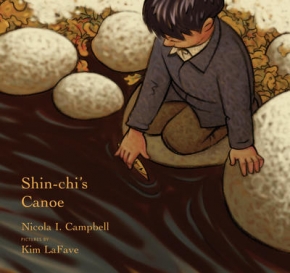
Shin-chi’s canoe,

by Nicola I. Campbell, illustrated by Kim LaFave

Niveau scolaire (Grade level): 1 – 10

A sequel to Shi-shi-etko. Forced to use only people’s English names and not speak to his siblings at school, Shin-chi holds fast to the canoe given to him by his father, hopeful that things will then improve for his family and the people he loves. (Also available in French.)

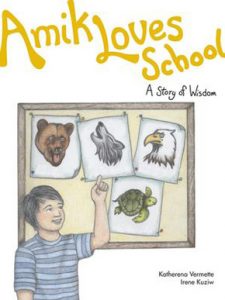
Amik loves school: A story of wisdom,

by Katharina Vermette, illustrated by Irene Kuziw

Niveau scolaire (Grade level): Préscolaire –  3 (PreK-3)

Amik tells Moshoom about his wonderful school. Then his grandfather tells him about the residential school he went to, so different from Amik’s school, so Amik has an idea…

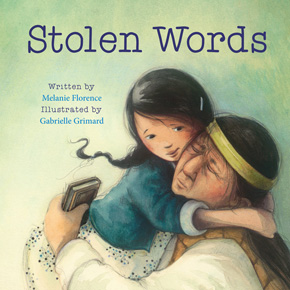
Stolen words,

by Melanie Florence, illustrated by Gabrielle Grimard

Niveau scolaire (Grade level): 1 – 4

When a little girl asks her grandfather how to say something in his language – Cree – he admits that his language was stolen from him when he was a boy. The little girl then sets out to help her grandfather find his language again. (Also available in French.)

Fiction

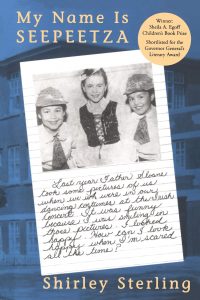
My name is Seepeetza,

by Shirley Sterling

Niveau scolaire (Grade level): 4 – 8

Her name was Seepeetza when she was at home with her family. But now that she’s living at the Indian residential school her name is Martha Stone, and everything else about her life has changed as well. Seepeetza finds bright spots, but most of all she looks forward to summers and holidays at home.

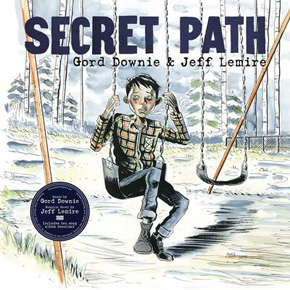
Secret path,

by Gord Downie & Jeff Lemire

Niveau scolaire (Grade level): 6 – 11

Secret Path is a ten song album by Gord Downie with a graphic novel by illustrator Jeff Lemire that tells the story of Chanie “Charlie” Wenjack, a twelve-year-old boy who died in flight from the Cecilia Jeffrey Indian Residential School fifty years ago.

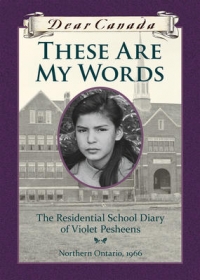
These are my words: The residential school diary of Violet Pesheens,

by Ruby Slipperjack

Niveau scolaire (Grade level): 5 – 7

Violet is struggling to adjust to her new life at residential school. She misses her Grandma; she has run-ins with Cree girls; at her “white” school, everyone just stares; and everything she brought has been taken from her, including her name-she is now just a number. But worst of all, she has a fear. A fear of forgetting the things she treasures most, and a fear of forgetting who she was. Her notebook is the one place she can record all of her worries, and heartbreaks, and memories. (Also available in French.)

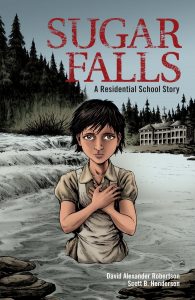
Sugar Falls: A residential school story,

by David Alexander Robertson, illustrated by Scott B. Henderson, original storyboards by Scott Keewatin Sanderson

Niveau scolaire (Grade level): 9 – 12

Abandoned as a young child, Betsy was soon adopted into a loving family. A few short years later, at the age of 8, everything changed. Betsy was taken away to a residential school. There she was forced to endure abuse and indignity, but Betsy recalled the words her father spoke to her at Sugar Falls — words that gave her the resilience, strength, and determination to survive.

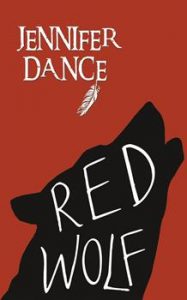
Red wolf,

by Jennifer Dance

Niveau scolaire (Grade level): 9 – 12

Starving and lonely, an orphaned timber wolf is befriended by a boy named Red Wolf. But under the Indian Act, Red Wolf is forced to attend a residential school far from the life he knows, and the wolf is alone once more. Courage, love and fate reunite the pair, and they embark on a perilous journey home.

Non-Fiction

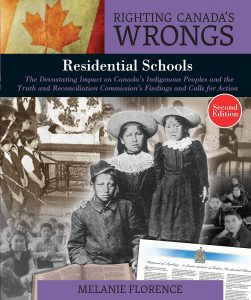
Residential schools: the devastating impact on Canada’s Indigenous Peoples and the Truth and Reconciliation Commission’s findings and calls for action,

by Melanie Florence

Niveau scolaire (Grade level): 4 – 6

Through historical photographs, documents, and first-person narratives from First Nations, Inuit, and Metis people who survived residential schools, this book offers an account of the injustice of this period in Canadian history, and documents how this official racism was confronted and finally acknowledged.

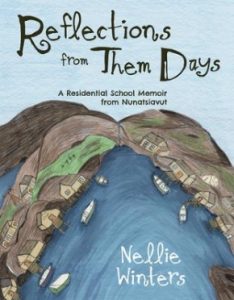
Reflections from them days: a residential school memoir from Nunatsiavut,

by Nellie Winters; transcribed and edited by Erica Oberndorfer; illustrated by Nellie Winters

Niveau scolaire (Grade level): 5 – 9

When Nellie Winters was 11 years old, she was sent to attend the Nain Boarding School, a residential school 400 kilometres from her home. In this memoir, she recalls life before residential school, her experiences at the school, and what it was like to come home.

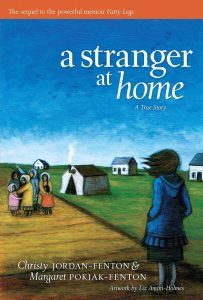
A stranger at home: A true story,

by Christy Jordan-Fenton and Margaret Pokiak-Fenton, artwork by Liz Amini-Holmes

Niveau scolaire (Grade level): 4 – 7

Traveling to be reunited with her family in the Arctic, 10-year-old Margaret Pokiak can hardly contain her excitement. It’s been two years since her parents delivered her to the school run by the dark-cloaked nuns and brothers. Coming ashore, Margaret spots her family, but her mother barely recognizes her, screaming, “Not my girl.” Margaret realizes she is now marked as an outsider. (Also available in French.)

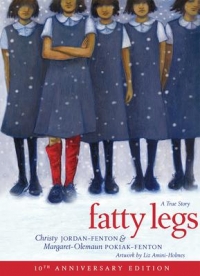
Fatty legs: A true story,

by Christy Jordan-Fenton and Margaret Pokiak-Fenton, artwork by Liz Amini-Holmes

Niveau scolaire (Grade level): 4 – 8

When she was very young, Margaret travelled with her father to Aklavik and was mesmerized by the vision of dark-cloaked nuns and pale-skinned priests. She begged her father to let her go to the outsiders’ school. But Margaret was unprepared for the oppression and pain she was to face during those difficult years.

A knock on the door: The essential history of residential schools from the Truth and Reconciliation Commission of Canada,

by the National Centre for Truth and Reconciliation

Niveau scolaire (Grade level): 9 – 12

Explores a range of areas studied by the TRC, including the history of residential schools, the students’ experiences, the schools’ legacy, and reconciliation and calls to action. (E-book only)

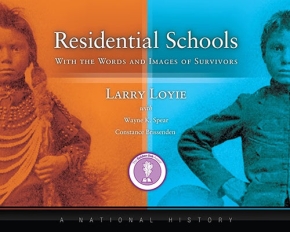
Residential schools: With the words and images of survivors,

by Larry Loyie, with Wayne K. Spear and Constance Brissenden

Niveau scolaire (Grade level): 9 – 12

Loyie, a residential school survivor, gathers memories of residential schools from over 70 former students and family members, along with over 125 images, including some from the collections of survivors. Includes a map of residential school locations, a key dates poster, and a glossary of terms.

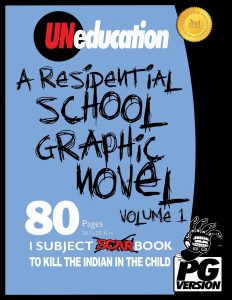
UNeducation,

by Jason EagleSpeaker

Niveau scolaire (Grade level): 8 – 10

A graphic novel chronicling of an Indigenous family’s government-sanctioned exploitation in the residential school system.

Original reports from the Truth and Reconciliation Commission of Canada

Honouring the truth, reconciling for the future: Summary of the final report of the Truth and Reconciliation Commission of Canada,

Niveau scolaire (Grade level): 10 – 12

A summary of the final report of the Truth and Reconciliation Commission (TRC) of Canada. Includes a summary of the commission’s activities, a detailed account of the history and legacy of residential schools, the challenges of reconciliation, and 94 calls to action.

Survivors speak: A report of the Truth and Reconciliation Commission of Canada,

de Cecilia John

Niveau scolaire (Grade level): 10 – 12

As part of its work, the Truth and Reconciliation Commission of Canada provided former students—the Survivors of residential schools—with an opportunity to provide a statement on their experience of residential schooling. This is a volume of excerpts from those statements that was published as part of the Commission’s final report.


Trouver d’autres ressources

Voici quelques conseils pour trouver d’autres ressources dans ce domaine :

  • Sur la page principale du site de la bibliothèque de l’UBC, utilisez la boîte de recherche générale pour rechercher des matériaux à travers toutes les succursales de la bibliothèque de l’UBC.
  • Pour limiter vos résultats aux matériels disponibles à la Bibliothèque de l’éducation, visitez le site web de la Bibliothèque de l’éducation et effectuez une recherche à l’aide de la case “Search Education Resources” située dans la bande à gauche de l’écran.
  • Remarque : les ressources étant principalement cataloguées en anglais, les termes ci-dessous donnent généralement plus de résultats que les recherches effectuées en français. Vous pouvez filtrer votre liste de résultats par langue dans la barre latérale de gauche.
  • Utilisez des termes de recherche spécifiques, tels que
    • “Off-reservation boarding schools AND Canada”, “Native peoples AND Cultural Assimilation AND Canada”, “Indigenous peoples AND Canada AND Residential schools”, “Native peoples AND Canada AND Residential schools”, ou “Indigenous peoples AND Education AND Canada”
  • Pour trouver des plans de cours, incluez “lesson plans”, “lesson planning”, or “activity programs” dans vos termes de recherche.

Finding More Resources

To find more resources in this area, try the following:

  • Search using the General tab on the UBC Library website to look for material in all UBC Library branches.
  • Search using “Search Education Resources” box in the left hand bar on the Education Library website to limit your results to physical materials in the Education Library.
  • Use specific search terms, such as
    • “Off-reservation boarding schools AND Canada”, “Native peoples AND Cultural Assimilation AND Canada”, “Indigenous peoples AND Canada AND Residential schools”, “Native peoples AND Canada AND Residential schools”, and “Indigenous peoples AND Education AND Canada”
  • To find lesson plans, include “lesson plans”, “lesson planning”, or “activity programs” in your search terms.
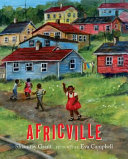
Categories
Social Studies

Rights, Roles, and Responsibilities

Listed below are selected teacher resources, picture books, fiction, and non-fiction related to rights, roles, and responsibilities.

Teacher Resources

Rights, roles and responsibilities at school: A unit exploring the responsibilities of various school roles, including students’ own responsibilities, in helping to meet other students’ needs

by various authors and the BC Ministry of Education

Grades: K-3

The nine critical thinking challenges in this unit explore the responsibilities of various school roles, including students’ own responsibilities, particularly in the school and classroom environment. For more in the “Critical challenges across the curriculum series”, click here.

A critical inquiry framework for K-12 teachers: Lessons and resources from the U.N. Rights of the Child

edited by JoBeth Allen and Lois Alexander

Grades: K-12

Provides ideas to guide pedagogy and a curriculum model for helping students connect with issues in their lives while meeting standards. Illustrates how teachers used a human rights framework to engage students in critical inquiry of relevant social issues, such as immigration rights, religious tolerance, racial equality, countering the effects of poverty, and respect for people with disabilities. Chapters highlight lively classroom and community action projects.

ABC teaching human rights: Practical activities for primary and secondary schools

by Ohchr

Grades: K-12

Offers practical advice to teachers and other educators who want to foster human rights awareness and action among primary and secondary students, including suggestions for developing learning activities.

Educating for human rights and global citizenship

edited by Ali A. Abdi and Lynette Shultz (eBook)

Grades: K-12

While human rights violations continue to affect millions across the world, there are also ongoing contestations regarding citizenship. In response to these and related issues, the contributors to this book critique both historical and current practices and suggest several pragmatic options, highlighting the role of education in attaining these noble yet unachieved objectives.

Caring for young people’s rights

by Jan Nicol, Dan Kirk, and Lindsay Gibson

Grades: 7-12

This resource fosters understanding of the nature and range of basic human rights and appreciation of the importance of protecting these rights. Human rights are personalized through real-life profiles of young people in a variety of developing countries. Includes comprehensive lesson plans on evaluating and securing the rights of young people. For more in the “Critical challenges across the curriculum series”, click here.

Picture Books

The thundermaker

written and illustrated by Alan Syliboy

Grades: K-4

Little Thunder learns the importance of responsibility as his father teaches him, and then passes on, the role of Thundermaker.

An unusual thrill on Parliament Hill: The responsibility to respect the rights of others

written by Dustin Milligan, illustrated by Meredith Luce

A raccoon named Arahkun travels all the way to Ottawa, along with a group of young Canadians, to tour Parliament Hill. Things get out of control along the way. Offers children a basic understanding of the Canadian Charter of Rights and Freedoms. For more in the “Charter for children series”, click here.

Viola Desmond won’t be budged!

written by Jody Nyasha Warner, illustrated by Richard Rudnicki

Grades: K-4

In Nova Scotia, in 1946, an usher in a movie theatre told Viola Desmond to move from her main floor seat up to the balcony. She refused. This nonfiction bookchronicles the life of the Canadian civil rights pioneer. See also Meet Viola Desmond.

We are all born free: The Universal Declaration of Human Rights in pictures

by Amnesty International

Grades: 1-4

A book of the Universal Declaration of Human Rights, each accompanied a different artists’ illustration.

Keeper of the light

written by Janet Barkhouse, illustrated by Thérèse Cilia

Grades: 3-8

Following her father’s death, eleven-year-old Sara goes to work for the Mosher family helping clean, maintain and keep the light. When a storm approaches Sara is left alone with the great responsibility of keeping the light for the seafarers.

Fiction

Shu-Li and Digeo

written by Paul Yee, illustrated by Shaoli Wang

Grades: 2-4

Shu-Li and her friend Diego take on the responsibility of caring for the neighbour’s dog while he’s in the hospital, but the dog slips out of his collar. Shu-Li and Diego have to figure out how to take responsibility for their actions and tell the truth.

X marks the spot

written by Jeff Szpirglas and Danielle Saint-Onge, illustrated by Dave Whamond

Grades: 2-4

Leo loves to make maps and experiment with new ways of getting around the schoolyard but he sometimes gets sidetracked which can lead to getting in trouble. When Leo’s teacher, Mr. Chang, announces he’ll be giving out an award for responsibility, Leo is determined to redeem himself. The upcoming class field trip to the woods seems like the perfect opportunity but when two of Leo’s classmates wander out of bounds, Leo is faced with a tough decision.

Three feathers

written by Richard Van Camp, illustrated by K. Mateus

Grades: 10-12

Three young men have vandalized their community and are sent by its Elders to live nine months on the land as part of the circle sentencing process. There, the young men learn to take responsibility for their actions and acquire the humility required to return home. But, when they do return, will they be forgiven for what they’ve done? For more in the “Debwe” series, click here.

Non-fiction

Relationships and responsibilities: In your country

by Janet Gurtler

Grades: 1-3

This book explores what it means to be a citizen of Canada, as well as the responsibilities that come with that citizenship.

Relationships and responsibilities: In your community

by Janet Gurtler

Grades: 1-3

This book explores what it means to be part of a community, as well as the responsibilities that come with that membership.

Gay and lesbian history for kids: The century-long struggle for LGBT rights

with 21 activities, by Jerome Pohlen

Grades: 5-8

Each chapter discusses an era in the struggle for LGBT civil rights from the 1920s to today. The history is told through personal stories and firsthand accounts of the movement’s key events, such as the Stonewall Inn uprising and the AIDS crisis and some of its key figures. Also includes 21 activities based on the content of the book. See also LGBTQ Rights.

Children’s rights

by Robyn Michaud-Turgeon and Michael F. Stewart

Grades: 6-9

Part of the Issues 21 series, which examines contemporary issues in society in order to develop students’ skills in the areas of critical thinking, creativity, communication, collaboration, ethical citizenship and activism. Includes 6 student books and a teacher’s guide.

Discrimination

by Tom Henderson

Grades: 6-9

Part of the Issues 21 series, which examines contemporary issues in society in order to develop students’ skills in the areas of critical thinking, creativity, communication, collaboration, ethical citizenship and activism. Includes 6 student books and a teacher’s guide.

Freedom vs. security

by Craig Harding and Glyn Hughes

Grades: 6-9

Part of the Issues 21 series, which examines contemporary issues in society in order to develop students’ skills in the areas of critical thinking, creativity, communication, collaboration, ethical citizenship and activism. Includes 6 student books and a teacher’s guide.

Oppression of women

by Ruby Lee

Grades: 6-9

Part of the Issues 21 series, which examines contemporary issues in society in order to develop students’ skills in the areas of critical thinking, creativity, communication, collaboration, ethical citizenship and activism. Includes 6 student books and a teacher’s guide.

Poverty

by Craig Harding and Glyn Hughes

Grades: 6-9

This book explores what the causes of poverty are, and how we can work together to make a difference. Part of the Issues 21 series. Includes 6 student books and a teacher’s guide.


Finding More Resources

To find more resources in this area, try the following:

  • Search using the General tab on the UBC Library website to look for material in all UBC Library branches.
  • Search using “Search Education Resources” box in the left hand bar on the Education Library website to limit your results to materials in the Education Library.
  • Use specific search terms to narrow your results, such as “Gay rights”, “Children’s rights”, “Human rights–Study and teaching”, “Responsibility–Juvenile fiction”
  • To find lesson plans, include “lesson plans”, “lesson planning”, or “activity programs” in your search terms.
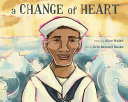
For more help with searching, please visit the Library Service Desk or e-mail ed.lib@ubc.ca.

Categories
Social Studies

Media Literacy and Media Studies

Listed below are selected teacher resources, picture books, fiction, and non-fiction related to media literacy and media studies.

Teacher Resources

Media education for a digital generation

edited by Julie Frechette and Rob Williams

Grades: 6-12

This book argues that the goals for comprehensive and critical digital literacy require grasping the means through which communication is created, deployed, used, and shared, regardless of which tools or platforms are used for meaning making and social interaction. Drawing upon the intersecting matrices of digital literacy and media literacy, the volume provides a framework for developing critical digital literacies by exploring the necessary skills and competencies for engaging students as citizens of the digital world. (E-book only)

Media literacy education in action: Theoretical and pedagogical perspectives

edited by Belinha S. DeAbreu and Paul Mihailidis

Grades: K-12

Featuring a mix of perspectives, this book explores the divergent ways in which media literacy is connected to educational communities and academic areas in both local and global contexts. The volume is structured around seven themes: Media Literacy: Past and Present; Digital Media and Learning; Global Perspectives; Public Spaces; Civic Activism; Policy and Digital Citizenship; and Future Connections. (E-book only)

Media literacy, social networking, and the Web 2.0 environment for the K-12 educator

by Belinha S. DeAbreu

Grades: K-12

This book uses the theme of media literacy as a lens through which to view and discuss social networking and Web 2.0 environments. There is ongoing and positive research on the participatory culture created by youth who are heavily involved in the new digital technologies, yet schools tend to avoid these mediums for fear of the unknown. Can students learn within this context? This book posits that indeed they can, using media literacy as a way to provide a framework for these mediated environments.

Global media literacy in a digital age: Teaching beyond borders

edited by Belinha S. DeAbreu and Melda N. Yildiz

Grades: K-12

How do we connect with one another? How do the media portray different cultures and beliefs? What messages are often omitted from media? How do we connect what we see in the worldwide media to the classroom? This book, divided into four parts, serves to answer many of these questions. This resource provides a look at how media literacy education has become a global and interconnected dialogue brought about by the evolution of technology.

Close reading the media: Literacy lessons and activities for every month of the school year

by Frank W. Baker

Grades: 6-9

This book will help teachers work with middle school students to become savvy consumers of the TV, print, and online media bombarding them every day. Students will learn to think critically about photos, advertisements, and other media and consider the intended purposes and messages. Topics include helping students detect fake news, unraveling the messages in TV advertising, and looking at truth vs propaganda in political ads and debates. (E-book only)

Media literacy: New agendas in education

edited by Kathleen Tyner

Grades: K-12

This volume explores how educators can leverage student proficiency with new literacies for learning in formal and informal educational environments. It also investigates critical literacy practices that can best respond to the proliferation of new media in society, and what sorts of media education are needed to deal with the rapid influx of intellectual and communication resources. (E-book only)

Media and digital literacies in secondary school

by Reijo Kupiainen

Grades: 9-12

Young people bring their own media and literacy practices to the school as an important part of an identity, taste, and social life. This book highlights youth’s media production practices, from photography and video making to fan fiction writing and online role-playing, and shows how these practices make a dialog between informal and formal learning and that teachers have an important part in collaborative relationships with pupils when teachers encourage and motivate pupils and help them to understand media phenomena.

Argument in the real world: Teaching adolescents to read and write using digital texts

by Kristin Hawley Turner and Troy Hicks

Grades: 9-12

Digital texts influence what students buy, who they vote for, and what they believe about themselves and their world. In this book, the authors draw from real world texts and samples of student work to share insights and practical strategies in teaching students the logic of argument, whether those arguments are streaming in through a Twitter feed, a viral videos, or internet memes.

Fiction

Media meltdown: A graphic guide adventure

written by Liam O’Donnell, illustrated by Mike Deas

Grades: 4-8

When Karl Reed, Owner of Oasis Developments, tries to force the sale of a local fruit farm — through whatever means necessary — Pema, Bounce and Jagroop decide to expose him through the media. Little do they realize that when it comes to the news and the advertisers who make it possible, the truth is not always part of the story and nothing can be taken at face value.

Non-fiction

Power of the media

by Brooke Moore and Tara Smith

Grades: 6-9

Part of the Issues 21 series, which examines contemporary issues in society in order to develop students’ skills in the areas of critical thinking, creativity, communication, collaboration, ethical citizenship and activism. Includes 6 student books and a teacher’s guide.

Digital world

by Glen Downey

Grades: 6-9

This book explores how to evaluate the effect of digital technologies on the way we think and interact. Part of the Issues 21 series. Includes 6 student books and a teacher’s guide.

Choosing news: What gets reported and why

by Barb Palser

Grades: 5-8

More news sources are available to us than ever before. But who decides what is news? Learn to identify good news sources and watch for slant. Don’t be fooled! Make sure your sources tell the real story. Part of the Exploring media literacy series.

Advertising attack

by Laura J. Hensley

Grades: 5-8

From simple signs to risky stunts, advertising takes many forms. Sometimes the message is confusing; sometimes it’s unforgettable. This book explores, the strategies, techniques, and tricks companies use to influence what we buy.

Made you look: How advertising works and why you should know

written by Shari Graydon, illustrated by Michelle Lamoreaux

Grades: 5-8

From the earliest roots of advertising to the undercover marketers of the 21st century, the authors shows where ads come from, how they work, and why kids need to be informed. Bursting with real-life examples, thought-provoking questions, and plenty of tips to empower young consumers, this book is every kid’s ultimate guide to the advertising universe.


Finding More Resources

To find more resources in this area, try the following:

  • Search using the General tab on the UBC Library website to look for material in all UBC Library branches.
  • Search using “Search Education Resources” box in the left hand bar on the Education Library website to limit your results to materials in the Education Library.
  • Use specific search terms to narrow your results, such as “digital media”, “social media”, “effect of technological innovations on popular culture”, “media literacy – study and teaching”, or “mass media in education”.
  • To find lesson plans, include “lesson plans”, “lesson planning”, or “activity programs” in your search terms.
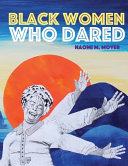
For more help with searching, please visit the Library Service Desk or e-mail ed.lib@ubc.ca.
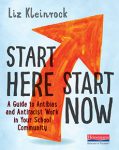
Spam prevention powered by Akismet