A Little bit of Science That’s the Bee’s Knees

The human knee is a delicate structure, and those who have played sports or done any activities that are high impact know it better than anyone. They’ve felt the pain during the activity, felt sore for weeks after, and have thought to themselves whether or not the activity was sustainable – whether it would be possible to enjoy it into their old age, or whether instead it would render them immobile for their later years. There is hope though, as a new surgical technique in the works has shown to significantly help with cartilage regeneration.

photo

A model of a knee joint. Holly Anissa via Flickr.

The knee is one the most complex joints in the body, and is the meeting place of the femur, the tibia, and the fibula, and is composed of bone, muscle, ligament, tendon, and cartilage. It contains four ligaments (LCL, PCL, ACL, MCL), responsible for the stabilization of the knee joint, a number of tendons, and two large pieces of cartilage that are responsible for absorbing shock and bearing weight.

YouTube Preview Image

I wonder if he’ll be able to do that again in twenty years?

Courtesy of Teebzguy via Youtube

The prognosis isn’t the best for athletes (both amateur and professional) that participate in a number of popular sports, the highest incidence of knee injury resulting from participation in Football, Skiing, Basketball, Rugby, and Soccer. Although very common injuries include the tearing of the Anterior Cruciate Ligament (ACL) and the Medial Collaterial ligament (MCL), cartilage damage is still a very large concern for both athletes as well as the medical community taking care of such injuries. Due to the strenuous forces associated with these high impact sports, over time, the two large pieces of cartilage in the knee wear down. For some athletes, if left untreated, these pieces of cartilage can wear down completely, until all that is left is bone. When this occurs, simple movements of the knee will result in excruciating pain, as the femur, tibia, and fibula all grind together.

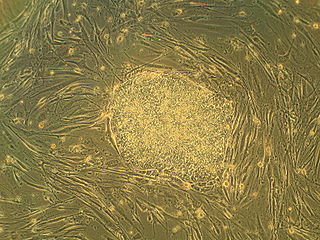
There is good news though! A game changing technique coming out of Johns Hopkins University has proven to lead to significantly higher cartilage regeneration than previously used techniques. Current cartilage repair is undergone by drilling tiny micro holes into surrounding bone, in an attempt to allow the stem cells inside the bones to seep out and form into new cartilage. A study, headed by Blanka Sharma, shows that this old technique led to an average of 64% of the tissue being replaced. The new technique, however, employs the use of a hydrogel along with the drilling, and has shown to lead to an average of 86% of tissue regeneration. Jennifer Elisseeff, Ph.D, along with a number of her co-workers speculated that the old technique was ineffective because it lacked structure for the stem cells to grow on. After years of laboratory testing, the first trial proved a success, MRIs showing there to be no mal-effects associated with the hydrogel implants as well as the increased tissue regeneration.

The technique is still waiting for European approval, and for the time being has been taken over by an independent American company, Biomet. Jennifer Elisseeff, Ph.D has high hopes for the technique, stating that she hopes that “it will become a routine part of care and improve healing”.

Going bananas!

Bunch of bananas by Ian Ransley via Flickr Creative Commons

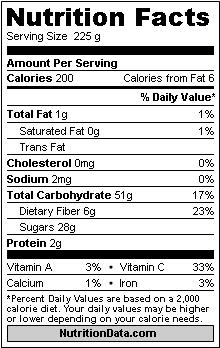
There are more to bananas than what meets the eye as recent studies have shown that bananas can help fight cancer. Bananas are very nutritious and contain a fair amount of vitamin C, vitamin B6, potassium, as well as dietary fiber. It doesn’t just stop there; it is low in saturated fat, sodium and cholesterol and as the bananas ripens the amount of antitoxins increases.

Banana’s nutritional values via http://nutritiondata.self.com/facts/fruits-and-fruit-juices/1846/2

While most people eat bananas as part of their daily fruit and vegetable intake, bananas are found to be beneficial to the human body. Research have shown that bananas provide health benefits such as relieving morning sickness, lowering blood pressure, increasing nutrient absorption, maintaining a healthy digestive tract — and most surprisingly, it helps prevent cancer.

Take a look below at Dr. Willie T. Ong’s health blog regarding the benefits of bananas.

YouTube Preview Image

From YouTube user: Kindguymd

A type of cancer scientists have associated with bananas is a type of kidney cancer called renal cell carcinoma, also known as hypernephroma. The tumours can travel to other areas of the body if they get into the lymph nodes (a process called metastasis), and the degree of spreading is categorized by the different stages of cancer. A cohort study done by van Dijk et al. explores the relationship between vegetable and fruit consumption and the risk of renal cell carcinoma. Although through their findings they found no association between total vegetable and/or fruit consumption, they did find that bananas have a protective effect. Furthermore, they mention another cohort study that has found statistically significant inverse association between bananas and renal cell carcinoma as well as previous reviews concluding a reduced renal cell carcinoma risk with vegetable and fruit consumption.

And there you have it! Start snacking on those bananas! Maybe next time when you’re eating a banana, you won’t think of it as merely a fruit!

For further readings regarding the studies on bananas and cancer see here.

– Alice Lin

Is Botox Safe?

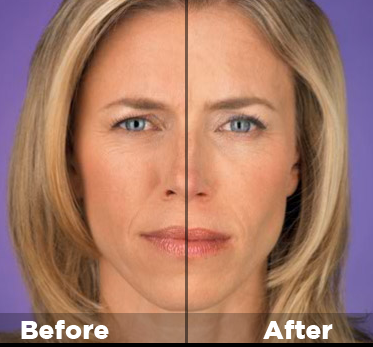
Effect of Botox (Source: http://www.rejuvmedical.com/pages/BotoxCosmetic/)

Everyday term “Botox” is not the correct term of therapy, but the trade name of Botulinum toxin A, a protein and neurotoxin. Botulinum toxin A is secreted by anaerobic bacteria, called clostridium botulinum. This toxin deters the secretion of acetylcholine from the endings of the motor nerves. The main function of acetylcholine is to transmit a nerve impulse to a muscle, causing it to contract. Thus, the blockage of the neurotransmitter leads to paralysis and relaxation of the applicable muscle. This feature makes the Botox be used widespread for cosmetic use as well as medical use, for it removes wrinkles, and smoothes out facial lines, giving skin a smoother appearance. There has been a controversy whether the Botox is a safe and effective procedure or not because the toxin causes a fatal illness to humans and animals.

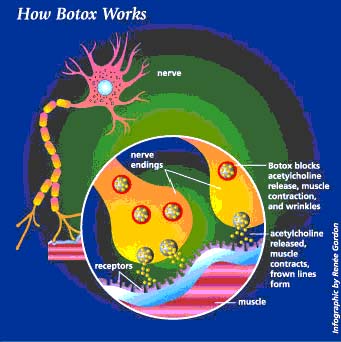
Image of how botox works (Source: http://www.odec.ca/projects/2004/tsej4j0/public_html/process2.html)

Generally, some health groups are against the use of Botox to prevent aging. These groups often point out that Botox is made up of commercialized Botulinum toxin A, which is proven to be poisonous and life threatening to organisms. This is indeed true. However, to accurately examine the safety and effectiveness of using Botox, we need to look at how cell biology mechanism of the toxin works. Botulinum toxin type A has both heavy chain and light chain. It uses its heavy chain in order to bind to acceptor sites on motor nerve terminals and enter a neuron through endocytosis. Using the protease activity of the light chain, Botulinum toxin A cleaves and degrades the SNAP-25 protein, which is needed to release neurotransmitters, particularly acetylcholine, from vesicles that are located in the axon endings. This results in the disruption of the release of acetylcholine that transmits a nerve impulse to a muscle, causing it to contract. Consequently, paralysis and relaxation of the applicable muscle happens for about four months.

From the mechanism above, when used in therapeutic dose, Botox does not cause serious and harmful problems to humans. In fact, pharmacological Botulinum toxin A has an excellent safety record. The most common and main side effects of Botulinum toxin A are injection site pain and bruising. Its estimated lethal dose for human beings is within the range of 2500–3000 units. Furthermore, it has been long time since Botox was approved by the FDA. It was first approved by the FDA as treatment for blepharospasm in 1989, and then for dystonia and hyperhidrosis in 2000. Finally, in 2002, Botox was approved as the cosmetic enhancement. The effectiveness of Botulinum toxin A in treating diseases is clearly exhibited by the study done by Carruthers, JA.

In conclusion, the use of Botulinum toxin A in cosmetic facial procedures and medical use is very reliable. It is very safe since typical dosage for cosmetic use is 20-50 units while lethal dose is 2500–3000 units for humans. Use of Botox in a safe and effective manner depends on how patients follow the procedures under authorized health care providers.

YouTube Preview Image

This shows how botox is safe and used in many ways by dermatologist Dr Barry Lycka. (This video is from the youtube username Barry Lycka.)

-Jong Jin Park

Easier Alternatives to Cardio?

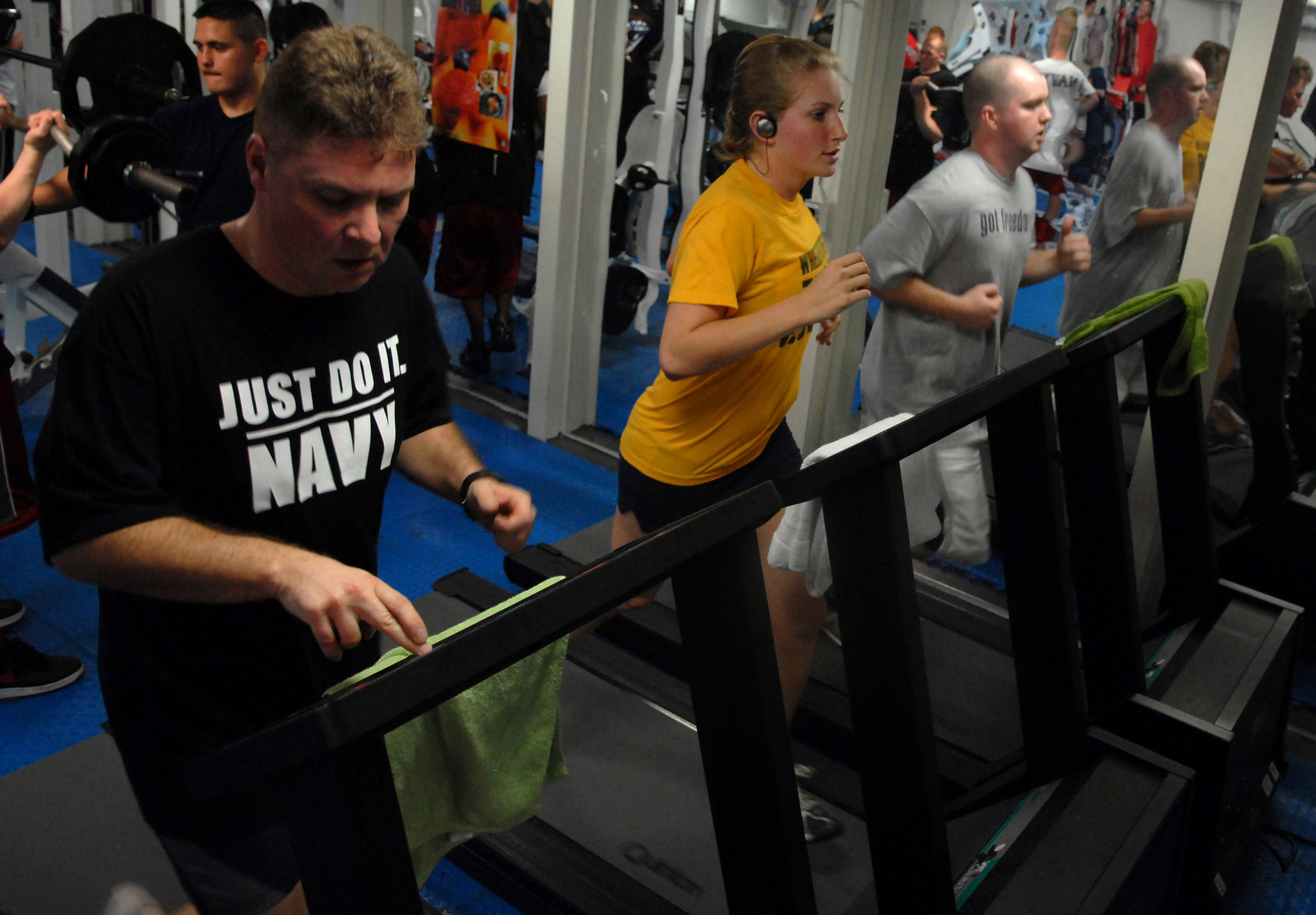
About 2 weeks have passed since the start of a new year and gyms everywhere have been consistently filled with hopefuls who are determined to improve their overall body composition in time for the upcoming beach season. These trainees often make treadmills and stationary bikes their home away from home, dedicating countless hours in a day in order to burn off that extra bit of unwanted fat.

Runners on treadmills. Author: Mass Communication Specialist 2nd Class Joseph M. Buliavac, via Wikimedia Commons.

Despite the amount of hard work and effort put it by plenty of gym-goers, gym attendance unfortunately declines as the year progresses. Many people lose hope due to their obtained results not living up to their initial expectations. While fat loss is no walk in the park, it definitely is not the nightmare many people seem to think it is.

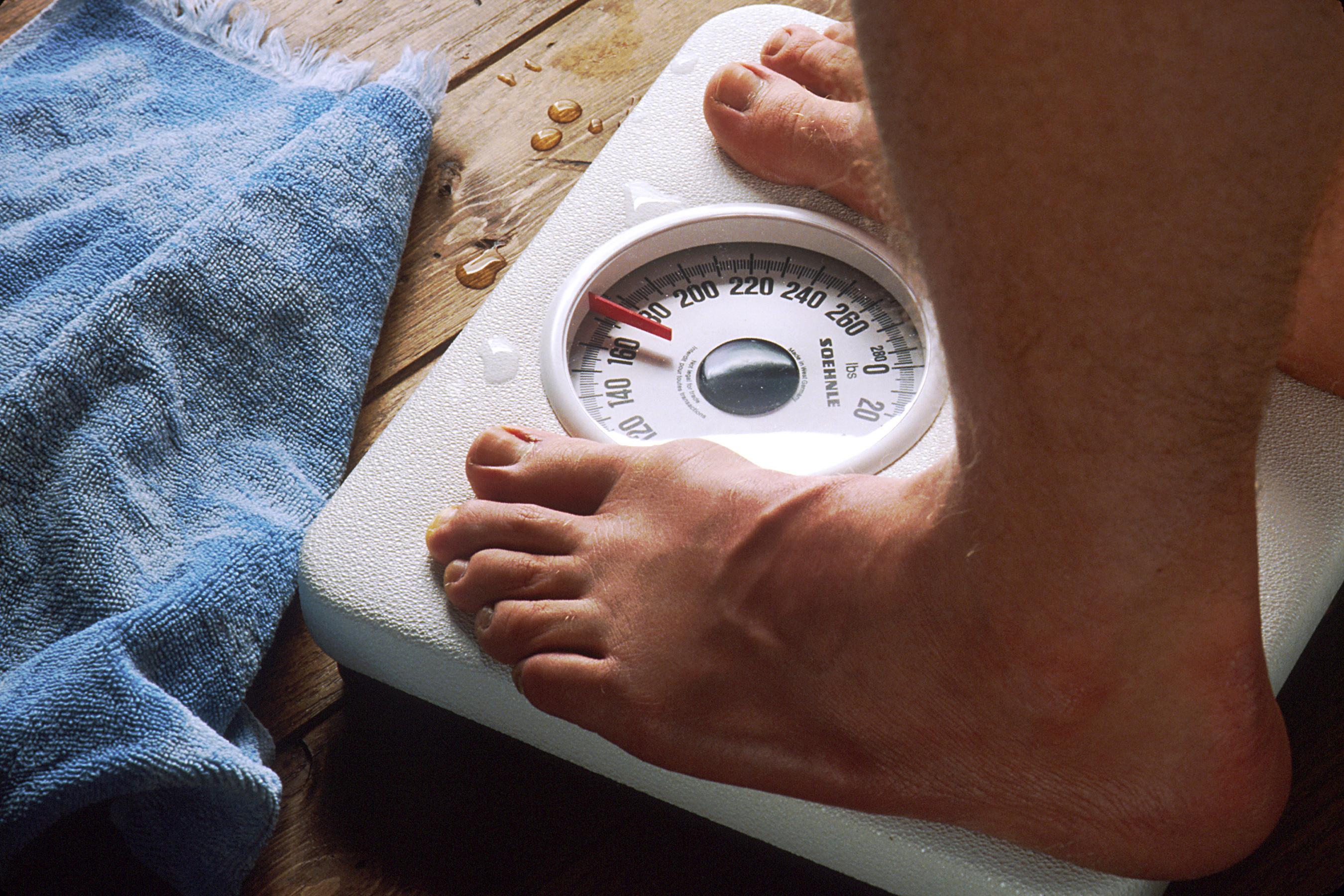
Standing on a weigh scale. Author: Bill Branson, National Cancer Institute, via Wikimedia Commons

If you were to ask anyone off the street, they would most likely mention that hours upon hours of running or biking is the key to fat loss. However, a more efficient strategy to improve one’s body composition could be defined in two parts. The first component involves setting caloric restrictions on an individual’s diet to achieve body fat reduction. In order to do this, you need calculate your body’s total daily caloric requirements and aim to eat below this amount. Mifflin et al. proposed the following equation to calculate this number:

For men:
BMR = [9.99 x weight (kg)] + [6.25 x height (cm)] – [4.92 x age (years)] + 5
For women:
BMR = [9.99 x weight (kg)] + [6.25 x height (cm)] – [4.92 x age (years)] -161

In the above formulas, BMR stands for basal metabolic rate. This value represents the minimum amount of calories your body needs to consume in order to maintain vital processes like breathing and gastrointestinal activity. Mifflin et al. multiplied the results of the BMR equation by an activity factor ,  which was based on the lifestyle of the individual,  to determine the total amount of calories required for the entire day.

Studies have shown that by simply reducing daily food intake  below an individual’s total daily caloric requirement over a period of 24 weeks resulted in a 27% decrease in total fat mass in men and a 22% decrease in total fat mass in women. This loss in fat was independent of the amount of cardiovascular exercise done by participants of the study.

An overview of caloric intake vs caloric output. (attributed to Youtube user: leanbodylifestyle)

YouTube Preview Image
While it is true that you can lose fat on a calorie restrictive diet alone, it doesn’t mean one can’t lose muscle mass as well. The second part of the strategy to improve body composition is the incorporation of resistance training which can help retain an individual’s useful lean body mass. In the study above, participants that underwent daily caloric restrictions and resistance training 3 days a week still exhibited overall body fat reduction and their ability to lift weights showed no signs of decrease for the entire duration of the 8 week study.

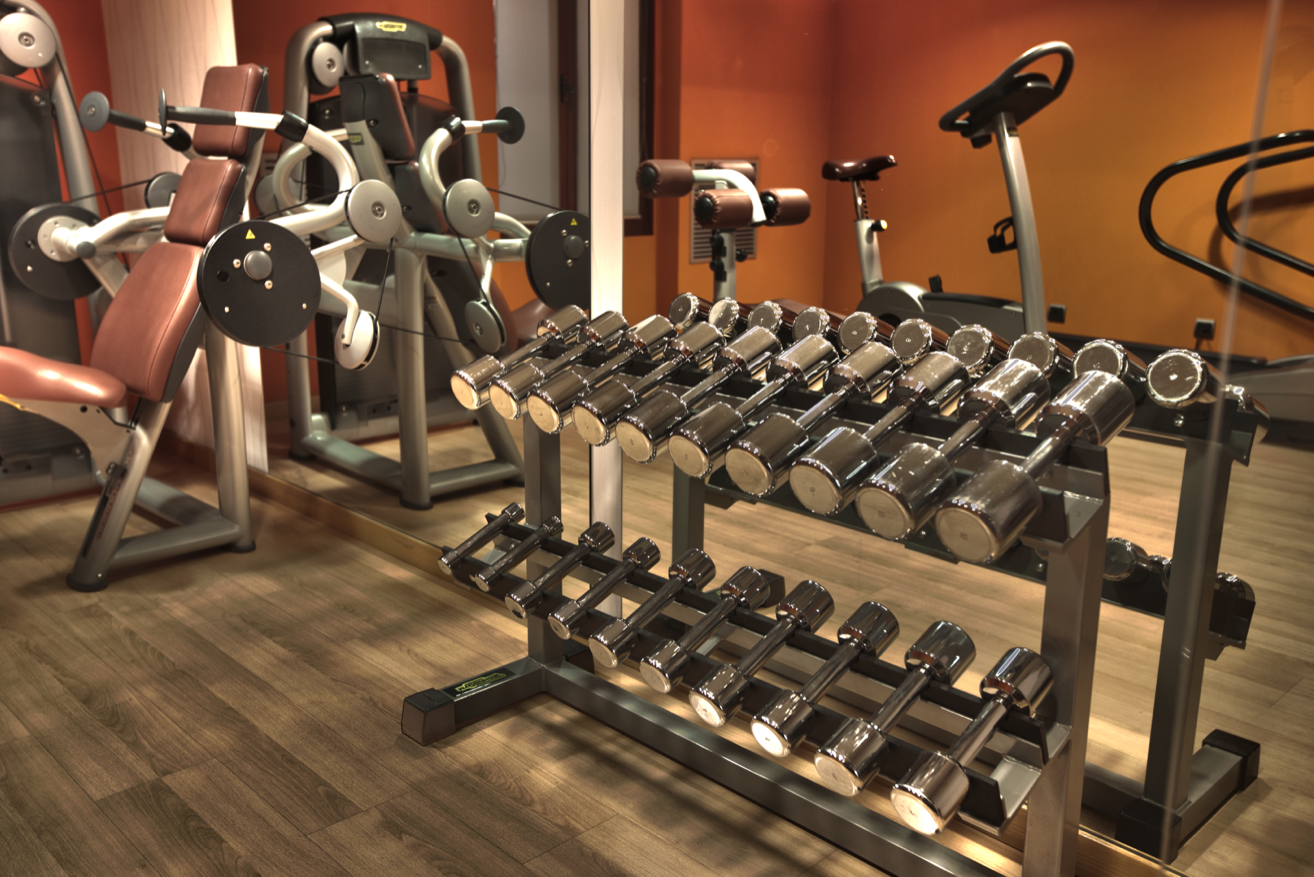
Dumbbells on a rack. Author: www.spreadfilms.de (Own work) [CC-BY-SA-3.0 (http://creativecommons.org/licenses/by-sa/3.0)], via Wikimedia Commons

Although the benefits of doing cardiovascular activity on a regular basis are important, its excessive use should not be seen as an individual’s main tool for reducing fat around the body. Instead, by monitoring what you eat and adding some weight training into the mix, you can make the journey towards improving health and fitness a bit more bearable.

-Earvin Remandaban


Is the Earth’s climate changing?

We keep hearing that the climate is changing, but we are not very exposed to the evidence that support this. We are aware that the Earth is warming, however it is not warming uniformly all over the planet, and some regions have experienced more warming than others. Generally, land areas have warmed more than the oceans. I have outlined below some of the evidence that supports this statement.

YouTube Preview Image
  • Satellite Measurements of Temperature: Global temperature can be measured via orbit and the US have been flying satellites since 1978. However, possibilities of error have been explored with this type of measurement. One area of potential error is that satellites do not measure surface temperature, rather they measure the temperature of the bottom 8 km of the atmosphere. Another possible area of error with satellite measurement is orbit drift.
  • Ice: The lengths of glaciers all over the world have been measured and show a clear pattern in the receding of these glaciers. The fact that this retreat of glaciers is happening in places all over the world means that the cause is global. It provide confirmation that global warming is occurring. Measurements of sea ice also confirm that is decreasing in thickness. This is further confirmation of the warming of the climate on a global level.

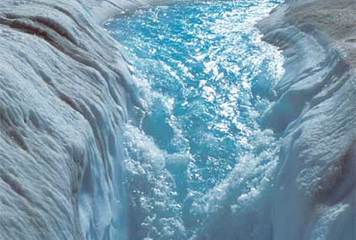
Ice sheet melting in Greenland

  • Ocean Temperatures: Oceans are observed to be warming as well over time. This is because the heat trapped by greenhouse gases goes into the oceans.
  • Sea Level: As grounded ice melts, the melted water runs to the ocean and increases the amount of water, thereby increasing the sea level. Another concern with the increase in sea level is that when water is warmed, it expands. This expansion of water further causes a rise in sea level.
There you have it folks,all the evidence out on the table. The Earth’s climate is changing. The above stated data are susceptible to errors therefore several types of confirmations are needed to make sure that there is no flaw in the research. 


Below are two other articles that have been published by James Hansen on the topic.

http://www.atmos.washington.edu/~davidc/ATMS211/articles_optional/Hansen81_CO2_Impact.pdf

http://www.nature.com.ezproxy.library.ubc.ca/scientificamerican/journal/v290/n3/full/scientificamerican0304-68.html

SCIE 300 Course Blog

Welcome to the SCIE 300 course blog!

Here are few things to make note of before you get started with your posts. First of all, you should read the blogging resources page under the Create menu. This will help you out a lot if you are brand new to using WordPress. On this page you will find video tutorials about writing posts on this blog, adding media to your posts, tagging, and categorizing. You will also find a link to the rubric we’ll use to grade your blog posts.

Next, check out the blogging guidelines. Here you will find the answer to the question: “What are we supposed to blog about?” You can also check out one of last term’s blogs for some additional inspiration.

There are a few important things to keep in mind when blogging. Please do not assume that just because something is online, it is OK for you to use it. For example, unless it is explicitly stated, an image on the internet can not just be copied, saved, and used in your own post without permission to do so. We’ve provided you with a lot more detail about properly using online content, but if you have questions, let us know.

This blog also contains a lot of resources for you. For example, still under the Create menu, there is a list of equipment available for you to borrow and a list of suggested software to use for your projects. We’ve also collected some writing and presentation resources.

Under the Explore menu, you will find some sample podcasts and videos, links that may be of interest or assistance, a list of groups and associations related to communicating science as well as a list of local museums and science centres. The Explore menu also contains a library resources page, which you should definitely have a look at. Finally, there is a bookshelf that lists relevant books that are on reserve for you in Woodward Library or available for borrowing from Eric’s office (BioSci 3532).

Let us know if you have any questions about the blog or would like to see any other resources made available. Or, if you find something that you think would be useful to the rest of the class, tell us, and we can add it to the resources. Better yet — write a post about it!

Happy blogging!

Craig and Andrew