Time to dive in! After thinking about them for a long time, this term I’m converting my exams into two-stage exams.
- Step 1. I shorten the exam so it’s doable in about 2/3 of the testing time slot.
- Step 2. Students write the exam individually.
- Step 3. Students immediately — during the same class period — write the same exam again in groups of 4.
- Step 4. Grade the exams as usual, but 90% of the score comes from individual, and 10% from team, with a guarantee that if you do better than the team score you get 100% weight for the individual (which very rarely happens, so I’m told).
Why am I making this change?
Four key reasons:
- Data. A growing pool of evidence is showing that team tests help students learn. See references below.
- Feedback. My classes are very large, so I struggle to give any personalized feedback at all, especially timely feedback. By re-doing the test immediately with peers, they get to immediately discuss the questions and come to the right answer (according to data).
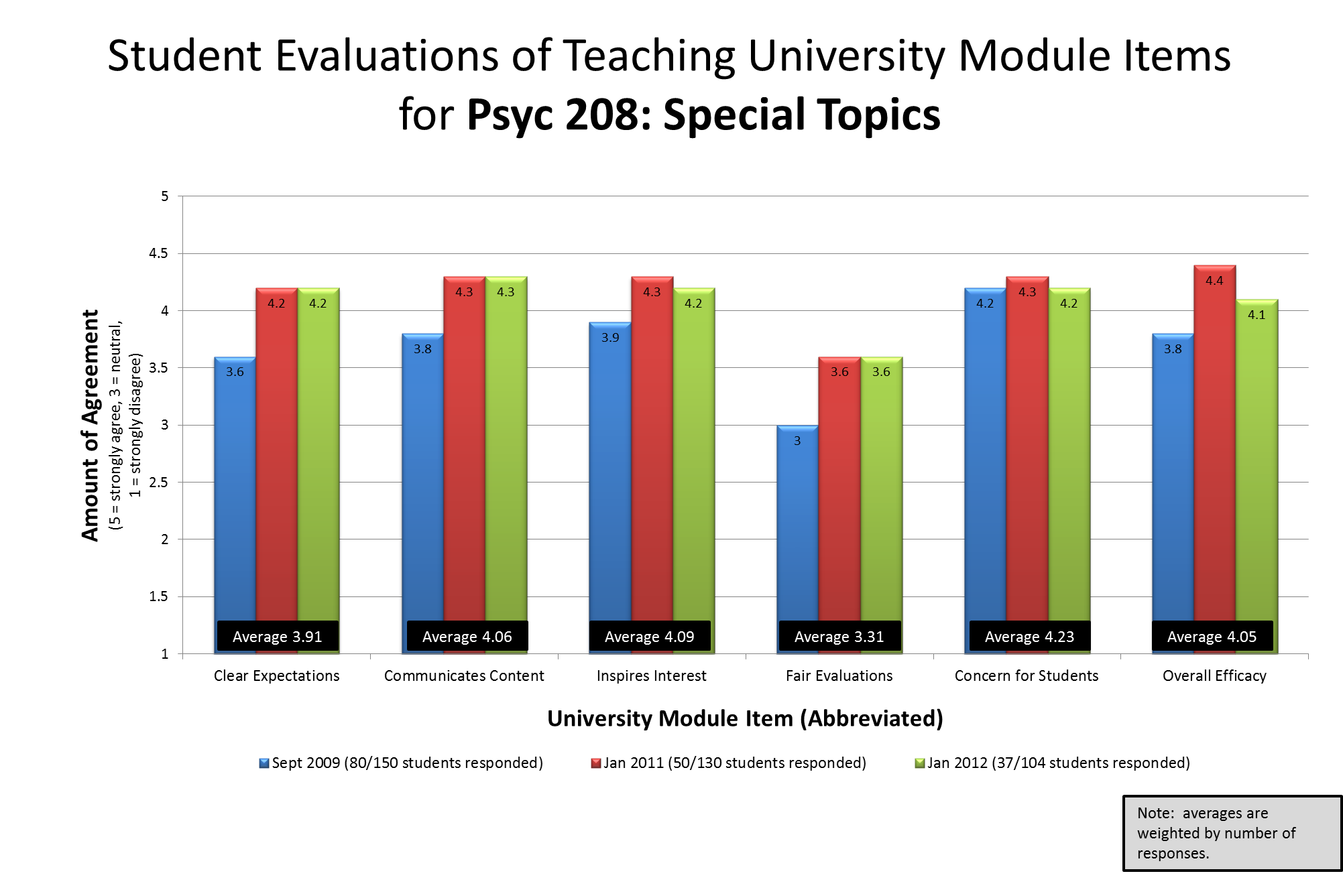
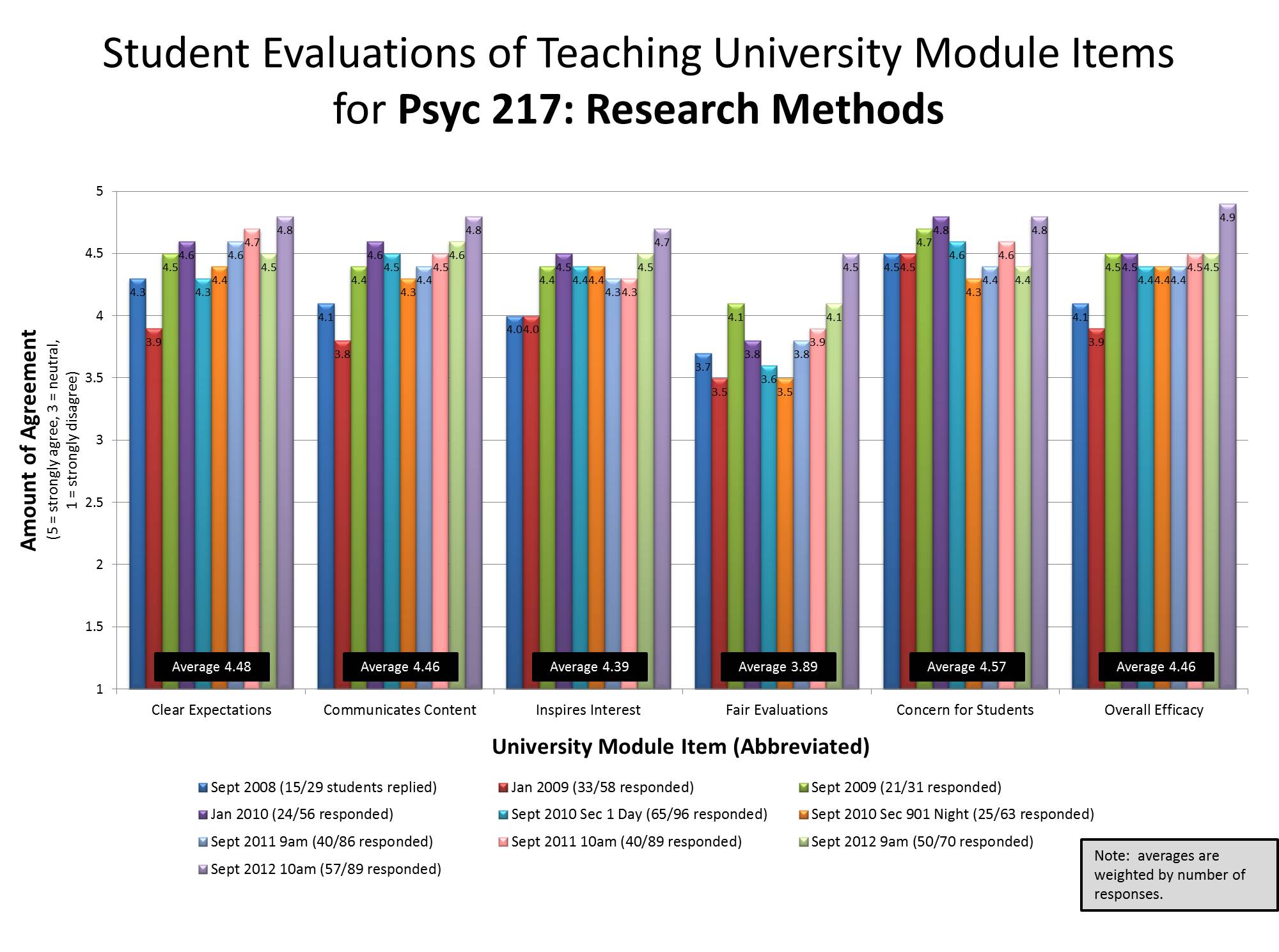
- Exam improvement. Based on my evaluations, a small but consistent group of students find my exams very difficult and/or too long. Because I still only have 50 minute classes to work with, this change will force me to shorten my exams, culling and distilling to just the most effective questions that measure deep learning.
- Community. I value collaboration and building a supportive community. Research papers and instructors who have used this method report extra benefits beyond learning: students have more rapport with each other and are more willing to participate with their peers in class throughout the term. Also, Gillian Sandstrom and I have a research paper in press showing the more students talk in class, the more they feel like part of a community and interested in the class. So… back to data.
Interested? Here are some quick and effective resources for implementation:
- Videos by the CWSEI team depicting Two-Stage Exams in action.
- Jones, F., Gilley, B., Harris, S. (2013). Tips for successful two stage exams. The EOS-SEI Times, 6(9). Retrieved http://www.cwsei.ubc.ca/Files/EOS/EOS-SEITimes_4.1_GroupExams.pdf
- Jones, F., Gilley, B., Lane, E., Caulkins, J., & Harris, S. (2011). Using group exams in your classes. The EOS-SEI Times, 4(1). Retrieved http://www.cwsei.ubc.ca/Files/EOS/EOS-SEITimes_4.1_GroupExams.pdf
- PHAS-CWSEI Team. (2012). Two-stage (group) exams. CWSEI–PHYS & ASTRO Newsletter. Retrieved http://www.cwsei.ubc.ca/Files/PHAS/PHAS-CWSEI_Newsletter_Summer-2012.pdf
- Brett Gilley, aka @ModernHydra
Data
Dahlstrom, O. (2012). Learning during a collaborative final exam. Educational Research and Evaluation: An International Journal on Theory and Practice, 18, 321-332.
Eaton, T. T. (2009). Engaging students and evaluating learning progress using collaborative exams in introductory classes. Journal of Geoscience Education, 57, 113-120.
Gilley, B. H., & Clarkston, B. (2014). Collaborative testing: Evidence of learning in a controlled in-class study of undergraduate students. Journal of College Science Teaching, 43, 83-91.
- A particularly well-designed example.
Leight, H., Saunders, C., Calkins, R., & Withers, M. (2012). Collaborative testing improves performance but not content retention in a large-enrollment introductory biology class. CBE—Life Sciences Education, 11, 392-401.
- The title might be alarming here… they showed no effect of the 2-stage exam on final exam performance (compared with material that had been previously tested only with individual tests). I’m ok with this. Not every study is going to find the same effect (particularly ones with some execution oddities like this one), yet this is still a “no-change” effect with no evidence that student learning decreases. Moreover, students still enjoyed the process and found it less stressful than the individual-only tests. No harm done, potential benefits.
Rieger, G. W., & Heiner, C. E. (2014). Examinations that support collaborative learning: The students’ perspective. Journal of College Science Teaching, 43, 41-47.
Roediger, III, H. L., & Marsh, E. J. (2005). The positive and negative consequences of multiple-choice testing. Journal of Experimental Psychology: Learning, Memory, & Cognition, 31, 1155-1159.
- Two-stage tests might help to fight the negative consequences of MC tests: you remember what you answered (and thought was right), not what actually was right.
Sandstrom, G. M., & Rawn, C. D. (in press/2014). Embrace chattering students: They may be building community and interest in your class. Teaching of Psychology.
Zipp, J. F. (2007). Learning by exams: The impact of two-stage cooperative tests. Teaching Sociology, 35, 62-76. doi: 10.1177/0092055X0703500105
 Follow